
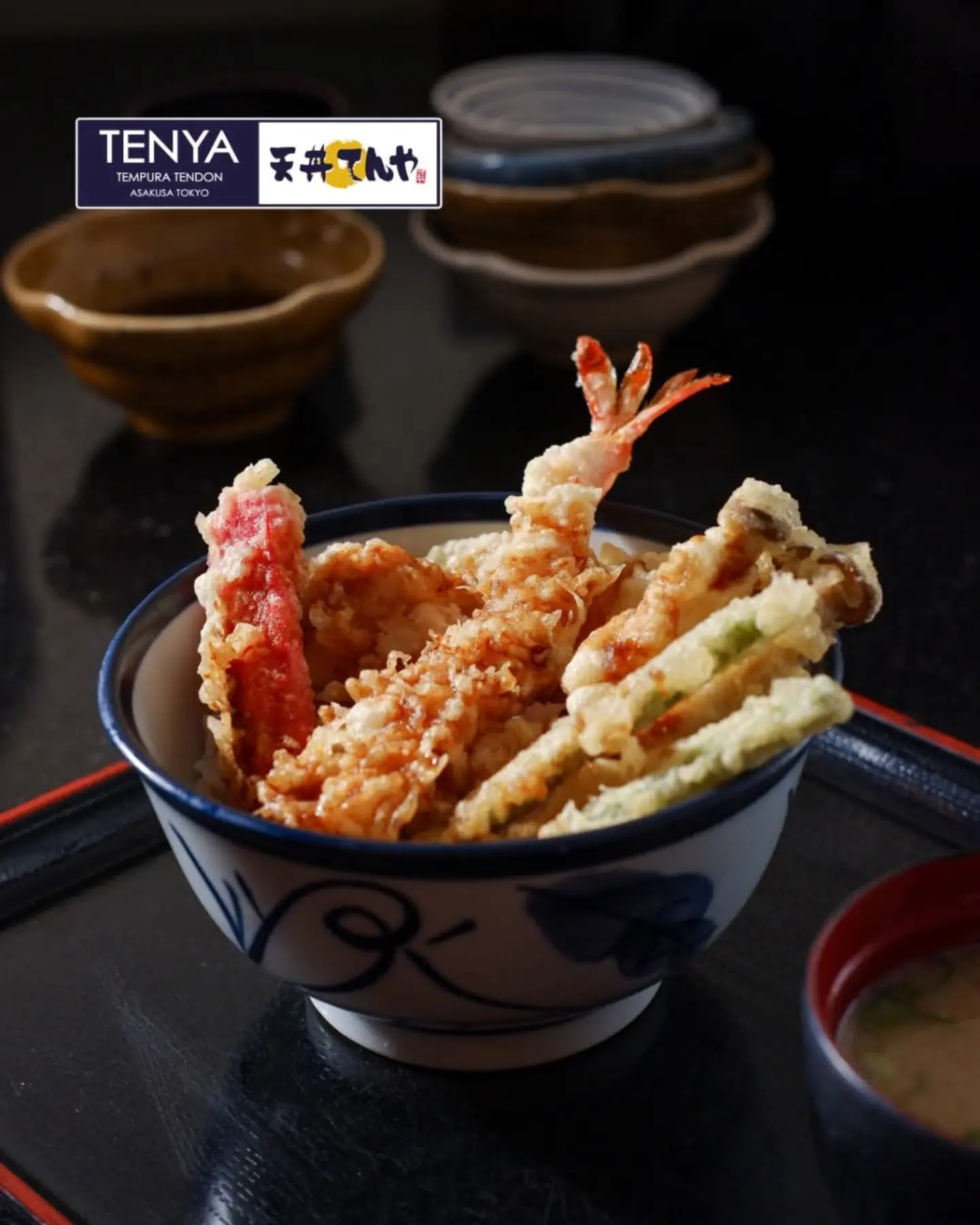
Tempura should crackle when you bite into it, not collapse into a greasy little disappointment. That delicate, golden coating you get at a Japanese restaurant might look like the work of a culinary wizard, but the secret is less mysterious than you think.
Cold batter, minimal mixing, and properly heated oil can turn ordinary shrimp and vegetables into spectacular tempura right in your own kitchen.
The catch?
Most home cooks try too hard. They whisk the batter until it looks smooth, let it warm up on the counter, or crowd every last piece into the pan. Unfortunately, tempura rewards a light touch, not enthusiasm with a whisk.
The good news is that you don’t need restaurant equipment or a passport to Tokyo to get that signature crunch.
With a few smart techniques and the right ingredients, you can make light, airy, restaurant-quality tempura at home without turning your kitchen into an oil-splattered crime scene.
Why This Homemade Tempura Recipe Works
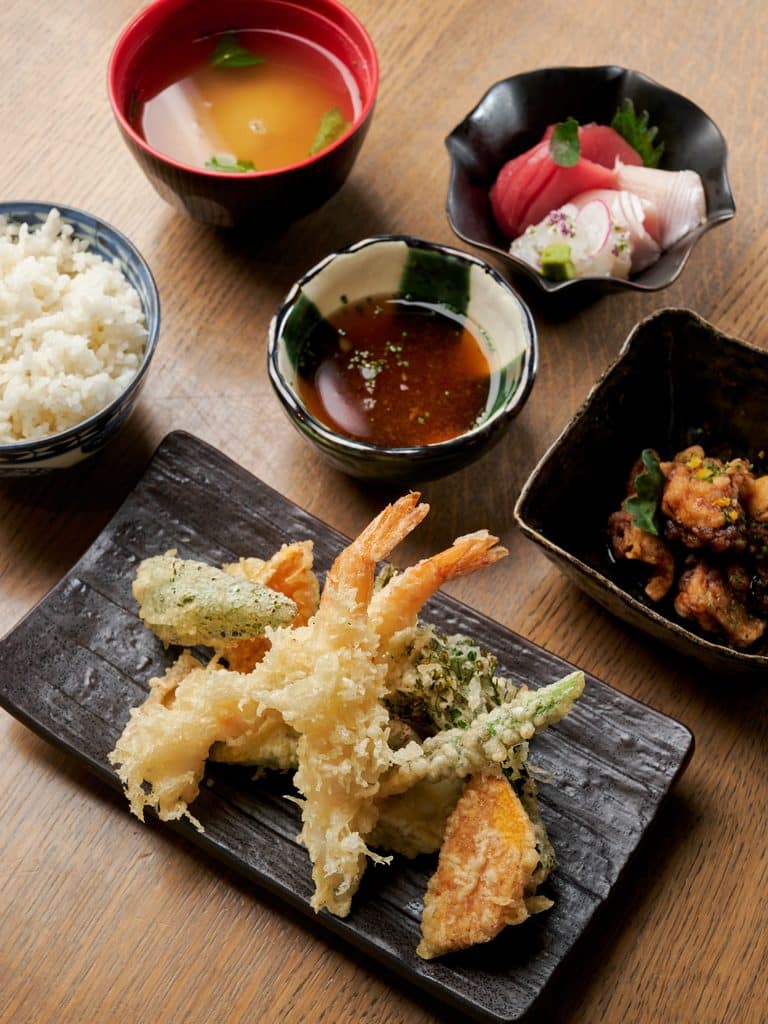
Great tempura is all about contrast: a crisp, delicate shell surrounding tender shrimp or vegetables. Unlike thick beer batter or heavy breading, traditional Japanese tempura batter is designed to be thin and light, allowing the ingredient underneath to remain the star.
Three details make the biggest difference:
- Cold ingredients: Chilled batter helps limit gluten development and supports a delicate coating.
- Minimal mixing: A few lumps are perfectly acceptable. Overmixing creates a tougher, heavier crust.
- Consistent oil temperature: Oil that’s too cool encourages greasy batter, while oil that’s too hot can brown the coating before thicker ingredients cook through.
The result is tempura with a fragile, golden crust that delivers a satisfying crunch without overwhelming the filling.
The Secrets to a Shatter-Crisp Tempura Coating
Before getting to the recipe, let’s cover the details that separate beautifully crisp tempura from a batch that turns limp before it reaches the table.
Keep the batter cold. Mix it just before frying, and set the bowl over another bowl filled with ice if your kitchen is warm. Don’t prepare it an hour ahead and hope for the best.
Don’t chase a perfectly smooth batter. A few floury streaks and lumps are desirable. Stirring until silky develops more gluten, which can make the coating chewy instead of delicate.
Control the oil temperature. Aim for 340–350°F (170–175°C). A thermometer is the most reliable way to monitor it. Adding too much cold food at once lowers the temperature and encourages oil absorption.
Give every piece room. Fry in small batches, allowing the hot oil to circulate around each ingredient. Crowding the pan is the culinary equivalent of trying to park six cars in a two-car garage.
Finally, drain cooked tempura on a wire rack. Paper towels can work in a pinch, but a rack allows steam to escape and helps preserve the crust’s crispness.

Common Tempura Mistakes and How to Fix Them
Even experienced cooks occasionally produce a disappointing batch. Fortunately, most tempura problems have straightforward solutions.
- Soggy coating: Check the oil temperature and avoid overcrowding the pan. Drain the finished pieces on a rack.
- Heavy, doughy batter: Mix less, use colder ingredients, and avoid adding extra flour to thicken the batter unnecessarily.
- Greasy tempura: The oil may be too cool, or too much food may have been added at once. Let the temperature recover between batches.
- Burnt coating with undercooked filling: Reduce the heat slightly or cut the ingredients into thinner, more even pieces.
- Batter sliding off: Dry the ingredients thoroughly and dust them lightly with flour before dipping.
Remember, tempura isn’t supposed to resemble a thick, crunchy jacket. The coating should be delicate enough to complement the ingredient, not hide it.
What to Serve with Homemade Tempura
Freshly fried tempura is delicious on its own, but a few simple accompaniments turn it into a complete Japanese-inspired meal.
Serve shrimp and vegetable tempura with warm steamed rice and a savory tempura dipping sauce made with dashi, soy sauce, and mirin. A bowl of miso soup or a light cucumber salad provides a refreshing contrast to the fried coating.
For a simple finishing touch, offer lemon wedges or grated daikon alongside the dipping sauce. Their bright, clean flavors balance the richness of the fried food.
One rule deserves repeating: serve tempura immediately after frying. The longer it sits, the more moisture softens the coating. Even the finest batter can’t negotiate with trapped steam forever.
Final Thoughts: Crunch Is a Technique, Not a Mystery
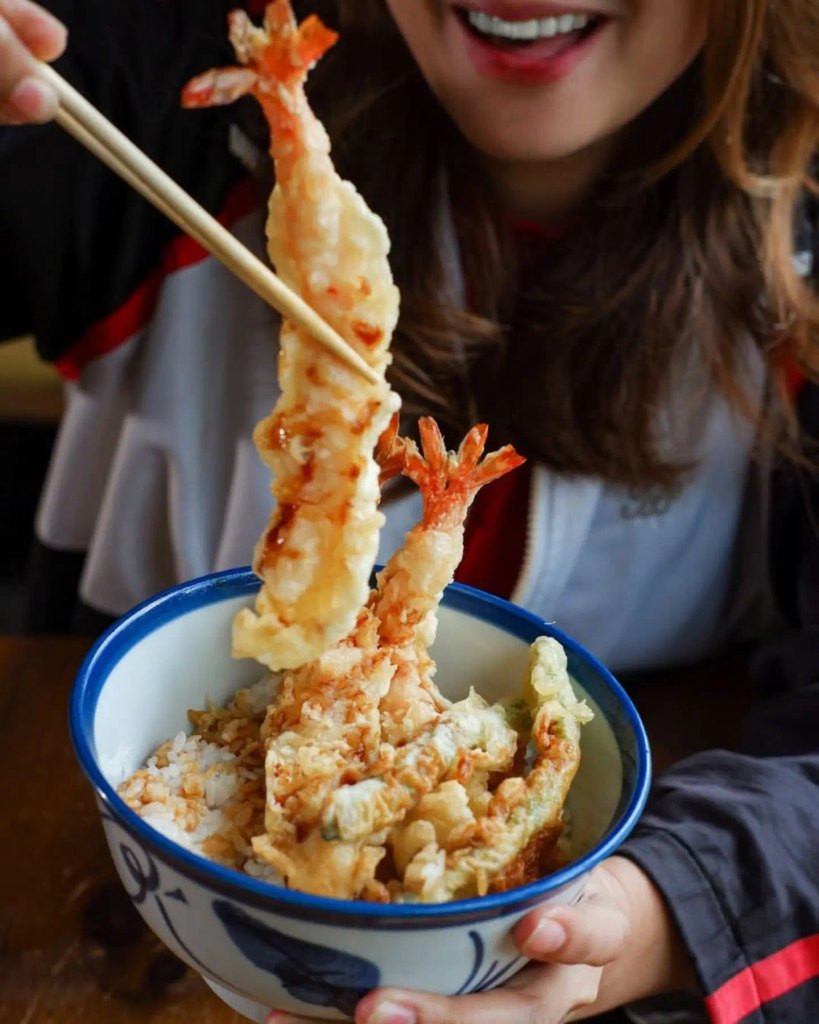
Restaurant-quality tempura doesn’t depend on secret ingredients or expensive equipment. It comes down to respecting a few simple rules: keep the batter cold, mix it lightly, maintain the right oil temperature, and fry in small batches.
Once you understand those fundamentals, you can apply them to shrimp, sweet potatoes, mushrooms, and just about any vegetable suited to quick frying.
Don’t worry if your first batch isn’t perfectly uniform. Tempura is wonderfully forgiving when you pay attention to temperature and timing. Besides, the cook gets to eat the test pieces. That’s not a kitchen mistake; it’s quality control.

Shatter-Crisp Homemade Tempura
Image credit: @botejyuphilippines
Ingredients
- You don't need a long shopping list to make excellent tempura. The technique matters more than fancy ingredients, although fresh produce and good-quality shrimp certainly help.
- For the tempura batter:
- 1 cup (125 g) all-purpose flour
- ¼ cup (30 g) cornstarch
- 1 large egg, chilled
- 1 cup (240 ml) ice-cold water
- A little extra flour for dusting
- For the fillings:
- 12 medium to large shrimp, peeled and deveined
- 1 small sweet potato, thinly sliced
- 1 small zucchini, cut into even slices
- 6 mushrooms, cleaned and dried
- You can swap in green beans, bell peppers, eggplant, or other firm vegetables. The key is to choose ingredients that cook in roughly the same amount of time or fry them in separate batches.
- Cornstarch helps lighten the coating, while the egg contributes structure. The ice-cold water is essential, so keep it chilled until you're ready to mix the batter.
Instructions
- Prepare the ingredients. Pat the shrimp and vegetables thoroughly dry. Make a shallow cut along the underside of each shrimp and gently straighten it. Slice the sweet potato and zucchini evenly so they cook at a similar rate within each batch.
- Heat the oil. Pour enough oil into a heavy, deep pot to allow the ingredients to float freely, leaving plenty of room at the top. Heat to 340–350°F (170–175°C) and monitor with a thermometer. Never leave hot oil unattended.
- Mix the batter. Lightly beat the chilled egg with the ice-cold water. Add the flour and cornstarch, stirring briefly with chopsticks or a fork. Stop while small lumps remain. Keep the batter cold as you work.
- Coat the ingredients. Lightly dust each piece with flour, shake off the excess, and dip it into the batter. Let excess batter drip off before carefully lowering the ingredient into the oil.
- Fry in small batches. Fry shrimp for approximately 2–4 minutes, depending on size, until the coating is crisp and the shrimp are opaque and fully cooked. Fry thin vegetable slices for approximately 2–4 minutes, adjusting the time for thickness and type. Sweet potatoes may need longer. Look for a crisp, pale-golden coating and tender interiors rather than relying on time alone.
- Drain and serve. Lift the tempura out with a slotted spoon or spider strainer. Transfer to a wire rack and let excess oil drain. Allow the oil to return to the target temperature before frying the next batch. Serve immediately with dipping sauce.
Notes
- Keep the batter cold and mix only what you need.
- Avoid overcrowding the pot, which can lower the oil temperature.
- Use a thermometer for consistent frying results.
- Never add water to hot oil or leave the pot unattended.
- For food safety, cook shrimp thoroughly and ensure thicker vegetables are tender before serving.
The final payoff is simple: a delicate, golden shell, tender fillings, and that unmistakable shatter-crisp bite.
Once you've mastered this technique, restaurant-style tempura can become a regular feature in your home kitchen – not just a dish you order when someone else is doing the frying.
Featured image credit: @tenyaph
