
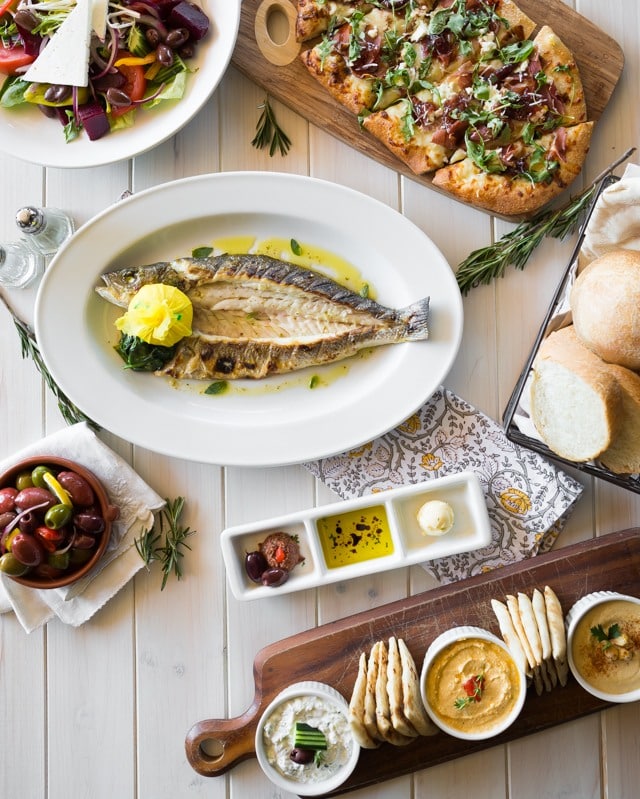
“The best way to eat seafood is to keep it simple.”
That sounds like something a fisherman would say after spending six hours on the water and discovering he forgot half the ingredients.
He may have a point.
Along Florida’s Gulf Coast, fresh-catch seafood doesn’t need much help. A good fish, a little seasoning, steady heat, and the right smoke can turn a simple fillet into something memorable. But when you introduce green citrus wood, the game gets more interesting.
Orange, lemon, lime, and grapefruit wood can bring an aromatic character to seafood that feels right at home in Sarasota. The trick is knowing how to control it. Too little smoke and you wonder what all the fuss was about.
Too much and your beautiful grouper starts tasting like it spent the afternoon inside a campfire.
The goal is clean smoke, gentle heat, fresh seafood, and a bright coastal finish.
Here’s how to do it.
What Makes Sarasota-Style Smoked Seafood Special?
Sarasota style cooking is less about complicated technique and more about respecting the ingredients.
The Gulf Coast provides an embarrassment of riches when it comes to seafood. Grouper, snapper, mackerel, mahi-mahi, tuna, and other fresh catches can all find their way onto a smoker.
The beauty of smoking is that it adds another layer without completely hiding the flavor of the fish.
That matters.
A delicate fish should still taste like fish. A smoky piece of seafood should make you think, Where has this been all my life? It shouldn’t make you think, Did somebody accidentally smoke this with a fence post?
Why Citrus Wood Works
Citrus wood has an appealing aromatic quality. Depending on the species and how it is burned, it can contribute a mild, fragrant, slightly sweet smoke that pairs naturally with seafood.
Orange wood can bring a subtle fruit-tree aroma. Lemon and lime wood can offer a sharper character. Grapefruit can be especially interesting when used sparingly.
But don’t expect your fish to taste like someone squeezed an orange over it.
Wood smoke works through aroma as much as flavor. The result is more nuanced: a gentle smokiness with a fresh, almost perfumed quality.
That’s why restraint matters.
Choosing the Right Fresh Catch for Smoking
The smoker can’t rescue poor-quality seafood.
It can add smoke. It can develop a beautiful surface. It can create that irresistible combination of savory seasoning and wood-fired aroma.
But it can’t turn old fish into fresh fish.
For the best Sarasota style results, start with seafood that is genuinely fresh and properly chilled.
Fish that Smoke Particularly Well
Look for fish with enough structure to handle heat and smoke without falling apart.
Good choices include:
- Grouper
- Snapper
- Mahi-mahi
- Mackerel
- Tuna
- Salmon
- Other firm or moderately firm fresh fish
Oily fish such as mackerel can be particularly rewarding because their natural fat works beautifully with smoke.
Firm white fish such as grouper and snapper take on seasoning and smoke while retaining a clean, recognizable seafood flavor.
Whole Fish or Fillets?
Both work.
Fillets are easier and faster, especially for a weeknight cookout. You can season them quickly, place them on the smoker, and monitor their internal temperature without much fuss.
Whole fish takes a little more preparation but can deliver excellent moisture and presentation. The bones and skin can help protect the meat during cooking.
The important detail is thickness.
A thin snapper fillet and a thick grouper portion may weigh the same but behave very differently on the smoker. Cook according to thickness and internal temperature, not a stopwatch.
Preparing the Seafood Before It Hits the Smoker
Good smoked seafood starts long before the smoke begins.
Pat the fish dry, check carefully for bones, and trim any unwanted portions. If you’re working with whole fish, make sure it has been properly cleaned and scaled when appropriate.
Then comes one of the most useful techniques in seafood smoking: brining.
Why Brine Fish?
A simple brine seasons the fish throughout rather than leaving all the flavor on the surface. It can also help the fish retain a pleasant texture during smoking.
You don’t need a chemistry degree.
A basic brine can be built around:
- Water
- Salt
- A small amount of sugar
- Optional aromatics such as garlic, herbs, or citrus peel
The exact concentration and time should be adjusted for the size and type of fish. A thin fillet needs much less time than a thick piece or whole fish.
And remember: more brine does not mean more flavor.
Over-brining can make seafood aggressively salty and can mask the very freshness you’re trying to showcase.
Add a Simple Seasoning Layer
After brining, pat the fish thoroughly dry.
A Sarasota-inspired seasoning can stay wonderfully uncomplicated:
Sea salt + black pepper + garlic + citrus zest + fresh herbs.
A little paprika can add color and warmth. A touch of chili can work if you enjoy some heat.
Don’t bury the fish under a mountain of seasoning.
The Gulf didn’t give you that beautiful piece of snapper so you could turn it into a spice rack.
Let the Surface Dry
After seasoning, allow the surface to dry appropriately before smoking.
This helps create a slightly tacky exterior that can take on smoke more effectively. In traditional smoking terminology, this surface is often associated with the development of a pellicle.
You don’t need to obsess over the terminology.
Just remember the practical lesson:
Dry surface = better smoke adhesion.
Understanding Green Citrus Wood
Now we get to the unusual part.
Green citrus wood means wood that has been recently cut and has not been fully seasoned or dried. It contains considerably more moisture than properly seasoned smoking wood.
That difference matters.
Freshly cut wood doesn’t burn the same way dry wood does. It can smolder, steam, produce heavier smoke, and make temperature control more difficult.
So why use it?
Because when managed carefully, green citrus wood can contribute a distinctive aromatic character. But it requires more control and moderation than properly seasoned wood.
What Citrus Wood Can You Use?
Common options include:
- Orange
- Lemon
- Lime
- Grapefruit
The most important rule isn’t the specific citrus variety.
It’s this:
Use only clean, untreated, uncontaminated wood.
Never smoke food with wood that has been:
- Painted
- Stained
- Chemically treated
- Exposed to pesticides or other contaminants
- Moldy
- Rotting
- Sourced from an unknown location
Your smoker is not a hazardous-waste disposal unit.
Green Doesn’t Automatically Mean Better
This is worth emphasizing.
Fresh green citrus wood is not inherently superior to seasoned citrus wood. In fact, properly seasoned hardwood is often easier to control because it burns more predictably and produces cleaner smoke.
If your goal is maximum control, seasoned citrus wood may be the better choice.
If you’re intentionally experimenting with green citrus wood, use small pieces, manage the airflow carefully, and pay close attention to the quality of the smoke.
What Good Smoke Actually Looks Like
Forget the idea that your smoker needs to look like a locomotive.
Thick clouds of white smoke are not the goal.
Heavy smoke can produce bitter, harsh flavors and can indicate incomplete combustion. For seafood, you generally want clean, controlled smoke.
Think of smoke as seasoning.
You wouldn’t dump half a cup of salt onto a delicate grouper fillet and call it sophisticated. The same principle applies to wood smoke.
Add citrus wood gradually.
Let the smoker breathe.
Watch the temperature.
Give the smoke time to work.
A light, clean stream of smoke is often enough.
The fish doesn’t need to be declared missing by the local fire department.
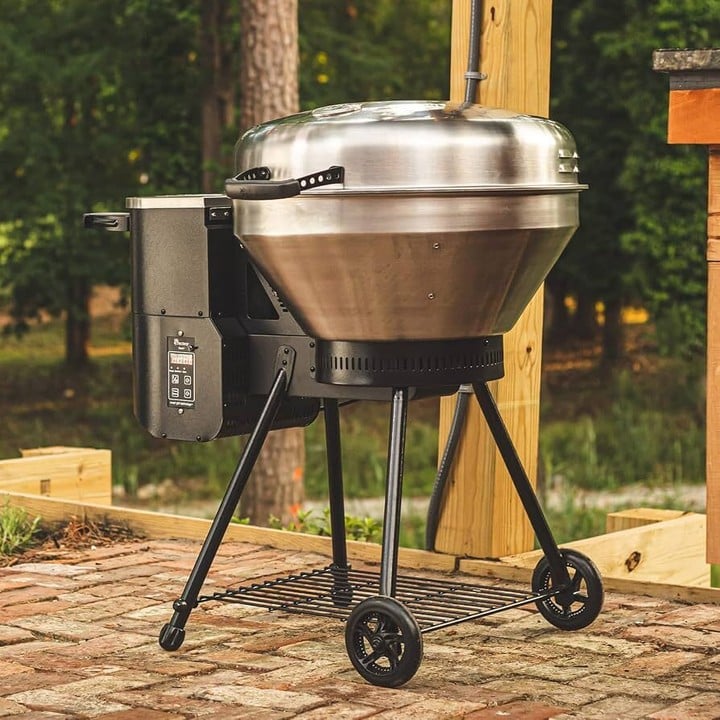
Setting Up the Smoker
The simplest approach for most seafood is indirect cooking.
That means the fish isn’t sitting directly over the hottest part of the fire. You want the heat to circulate around the seafood while the smoke gently passes over it.
Depending on what you have available, you can use:
- An offset smoker
- A kettle grill
- A pellet smoker
- An electric smoker
- A gas grill configured for indirect cooking
The equipment matters less than temperature control.
Establish the Smoker Before Adding the Fish
Get your smoker stabilized first.
Don’t throw cold seafood onto a grill that’s still climbing through wildly different temperatures and hope everything sorts itself out.
Instead:
- Preheat the smoker.
- Establish a steady cooking temperature.
- Introduce a small amount of citrus wood.
- Wait for clean smoke.
- Add the prepared seafood.
Once the fish is inside, resist the urge to lift the lid every five minutes.
Every peek lets heat escape. Your fish isn’t going anywhere.
How to Smoke Fresh Catch Seafood Over Green Citrus Wood
Now for the part that matters most.
Step 1: Preheat and stabilize
Bring the smoker to a steady cooking temperature appropriate for the seafood you’re preparing.
A moderate smoking temperature is generally easier to manage than extremely high heat, especially with delicate fish.
Consistency beats intensity.
Step 2: Add the citrus wood carefully
Start small. Green wood contains more moisture than seasoned wood, so avoid loading the smoker with a giant pile of fresh branches. Small pieces give you more control. Let the smoke develop before placing the fish inside.
Step 3: Place the seafood correctly
For fillets, placing the fish skin-side down can help protect the flesh. Leave space between portions. Smoke needs room to circulate. Crowding the smoker can interfere with even cooking and smoke exposure.
Step 4: Maintain clean smoke
Keep an eye on both the smoke and the temperature. If the smoker suddenly fills with dense, white smoke, don’t assume you’re winning.
More smoke is not more flavor.
Adjust airflow and reduce the amount of wood if necessary.
Step 5: Monitor internal temperature
This is where a reliable instant-read thermometer becomes your best friend.
Cooking time varies depending on:
- Fish species
- Thickness
- Starting temperature
- Smoker temperature
- Whole fish versus fillets
- Amount of moisture in the seafood
Don’t rely exclusively on a recipe that says, “Smoke for exactly 45 minutes.” Your fish didn’t read that recipe.
Use internal temperature and visual doneness as your primary guides.
For seafood, follow current food-safety guidance for the species and preparation you’re using. A thermometer is far more trustworthy than guessing based on color alone.
Step 6: Let it rest
Once cooked, remove the seafood from the smoker. Give it a short rest before serving. This allows the juices and heat to settle while the smoke aroma remains prominent. Then serve it while it’s at its best.

How Long Does Seafood Take to Smoke?
This is the question everyone asks.
“How long?”
The honest answer is: it depends.
A thin fillet may cook surprisingly quickly, while a thick piece of grouper or a whole fish can take considerably longer.
| Seafood | Smoking Consideration |
| Thin fillets | Cook relatively quickly; monitor closely |
| Thick grouper | Needs more time because of its thickness |
| Snapper | Delicate; avoid overcooking |
| Mahi-mahi | Firm enough for moderate smoking |
| Mackerel | Naturally oily and excellent with smoke |
| Whole fish | Cooking time depends heavily on size |
Use time as a guideline, not a guarantee.
Thickness matters.
So does smoker temperature.
And fish has an annoying habit of refusing to cook according to your dinner reservation. That’s why a thermometer is worth keeping beside the smoker.
Common Mistakes That Ruin Smoked Seafood
Smoking fish isn’t difficult, but it rewards attention.
Using Too Much Wood
This is probably the biggest mistake.
Seafood has a more delicate flavor than many cuts of beef or pork. A smoke profile that works beautifully on a brisket can overwhelm a snapper.
Start with less wood.
You can always add more smoke. You can’t remove it once the fish has absorbed it.
Using Dirty Smoke
Heavy, acrid smoke can make seafood taste bitter. Look for cleaner, lighter smoke and maintain good airflow.
Using Questionable Wood
Don’t use citrus branches simply because they came from a tree. Know where the wood came from.
Untreated and uncontaminated wood is essential.
Cooking by Time Alone
Forty-five minutes isn’t a magic number.
Your smoker temperature may be different from someone else’s. Your fillet may be twice as thick.
Use a thermometer.
Overcooking the Fish
This one hurts. Beautiful fresh seafood can go from succulent to dry surprisingly quickly. Keep an eye on it toward the end of cooking.
Opening the Smoker Constantly
Every inspection changes the cooking environment. Trust your setup. Check when necessary, but don’t turn the smoker lid into a revolving door.
Serving Smoked Seafood the Sarasota Way
Once the seafood comes off the smoker, don’t overcomplicate things.
Bright, fresh flavors make the smoke shine.
Try serving your fish with:
- Fresh lemon or lime
- Citrus-herb sauce
- Garlic butter
- Mango salsa
- Pineapple salsa
- Crisp slaw
- Grilled vegetables
- Corn
- Rice
- Roasted potatoes
A little acidity is especially useful.
The richness of smoked fish benefits from the sharpness of citrus, vinegar, or fresh fruit.
And don’t overlook leftovers.
Smoked fish can become an entirely different meal the next day.
Fold it into a smoked fish dip, flake it into tacos, add it to a salad, or build a simple smoked-fish sandwich.
That’s one of the great things about smoking. Dinner tonight becomes tomorrow’s lunch without looking like leftovers.
Food Safety Matters
Great flavor means nothing if food handling goes sideways.
Keep raw seafood properly chilled until you’re ready to prepare it. Use clean utensils and cutting boards, and keep raw seafood separate from cooked food.
Wash your hands and cooking surfaces after handling raw fish.
Most importantly, use a food thermometer to verify doneness rather than relying entirely on appearance.
Also remember an important distinction:
Smoking seafood for flavor is not the same thing as preserving seafood.
Home-smoked fish should not automatically be considered shelf-stable simply because smoke was involved. Refrigerate leftovers promptly and follow appropriate food-storage guidance.
When in doubt, throw it out.
A disappointing lunch is cheaper than a memorable case of food poisoning.
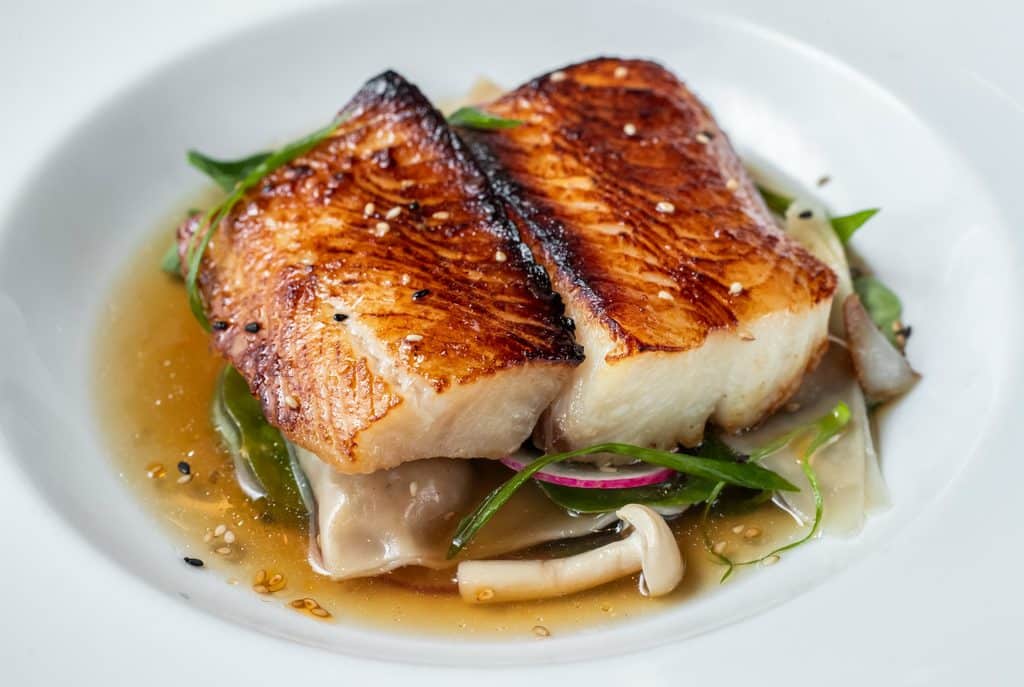
The Sarasota Style: Keep the Smoke, Respect the Fish
The best smoked seafood doesn’t try to disguise what you’re eating.
It celebrates it.
Start with a quality fresh catch. Season it simply. Prepare the surface properly. Use clean, untreated citrus wood. Keep the smoke controlled. Cook with steady indirect heat. And most importantly, know when the fish is done.
That’s the heart of Sarasota style smoking.
It’s coastal cooking with a little fire and a little patience.
You don’t need a giant smoker, a dozen complicated rubs, or enough wood to heat the neighborhood. You need good seafood, thoughtful technique, and the discipline to let the ingredients do their job.
And when that first bite delivers tender fish, gentle smoke, a hint of citrus character, and a bright finish from fresh lemon or lime, you’ll understand why this approach works.
The secret isn’t drowning fresh seafood in smoke. It’s giving the fish just enough smoke to make it interesting.
That is where the magic happens.
FAQ
What seafood is best for smoking with citrus wood?
Grouper, snapper, mahi-mahi, mackerel, tuna, and other firm or moderately firm fish are excellent choices. Oily fish tend to pair especially well with smoke.
Can you smoke seafood with green citrus wood?
Yes, but green wood contains more moisture and can produce heavier smoke than seasoned wood. Use small amounts of clean, untreated citrus wood and focus on producing light, clean smoke.
What citrus woods are best for smoking seafood?
Orange, lemon, lime, and grapefruit wood can all work. Each can provide a slightly different aromatic character, so experiment with small amounts to find your preferred flavor.
What temperature should seafood be smoked at?
A moderate, steady smoking temperature generally works well for seafood. Because cooking times vary by fish type and thickness, use an instant-read thermometer and follow current food-safety guidance rather than relying on time alone.
How do you prevent smoked fish from becoming too smoky?
Use less wood, maintain good airflow, and avoid thick white smoke. Clean, controlled smoke is better than a heavy cloud of smoke, particularly with delicate seafood.
What should you serve with Sarasota-style smoked seafood?
Fresh lemon or lime, citrus-herb sauces, slaw, grilled vegetables, corn, rice, potatoes, and fruit salsas make excellent pairings. Bright, acidic flavors help balance the richness of smoked fish.
Featured image credit: @visitsarasotacounty
