
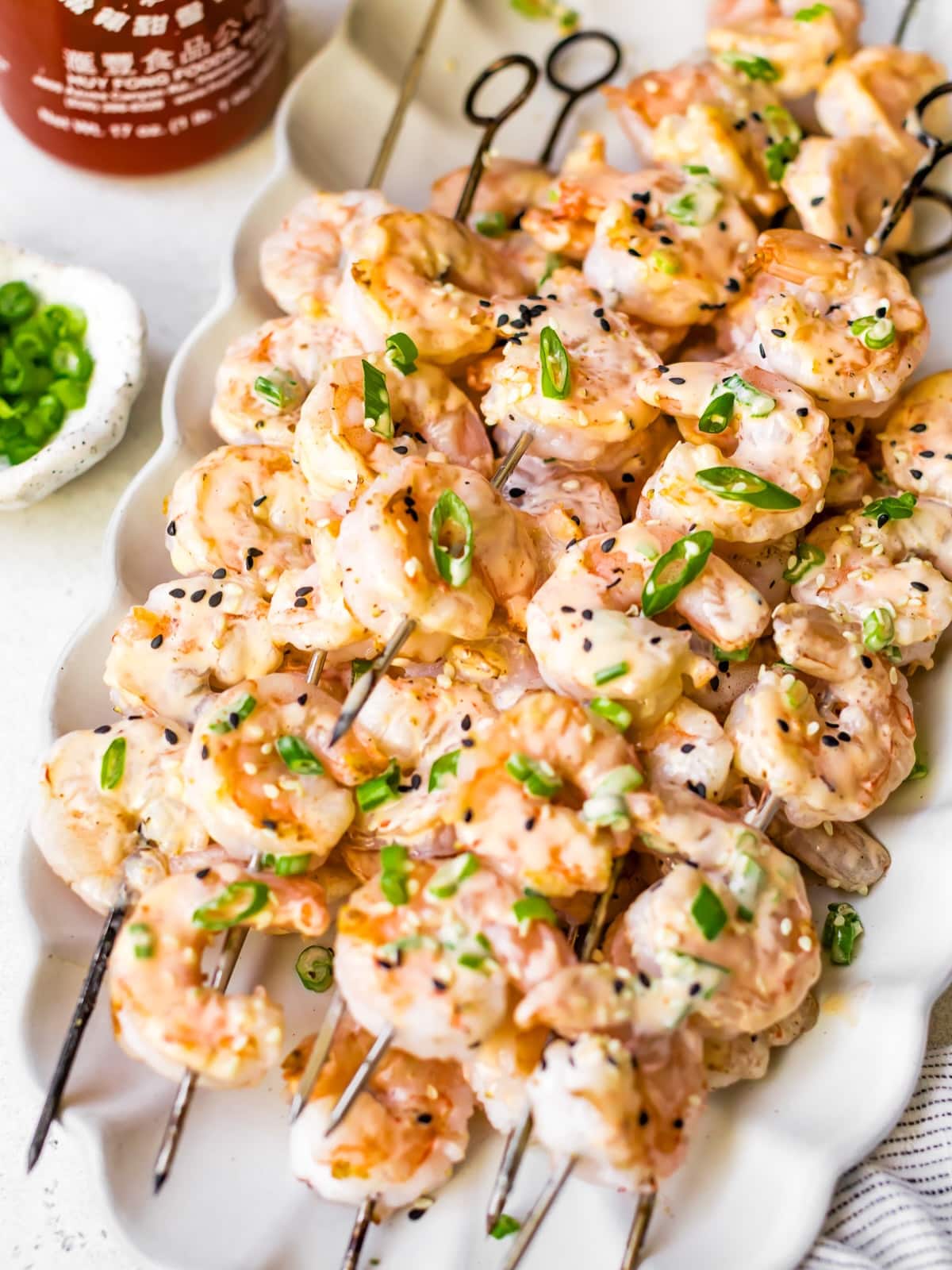
Some seafood recipes demand a game plan, a grocery list, and enough patience to make you question your life choices.
These garlic-butter shrimp skewers are not one of them. Give me a hot grill, a handful of large shrimp, plenty of garlic butter, and about 15 minutes, and dinner is handled.
The trick is knowing how to cook shrimp quickly without turning them into little pink rubber erasers. High heat, short cooking time, and a generous finish of garlic butter are the keys.
The grill adds a little char, the butter brings richness, and lemon cuts through it all with just enough brightness.
This is the kind of seafood main that looks impressive but requires very little work – a dangerous combination for anyone who likes taking credit for an easy dinner.
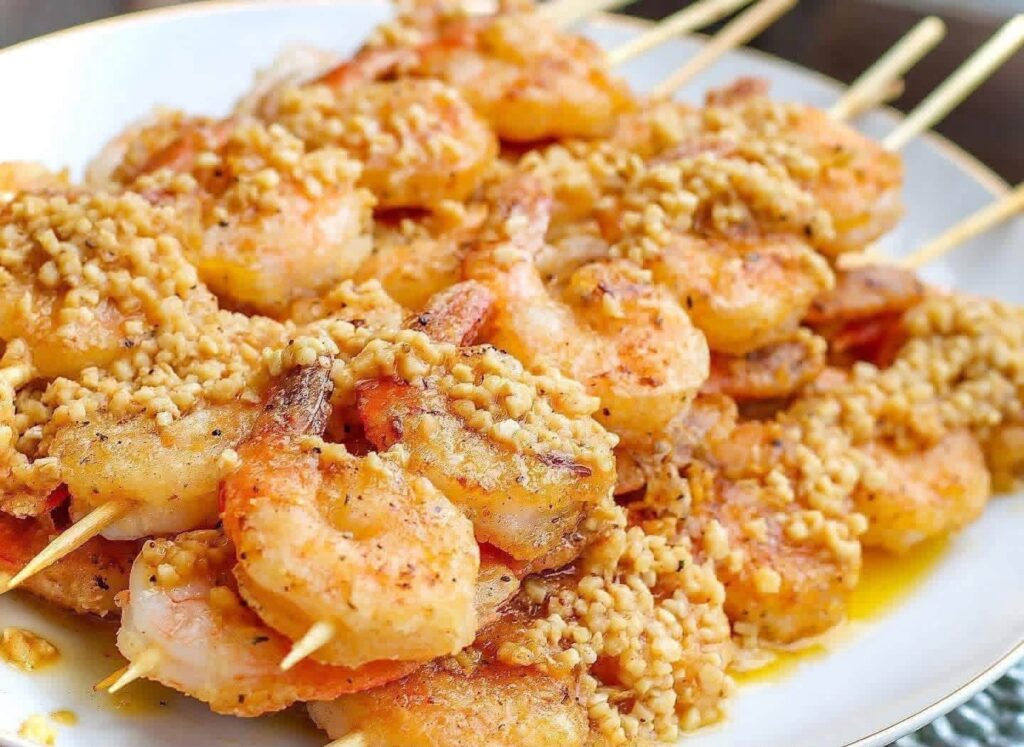
These Garlic-Butter Shrimp Skewers Will Steal Your Heart
The beauty of these garlic-butter shrimp skewers is their speed. Shrimp cook in minutes, so you can go from raw ingredients to a smoky, buttery seafood dinner before most delivery apps have finished asking whether you want to add a drink.
Here’s what makes the recipe worth keeping:
- Fast: Prep and grilling can be finished in roughly 15–20 minutes.
- Simple: The ingredient list is short and familiar.
- Flavor-packed: Garlic, butter, lemon, and grill char do most of the heavy lifting.
- Flexible: Serve the shrimp with rice, vegetables, bread, salad, or pasta.
- Grill-friendly: An outdoor grill works beautifully, but a grill pan can do the job too.
The most important choice is the shrimp. Use large or jumbo shrimp whenever possible. Smaller shrimp cook so quickly that the difference between perfectly tender and tragically overdone can be a matter of seconds.
The Secret to Extra-Juicy Shrimp: Don’t Skip the Brine
Want your garlic-butter shrimp skewers to stay plump and juicy instead of drying out over the grill?
Try a quick saltwater brine before seasoning. It takes only 15–20 minutes but can make a noticeable difference, especially when working with frozen and thawed shrimp.
The process is simple:
- Mix cold water with salt in a bowl.
- Soak the peeled shrimp for 15–20 minutes.
- Drain the shrimp thoroughly.
- Pat them completely dry before adding the garlic-butter mixture.
The short brine helps the shrimp retain moisture while adding a little seasoning from the inside out. This is particularly useful for frozen shrimp, which can lose some moisture during freezing and thawing.
Keep the brine short. You’re trying to improve the shrimp, not turn them into pickles. A quick soak is enough to boost juiciness without making the seafood overly salty or watery.
Stop the Garlic from Burning on the Grill
Garlic and high heat have a complicated relationship.
The grill needs to be hot enough to give your shrimp those delicious browned edges, but minced garlic can burn quickly at the same temperature. Once burned, garlic becomes bitter and can overpower the buttery sauce.
The smarter move is to use a two-stage garlic-butter method:
- Brush the shrimp lightly with garlic butter before grilling.
- Reserve most of the sauce for after the shrimp are cooked.
- Brush the hot shrimp with the reserved sauce just before serving.
This gives you the smoky flavor from the grill without sacrificing the fresh, aromatic character of the garlic.
You can also infuse the melted butter with garlic and strain out the larger pieces before brushing it onto the shrimp. This reduces the chance of the garlic scorching while still giving the butter plenty of flavor.
Save the fresh garlic or parsley for the finishing sauce. Your grill can handle the shrimp; let the garlic take the gentler route.
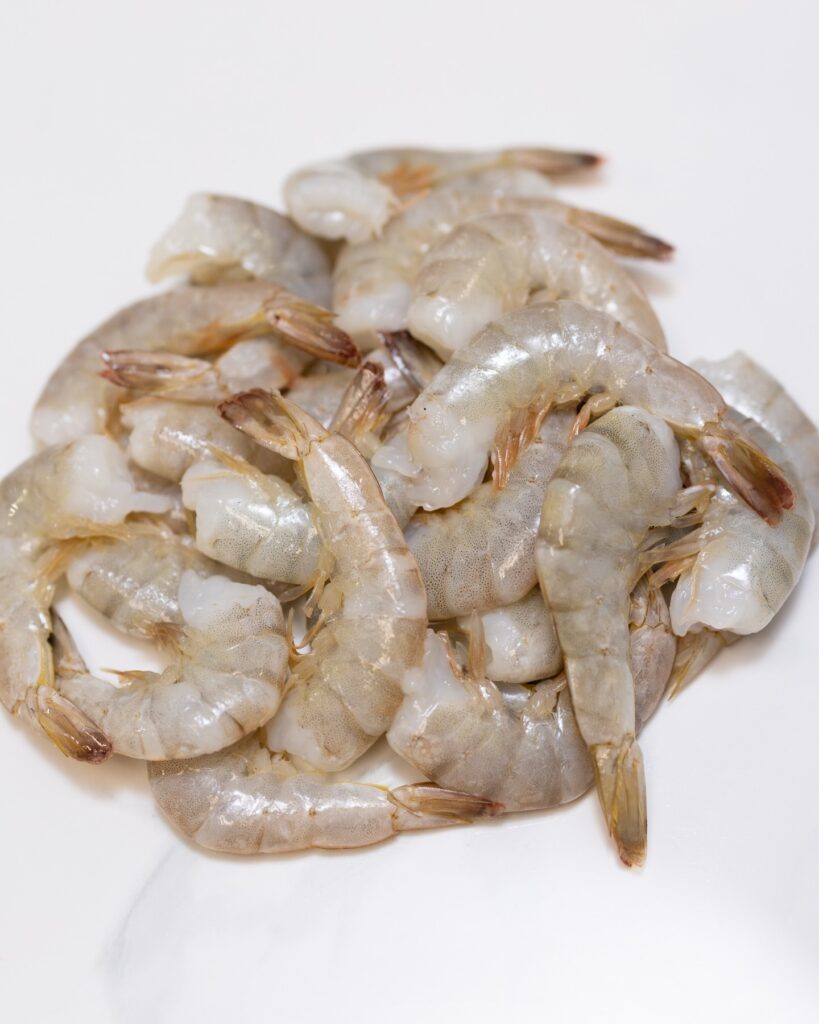
Thread Shrimp like a Pro for Better Grilling
Skewering shrimp isn’t just about getting them onto a stick. How you thread them can affect how evenly they cook, how easy they are to flip, and how attractive they look when served.
Instead of pushing the skewer straight through the center once, thread each shrimp through two points:
- Insert the skewer near the thick end.
- Push it through again closer to the tail.
- Keep the shrimp slightly curved rather than stretching them completely straight.
- Arrange them in the same direction for more consistent cooking.
This technique keeps the shrimp secure and prevents them from spinning around when you flip the skewers.
It also creates a flatter shape, giving more surface area direct contact with the grill.
For large or jumbo shrimp, the two-point method is especially helpful. They stay firmly in place while developing those desirable grilled edges.
It may seem like a small detail, but good skewer technique makes grilling noticeably easier. And when dinner hits the table, neatly grilled shrimp look far more impressive than seafood doing gymnastics on a stick.
Turn Leftover Shrimp into Tomorrow’s Lunch
Made too many garlic-butter shrimp skewers? Congratulations – you’ve accidentally meal-prepped.
Rather than reheating the shrimp until they’re tough and chewy, give the leftovers a completely different role. The key is to avoid aggressive reheating, since cooked shrimp can become rubbery surprisingly fast.
Try one of these easy transformations:
- Cold pasta salad: Slice the shrimp and toss them with pasta, cherry tomatoes, parsley, and lemon dressing.
- Quick shrimp tacos: Warm tortillas and add sliced shrimp, crunchy cabbage, and a squeeze of lime.
- Grain bowl: Serve the shrimp over rice with avocado and roasted vegetables.
- Fresh salad: Add chilled shrimp to greens with cucumber, tomatoes, and a bright citrus dressing.
For the best texture, leftovers can often be enjoyed cold or gently reheated just until warmed through.
The goal isn’t to recreate last night’s dinner exactly. Give those leftovers a new identity, and you’ve got two meals from one grilling session – which is a pretty good return on a few minutes of work.
How to Know When Shrimp Are Done
Shrimp don’t give you much room for error, so learn the visual cues.
Look for shrimp that are:
- Opaque rather than translucent
- Pink or coral on the outside
- Firm but slightly springy
- Curled into a loose “C” shape
A tightly curled shrimp that looks more like an “O” has probably stayed on the heat too long.
For food safety, seafood should reach an internal temperature of 145°F (63°C). An instant-read thermometer is the most reliable way to check, particularly when cooking very large shrimp.
What to Serve With Shrimp Skewers
These shrimp are rich enough to be the star but versatile enough to work with almost anything.
For a quick dinner, serve them with steamed rice and grilled vegetables. Want something more casual? Add crusty garlic bread and a crisp green salad.
Other good pairings include:
- Lemon rice or couscous
- Grilled corn
- Roasted or grilled asparagus
- Simple pasta
- Fresh cucumber and tomato salad
Don’t forget the lemon wedges. A little acidity makes buttery seafood taste brighter and more balanced.
Tips for the Best Garlic-Butter Shrimp Skewers
A few small details make a big difference.
Choose large shrimp. They are easier to grill without overcooking.
Dry the shrimp well. Moisture works against browning.
Preheat the grill properly. A hot cooking surface gives you better char and faster cooking.
Don’t overcrowd the skewers. Give the shrimp room to cook and brown.
Watch the clock. Two to three minutes per side is a starting point, not a commandment.
Shrimp size and grill temperature can change the timing.
Finish with fresh garlic butter. Some of the sauce should meet the cooked shrimp at the end, where its flavor stays bright and aromatic.
Easy Variations
Once you’ve mastered the basic recipe, it’s easy to change the personality without changing the method.
For spicy garlic-butter shrimp, increase the red pepper flakes or add a pinch of cayenne.
For a more smoky flavor, add a little smoked paprika to the seasoning.
For extra freshness, add lemon zest and chopped parsley to the finishing butter.
You can also swap parsley for cilantro or basil, depending on what you’re serving alongside the shrimp.
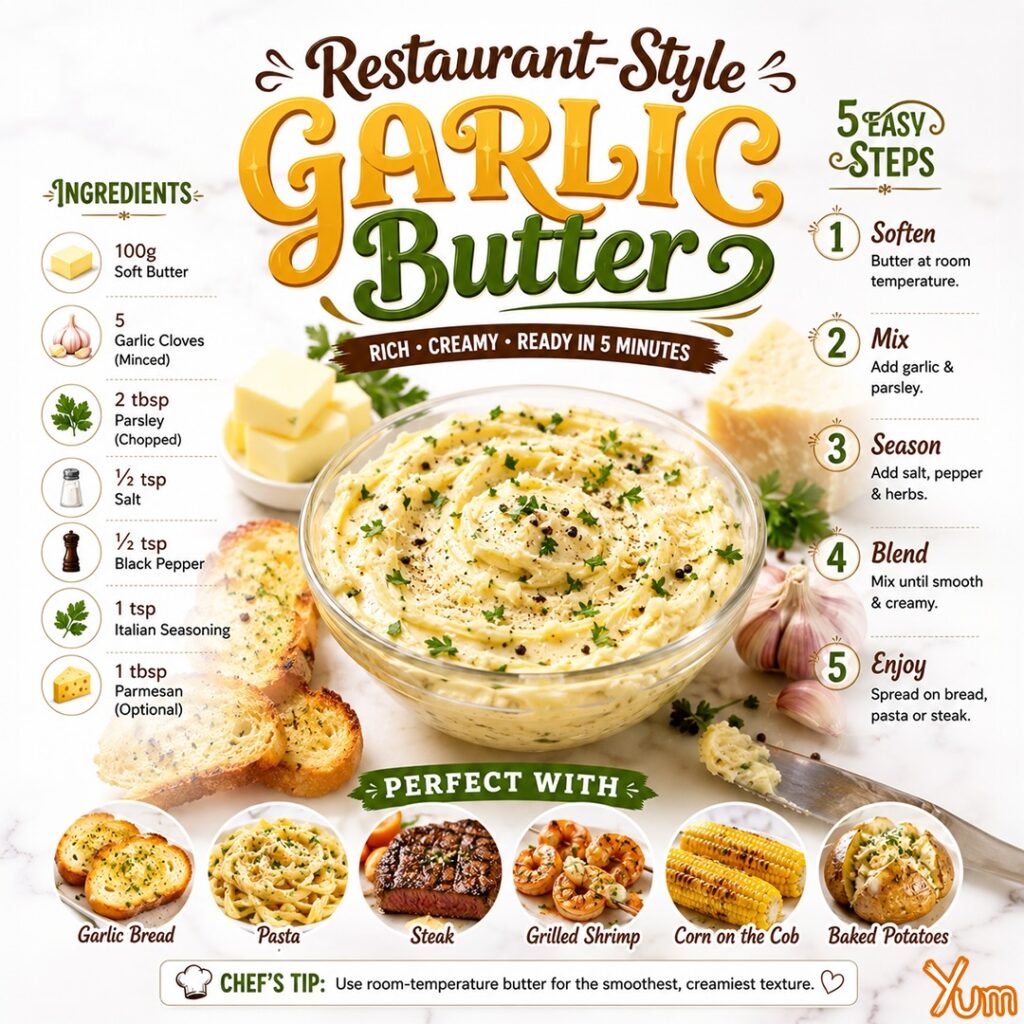
The Fastest Way to Put a Seafood Dinner on the Table
Great seafood doesn’t need complicated techniques or an ingredient list that requires its own spreadsheet.
These grilled garlic-butter shrimp skewers prove that a few good ingredients, a properly heated grill, and careful timing can produce a seriously satisfying main course.
The shrimp cook fast, the garlic butter does most of the flavor work, and the grill supplies the smoky char that makes everything taste like you put in far more effort than you actually did.
Serve them hot with lemon, something fresh on the side, and plenty of napkins. The only real danger is making too few.
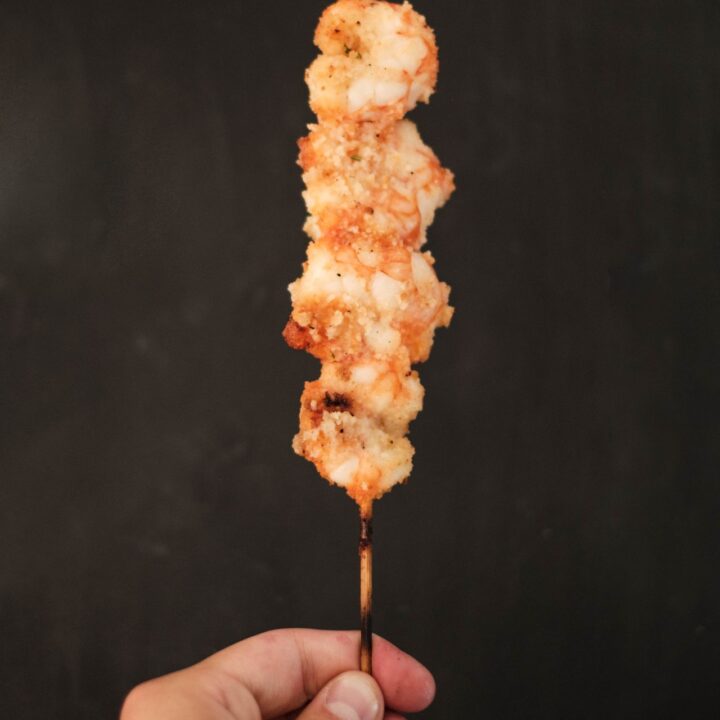
Grilled Garlic-Butter Shrimp Skewers
Image credit: Kei Scampa
Ingredients
- For about 4 servings, gather:
- 1½ pounds large shrimp, peeled and deveined
- 4 tablespoons unsalted butter, melted
- 4 cloves garlic, finely minced
- 1 tablespoon olive oil
- 1 tablespoon fresh lemon juice
- 1 tablespoon chopped fresh parsley
- ½ teaspoon salt
- ½ teaspoon black pepper
- ¼ teaspoon red pepper flakes, optional
- Lemon wedges, for serving
- Wooden or metal skewers
- Pat the shrimp dry before seasoning. This small step matters. Wet shrimp steam more easily, while dry shrimp have a better chance of developing those desirable browned, lightly charred edges on the grill.
- For wooden skewers, soak them in water for about 20–30 minutes before grilling. Metal skewers need no such spa treatment.
Instructions
1. Prepare the Shrimp
Start by peeling and deveining the shrimp if that hasn't already been done. Give them a quick rinse only if necessary, then pat them thoroughly dry with paper towels.
Place the shrimp in a bowl and season lightly with salt and black pepper.
Try to use shrimp that are roughly the same size. Uniform shrimp cook more evenly, which means you won't have one perfectly tender shrimp sitting next to its overcooked cousin.
2. Make the Garlic-Butter Sauce
Melt the butter gently, then stir in the minced garlic, olive oil, lemon juice, and red pepper flakes if you're using them.
Reserve a portion of this mixture for finishing the cooked shrimp.
That last part is important. Don't use the same garlic-butter mixture on raw shrimp and then brush it over cooked shrimp without cooking it first. Set some aside before the raw seafood goes anywhere near it.
The garlic should smell fragrant and savory, not browned or bitter. Garlic can go from delicious to burnt in a hurry, especially over high heat.
3. Thread the Shrimp Onto Skewers
Thread the shrimp onto the skewers, curving each shrimp naturally rather than stretching it completely straight.
Don't pack them together like passengers on a delayed commuter train. Leave a little space between the shrimp so heat can circulate around them and the edges can pick up some grill color.
Once threaded, brush the shrimp generously with the garlic-butter mixture.
4. Grill the Shrimp
Preheat your grill to medium-high heat, roughly 400–450°F.
Place the skewers directly over the heat and grill for about 2–3 minutes per side.
The shrimp should turn pink and opaque, with lightly charred edges. They should also feel firm but still have a little spring when pressed.
The biggest mistake here is simply leaving them on the grill too long.
Shrimp do not need a long cooking session. They are closer to a sprint than a marathon. Walk away to check your phone and you may come back to seafood with the texture of a bouncy ball.
Flip the skewers once and cook until the shrimp are just done. Remove them from the grill immediately.
5. Finish With More Garlic Butter
Now comes the part that makes these garlic-butter shrimp skewers especially hard to resist.
Brush the hot shrimp with the reserved garlic-butter sauce, then scatter fresh parsley over the top. Finish with a squeeze of lemon.
That final hit of butter and lemon brings everything together. The smoky grill flavor meets rich garlic butter, while fresh lemon keeps the dish from feeling heavy.
Serve immediately.
Featured image credit: @skinnytaste
