
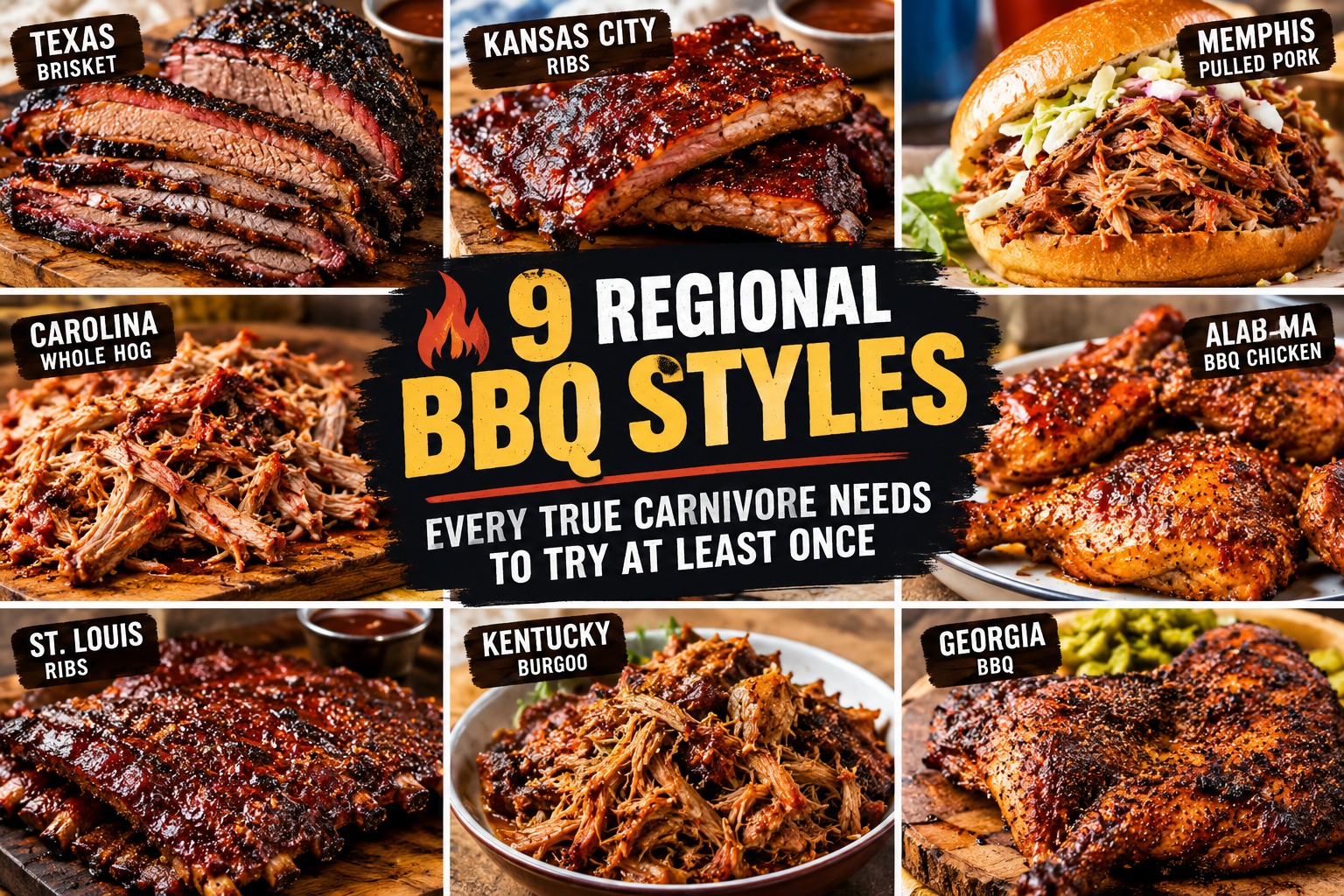
“Barbecue may not be the road to world peace, but it’s a start.” Fire, smoke, meat, and a table full of hungry people – few things bring folks together faster.
The funny part is that barbecue can also start an argument before the first rib hits the plate. Ask someone which BBQ style is best, and suddenly you’re in a debate that makes politics look like a polite dinner conversation.
The truth is, there’s no single right way to barbecue. Across the world, cooks have developed radically different ways to turn meat, fire, smoke, seasoning, and time into something unforgettable. Some styles worship brisket.
Others put pork front and center. Some reach for a bottle of sauce, while others would rather let the smoke do the talking.
These 9 regional BBQ styles deserve a place on every serious meat lover’s bucket list. Grab a napkin – you’re going to need it.
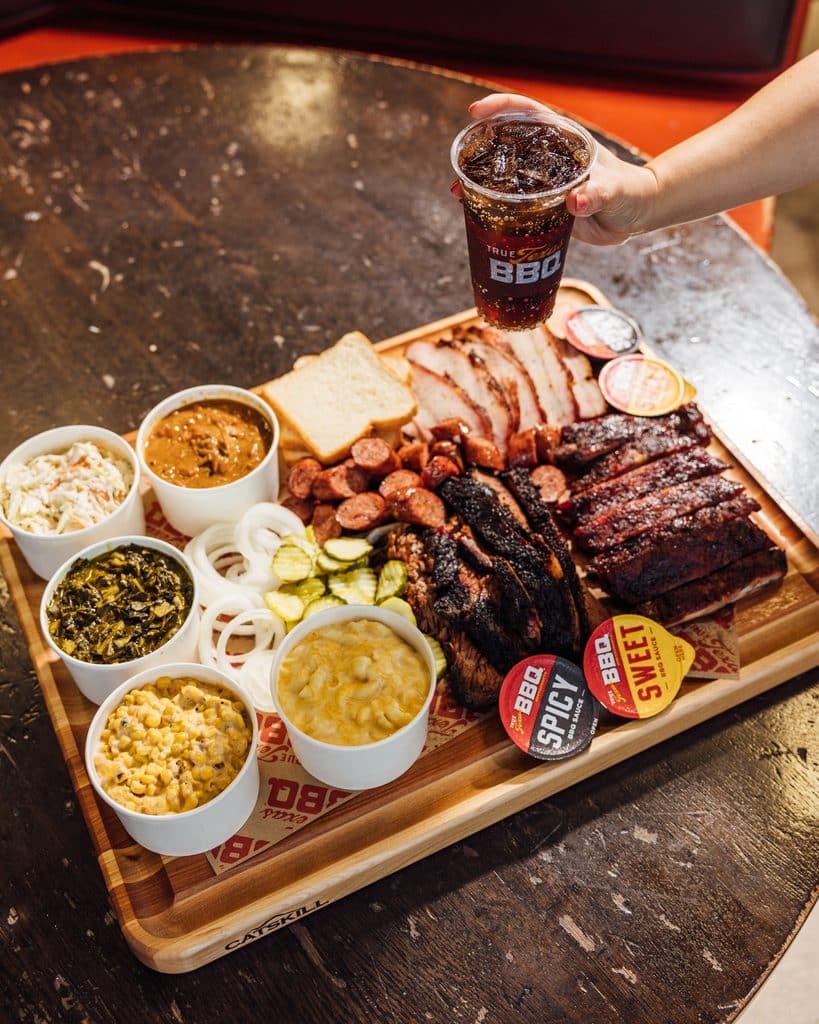
1. Texas BBQ – Smoke Meets Beef
Texas BBQ doesn’t need a complicated sales pitch. Put a beautifully seasoned brisket in front of a Texan, and the conversation usually takes care of itself.
Central Texas BBQ is famous for beef, particularly brisket cooked low and slow over wood smoke. The traditional approach is remarkably simple: quality meat, salt, pepper, smoke, and patience. That’s it. No seventeen-ingredient rub trying to win a chemistry award.
The magic happens during the long cook. Smoke builds a dark, flavorful bark while the connective tissue gradually breaks down, leaving the brisket tender, juicy, and deeply smoky.
Beef ribs and smoked sausage are also worth chasing down.
Why try it? Texas BBQ is the perfect introduction to the idea that great meat doesn’t need to be buried under sauce. When the brisket is cooked properly, sauce can feel almost unnecessary.
Make this at home
Style: Central Texas BBQ
Serves: 8–10
Prep: 20 minutes
Cook: 8–12 hours
Difficulty: Intermediate
Ingredients
- 1 whole beef brisket, 10–12 lb
- 3 tbsp kosher salt
- 3 tbsp coarse black pepper
- 1 tbsp garlic powder, optional
- Hardwood for smoking, preferably oak
Instructions
- Trim the brisket, leaving roughly ¼ inch of fat on the fat cap.
- Combine salt, pepper, and garlic powder. Coat the brisket generously on all sides.
- Let the seasoned brisket sit at room temperature for about 30–45 minutes.
- Heat the smoker to 225–250°F (107–121°C) and add oak wood.
- Place the brisket in the smoker with the fat side positioned according to your smoker’s heat source.
- Smoke until the thickest part reaches about 165–175°F, then wrap in butcher paper if desired.
- Continue cooking until the brisket is probe-tender, usually around 195–205°F.
- Rest for at least 1 hour before slicing against the grain.
Pitmaster Tip: Don’t chase the clock. Tenderness matters more than a specific temperature. When a probe slides into the brisket with little resistance, you’re getting close to barbecue glory.
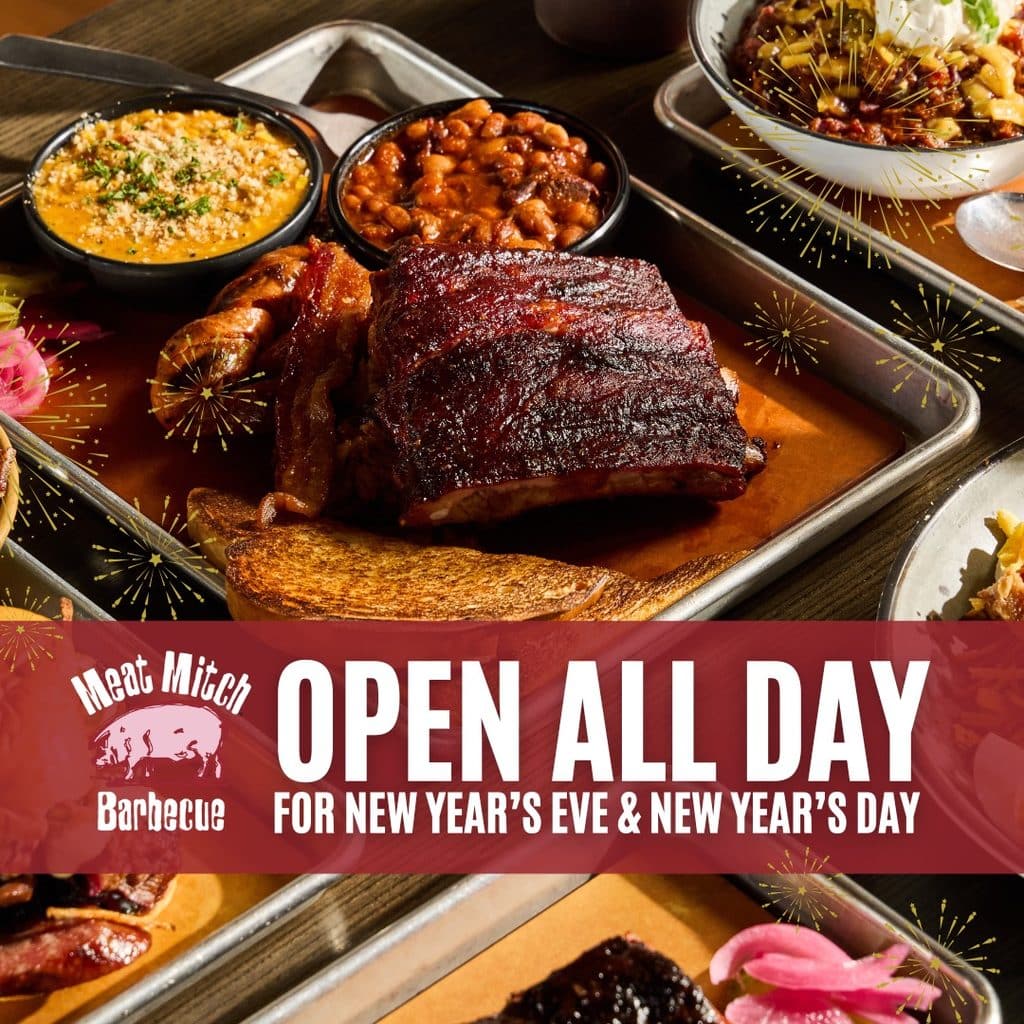
2. Kansas City BBQ – Sweet, Smoky, and Saucy
Kansas City takes a different approach: more sauce, more meat, more variety, more reasons to loosen your belt.
This legendary BBQ style is known for its thick, sweet, tangy tomato-based sauce. Kansas City pitmasters also smoke just about everything that can survive a long afternoon near a smoker – brisket, ribs, pulled pork, sausage, and chicken.
Then there’s the crown jewel: burnt ends.
These caramelized pieces of smoked brisket are packed with smoky bark and concentrated flavor. They’re so good that calling them “ends” feels like an insult. Frankly, they deserve their own zip code.
Why try it? Kansas City BBQ is for the carnivore who believes more flavor is more flavor. Sweet, smoky, savory, sticky, and unapologetically messy, it doesn’t exactly encourage clean eating.
Make this at home
Style: Kansas City BBQ
Serves: 4–6
Prep: 20 minutes
Cook: 4–5 hours
Difficulty: Intermediate
Ingredients
- 2 racks St. Louis-style pork ribs
- 2 tbsp brown sugar
- 1 tbsp paprika
- 1 tbsp kosher salt
- 2 tsp black pepper
- 1 tsp garlic powder
- 1 tsp onion powder
- ½ tsp chili powder
- 1 cup Kansas City-style BBQ sauce
- 2 tbsp apple cider vinegar
Instructions
- Remove the membrane from the back of the ribs.
- Mix the brown sugar, paprika, salt, pepper, garlic, onion, and chili powder.
- Coat the ribs generously with the rub.
- Heat your smoker to 250°F (121°C).
- Smoke the ribs for approximately 3 hours.
- Brush lightly with a mixture of BBQ sauce and apple cider vinegar, then wrap the ribs in foil or butcher paper.
- Cook for another 1–2 hours until tender.
- Unwrap, brush generously with BBQ sauce, and return to the smoker for 15–20 minutes to set the sauce.
- Rest for 10 minutes before slicing.
Key Flavor: Sweet, smoky, sticky, and tangy.
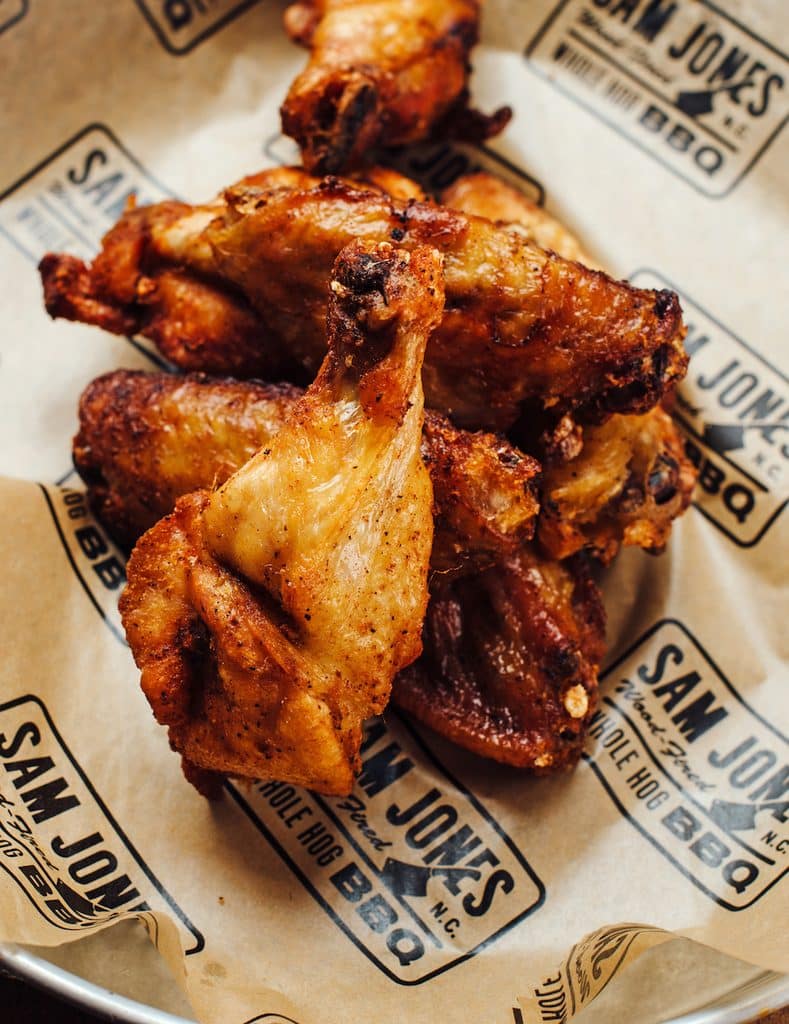
3. Carolina BBQ – Pork with a Tangy Kick
Carolina BBQ proves that barbecue doesn’t need a heavy sauce to make an impression.
The region has several distinct traditions, but pork is the common thread. Eastern North Carolina is famous for whole-hog barbecue and thin vinegar-based sauce, while Lexington-style BBQ often combines pork shoulder with a vinegar-and-tomato sauce.
South Carolina brings its own personality with mustard-based barbecue sauce.
That acidity isn’t an accident. Vinegar cuts through the richness of fatty pork, keeping every bite bright instead of heavy.
The result is smoky, tender meat with a sharp, tangy finish.
Why try it? Carolina BBQ is a lesson in balance. Rich pork + acidic sauce = barbecue harmony. It’s proof that sometimes the best supporting actor is the one that keeps the star from becoming too much.
Make this at home
Style: Carolina BBQ
Serves: 8–10
Prep: 20 minutes
Cook: 8–10 hours
Difficulty: Easy–Intermediate
Ingredients
- 1 pork shoulder, 7–9 lb
- 3 tbsp kosher salt
- 2 tbsp brown sugar
- 1 tbsp paprika
- 1 tbsp black pepper
- 1 tsp garlic powder
Carolina Vinegar Sauce
- 1 cup apple cider vinegar
- 2 tbsp brown sugar
- 1 tsp crushed red pepper
- 1 tsp kosher salt
- ½ tsp black pepper
Instructions
- Combine the dry seasonings and coat the pork shoulder thoroughly.
- Refrigerate uncovered for several hours or overnight.
- Heat the smoker to 225–250°F (107–121°C).
- Smoke the pork until it reaches approximately 195–205°F and feels tender when probed.
- Remove from the smoker and rest for at least 30 minutes.
- Whisk together the vinegar sauce.
- Pull or chop the pork and toss with enough sauce to lightly coat it.
Key Flavor: Tangy vinegar cuts through rich, smoky pork.
Serving Idea: Pile the pork onto a soft bun and add crunchy coleslaw. That’s a sandwich that knows exactly what it came here to do.
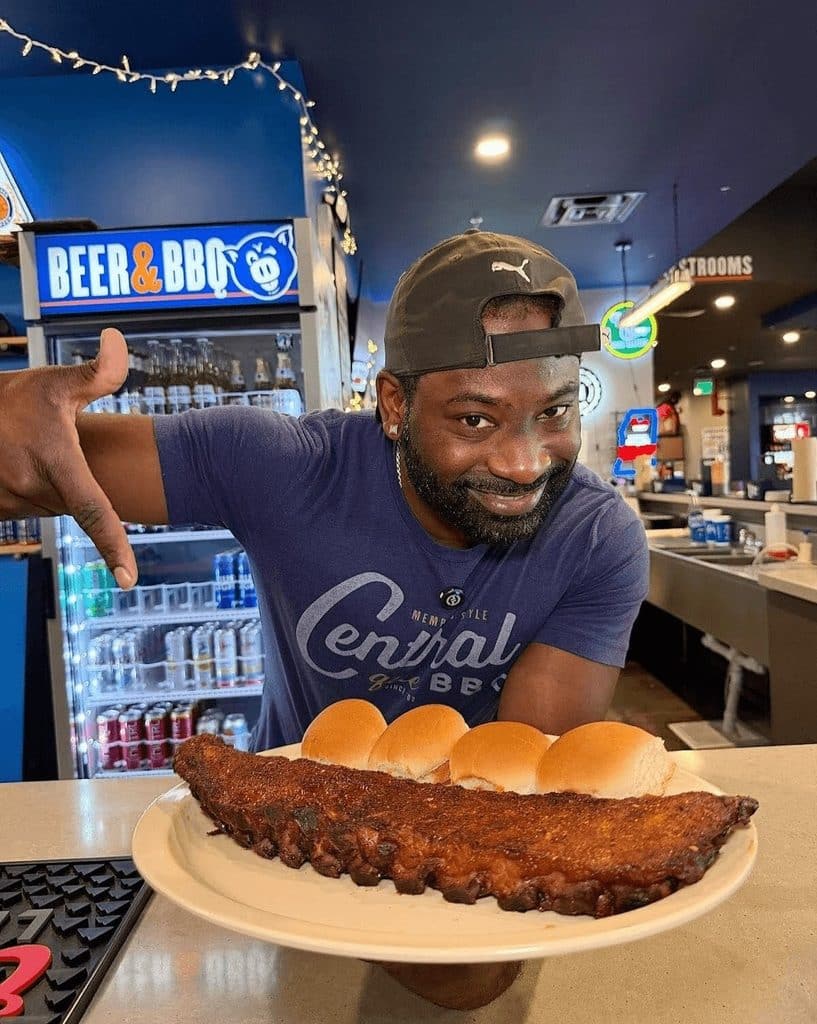
4. Memphis BBQ – Rubs, Ribs, and Serious Flavor
Memphis knows its ribs.
The city’s BBQ tradition is particularly famous for dry-rubbed ribs, where a carefully balanced mixture of spices forms a flavorful crust during the cook. Paprika, garlic, pepper, salt, sugar, and other seasonings can all make an appearance.
Want sauce? You can have it. But traditional Memphis barbecue doesn’t depend on it.
That dry rub allows the smoke, seasoning, and natural flavor of the pork to shine. The ribs should be tender but still have enough structure to give you a satisfying bite.
Pulled pork is another Memphis favorite, often served with slaw and sauce.
Why try it? Memphis is the place to go when you want to discover how much flavor can come from seasoning and smoke alone.
Make this at home
Style: Memphis BBQ
Serves: 4–6
Prep: 20 minutes
Cook: 4–5 hours
Difficulty: Intermediate
Ingredients
- 2 racks baby back or spare ribs
Memphis Dry Rub
- ¼ cup paprika
- 2 tbsp brown sugar
- 1 tbsp kosher salt
- 1 tbsp black pepper
- 1 tsp garlic powder
- 1 tsp onion powder
- 1 tsp chili powder
- ½ tsp cayenne pepper
Instructions
- Remove the membrane from the ribs.
- Combine all rub ingredients.
- Coat the ribs generously, pressing the rub into the meat.
- Refrigerate for at least 1 hour, preferably overnight.
- Heat your smoker to 250°F (121°C).
- Smoke the ribs for approximately 4–5 hours, until tender but not falling apart.
- Let them rest for 10 minutes before slicing.
- Serve dry-rubbed or with BBQ sauce on the side.
Key Flavor: Smoky, savory, slightly sweet, and peppery.
Memphis Rule: Sauce is optional. A good dry rub should be able to stand on its own.
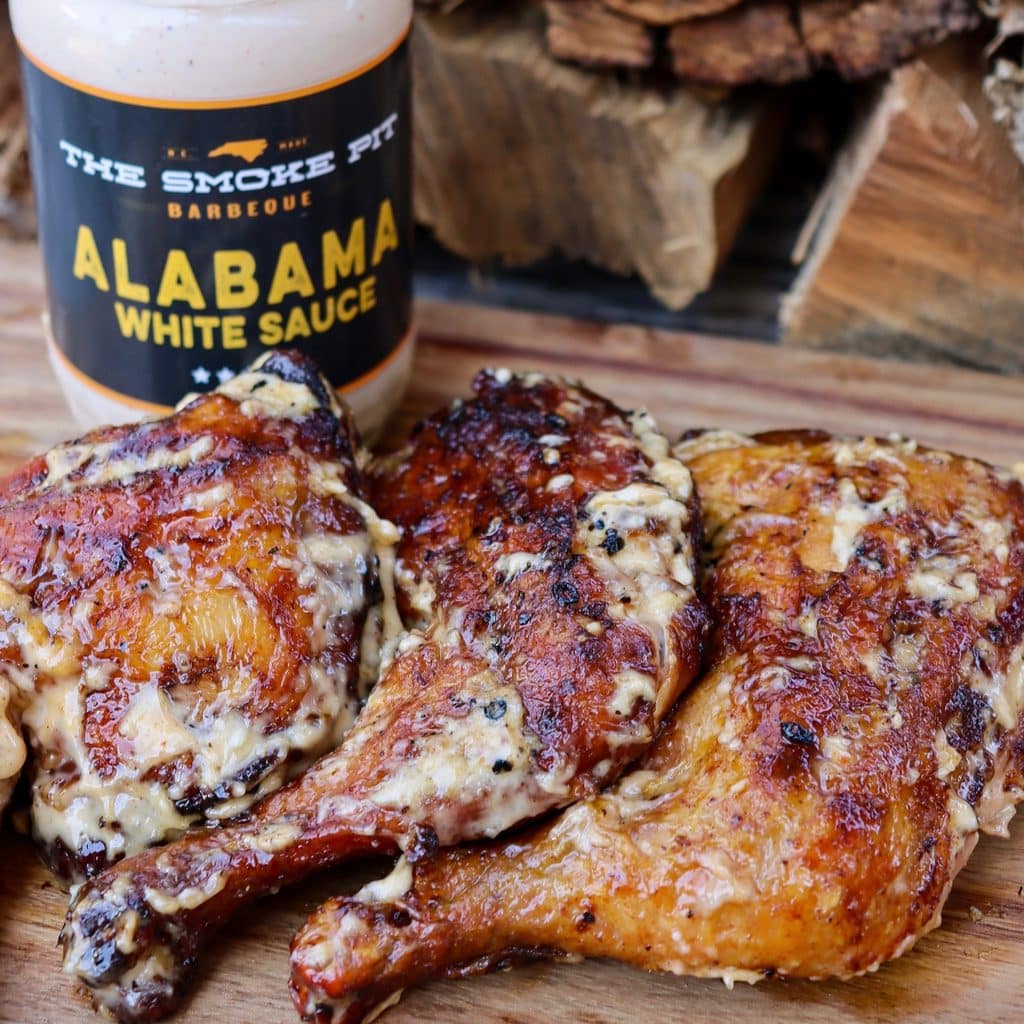
5. Alabama BBQ – Meet the White Sauce
Here’s where things get interesting.
Alabama BBQ is famous for smoked chicken served with white barbecue sauce, and that sauce looks nothing like the thick red stuff most people expect.
Made primarily with mayonnaise, vinegar, pepper, and other seasonings, Alabama white sauce is creamy, tangy, and surprisingly refreshing alongside smoky meat.
The contrast is what makes it work. Rich chicken gets a sharp, cool, peppery partner instead of another sweet layer of tomato-based sauce.
Why try it? Alabama BBQ proves that barbecue sauce doesn’t have to be red, sweet, or heavy. One bite of smoky chicken with tangy white sauce can make a barbecue traditionalist reconsider a few strongly held beliefs.
Make this at home
Style: Alabama BBQ
Serves: 4–6
Prep: 15 minutes
Cook: 1½–2 hours
Difficulty: Easy
Ingredients
- 1 whole chicken, spatchcocked
- 2 tbsp olive oil
- 1 tbsp kosher salt
- 2 tsp black pepper
- 1 tsp garlic powder
- 1 tsp paprika
Alabama White Sauce
- 1 cup mayonnaise
- ¼ cup apple cider vinegar
- 1 tbsp lemon juice
- 1 tbsp prepared horseradish
- 1 tsp Dijon mustard
- 1 tsp black pepper
- ½ tsp garlic powder
- Salt to taste
Instructions
- Pat the chicken dry and brush with olive oil.
- Season thoroughly with salt, pepper, garlic powder, and paprika.
- Heat the smoker or grill to approximately 300–325°F (149–163°C).
- Cook the chicken skin-side up until the thickest part of the breast reaches 165°F and the thighs are tender.
- Whisk together the white sauce.
- Rest the chicken for 10 minutes.
- Serve with plenty of Alabama white sauce for dipping or drizzling.
Key Flavor: Creamy, tangy, peppery, and smoky.
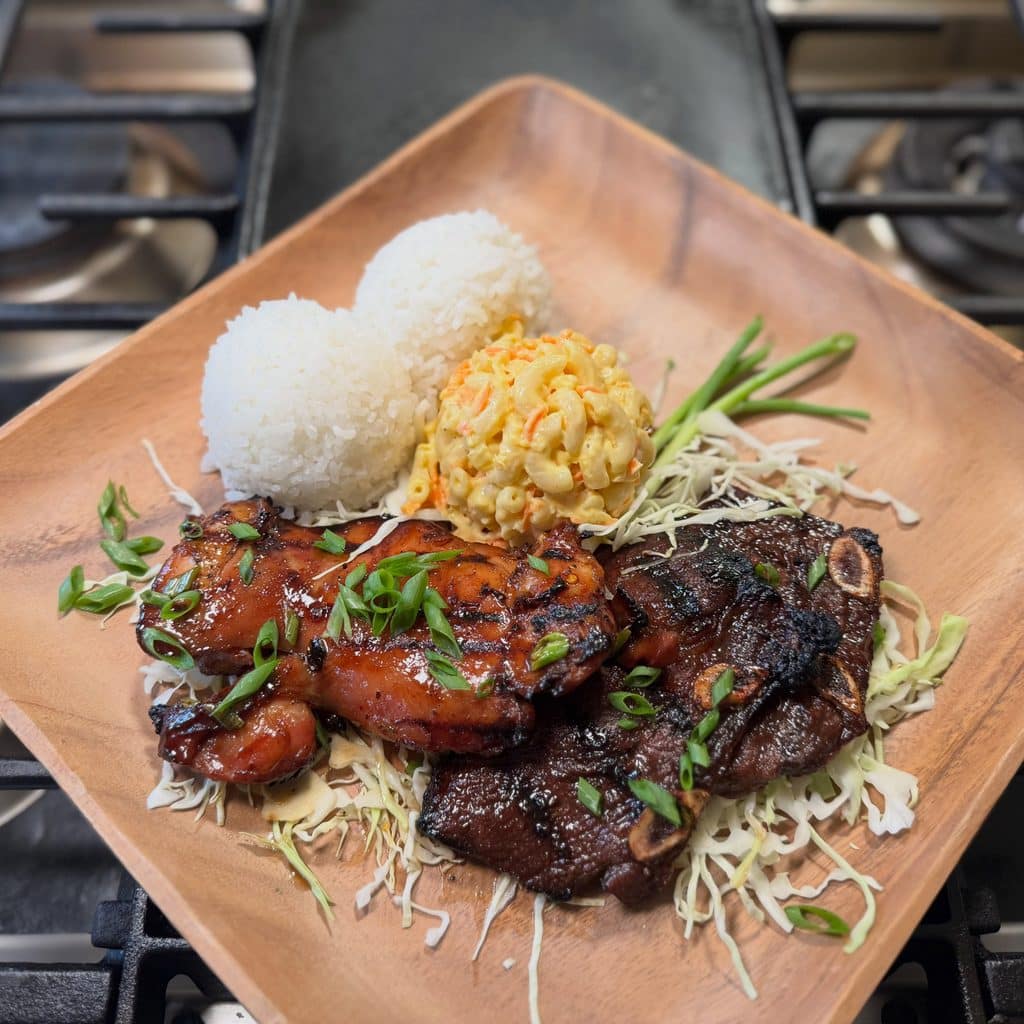
6. Hawaiian BBQ – Sweet, Savory, and Island-Inspired
Hawaiian BBQ brings a different flavor profile to the party, shaped by the islands’ multicultural food traditions.
You’ll find sweet-savory marinades, soy sauce, garlic, ginger, teriyaki-style flavors, and beautifully caramelized meat.
Rather than relying exclusively on the long smoking sessions associated with American Southern BBQ, many Hawaiian-style preparations put the emphasis on marination, grilling, and intense surface flavor.
Korean and Japanese influences are especially noticeable in many local BBQ dishes. The result is meat that’s savory, slightly sweet, aromatic, and often gloriously charred around the edges.
Why try it? Hawaiian BBQ is ideal when you want bold marinade flavor and caramelized crust in every bite. It’s barbecue with an island passport.
Make this at home
Style: Hawaiian-inspired BBQ
Serves: 4
Prep: 15 minutes + marinating
Cook: 15–20 minutes
Difficulty: Easy
Ingredients
- 2 lb boneless chicken thighs
- ½ cup soy sauce
- ¼ cup pineapple juice
- 2 tbsp brown sugar
- 2 tbsp honey
- 2 cloves garlic, minced
- 1 tsp grated fresh ginger
- 1 tbsp sesame oil
- 1 tbsp rice vinegar
Instructions
- Whisk together the soy sauce, pineapple juice, brown sugar, honey, garlic, ginger, sesame oil, and rice vinegar.
- Add the chicken and marinate for 2–8 hours.
- Preheat a grill to medium-high heat.
- Remove the chicken from the marinade and grill for approximately 5–7 minutes per side, depending on thickness.
- Brush with additional cooked marinade during the final minutes.
- Cook until the chicken reaches 165°F internally.
- Rest for 5 minutes before slicing.
Key Flavor: Sweet, salty, garlicky, and beautifully caramelized.
Serving Idea: Serve with steamed rice, grilled pineapple, or a crisp cabbage slaw.
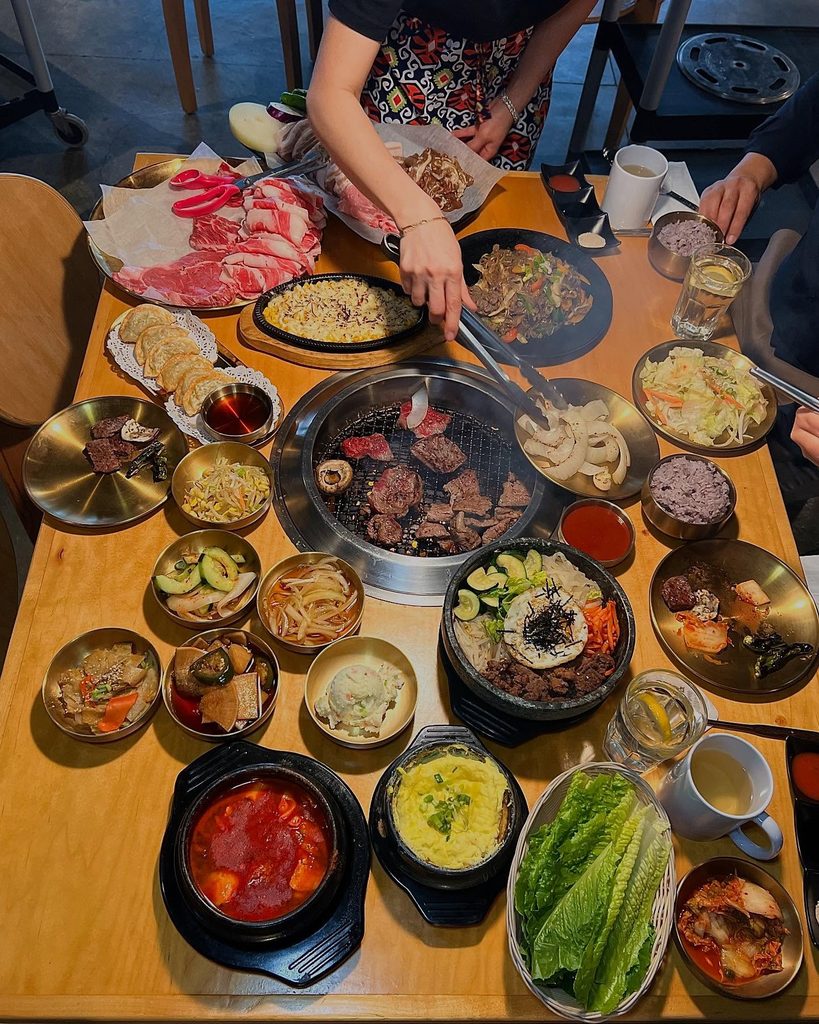
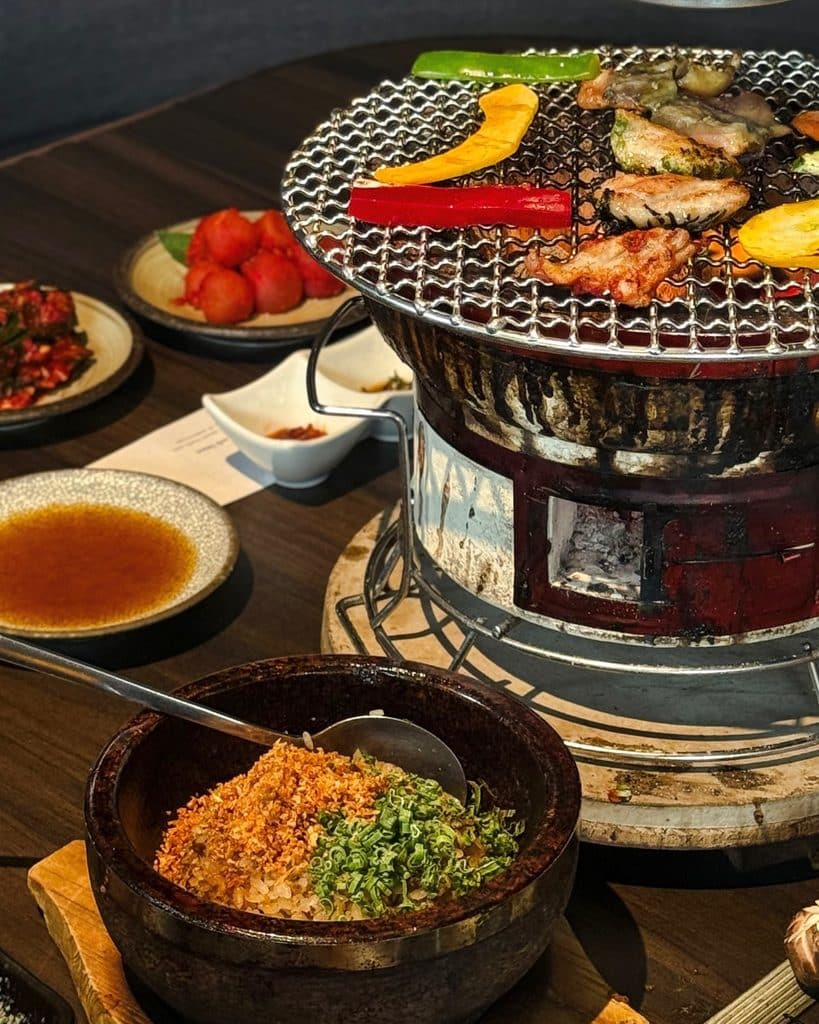
7. Korean BBQ – Your Table Becomes the Grill
Korean BBQ changes the entire BBQ experience.
Instead of waiting hours for a brisket to emerge from a smoker, diners often grill thinly sliced or marinated meat right at the table. Popular choices include bulgogi, galbi, and pork belly.
The marinades can feature soy sauce, garlic, sesame, ginger, sugar, and other ingredients that create a combination of sweet, salty, savory, and deeply aromatic flavors.
Then come the banchan – small side dishes that bring acidity, crunch, spice, and freshness to the meal.
The social element is part of the appeal. You’re not just eating BBQ; you’re cooking, sharing, grabbing another piece of meat, and pretending you aren’t already full.
Why try it? Korean BBQ is for anyone who believes the best BBQ experience should be interactive.
Make this at home
Style: Korean BBQ
Serves: 4
Prep: 20 minutes + marinating
Cook: 10 minutes
Difficulty: Easy
Ingredients
- 1½ lb thinly sliced beef ribeye or sirloin
- ¼ cup soy sauce
- 2 tbsp brown sugar
- 1 tbsp sesame oil
- 1 tbsp rice wine or rice vinegar
- 3 cloves garlic, minced
- 1 tsp grated ginger
- ½ Asian pear, grated
- 2 green onions, sliced
- 1 tsp sesame seeds
- Black pepper to taste
Instructions
- Combine the soy sauce, sugar, sesame oil, rice wine, garlic, ginger, and grated pear.
- Add the beef and mix thoroughly.
- Marinate for 30 minutes to 4 hours.
- Heat a grill pan, cast-iron skillet, or tabletop grill over high heat.
- Cook the beef in small batches so it sears rather than steams.
- Cook for approximately 1–2 minutes per side.
- Garnish with green onions and sesame seeds.
Key Flavor: Sweet, salty, savory, garlicky, and intensely beefy.
Serving Idea: Wrap the grilled beef in lettuce with rice, kimchi, and your favorite Korean side dishes.
8. Japanese Yakiniku – Small Cuts, Big Flavor
Japanese yakiniku takes a more precise approach to grilling meat.
Instead of large cuts cooked for hours, bite-sized pieces of high-quality meat are grilled quickly over intense heat. The focus is on the quality of the beef, the texture of the cut, and the balance of seasoning or dipping sauce.
Premium marbled beef can be particularly spectacular because the quick grilling allows the fat to render while keeping the interior tender.
Yakiniku is almost the opposite of Texas brisket. One style asks you to wait half a day; the other says, “Here’s a small piece of beef. Cook it now. Try not to burn it.”
Why try it? Yakiniku teaches an important BBQ lesson: great meat doesn’t always need hours of smoke. Sometimes simplicity and precision win.
Make this at home
Style: Japanese Yakiniku
Serves: 4
Prep: 15 minutes
Cook: 5–10 minutes
Difficulty: Easy
Ingredients
- 1½ lb well-marbled beef, thinly sliced
- 1 tsp kosher salt
- ½ tsp black pepper
- 1 tbsp sesame oil
Yakiniku Dipping Sauce
- ¼ cup soy sauce
- 2 tbsp mirin
- 1 tbsp rice vinegar
- 1 tsp sesame oil
- 1 tsp grated garlic
- 1 tsp grated ginger
- 1 tsp toasted sesame seeds
Instructions
- Mix the dipping-sauce ingredients and set aside.
- Lightly season the beef with salt and pepper.
- Heat a tabletop grill, cast-iron grill, or heavy skillet until very hot.
- Lightly oil the cooking surface.
- Grill the beef in small batches for 30–90 seconds per side, depending on thickness.
- Remove immediately once nicely browned.
- Dip the hot beef into the sauce and serve.
Key Flavor: Charred edges, juicy beef, and clean seasoning.
Important: Yakiniku is all about high heat and quick cooking. Don’t wander off to check your phone. Your dinner will punish you.
9. Argentine Asado – Beef, Fire, and Almost Nothing Else
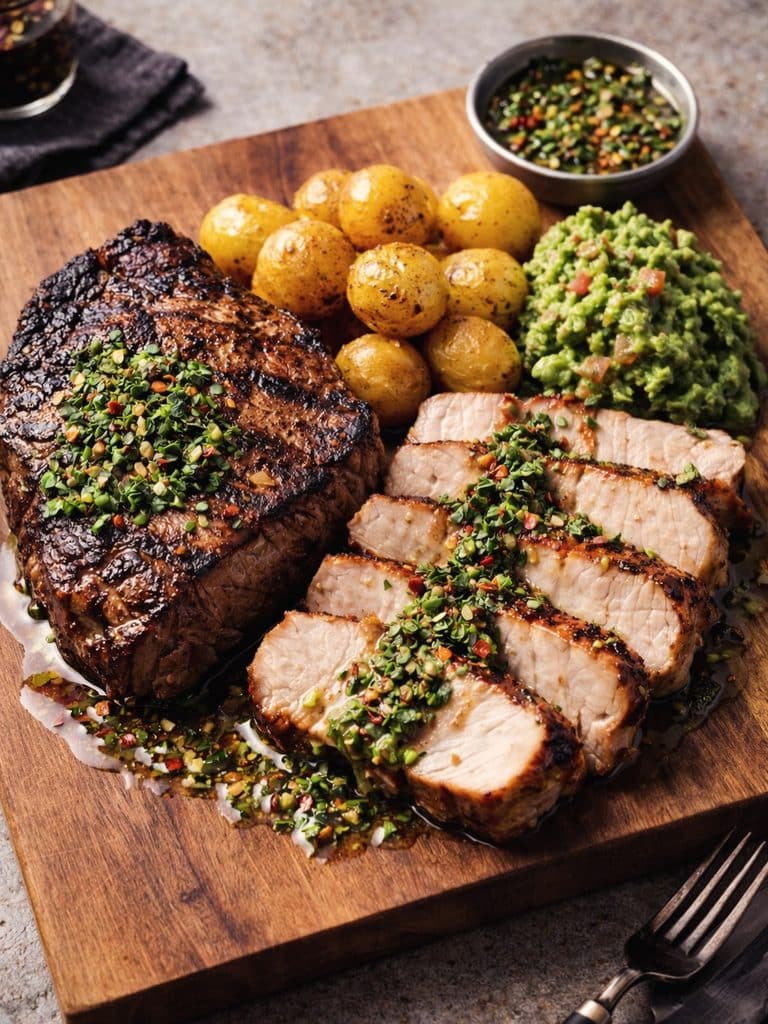
Argentine asado belongs on every carnivore’s bucket list.
At its heart, asado is about cooking meat over wood or charcoal fire, with beef taking center stage. Short ribs, sausages, and other cuts are slowly grilled over an open fire, allowing the meat to develop a deeply savory crust while staying juicy inside.
Seasoning is often deliberately restrained. Salt, smoke, fire, and excellent beef do most of the heavy lifting. Chimichurri, with its fresh herbs, garlic, oil, and acidity, provides a vibrant contrast.
But asado isn’t only about what’s on the grill. It’s also a social tradition – a long, relaxed meal built around fire, conversation, and generous portions.
Why try it? Argentine asado is the ultimate reminder that excellent meat and good fire don’t need much decoration.
Make this at home
Style: Argentine Asado
Serves: 6
Prep: 15 minutes
Cook: 1½–2½ hours
Difficulty: Intermediate
Ingredients
- 3 lb beef short ribs or cross-cut beef ribs
- 2 lb beef or pork sausages
- Kosher salt
- Black pepper
Chimichurri
- ½ cup fresh parsley, finely chopped
- 3 cloves garlic, minced
- ½ cup olive oil
- ¼ cup red wine vinegar
- 1 tsp dried oregano
- ½ tsp red pepper flakes
- Salt and black pepper to taste
Instructions
- Season the beef generously with kosher salt.
- Build a charcoal or wood fire and allow it to develop a strong bed of glowing coals.
- Set the grill grate several inches above the coals.
- Grill the ribs slowly over medium-low heat, turning occasionally.
- Add the sausages during the final portion of cooking so they become browned and juicy.
- Cook the beef until deeply browned and tender, adjusting the grill height as needed.
- Mix the chimichurri ingredients and let the sauce rest for at least 20 minutes.
- Rest the meat for 10–15 minutes before serving.
- Slice and serve with fresh chimichurri.
Key Flavor: Fire, beef, salt, smoke, and fresh herbs.
Asado Secret: Don’t rush the fire. Good coals are the foundation of great open-fire cooking.
The Rich World of Regional BBQ Styles
Exploring these distinct regional BBQ styles reveals that pitmasters across the globe approach meat with their own unique philosophies and localized techniques.
From the heavy oak smoke of North America’s heartland to the fiery open grills of South America and the sweet, soy-infused marinades of East Asia, barbecue reflects the rich history of every community that tends the fire.
While purists will forever argue over the superiority of tangy vinegar sauces versus dry spice rubs, true meat enthusiasts recognize that every tradition brings something special to the table.
Embracing these culinary differences is the ultimate journey for any carnivore looking to expand their palate and master the versatile art of live-fire cooking.
The Carnivore’s BBQ Bucket List
The beauty of these regional BBQ styles is that they prove barbecue isn’t a single recipe. It’s a collection of traditions shaped by geography, culture, available ingredients, cooking techniques, and generations of hungry people figuring out how to make meat taste even better.
Texas is for smoke-loving beef fans. Kansas City brings the sauce. Carolina delivers tangy pork. Memphis lets the rub shine. Alabama surprises with white sauce. Hawaiian BBQ brings sweet-savory island influence.
Korean BBQ turns dinner into an interactive experience. Japanese yakiniku celebrates precision and premium cuts. And Argentine asado puts fire and beef firmly in charge.
So, which one deserves the crown?
That depends on who you ask – and whether they’re currently holding a rib.
The smartest answer is to try all nine. After all, declaring your favorite BBQ style without doing the research would be irresponsible.
And delicious research is still research.
Featured image credit: ChatGPT
