

There are few things more American than fireworks lighting up the night sky while the smell of smoke drifts from a backyard grill.
Smokers, grills, and cookouts of every kind have defined my life for the many years I’ve worked as a pitmaster. If there’s one thing I’ve learned, it’s that Fourth of July BBQ traditions aren’t the same from one state to the next.
Sure, everyone gathers to eat, celebrate, and enjoy summer. But what lands on the plate can be dramatically different depending on where you are.
In Texas, people line up for brisket that spent half a day in a smoker. In the Carolinas, whole hog barbecue is practically a religion. Head west, and you might find grilled tri-tip or fresh salmon stealing the spotlight.
That’s what makes America’s Independence Day food culture so fascinating. Every region brings its own flavors, cooking techniques, and traditions to the celebration.
So grab a cold drink, pull up a lawn chair, and let’s take a delicious state-by-state journey through some of the most beloved Fourth of July BBQ traditions across America.
Why BBQ Is Central to Fourth of July Celebrations
The Fourth of July and barbecue seem inseparable today, but the connection developed naturally over generations.
Independence Day falls right in the middle of summer. Families are outdoors. Parks are full. The weather practically begs people to fire up a grill.
Long before modern gas grills became common, Americans celebrated major holidays with large communal meals. Outdoor cooking was practical, social, and ideal for feeding large crowds.
Over time, these gatherings evolved into the backyard cookouts we know today.
What I love most is that barbecue creates an experience rather than just a meal. You don’t rush barbecue. A brisket may smoke for 12 hours. A whole hog can take even longer.
Good barbecue forces people to slow down, spend time together, and enjoy the process.
That’s probably why it fits Independence Day so perfectly.
And let’s be honest: fireworks are great, but nobody has ever stood around a grill saying, “I wish this cookout had fewer ribs.”
How Regional Agriculture Shaped BBQ
Every region developed its own barbecue traditions based on what was available locally.
Cattle country favored beef.
Pig farming regions focused on pork.
Coastal communities embraced seafood.
Local woods, spices, and cultural influences further shaped the flavors that define regional barbecue today.
The result is a patchwork of culinary traditions that make America’s barbecue culture one of the most diverse food landscapes in the world.
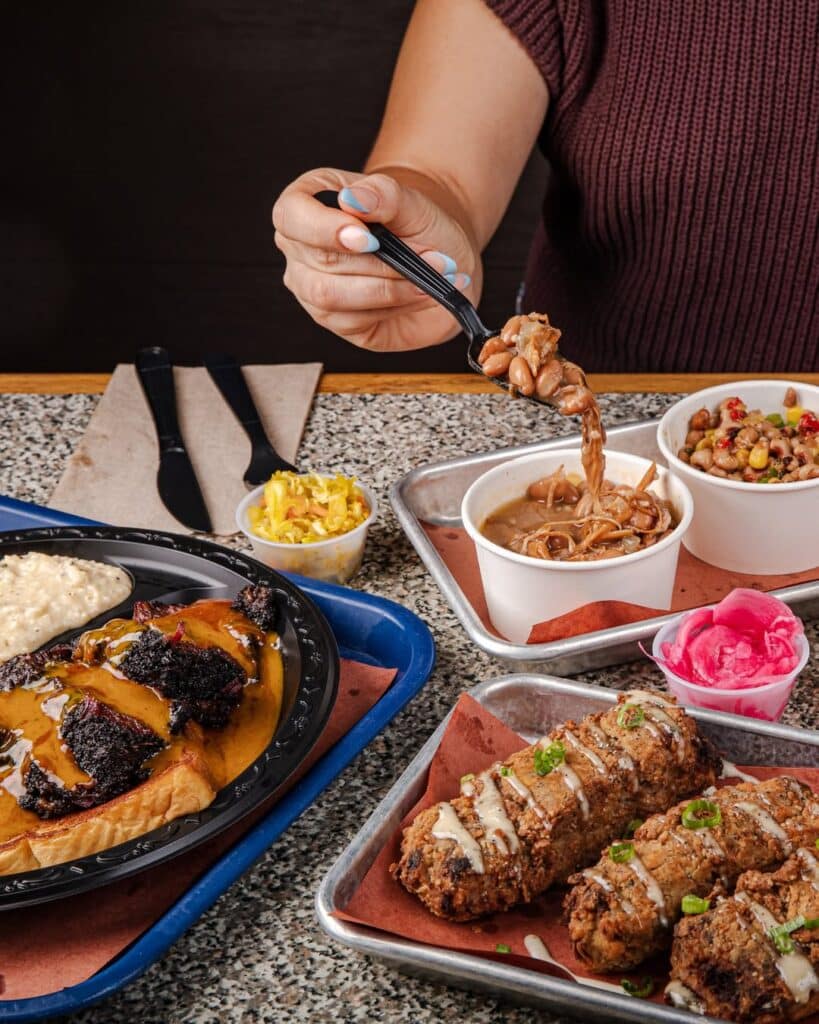
Southern States and Their Iconic Fourth of July BBQ Traditions
If barbecue had a spiritual home, many people would argue it’s the American South.
The region has produced some of the country’s most recognizable barbecue styles.
Texas: Brisket Rules Everything
In Texas, Fourth of July often means one thing: brisket.
A properly smoked brisket develops a dark bark on the outside while remaining juicy and tender inside. It’s barbecue perfection when done correctly.
Texans typically keep seasoning simple. Salt. Pepper. Smoke.
That’s it.
The philosophy is straightforward: if your meat needs ten ingredients to taste good, start with better meat.
Many Texas pitmasters use post oak or mesquite wood, creating rich smoky flavors that complement beef beautifully.
Side dishes often include:
- Potato salad
- Pinto beans
- Pickles
- White bread
- Coleslaw
Nothing fancy. The brisket is the star.
North Carolina: Pulled Pork Paradise
Travel east and you’ll find an entirely different barbecue culture.
North Carolina is all about pork.
Whole hog barbecue remains one of the state’s most cherished Fourth of July BBQ traditions.
Entire pigs are slow-cooked for hours until the meat becomes tender enough to pull apart by hand.
Even sauce sparks debate.
Eastern North Carolina prefers a vinegar-based sauce with tangy acidity.
Western North Carolina adds tomato to the mix.
I’ve seen families argue over which style is better with the intensity of a championship football rivalry.
Nobody ever wins.
Everybody just eats more pork.
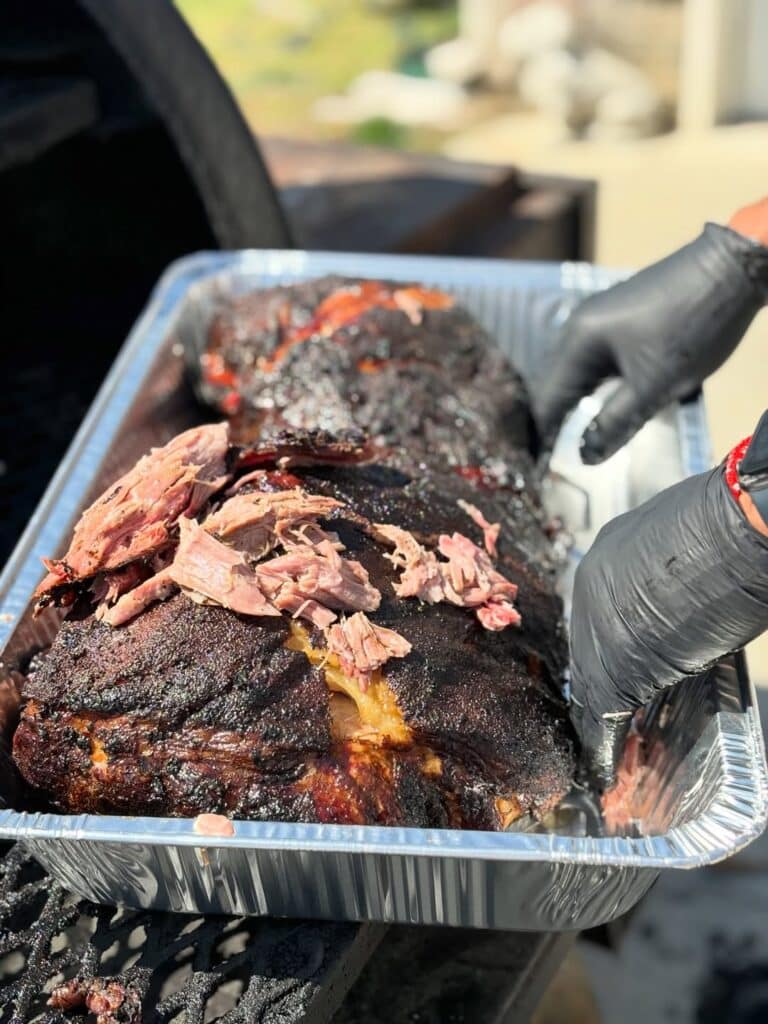
South Carolina: The Golden State of Mustard Sauce
South Carolina adds a unique twist with its famous mustard-based barbecue sauce.
Known as “Carolina Gold,” this tangy, slightly sweet sauce gives smoked pork a distinctive flavor unlike anything else in the country.
German immigrants helped influence this style generations ago, and it remains a major part of regional barbecue culture today.
Many Fourth of July gatherings feature pork shoulder served alongside baked beans, slaw, and cornbread.
Tennessee: Memphis and the Art of the Rib
In Tennessee, ribs often steal the spotlight.
Memphis-style barbecue is famous for its dry rubs, which create deep flavor without relying heavily on sauce.
The seasoning blend typically includes paprika, garlic, onion, black pepper, and other spices.
The result is smoky, savory, and unforgettable.
Pulled pork sandwiches are also common at Independence Day celebrations throughout the state.
One bite explains why Tennessee remains one of America’s barbecue capitals.
Midwest Fourth of July BBQ Favorites
The Midwest approaches barbecue with its own blend of tradition and practicality.
The portions are generous, the gatherings are large, and nobody leaves hungry.
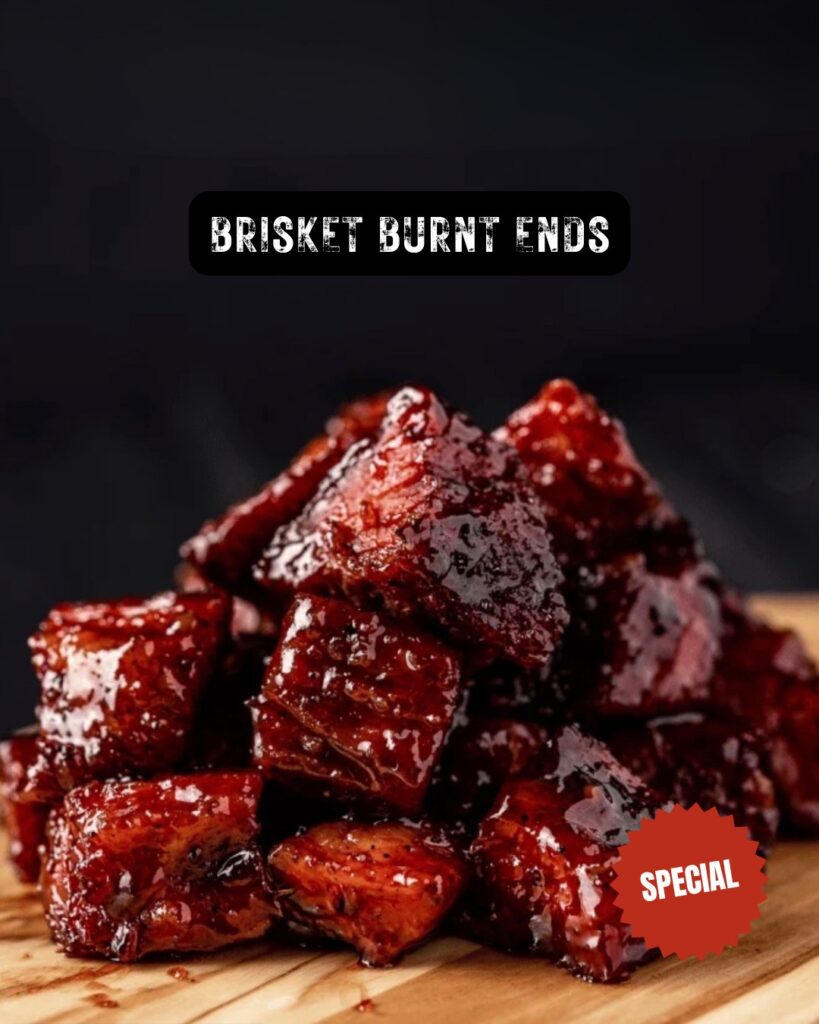
Missouri: Burnt Ends and Big Flavor
Kansas City helped make burnt ends famous.
Originally considered scraps trimmed from briskets, burnt ends evolved into one of barbecue’s most sought-after delicacies.
Today they’re treasured pieces of smoky, caramelized beef packed with flavor.
Kansas City barbecue embraces variety.
You’ll find:
- Brisket
- Ribs
- Turkey
- Sausage
- Pulled pork
And plenty of sweet, tangy barbecue sauce.
Fourth of July cookouts in Missouri often feel like a greatest-hits album of American barbecue.
Illinois and Indiana: Backyard Grill Classics
While these states appreciate smoked meats, many Independence Day gatherings revolve around classic grilling.
Burgers sizzle.
Hot dogs char.
Bratwursts brown slowly over open flames.
Sometimes the simplest foods become the most nostalgic.
After all, every family has that uncle who believes he’s operating a five-star steakhouse while wearing cargo shorts and flip-flops.
Wisconsin and Minnesota: Brats and Lake Life
In Wisconsin, bratwursts are practically mandatory.
Many families simmer them in beer before finishing them on the grill.
Minnesota often combines barbecue with lake gatherings, where smoked meats share table space with regional specialties and fresh summer produce.
The atmosphere is relaxed, casual, and unmistakably Midwestern.
Western States and Their Distinctive BBQ Styles
The American West offers some of the country’s most creative barbecue traditions.
California: The Reign of Tri-Tip
California’s signature contribution to barbecue is tri-tip.
This flavorful cut of beef is central to Santa Maria-style barbecue.
Seasoned simply and grilled over red oak, tri-tip delivers a rich beef flavor while cooking faster than brisket.
California’s Fourth of July celebrations often feature:
- Grilled vegetables
- Fresh salads
- Artisan breads
- Local wines
The result feels both rustic and modern.
Arizona and New Mexico: Southwestern Smoke
In the Southwest, barbecue often incorporates bold regional flavors.
Mesquite wood creates powerful smoke profiles.
Chiles add complexity and heat.
Local seasonings bring layers of flavor that reflect the region’s culinary heritage.
The combination of smoke and spice creates barbecue that’s impossible to mistake for anything else.
Pacific Northwest: Seafood Takes the Grill
Not every barbecue revolves around beef or pork.
In Washington and Oregon, grilled salmon frequently headlines Independence Day menus.
Fresh seafood, local produce, and outdoor gatherings define many celebrations.
The Pacific Northwest proves that barbecue is less about the specific protein and more about the cooking method and communal experience.
Northeastern Fourth of July Cookout Traditions
The Northeast combines barbecue influences from across the country while maintaining distinct local traditions.
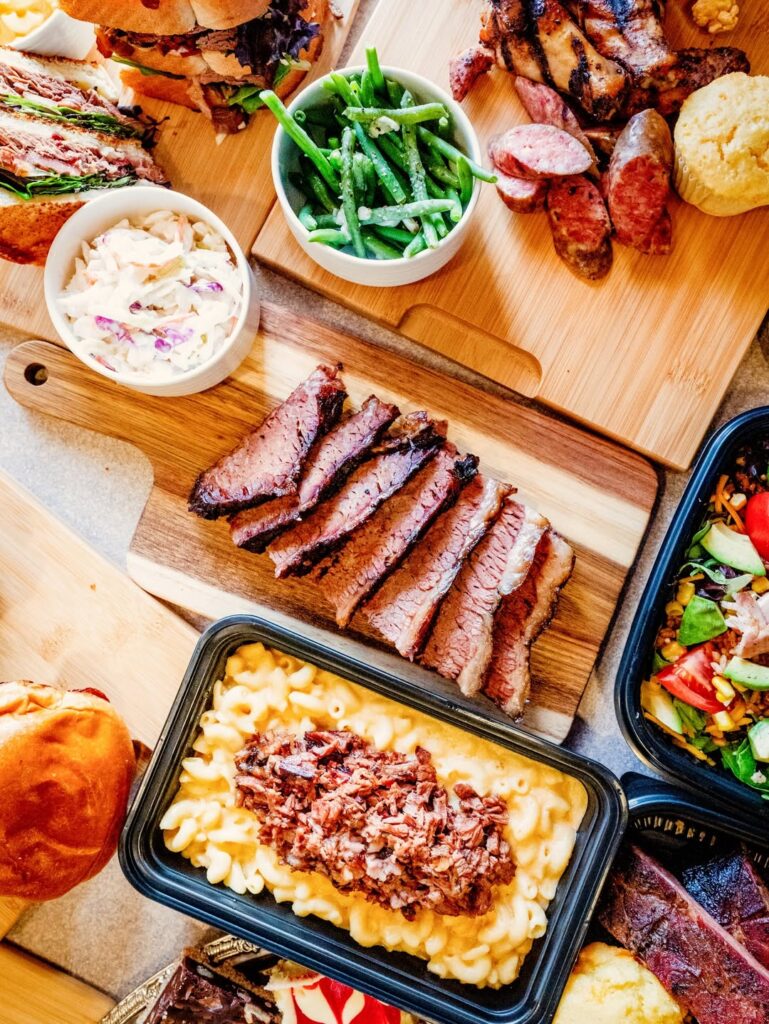
New England: Coastal Cookouts
Along the New England coast, seafood often takes center stage.
Grilled lobster, clams, shrimp, and fish frequently appear at Fourth of July gatherings.
These meals reflect centuries of maritime tradition.
The ocean is never far away, and the menu reminds you of it.
New York and New Jersey: A Melting Pot of Flavors
Few regions showcase culinary diversity like New York and New Jersey.
Cookouts may feature:
- Italian sausages
- Smoked ribs
- Burgers
- Chicken
- Caribbean-inspired grilling
The variety reflects the cultural influences that helped shape the region.
One backyard can feel like a food festival.
Pennsylvania and the Mid-Atlantic
Pennsylvania’s barbecue traditions often blend Southern influences with local heritage foods.
Smoked meats remain popular, but family recipes frequently introduce unique twists passed down through generations.
The result is barbecue with a strong sense of local identity.
Unique State-Specific Fourth of July BBQ Dishes Across America
Some states bring truly distinctive dishes to Independence Day celebrations.
Kentucky’s Famous Mutton BBQ
Western Kentucky is known for barbecue made from mutton.
The flavor is richer and more robust than pork, creating a barbecue experience unlike any other.
Alabama’s White Sauce Tradition
Alabama introduced one of barbecue’s most unusual innovations.
White barbecue sauce.
Made with mayonnaise, vinegar, and seasonings, it’s traditionally paired with smoked chicken.
It sounds strange until you try it.
Then suddenly you’re putting it on everything.
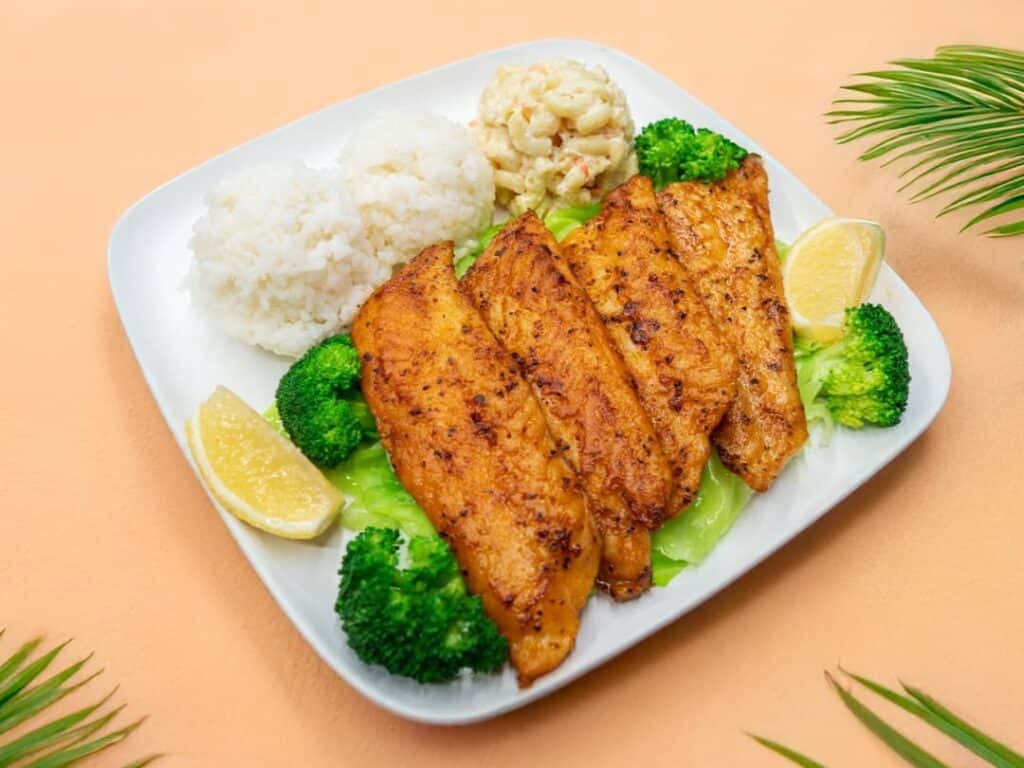
Hawaii’s Island-Style Cookouts
Hawaii blends American barbecue traditions with island flavors.
Pineapple, tropical marinades, and local ingredients create cookout experiences that feel uniquely Hawaiian while still embracing the spirit of Independence Day.
Louisiana’s Cajun Influence
Louisiana barbecue often reflects Cajun and Creole cooking traditions.
Expect bold spices, smoky meats, and flavor combinations that make every bite memorable.
If subtlety is your goal, Louisiana politely declines.
The Most Popular Fourth of July BBQ Side Dishes Nationwide
No discussion of Fourth of July BBQ traditions would be complete without talking about side dishes.
Great barbecue deserves equally great companions.
Potato salad remains one of the most popular options nationwide.
Recipes vary dramatically between families, and every cook swears theirs is the best.
Coleslaw provides cooling crunch and balances rich smoked meats.
Baked beans add sweetness and depth.
Corn on the cob delivers peak summer flavor.
And then there’s watermelon.
Few foods feel more connected to summer celebrations than a cold slice of watermelon on a hot July afternoon.
These sides may seem simple, but together they complete the cookout experience.
The Rise of Plant-Based Smoke: Vegan and Vegetarian Grilling
Barbecue culture has expanded far beyond traditional meats, making room for a green revolution on the grill. Modern Fourth of July cookouts are embracing inclusive menus to ensure every guest leaves satisfied, featuring clever plant-based innovations:
- Jackfruit Pulled Pork: A brilliant alternative that perfectly mirrors the texture of slow-cooked pork shoulder while absorbing rich wood smoke.
- Cauliflower Steaks & Portobello Caps: Thick-cut and slathered in tangy molasses sauces, then seared over high heat for a highly coveted, caramelized char.
- Smoked Watermelon Slabs: Seasoned with lime and chili powder to create a surprising, sweet-and-savory holiday crowd-pleaser.
This shift proves that the modern backyard gathering isn’t about rigid dietary restrictions – it’s about celebrating the true spirit of hospitality.
The Pitmaster’s Secret Weapon: The Art of Wood Pairing
While sauces and rubs spark intense rivalries, true flavor alchemy happens inside the firebox. The type of wood a pitmaster selects serves as the ultimate invisible ingredient in any Independence Day feast, with different woods yielding wildly distinct profiles:
- Applewood and Cherrywood: Provide a delicate, sweet, and fruity profile that beautifully complements pork ribs and poultry without overpowering them.
- Hickory and Rugged Mesquite: Deliver an intense, earthy, and robust punch that cuts cleanly through the rich fat of heavy beef briskets.
- Custom Wood Blends: Modern cooks often mix pecan wood for a subtle, nutty undertone with oak for a clean, consistent burn.
Mastering this aromatic science easily elevates a casual backyard cookout into a sophisticated, gourmet culinary experience.
Liquid Gold: The Evolution of Craft Beer and BBQ Pairings
A cold beverage is essential for surviving a hot July afternoon by the smoker, but the modern drink menu has evolved far beyond generic domestic lagers. Today, matching the right brew to your plate highlights the holiday feast:
- Hops-Heavy IPAs: The sharp, piney bitterness cuts cleanly through the rich, marbled fat of smoked beef, cleansing the palate between bites.
- Robust Porters and Stouts: The deep, roasted notes harmonize beautifully with the caramelized, sweet bark of Kansas City-style burnt ends.
- Sour Ales and Wheat Beers: The crisp, acidic profile offers a refreshing contrast to tangy, vinegar-heavy Carolina pulled pork.
Intentional pairing proves that what is inside your glass is just as vital to the meal as what sits on your plate.
Zero-Waste Barbecue: Creative Ways to Use Holiday Leftovers
The celebration doesn’t have to end when the fireworks stop; the day-after culinary creations are half the fun. Wise pitmasters always smoke extra meat, anticipating the glorious potential of second-day barbecue transformations:
- Leftover Texas Brisket: Finds a second life inside crispy, melted smoked beef quesadillas or folded into rich morning breakfast tacos.
- Carolina Pulled Pork: Piled high onto barbecue-infused pizzas or stirred into a comforting, smoky batch of homemade mac and cheese.
- Remaining Grilled Corn: Sheared off the husk and tossed with fresh jalapeños to create a vibrant, charred corn summer salsa.
Embracing a zero-waste philosophy turns holiday leftovers into highly anticipated culinary sequels, extending the joy of the holiday well into the coming week.
The Midnight Fire: The Midnight Ritual of Low-and-Slow Cooking
For dedicated pitmasters, the Fourth of July actually begins under a blanket of stars. Because massive cuts of meat like brisket and pork butt require up to twelve hours of indirect heat, the cooking process demands an all-night commitment.
This solitary nocturnal ritual turns barbecue into a true labor of love:
- Hourly Pit Checks: Monitoring the ambient temperature and carefully managing the wood fire through the night.
- Midnight Serenity: Sipping coffee in the cool night air while watching wisps of blue smoke drift into the dark.
- The Morning Payoff: By the time the neighborhood wakes up, the hard work is done, and the aroma of perfectly rendered bark fills the air.
How Fourth of July BBQ Traditions Continue to Evolve
Barbecue never stands still.
Modern pitmasters constantly experiment with new techniques, flavors, and ingredients.
Global influences are becoming increasingly common.
Korean-inspired marinades, Mexican seasonings, and fusion barbecue styles appear at more cookouts every year.
Technology has also changed the game.
Pellet smokers, wireless thermometers, and smart grilling tools make it easier than ever for home cooks to achieve professional-quality results.
Yet despite all these innovations, the heart of barbecue remains unchanged.
People gathering around food.
Sharing stories.
Laughing together.
Enjoying summer.
The equipment evolves.
The traditions endure.
The Intersecting Flavors of Freedom: How BBQ Unites Us
America’s Fourth of July BBQ traditions tell a story far bigger than food.
They reveal regional identities, local histories, cultural influences, and family customs passed down through generations.
From Texas brisket and Carolina pulled pork to California tri-tip and Pacific Northwest salmon, every state contributes something unique to the national celebration.
As a pitmaster, that’s what I find most exciting.
There isn’t one “correct” way to barbecue on the Fourth of July.
The beauty lies in the diversity.
Every smoker, grill, and backyard gathering adds another chapter to America’s barbecue story.
So whether you’re tending a brisket at dawn, grilling burgers for neighbors, or serving seafood by the coast, you’re participating in a tradition that brings millions of people together each year.
And if someone tells you their barbecue style is the only proper one?
Smile politely.
Then hand them a plate.
Barbecue arguments are much easier to settle when everybody’s chewing.
Frequently Asked Questions
What is the most popular Fourth of July BBQ food in America?
Burgers, hot dogs, ribs, pulled pork, and brisket consistently rank among the most popular foods served during Independence Day cookouts.
Which state is most famous for barbecue?
Texas, North Carolina, Tennessee, and Missouri are often considered the leading barbecue states due to their distinct styles and long-standing traditions.
What are traditional Fourth of July side dishes?
Potato salad, baked beans, coleslaw, corn on the cob, macaroni salad, and watermelon are among the most common side dishes served nationwide.
How do BBQ styles differ across the United States?
Regional differences typically involve the type of meat used, cooking techniques, wood selection, seasonings, and sauces. These factors create unique barbecue identities across various states.
Why is grilling associated with Independence Day?
The holiday falls during summer when outdoor gatherings are popular. Over generations, backyard cookouts became a practical and enjoyable way for families and communities to celebrate together.
Featured image credit: @c.and.co.customs
