
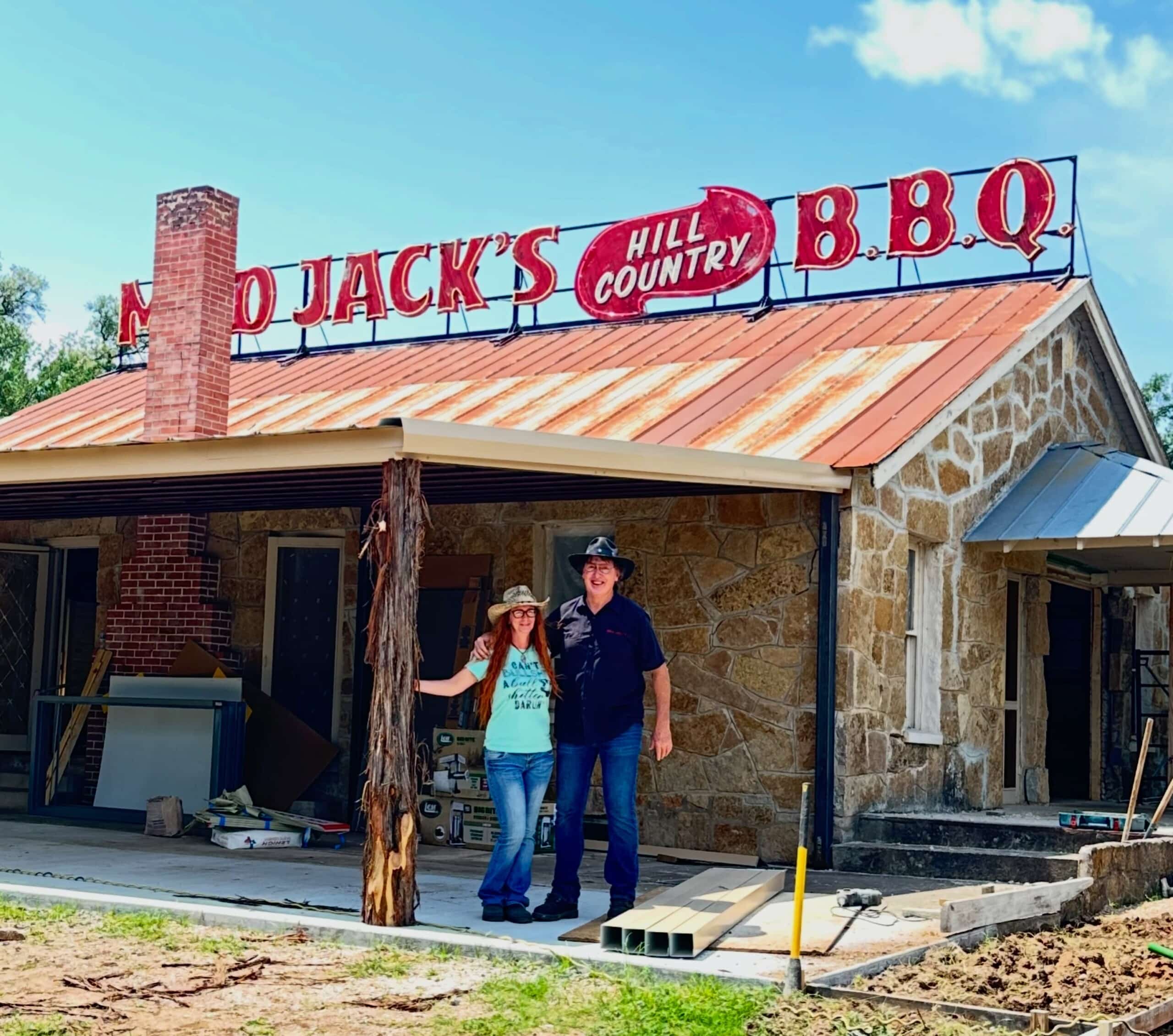
Barbecue Doesn’t Need More Ingredients – It Needs More Patience
Walk into enough backyard cookouts and you’ll eventually meet someone proudly holding a spice rub with 27 ingredients. Paprika from three countries. Brown sugar. Coffee grounds. Cocoa powder. Cinnamon. Cayenne. Probably unicorn dust.
Then they slice into the brisket, and somehow it still tastes…ordinary.
Now head to the heart of Texas Hill Country BBQ, where seasoned pitmasters have built legendary reputations with little more than salt, coarse black pepper, quality beef, and heavy post oak smoke. That’s it. No secret potion. No magic seasoning packet.
Just simple ingredients, careful fire management, and the kind of patience most people lose after waiting five minutes for their coffee.
Here’s the funny part: people spend hundreds of dollars chasing “competition-style” barbecue while overlooking the basics that make authentic Texas barbecue unforgettable.
The truth is simple: great barbecue isn’t complicated – it’s disciplined.
This guide breaks down everything that makes Texas Hill Country BBQ one of the world’s most respected barbecue traditions.
You’ll learn why simple rubs outperform complicated spice blends, why post oak has become the signature smoking wood, how to manage your fire, and how to produce brisket that practically melts with every bite.
What Is Texas Hill Country BBQ?
Many people use “Texas BBQ” as a blanket term, but Texas actually has several regional barbecue styles. Texas Hill Country BBQ, often grouped with Central Texas barbecue, has developed a reputation for celebrating meat instead of masking it.
Its philosophy is surprisingly straightforward.
Start with excellent meat. Season it lightly. Smoke it slowly. Slice it properly.
Everything else supports those four principles.
The German and Czech Influence
Long before barbecue became a television competition, German and Czech immigrants settled throughout Central Texas during the 1800s. Local butcher shops began smoking leftover cuts of meat to preserve them.
Customers would stop by meat markets for smoked brisket, beef ribs, sausage, and simple sides. No elaborate sauces were required because the meat was already packed with flavor.
That straightforward approach still defines Texas Hill Country BBQ today.
What Makes It Different?
Several characteristics immediately stand out:
- Simple seasoning instead of complex spice blends
- Heavy use of post oak smoke
- Premium beef takes center stage
- Sauce is optional – not mandatory
- Low-and-slow cooking over wood fires
One saying still rings true around many Texas pits:
“The meat should be the star, not the seasoning.”
Why Simple Rubs Are the Foundation of Authentic Texas BBQ
One of the biggest surprises for newcomers is discovering how little seasoning goes onto championship-quality brisket.
That’s not cutting corners.
That’s confidence.
The Legendary Salt and Pepper Rub
Authentic Texas Hill Country BBQ often begins with only two ingredients:
- Coarse kosher salt
- Coarse black pepper
Usually mixed in a 50/50 ratio, this classic rub creates a flavorful bark while allowing the natural beef flavor to shine.
Simple doesn’t mean boring. It means balanced.
Salt enhances the beef’s natural richness, while black pepper develops a bold crust during the long smoking process.
Why Kosher Salt Wins
Not all salt behaves the same.
Kosher salt has larger flakes that distribute evenly across the meat. That means fewer overly salty bites and more consistent seasoning from edge to edge.
Table salt, by comparison, dissolves quickly and can create uneven seasoning.
Black Pepper Does More Than Add Heat
Fresh coarse black pepper delivers much more than spice.
It helps create:
- A darker bark
- A richer aroma
- Extra texture
- A subtle earthy bite that pairs perfectly with smoke
When mixed with rendered beef fat and hours of post oak smoke, pepper becomes one of the defining flavors of authentic Texas brisket.
Should You Add Garlic?
Many modern pitmasters include a little garlic powder.
That’s perfectly acceptable.
The key word is little.
Adding garlic shouldn’t transform the brisket into garlic bread with smoke. It should quietly support the beef without stealing attention.
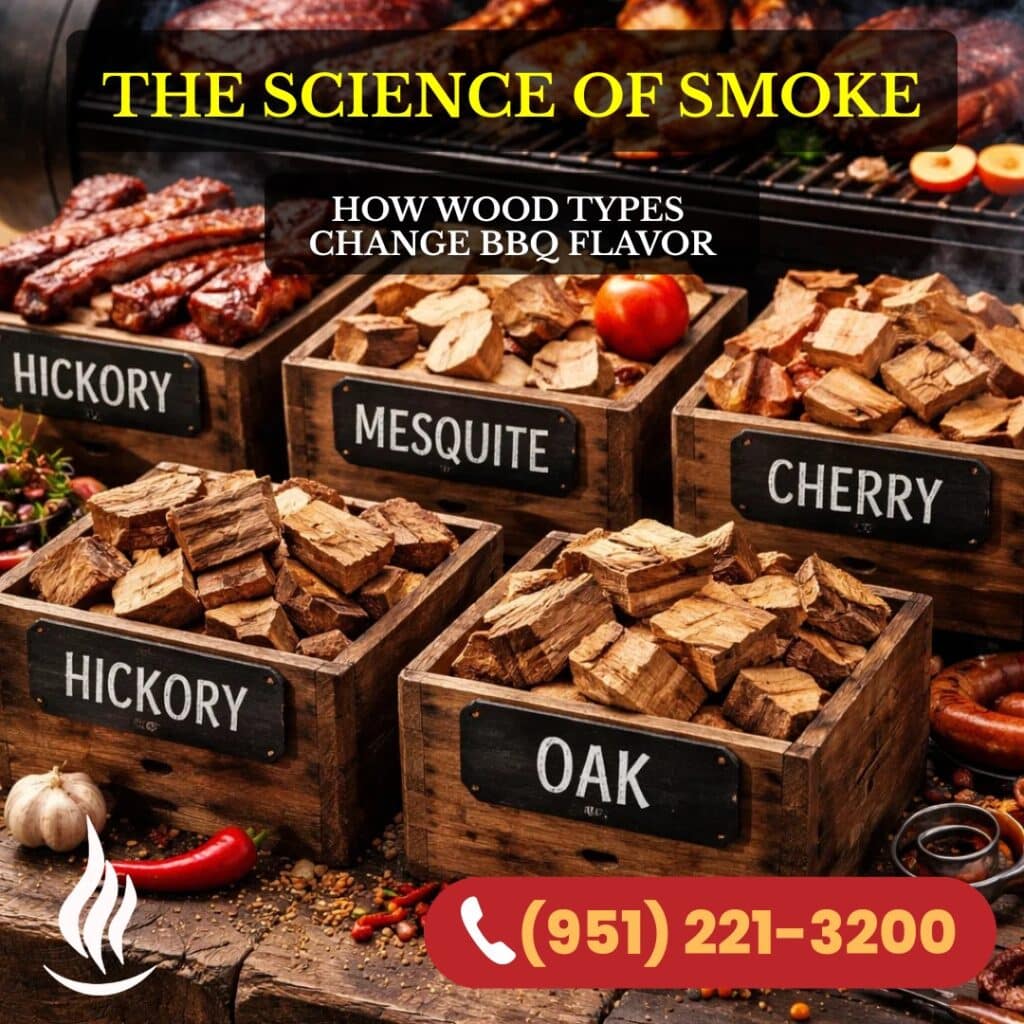
Why Post Oak Is the King of Texas Smoke
Ask ten experienced Texas pitmasters about their favorite smoking wood, and chances are most will answer with one word:
Post oak.
It has earned that reputation for good reason.
What Is Post Oak?
Post oak is a hardwood native to much of Texas.
Unlike fruit woods, which burn relatively quickly, post oak burns steadily and consistently.
That consistency makes long overnight brisket cooks much easier to manage.
The Flavor Difference
Heavy smoke doesn’t always mean harsh smoke.
Post oak produces smoke that’s:
- Clean
- Earthy
- Mild
- Slightly nutty
- Perfect for beef
Instead of overwhelming the meat, it slowly layers flavor over many hours. That’s why Texas Hill Country BBQ develops its signature smoky taste without becoming bitter.
Why It Pairs So Well with Beef
Brisket is rich.
Post oak complements that richness instead of competing with it.
Stronger woods like mesquite can dominate the meat if used carelessly.
Post oak simply lets the beef become a better version of itself.
Kind of like having a great backup singer who never tries to steal the microphone.
Good Alternatives
Outside Texas, post oak may be difficult to find.
These substitutes work well:
- White oak
- Pecan
- Red oak
- Hickory (use moderately)
Mesquite can certainly be used, but moderation matters. Too much mesquite creates a sharp flavor that can overpower brisket.
Choosing the Right Meat
The finest smoker in the world cannot rescue poor-quality meat. That’s why successful Texas Hill Country BBQ starts at the butcher counter.
Brisket
Brisket remains the undisputed king.
Look for:
- USDA Choice or Prime
- Good marbling
- Flexible meat
- Thick flat section
- Even fat cap
Marbling keeps brisket juicy throughout the long smoking process.
Beef Ribs
Often called “dinosaur ribs,” beef plate ribs deliver incredible flavor. Their generous marbling creates rich bites that practically fall apart after several hours in the smoker.
Sausage
Traditional Texas sausage reflects its German roots.
Expect:
- Coarse-ground beef
- Beef and pork blends
- Natural casings
- Simple seasoning
The smoke becomes part of the seasoning.
Turkey Breast
Turkey surprises many barbecue fans.
Cooked properly, smoked turkey breast becomes remarkably juicy while absorbing post oak smoke beautifully.
Pork
Pork appears less frequently than beef in traditional Texas Hill Country BBQ, but pork ribs and pork shoulder have become common additions at many barbecue restaurants.
Essential Equipment for Authentic Texas BBQ
Equipment helps.
Technique matters more.
Still, having the right tools makes life easier.
Offset Smokers
The classic offset smoker remains the gold standard.
Its separate firebox allows:
- Better airflow
- Cleaner combustion
- More consistent temperatures
- Improved smoke circulation
Quality Wood
Never underestimate your firewood.
Use:
- Properly seasoned wood
- Dry hardwood splits
- Clean-burning logs
Avoid green wood that produces thick white smoke.
Thin blue smoke is your goal.
That almost invisible smoke carries the cleanest flavor.
Thermometers
Forget guessing.
Use:
- Instant-read thermometer
- Leave-in meat probe
- Grill thermometer
Temperature drives every successful barbecue cook.
Fire Management Tools
Keep these nearby:
- Long tongs
- Heat-resistant gloves
- Fire poker
- Chimney starter
A calm fire almost always produces better barbecue than a roaring inferno.
The Low-and-Slow Cooking Process
Many people think barbecue is about recipes.
It isn’t.
It’s really about managing heat, smoke, airflow, and time.
Step 1: Prepare the Meat
Trim excess fat while leaving enough to protect the brisket during cooking.
Apply your salt-and-pepper rub generously.
Allow the meat to rest before it enters the smoker.
Step 2: Build a Clean Fire
Start with a stable coal bed.
Add wood gradually.
Don’t overload the firebox.
Large temperature swings create uneven cooking.
Step 3: Maintain Steady Temperatures
Aim for:
225°F–275°F
Consistency matters more than chasing one perfect number.
Opening the smoker every few minutes only lets valuable heat escape.
Remember:
Looking isn’t cooking.
Every unnecessary peek adds cooking time.
Step 4: Wrapping the Meat
Eventually brisket reaches “the stall.”
Its internal temperature stops climbing because moisture evaporates from the surface.
Wrapping helps push through this stage.
Many Texas pitmasters choose:
- Pink butcher paper for better bark
- Foil for faster cooking
Both methods work.
The choice depends on your preferred texture.
Step 5: Rest Before Slicing
Resting isn’t optional.
It’s one of the most overlooked steps in Texas Hill Country BBQ.
Allow brisket to rest for at least one hour.
Two to four hours inside an insulated cooler often produces even better results.
During this time, juices redistribute throughout the meat instead of running onto the cutting board.
That’s flavor you want inside the brisket – not soaking into paper towels.
The Smoke Ring: Why It Looks Impressive but Doesn’t Define Great BBQ
One of the first things people notice when a brisket is sliced is the smoke ring – that thin pink layer just beneath the bark.
It certainly looks impressive, but here’s something that surprises many backyard cooks: a smoke ring isn’t proof of better barbecue.
The smoke ring forms when nitrogen dioxide from burning wood reacts with the meat’s proteins during the early stages of cooking. While it’s a signature characteristic of Texas Hill Country BBQ, it has very little impact on how the brisket actually tastes.
When judging great barbecue, focus on what really matters:
- Tender, juicy meat
- A rich, flavorful bark
- Clean, balanced smoke flavor
- Proper rendering of the fat
A brisket with only a faint smoke ring can easily outperform one with a bright pink edge if it’s cooked properly.
Think of the smoke ring as a bonus, not the goal. It looks fantastic in photos, but flavor, texture, and tenderness are what people remember long after the meal is over.
Slicing Brisket Correctly Can Make or Break Every Bite
Hours of careful smoking can be undone in less than a minute with poor slicing technique. Even a perfectly cooked brisket can become chewy if it’s cut the wrong way.
The golden rule is simple:
- Always slice against the grain.
- Never slice with the grain, as it leaves long muscle fibers that are harder to chew.
One unique characteristic of Texas Hill Country BBQ is understanding that the brisket has two muscles – the flat and the point – and their grains run in different directions. Many experienced pitmasters separate these muscles before slicing so every piece stays tender.
For the best results:
- Use a long, sharp slicing knife.
- Make smooth, even cuts instead of sawing back and forth.
- Aim for slices about the thickness of a pencil.
- Let the knife do the work without pressing down on the meat.
A beautifully smoked brisket deserves equally careful presentation. The right slice ensures every bite is as tender and flavorful as the hours spent smoking it.
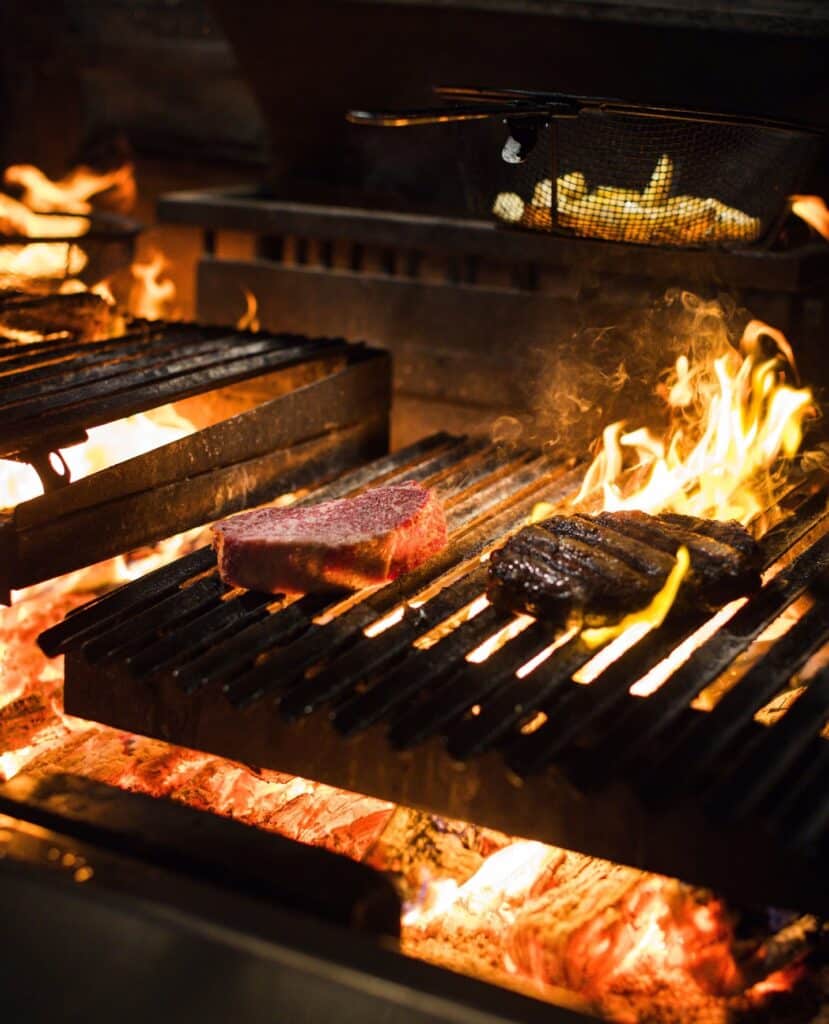
Why Patience Is the Secret Ingredient Every Pitmaster Learns
Ask seasoned pitmasters for the one ingredient they value most, and many won’t mention salt, pepper, or post oak.
They’ll simply say patience.
One of the biggest lessons in Texas Hill Country BBQ is accepting that barbecue follows its own schedule – not yours. Every cook is slightly different because several factors influence how quickly meat reaches perfection.
These variables include:
- The size and thickness of the brisket
- Outdoor temperature
- Humidity
- Wind conditions
- The type and moisture level of the wood
That’s why experienced pitmasters avoid planning dinner around an exact finish time. Instead, they trust the meat.
The saying “It’s done when it’s done” isn’t an excuse—it’s one of barbecue’s most valuable lessons.
Trying to rush the process by:
- Increasing the cooking temperature
- Constantly adjusting the fire
- Skipping the resting period
Usually leads to dry, less flavorful brisket.
Great barbecue rewards patience. Every extra minute spent maintaining a steady fire and allowing the meat to rest pays off with juicier slices, richer flavor, and a brisket that’s worth every second of the wait.
Common Mistakes That Ruin Great Barbecue
Everyone makes mistakes. The trick is making them only once.
1. Over-Seasoning
Too many spices bury the natural beef flavor.
Remember:
Simple wins.
2. Dirty Smoke
Thick white smoke creates bitter barbecue. Aim for thin blue smoke instead.
3. Cooking Too Hot
Higher temperatures shorten cook times but often sacrifice tenderness. Patience rewards every brisket.
4. Opening the Smoker Constantly
Every lid opening causes heat loss. Trust your thermometer. Not your curiosity.
5. Skipping the Rest
Slicing immediately after cooking guarantees lost juices. Great barbecue rewards those willing to wait just a little longer.
Classic Side Dishes That Complete the Meal
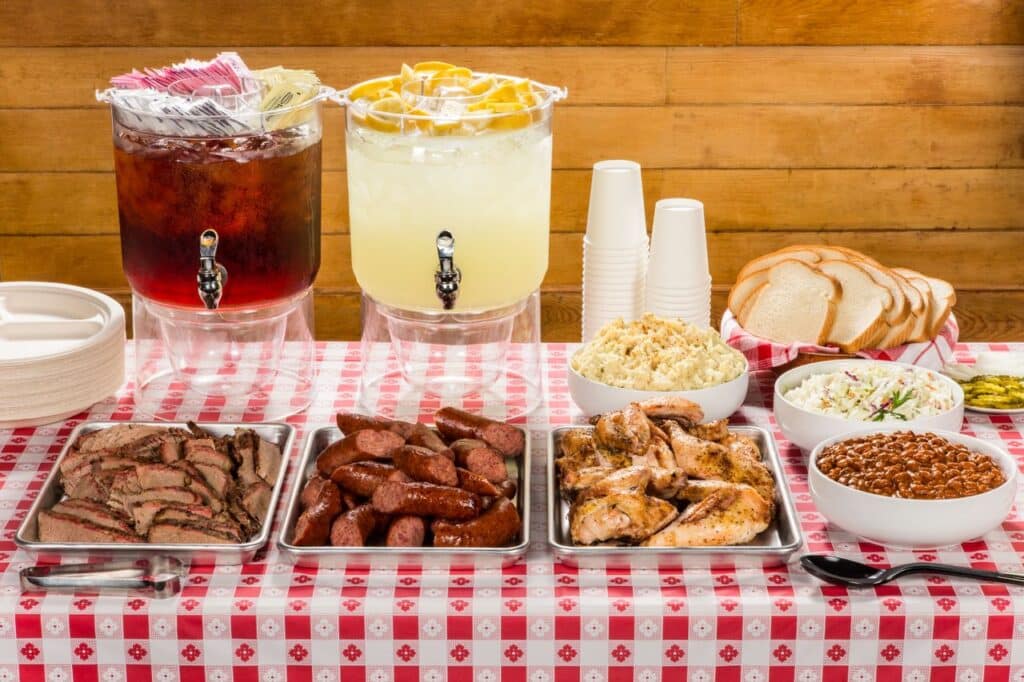
Authentic Texas Hill Country BBQ keeps side dishes simple. They’re meant to support the meat – not compete with it.
Popular choices include:
- Creamy potato salad
- Pinto beans
- Tangy coleslaw
- Pickles
- White onions
- Jalapeños
- White bread
Notice something missing?
Huge bowls of sauce.
In many legendary Texas barbecue joints, sauce sits quietly off to the side. Good brisket shouldn’t need to swim before reaching your plate.

Simplicity Wins: The Fundamental Rules of Texas Brisket
Texas Hill Country BBQ proves that extraordinary barbecue doesn’t come from secret recipes or overflowing spice cabinets. It comes from respecting the fundamentals.
Start with high-quality meat. Season it with a simple salt-and-pepper rub. Feed the fire with clean-burning post oak. Cook low and slow, resist the urge to constantly lift the smoker lid, and give the meat the time it deserves to rest before slicing.
That straightforward philosophy has been passed down through generations of Texas pitmasters because it works. Every clean bite of smoky brisket is proof that restraint often produces better results than excess.
The next time someone insists their brisket needs thirty ingredients and three different sauces, smile, hand them a slice of properly smoked Texas brisket, and let the meat settle the debate.
Around a good smoker, flavor doesn’t come from showing off – it comes from doing the simple things exceptionally well.
Frequently Asked Questions
What is the traditional Texas BBQ rub?
The classic rub contains equal parts coarse kosher salt and coarse black pepper, with garlic powder occasionally added in small amounts.
Why is post oak preferred?
Post oak burns steadily and produces clean, balanced smoke that enhances beef without overpowering it.
What temperature should brisket be smoked?
Most pitmasters maintain temperatures between 225°F and 275°F throughout the cook.
Is barbecue sauce necessary?
No.
Traditional Texas Hill Country BBQ treats sauce as an optional condiment rather than an essential ingredient.
Can beginners make authentic Texas barbecue?
Absolutely.
Mastering fire management and patience matters far more than buying expensive equipment.
Featured image credit: @blackoutsigns
