
“Cooking is all about people. Food is maybe the only universal thing that really has the power to bring everyone together.”
Guy Fieri said that, and he’s right – though I’d love to see him keep that sunny California smile when his hair gel freezes solid in three seconds flat.
Back home, guys act like they’ve survived an Arctic expedition just because they threw a fleece vest over a hoodie to flip burgers in 35-degree weather.
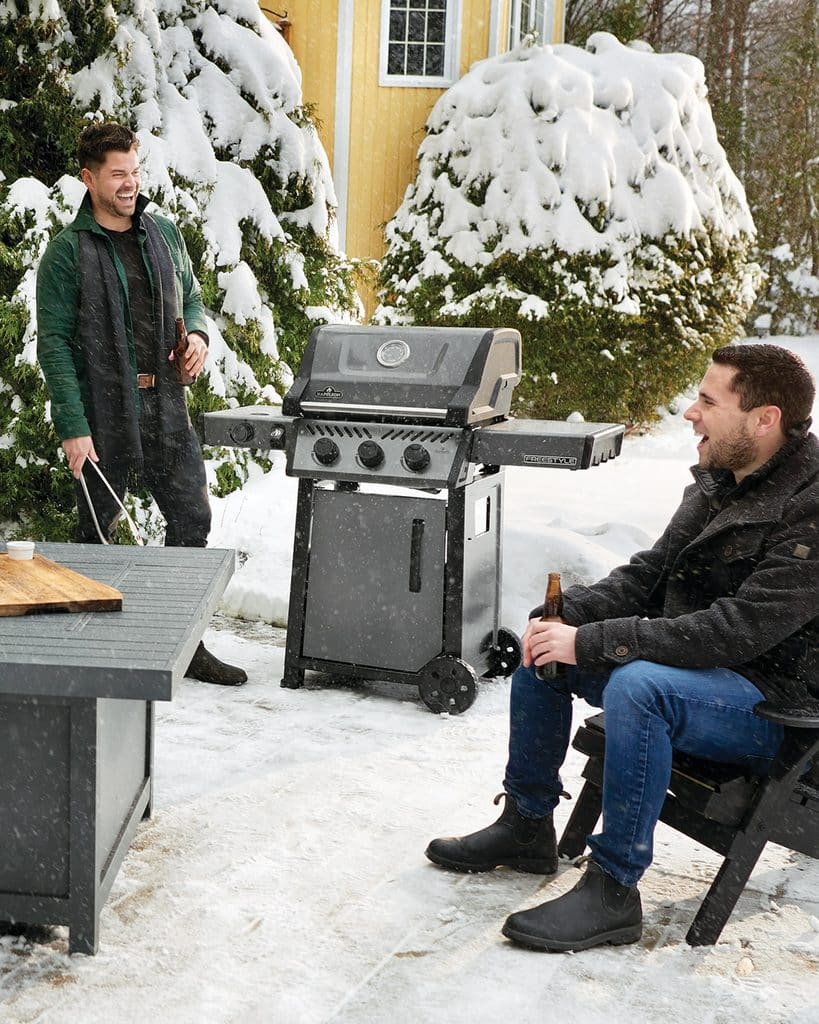
They stand next to a gas grill on a covered patio, nursing a cold beer, bragging to their neighbors about how hardcore they are for braving the elements. It’s cute.
Honestly, I used to be one of them – until I learned what real winter cookouts look like in a place where your grill grates can literally snap like dry twigs if you drop them.
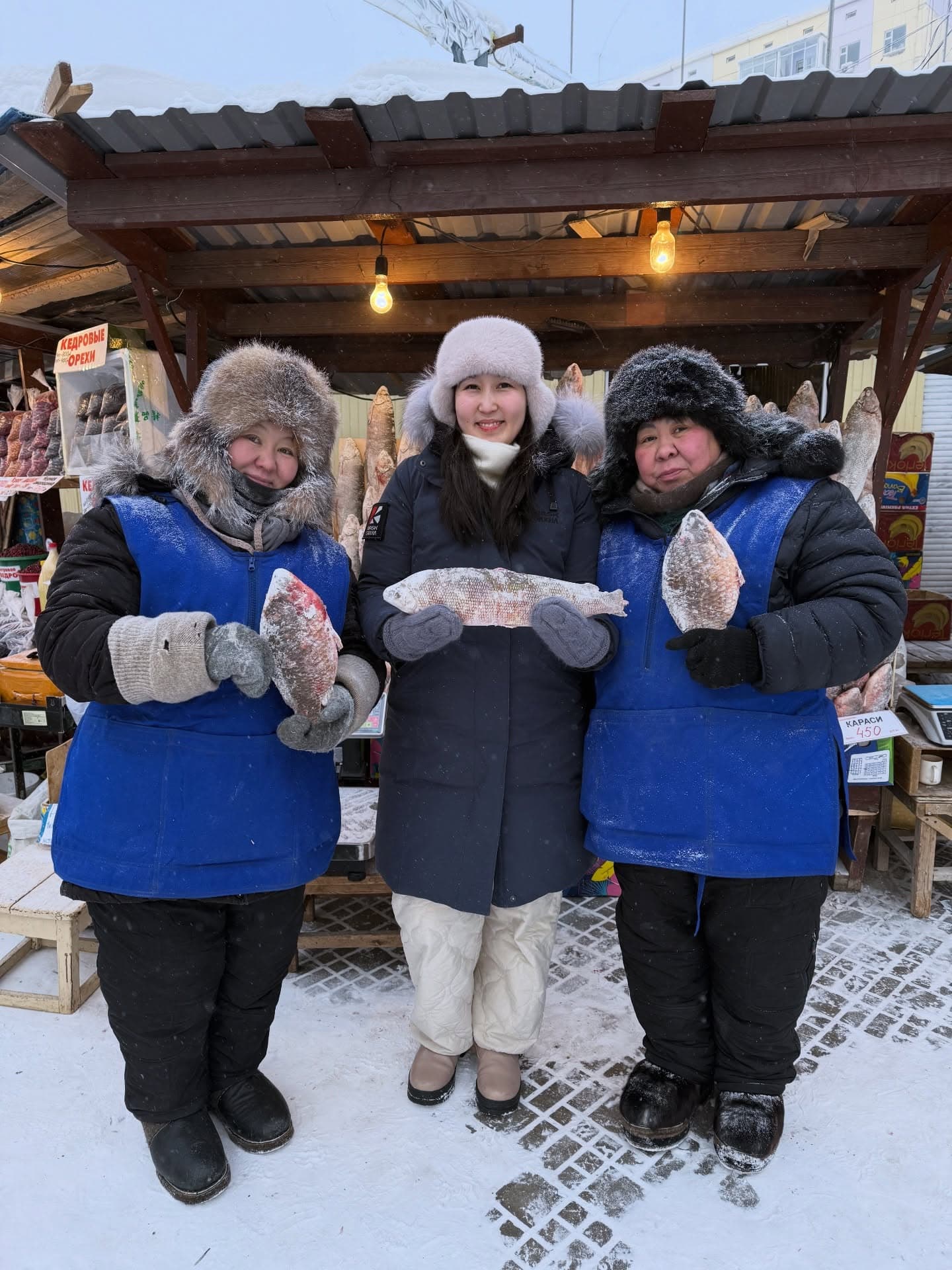
Welcome to Yakutsk, Russia, the undisputed coldest major city on Earth.
Built directly on continuous permafrost in the heart of Siberia, this is a place where winter temperatures routinely plunge to -60°C (-76°F).
At that point, exposed skin freezes in minutes, boiling water tossed into the air turns into a cloud of snow before it hits the ground, and your backyard propane tank becomes nothing more than an expensive lawn ornament.
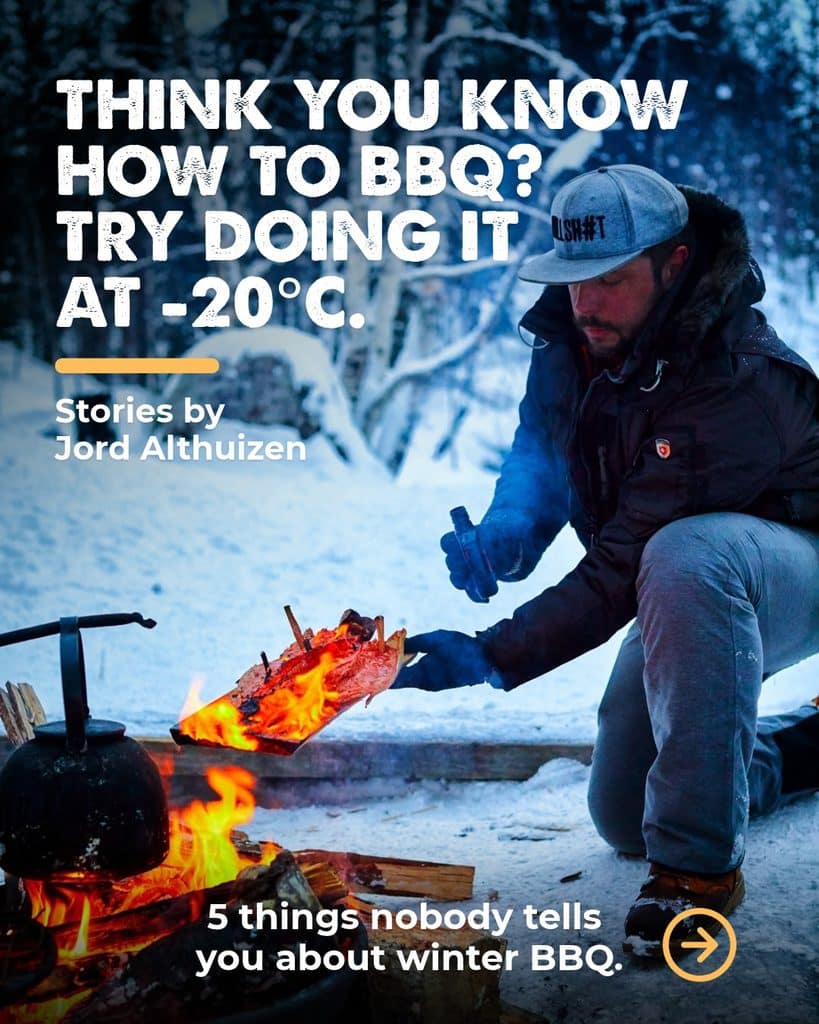
Yet, out in the whiteout fog, locals still light fires, skewer thick chunks of meat, and cook outdoors.
Pulling off winter cookouts in Yakutsk isn’t a viral stunt or a macho dare. It is a masterclass in fire management, thermodynamics, and sheer human stubbornness.
When you strip away all the fancy backyard gadgets and look at how Siberians cook over open embers in life-threatening cold, you learn lessons that will make you a dramatically better griller no matter where you live.
Welcome to Yakutsk: Life in the Coldest City on Earth
Sitting roughly 280 miles south of the Arctic Circle in the Sakha Republic, Yakutsk is a city of extremes. While summer temperatures can surprisingly climb past 30°C (86°F) for a few fleeting weeks, the rest of the year belongs entirely to the freeze.
From November through March, the thermometer rarely climbs above -30°C (-22°F), bottoming out in January around that mind-numbing -60°C mark.
Stepping outside in January feels like walking into an airless wall of needles. A dense, permanent ice fog blankets the streets because the air is too cold to hold moisture, cutting visibility down to a few yards.
Locals even have a poetic name for the sound your breath makes when it freezes instantly in mid-air: the “whisper of the stars.” It sounds like dry rice hitting a tin roof.
Cars can’t be turned off unless they’re parked in heated garages; leave an engine off outside for twenty minutes, and the oil turns to sludge while the battery dies a quiet death.
So why on earth would anyone stand outside in this to cook dinner?
Because in Yakutia, outdoor cooking is woven into the rhythm of daily survival and culture. Winter lasts eight months here. If people waited for a warm spring breeze to enjoy fire-roasted food, they’d spend two-thirds of their lives eating steamed cabbage indoors.
Whether it’s after an ice-fishing trip on the frozen Lena River, during a weekend getaway to a countryside cabin (dacha), or simply celebrating a holiday with friends, firing up an outdoor grill is how Siberians reclaim the outdoors from a climate trying to lock them inside.
The Physics of Grilling in Extreme Sub-Zero Temperatures
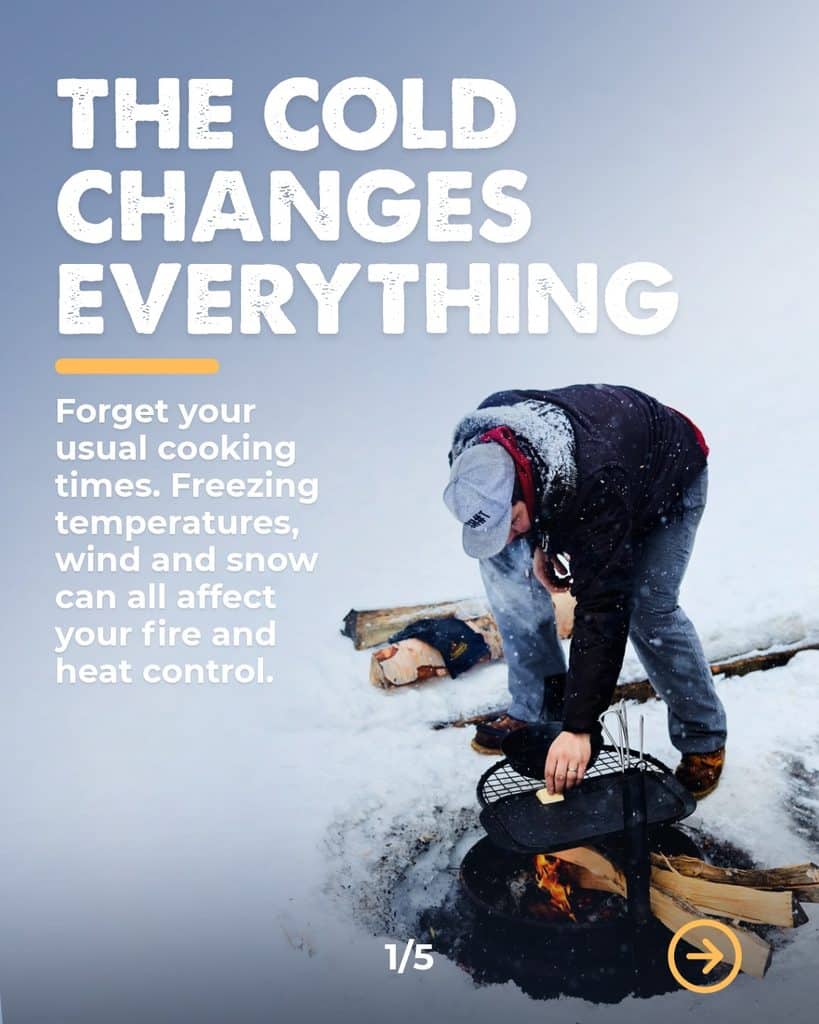
Anyone who has ever tended a smoker overnight in January knows that cold air is a thief. It steals heat from your firebox, drags down your grate temperatures, and stretches a six-hour pork butt into a ten-hour test of patience.
Now multiply that heat loss by ten, and you start to see why standard backyard grilling gear fails catastrophically in Yakutsk.
First, let’s talk about the biggest casualty of extreme cold: liquid propane. Every fuel has a boiling point – the temperature at which it stops turning from a liquid into a vapor. For propane, that magic number is -42°C (-44°F).
Below that threshold, propane simply refuses to vaporize. You can turn the dial on a shiny stainless-steel gas grill all day long in Yakutsk, and nothing will come out of the burners except silence.
Even if you somehow got a spark, there’s zero vapor pressure to feed the flame. Natural gas fares no better. In the deep freeze, wood and lump charcoal aren’t just the best fuels – they are the only fuels.
Then there’s the metal itself. Most entry-level kettle grills and offset smokers are stamped from thin sheet metal. In -60°C air, thin steel acts like a radiator in reverse, dumping heat into the atmosphere faster than your coals can produce it.
Worse yet, extreme temperature swings cause thermal shock. Pouring blazing hot coals into a brittle, sub-zero metal fire bowl can warp or crack the steel on contact.
To beat the physics of -60°C, Yakutian grillers rely on two non-negotiable rules:
- High-BTU Dense Hardwoods: Locals burn seasoned Siberian birch and larch. These dense woods create a deep, concentrated bed of glowing embers that pump out intense radiant heat – the kind of direct infrared energy that cooks food from the bottom up regardless of how cold the surrounding air is.
- Embers Over Open Flames: Open flames get whipped around and cooled down by frigid air currents. A thick, packed bed of white-hot coals acts like a thermal battery, holding steady temperatures right beneath the meat so the bottom chars while the top doesn’t freeze back into a brick.
Anatomy of a Yakutian Winter Cookout Setup
Walk up to a winter grilling setup in Siberia, and you won’t see a shiny pellet smoker with Wi-Fi controls or a digital meat thermometer hooked up to a smartphone app.
Electronics die within minutes in -60°C cold – LCD screens freeze black, and lithium batteries lose their charge almost instantly.
Instead, everything is built around heavy metal, natural insulation, and analog durability.
At the center of the action is the mangal, a traditional rectangular box grill used across Russia and Central Asia.
Unlike Western grills with hinged lids and adjustable dampers, a proper winter mangal is an open-top trough forged from thick-walled steel – often 4mm to 6mm thick.
That heavy gauge steel takes a little longer to warm up, but once it absorbs the heat of a birch wood fire, it holds onto it like a cast-iron skillet.
Notches cut into the top edges hold flat metal skewers just a couple of inches above the coals, maximizing radiant heat transfer.
Before lighting a match, smart grillers also build a windbreak. Air temperature is only half the battle; even a light 5 mph breeze at -60°C creates a wind chill that will strip heat off your meat in seconds.
Locals will dig a shallow pit directly into packed snowdrifts or stack blocks of dense snow around three sides of the mangal.
This creates a sheltered microclimate around the fire, trapping a small pocket of warmer air and keeping ash from blowing onto the food.
Of course, the pitmaster needs just as much insulation as the grill. Standing over coals in Yakutsk requires serious armor:
- Footwear: Traditional unty – tall boots crafted from thick reindeer fur – are essential. Standard rubber soles freeze rock-hard and crack like glass on packed snow.
- Hand Protection: Forget those trendy silicone BBQ gloves. Yakutian grillers wear heavy wool-lined leather mittens, pulling them off only for split-second adjustments. Touching bare steel tongs at -60°C isn’t just uncomfortable; your skin will bond instantly to the metal, causing immediate frostbite.
- Skewers Over Tongs: Long, flat stainless-steel skewers with wooden handles replace tongs altogether. You never have to reach over the heat or grip cold metal utensils – you simply grab the insulated wooden grip and turn the entire row of meat at once.
What’s on the Menu? Traditional Meats Built for the Deep Freeze
If you try throwing a half-inch grocery store burger patty or a thick bone-in ribeye onto a grill at -60°C, you’re going to end up disappointed – and hungry.
Thin patties lose their internal moisture in seconds, turning dry and chalky before the outside even browns.
Thick steaks present the opposite problem: the exterior burns to carbon while the center stays stubbornly raw because the ambient air is pulling heat out of the top of the steak as fast as the coals push it into the bottom.
That’s why shashlik is the undisputed king of Siberian winter cookouts.
Shashlik is essentially the Eurasian cousin of kebab – large, uniform cubes of meat (usually about two inches thick) marinated in onions, vinegar, salt, black pepper, and herbs, then threaded tightly onto flat metal skewers.
The geometry of shashlik is pure brilliance for cold-weather cooking. By cutting the meat into bite-sized chunks and suspending them on conductive metal skewers, heat penetrates from the outside and conducts straight through the center via the steel rod.
A full load of shashlik cooks evenly in 10 to 15 minutes, minimizing the time anyone has to stand outside.
Pork neck (sheya) is the crowd favorite because its rich marbling keeps the meat juicy even over ferocious heat, rendering fat that drips onto the coals and sends up clouds of aromatic smoke.
Lamb shoulder is another staple, prized for its bold flavor and high fat content.
Beyond classic shashlik, Yakutsk brings its own distinctly Arctic proteins to the coals:
- Foal Meat (Zherebyatina): A cornerstone of Sakha cuisine, young horse meat is remarkably tender, rich in iron, and packed with healthy fats that help locals generate body heat during brutal winters.
- Reindeer (Olenina): Lean, deeply flavorful, and locally sourced, reindeer medallions are often wrapped in pork fat (caul fat) before skewering so they don’t dry out over the embers.
- River Fish on Sticks: Out on the frozen rivers, ice fishermen frequently skewer freshly caught chir (broad whitefish) or muksun onto whittled willow branches and prop them at an angle next to an open campfire. Since the fish freezes solid within minutes of leaving the water, cooking it slowly beside the coals thaws and roasts it simultaneously.
One rule rules them all when it comes to winter prep: never put frozen meat on the grill.
Locals thaw and marinate their meat indoors, packing the skewered portions inside heavy insulated thermal coolers right until the second the coals hit peak temperature.
If meat hits the grates with an icy core at -60°C, you’ll end up with a charred crust wrapped around an ice cube.
Step-by-Step: How Locals Actually Pull Off a -60°C Cookout
Watching a seasoned Yakutian griller work in sub-zero conditions is like watching a NASCAR pit crew – there is zero wasted movement, no standing around chatting with a spatula in hand, and total focus on speed.
- Step 1: Indoor Prep is 80% of the Battle. Everything that involves liquids, knives, or bare hands happens inside a warm kitchen. Meat is cubed, seasoned, and threaded onto skewers indoors. Marinades and basting sauces stay inside – if you take a bowl of oil-and-vinegar baste outside at -60°C, it turns into a slushy popsicle before you reach the back door.
- Step 2: Fire-Starting Without Chemical Shortcuts. Standard petroleum lighter fluid struggles to vaporize in extreme cold, making it weirdly hard to light. Locals rely on strips of papery white birch bark – which contains natural oils that ignite effortlessly even in freezing dampness – layered beneath dry birch kindling.
- Step 3: The Constant Flip. Once the wood burns down into a glowing crimson bed of coals, the skewers go on. Because the air just six inches above the grill is cold enough to freeze water, you cannot walk away. Grillers rotate the skewers every 30 to 45 seconds, constantly bringing the top side back down toward the radiant heat so it never drops below freezing while cooking.
- Step 4: The Immediate Retreat Indoors. Nobody stands around eating off paper plates in -60°C weather. The moment the meat hits internal temperature, it is stripped off the skewers straight into a heavy, pre-warmed cast-iron pot or thick insulated thermos container, covered tightly, and rushed inside to a warm table.
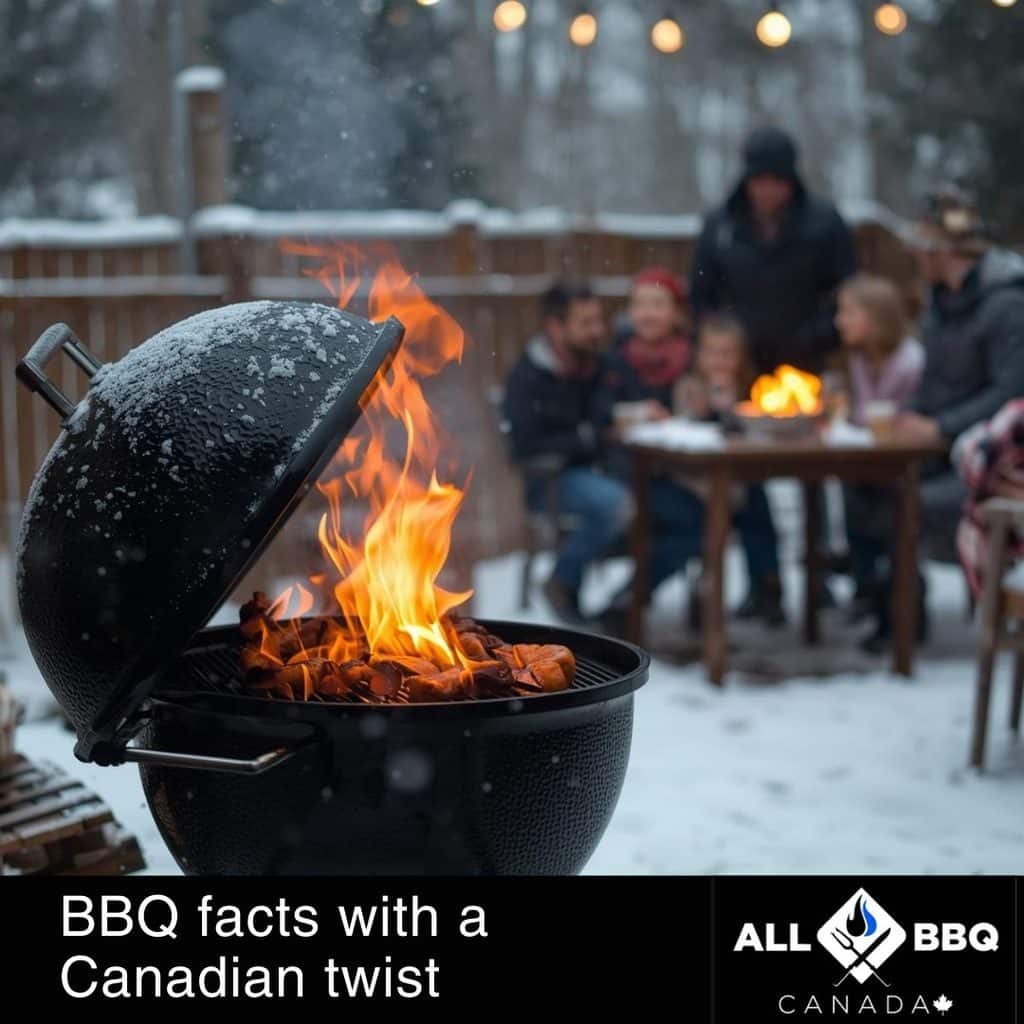
Lessons Every Backyard Griller Can Steal for Their Own Winter Cookouts
Chances are, your local weather forecast won’t call for -60°C this weekend. Most of us consider winter cookouts to mean grilling in 20°F to 40°F (-6°C to 4°C) weather with a dusting of snow on the patio furniture.
Still, applying a few Siberian survival tactics to your backyard routine will transform how you cook during the colder months:
- Ditch the Gas When Mercury Drops: Even if your propane tank technically works at 25°F, tank pressure drops significantly in cold weather, leaving you with weak flames and sluggish recovery times every time you open the lid. Switch to lump charcoal or hardwood splits once winter hits – fire doesn’t care what the thermometer says.
- Block the Wind at All Costs: Wind is a bigger enemy to steady grill temperatures than cold air. Position your grill near a brick wall, fence, or windbreak (while keeping safe clearance from anything flammable) so icy gusts aren’t robbing your firebox of oxygen and heat.
- Pre-Heat Your Gear: Cold cast-iron grates and cold serving platters suck heat right out of your food. Let your grates heat-soak over the coals for a solid 15 minutes before laying down meat, and warm your serving dishes in a low oven inside so your steak doesn’t go cold on the walk to the dining table.
- Choose High-Fat, Fast-Cooking Cuts: Save the 14-hour brisket smoke for a mild spring Saturday unless you have an insulated double-walled smoker. In the dead of winter, lean into marbled pork shoulder skewers, chicken thighs, sausages, and thick-cut pork chops that cook hot, fast, and forgivingly.
Wrapping It Up
Next time you step onto your back deck in January, shivering slightly while waiting for your grill grates to warm up, take a second to appreciate how easy you actually have it.
You don’t have to worry about your propane turning back into a liquid, your boots cracking in half on the patio stones, or your eyebrows frosting over while you check on the coals.
What makes Yakutsk’s winter cookouts so fascinating isn’t just the sheer madness of the temperature – it’s the reminder that great outdoor cooking has never depended on expensive gadgets or perfect weather.
Give a good cook some dry hardwood, a heavy piece of steel, well-marinated meat, and good company waiting inside, and even the coldest place on Earth can’t stop dinner from hitting the table.
Frequently Asked Questions
1. Why don’t propane or gas grills work in extreme cold like Yakutsk?
Liquid propane has a boiling point of -42°C (-44°F). Once outside temperatures drop below that threshold, propane stops turning from a liquid into a vapor, meaning there is zero gas pressure to feed your grill’s burners.
Even in milder freezing weather (around 20°F / -6°C), tank pressure drops significantly, making charcoal and dense hardwoods the only reliable fuels for winter cookouts.
2. What kind of grill and fuel do locals use in Yakutsk?
Locals rely on a mangal – a traditional rectangular open-top trough forged from thick-walled steel (4mm to 6mm thick) that retains heat far better than thin sheet-metal grills.
For fuel, they burn seasoned Siberian birch or larch wood down into a deep bed of glowing embers, which generates intense radiant heat capable of fighting off -60°C ambient air.
3. What is the best food to grill during extreme winter cookouts?
Shashlik (thick, uniform cubes of marinated pork neck, lamb, or beef threaded onto flat metal skewers) is the ideal cold-weather food.
Cutting the meat into chunks allows radiant heat from the coals and conductive heat from the metal skewer to cook the meat evenly in just 10 to 15 minutes, unlike burgers or thick steaks that dry out or burn on the outside while staying raw inside.
4. How do grillers keep the meat from freezing while it’s cooking?
Two tricks prevent meat from freezing on the grill: windbreaks and constant rotation.
Grillers dig pits into packed snowdrifts or stack snow blocks around the grill to block icy gusts, and they rotate the skewers every 30 to 45 seconds so the exposed upper side never drops back below freezing.
All prep work is done indoors, and raw meat stays inside insulated coolers until the exact moment it hits the coals.
5. What lessons from Yakutsk can backyard grillers use for normal winter cookouts?
Grilling in 20°F to 40°F weather doesn’t require Siberian survival gear, but a few smart adjustments will keep your food hot, juicy, and cooked evenly.
Here is how to upgrade your cold-weather grilling game:
- Switch from gas to lump charcoal: Cold air drops the pressure inside a propane tank, leaving you with weak flames and slow heat recovery. Hardwood lump charcoal burns hotter and provides consistent radiant heat regardless of the temperature outside.
- Block the wind: Icy gusts strip heat from your grill far faster than cold air alone. Set up your grill near a windbreak – like a brick wall or fence (while keeping a safe distance from anything flammable) – to shield your fire and maintain steady cooking temperatures.
- Pre-heat your grates and serving platters: Freezing metal acts like a heat sponge the second your food touches it. Let your grates heat-soak over the coals for at least 15 minutes before cooking, and warm your serving dishes inside a low oven so your food doesn’t go cold on the walk to the table.
- Pick high-fat, fast-cooking cuts: Skip lean meats and long, slow-roasting cuts that dry out in cold air. Stick to forgiving, well-marbled options – like bone-in chicken thighs, sausages, and pork shoulder skewers – that cook quickly over high heat and stay juicy.
Featured image credit: @mariasolko
