
Springtime uncovers a lot of backyard mysteries, but few are as painful as lifting a cheap vinyl sheet to reveal a rusted firebox, moldy grates, and a dead igniter.
Nothing ruins the hype of the first sunny weekend faster than finding out your trusty cooker spent the last four months slowly dissolving under a pile of wet slush. Most folks treat a grill cover like an afterthought.
They drop hundreds or thousands of dollars on a high-spec rig, then wrap it in a bargain-bin tarp that has the structural integrity of a wet paper towel.
When winter hits, weather doesn’t just sit on your deck. It attacks. Freezing winds turn low-grade plastics brittle, heavy snow crushes weak seams, and trapped moisture works silently to rot metal from the inside out.
Choosing the right grill cover isn’t about buying a fancy tarp. It’s an insurance policy for your entire backyard setup.
Here is everything you need to know to select a grill cover built to handle freezing temperatures, howling blizzards, and relentless humidity without falling apart.
Why Standard Grill Covers Fail in Winter
To understand why so many covers fail, you have to look at what freezing weather actually does to materials on a microscopic level.
1. Thermal Shock and Plasticization
Cheap covers rely heavily on basic Polyvinyl Chloride (PVC) coatings to stay waterproof. Sub-zero temperatures strip PVC of its flexibility. The moment the thermometer plummets, that soft plastic turns as rigid as a potato chip.
Try lifting a frozen, bargain-tier grill cover in January, and you will hear a sickening crunch as the material splits along every fold line. Once those micro-cracks form, water sneaks straight through.
2. The Sail Effect and Wind Shear
Winter storms don’t blow in gentle breezes; they deliver violent gusts. A loose-fitting grill cover acts like a spinnaker sail on a boat. Wind slips underneath the hem, balloons the fabric, and pulls against the seams.
Without proper anchoring, your cover will either end up three houses down or rip apart at the tension points near the side shelves.
3. Trapped Condensation (The Greenhouse Effect)
Waterproof fabrics keep rain out, but they also lock moisture in. Ground moisture, melting ice near the wheels, and ambient humidity rise up into the underside of the fabric. Without an escape route, moisture settles directly on stainless steel and cast iron.
Combined with warm winter days that follow freezing nights, this creates a moist mini-climate underneath the fabric – the ultimate recipe for rapid oxidation and aggressive mold growth.
4. Heavy Snow Accumulation
Wet snow weighs roughly 20 pounds per cubic foot. When three or four inches of dense slush sit on top of your cooker’s hood overnight, that weight presses directly down on the stitched seams.
Standard single-stitched seams stretch, open up microscopic needle holes, and eventually snap under the burden.
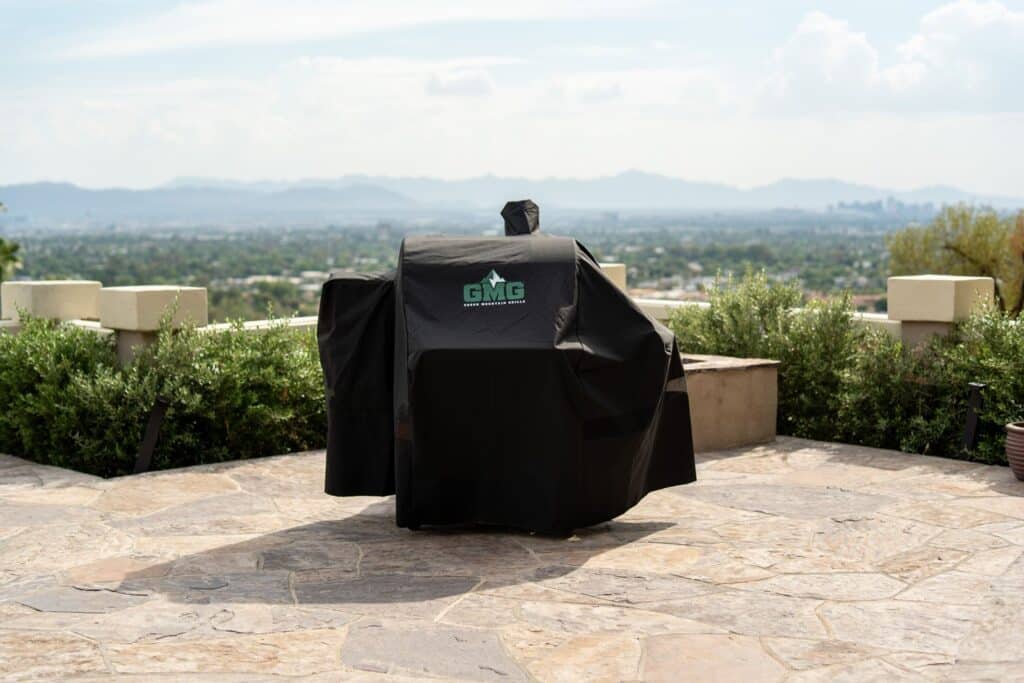
The Material Breakdown: Fabrics That Actually Resist Extreme Weather
Never buy a grill cover based purely on color or price. The underlying textile composition determines whether it survives one season or ten.
Winter Durability Breakdown
| Material Option | Cold Cracking Resistance | UV / Rain Protection | Durability Score | Winter Suitability |
| Thin Vinyl / PVC | Very Poor (Cracks < 32°F) | High (Until it cracks) | Low | Avoid Completely |
| Standard Polyester (200D–300D) | Moderate | Medium | Fair | Mild Climates Only |
| Heavy-Duty Polyester (600D+) | Excellent (-20°F capable) | Very High | High | Highly Recommended |
| Marine-Grade Canvas | Superior | Maximum | Highest | Ultimate Protection |
Thin Vinyl / PVC (Avoid for Winter)
Fine for a sunny July afternoon, but useless in a snowstorm. Avoid at all costs if you live anywhere that sees freezing temperatures.
Standard Polyester (200D to 300D)
Lightweight and cheap, but lacks the thread density needed to resist tearing under heavy snow loads or sharp gusts.
Heavy-Duty Polyester (600D+ with TPU Backing)
The gold standard for modern outdoor gear. The “D” stands for Denier, a unit of measurement that indicates the fiber thickness of individual threads.
A 600D polyester grill cover uses threads twice as thick as a 300D option, creating a dense weave that resists punctures, tears, and wind abrasion.
Look for polyester lined with Thermoplastic Polyurethane (TPU) rather than traditional PVC. TPU stays pliable in extreme cold down to sub-zero temperatures without stiffening or cracking.
Canvas and Marine-Grade Solution-Dye Acrylic
The heavy-duty heavyweight option. Fabrics like Sunbrella or solution-dyed marine canvas are engineered for ocean yachts exposed to salt, gale-force winds, and blistering sun. They cost more up front, but they last for years without fading or splitting.
Inner Linings: Steel-Safe Softness
Check the interior finish of the fabric. Raw rubber or unlined vinyl backings can stick to cold stainless steel hoods, leaving ugly marks or tearing away when pulled.
High-grade covers feature a soft felt or woven inner lining that glides over metallic edges without scratching or sticking during deep freezes.
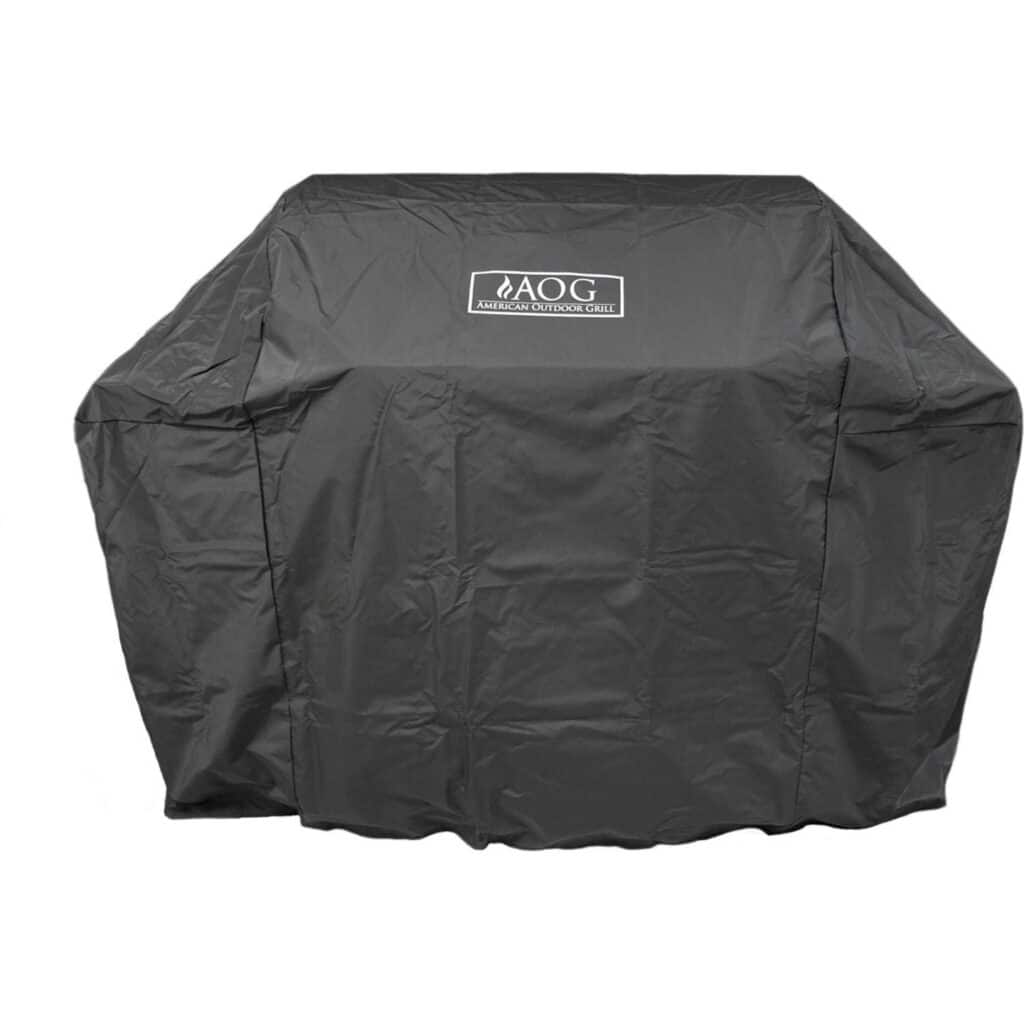
Essential Design Features for Extreme Weather
A great material is useless if the construction details are sloppy. Look for these four critical manufacturing features when evaluating options.
- Covered Air Vents (Moisture Management): A high-performing grill cover must breathe. Look for built-in vents positioned near the top or sides of the main hood featuring downward-facing fabric flaps or mesh baffles. This allows interior heat and humidity to exhaust while keeping blowing snow out.
- Click-Close Leg Straps: Heavy-duty buckled straps wrap around the grill’s legs or casters to anchor the fabric directly to the frame, keeping it secure during heavy storms.
- Cinch Drawstrings & Velcro: Elastic or nylon drawstrings with cord locks pull the skirt tight around the base, while side tabs reduce excess fabric flap around the side shelves.
- Taped Seams (Seam Sealing): Sewing creates thousands of tiny needle holes along the seam line. Taped seams feature a waterproof, heat-bonded tape applied over the interior stitching, creating an absolute barrier against melting snow.
- UV Resistance Testing: Winter brings intense UV exposure as sunlight bounces off white snow. Look for labels specifying solution-dyed fabrics with high UV ratings (such as UV 50+ or 1,000+ colorfast hours) to prevent solar breakdown.
Sizing & Fit Mechanics: Avoiding the “Sail Effect”
Buying an ill-fitting cover is a fast track to broken components and shredded fabric. Oversized covers collect pools of water in sagging pockets and act like kites in high winds. Undersized covers stretch tight over sharp corners until the fabric splits.
How to Measure Your Rig Correctly
Grab a tape measure and record three key dimensions before shopping:
- Width: Measure from the outer edge of the left side shelf to the outer edge of the right side shelf.
- Depth: Measure from the frontmost point (usually the hood handle or control knobs) to the rearmost projection (hinges or smoke stack).
- Height: Measure from the ground straight up to the highest point of the grill hood or chimney stack.
The Ground Clearance Rule
Your grill cover should never touch the floor. Aim for a bottom edge that sits 1 to 2 inches off the deck surface.
A cover that drags on the ground collects dirt, slush, and salt, soaking up water through capillary action. Leaving a short gap encourages continuous air circulation underneath the skirt, keeping ground moisture moving out and preventing small animals from nesting inside.
Universal vs. Custom-Fit Options
Universal covers are budget-friendly and widely available, but they often leave excess material flapping in the wind. Custom or brand-specific covers fit like a glove, reduce wind drag, look clean, and incorporate specialized contouring for side burners or smoke stacks.
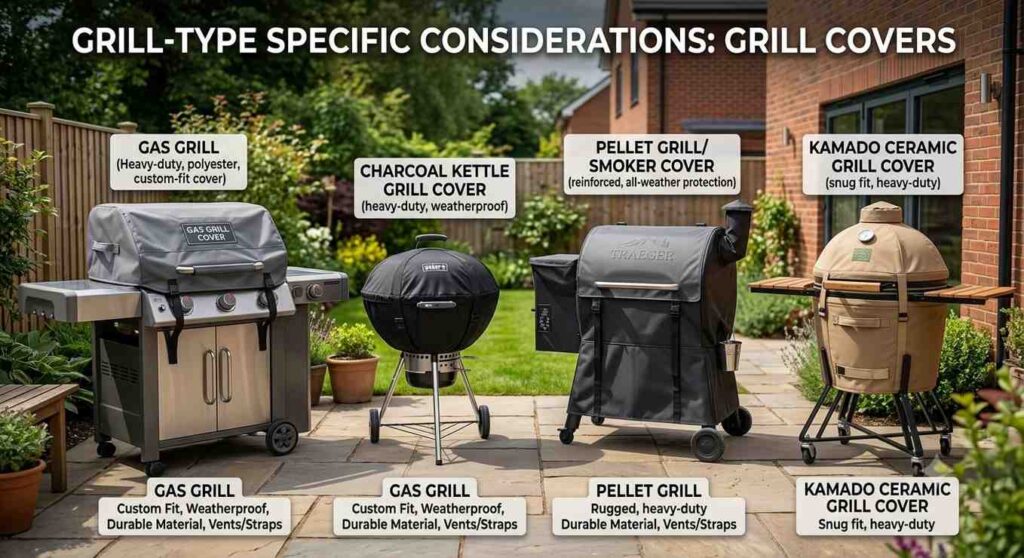
Grill-Type Specific Considerations
Different cookers face unique hazards when exposed to severe winter conditions.
1. Pellet Grills and Smart Electric Griddles
- The Danger: Wood pellets absorb ambient moisture like a sponge. When wet, pellets swell, disintegrate into paste, and harden like concrete inside the auger tube. Electronic controllers and digital touchscreens are equally vulnerable to freezing condensation.
- The Solution: Choose a heavy-duty grill cover with full-length coverage and reinforced seams around the hopper box. Always double-check that hopper lids are closed tight under the cover.
2. Offset Smokers and Fireboxes
- The Danger: Offset smokers feature long horizontal runs, vertical chimneys, and exposed fireboxes that experience dramatic heat cycles. Raw steel surfaces rust almost instantly when exposed to standing water after a hot burn.
- The Solution: Seek out specialized contoured covers designed specifically for barrel shapes. Make sure the cover features extra material reinforcement where it passes over the chimney top to prevent punctures.
3. Built-In Outdoor Kitchen Islands
- The Danger: Built-in units sit flush inside stone, concrete, or tile counters. Water can pool around the cutout edges, freeze, expand, and crack the surrounding masonry.
- The Solution: Use custom jackets that cover the cooking surface while sealing securely over countertop edges. Ensure integrated drawer units and access doors receive matching coverage.
The Chemistry of Ice-Melt Corrosion
Most pitmasters know winter moisture causes rust, but few realize that de-icing salts are public enemy number one. When you throw rock salt on your deck or patio, melting slush kicks microscopic sodium chloride particles into the air.
- The Reaction: Salty droplets land on stainless steel and instantly break down its invisible chromium oxide protective layer.
- The Result: Once that barrier is compromised, pitting corrosion moves fast through exposed metal.
- The Defense: A high-spec grill cover with a sealed, floor-sweeping draft flap or extended skirt acts as a chemical shield, blocking airborne saline mist from eating through your burners, legs, and exterior hardware.
Rodents in the Firebox: Preventing Winter Nesting
When sub-zero blizzards hit, local wildlife views your covered cooker as a heated, grease-scented luxury apartment. Mice and squirrels can easily squeeze through openings as small as a dime.
- The Damage: Pests chew through ignition wiring, nest inside burner tubes, and leave hazardous waste behind.
- The Solution: Look for covers equipped with heavy-duty mesh bottom skirts or cinch-lock leg seals to block ground entry.
- Pro-Tip: Pair a tight-fitting cover with a pre-season burn-off to eliminate food odor to keep uninvited pests from turning your firebox into winter quarters.
Thermal Insulation Wraps vs. Standard Weather Covers
Don’t confuse a standard protective grill cover with a thermal insulation blanket. While a weather cover is built strictly for storage, insulated neoprene or fiberglass blankets are used during winter cooks to maintain steady chamber temperatures and cut pellet consumption in half.
- The Trap: Leaving a thermal blanket on under your storage cover can trap heat pockets and sweat against cold metal.
- The Smart Strategy: Run an insulated wrap during cold-weather burns to conserve fuel.
- The Final Step: Let the cooker cool down completely, then apply your heavy-duty, ventilated grill cover for long-term weather protection.
Fabric Color Science and Thermal Expansion
Color selection isn’t just an aesthetic choice; it directly impacts how materials survive harsh freeze-thaw cycles.
- The Dark Cover Dilemma: Black covers absorb solar radiation on clear winter days, rapidly heating trapped air.
- The Freeze-Thaw Impact: When the sun sets, temperatures plummet, causing rapid thermal expansion and contraction of metal components that accelerates condensation and stresses fabric seams.
- The Optimal Choice: Selecting UV-reflective charcoal, matte grey, or light tan covers helps stabilize internal temperatures, minimizing severe micro-climates underneath the hood while extending fabric lifespan.
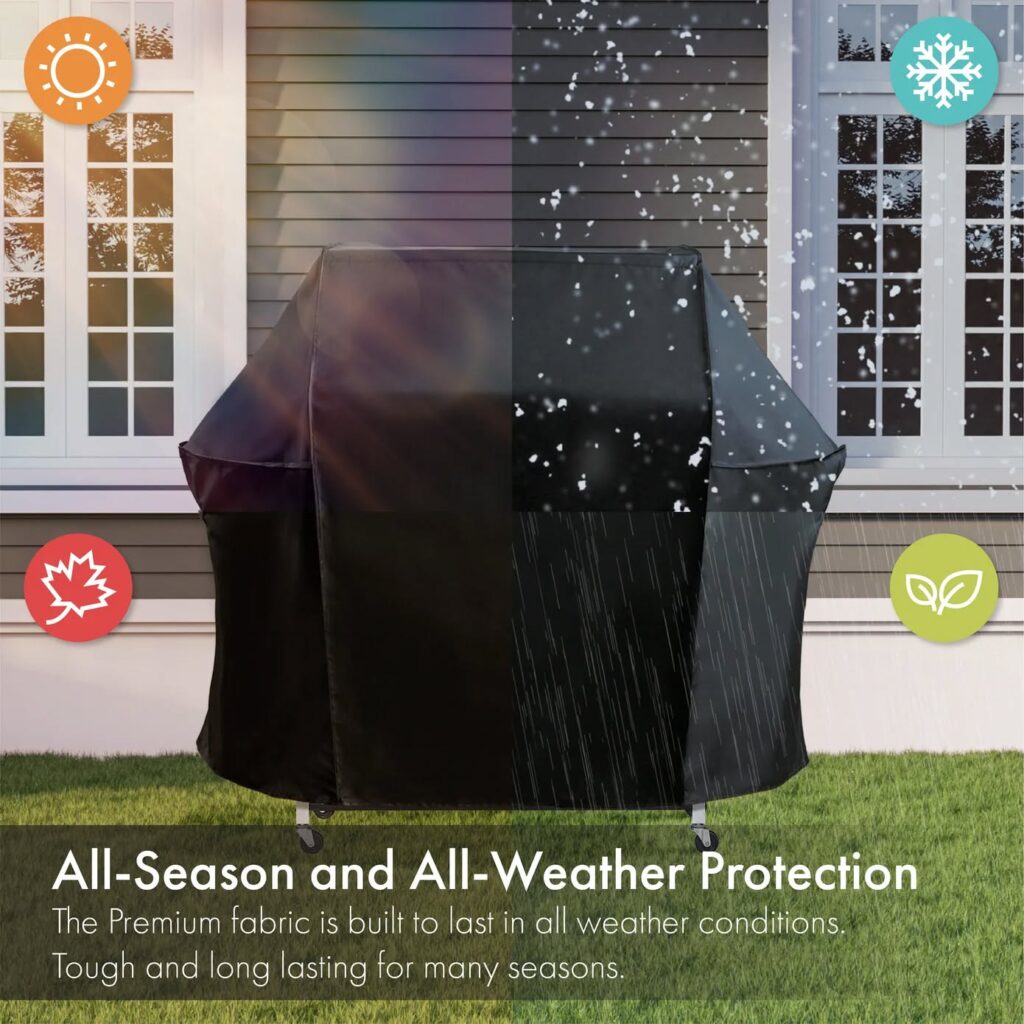
Winter Care & Maintenance Best Practices
Even the highest-rated grill cover needs help doing its job. Follow this four-step seasonal routine to keep your equipment in peak condition through the coldest months.
- Clean the Grease: Organic food droppings and thick grease traps attract mold spores and hungry critters looking for a winter shelter. Deep clean the grates and empty the drip tray before covering.
- Oil the Metal: Scrape down cast iron or steel grates, then apply a light coat of high-smoke-point cooking oil (like canola or peanut oil). This protective barrier stops moisture from touching raw iron.
- Remove Electronics & Batteries: Pull out AA/AAA batteries from push-button igniters. Cold weather causes batteries to leak acid, ruining internal ignition modules. Store digital probe monitors indoors.
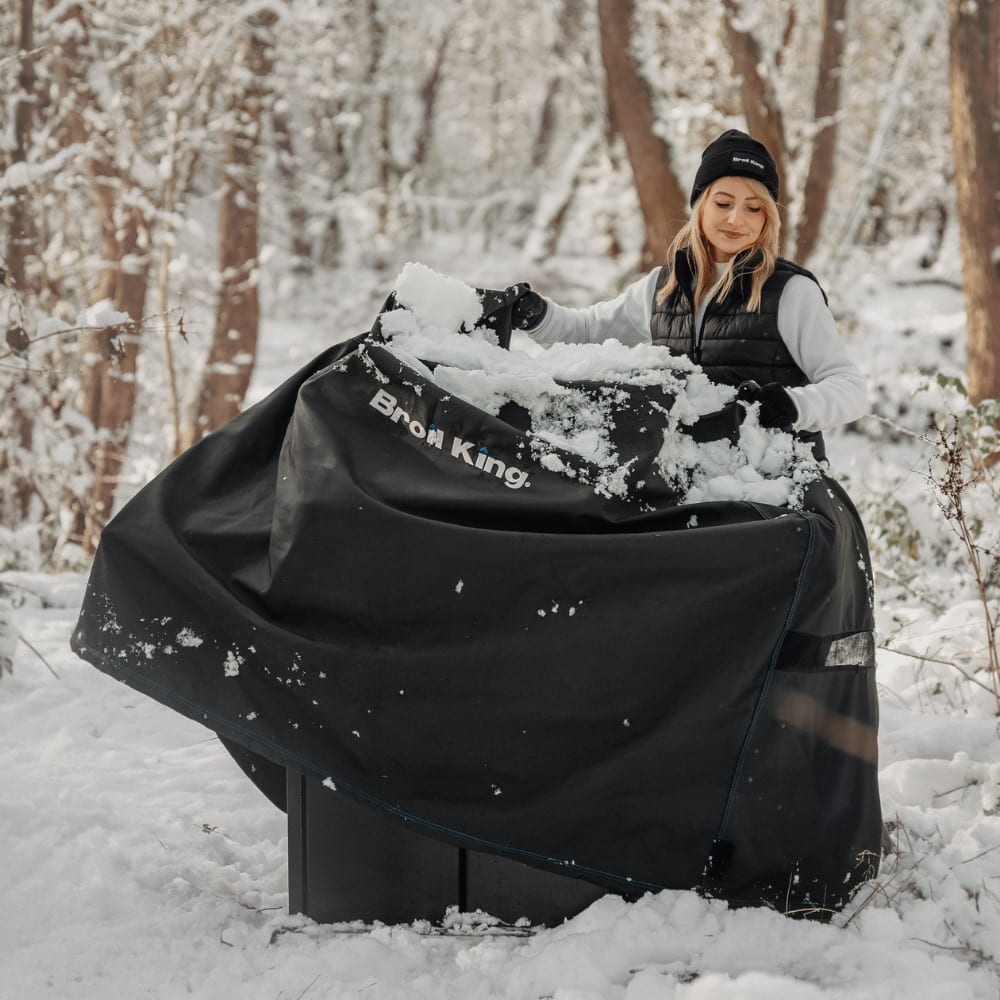
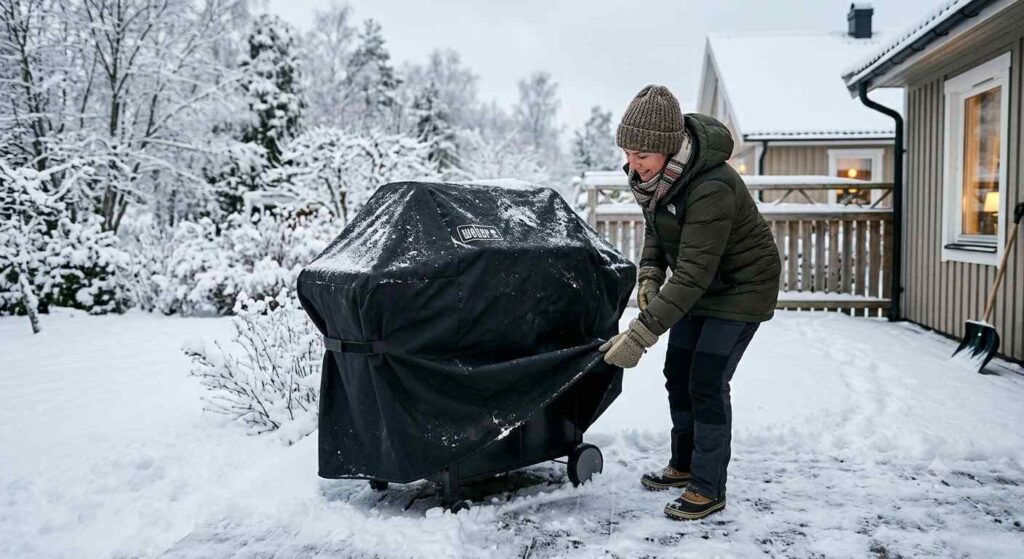
- Practice Safe Snow Removal: When snow builds up, clear it off promptly using a soft foam broom or a gloved hand. Never use metal shovels, ice scrapers, or stiff plastic brushes, as they can slice clean through frozen fabric.
On rare dry, sunny days in mid-winter, pull the grill cover off for an hour or two. This lets ambient air circulate through the cooking chamber, evaporating any hidden condensation that managed to accumulate during temperature swings.
Summary Checklist: What to Look for on the Label
Keep this quick reference list handy when comparing options online or in-store:
- Heavy Fabric Spec: Minimum 600D Polyester or Marine-Grade Canvas.
- Cold-Crack Resistant Liner: Flexible TPU or soft fleece backing rated to sub-zero temps (avoid raw PVC).
- Weatherproof Seams: Heat-taped or double-stitched overlapping construction.
- Active Ventilation: Mesh-backed, flap-covered air vents to exhaust humidity.
- Secure Tie-Downs: Buckled leg straps paired with an elastic cinch drawstring.
- UV Coating: High colorfastness rating to resist solar reflection off snow.
- Perfect Fit Clearance: Sized to hover 1 to 2 inches off the deck floor.
Final Takeaway
A great outdoor setup provides years of incredible meals, great memories, and outdoor enjoyment. Protecting it through harsh winter weather doesn’t require a master’s degree in textile engineering – just a little attention to detail.
Skipping the bargain bin and investing in a well-ventilated, high-denier grill cover with taped seams and secure tie-downs ensures your cooker survives sub-zero temperatures, howling winds, and heavy snow without a scratch.
When warm weather returns, you’ll roll back the fabric to find a clean, dry, rust-free machine ready for action.
Frequently Asked Questions About Winter Grill Covers
1. Should I cover my grill in the winter if I store it under a roof or porch?
Yes, you should still cover it. While a covered porch or gazebo protects your rig from direct snow accumulation, it does not stop humidity, blowing dust, or temperature-driven condensation.
Damp winter air can still settle on cold metal surfaces and ignite rust. A breathable grill cover adds a crucial secondary barrier against moisture and keeps pests from nesting inside the firebox.
2. Is a heavier grill cover always better for cold weather?
Not necessarily – fabric density and lining material matter more than raw weight. A thick, heavy cover made of cheap PVC will turn brittle and crack in sub-zero temperatures.
Instead of focusing solely on weight, look for 600D+ Solution-Dyed Polyester lined with TPU (Thermoplastic Polyurethane). This combination provides heavy-duty tear resistance while remaining flexible and easy to handle in freezing cold.
3. Will a grill cover cause my grill to rust from the inside out?
Only if the cover lacks proper ventilation or is placed over a wet grill.
Non-breathable covers trap ground moisture and ambient humidity inside the cooking chamber, creating a greenhouse effect that accelerates rust and mold.
To prevent this, always select a grill cover with built-in, covered air vents and ensure your cooker is completely dry and clean before putting the cover on.
4. How tight should a winter grill cover fit?
It should fit snugly around the body, but hover 1 to 2 inches above the ground.
A cover that is too loose will catch wind like a sail, while one that is stretched too tight over sharp corners will split along the seams under heavy snow.
Leaving a 1-to-2-inch gap at the bottom ensures proper airflow, prevents the hem from soaking up ground slush, and keeps rodents from finding a completely sealed shelter.
5. Can I leave wood pellets in my pellet grill hopper during winter if it’s covered?
It is not recommended for long-term storage. Even under a high-grade waterproof grill cover, wood pellets absorb ambient humidity from the air.
Over time, damp pellets swell, crumble into a thick paste, and can freeze solid inside the auger tube, causing severe motor jams.
If you aren’t planning to cook for several weeks, burn off or empty the hopper and store your pellets indoors in a sealed, airtight bucket.
6. How do I safely remove heavy ice and snow from my grill cover without tearing it?
Use a soft broom or a gloved hand – never use metal shovels or ice scrapers.
Sub-zero temperatures put tension on fabric fibers, and sharp metal edges can easily slice through frozen material. Gently push heavy snow off with a soft-bristled broom or foam rake.
For ice buildup, tap the fabric gently from underneath to break up thin sheets, or let it melt naturally on warmer days.
Featured image credit: @bbqing
