
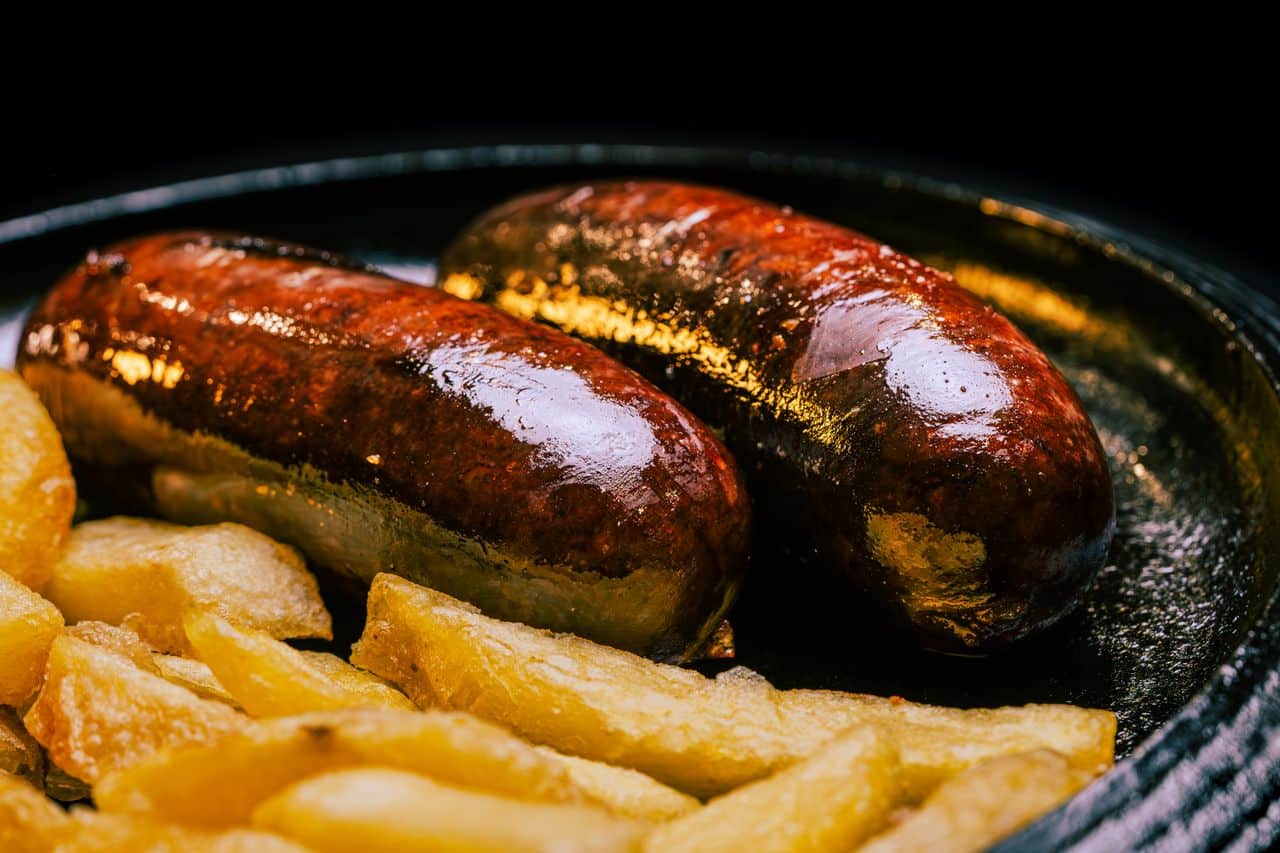
Are bangers really cozy comfort food? Let’s put that to the test.
Why do we insist on treating mashed potatoes as the unchallenged supreme ruler of chilly-weather dinner plates?
Anthony Bourdain once observed, “Good food is very often, even most of the time, simple food.”
Yet somehow, the culinary world spent decades convincing us that the only acceptable landing pad for a seared sausage is a mound of pale, starch-heavy russets.
Let’s be honest: standard mashed potatoes can be downright lazy. They are the beige sweatpants of weeknight cooking – functional, forgiving, but totally devoid of drama.
It’s time to upgrade your evening routine. By replacing tired spuds with a vibrant, velvety layer of whipped winter squash, you instantly elevate classic bangers and mash into an extraordinary feast.
The combination pairs rich, savory, pan-seared sausages with a silky, naturally sweet puree, topped off with crackling leaves of fried sage.
This recipe delivers the ultimate cozy comfort food experience, bringing high-end pub flavors directly to your home kitchen without any pompous pretension.

Why Winter Squash Beats Standard Potatoes
Swapping spuds for squash isn’t just a gimmick to look fancy on social media; it fundamentally transforms the texture and flavor dynamic of the dish.
Standard potatoes act like a sponge for butter, which is great, but they rarely bring their own flavor to the party.
Winter squash brings a warm, nutty sweetness that cuts through the salty, spiced richness of pork sausages in a way a white potato never could.
- Silky texture without heavy effort: Roasting winter squash breaks down its tough fibers, allowing it to whip into a weightless, cloud-like consistency that feels luxurious on the palate.
- Balanced flavor profile: The natural sugars in the squash caramelize in the oven, creating a savory-sweet backdrop that harmonizes beautifully with woodsy herbs like sage and thyme.
- Vibrant visual appeal: Let’s face it – a plate of brown sausages on white potatoes looks like a dreary overcast afternoon. Bright orange squash turns your plate into a warm, inviting masterpiece.
When choosing your squash, keep it simple:
- Hutchinson or Butternut: The reliable workhorse. It yields a smooth, consistent mash with a sweet, mild flavor profile.
- Kabocha: The secret weapon for deep flavor. It’s denser, drier, and tastes like a cross between a sweet potato and a roasted chestnut.
- Acorn Squash: A solid backup, though it contains a bit more moisture, requiring slightly less cream during the whipping phase.
Key Ingredients & Flavor Pairing Strategy
Executing culinary magic doesn’t require a degree from a French academy; it simply requires understanding how contrasting flavors balance each other out. To achieve perfection here, every component plays a specific role.
- The Bangers: Seek out high-quality, coarse-ground pork sausages from a local butcher. Cumberland or pork-and-apple links work exceptionally well. You want a casing that snaps when bit into, yielding a juicy, herb-flecked center.
- The Whipped Base: A touch of unsalted butter, a splash of heavy cream, and a tiny pinch of freshly grated nutmeg. Nutmeg is the secret key that bridges the gap between savory squash and rich meat.
- The Fried Sage: Fresh sage leaves are non-negotiable. Dried sage tastes like dusty poultry seasoning; fresh sage fried in hot fat becomes a crispy, aromatic topping that adds crucial textural crunch.
- The Skillet Pan Sauce: Never leave flavor behind in the pan. A splash of dry red wine or dark ale deglazes those browned pork bits, forming a glossy sauce that ties the entire plate together.
The Chemistry of the Perfect Casing Snap
Achieving that satisfying, crisp bite into a banger isn’t luck – it is pure culinary science. Natural casings made from hog or lamb intestine react dramatically to heat compared to synthetic collagen alternatives:
- Internal steam building: Steady medium heat converts meat juices into steam, creating outward pressure against the casing’s natural protein lattice to produce that signature “snap.”
- The blow-out risk: Excessive heat causes rapid steam expansion, tearing casings open and draining all internal moisture into the pan.
- The solution: A patient, low-and-slow cooking approach lets collagen crisp evenly while locking every drop of juice inside.
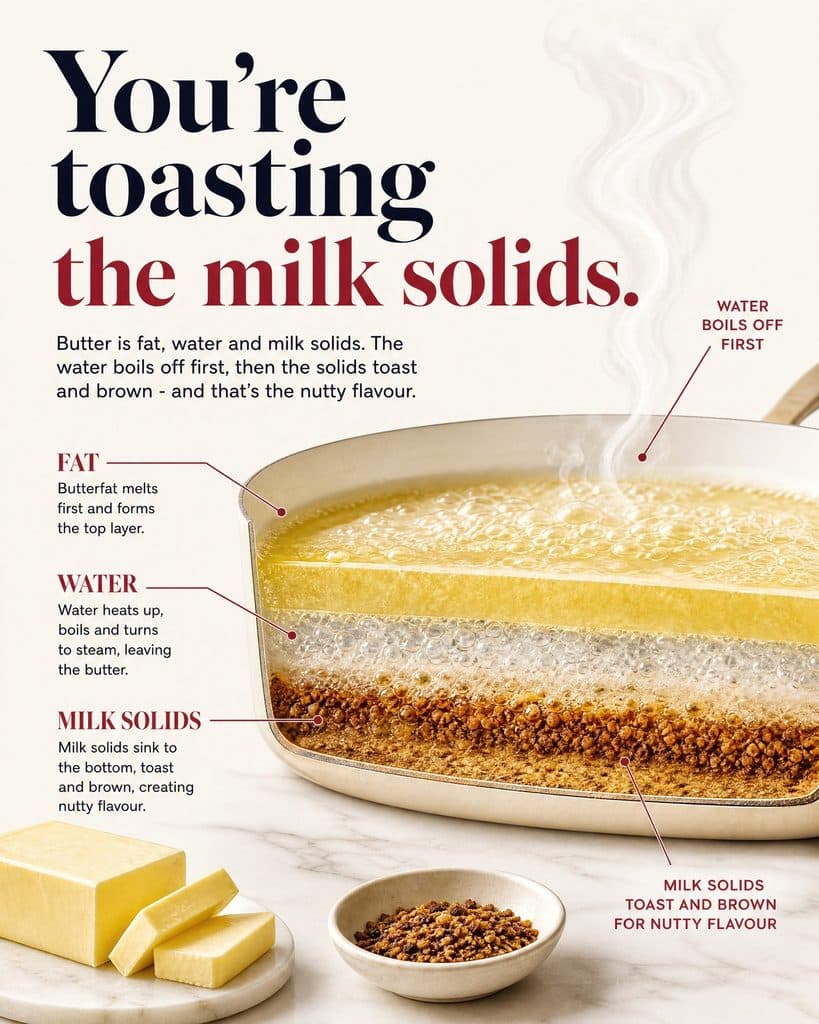
Brown Butter vs. Plain Butter for Frying Sage
While standard butter gets the job done, taking your fat to the brown butter (beurre noisette) stage transforms the entire aromatic profile of the dish:
- Toasted milk solids: Heating butter drops its milk solids to the bottom of the pan to toast, unlocking a deeply rich, nutty fragrance.
- Double-layered flavor: Fresh sage releases its piney essential oils into the butter while absorbing that gorgeous nutty warmth.
- The final result: This extra minute of cooking leaves you with crunchier leaves and an insanely fragrant oil that acts as an instant gourmet drizzle for your squash base.
Mastering the Art of Pre-Roasting Squash Seeds
Don’t throw away that pile of gooey seeds you scooped out of your squash! Upcycling them creates a zero-waste, high-crunch garnish that takes your plate over the top:
- Prep: Wash seeds thoroughly to remove clinging pulp, then pat them completely dry with a kitchen towel.
- Season: Toss with olive oil, smoked paprika, and sea salt.
- Roast: Spread on a baking sheet and bake at 350°F (175°C) for 15 minutes until golden brown and crisp.
Their earthy, nutty crunch offers a brilliant textural contrast to the velvety smooth squash below.
How to Fix Watery Squash Puree in Seconds
Different squash varieties hold varying moisture levels depending on when they were harvested. If your whipped squash turns out loose or runny, do not panic – use these quick fixes:
- Stovetop reduction: Transfer the puree to a wide stainless steel skillet over medium heat, stirring continuously for 3 to 5 minutes to steam off excess water.
- Thickening agents: Whisk in a tablespoon of fine cornmeal or mascarpone cheese to instantly restore body and richness.
Knowing how to adjust texture on the fly guarantees a thick, pillow-soft landing pad for your sausages every time.
Cider and Ale Reductions: Deglazing Beyond Red Wine
While red wine is a classic choice for deglazing, switching your liquid opens up entirely new flavor combinations:
- Dry hard apple cider: Delivers a crisp, orchard-fresh acidity that cuts right through heavy pork fat while complementing the natural sweetness of the squash.
- Dark amber ale or stout: Introduces complex notes of toasted malt, chocolate, and subtle bitterness that accentuate the browned crust of seared bangers.
Simply swap out the wine for your brew of choice, reduce it in the skillet drippings, and prepare for a remarkably bold sauce.

Final Thoughts on Cozy Comfort Food
Stepping outside traditional cooking routines is what makes home dining continuously exciting.
While classic mashed potatoes will always hold a nostalgic spot in our hearts, this combination of savory sausages, velvety whipped squash, and crackling fried sage proves that cozy comfort food can be both rustic and deeply sophisticated.
Prepare a batch on a cold, rainy evening, pair it with a crisp hard cider or a heavy amber ale, and enjoy an instant upgrade to your weeknight menu.
Featured image credit: Nano Erdozain
