
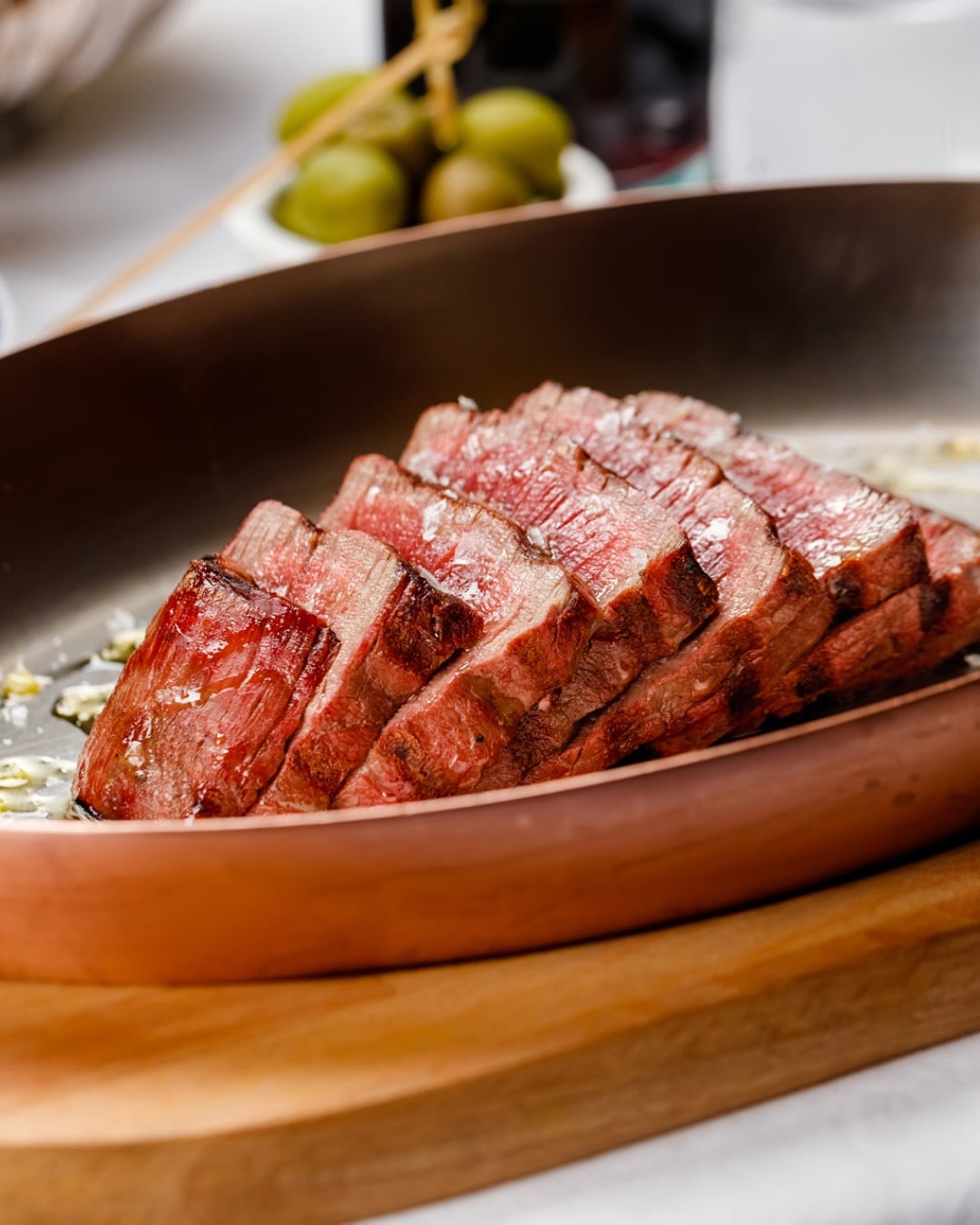
As a seasoned chef/pitmaster, I’ve cooked a lot of beef in my life – backyard grills, restaurant kitchens, even a few “this better impress the in-laws” dinners.
And here’s the truth most steakhouses won’t tell you: a perfect beef tenderloin at home isn’t just possible – it can be better.
Why? Because you control the one thing that matters most: precision.
No mystery marinades. No secret chef-only ingredient. The real secret is simple – and once you get it, you’ll never look at an overpriced steakhouse bill the same way again.
Why Beef Tenderloin Is So Special
Let’s get one thing straight: beef tenderloin is the most tender cut on the animal. That’s not marketing – it’s anatomy. This muscle doesn’t work hard, which means:
- Almost zero toughness
- Buttery, melt-in-your-mouth texture
- Mild flavor that shines with proper cooking
Compared to ribeye or strip, it’s less fatty – but that’s not a weakness. It just means you don’t hide behind fat – you cook it right.
And that’s where most people mess up.
The Secret to a Perfect Beef Tenderloin
Here it is, no drumroll needed:
Temperature control beats everything.
Not seasoning. Not expensive herbs. Not fancy pans.
If you remember nothing else, remember this:
- Don’t overcook it
- Use a thermometer
- Let it rest
That’s the holy trinity.
You’re aiming for precision, not guesswork. A perfect beef tenderloin isn’t about “feeling it out” – it’s about hitting the exact doneness you want.
And if you’ve ever cut into a gray, overcooked tenderloin… you already know the pain.
Choosing the Right Beef Tenderloin (Your Results Start Here)
Let me say this straight: you can’t cook a perfect beef tenderloin if you start with a bad one. That’s like trying to win a race on a flat tire.
When you’re at the butcher or grocery, look for:
- Even thickness (this ensures consistent cooking)
- Bright red color (freshness matters)
- Fine marbling (not a lot, but enough for flavor)
Now here’s where it gets interesting—grading matters more than people think. If you can, go for USDA Prime or Choice. Prime gives you a little more forgiveness thanks to better fat distribution.
Also, don’t be afraid to ask your butcher to:
- Trim the silver skin (that tough, chewy layer)
- Tie it for even cooking
A good butcher is like a sous chef you don’t have to pay hourly.
Reverse Searing: The Quiet Upgrade Most Home Cooks Miss
If you want to level up your perfect beef tenderloin, let me introduce you to a technique chefs love but don’t always talk about: reverse searing.
Instead of blasting it with heat first, you:
- Cook it low and slow in the oven
- Then finish with a high-heat sear
Why does this matter?
- More even doneness from edge to center
- A bigger window to hit that perfect temperature
- Less risk of overcooking
This method is especially useful if you’ve ever had that gray “ring” around your steak. Reverse searing minimizes that.
Is it faster? No.
Is it better? Often, yes.
Think of it as the “precision mode” for cooking a perfect beef tenderloin.
The Power of Finishing Touches (Where Flavor Gets Personal)
Here’s something steakhouses quietly rely on:
Finishing touches make the difference between good and unforgettable.
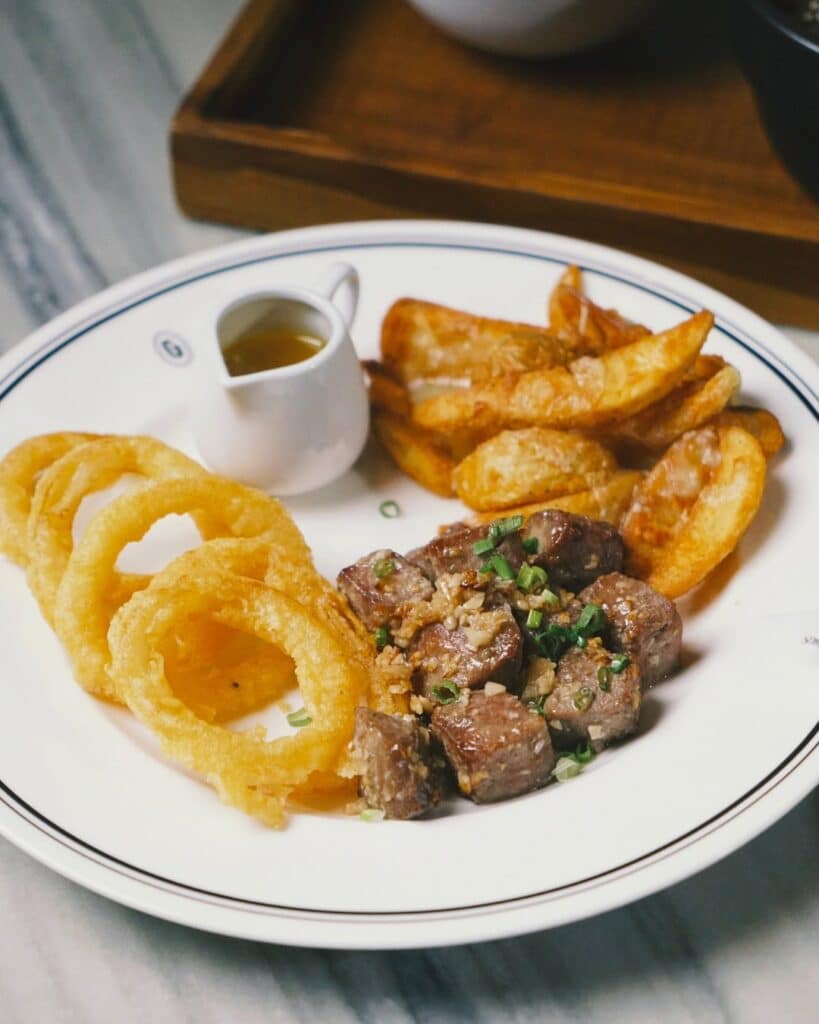
Right after slicing your perfect beef tenderloin, you’ve got a golden opportunity to add flavor layers.
Some favorites:
- Compound butter (butter + garlic + herbs = magic)
- Flaky sea salt for a final pop
- A light brush of beef jus or pan drippings
Want to impress guests without extra work?
Drop a round of herb butter on top and watch it melt slowly over the meat. That’s not just flavor – it’s theater.
And here’s a pro tip:
Add finishing elements AFTER cooking, not during.
You keep the flavors clean, controlled, and intentional.
How to Slice Like a Pro (Yes, It Actually Matters)
You did everything right. You nailed the temperature. You rested the meat.
Then you sliced it wrong.
Painful, I know.
Slicing is not just presentation – it affects tenderness.
Always cut:
- Against the grain (shortens muscle fibers → more tender bites)
- Into even medallions (for consistent texture)
Use a sharp knife – this is not the moment for a dull blade you’ve had since college.
Here’s a trick:
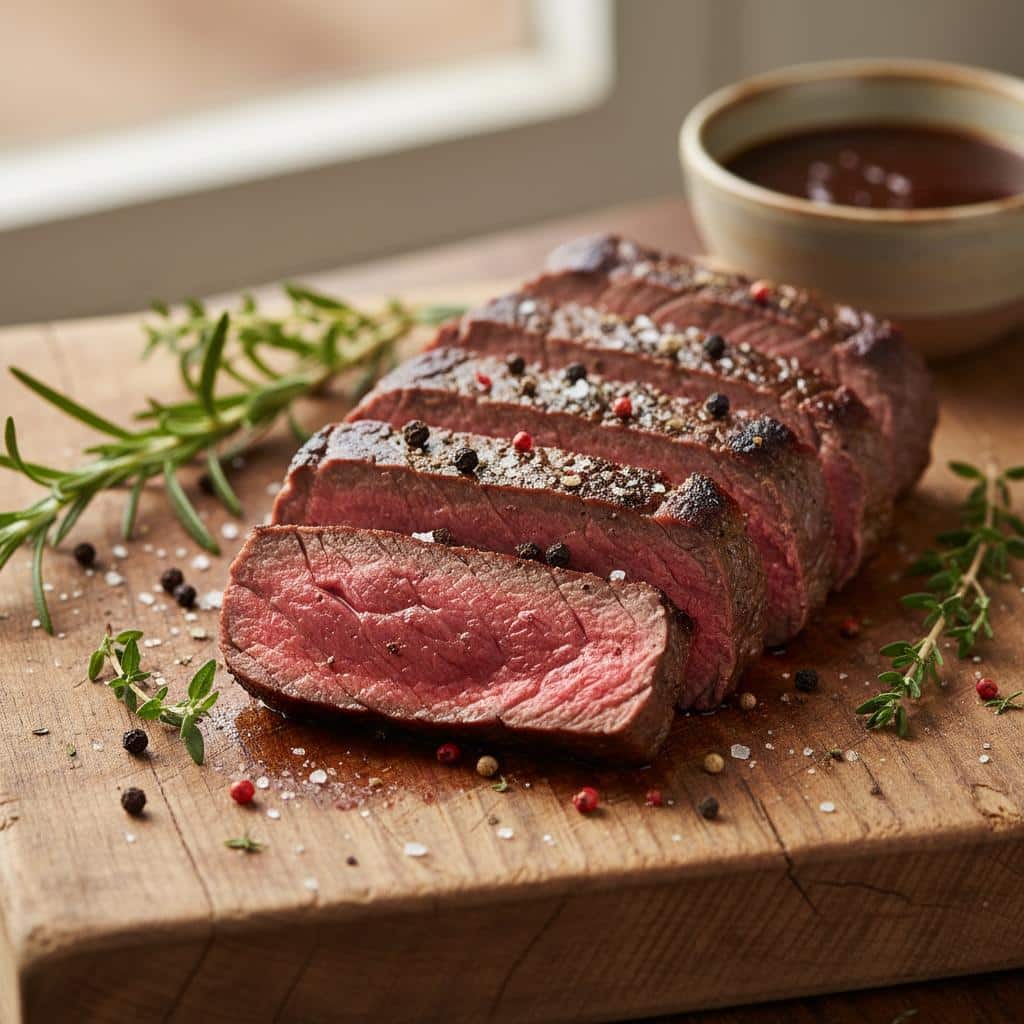
Look closely at the meat before slicing. You’ll see faint lines – that’s the grain. Cut perpendicular to those lines.
Good slicing can make a good tenderloin feel like a perfect beef tenderloin.
Mess it up, and even great cooking can feel… average.
Pairing Wine (or Drinks) Without Overthinking It
Let’s not get snobby about it – but yes, the right drink elevates a perfect beef tenderloin.
You’re dealing with a cut that’s:
- Leaner than ribeye
- Rich, but not overly fatty
So you want balance.
Great options:
- Cabernet Sauvignon (classic, bold, reliable)
- Merlot (softer, smoother)
- Pinot Noir (if you want something lighter)
Not a wine person? No problem.
Try:
- A dark ale or stout
- Even a simple whiskey on the rocks
The goal isn’t perfection – it’s harmony.
And honestly?
A perfectly cooked tenderloin with a drink you enjoy beats a “perfect pairing” you don’t like every time.
Pro Tips from the Pit (That Actually Matter)
- Dry brine overnight if you can: salt it and leave uncovered in the fridge
- High heat = better crust (don’t be shy)
- Don’t overcrowd the pan or you’ll steam instead of sear
- Keep it simple – this cut shines on its own
And here’s a chef confession:
Most “fancy steakhouse flavor” is just butter and confidence.
Common Mistakes to Avoid
Let me save you from heartbreak:
- Overcooking (the #1 crime against beef tenderloin)
- Skipping the thermometer
- Not drying the meat
- Under-seasoning
- Cutting immediately after cooking
If you avoid these, you’re already ahead of half the internet.
Serving Suggestions
Keep the sides classic and let the beef lead:
- Creamy mashed potatoes
- Roasted vegetables
- Creamed spinach
For sauces:
- Red wine reduction
- Garlic butter
- Horseradish cream
Or skip the sauce entirely. A perfect beef tenderloin doesn’t need much help.
Flavor Chemistry: The Maillard Reaction
Here’s the bottom line:
A perfect beef tenderloin isn’t about fancy cooking – it’s about controlled cooking.
You don’t need a professional kitchen. You don’t need expensive tricks.
You just need:
- Heat
- Timing
- And a little restraint
Master this once, and suddenly you’re the person everyone asks to cook steak.
And the next time someone suggests going to a steakhouse?
You’ll smile… and fire up your own kitchen instead.
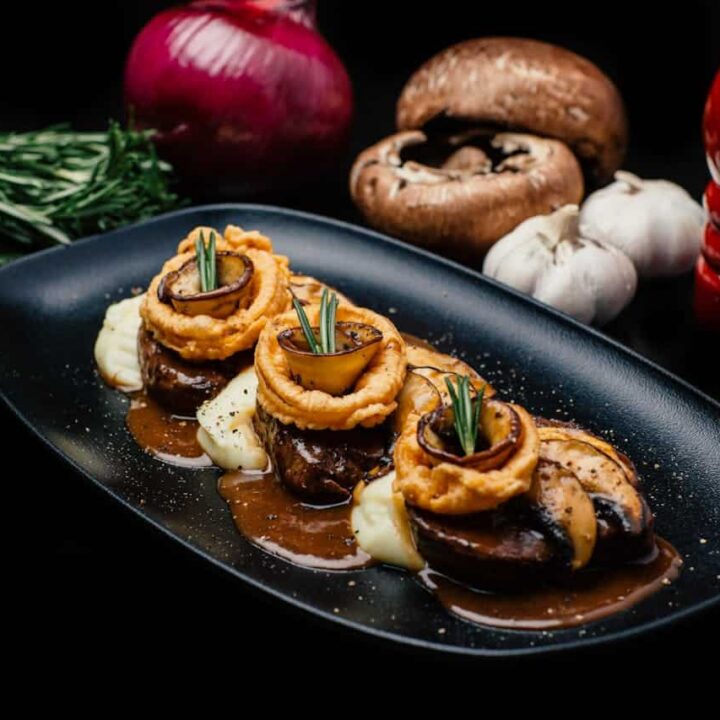
Perfect Beef Tenderloin Recipe
Image credit: Mahmoud Salem
Ingredients
- Keep it simple. This cut doesn’t need a costume.
- 1 whole beef tenderloin (2–3 lbs, trimmed)
- Kosher salt
- Freshly ground black pepper
- 2–3 tbsp olive oil
- 3 tbsp butter
- 3–4 garlic cloves (crushed)
- Fresh thyme or rosemary
- Optional, but powerful:
- Dijon mustard (light coating before searing)
- Pan sauce or compound butter
- Key point: If your beef is good, don’t bury it in ingredients.
Instructions
1. Prep Like You Mean It
Pat the meat dry – seriously dry.
👉 Moisture is the enemy of a good crust.
Season generously with salt and pepper. Not timidly. This is a thick cut – it can handle it.
If the tenderloin is uneven, tie it with kitchen twine so it cooks evenly.
2. Bring It to Room Temperature
Let it sit out for about 30–45 minutes.
This isn’t chef superstition – it ensures:
- Even cooking from edge to center
- No cold core ruining your doneness
3. Sear for That Steakhouse Crust
Get your pan screaming hot. Add oil.
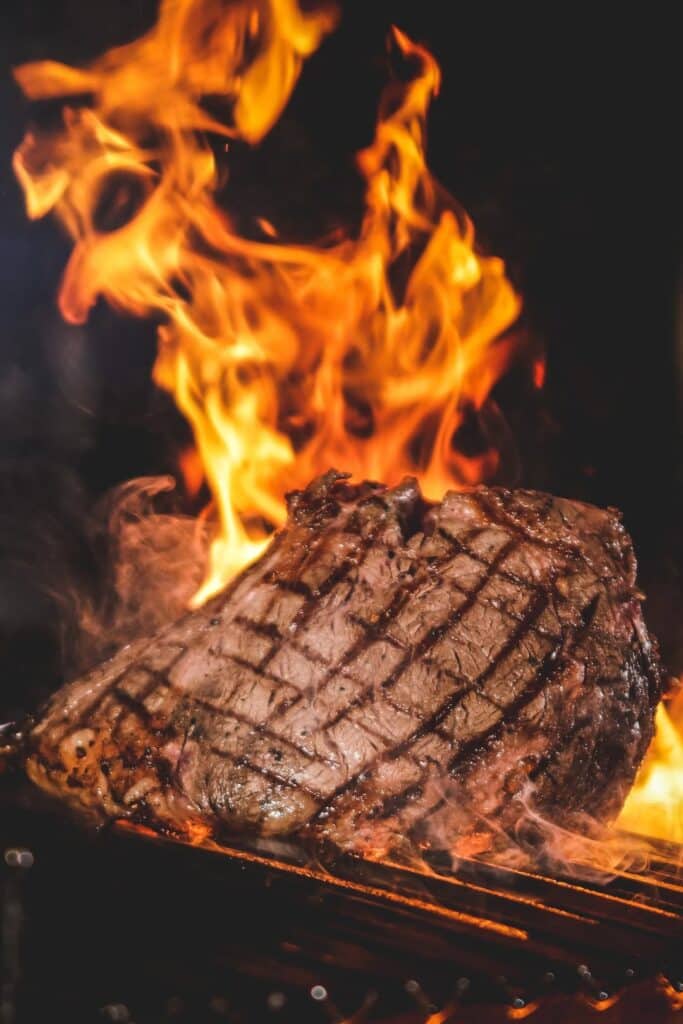
Sear the tenderloin on all sides until you get a deep brown crust.
Then drop in butter, garlic, and herbs. Tilt the pan and baste like you’ve seen on cooking shows.
This is where flavor is built. Don’t rush it.
4. Finish in the Oven
Transfer the whole pan into a preheated oven (400°F / 200°C).
Now – this is where amateurs guess and pros measure.
5. Nail the Temperature (Critical Step)
👉 Use a meat thermometer. No exceptions.
Pull the beef at:
- Rare: 120–125°F
- Medium rare: 130–135°F (sweet spot)
- Medium: 140–145°F
Important: The temperature will rise slightly while resting.
This step alone is the difference between “good” and perfect beef tenderloin.
6. Let It Rest (Don’t Skip This)
Rest it for 10–15 minutes.
I know, it smells amazing. You want to cut it. Don’t.
👉 Cut too early and you lose all those juices.
Think of it like letting the meat relax after the heat.
7. Slice and Serve
Cut into thick medallions.
Always slice against the grain for maximum tenderness.
Optional – but highly recommended:
- Spoon melted butter or pan juices over the top
- Add a pinch of finishing salt
And just like that – you’ve got something better than a steakhouse.
Featured image credit: @ciprianidxb
