
Buying a grill sounds easy until you walk into a store and suddenly you’re staring at a shiny stainless-steel monster with six burners, LED knobs, and enough cooking space to feed a minor league baseball team.
Then comes the question:
“How big of a grill do I actually need?”
That’s where most backyard grill buyers get stuck.
Some people buy way too small and spend every cookout playing burger Tetris. Others buy a grill so massive it practically needs its own zip code. I’ve seen folks with giant commercial-style setups who cook four hotdogs twice a month.
That grill ends up becoming a very expensive patio decoration.
Here’s the truth from a pitmaster who’s spent years behind smoke and fire:
The best grill size is not the biggest one. It’s the one that matches your backyard, cooking habits, and the way you actually live.
This guide breaks it all down in plain English – no confusing specs, no salesman fluff, and definitely no “professional-grade outdoor culinary experience” nonsense.
Just real-world advice that helps you pick the right grill size without regret.
Why Choosing the Right Grill Size Matters
A grill isn’t just another backyard gadget. It becomes the center of cookouts, birthdays, late-night steaks, and those random Tuesdays when cooking outside suddenly sounds better than using the kitchen.
Choosing the wrong size affects all of that.
Bigger Isn’t Always Better
A lot of first-time buyers assume larger automatically means better.
Not true.
A massive grill comes with:
- Higher fuel usage
- Longer preheating times
- More cleaning
- More maintenance
- More backyard space sacrificed
And let me tell you something nobody mentions enough:
Cleaning a giant grill after a long cookout feels like punishment for crimes you don’t remember committing.
If you only cook for two or three people most nights, you probably don’t need a 900-square-inch grilling battleship.
The Problems With Buying Too Small
Now let’s flip it around.
Tiny grills sound practical until you host friends and realize you’re cooking burgers in shifts like a short-order diner cook during a lunch rush.
That gets old fast.
Small grills create:
- Crowded cooking zones
- Uneven heat management
- Longer cooking times
- Stress during gatherings
A grill should make backyard cooking easier, not turn it into competitive multitasking.
The Sweet Spot
The ideal grill size balances three things:
- How many people you cook for
- How much backyard space you have
- Your cooking style
That’s it.
Everything else is secondary.
Understanding Grill Size Measurements
Here’s where manufacturers love to confuse people.
You’ll see terms like:
- Cooking area
- Primary cooking space
- Total grilling surface
- Burner count
It sounds technical, but it’s simpler than it looks.

Cooking Surface Area Explained
The most important number is the cooking surface area, measured in square inches. This tells you how much actual food fits on the grill.
Here’s a rough idea:
- 250–400 square inches = small grill
- 400–600 square inches = medium grill
- 600+ square inches = large grill
In practical terms:
- 400 square inches fits around 16 burgers
- 500 square inches handles family cookouts comfortably
- 700+ square inches is built for serious entertaining
Primary vs Secondary Cooking Space
Manufacturers sometimes inflate numbers by including warming racks. Ignore that for a moment.
Focus mostly on the primary cooking surface because that’s where real cooking happens.
A warming rack is useful, sure, but nobody brags about perfectly seared hotdogs on the upper shelf.
Burner Count Matters Too
More burners usually mean:
- Better heat control
- Multiple cooking zones
- More flexibility
But don’t fall for burner-count marketing. A quality 3-burner grill often outperforms a cheap 6-burner model. That’s like comparing a sharp chef’s knife to a drawer full of dull ones.
Start With How Many People You Cook For
This is the easiest way to narrow down the right grill size.
Small Households (1–2 People)
If you mostly cook for yourself or a partner:
- 250–450 square inches is usually enough
- 2 burners work well
- Compact grills save patio space
You don’t need restaurant-level capacity for Tuesday night chicken thighs.
Families of 3–5
This is the sweet spot for most homeowners.
Look for:
- 450–650 square inches
- 3 to 4 burners
- Enough space for direct and indirect cooking
This size handles weeknight dinners and casual gatherings comfortably.
Frequent Entertainers
If your backyard becomes party central every weekend, go larger.
Consider:
- 650+ square inches
- Multiple heat zones
- Extra prep space
Because once relatives smell smoke rolling through the neighborhood, somehow everybody suddenly “was in the area.”
Funny how that works.
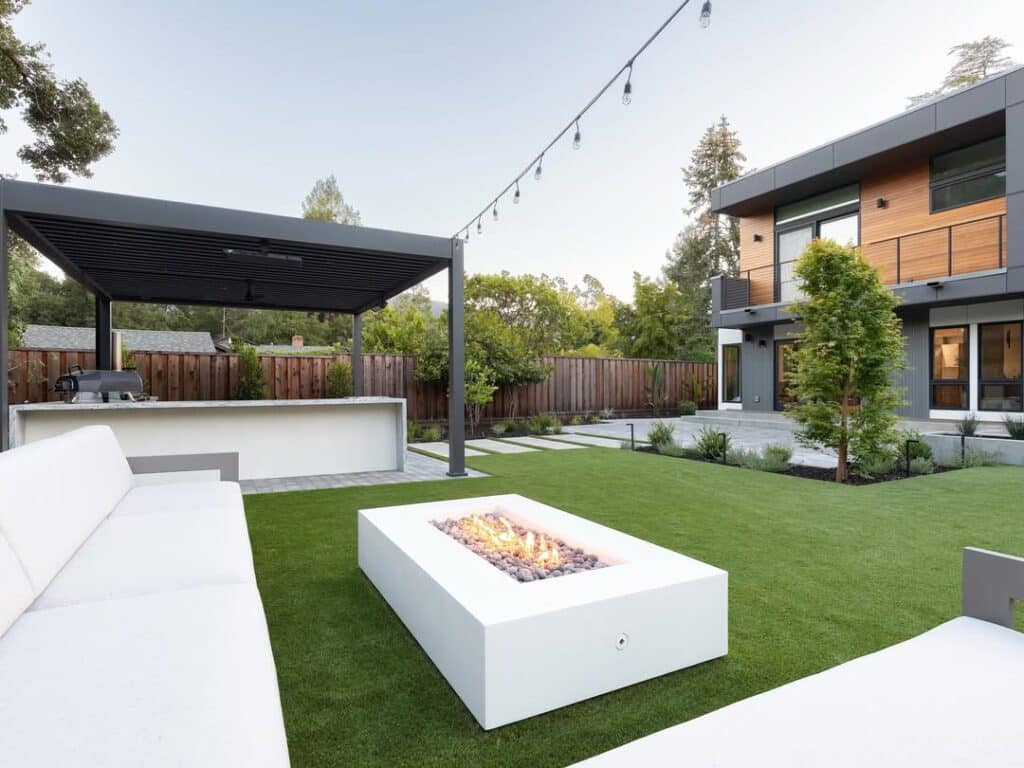
Measure Your Backyard Before Buying
This step gets skipped constantly. Then people end up with a grill that blocks walkways, crowds furniture, or practically sits inside the sliding door track.
Give Your Grill Room to Breathe
You need clearance around the grill for:
- Safety
- Ventilation
- Comfortable movement
As a general rule:
- Leave at least 2–3 feet around the grill
- Keep grills away from siding or railings
- Make room for opening the lid fully
A cramped setup turns grilling into an obstacle course.
Think Beyond the Grill Itself
The grill footprint is only part of the equation.
You also need space for:
- Prep trays
- Serving plates
- Propane tanks
- Cleaning tools
- People standing nearby pretending they know barbecue
That last group appears every cookout without fail.
Small Patio? Don’t Panic
You can absolutely grill well in a smaller space. Compact gas grills, portable pellet grills, and kettle charcoal grills work beautifully for tighter backyards.
In fact, some of the best barbecue I’ve ever eaten came off tiny grills with dented lids and personality.
Match the Grill Size to Your Cooking Style
This part matters more than most buying guides admit. Your ideal grill size depends heavily on how you cook.
Casual Weeknight Grilling
If grilling means:
- Burgers
- Chicken breasts
- Quick steaks
- Vegetables
Then a medium-sized grill is perfect.
You want:
- Fast heating
- Easy cleanup
- Simple temperature control
No need to overcomplicate dinner.
Serious Backyard BBQ
Now if you’re the type who wakes up early to smoke brisket while monitoring temperatures like a NASA engineer…
Welcome, my friend.
You’ll benefit from:
- Larger cooking surfaces
- Multi-zone heat setups
- Extra room for indirect cooking
Low-and-slow barbecue needs space.
Especially when you start adding ribs, pork shoulders, sausages, and “just one more thing” because you got ambitious at the butcher shop.
Smoking and Pellet Cooking
Pellet grills often require more room than people expect.
Why?
Because smoking meat isn’t just about surface area. It’s about airflow and spacing between cuts.
Overcrowding ruins bark development and smoke circulation. And nobody spends 12 hours smoking brisket hoping for disappointing bark.
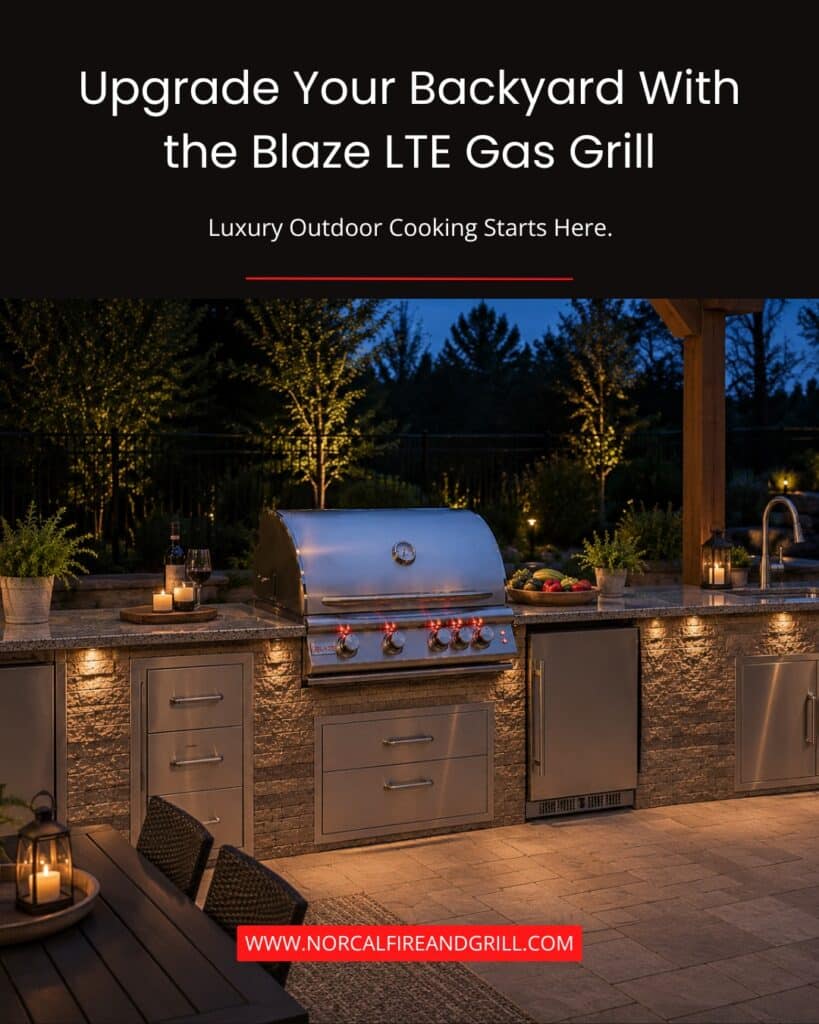
Grill Size Recommendations by Grill Type
Different grill styles use space differently.
Gas Grills
Gas grills are the most common backyard option for good reason.
They’re:
- Convenient
- Fast
- Easy to control
For most households:
- 3 burners = ideal
- Around 500 square inches = versatile sweet spot
That setup handles everyday cooking without dominating the backyard.
Charcoal Grills
Charcoal grills create incredible flavor, but they use cooking space differently. A classic kettle grill may look smaller, but it’s surprisingly versatile.
You can:
- Grill directly
- Smoke indirectly
- Handle high heat searing
Sometimes simplicity wins.
Pellet Grills
Pellet grills shine for:
- Smoking
- Roasting
- Long cooks
They often need larger cooking chambers because barbecue cuts take up serious room. One brisket can eat up space faster than you think.
Portable Grills
Portable grills work well for:
- Balconies
- Small patios
- Tailgating
- Apartment-friendly setups
They’re not ideal for feeding huge groups, but they’re efficient and practical.
And honestly, a small grill that gets used every weekend beats a giant grill collecting dust.
Every time.
Budget Matters More Than People Think
Here’s the trap many buyers fall into:
They budget only for the grill itself. That’s rookie math.
Bigger Grills Bring Bigger Costs
Larger grills usually mean:
- More fuel usage
- Higher accessory costs
- More replacement parts
- Larger grill covers
- More cleaning supplies
It adds up quickly.
The Best Value for Most People
For the average homeowner, the best balance is usually:
- Mid-sized grill
- 3 burners
- Around 500 square inches
That size delivers versatility without unnecessary excess.
It’s the pickup truck of backyard grilling:
capable, practical, and useful for almost everything.
When a Large Grill Makes Sense
Go big if:
- You host large gatherings often
- You cook multiple proteins regularly
- You love smoking meat
- You’re building an outdoor kitchen
Otherwise, medium-sized grills usually win the value battle.
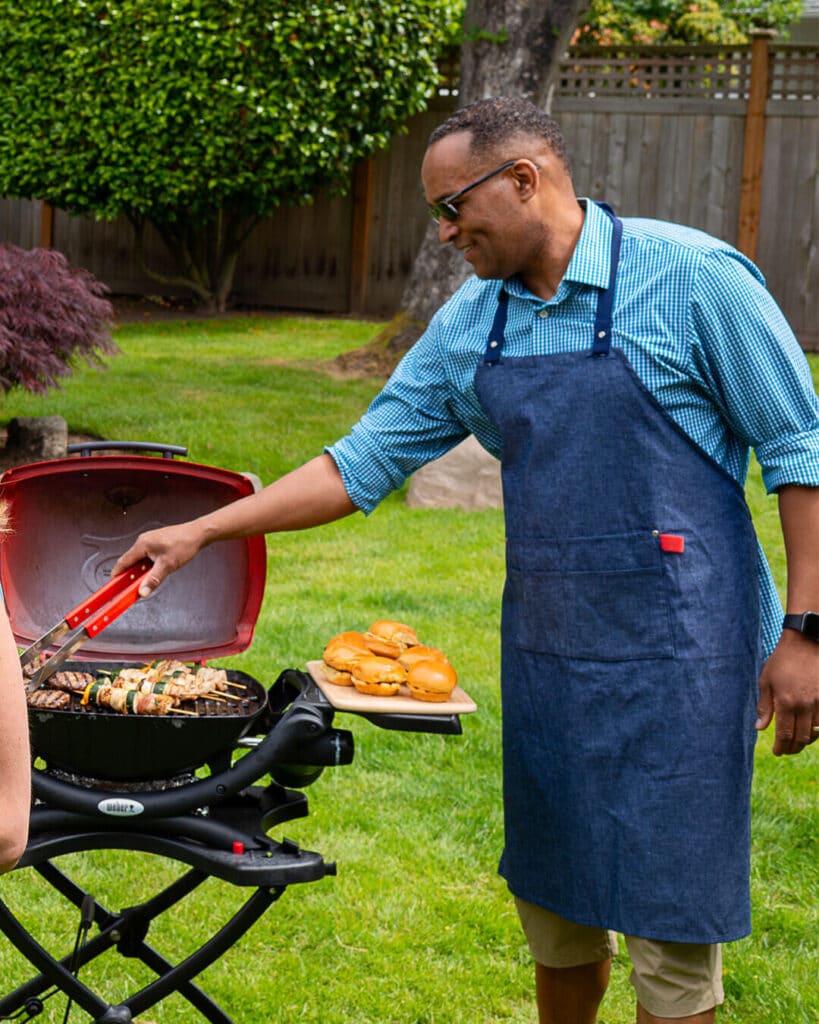
Common Grill Sizing Mistakes to Avoid
After years around barbecue culture, I’ve seen every mistake imaginable.
Some repeatedly.
Buying for “What If” Scenarios
People imagine hosting giant parties every weekend. Reality? Most cookouts are smaller than expected. Buy for your actual lifestyle, not your fantasy cooking show.
Ignoring Cleaning Time
Nobody talks about this enough. Large grills take significantly longer to clean. And after a long cookout, your motivation level drops fast. Future-you will appreciate a manageable setup.
Forgetting About Storage
A huge grill can overwhelm smaller patios.
You still need room for:
- Chairs
- Tables
- Coolers
- Foot traffic
Your backyard should feel relaxing, not like a crowded equipment yard.
How Climate and Weather Affect Grill Size
One thing many buyers overlook when choosing a grill size is the weather. Sounds odd at first, but climate directly affects how your grill performs. A setup that works perfectly in one region can become frustrating in another.
Here’s how weather changes the grilling experience:
- Cold climates make larger grills slower to heat up
- Bigger grills usually burn through more fuel during winter cooking
- Windy backyards can create temperature control issues, especially with charcoal grillsIn hot climates, oversized stainless-steel grills can feel like standing beside a jet engine in July
If you grill year-round, think beyond cooking capacity. A medium-sized grill often delivers:
- Better fuel efficiency
- Faster preheating
- Easier temperature control
- More comfortable everyday use
Smart pitmasters don’t just buy for size. They buy for comfort, efficiency, and real-world usability. Because sweating through a brisket session should come from the fire – not the weather forecast.
Why Lid Height Matters More Than Most People Realize
Most people focus entirely on cooking surface area and completely ignore the grill lid. That’s a rookie mistake. Lid height changes what your grill can realistically handle.
A shallow lid works fine for:
- Burgers
- Hotdogs
- Thin steaks
- Vegetables
But larger cuts need vertical cooking space, including:
- Whole chickens
- Pork shoulders
- Beer-can chicken
- Large roasts
Trying to squeeze oversized meat into a tiny grill feels like forcing an overpacked suitcase shut before a flight.
Taller lids also improve:
- Airflow circulation
- Indirect cooking performance
- Smoke movement
- Heat consistency
That matters for barbecue lovers chasing a perfect smoky bark.
When comparing grill size options, don’t just measure width. Look at the entire cooking chamber. Sometimes a slightly smaller grill with a taller lid gives you far more versatility than a giant flat grill pretending to do everything.
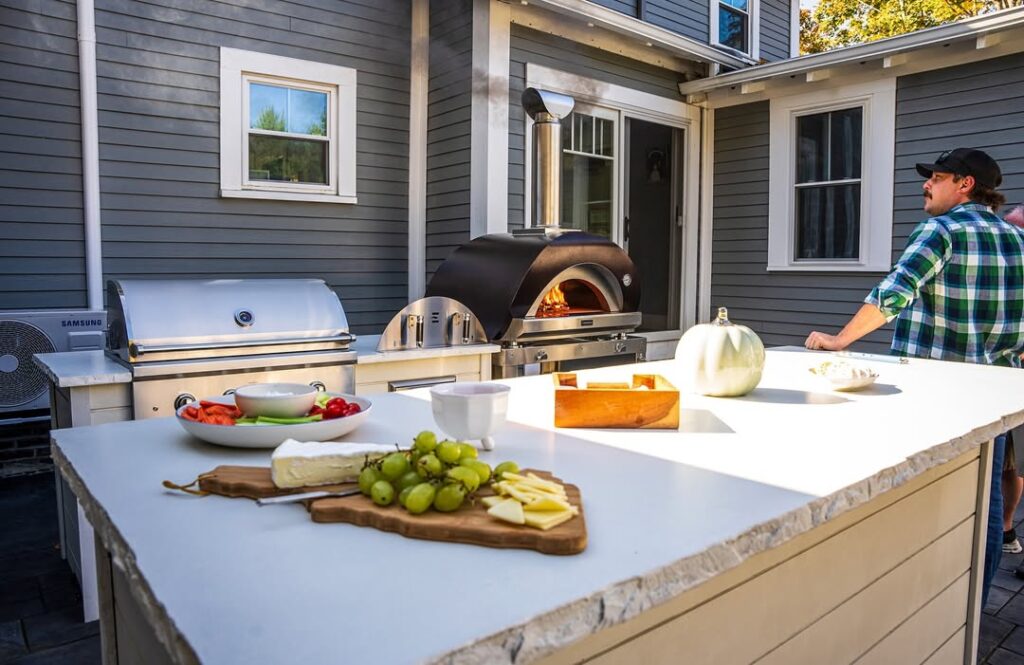
The Hidden Importance of Prep Space Around Your Grill
Experienced pitmasters learn this lesson fast: the grill itself is only half the setup. The real magic happens in the prep space around it.
You need room for:
- Trays and cutting boards
- Seasonings and sauces
- Raw and cooked food
- Thermometers and utensils
- Drinks, plates, and cleanup supplies
And of course, that one friend stealing “sample bites” every five minutes.
Tiny grilling setups become chaotic surprisingly fast. If your cooking area already feels cramped before the food hits the grates, the cookout becomes stressful instead of enjoyable.
Side shelves help, but during larger meals they’re usually not enough.
A smart grill size decision also considers workflow and movement. Great barbecue feels:
- Organized
- Comfortable
- Smooth and efficient
Bad setups feel like juggling flaming bowling pins while balancing a spatula in your other hand.
Trust me – you want the first experience.
How Grill Size Affects Heat Control and Cooking Quality
Many first-time buyers assume bigger grills automatically cook better. Not true. In some cases, oversized grills actually make temperature control harder.
Here’s why large grills can become inefficient:
- Empty cooking space loses heat faster
- Fuel consumption increases
- Heat zones become uneven
- Temperature adjustments take longer
Meanwhile, smaller and medium-sized grills often maintain steadier heat because the cooking chamber is more compact.
That’s especially important for:
- Smoking meat
- Cooking fish
- Grilling vegetables
- Indirect cooking setups
A properly sized grill gives you:
- Better heat circulation
- More predictable cooking
- Easier temperature management
- Improved cooking consistency
Think of it this way: cooking on an oversized grill for a few burgers is like frying one egg in a swimming pool-sized pan.
The goal isn’t maximum size. The goal is consistent heat, reliable control, and better flavor every single time.
The “Grill Regret” Most Buyers Don’t See Coming
There’s a special kind of disappointment called grill regret. It usually shows up a few months after the excitement of buying a new grill wears off.
That’s when reality kicks in.
Maybe the grill is:
- Too large to clean comfortably
- Burning more fuel than expected
- Taking over the entire patio
- Too small for family gatherings
- Missing the features you actually need
Suddenly, every cookout becomes slightly annoying instead of enjoyable.
The funny thing is most grill regret comes from emotional buying. People shop with:
- Their eyes
- Their ego
- Store showroom excitement
Instead of thinking about their actual lifestyle.
The best backyard grilling setups are rarely the flashiest ones. They’re the grills that get used constantly because they’re:
- Easy to manage
- Comfortable to cook on
- Practical for everyday meals
- Fun to use
A smart grill size choice keeps the excitement alive long after the first backyard cookout.
Chasing Features Instead of Function
Extra burners, lights, side stations, and gadgets look exciting in stores. But cooking performance matters most. A well-built medium grill beats a flashy oversized one every time.
A Simple Formula for Choosing the Right Grill Size
Here’s the easy pitmaster formula.
Step 1: Count Your Typical Crowd
Ask yourself:
- How many people do I usually cook for?
- How often do I host larger groups?
Not hypothetically. Realistically.
Step 2: Measure Your Space
Actually measure it. Don’t eyeball it. Tape measures prevent expensive mistakes.
Step 3: Match Your Cooking Style
Choose based on:
- Quick grilling
- Smoking
- Frequent entertaining
- Simple family meals
Your cooking habits should guide the decision more than marketing hype.
Quick Grill Size Recommendations
Here’s the simple version.
Small Grill
Best for:
- Couples
- Small patios
- Casual grilling
Cooking space:
- 250–400 square inches
Medium Grill
Best for:
- Families
- Versatile cooking
- Regular entertaining
Cooking space:
- 450–650 square inches
Large Grill
Best for:
- Big gatherings
- Serious BBQ enthusiasts
- Outdoor kitchens
Cooking space:
- 650+ square inches
For most people? Medium wins. Every single time.
Final Thoughts
Choosing the right grill size doesn’t need to feel complicated.
Ignore the flashy marketing for a minute and focus on reality:
- How many people you cook for
- How much space you have
- What kind of cooking you actually enjoy
That’s the formula.
A grill should make backyard cooking more fun, more relaxing, and more memorable.
Not more stressful.
And remember:
Some of the best barbecue in the world comes from modest backyard setups run by people who understand fire, patience, and good seasoning.
Not giant stainless-steel spaceships with twelve burners and Bluetooth.
So measure your space, think honestly about your cooking habits, and choose the grill that fits your life – not your ego.
Your future cookouts will thank you for it.
Frequently Asked Questions
What size grill is best for a family of four?
A grill with around 450–550 square inches of cooking space is ideal for most families of four.
It gives enough room for weeknight dinners plus occasional entertaining.
Is a 2-burner grill enough?
Yes – for smaller households. A 2-burner grill works well for couples or compact patios, but larger gatherings may feel cramped.
How much space should surround a grill?
Aim for at least 2–3 feet of clearance around the grill for safety and comfortable movement. More space is always better if available.
Should I buy a larger grill for the future?
Only if you genuinely expect your cooking habits to change. Otherwise, buying oversized usually leads to wasted space and higher costs.
Featured image credit: @americangandh
