
There is a funny thing that happens when people first get serious about barbecue. They assume the most expensive meat makes the best barbecue.
Then they buy a pricey brisket, spend twelve hours tending a fire, slice into it, and discover they’ve accidentally created something with the texture of a leather boot.
Meanwhile, the old pitmaster down the road is turning a bargain-bin chuck roast into something that tastes like it belongs in a high-end steakhouse.
That’s because great barbecue isn’t about spending more money. It’s about understanding how smoke, time, and heat transform meat.
In fact, some of the best cheap cuts available are also the cuts that benefit the most from smoking. These hardworking muscles are loaded with flavor, rich in connective tissue, and perfectly suited for low-and-slow cooking.
With countless weekends spent standing beside smokers, chasing perfect bark and arguing with friends about wood choices, I know for a fact that some of the most memorable barbecue meals came from the cheapest cuts at the butcher counter.
Let’s take a closer look at why these budget-friendly cuts can taste downright luxurious when they meet smoke and patience.
Why Cheap Cuts Often Taste Better on the Smoker
The secret starts with understanding what makes meat tough. Many cheap cuts come from parts of the animal that work hard. Shoulders, cheeks, legs, and other active muscles contain large amounts of collagen and connective tissue.
Normally, that’s bad news.
Throw these cuts on a hot grill for twenty minutes and you’ll be chewing longer than you’re eating.
But smoking changes everything.
Understanding Connective Tissue
When meat cooks low and slow, collagen gradually breaks down into gelatin. This process creates that rich, silky texture barbecue lovers chase.
The tougher the cut starts, the more dramatic the transformation can be.
That’s why premium steaks are often wasted in smokers. They don’t contain enough connective tissue to fully benefit from hours of slow cooking.
Fat Is Flavor
Another advantage of many budget cuts is fat content. As fat slowly renders, it bastes the meat from the inside. Think of it as nature’s self-basting system. No chef invented it. The cow got there first.
Why Pitmasters Love Working Muscles
The muscles that do the most work often develop the deepest flavor. They may not win beauty contests at the meat counter, but they absolutely dominate once smoke enters the picture.
Flavor beats appearance every single time.
What Makes a Great Budget Cut for Smoking?
Not every inexpensive cut belongs in a smoker. The best candidates share several traits.
Good Fat Content
Fat protects meat during long cooks. Lean cuts tend to dry out before becoming tender.
Plenty of Collagen
Collagen is barbecue gold. Given enough time, it becomes gelatin and creates that luxurious mouthfeel people associate with expensive meat.
Thick Enough for Long Cooks
Thin cuts finish too quickly. Large roasts and shoulders provide enough mass to absorb smoke while remaining juicy.
Easy to Find
The best smoking cuts should be affordable and widely available. Fortunately, many excellent options are sitting in grocery stores right now.
Beef Cuts That Taste Surprisingly Expensive When Smoked
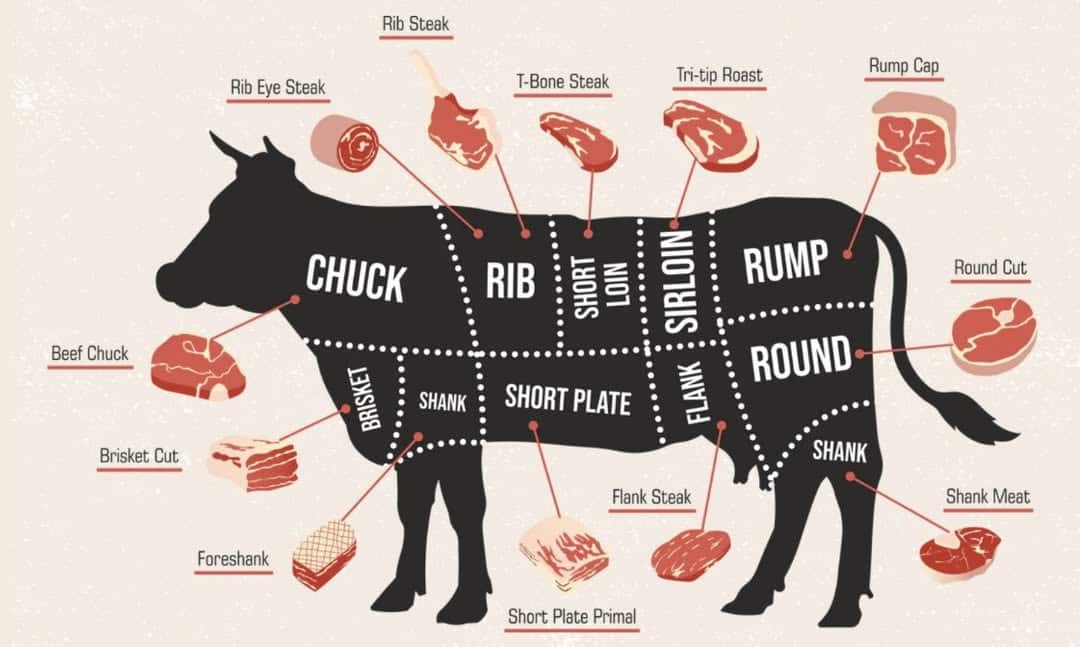
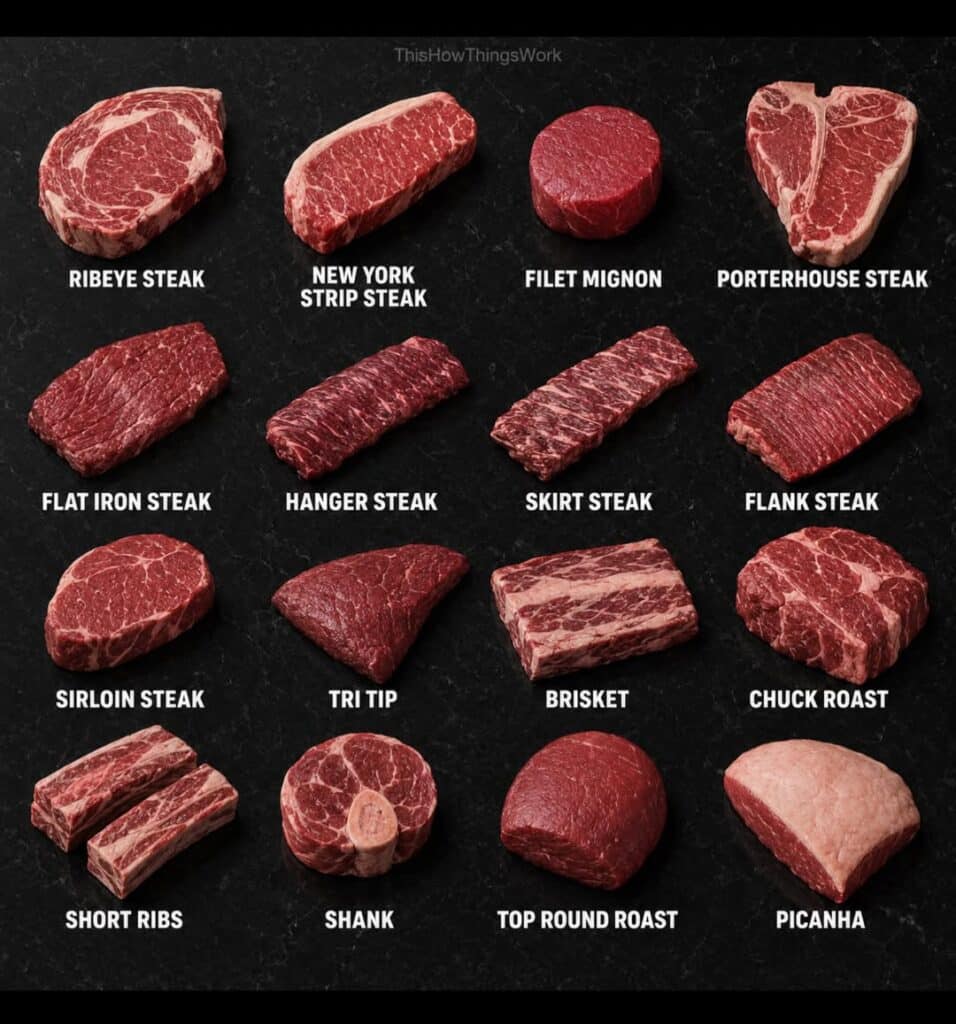
Chuck Roast
If brisket is the king of barbecue, chuck roast is the hardworking younger brother who quietly gets things done. Many pitmasters call chuck roast the poor man’s brisket. And honestly, that’s not an insult.
When smoked at 225°F to 250°F, chuck develops impressive bark, deep beef flavor, and incredible tenderness. The best part? You can often buy several chuck roasts for the price of a single premium brisket.
Key Point: Chuck roast offers one of the best flavor-to-price ratios in barbecue.
Beef Short Ribs
Short ribs are one of barbecue’s best-kept secrets. They combine rich beef flavor with enough fat and collagen to become ridiculously tender.
The first time I smoked beef short ribs for friends, nobody asked how much they cost. They asked why I hadn’t made them sooner. That’s always a good sign.
Tri-Tip
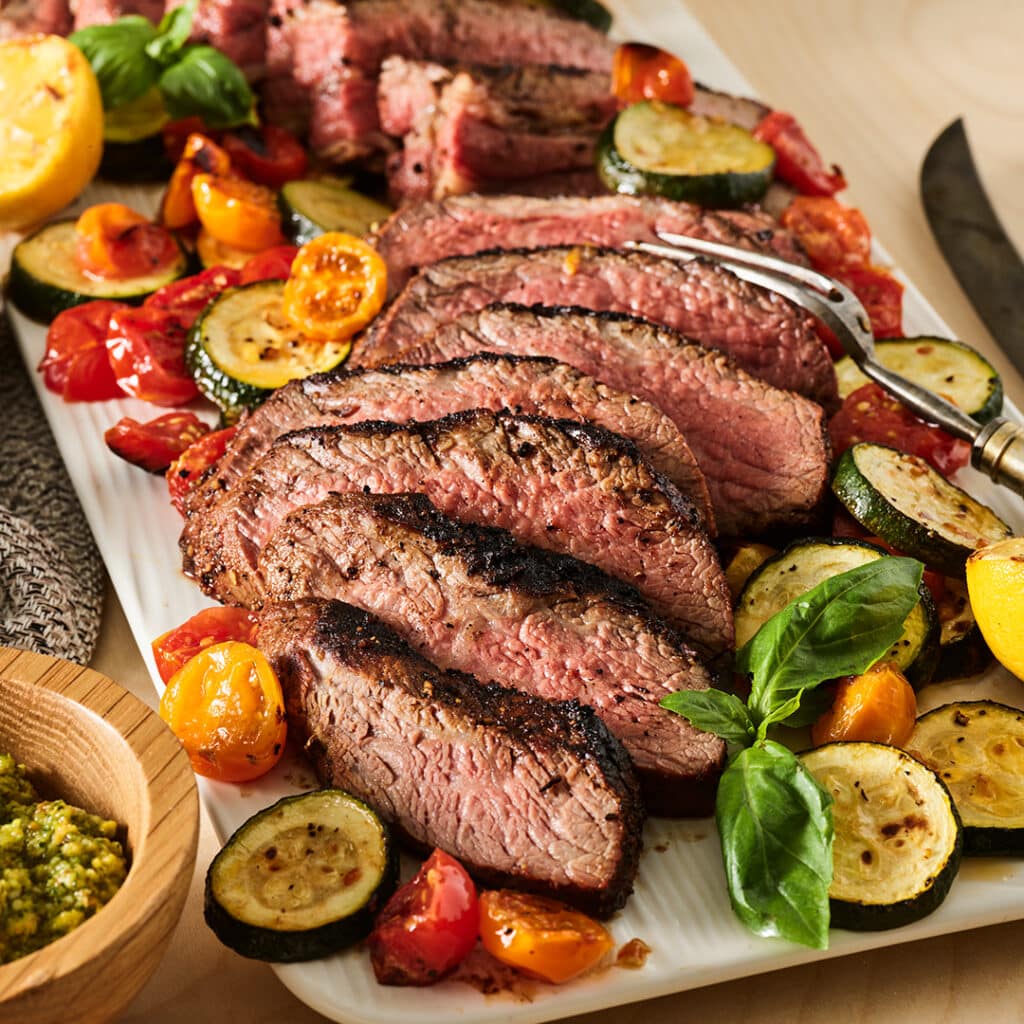
Tri-tip doesn’t require the marathon cook times of brisket. Instead, it benefits from moderate smoking followed by a quick sear. The result is juicy, flavorful beef that feels far more expensive than its price tag suggests.
Beef Cheeks
Beef cheeks look intimidating. They sound intimidating. But smoked beef cheeks are one of the richest, most flavorful barbecue experiences you’ll ever have.
Because they’re packed with connective tissue, they become incredibly soft after several hours in the smoker.
The texture almost resembles braised meat while still carrying that unmistakable smoke flavor.
Bottom Round Roast
Bottom round isn’t naturally tender. That’s exactly why smoking helps. When cooked carefully and rested properly, it becomes a budget-friendly centerpiece that can rival far more expensive roasts.
Pork Cuts That Deliver Premium BBQ Flavor
Pork Shoulder (Boston Butt)
If I could recommend only one cut to a new pitmaster, it would be pork shoulder. It’s affordable.
It’s forgiving. And it’s almost impossible to make taste bad.
After hours of smoking, pork shoulder becomes tender enough to pull apart by hand. That’s not magic. That’s collagen doing what collagen does best.
Picnic Shoulder
Picnic shoulder often gets overlooked because Boston butt receives most of the attention. That’s a mistake. Picnic shoulder delivers tremendous flavor while usually costing even less.
The skin and extra connective tissue contribute additional richness during long cooks.
Pork Belly
Pork belly somehow manages to feel luxurious while remaining reasonably affordable. Smoked pork belly develops rich, buttery flavor and can be transformed into burnt ends that disappear faster than free samples at a warehouse store.
Country-Style Ribs
Despite the name, country-style ribs aren’t actually ribs. They’re typically cut from the shoulder.
That means plenty of marbling and flavor. They’re easier and faster to smoke than larger cuts while still delivering excellent results.
Pork Jowl
Pork jowl remains one of the most underrated cheap cuts available. Rich, fatty, and loaded with flavor, it responds beautifully to smoke. Many pitmasters consider it a hidden treasure.
After tasting properly smoked jowl, it’s easy to understand why.
Poultry Cuts That Benefit from Smoking
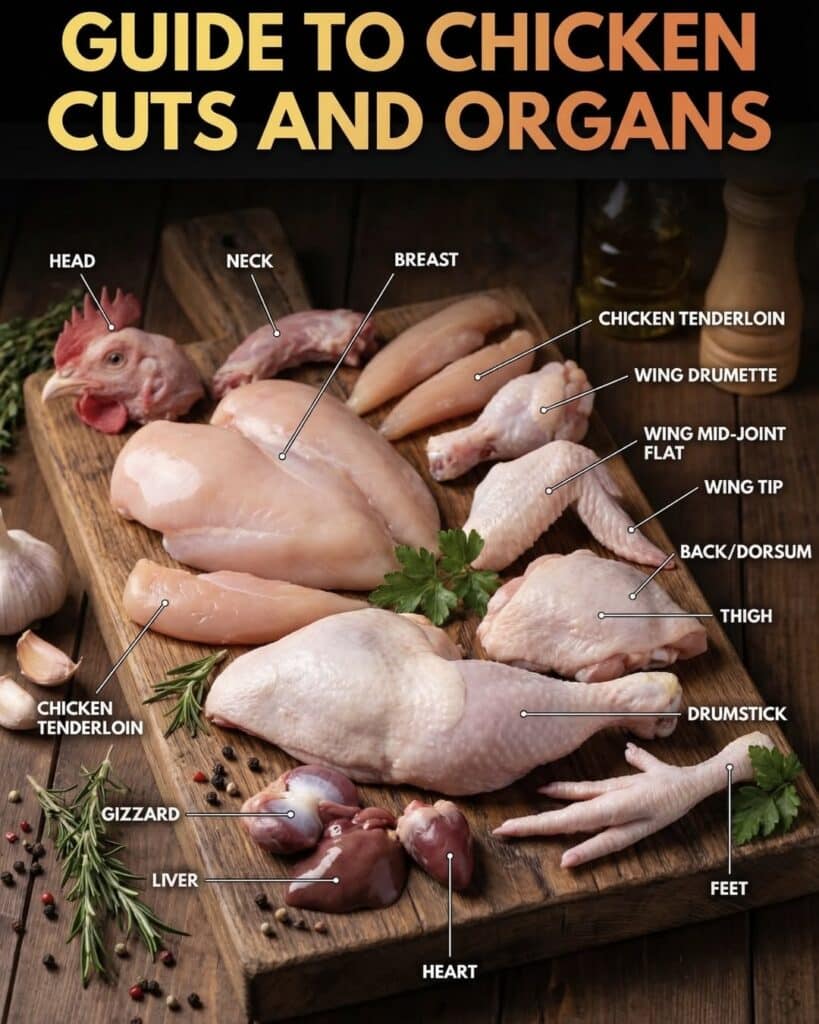
Chicken Thighs
Chicken breasts get most of the attention. Chicken thighs deserve most of the praise. They’re inexpensive, naturally juicy, and extremely forgiving. The higher fat content helps them stay moist throughout the cook.
Whole Chickens
A whole chicken often provides exceptional value. You get multiple types of meat, plenty of flavor, and an impressive presentation. It’s one of the easiest ways to feed a crowd without spending a fortune.
Turkey Legs
Ever wonder why turkey legs at fairs and theme parks taste so good? Smoke. Lots of smoke.
Turkey legs absorb smoky flavor exceptionally well and develop rich, savory character during long cooks.
Underrated Budget Cuts BBQ Enthusiasts Love
Some cuts don’t receive enough attention despite delivering incredible results.
Lamb Shoulder
Lamb shoulder offers rich flavor and plenty of fat. Smoking helps mellow stronger flavors while enhancing complexity.
Goat Shoulder
Goat is growing in popularity among adventurous backyard cooks. When smoked properly, it becomes tender, flavorful, and surprisingly approachable.
Beef Plate Ribs
Sometimes called “dinosaur ribs,” these massive ribs provide extraordinary flavor and visual impact. They’re often less expensive than premium steaks while delivering far more barbecue excitement.
Whole Duck
Duck benefits beautifully from smoke. The rendered fat creates incredible flavor while keeping the meat moist.
Turkey Wings
Turkey wings offer outstanding value and absorb smoke exceptionally well. They’re often overlooked but consistently impress.
Best Woods for Bringing Out Premium Flavor in Cheap Cuts
The right wood can elevate cheap cuts even further.
Hickory
Bold, smoky, and traditional. Excellent for pork shoulders and beef roasts.
Oak
Versatile and balanced. Many competition pitmasters rely on oak because it complements nearly everything.
Pecan
Pecan delivers a rich, nutty smoke profile that enhances both beef and pork.
Applewood
Mild and slightly sweet. Excellent for poultry and pork.
Cherry
Cherry provides subtle sweetness while helping create beautiful color on the bark. And let’s be honest. We all eat with our eyes first.
The Science of the “Stall” and How to Defeat It
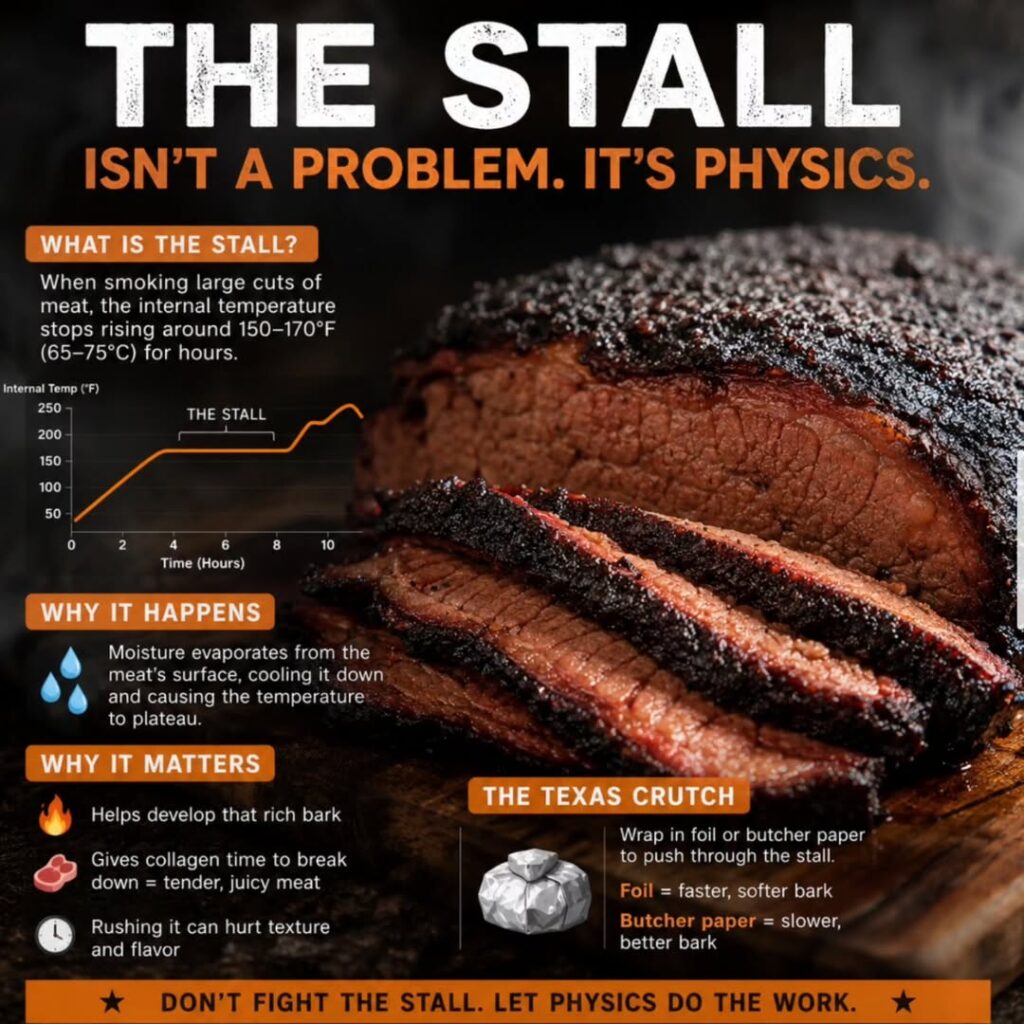
Every pitmaster eventually faces the dreaded bbq stall, a mysterious plateau where the internal meat temperature stubbornly refuses to rise for hours. This phenomenon isn’t caused by a failing fire, but by evaporative cooling – essentially, the meat begins to sweat.
As moisture escapes and evaporates from the surface, it cools the cut down, fighting against the heat of your pit. For budget-friendly, collagen-heavy cuts, surviving the stall is crucial for rendering tough tissues.
While patience is a virtue, you can defeat this thermodynamic hurdle by using the Texas crutch. Wrapping your meat tightly in aluminum foil or peach butcher paper traps the moisture, halts the evaporation, and powers your barbecue straight through to tenderness.
Upcycling Leftovers into Gourmet Street Food
The magic of budget barbecue doesn’t end when the smoker cools down. In fact, large inexpensive roasts yield incredible yield-to-cost ratios that leave you with plenty of leftover meat, ripe for culinary upcycling.
Instead of microwaving dry leftovers, transform yesterday’s smoked pork shoulder into crispy pulled pork carnitas by flash-frying it in a cast-iron skillet.
Leftover smoked chuck roast can be shredded to create decadent, smoky birria tacos, utilizing the rich gelatinous rendered fat as a dipping consommé.
Even smoked chicken thighs can be diced into a robust white meat chili. Reimagining your leftovers ensures that a single, cheap cut provides multiple nights of high-end, competition-quality street food for your family.
DIY Injection Marinades for Extreme Moisture
While dry brining works wonders on the exterior, tough and lean budget cuts sometimes need internal reinforcement to battle dry heat. Entering the world of meat injection allows you to deliver moisture and flavor directly to the core of active muscle groups.
Instead of waiting around for surface osmosis to slowly work its magic, you can inject flavor straight to the core with a specialized BBQ meat syringe.
For budget beef roasts, concoct an injection blending beef broth, melted butter, Worcestershire sauce, and a dash of onion powder.
For poultry or pork, a mix of apple cider and liquid phosphates keeps cellular walls hydrated. This insider technique ensures your bargain-bin selection stays hydro-insulated and incredibly juicy throughout an agonizingly long twelve-hour smoke session.
Designing a Budget Smokehouse in Your Backyard
You don’t need a multi-thousand-dollar custom rig to master inexpensive meats; you can achieve legendary flavor using an ugly drum smoker (UDS) built right in your backyard.
Upcycling a clean, food-grade 55-gallon steel drum into a highly efficient smoker is a rite of passage for thrifty pitmasters. These DIY cookers offer incredible thermal efficiency, holding steady temperatures for hours on a single basket of charcoal.
Because the meat drips directly onto the hot coals below, it creates a unique vaporized fat flavor profile that commercial pellet grills simply cannot replicate.
Pairing a budget-friendly cut with a homemade, blue-collar smoker embodies the true, authentic spirit of traditional, old-school Southern barbecue.
Umami-Boosting Glazes for Cheap Cuts
The final thirty minutes of a low-and-slow cook present a golden opportunity to elevate cheap meat using alkaline carmelization. Instead of smothering your hard work in store-bought, corn-syrup-laden sauces, craft a sophisticated, umami-rich glaze to brush onto the bark.
This complex, glossy lacquer achieves the perfect balance of sweet and savory by pairing rich dark brown sugar and black molasses with sharp apple cider vinegar and umami-packed soy sauce.
The high heat of the final stretch triggers the Maillard reaction, fusing the glaze into a sticky, deeply complex crust.
This creates a brilliant contrast against the rich, interior fat of budget cuts, giving your barbecue that glossy, photo-ready sheen found only at elite smokehouses.
Common Mistakes That Ruin Budget Cuts on the Smoker
Cooking Too Hot
Patience is essential. Trying to rush barbecue is like trying to microwave a relationship. The results usually disappoint everyone involved.
Skipping the Rest
Resting allows juices to redistribute. Cutting immediately can turn a masterpiece into a puddle.
Too Much Smoke
More smoke doesn’t automatically mean better barbecue. A clean, steady fire beats heavy smoke clouds every time.
Ignoring Internal Temperature
Temperature tells the truth. Your timer is just making suggestions.
Trimming Too Much Fat
Fat protects meat during long cooks. Leave enough to help the meat stay juicy.
How to Make Cheap Cuts Taste Even More Expensive
Dry Brining
Salt the meat in advance. This simple step improves seasoning and moisture retention.
Use Quality Rubs
You don’t need dozens of ingredients. A balanced rub with salt, pepper, garlic, and paprika can work wonders.
Wrap When Necessary
Wrapping helps push through stalls and retain moisture. Different cuts respond differently, so experiment.
Slice Correctly
Even perfectly cooked meat can seem tough if sliced incorrectly. Always cut against the grain when appropriate.
Let It Rest
Yes, we’re mentioning resting again. It’s that important. Think of resting as the final ingredient.
Which Cheap Smoker Cut Offers the Best Value?
After years behind smokers, a few cuts consistently stand out.
- Best Overall Value: Pork shoulder
- Best for Beginners: Chicken thighs
- Best for Feeding a Crowd: Pork shoulder
- Best Beef Option: Chuck roast
- Best Hidden Gem: Beef cheeks
If your goal is maximum flavor for minimum cost, these cuts rarely disappoint.
Barbecue: A Reward for Patience
One of the greatest lessons barbecue teaches is that price doesn’t determine quality. Skill does.
Patience does. Understanding how smoke transforms meat does.
Some of the most impressive meals you’ll ever serve will come from cheap cuts that most shoppers walk right past. That’s the beauty of barbecue.
It rewards knowledge more than money. The next time you’re standing at the butcher counter, don’t automatically reach for the most expensive option.
Grab a chuck roast. Pick up a pork shoulder. Maybe even take a chance on beef cheeks.
Give them smoke, time, and attention.
You might discover what experienced pitmasters have known for years:
The best barbecue isn’t always the most expensive barbecue.
Frequently Asked Questions
What is the cheapest cut of meat to smoke?
Pork shoulder is often one of the most affordable and reliable smoking cuts. It delivers excellent flavor, tenderness, and yield for the money.
Is chuck roast really a good substitute for brisket?
Yes. Many pitmasters use chuck roast as a budget-friendly alternative because it develops similar bark, tenderness, and beefy flavor when smoked properly.
How long should cheap cuts stay on the smoker?
It depends on the cut and size. Large cuts like pork shoulder and chuck roast may require 8 to 12 hours, while chicken thighs can finish in under two hours.
What temperature is best for smoking tough cuts?
Most pitmasters prefer 225°F to 250°F. This range allows collagen to break down gradually while maintaining moisture.
Which wood works best with inexpensive cuts?
Oak, hickory, pecan, apple, and cherry are all excellent choices. The best option depends on the meat and desired flavor profile.
Can beginners successfully smoke cheap cuts?
Absolutely. In fact, many cheap cuts are more forgiving than expensive cuts, making them ideal for learning smoking techniques and building confidence.
Featured image credit: @gibsonscustommeats
