
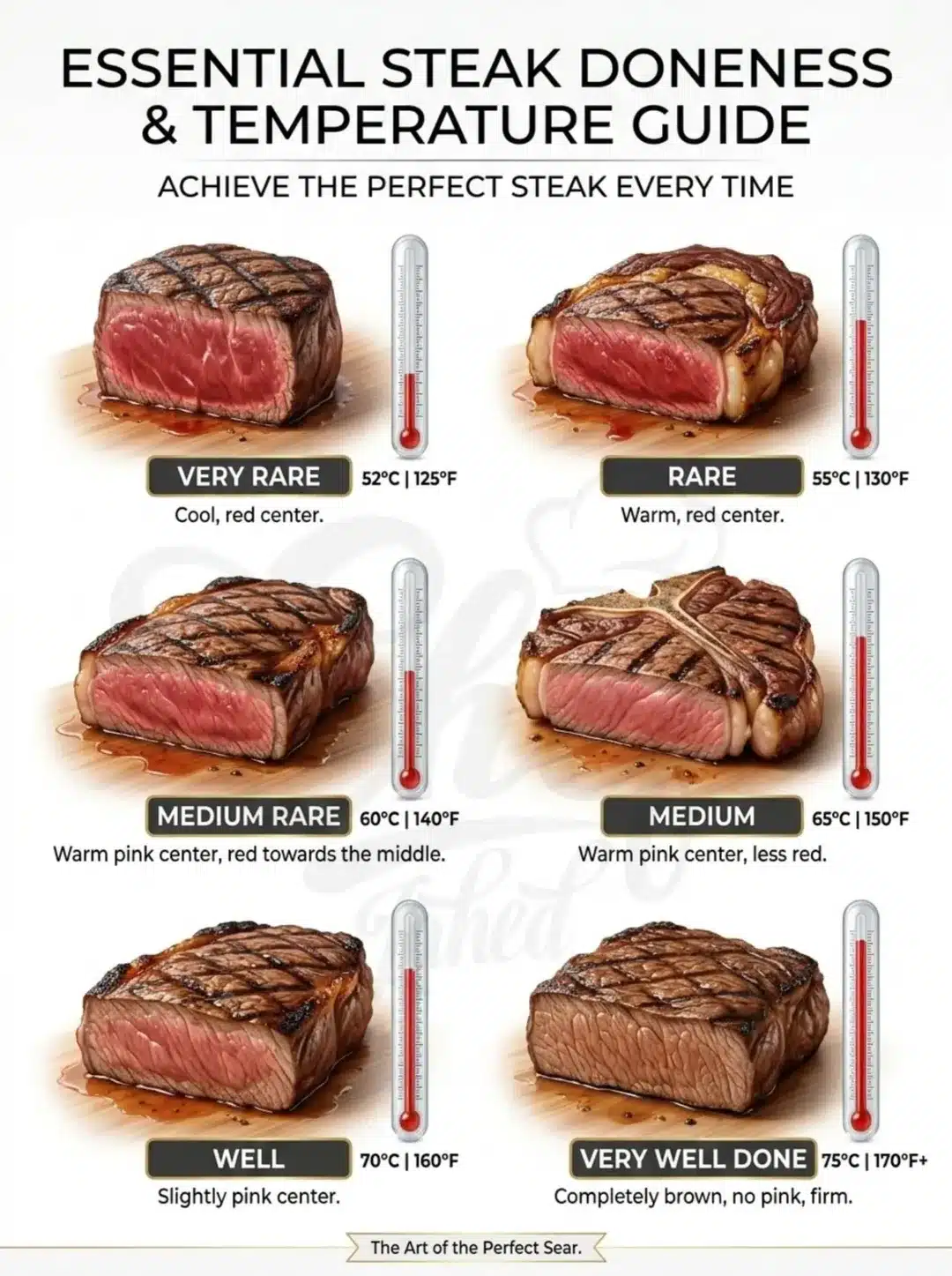
A great steak night carries a certain sense of magic that few other meals can replicate.
It is the culinary equivalent of putting on your favorite record, pouring a generous drink, and letting the outside world fade away.
But let’s be completely honest with each other: it is incredibly easy to fall into a comfortable, deeply repetitive rut.
You buy the same cut of meat from the same grocery store aisle, throw it into the exact same skillet you’ve used for a decade, and pray to the kitchen gods that you don’t accidentally turn an expensive piece of beef into a leather boot.
We have all been there. I remember one specific evening early in my cooking journey when I managed to gray-out a beautiful ribeye so badly it looked like it had been steamed in a high school cafeteria.
My guests chewed politely, their jaws getting a full workout, while I swallowed my pride. That is the day I realized that mastering beef isn’t just about the quality of the ranch; it is about how you apply the fire.
The truth is, expanding your repertoire of ways to cook steak changes everything. Different techniques unlock entirely different textures, alter how fat renders, and create vastly unique crusts.
Whether you are trapped indoors by a winter storm, looking to flex some high-tech kitchen gear, or trying to channel your inner caveman over open coals, breaking out of your comfort zone is the ultimate reward.
Today, we are upgrading your kitchen game with eight incredible, chef-approved methods that will ensure you never serve a boring dinner again.
Setting Up for Success: 3 Golden Rules
Before we even think about turning on a burner or lighting a match, we need to talk about the non-negotiables. Think of these as the fundamental laws of beef physics. Ignore them, and even the most advanced culinary techniques won’t save your dinner.
- The Salt Factor: Salting early is the single easiest way to elevate your cooking. If you throw salt on a steak right before it hits the pan, it just sits on the surface. Instead, salt your meat at least forty-five minutes before cooking – or better yet, dry-brine it uncovered in the fridge overnight. The salt draws out moisture, dissolves, and then reabsorbs into the muscle fibers, seasoning the meat all the way through while drying out the surface for a legendary crust.
- The Temp Check: Cold meat is the enemy of an even cook. If you take a thick steak straight from the chilly depths of the refrigerator and drop it onto a hot grill, the exterior will burn to a crisp before the center even realizes it left the fridge. Always let your steak sit on the counter for thirty to forty-five minutes to take the chill off.
- The Rest: When meat cooks, its muscle fibers tighten up and push all those glorious, savory juices toward the center. If you cut into that steak the second it leaves the heat, those juices will flood your cutting board like an opened floodgate. Let your steak rest for five to ten minutes. This allows the muscle fibers to relax and reabsorb the liquid, ensuring every single bite is incredibly juicy.
8 Best Ways to Cook Steak
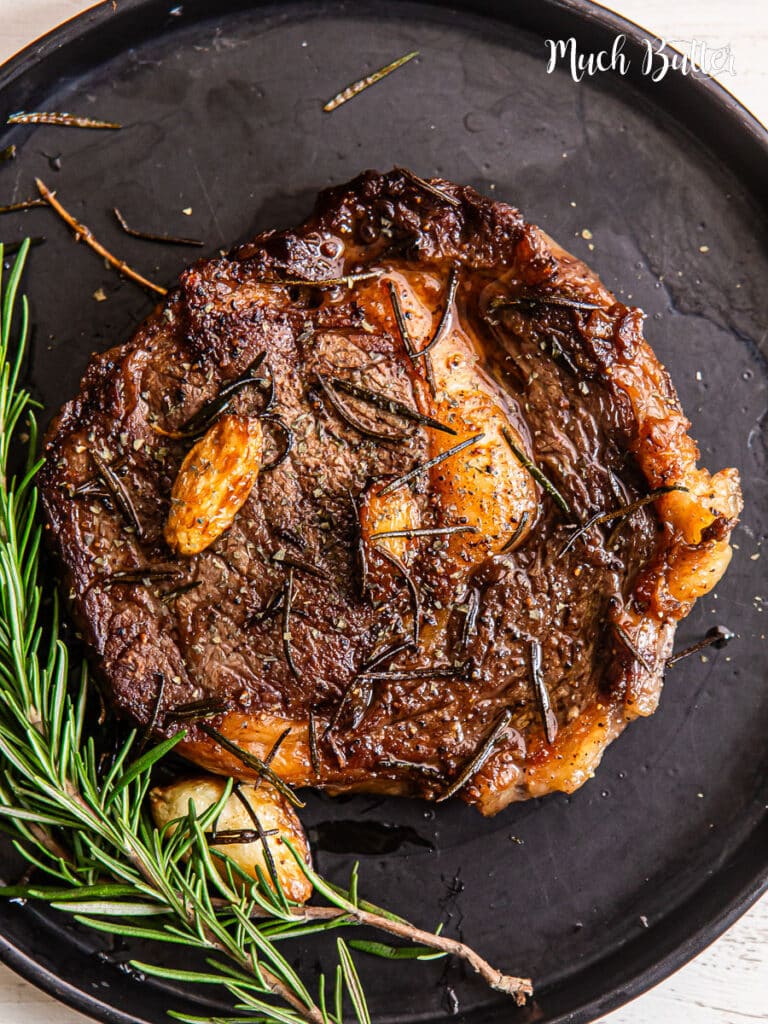
Method 1: The Classic Pan-Sear & Butter Baste
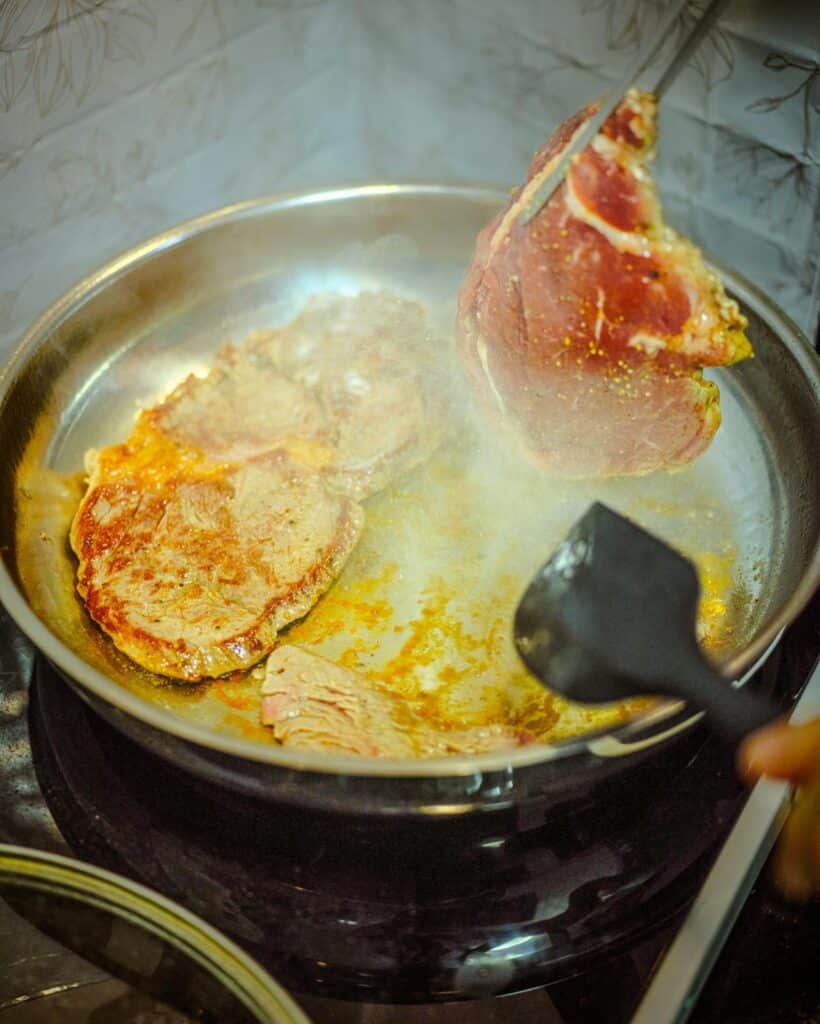
This is the undeniable restaurant standard for a reason. If you walk into a high-end steakhouse and wonder how they got that deep, mahogany crust and rich, velvety finish, this is the magic trick they are using.
Why it works: This process, known as arroser, cooks the steak more evenly from the top down while infusing it with an ungodly amount of flavor.
Recipe Card: Pan-Sear & Butter Baste
- Best Cuts: Ribeyes, New York Strips, Filet Mignon
- Gear: Heavy Cast-Iron Skillet or Carbon Steel Pan
Instructions:
- Get the pan screaming hot with a high-smoke-point oil.
- Drop the seasoned meat in to form an initial crust, then flip.
- Toss in a generous knob of unsalted butter, a few smashed garlic cloves, and fresh rosemary or thyme.
- Tilt the pan slightly and use a large spoon to continuously shower the steak with the foaming butter.
Critical Tip: Keep a close eye on your heat; you want the butter foaming and nutty, not scorched.
Method 2: The Reverse Sear
If you are dealing with a thick-cut monster – think a two-inch thick tomahawk or a hefty T-bone – the traditional pan-sear will leave you with a bright red center surrounded by a thick, unappealing ring of overcooked, gray meat.
Enter the reverse sear, a method that completely flipped the culinary world on its head.
Why it works: Because the warm oven air has completely dried out the surface of the meat, it is primed for a spectacular crust. It delivers an edge-to-edge pink interior with virtually zero gray overcooked band.
Recipe Card: The Reverse Sear
- Best Cuts: 2+ inch thick Tomahawks, thick T-Bones
- Gear: Oven, Wire Rack, Baking Sheet, Hot Skillet
Instructions:
- Place the seasoned steak on a wire rack inside an oven.
- Bake low and slow at 225°F to 250°F.
- Pull the meat when the internal temperature hits approximately 105°F.
- Drop it into a white-hot skillet with a splash of oil.
- Sear for just 60 seconds per side.
Critical Tip: Don’t panic when it looks pale and sad out of the oven; the final flash-sear fixes it.
Method 3: Traditional Outdoor Grilling
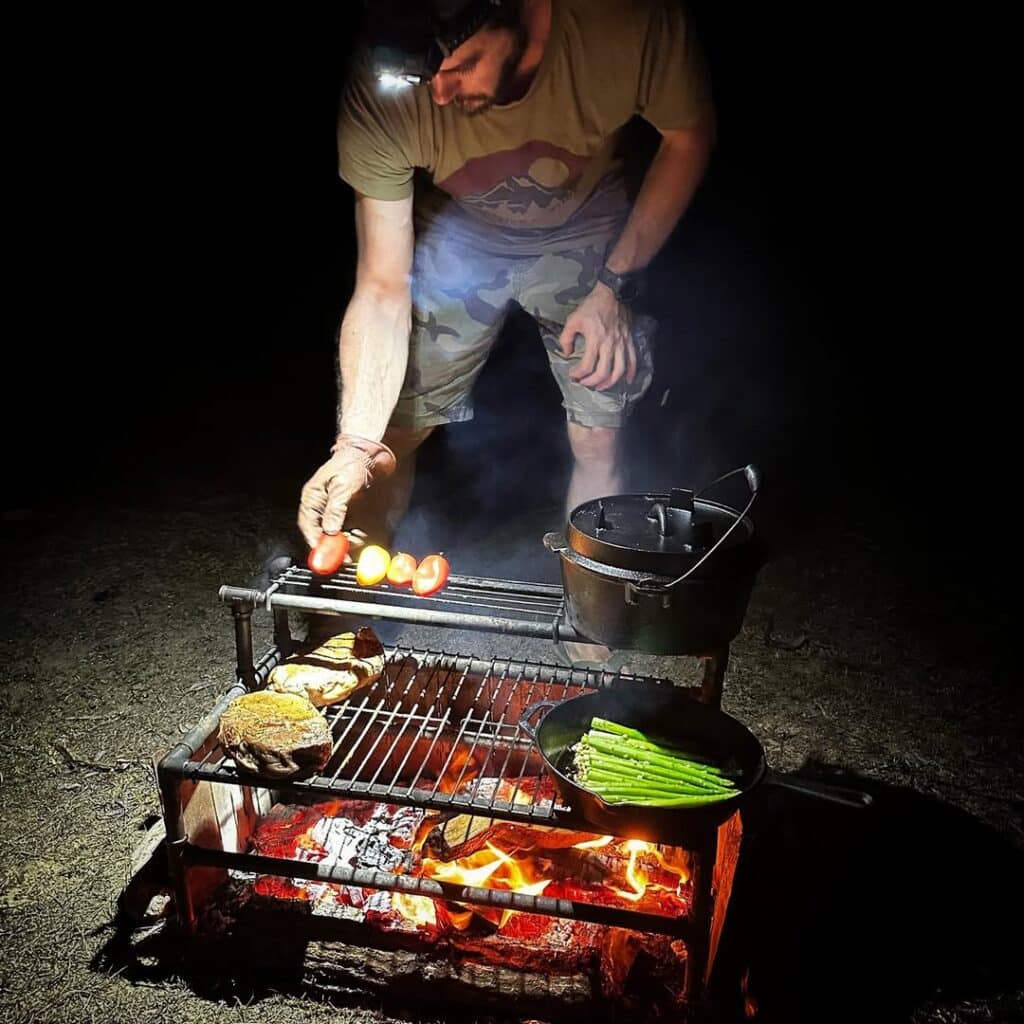
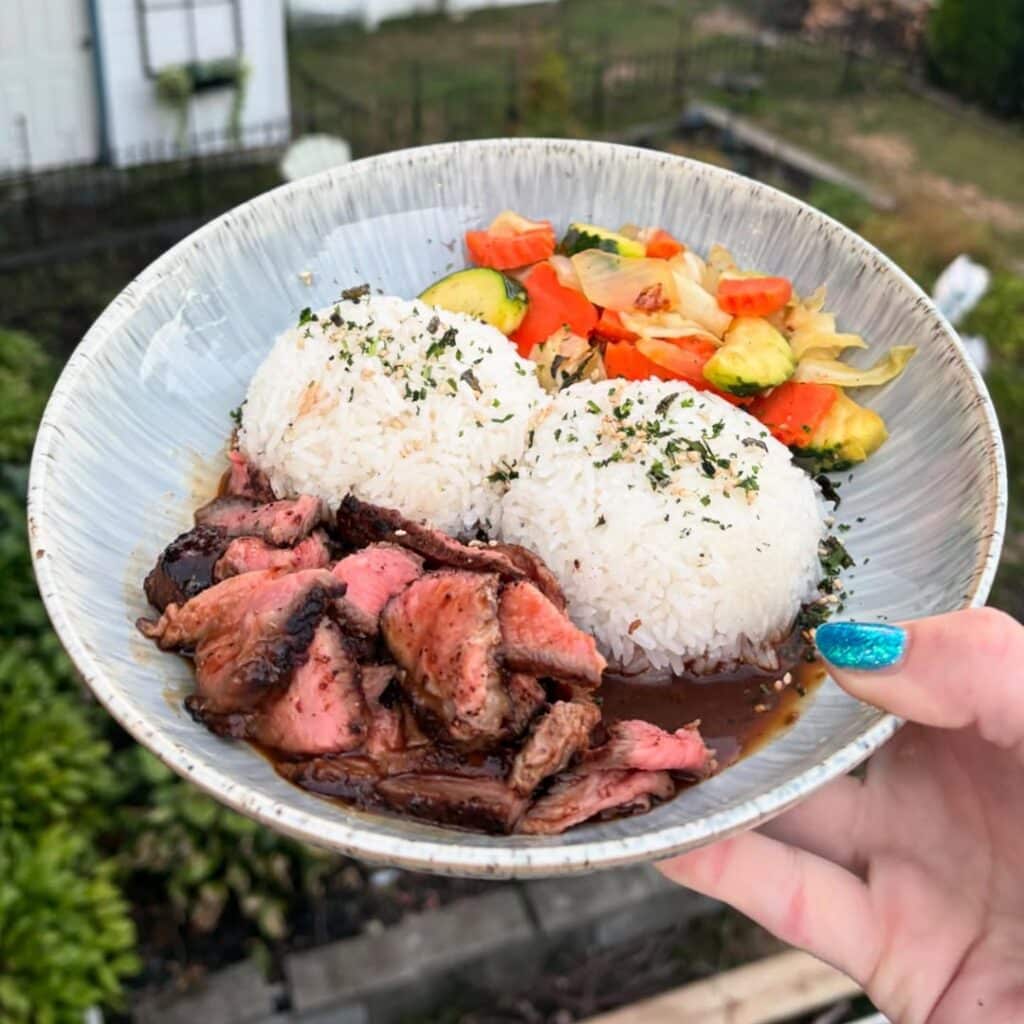
There is a primal joy to outdoor grilling that simply cannot be replicated inside a kitchen. Whether you swear allegiance to the smoky complexity of charcoal or prefer the push-button convenience of gas, the core strategy remains exactly the same: two-zone cooking.
- The Hot Zone: For direct searing, developing charred grill marks, and unlocking smoky flavor.
- The Cool Zone: For gentle, indirect cooking when the exterior is perfect but the center needs more time.
Recipe Card: Traditional Outdoor Grill
- Best Cuts: Skirt, Flank, Classic Backyard Strips
- Gear: Charcoal or Gas Grill
Instructions:
- Setup two zones: pile coals to one side or turn on only half the gas burners.
- Start the steak over the direct flame for char and grill marks.
- If the fire flares up from melting fat, slide the meat to the indirect, cooler side.
- Close the lid to finish cooking through gently.
Method 4: Sous Vide
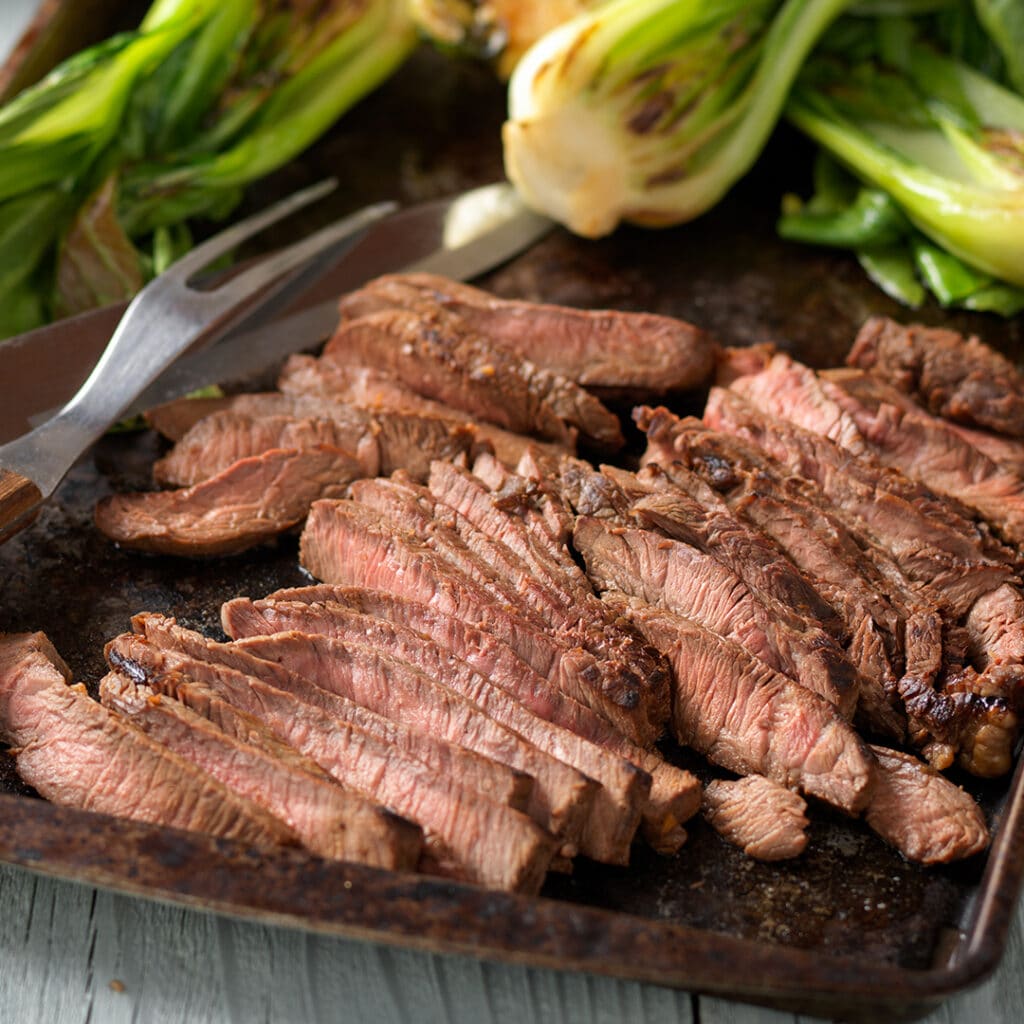
If you love culinary gadgets and demand absolute, scientific precision, sous vide is your holy grail. This method involves vacuum-sealing your seasoned meat in a bag and submerging it into a water bath controlled by a thermal immersion circulator.
- The Perk: You can leave the meat in the bath for two hours and it will never overcook past your set temp. You can go watch a movie, forget about dinner, and it will still be perfect.
- The Catch: Water cannot create a crust. When pulled from the bag, the meat will look completely gray and boiled.
Recipe Card: Sous Vide Precision Cook
- Best Cuts: Lean Filet Mignon, tougher Top Sirloin
- Gear: Immersion Circulator, Vacuum Bag, Hot Skillet
Instructions:
- Seal the seasoned meat in a bag and submerge it in the water bath.
- Set the machine to your exact target temperature (e.g., 130°F).
- Remove from the bag and pat COMPLETELY dry with paper towels.
- Flash-sear in a hot skillet for less than 60 seconds a side.
Method 5: Broiling
Think of your oven’s broiler as an upside-down outdoor grill. Instead of the heat radiating from below, a screaming-hot element blasts your food from directly above. It is a fantastic, highly underutilized winter alternative when backyard grilling isn’t an option.
Why it works: Because the heat is intense and direct, it yields a beautifully charred exterior in a matter of minutes.
Recipe Card: Indoor Oven Broiling
- Best Cuts: Thinner, flat cuts (Flat Iron, Flank)
- Gear: Oven with Broil setting, Two-Piece Broiler Pan
Instructions:
- Preheat your broiler on HIGH for at least 10 minutes.
- Adjust the oven rack so the meat sits 3 to 4 inches away from the heat source.
- Place the steak on the broiler pan so fat drains away from the meat.
- Keep a close eye on the oven window as it chars.
Method 6: The Caveman Style
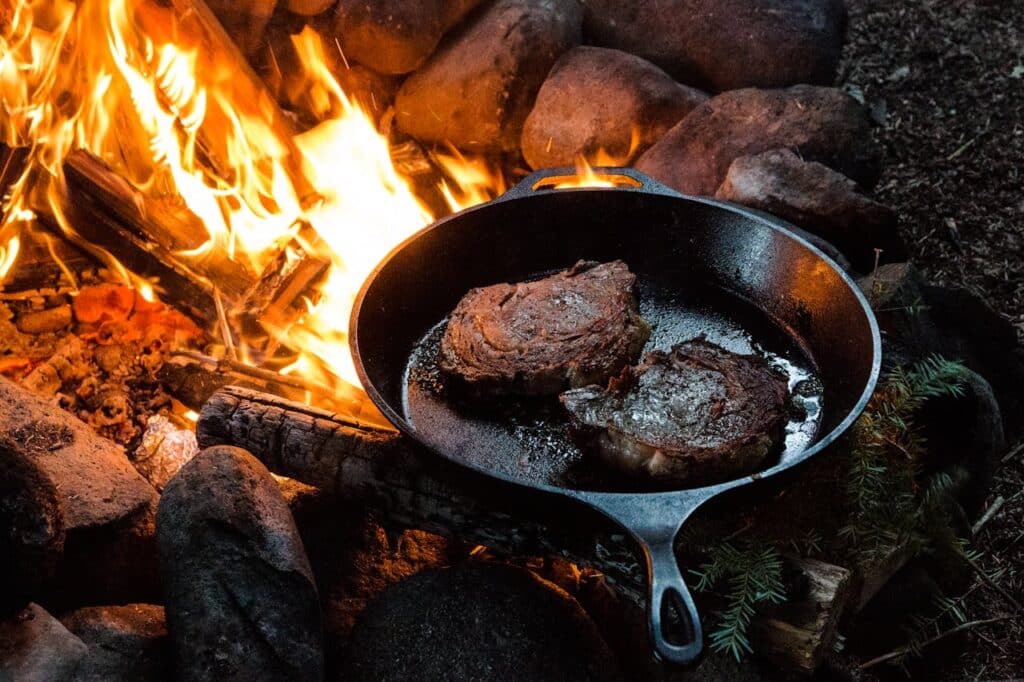
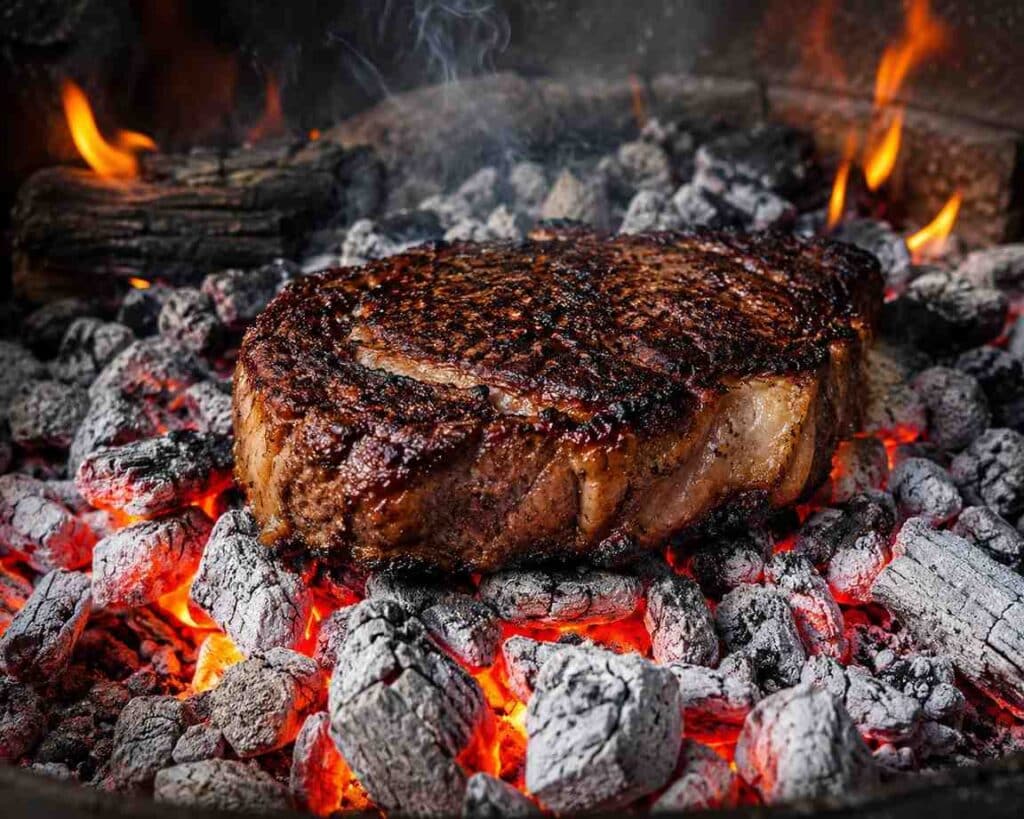
This method is strictly for the bold, the adventurous, and those who don’t mind getting their hands a little dirty. Popularized by legendary live-fire chefs, caveman-style cooking involves throwing your steak directly onto white-hot, glowing charcoal embers. No grill grate required.
- The Science: Coals do not stick to the meat; moisture evaporating from the steak creates a thin barrier of steam that keeps the coal surface clean.
- The Rule: Stick strictly to thick-cut steaks; thin cuts will overcook far too quickly before a proper crust forms.
Recipe Card: Caveman Style (On the Coals)
- Best Cuts: Thick-cut Ribeye or T-Bone
- Gear: High-quality hardwood lump charcoal (NO briquettes)
Instructions:
- Light the lump charcoal until it is glowing red and covered in a fine layer of white ash.
- Use a newspaper or fan to blow away loose ash.
- Lay your thick-cut steak directly onto the coals.
- Let the intense direct heat form a deep, smoky crust.
Method 7: Deep Frying
I know what you are thinking: Deep frying a steak sounds like a culinary crime committed at a county fair.
But stay with me here.
Some of the most exclusive, high-end steakhouses in the world utilize flash-deep-frying to achieve a crust that is physically impossible to replicate in a standard frying pan.
Why it works: Because the liquid fat surrounds every square millimeter of the meat simultaneously, the surface fries uniformly to a crisp, golden-brown shatter in under three minutes while the inside stays wonderfully juicy.
Recipe Card: Flash Deep Frying
- Best Cuts: Ribeye caps, Sirloin cubes, Chicken-Fried Style
- Gear: Deep pot, high-smoke-point oil (Peanut or Tallow)
Instructions:
- Ensure the seasoned steak is well-chilled.
- Heat your pot of oil to 375°F.
- Submerge the steak completely into the hot oil.
- Fry for under 3 minutes until golden-brown.
Critical Tip: Meat must be COMPLETELY dry before dropping it in, or the oil will violently boil over.
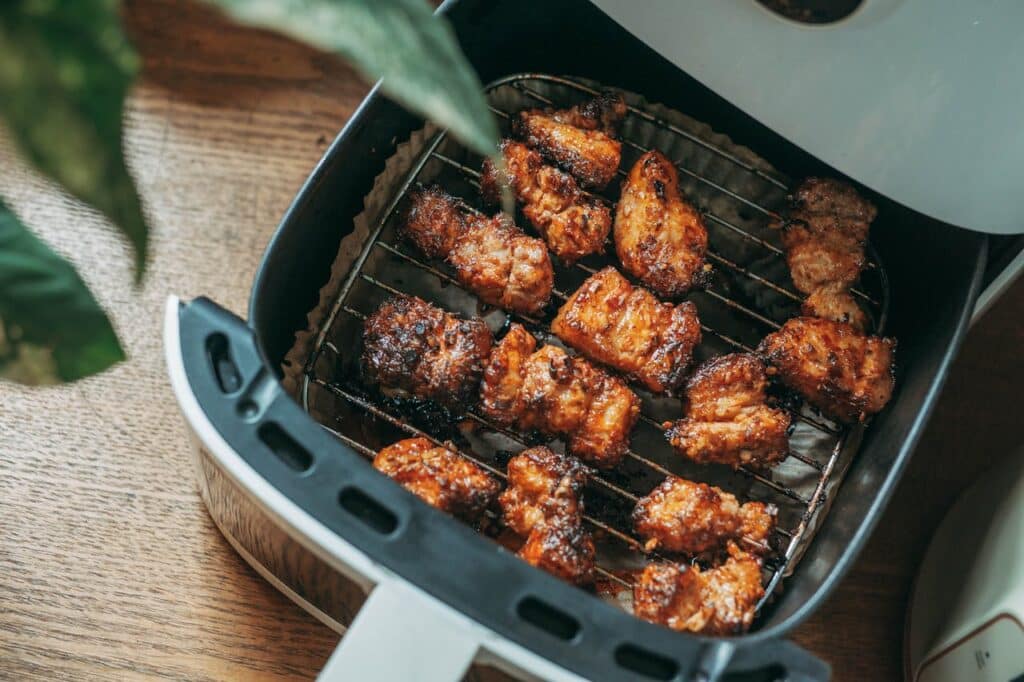
Method 8: The Air Fryer
Let’s balance out the wild fire-cooking with a nod to modern, weekday convenience. While purists might shudder at the thought, the air fryer is essentially a compact, highly efficient convection oven.
It circulates super-heated air at high speeds, making it surprisingly capable of turning out a decent steak when you are exhausted after a long workday.
- The Pros: Exceptionally even, juicy cook with virtually zero cleanup.
- The Cons: It won’t develop the deep, dark crust of a cast-iron skillet.
Recipe Card: Weekday Air Fryer
- Best Cuts: Sirloin steak tips, thin NY Strips
- Gear: Air Fryer
Instructions:
- Crank your air fryer to its maximum setting (usually 400°F to 450°F).
- Lightly coat your seasoned steak with oil.
- Place the meat directly in the basket.
- Ensure there is plenty of space around the meat for optimal airflow.
The air fryer is perfect for quick sirloin steak tips or smaller, thinner New York strips when you want a great dinner but don’t want to wash a heavy skillet.
How to Choose Your Method
Choosing between these ways to cook steak comes down to matching the specific cut of meat in your fridge with the amount of time and equipment you have on hand.
If you just splurged on a massive, expensive, thick-cut Tomahawk for a special occasion, do not risk pan-searing it; take your time and use the Reverse Sear or Sous Vide to guarantee perfect doneness.
If it is a casual Tuesday night and you have a couple of standard-cut Strips or Ribeyes, stick to the tried-and-true Pan-Sear & Butter Baste or the Air Fryer for maximum reward with minimal fuss.
For thin, marinating meats like Flank or Skirt, always lean into the high, direct heat of Outdoor Grilling or Broiling.
Ditch the Rut: Your Next Culinary Event Awaits
At the end of the day, there is no single “correct” way to handle a beautiful piece of beef. The kitchen is your laboratory, and the open flame is your tool.
By breaking out of your comfort zone and experimenting with these diverse techniques, you turn a simple weeknight dinner into a genuine culinary event.
Grab a new cut, pick a method that intimidates you just a little bit, and go upgrade your next steak night. Your dinner guests – and your appetite – will thank you.
Featured image credit: @chef_zouheir
