

Your Outdoor Kitchen Isn’t a Restaurant for Ants – So Stop Treating It Like One
Outdoor kitchens have a funny way of attracting uninvited dinner guests. You spend hours marinating ribs, prepping burgers, and arranging everything just right.
Then, before the grill has even cooled down, an army of ants files in, a curious raccoon starts scouting the area, or a neighborhood squirrel decides your bag of charcoal looks suspiciously interesting.
The truth is, pests aren’t the real problem – easy access is.
After countless backyard cookouts, one lesson becomes obvious: keeping outdoor kitchens organized isn’t just about making the space look nice.
Smart storage protects ingredients, extends the life of your cooking equipment, makes meal prep faster, and keeps pests from turning your backyard into an all-you-can-eat buffet.
The good news? You don’t need a complete renovation.
A few clever upgrades can transform even a modest grilling station into a cleaner, more efficient outdoor cooking space.
Here are eight ingenious storage solutions that help keep your outdoor kitchen organized, functional, and far less appealing to hungry critters.
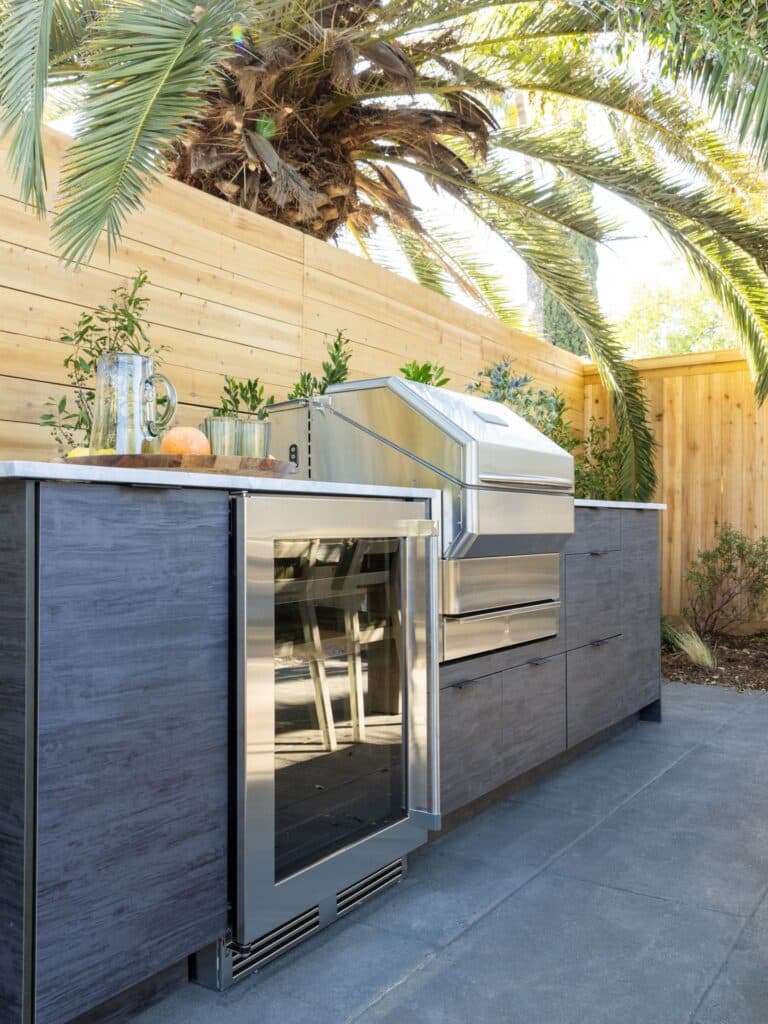
1. Install Weatherproof Storage Cabinets
Nothing ruins expensive grilling tools faster than leaving them exposed to rain, humidity, and changing temperatures. Standard indoor cabinets simply aren’t built for outdoor conditions.
Weatherproof cabinets provide one of the best long-term storage investments because they protect everything from cookware to serving dishes.
Look for materials such as:
- Stainless steel for durability and rust resistance
- HDPE polymer cabinets that won’t warp or rot
- Powder-coated aluminum for lightweight protection
Even better, choose cabinets with tight-sealing doors. Small gaps are practically invitations for insects and rodents looking for shelter.
One backyard neighbor proudly showed off his shiny new grill, then opened the cabinet underneath to reveal a family of spiders that apparently appreciated premium appliances too.
The spiders seemed happy. The guests? Not so much.
Key takeaway: Weatherproof cabinets keep supplies dry, organized, and far less accessible to unwanted pests.

2. Use Airtight Food Storage Containers
Outdoor kitchens often become temporary pantries during barbecue season. Bags of chips, spices, flour, sugar, and pet treats somehow end up sitting outside longer than intended.
Unfortunately, pests have an incredible sense of smell.
Instead of storing food in opened bags or flimsy packaging, switch to airtight storage containers.
Good options include:
- Glass containers with silicone seals
- BPA-free plastic containers
- Stainless steel food canisters
These containers do much more than discourage pests. They also:
- Keep ingredients fresh longer
- Protect against moisture
- Reduce food waste
- Make shelves easier to organize
Adding simple labels makes finding ingredients much faster during busy cookouts. Nobody wants to pause burger flipping just to search through five identical containers wondering which one holds smoked paprika instead of brown sugar.
Airtight storage is one of the easiest ways to improve food safety while keeping outdoor kitchens organized.
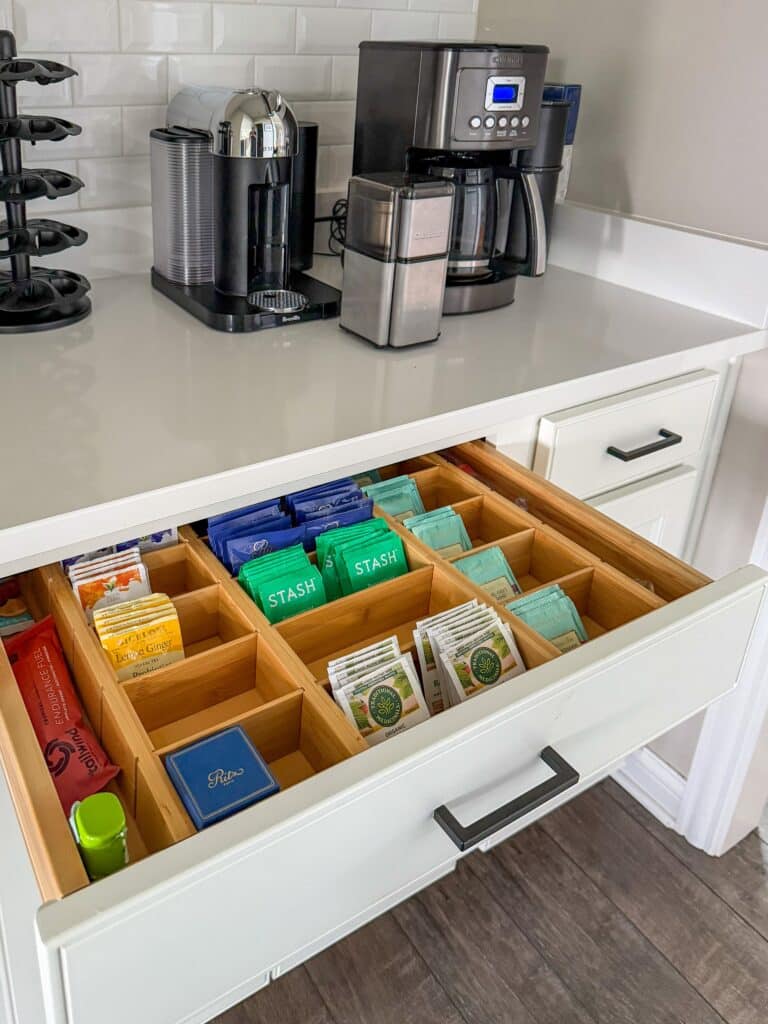
3. Add Pull-Out Drawers and Drawer Organizers
Grilling tools have an amazing talent for disappearing.
One minute the tongs are sitting right beside the grill. Five minutes later, they’ve entered the mysterious dimension where missing socks and TV remotes apparently live.
Instead of tossing everything into one oversized drawer, install pull-out drawers with organizers.
Separate items into categories like:
- Cooking utensils
- Thermometers
- Grill brushes
- Skewers
- Seasonings
- Foil and parchment paper
Drawer dividers prevent tools from becoming one giant pile of stainless steel confusion.
Organized drawers also reduce unnecessary cabinet opening, limiting opportunities for insects to wander inside while you’re searching for equipment.
Small organizational upgrades often make the biggest difference during busy outdoor cooking sessions.
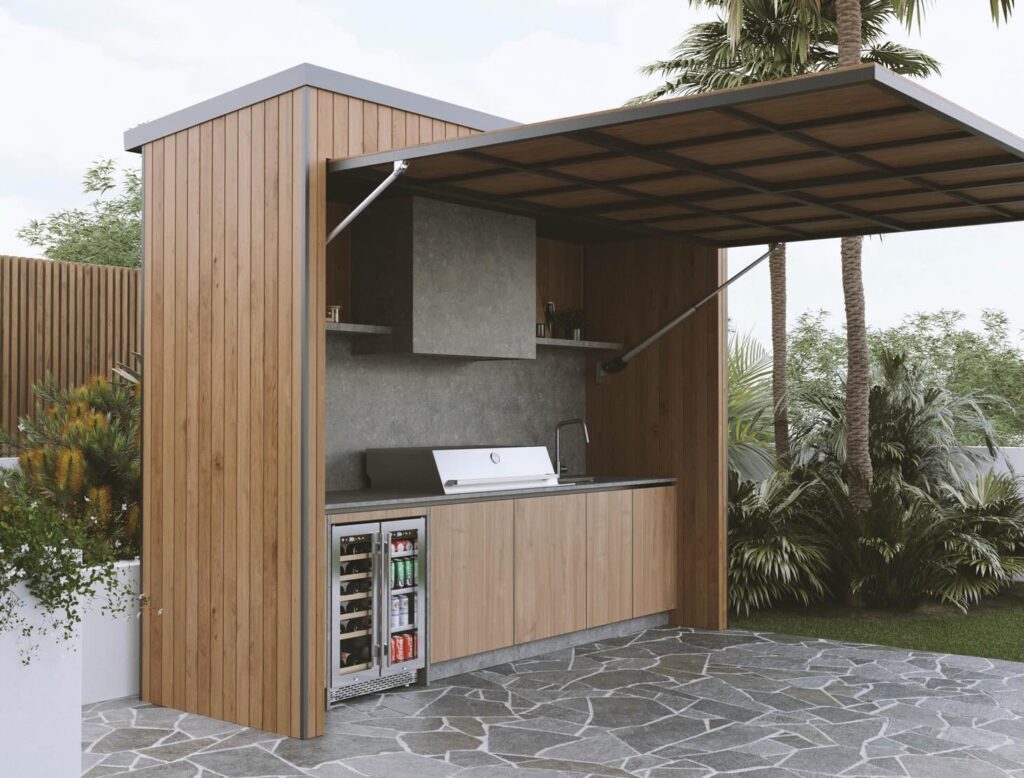
4. Maximize Vertical Storage with Wall Shelving
Counter space disappears surprisingly fast.
Set down a cutting board, a platter, a few sauces, and suddenly you’re balancing burger buns on top of the cooler like it’s an advanced cooking challenge.
That’s where vertical storage becomes incredibly useful.
Consider installing:
- Floating shelves
- Wall-mounted spice racks
- Pegboards
- Hanging baskets
- Hook rails
These additions free valuable workspace while keeping frequently used items within easy reach.
Pegboards deserve special attention because they can hold:
- Grill spatulas
- Tongs
- Basting brushes
- Heat-resistant gloves
- Cleaning brushes
Just remember one important rule:
Avoid storing food on open shelves for extended periods. Open shelving works best for cookware, accessories, and decorative items rather than ingredients.
Using vertical space is one of the smartest techniques for keeping outdoor kitchens organized without increasing the kitchen’s footprint.
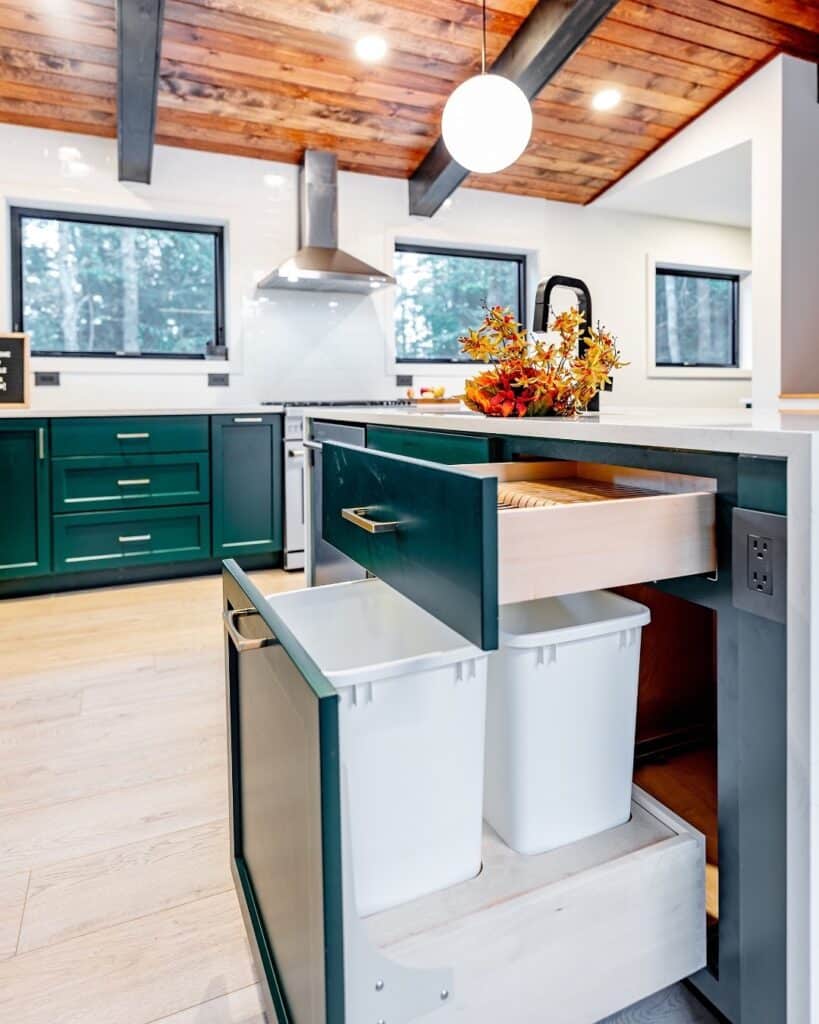
5. Store Trash and Recycling in Enclosed Pull-Out Bins
Few things attract pests faster than an overflowing trash can.
Grease-covered napkins, leftover food scraps, disposable plates, and empty packaging create a buffet that insects and animals simply can’t resist.
An enclosed pull-out trash cabinet solves several problems at once.
Benefits include:
- Containing odors
- Hiding garbage from pests
- Improving overall appearance
- Making cleanup more convenient
Choose bins with tight-fitting lids and clean them regularly to prevent lingering smells. One forgotten chicken bone can inspire an entire wildlife convention in your backyard.
Separating recycling from regular garbage also keeps the kitchen cleaner and encourages quicker cleanup after gatherings.
Keeping waste sealed is just as important as protecting food.

6. Protect Supplies with Sealed Storage Boxes
Not everything belongs inside cabinets.
Outdoor kitchens often need extra storage for supplies such as:
- Paper towels
- Disposable plates
- Napkins
- Charcoal
- Smoking wood chips
- Table linens
Heavy-duty sealed storage boxes provide excellent protection against moisture, insects, rodents, and dirt.
Look for containers that feature:
- Waterproof construction
- Locking lids
- Durable plastic resin
- Stackable designs
Clear containers make locating supplies much easier without opening every box.
Nothing interrupts barbecue momentum quite like opening six containers before finally locating the aluminum foil hiding at the bottom of the last one.
Proper storage keeps supplies cleaner while helping them last much longer.
7. Organize Frequently Used Items with Hooks and Magnetic Holders
Every experienced grill master develops a rhythm.
Flip.
Season.
Check temperature.
Grab tongs.
Repeat.
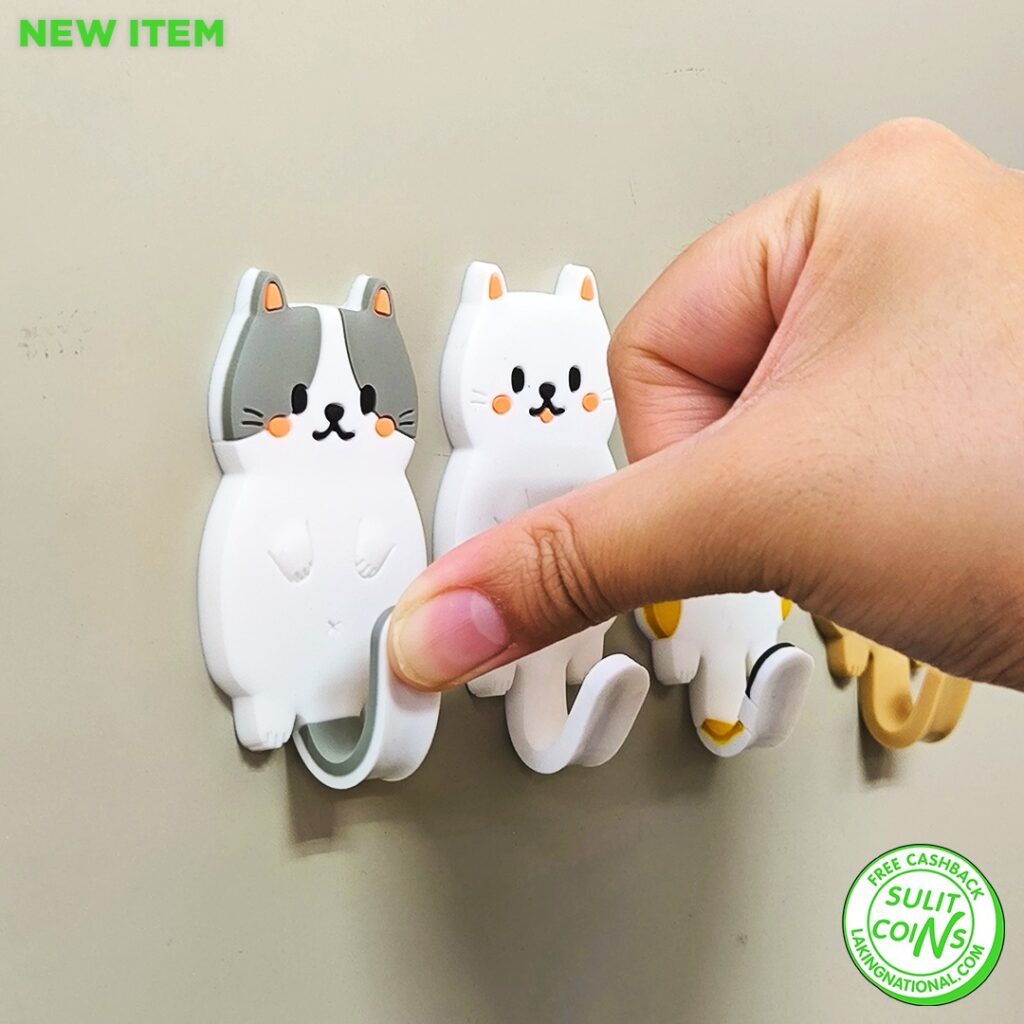
That rhythm falls apart when you’re constantly searching for tools. Installing hooks and magnetic holders keeps essential equipment exactly where it’s needed.
Great candidates include:
- Tongs
- Grill spatulas
- Oven mitts
- Towels
- Bottle openers
- Measuring spoons
Magnetic strips can also safely store metal tools while reducing drawer clutter.
Keeping frequently used accessories visible has another advantage:
You’re more likely to return them to the same place after every cookout.
Good organization isn’t about perfection – it’s about creating habits that make cleanup nearly automatic.
Easy access equals less clutter and smoother cooking.
8. Create a Dedicated Cleaning Supply Station
A spotless outdoor kitchen starts with having cleaning supplies close by.
Waiting until after dinner to hunt down disinfectant or scrub brushes usually means grease sits overnight – and that’s exactly what pests hope for.
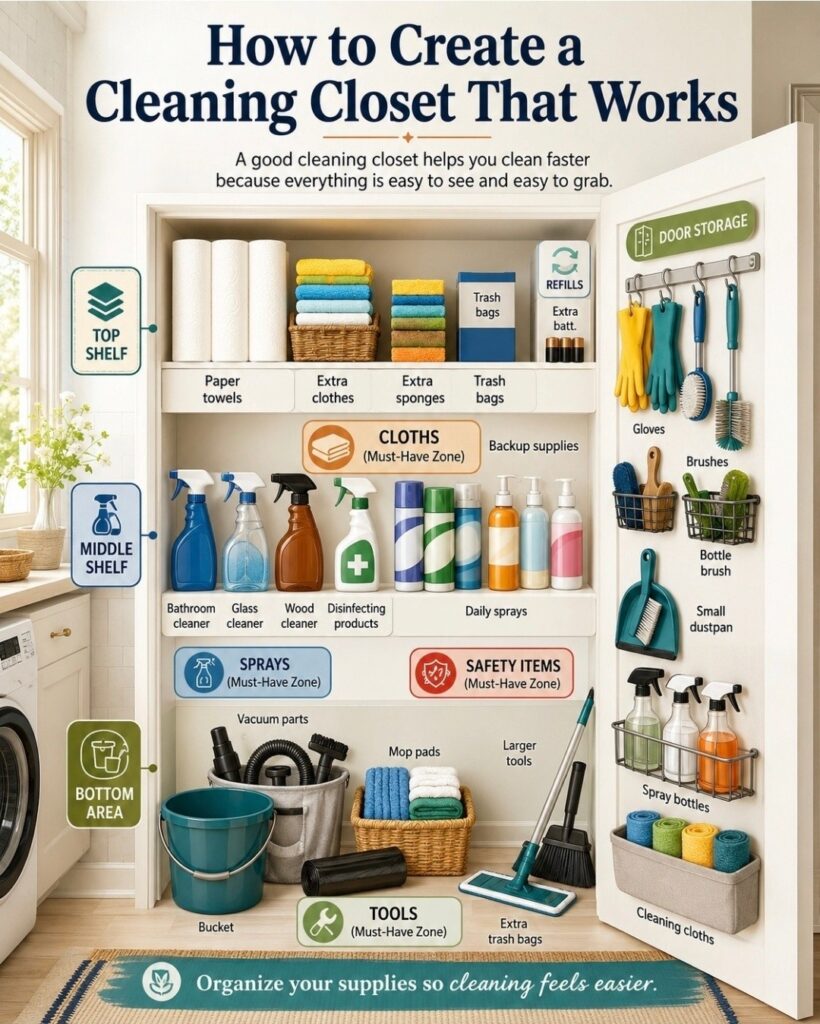
Dedicate one cabinet or storage caddy exclusively for cleaning items such as:
- Grill cleaner
- Food-safe disinfectant
- Microfiber cloths
- Scrub brushes
- Disposable gloves
- Trash bags
- Sanitizing wipes
Keeping cleaning supplies separate from food storage also helps prevent cross-contamination. The best outdoor kitchens aren’t spotless because someone enjoys scrubbing grates.
They’re clean because everything needed for cleanup is always within reach. Five minutes of cleaning today can prevent hours of deep cleaning later.
Additional Tips for Keeping Outdoor Kitchens Organized and Pest-Free
Even the smartest storage system works best when paired with good habits.
Here are a few extra practices that make a noticeable difference:
- Wipe spills immediately instead of letting sugary sauces or grease sit overnight.
- Empty trash frequently, especially after large gatherings.
- Store food indoors whenever possible after meals.
- Inspect cabinets regularly for gaps or signs of pests.
- Remove standing water, which attracts insects.
- Clean grease buildup from grills and countertops.
- Perform seasonal deep cleaning to catch problems before they become infestations.
Think of these habits as routine maintenance rather than extra chores. Spending ten minutes cleaning after dinner is much easier than spending an entire Saturday evicting ants from your spice collection.
Final Thoughts
Outdoor kitchens should be known for sizzling steaks, smoky brisket, and memorable backyard gatherings – not surprise encounters with ants, mice, or curious raccoons looking for leftovers.
The secret isn’t buying more storage. It’s choosing smarter storage.
From weatherproof cabinets and airtight food containers to pull-out drawers, vertical shelving, and sealed storage bins, each solution works together to create a cleaner, more efficient cooking space.
Pair those upgrades with regular cleaning habits, and keeping outdoor kitchens organized becomes much easier throughout the year.
The next time friends gather around the grill, the only guests fighting over the food should be the people you’ve actually invited. And that’s exactly how every backyard barbecue should end.
Featured image credit: @beyondbackyardliving
