
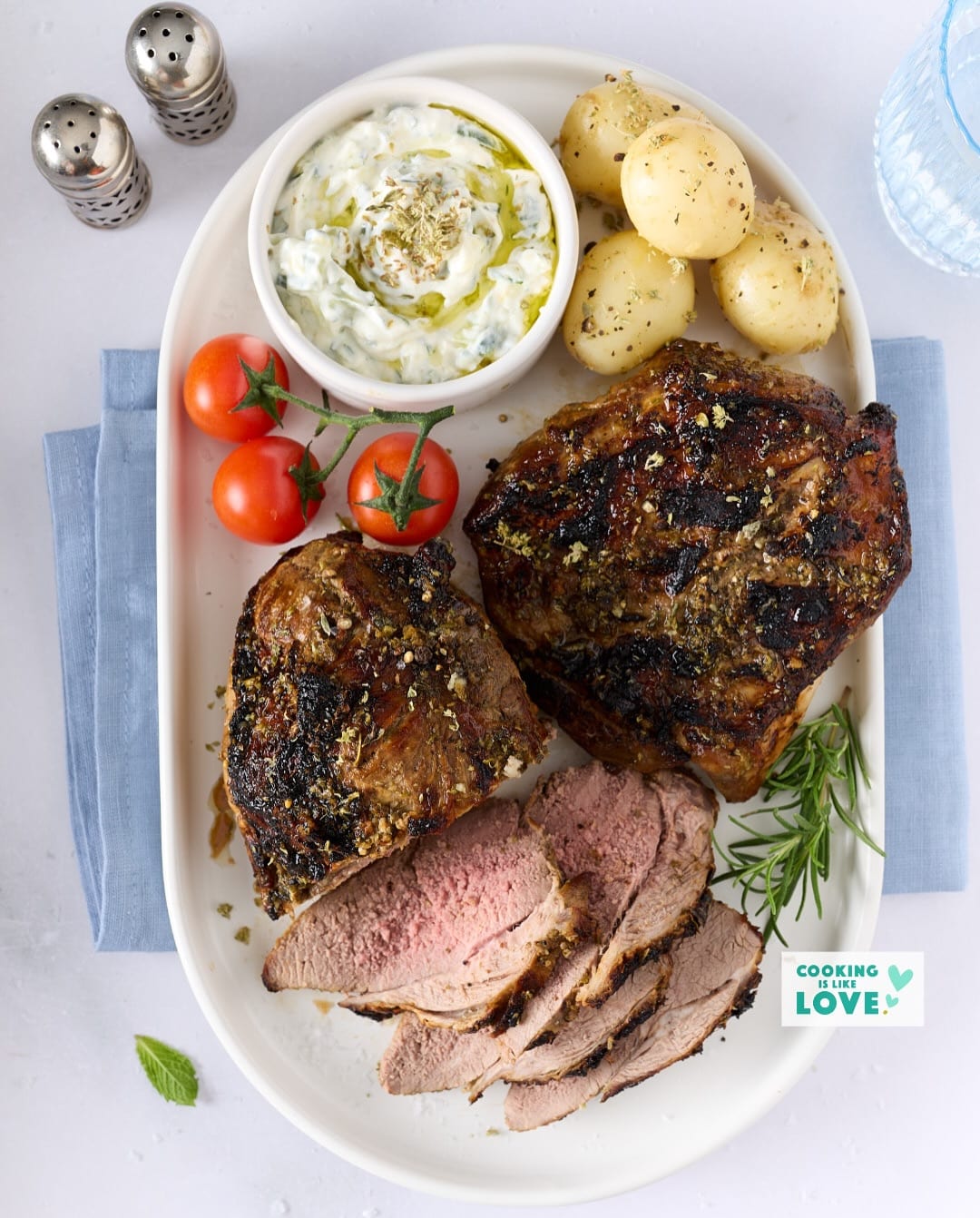
When my friend Danny invited me to his daughter’s birthday party to help prepare the feast, I knew the stakes were higher than they seemed.
Sure, children are easy to please with basic party fare, but I knew a fleet of hungry adults would be tagging along too. Naturally, the Greek roasted butterflied leg of lamb immediately came to mind.
I’d already road-tested this recipe on a tough crowd when I scored a gig on a millionaire’s superyacht, helping out the head chef – who happens to be an old acquaintance of mine.
If it could impress folks who swirl vintage wine like high-society aristocrats, it could handle a backyard birthday party.
The kids devoured the food, and as for the adults? Well, between their delicate sips of wine and lofty critiques, I still got their full approval.
Here is the secret: you don’t need a superyacht galley or an ancient Greek grandmother holding a sword over your shoulder to pull off this showstopper.
The Genius of the Butterflied Cut
Why flatten a perfectly good piece of meat? Because physics doesn’t care about your dinner party schedule.
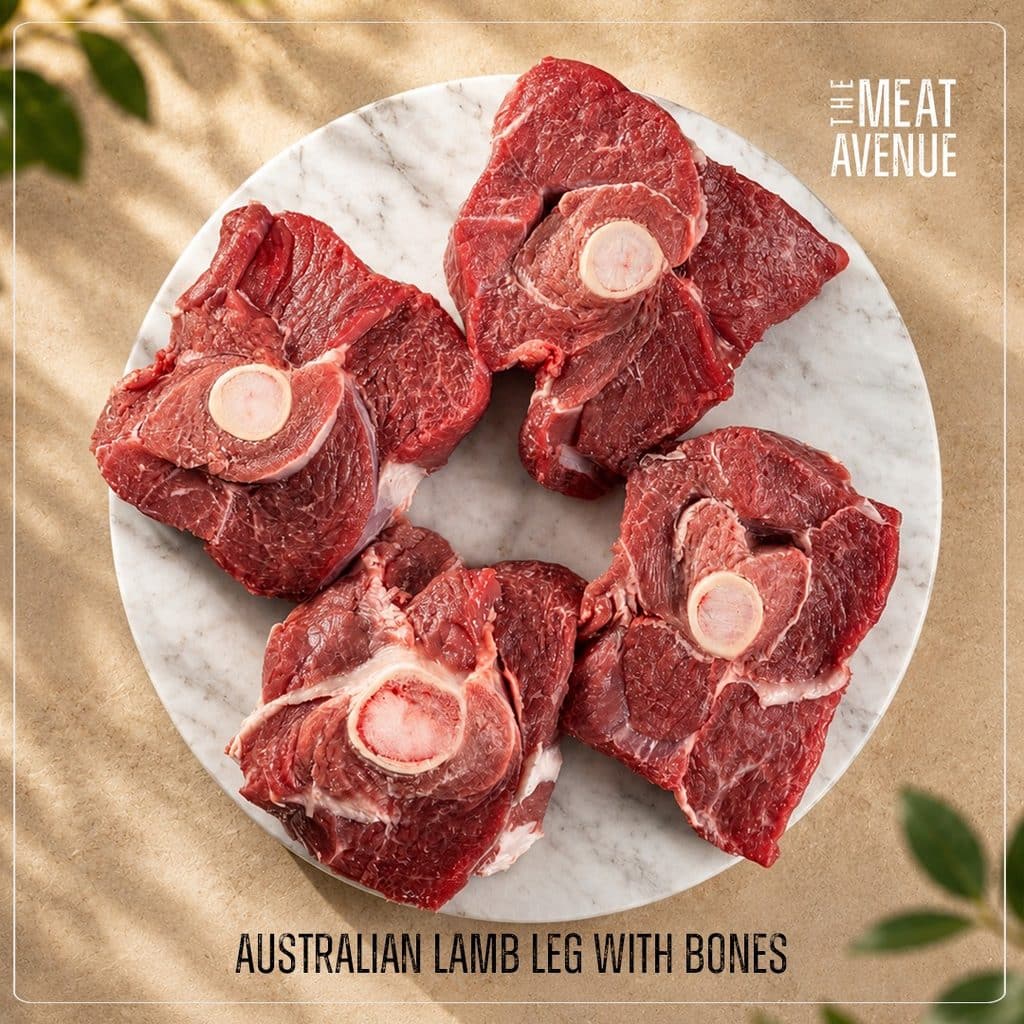
A traditional, bone-in leg of lamb is shaped like a giant teardrop.
The thin end overcooks and turns into shoe leather long before the thick center reaches a safe temperature. By butterflying the lamb, you open up the meat into a relatively flat, uniform slab.
- Maximum Surface Area: Flattening the meat creates twice as much real estate for garlic, lemon, and herbs.
- Rapid, Even Cooking: No more raw centers paired with charcoal edges. The entire cut cooks at the exact same rate.
- Effortless Carving: When it’s time to eat, you simply slice straight down across the grain. Zero bone-dodging required.
The Greek Flavor Triad (Ladolemono)
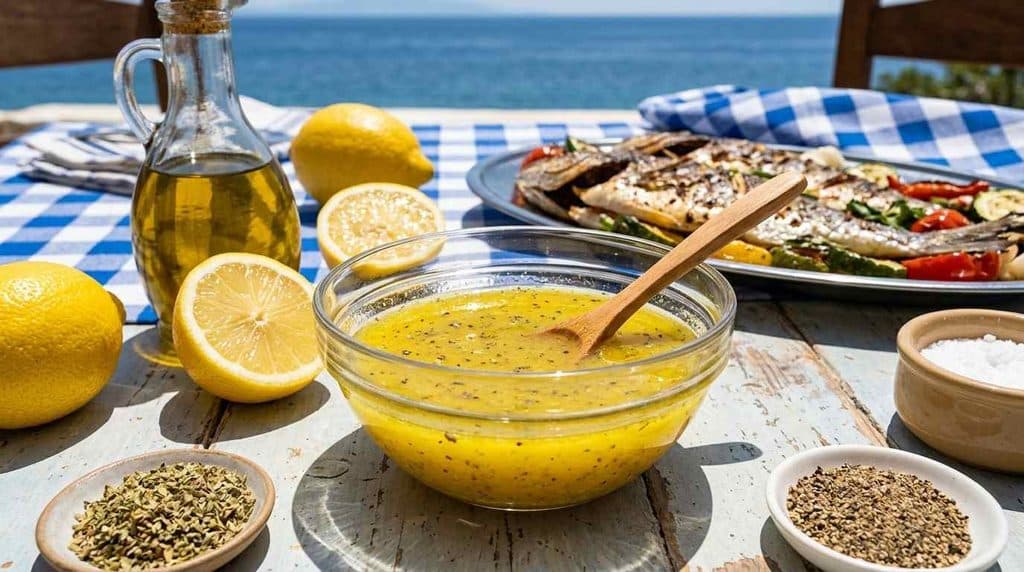
In Greek cooking, we don’t hide the flavor of high-quality meat under heavy, gloppy sauces. Instead, we rely on a classic combination known as ladolemono – a vibrant emulsification of extra virgin olive oil, fresh lemon juice, garlic, and wild oregano.
The Anatomy of the Marinade
- Extra Virgin Olive Oil: Use the good stuff. It acts as the vehicle that carries fat-soluble flavor compounds deep into the meat.
- Fresh Lemon Juice & Zest: The acid tenderizes the muscle fibers while cutting through the natural richness of the lamb.
- Garlic (and lots of it): We aren’t being delicate here. Six to eight cloves, smashed into a fine paste, forms a sticky crust on the outside of the roast.
- Wild Greek Oregano (Rigani): Do not substitute the dusty Italian oregano sitting at the back of your spice rack since 2018. True Greek oregano is harvested wild, dried on the stem, and possesses a sharp, almost peppery bite that cuts through lamb fat brilliantly.
Chef’s Secrets for Unbeatable Texture
Before firing up the oven, keep these non-negotiable rules in mind.
1. The Room Temperature Rule
Pulling a cold piece of meat straight out of the fridge and dropping it into a hot oven is a recipe for disaster. The outer layers will overcook before the center even realizes the heat is on.
Let the marinated lamb sit on the counter for 45 to 60 minutes before roasting to take the chill off.
2. Searing vs. Roasting
We start high and finish moderate. Blasting the lamb at 425°F (220°C) for the first 15 to 20 minutes triggers the Maillard reaction – that glorious chemical dance between amino acids and reducing sugars that creates a deep, mahogany crust.
Afterward, drop the dial to 350°F (175°C) to gently bring the interior to target temperature.
3. The Meat Thermometer Is Non-Negotiable
Poke-testing a piece of meat with your finger to check doneness is a myth best left to TV chefs with burnt nerve endings.
Use an instant-read digital thermometer. Pull the lamb at 135°F (57°C) for medium-rare; as it rests, carryover cooking will push the final internal temperature right to a perfect 140°F.
The Chemistry of Ladolemono: Why Acid Beats Alcohol
Many traditional roasts rely on wine, but authentic Greek lamb marinades prioritize fresh lemon juice for superior food science:
- Targeted Protein Breakdown: The citric acid in lemon juice gently breaks down surface proteins at a molecular level, creating a tenderizing zone without making the meat mushy.
- The Alcohol Trap: Alcohol denatures meat proteins too fast, tightening the outer fibers and locking flavor out.
- Deep Flavor Transport: Pairing citric acid with lipid-rich olive oil creates a non-polar pathway that carries garlic and oregano deep into the muscle fibers instead of leaving them on the surface.
Sourcing Your Meat: Domestic vs. Imported Lamb
Not all lamb tastes the same, and your choice determines the final flavor profile on your plate:
- American Lamb (Grain-Fed): Larger cuts with milder, richer marbling. It offers a buttery, gentle finish – ideal for kids or guests who fear “gamey” meat.
- Imported Lamb (Grass-Fed from NZ/Australia): Smaller and leaner cuts with an earthy, robust flavor. Choose this for a traditional Mediterranean profile that punches through heavy garlic and lemon.
The Pan Dripping Magic: Crafting “Liquid Gold” Gravy
Never discard the caramelized juices pooling in your roasting pan; in Greek kitchens, that liquid is prized as “liquid gold.” Transform it into a sauce in three fast steps:
- Place the roasting pan over medium heat on your cooktop while the meat rests.
- Deglaze the stuck-on browned bits (fond) with a splash of dry white wine or beef stock.
- Whisk in cold butter and extra lemon juice to create a glossy, emulsified pan sauce packed with garlic, lamb fat, and sweet herbs.
Zero-Waste Cooking: What to Do with the Bones and Trim
If you buy a bone-in leg and butterfly it yourself, do not throw away the carcass or fat trimmings:
- Rich Mediterranean Bone Broth: Simmer the collagen-packed bones with red wine vinegar, onion, garlic, and leftover herb stems for four hours to yield a rich gelatinous stock for soups and risottos.
- Flavorful Lamb Tallow: Render down the fat trimmings over low heat to make home-rendered tallow – the ultimate secret weapon for roasting the crispiest potatoes you will ever taste.
Side Dishes for the Greek Roasted Butterflied Leg of Lamb
A legendary main course deserves sides that hold their own without stealing the spotlight.
- Greek Lemon Potatoes (Patates Lemonates): Wedge some Yukon Golds and roast them in a bath of olive oil, lemon juice, chicken stock, and oregano until the insides turn to velvet and the edges crisp up.
- Homemade Tzatziki: Strained Greek yogurt, grated cucumber (squeezed bone-dry!), minced garlic, dill, and a splash of red wine vinegar. It acts as a cool, creamy counterweight to the savory lamb.
- Traditional Horiatiki Salad: Crisp cucumbers, ripe tomatoes, red onion, Kalamata olives, and a solid block of real sheep’s milk feta. No iceberg lettuce allowed.
How to Roast a Greek Butterflied Leg of Lamb (And Win over Any Crowd)
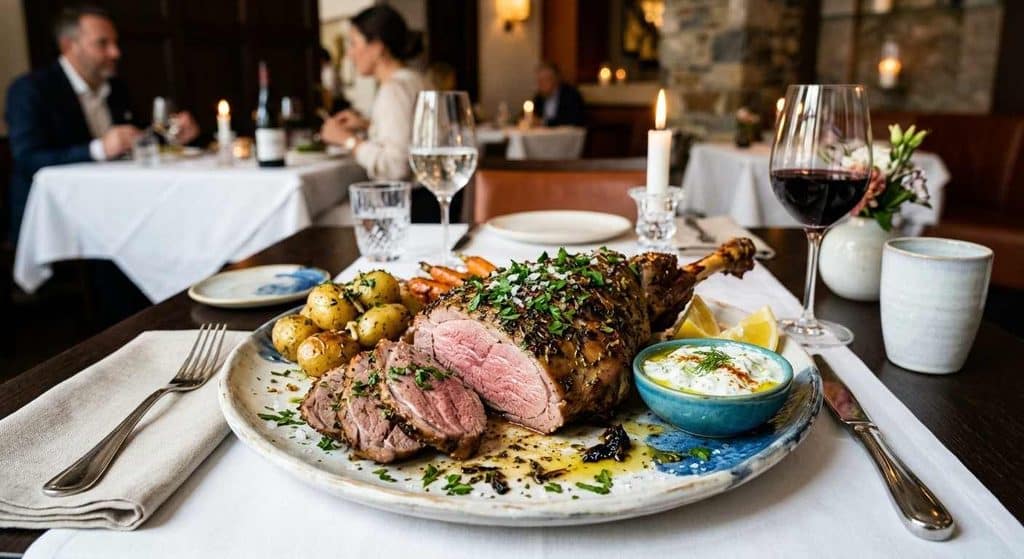
Whether you are cooking for high-society critics or a backyard full of energetic kids, this Greek roasted butterflied leg of lamb delivers the kind of bold, rustic flavor that instantly wins people over.
Master this simple technique, let the marinade do the heavy lifting, and watch a traditionally intimidating roast become your go-to centerpiece for every special occasion. Pour yourself a glass of wine – aristocratic swirling optional – and enjoy the feast.
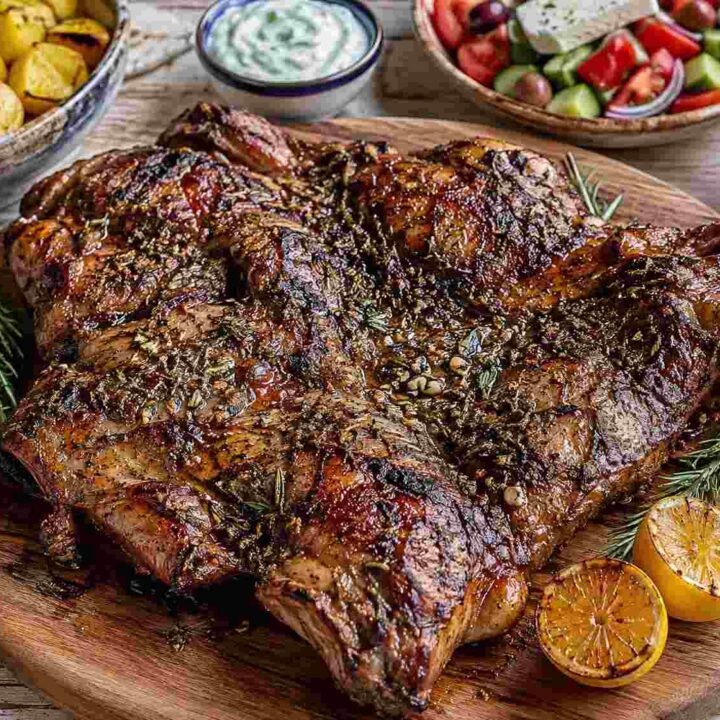
Authentic Greek Roasted Butterflied Leg of Lamb
Image credit: Google Gemini
Ingredients
- The Meat
- 1 boneless leg of lamb (4 to 5 lbs), butterflied and trimmed of excess silver skin
- The Greek Marinade
- ⅓ cup extra virgin olive oil
- ¼ cup fresh lemon juice
- 1 tbsp fresh lemon zest
- 8 cloves garlic, minced into a paste
- 2 tbsp dried Greek oregano (rigani)
- 1 tbsp fresh rosemary, finely chopped
- 1 tbsp fresh thyme, finely chopped
- 1 tbsp Greek Dijon mustard
- 1 tbsp kosher salt
- 1 tsp freshly cracked black pepper
Instructions
- Prep and Butterfly the Lamb: Unfold the boneless leg of lamb onto a large cutting board. Trim away thick pockets of outer fat and silver skin, leaving a thin cap of fat intact. Make light horizontal cuts into any unusually thick sections of meat and open them up like a book until the entire cut is roughly 1.5 to 2 inches thick throughout.
- Mix and Apply the Marinade: Whisk together the olive oil, lemon juice, lemon zest, garlic paste, oregano, rosemary, thyme, Dijon mustard, salt, and black pepper in a bowl until thick and smooth. Rub this paste vigorously over every inch, fold, and crevice of the lamb. Cover tightly and refrigerate for at least 4 hours (24 hours yields the best flavor).
- Bring to Room Temperature & Preheat: Remove the lamb from the refrigerator 45 to 60 minutes before you plan to cook. Preheat your oven to 425°F (220°C) with the rack set in the middle position.
- High-Heat Crust Searing: Set a wire roasting rack inside a large rimmed baking sheet or roasting pan. Lay the butterflied lamb flat onto the rack, fat-side up. Roast at 425°F (220°C) for 15 to 20 minutes until the top develops a deep golden-brown crust.
- Reduce Heat and Finish Roasting: Lower the oven temperature to 350°F (175°C). Continue roasting for another 25 to 35 minutes. Insert an instant-read thermometer into the thickest part of the meat—remove the roast from the oven when it reads 135°F (57°C) for medium-rare or 140°F (60°C) for medium.
- Rest and Carve: Transfer the lamb to a warm cutting board, cover loosely with foil, and let it rest for a full 20 minutes. Carve the meat across the grain into thin slices. Drizzle any accumulated cutting board juices back over the sliced meat before serving immediately.
Featured image credit: @cookingislikelove_aus
