

My career involves a lot of food tasting (including BBQ) – some of it unforgettable, some of it… well, let’s just say sauce couldn’t save it.
Here’s the difference: great BBQ isn’t just cooked – it’s built. And what you’re building is flavor layers in BBQ.
Think of it like music. If all you’ve got is one loud note, it’s noise. But stack the right notes together? Now you’ve got something people remember. Same thing happens on your grill or smoker.
At its core, BBQ flavor comes down to three layers:
- Seasoning (your foundation)
- Smoke (your depth and character)
- Sauce (your finishing touch)
Miss one, and the whole thing feels off. Nail all three, and suddenly people are asking, “What did you do differently?”
Stick with me – I’ll walk you through exactly how pitmasters build flavor layers in BBQ that hit every time.
What Does “Flavor Layering” Mean in BBQ?
Let’s clear this up: flavor layering isn’t about throwing everything on at once and hoping for the best. That’s not cooking – that’s gambling.
Flavor layers in BBQ means building taste step by step, where each stage adds something new without overpowering what came before.
Here’s the simple way to think about it:
- Seasoning gives you your base identity
- Smoke adds depth and aroma
- Sauce brings balance and finish
When it’s done right, every bite tells a story. First you get the crust, then the smoky richness, then a little sweet or tangy kick at the end.
When it’s done wrong? Everything tastes like the same flat note –
or worse, like you dunked it in sugar and called it a day.
I once had ribs that tasted like pure ketchup. Not BBQ sauce. Ketchup. Don’t be that guy.
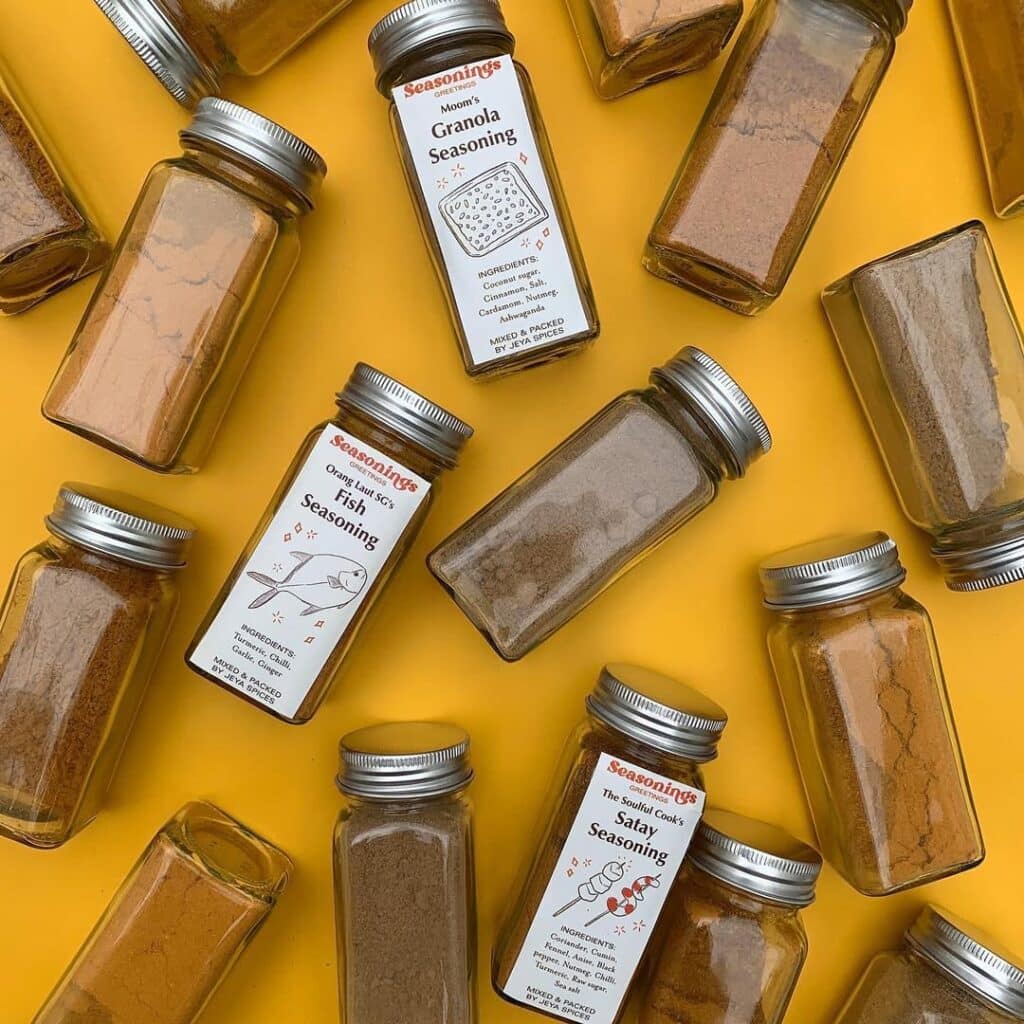
🌶️ Layer 1 – Seasoning: Building the Foundation
If your seasoning is weak, your BBQ will always be playing catch-up. This is the first and most important layer of flavor layers in BBQ.
Choosing the Right Base Flavors
You don’t need a spice cabinet that looks like a science lab.
Start simple:
- Salt (brings everything alive)
- Pepper (adds bite)
- Sugar (balances and helps caramelization)
That’s the backbone of most great BBQ.
Texas-style brisket? Salt and pepper.
Sweeter ribs? Add brown sugar and paprika.
Key idea: Simple doesn’t mean boring – it means controlled.
Dry Rubs vs. Marinades
Here’s the deal:
- Dry rubs = flavor on the surface + great bark
- Marinades = deeper penetration but softer texture
For most BBQ, especially low and slow cooks, rubs win. They build that crust – the thing people fight over.
Timing Matters
Salt isn’t just seasoning – it’s chemistry.
- Apply early, and it draws moisture out, then pulls flavor back in
- Apply last minute, and it just sits there
If you’ve got time, season your meat at least an hour ahead. Overnight? Even better.
Creating a Flavorful Bark
That dark crust on brisket or ribs? That’s the bark, and it’s where serious flavor lives.
It forms when:
- Rub meets heat
- Fat renders
- Smoke sticks
No seasoning = no bark. No bark = sad BBQ.
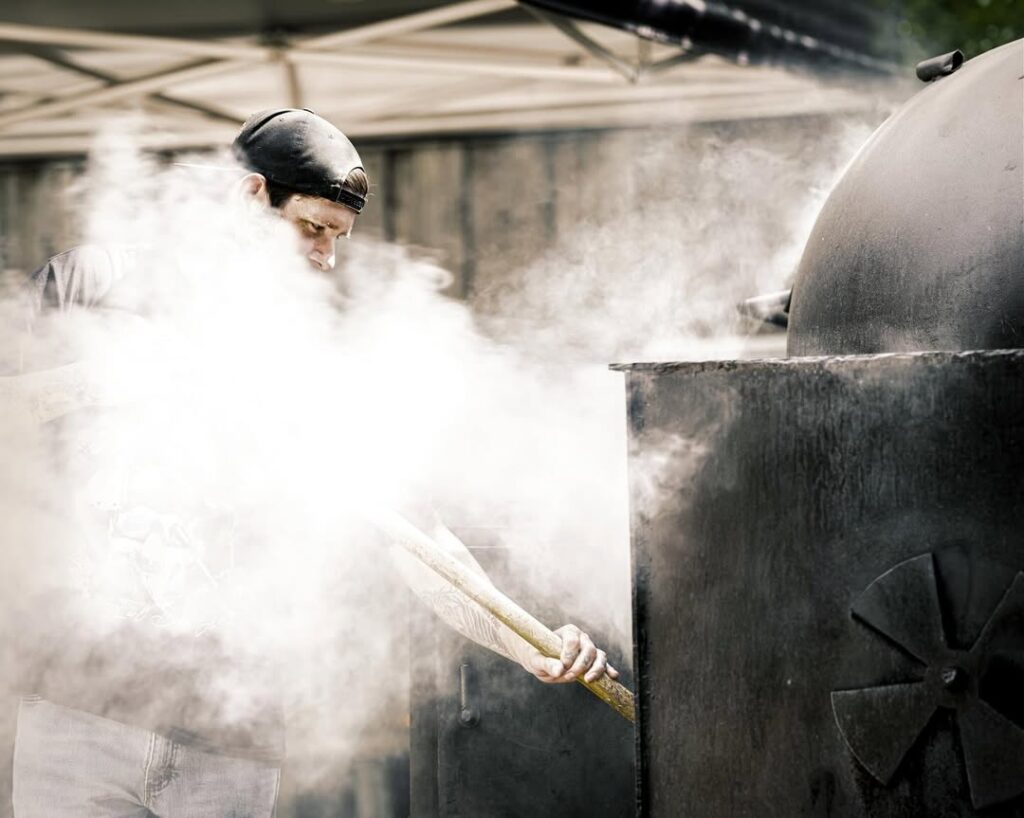
🌫️ Layer 2 – Smoke: Adding Depth and Aroma
Now we get into the soul of BBQ. Smoke is what separates grilling from true barbecue.
But here’s the truth most beginners don’t hear:
More smoke doesn’t mean better BBQ.
Yeah, I said it.
How Smoke Builds Flavor
Smoke is your middle layer – it wraps around your seasoning and sinks into the meat.
It interacts with:
- Fat
- Moisture
- Time
Done right, it adds a deep, almost savory sweetness you can’t fake.
Choosing the Right Wood
Different woods = different personalities:
- Apple, cherry → mild, slightly sweet
- Hickory → bold, classic BBQ flavor
- Mesquite → strong, earthy, easy to overdo
Match your wood to your meat.
Delicate chicken doesn’t need a mesquite punch to the face.
Clean Smoke vs. Dirty Smoke
This is where a lot of BBQ goes sideways.
You want:
- Thin, almost invisible blue smoke
You don’t want:
- Thick white smoke that smells like a campfire gone wrong
Dirty smoke = bitter meat.
If your BBQ tastes like an ashtray, this is probably why.
Timing Your Smoke
Meat absorbs the most smoke early in the cook – while it’s still cool and moist.
After that? You’re just piling on intensity.
Key move:
- Focus your best smoke in the first half of the cook
- Don’t chase smoke the entire time
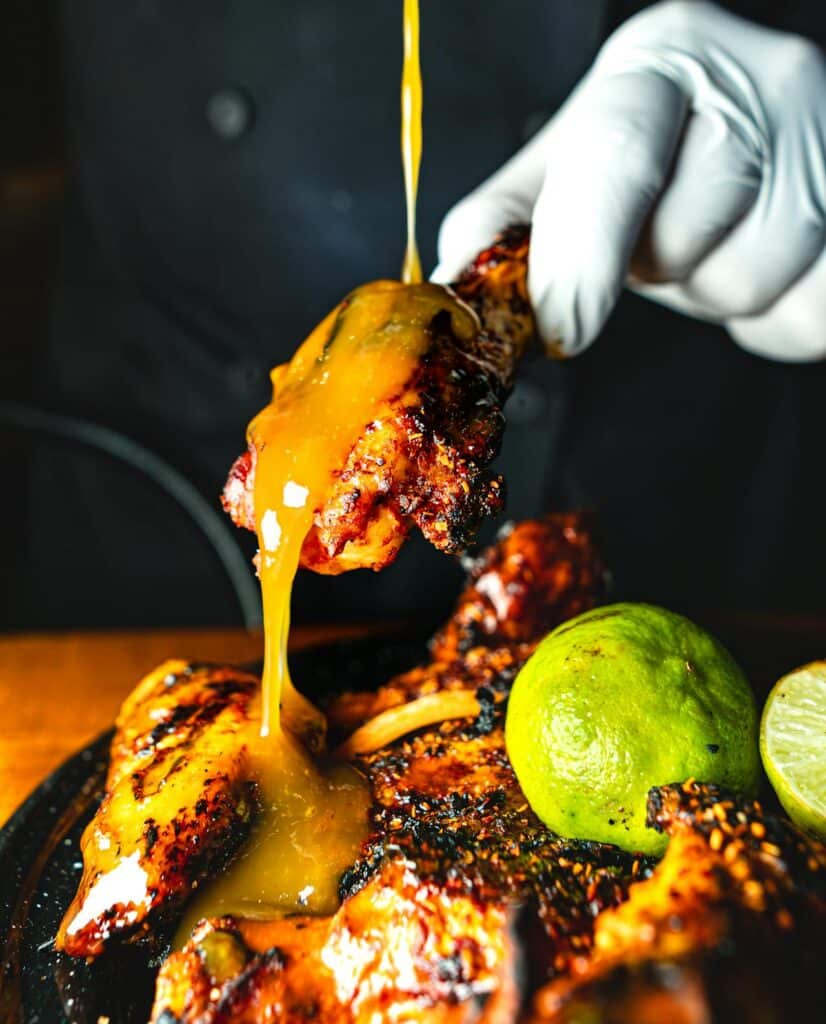
🍯 Layer 3 – Sauce: Finishing with Balance
Let’s settle this: BBQ sauce is not the star of the show.
It’s the final layer – the polish, not the paint job.
If your meat needs sauce to taste good, something went wrong earlier.
The Role of Sauce in Flavor Layering
A good sauce should:
- Highlight what’s already there
- Add contrast (sweet, tangy, spicy)
- Tie everything together
It should never hide mistakes.
Types of BBQ Sauces
Different regions, different vibes:
- Sweet and sticky (Kansas City style)
- Vinegar-based (Carolina style)
- Mustard-based (South Carolina)
- Light and spicy (Texas influence)
Each one changes how your flavor layers in BBQ come across.
When to Apply Sauce
Timing is everything:
- Too early → sugar burns, turns bitter
- Too late → sits on top, doesn’t blend
Sweet spot:
Apply in the last 10–20 minutes so it sets into a glaze.
Glazing for Texture and Shine
This is where BBQ turns from good to “who made this?”
Brush light layers of sauce, let it cook, repeat if needed.
You’re building – not dumping. Always building.
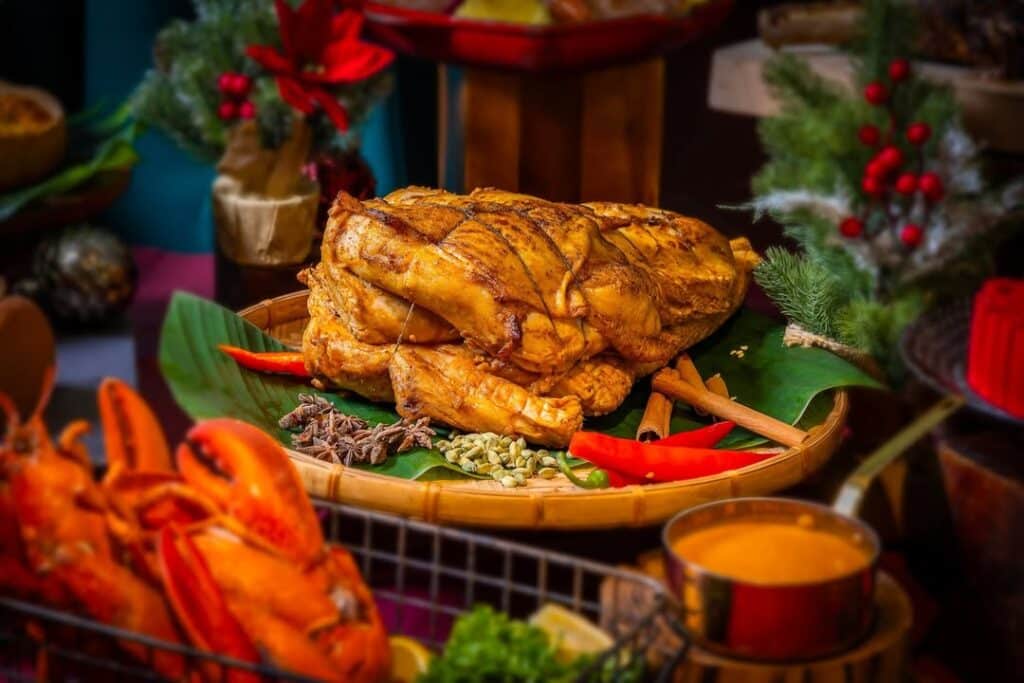
⚖️ Balancing the Three Layers
Here’s the real craft: getting all three layers to work together.
You’re aiming for balance:
- Salt vs. sweet
- Smoke vs. meat flavor
- Richness vs. acidity
A perfect bite might go like this:
- First: crispy, seasoned bark
- Then: deep smoky richness
- Finally: a bright, slightly sweet finish
That’s flavor layers in BBQ working in harmony.
🔥 The Role of Fat in Building Flavor Layers
Here’s something folks overlook: fat is flavor’s best friend. You can have the perfect rub and clean smoke, but without fat, your flavor layers in BBQ won’t carry the same richness.
As meat cooks, fat renders down slowly, acting like a natural flavor delivery system. It absorbs seasoning, traps smoke, and spreads that goodness across every bite. That’s why cuts like brisket and pork shoulder hit harder than lean chicken breast.
But here’s the trick – manage it, don’t drown in it. Too much unrendered fat leaves you chewing wax. Too little, and things taste dry and forgettable.
A good pitmaster watches how fat behaves: how it melts, how it glistens, how it soaks into the bark.
Key idea: Fat doesn’t just add flavor – it carries your entire BBQ story from start to finish.
🌡️ Temperature Control: The Invisible Flavor Layer
Temperature isn’t just about cooking meat safely – it’s quietly shaping your flavor layers in BBQ the whole time.
Too hot, and your seasoning burns before it develops. Too low without control, and you miss that steady transformation that builds depth.
The sweet spot? Consistent, controlled heat. That’s what allows:
- Bark to form properly
- Smoke to stick instead of bounce off
- Fat to render slowly and evenly
Think of temperature like the conductor of an orchestra. You don’t see it, but everything falls apart without it.
I’ve seen great cuts ruined by wild temperature swings – opening the lid every five minutes like it owes you money.
Key phrase: “If you’re lookin’, you ain’t cookin’.”
Hold your temp steady, and your layers will build themselves.
🧪 The Science of Salt and Moisture Retention
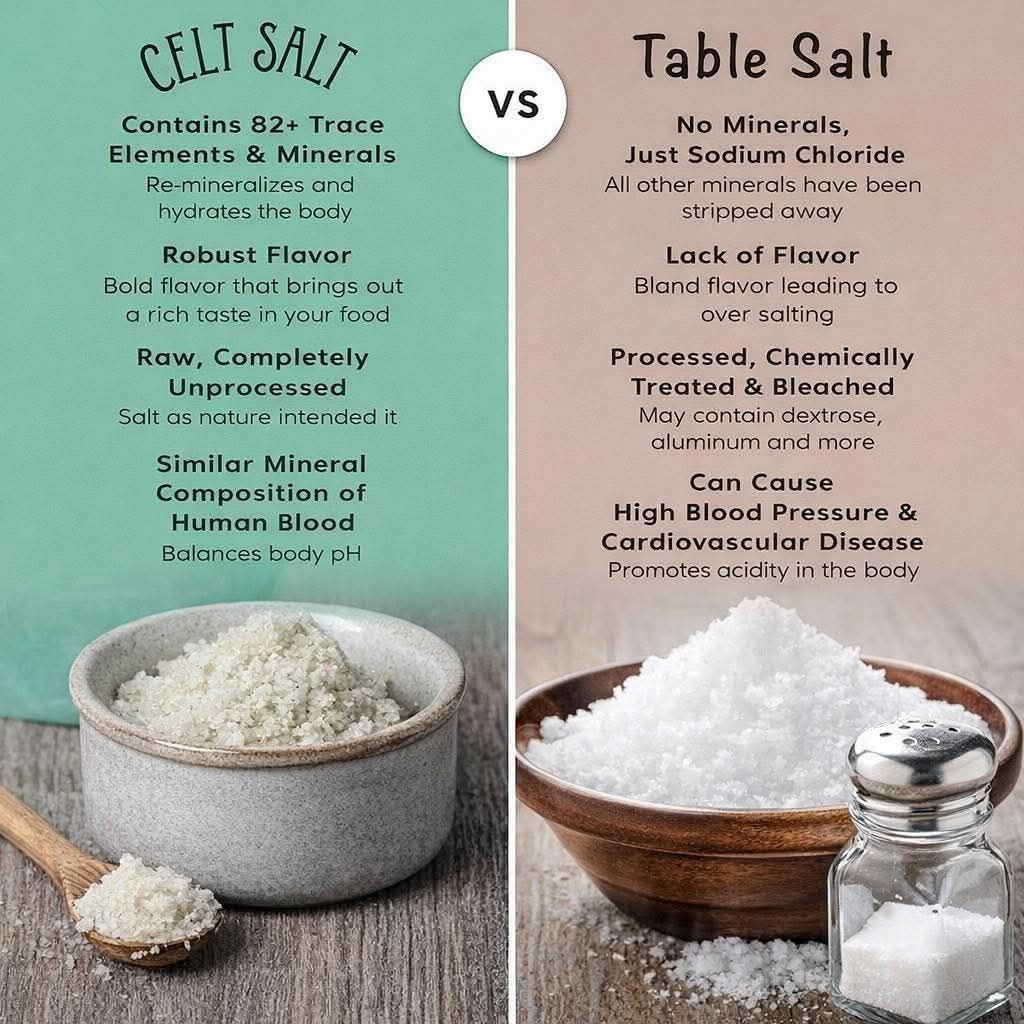
Let’s talk about what salt is really doing – because it’s more than flavor. It’s the backbone of flavor layers in BBQ.
When you salt meat, it pulls moisture to the surface. Then, given time, that liquid gets reabsorbed—bringing salt deep into the meat. That’s how you get flavor beyond just the crust.
This process also helps with moisture retention. Properly seasoned meat stays juicier because the proteins hold onto water better during cooking.
Rush this step, and you lose both depth and texture.
That’s why experienced pitmasters don’t just sprinkle and go – they plan ahead.
Key idea: Salt early, let it work, and let the meat do the rest.
It’s not flashy, but it’s one of the biggest upgrades you can make.
Wood Pairing Like a Pitmaster
Most people pick wood like they pick chips at a store – whatever’s there. But smart pairing is a game-changer for flavor layers in BBQ.
Think of wood like seasoning for your smoke:
- Fruit woods (apple, cherry) bring subtle sweetness
- Nut woods (pecan) add smooth richness
- Hardwoods (oak, hickory) deliver bold, classic BBQ depth
Here’s where it gets interesting – you can blend woods.
Mixing oak with cherry, for example, gives you structure and sweetness. It’s like combining bass and melody.
The goal isn’t just smoke – it’s layered smoke flavor that complements your rub and sauce.
Key phrase: Don’t let your smoke fight your seasoning – make them work together.
That’s how you move from good BBQ to memorable BBQ.
🕒 Resting Meat: The Final Hidden Layer
You’ve built your layers. Now don’t ruin them by slicing too early.
Resting meat is the final, often ignored step in flavor layers in BBQ.
When meat comes off the heat, juices are still moving fast. Cut into it right away, and all that flavor runs out onto the cutting board. That’s not presentation – that’s loss.
Letting meat rest allows:
- Juices to redistribute
- Fibers to relax
- Flavors to settle into balance
Even 10–20 minutes makes a difference. Bigger cuts? Give them longer.
I always say: “You waited hours to cook it – don’t rush the last 15 minutes.”
This step turns good BBQ into something juicy, balanced, and complete.
🧂 Layering with Finishing Salts and Touches
Here’s a pro move: add a final micro-layer right before serving.
A light sprinkle of finishing salt or a quick squeeze of citrus can wake everything up. It sharpens your flavor layers in BBQ without overpowering them.
Think of it like turning up the brightness on a photo – it doesn’t change the picture, it just makes everything clearer.
Some ideas:
- Flaky salt for texture
- Vinegar splash for acidity
- Fresh herbs for contrast
But go easy. This is a highlight, not a rewrite.
The first time you nail this, you’ll notice people pause mid-bite. That’s when you know it worked.
Key idea: Sometimes the smallest layer makes the biggest difference.
🔥 Managing Fire for Cleaner Flavor
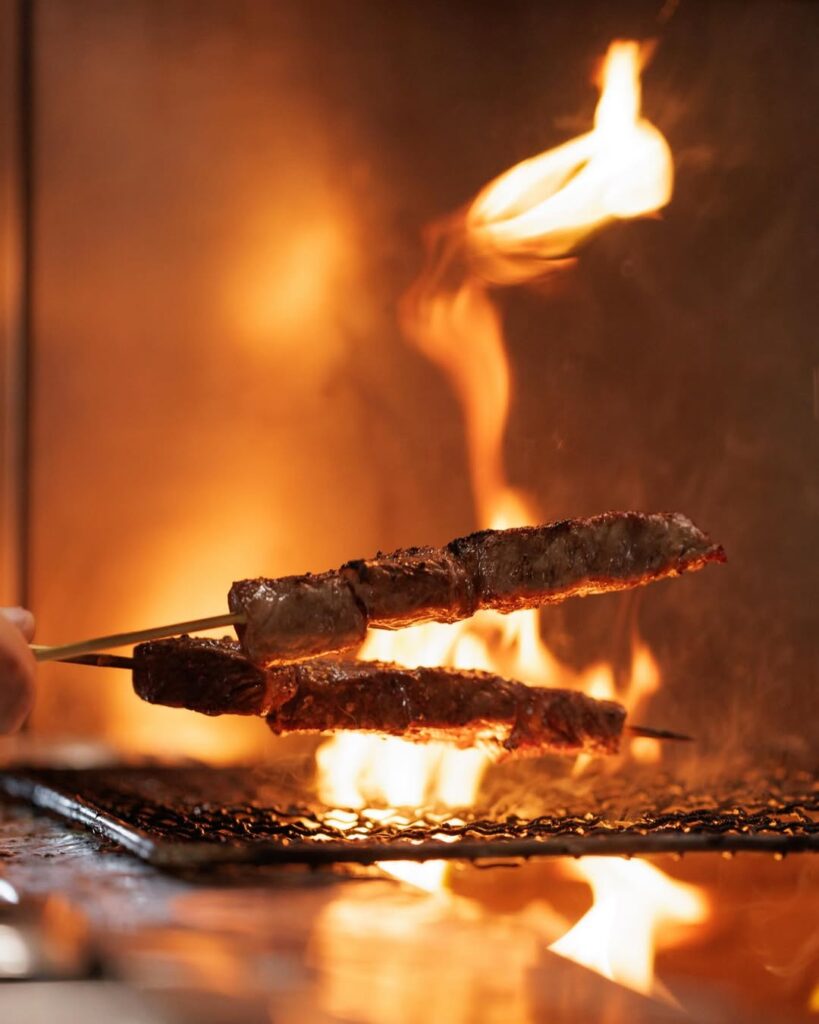
Fire management is where BBQ turns from cooking into craft. And it directly affects your flavor layers in BBQ.
A well-managed fire produces:
- Clean heat
- Clean smoke
- Consistent results
A messy fire? You get bitterness, uneven cooking, and frustration.
The goal is a steady burn, not wild flames or constant flare-ups. That means feeding your fire properly – small, controlled additions instead of dumping fuel all at once.
Watch your fire like you’d watch a slow conversation. It should flow, not spike.
Key phrase: Control the fire, control the flavor.
Once you get this right, everything else becomes easier.
🧠 Developing Your Own Signature Flavor Profile
At some point, you stop copying recipes and start building your own style. That’s when flavor layers in BBQ become personal.
Maybe you lean sweeter. Maybe you like a sharper vinegar finish. Maybe you go heavy on pepper and light on sauce.
There’s no single “correct” BBQ – just balanced BBQ.
Start experimenting:
- Adjust your rub ratios
- Try new wood combinations
- Play with sauce timing
Keep notes if you have to. The best pitmasters remember what worked – and what didn’t.
Key idea: Your BBQ should taste like your decisions, not someone else’s recipe.
That’s when people stop saying “this is good” and start saying, “this tastes like yours.”
🔄 Common BBQ Flavor Layering Mistakes
I’ve made all of these. You probably will too.
- Overloading seasoning like you’re seasoning for five cows
- Smoking so hard it tastes like burnt wood
- Drowning meat in sauce like it’s a lifeboat
- Never tasting along the way
Fix: Keep it intentional. Every layer should have a purpose.
🛠️ Step-by-Step Example: Building Flavor on Ribs
Let’s make it real:
Step 1: Seasoning
Apply a balanced rub. Let it sit. Let it work.
Step 2: Smoke
Low and slow, clean smoke, steady temperature.
Step 3: Sauce
Light glaze near the end. Let it tack up – not drip off.
That’s it. No magic tricks. Just good layering.
💡 Pro Tips for Better BBQ Flavor Layers
A few things that separate decent BBQ from great BBQ:
- Let your meat rest – flavor settles, juices redistribute
- Use quality ingredients – you can’t fake good meat
- Control your temperature like it matters (because it does)
- Trust your taste – adjust as you go
And remember:
You’re not cooking fast food. You’re building something.
Smoke as an Ingredient, Not Just a Technique
At the end of the day, flavor layers in BBQ aren’t complicated – but they do require intention.
- Seasoning builds your base
- Smoke adds depth
- Sauce finishes the story
Get those three working together, and your BBQ stops being just food – it becomes something people remember.
It’s about the patience to let each element settle into the meat without one overpowering the others. When you master that balance, you aren’t just cooking dinner; you’re creating a hallmark of backyard craftsmanship.
FAQ: Flavor Layers in BBQ
🔥 What are flavor layers in BBQ?
Flavor layers in BBQ means building taste in stages – seasoning first, smoke second, sauce last. Each layer adds something different, creating depth instead of one flat flavor. When done right, you taste a progression in every bite, not just one overpowering note.
🧂 How long should I let seasoning sit on meat?
At least 1 hour, but longer is better. Overnight gives salt time to penetrate deeper and improve moisture retention. If you’re short on time, even 30 minutes helps – but don’t skip it entirely.
🌫️ Can you use too much smoke in BBQ?
Absolutely. Too much smoke leads to a bitter, harsh taste that ruins your flavor layers in BBQ. Aim for clean, thin blue smoke, not thick white clouds. Remember: smoke should enhance, not dominate.
🍯 When should I apply BBQ sauce?
Near the end of cooking – usually the last 10–20 minutes. This lets the sauce set into a glaze without burning. Applying it too early can scorch the sugars and turn your BBQ bitter.
🥩 What’s the best meat for practicing flavor layering?
Start with ribs or pork shoulder. They’re forgiving, flavorful, and respond well to all three layers – seasoning, smoke, and sauce. Brisket is great too, but it’s less forgiving for beginners.
🔥 Do I need a smoker to build flavor layers in BBQ?
Not necessarily. You can use a charcoal grill with wood chunks to create smoke. The key is controlling heat and airflow so you still build proper flavor layers in BBQ, even without a dedicated smoker.
⚖️ How do I balance sweet, smoky, and salty flavors?
Think in contrast:
- Too salty? Add a touch of sweetness or acidity
- Too smoky? Keep sauce lighter and brighter
- Too sweet? Add spice or vinegar
Balance is the goal, not intensity in one direction.
🧪 Should I marinate or use a dry rub?
For most BBQ, go with a dry rub. It helps create bark and builds a strong base layer. Marinades can work, but they often soften the surface and don’t deliver that same crust.
🕒 Why is resting meat so important?
Resting allows juices to redistribute evenly, keeping meat moist and flavorful. Cut too early, and all that flavor runs out. Think of resting as the final step in locking in your flavor layers in BBQ.
🧂 Can I add more flavor after cooking?
Yes – but keep it subtle. A sprinkle of finishing salt or a splash of vinegar can brighten flavors without overpowering them. It’s a small touch that can make a big difference.
Featured image credit: Lalada .
