
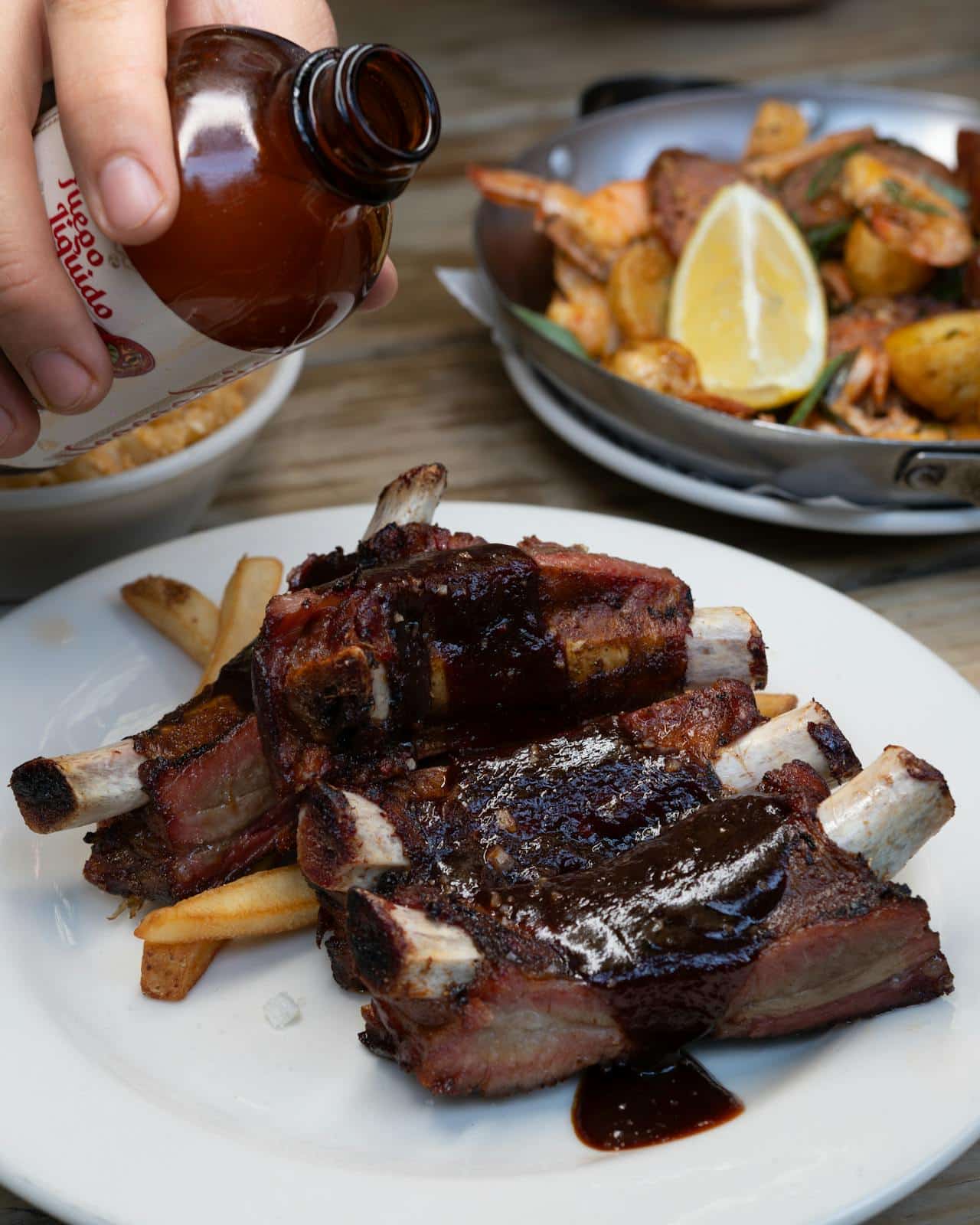
Last summer, I watched a neighbor spend six hours tending a smoker… only to slather his ribs with store-bought sauce at the end. That’s like running a marathon and taking a tricycle across the finish line.
Here’s the truth most folks don’t hear enough: great barbecue sauce doesn’t have to be complicated. You don’t need a pantry full of obscure ingredients or a full afternoon to get something bold, balanced, and downright addictive.
This is my go-to quick and easy barbecue sauce – the one I use when time is tight but standards are still high. It’s sweet, tangy, smoky, and flexible enough to work on ribs, chicken, and brisket without missing a beat.
Why This Barbecue Sauce Solves Issues
A lot of sauces lean too hard in one direction—too sweet, too acidic, or so smoky it tastes like a campfire accident. This one hits the middle lane clean.
The secret is what pitmasters quietly call the “flavor triangle”:
- Sweetness (to round things out)
- Acidity (to cut through fat)
- Savory depth (to keep it interesting)
This barbecue sauce nails all three without overthinking it.
Even better:
- It uses pantry staples you already have
- It comes together in under 20 minutes
- It’s easy to tweak depending on your taste or what’s on the grill
In short: it works because it respects your time and your food.
The Biggest Barbecue Sauce Mistakes (And How to Avoid Them)
I’ve seen perfectly good meat get sabotaged in the final minutes – and more often than not, it’s the barbecue sauce that’s to blame. The problem isn’t the sauce itself – it’s how and when people use it.
Here are the usual suspects:
- Applying sauce too early
Sugar burns fast. What you want is a glossy glaze – but what you get is bitter, blackened regret. - Over-saucing the meat
More is not better. It just drowns out natural flavor and turns good BBQ into a sticky mess. - Unbalanced barbecue sauce
Too sweet, too tangy, or too smoky without restraint throws everything off.
A great barbecue sauce enhances – it doesn’t dominate. - Skipping the taste test
That’s like cooking blindfolded. Always adjust before serving.
At the end of the day, great BBQ comes down to control and timing – and knowing when the sauce should step in… and when it should stay out of the way.
Matching Barbecue Sauce to Different Cuts of Meat
Not all meats play the same game, and your barbecue sauce shouldn’t either. Each cut has its own personality – and your sauce needs to respect that.
Here’s how to match them right:
- Ribs → Thick and sticky
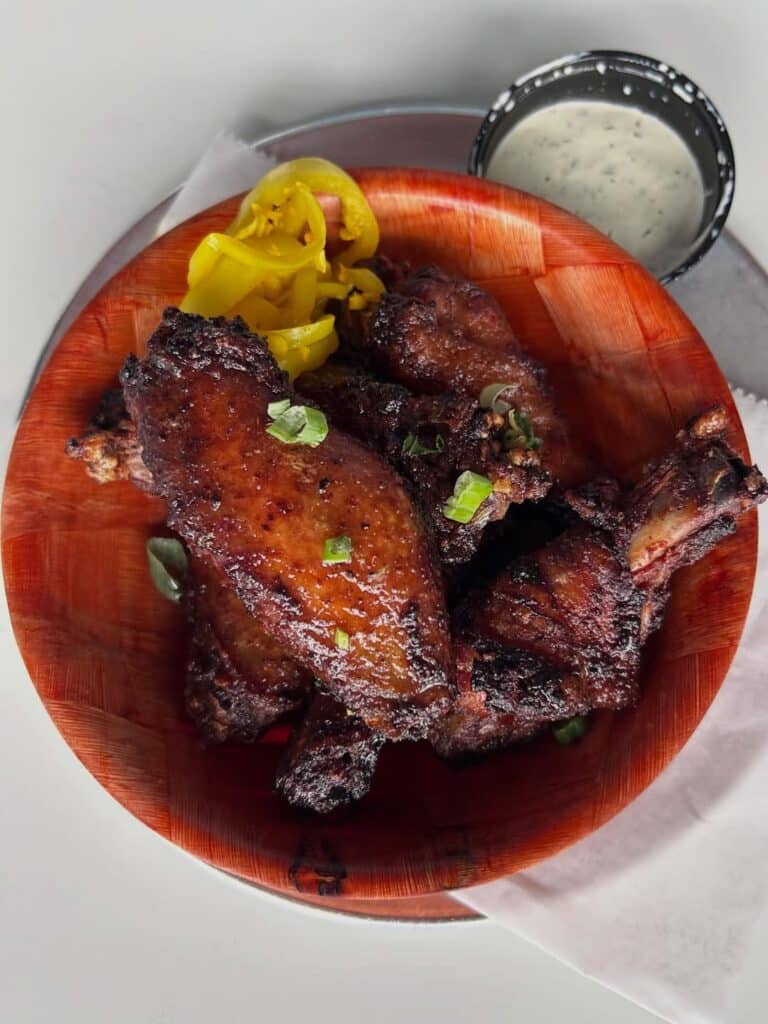
Ribs love a rich, layered barbecue sauce that clings to the bark and builds that classic lacquered finish. - Chicken → Light and slightly sweet
Chicken needs a gentler glaze that won’t overpower its naturally mild flavor. - Brisket → Subtle and balanced
Brisket is bold on its own. It pairs best with a light touch of barbecue sauce – or even served on the side.
The rule I always follow: “meat first, sauce second.” You’re not masking flavor – you’re supporting it.
Think of barbecue sauce as a finishing seasoning, not the main event. When you match it properly, everything tastes more intentional – and a whole lot more professional.
How to Layer Flavor Like a Pitmaster
If you want your barbecue sauce to taste like it came from someone who knows their way around a smoker, you need to think in layers.
Great BBQ isn’t built in one step – it’s stacked over time.
Here’s how to do it right:
- Start with a solid base
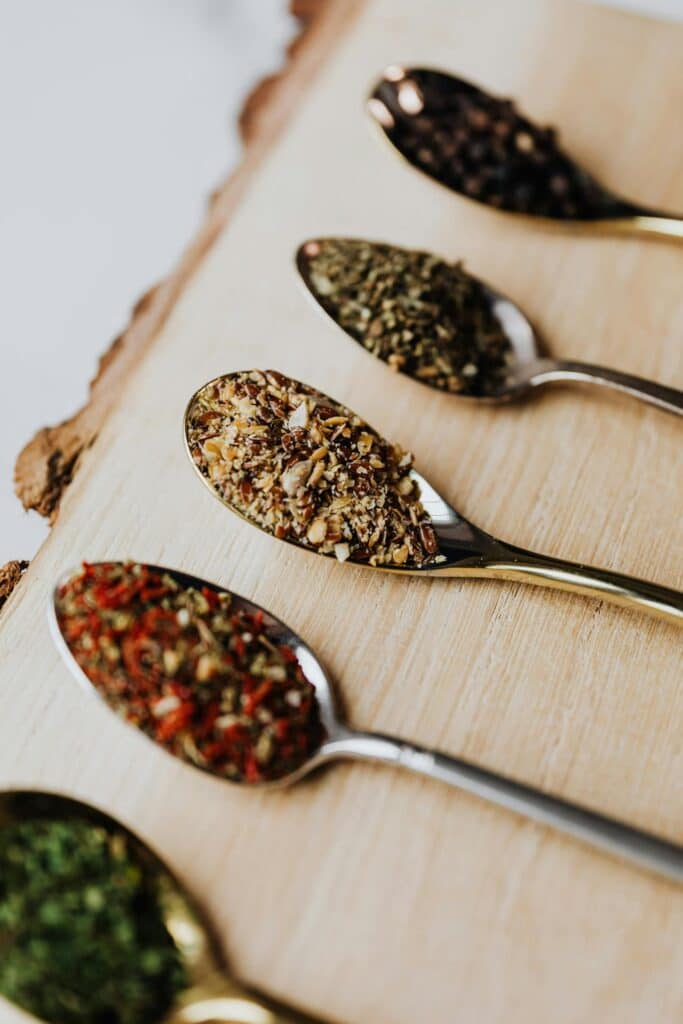
A good rub sets the foundation. That’s your first layer of flavor. - Let the crust develop
Give the meat time to form that deep, flavorful bark before introducing sauce. - Use thin layering
Brush on a light coat of barbecue sauce, let it set, then repeat.
Each layer builds complexity without turning into a sticky overload. - Finish with fresh sauce (optional)
A small amount of uncooked sauce at the end adds brightness and contrast.
The goal here is depth of flavor – not just surface sweetness. It’s not more work – it’s just smarter cooking.
Backyard BBQ Timing: When Sauce Makes or Breaks the Cook
Timing is everything in BBQ – and your barbecue sauce can make or break the final result.
Get it wrong, and you’ll know immediately.
- Too early = burned sauce
High heat + sugar = charred, bitter coating - Too late = no impact
The sauce just sits there, never bonding with the meat
So what’s the sweet spot?
- Apply during the final stretch of cooking
o Ribs: last 20–30 minutes
o Chicken: last 10–15 minutes
- You want the sauce to tighten, glaze, and caramelize slightly – not burn
Here’s the rule I give beginners:
If your grill is still aggressively hot, it’s not sauce time yet.
Also, remember:
- Sauce continues to set after you pull the meat off
- Don’t panic if it looks a little loose at first – it’ll come together
Mastering BBQ timing turns your barbecue sauce from just a condiment into a true finishing move – and that’s where good BBQ becomes great.
Flavor Profile: What to Expect
This barbecue sauce doesn’t shout – it speaks clearly.
- Sweet but not sugary
- Tangy without being sharp
- Smoky without overpowering the meat
It’s designed to support your BBQ – not steal the show. Think of it as a great backup singer, not the lead vocalist.
How to Use This Barbecue Sauce
Ribs
Brush it on during the last 20–30 minutes of cooking. Layer it lightly, let it set, then repeat. You’re building a sticky, lacquered finish, not drowning the ribs.
Chicken
Chicken can burn fast, especially with sugar in the sauce.
So:
- Grill first
- Sauce later
Apply during the final minutes for that perfect glossy coating without the charred bitterness.
Brisket
Now here’s where people get opinionated. Personally? I treat sauce as a finishing touch, not a crutch. Serve it on the side or apply a light glaze right before slicing. If your brisket is good, the sauce should complement – not cover mistakes.
Pro Tips from the Pit
I’ve made more batches of barbecue sauce than I can count – some great, some… educational. Here’s what actually matters:
- Low heat wins – rushing it kills flavor development
- Taste as you go – don’t follow blindly, adjust boldly
- Balance beats intensity – more isn’t always better
- Thin it if needed – a splash of water or vinegar keeps it brushable
- Double the batch – trust me, it disappears fast
And one hard-earned lesson:
Don’t walk away thinking “it’ll be fine.” That’s how sauce turns into sticky regret.
Storage and Shelf Life
Once cooled, pour your sauce into an airtight container.
- Keeps in the fridge for up to 1 week
- Reheat gently before using
- Can be frozen if you somehow don’t use it all (rare, but possible)
Easy Variations
Once you’ve got the base down, you can start playing around.
Sweet Honey Version
Add more honey for a smoother, richer glaze – great for chicken.
Spicy Kick
A pinch of cayenne or a few dashes of hot sauce brings heat without overpowering the balance.
Smoky Upgrade
Boost the smoked paprika or add a tiny bit of liquid smoke for deeper BBQ flavor. Think of this recipe as your foundation, not a limitation.
One Recipe, Endless Possibilities
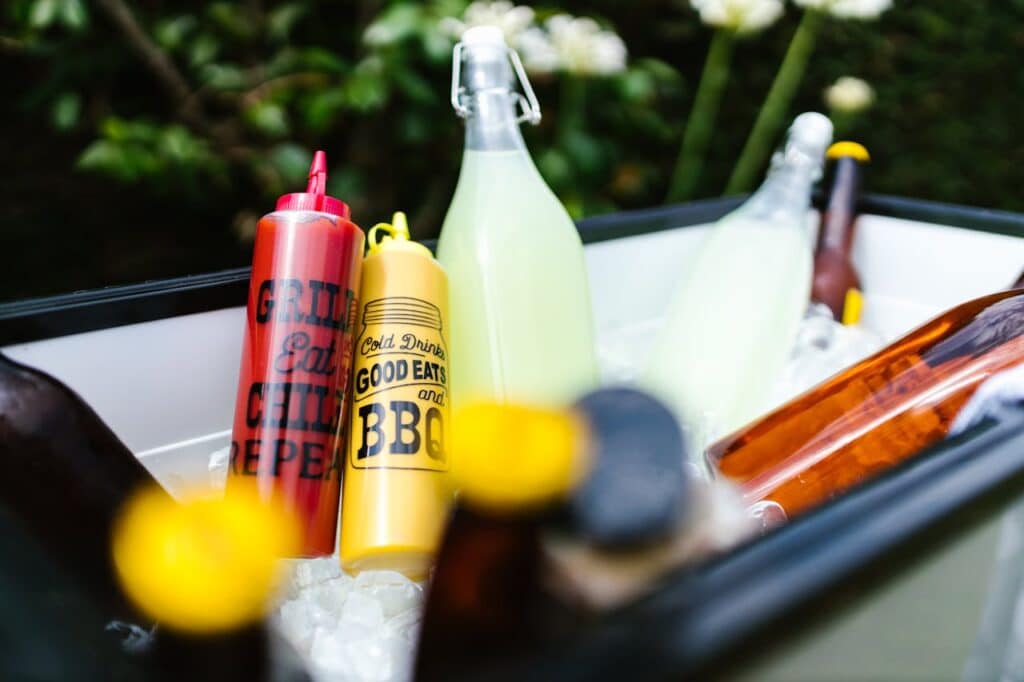
Backyard BBQ has a reputation for being time-consuming and complicated – but it doesn’t have to be.
This quick and easy barbecue sauce proves you can get big, layered flavor without babysitting a pot all day. It works across ribs, chicken, and brisket because it respects what barbecue is supposed to be: simple food, done well.
Make it once, tweak it twice, and before long, you’ll have a version that’s unmistakably yours.
And when someone asks where you bought that sauce?
Just smile and say, “I didn’t.”
Featured image credit: Kuiyibo Campos
