Steak lovers love to argue. Mention reverse searing, dry-aging, or whether flipping a steak more than once is a crime, and suddenly everyone becomes a culinary expert. Then Bistecca alla Fiorentina enters the conversation and quietly humbles them all.
This legendary Tuscan steak isn’t covered in fancy rubs, swimming in marinades, or buried under sauces.
In fact, if someone hands you a bottle of steak sauce next to an authentic Bistecca alla Fiorentina, an Italian grandmother somewhere might feel a mysterious disturbance in the force.
The beauty of this dish lies in its confidence. A thick-cut steak, roaring-hot heat, a generous pinch of salt, and patience are all it takes. That simplicity is exactly what makes it intimidating. With nowhere to hide mistakes, every step matters.
The good news? Restaurant-quality results don’t require a wood-fired Tuscan grill or a culinary degree. They come from understanding how beef behaves over high heat and respecting the traditions that have made Bistecca alla Fiorentina famous for centuries.
Fire up the grill, sharpen your knife, and leave the complicated recipes for another day. This guide breaks everything down into practical, easy-to-follow techniques that will help you cook one of Italy’s most celebrated steaks like a seasoned professional.
What Is Steak Florentine (Bistecca alla Fiorentina)?
At first glance, Bistecca alla Fiorentina looks like a giant T-bone steak. While that’s technically true, calling it “just a T-bone” is like calling a Ferrari “just a car.”
Originating in Florence, the capital of Tuscany, this steak has become one of Italy’s signature dishes.
Traditionally, it is cut from premium cattle such as Chianina, one of the oldest and largest cattle breeds in the world. The steak is exceptionally thick – often between 1½ and 3 inches thick – and weighs anywhere from 2 to 4 pounds, making it perfect for sharing.
What makes it special?
- An extra-thick bone-in steak
- Minimal seasoning
- Extremely high cooking temperatures
- Rare to medium-rare doneness
- Premium-quality beef that speaks for itself
The philosophy is simple: the beef should be the star. Every decision, from seasoning to serving, is designed to highlight its natural flavor rather than cover it up.
The History Behind the Steak
Legend says the name “bistecca” dates back to the Medici era during the Feast of Saint Lawrence in Florence. English visitors reportedly referred to the grilled beef as “beef steak,” and the Italians adapted the pronunciation into “bistecca.”
Whether every detail of that story is perfectly accurate or not, one thing is certain: Bistecca alla Fiorentina has become a symbol of Tuscan cuisine.
Across Tuscany, families gather around charcoal grills to cook enormous steaks over glowing embers. The tradition isn’t about complicated recipes. It’s about great ingredients, shared meals, and respecting the craft.
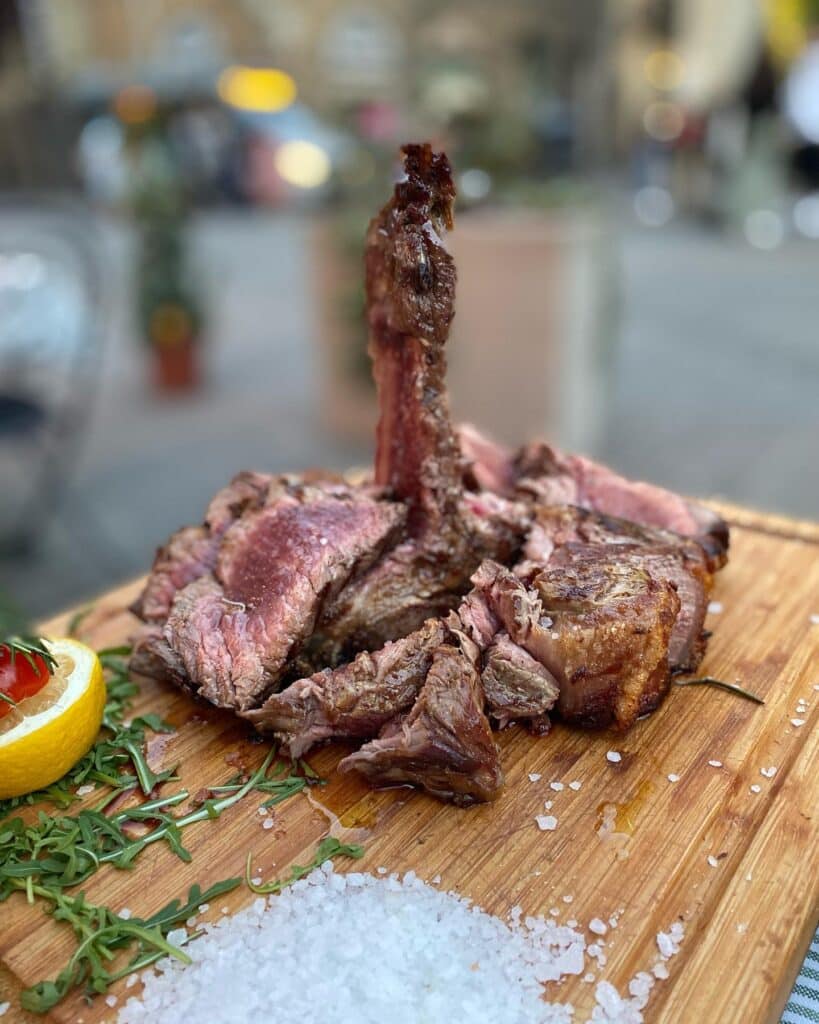
Choosing the Right Cut of Beef
One lesson separates unforgettable steaks from disappointing ones:
You can’t outcook poor-quality beef.
No seasoning blend or cooking trick will magically transform an average steak into an authentic Florentine experience.
Traditional Choices
Authentic Bistecca alla Fiorentina uses:
- Chianina beef
- Maremmana beef
- Large Porterhouse steaks
- Thick-cut T-bone steaks
Outside Italy, finding Chianina isn’t always practical. Fortunately, several excellent alternatives exist.
Best Alternatives
Look for:
- USDA Prime Porterhouse
- Dry-aged Porterhouse
- Prime T-bone
- High-quality grass-fed beef
Whenever possible, choose steaks with generous marbling. Those thin white streaks of fat slowly melt during cooking, naturally basting the meat from the inside.
Think of marbling as your steak’s built-in flavor insurance.
Thickness Matters
One of the biggest mistakes home cooks make is buying steaks that are too thin.
A traditional Bistecca alla Fiorentina should measure at least:
- 1½ inches thick
- Ideally 2 inches or more
- Between 2 and 4 pounds
A thick steak gives you room to build an incredible crust while keeping the center beautifully juicy.
Thin steaks simply don’t have enough time to develop that contrast before they overcook.
Essential Equipment for Professional Results
Fancy gadgets are optional. The right tools, however, make a noticeable difference.
Grill
A charcoal grill remains the traditional choice. The live fire creates subtle smoky flavors while producing the intense heat necessary for an exceptional crust. Gas grills also work well when preheated properly.
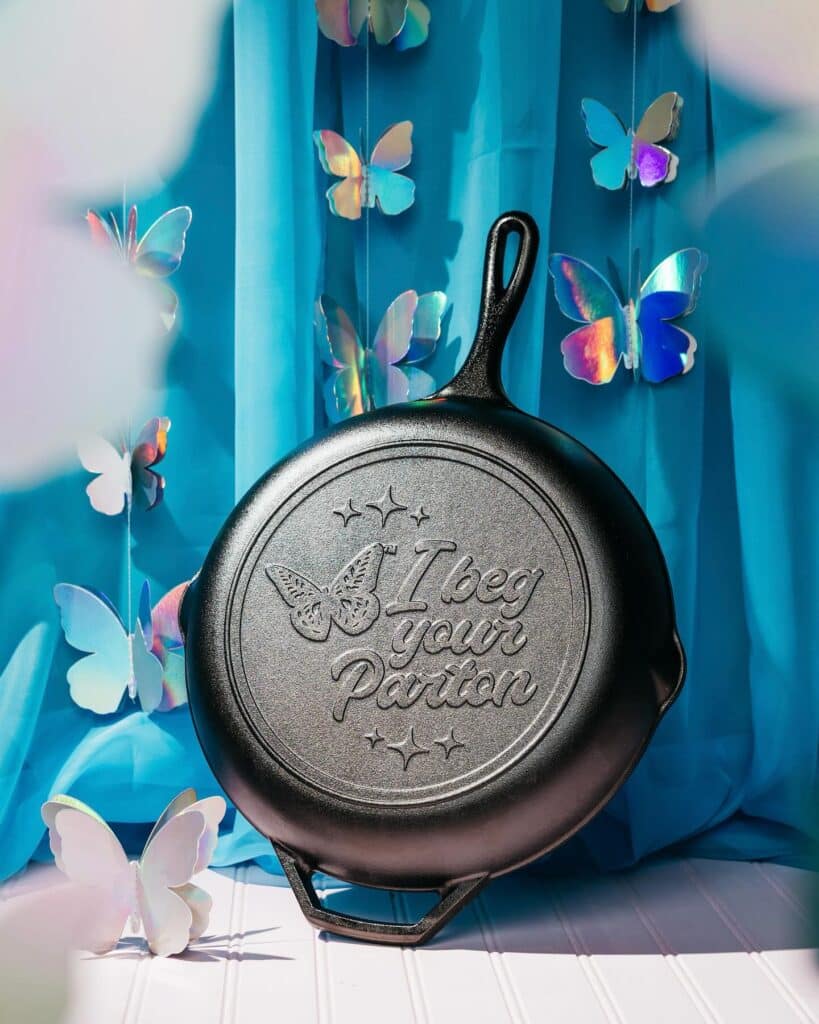
Cast-Iron Skillet
No outdoor grill? A heavy cast-iron skillet can deliver remarkably similar results. Cast iron stores enormous amounts of heat, making it perfect for creating deep caramelization.
Helpful Tools
Keep these nearby:
- Instant-read thermometer
- Long metal tongs
- Wire cooling rack
- Sharp carving knife
- Large cutting board
Notice what’s missing?
No meat fork.
Poking holes into a beautiful steak lets precious juices escape. That’s like poking holes in your wallet before payday.
Ingredients You’ll Need
Authentic Bistecca alla Fiorentina has one of the shortest ingredient lists in Italian cooking.
That’s intentional.
Essential Ingredients
- Thick-cut Porterhouse or T-bone
- Kosher salt
- Freshly cracked black pepper
- Extra virgin olive oil
- Lemon wedges
Optional Finishing Ingredients
- Fresh rosemary
- Garlic cloves
- Flaky sea salt
Resist the temptation to add garlic powder, onion powder, paprika, brown sugar, coffee rubs, or twenty-seven mysterious spices. Those belong on other recipes.
Steak Florentine celebrates beef – not seasoning blends.
Preparing the Steak Before Cooking
Professional kitchens rarely rush steaks from refrigerator to grill. Preparation begins well before the fire.
Bring the Steak Closer to Room Temperature
Allow the steak to sit out for about 30 to 45 minutes. This promotes more even cooking from edge to center.
Pat It Completely Dry
Moisture is the enemy of browning. Use paper towels to thoroughly dry every surface.
Dry meat equals better crust.
That’s one of the simplest tricks professionals use every day.
Season Generously
Season both sides with kosher salt. Add freshly cracked black pepper shortly before cooking.
Because the steak is exceptionally thick, don’t be shy with the seasoning. Much of it stays on the exterior while the interior remains naturally beefy.
Leave the Marinade Behind
Many people instinctively reach for bottled marinades. For Bistecca alla Fiorentina, that’s unnecessary.
A premium steak already contains everything needed for incredible flavor.
The grill provides the smoke.
The fat provides richness.
The salt enhances both.
Sometimes cooking is less about adding more – and more about knowing when to stop.
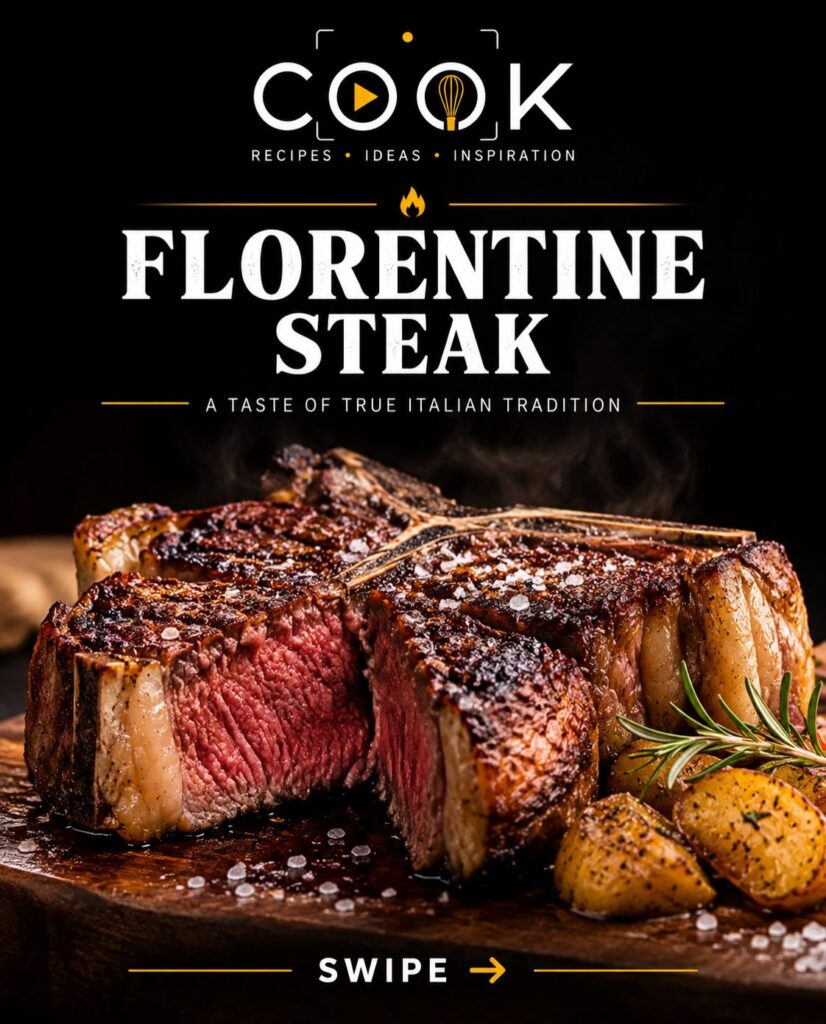
Step-by-Step: How to Cook Steak Florentine Like a Professional Chef
Cooking begins long before the steak touches the grate. A properly heated grill is every bit as important as the quality of the beef. Aim for very high heat, around 500–650°F (260–343°C) if possible.
The goal is simple:
Create a deeply caramelized crust while protecting the juicy interior.
Step 1: Preheat the Grill
Allow the grill to become blazing hot. Clean and lightly oil the cooking grates. A clean grill helps prevent sticking while producing cleaner grill marks.
Step 2: Place the Steak on the Grill
Lay the steak directly over the hottest section. Now comes the hardest part.
Don’t touch it.
Every few seconds someone feels compelled to peek underneath. Fight that urge. Let the heat do its work. A proper crust takes patience.
Step 3: Flip Only Once
After several minutes, flip the steak using tongs. The second side usually cooks slightly faster because the meat is already warm. Avoid pressing down on the steak. You’re cooking it – not squeezing it like a sponge.
Step 4: Render the Fat
Hold the steak upright with tongs. Allow the fat cap to render for a minute or two.
This step melts flavorful fat while adding another layer of delicious browning.
The aroma alone is enough to make neighbors suddenly become very interested in your weekend plans.
Step 5: Check the Internal Temperature
Professional cooks don’t rely solely on time. They rely on temperature.
A steak can look perfectly cooked on the outside while being overdone – or still too rare – inside. That’s why an instant-read meat thermometer is one of the best investments for anyone serious about grilling.
Insert the thermometer into the thickest part of the steak, avoiding the bone. Bones conduct heat differently and can give you an inaccurate reading.
For an authentic Bistecca alla Fiorentina, aim for these temperatures:
- Rare: 120–125°F (49–52°C)
- Medium-Rare: 130–135°F (54–57°C)
- Medium: 140–145°F (60–63°C)
Traditional Florentine steak is served rare to medium-rare. Cooking it beyond medium changes the texture and masks the natural tenderness that makes this dish so famous.
Remember that the steak will continue cooking after it leaves the grill. This is called carryover cooking, and the internal temperature usually rises another 5 degrees while resting.
Pull the steak off the heat slightly earlier than your target temperature. That small adjustment often separates a good steak from a great one.
Step 6: Let the Steak Rest
Nothing tests a cook’s patience quite like a perfectly grilled steak sitting untouched on a cutting board.
After spending all that time building a gorgeous crust, the temptation to slice into it immediately is almost unbearable.
Don’t.
Resting the steak is just as important as cooking it.
During grilling, the juices inside the meat move toward the center because of the intense heat. Giving the steak 10 to 15 minutes to rest allows those juices to redistribute throughout the meat.
Cut too early, and those flavorful juices end up on the cutting board instead of in every bite.
A rested steak is:
- More tender
- More flavorful
- Noticeably juicier
Waiting a few extra minutes pays off every single time.
Step 7: Slice Against the Grain
Once the steak has rested, it’s finally time to carve.
Separate the strip loin and tenderloin from the bone before slicing each section into thick strips.
Pay attention to the direction of the muscle fibers, also known as the grain.
Always slice across the grain – not with it.
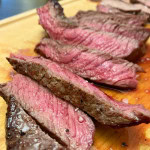
Shortening those muscle fibers makes every bite easier to chew and noticeably more tender.
Finish with a sprinkle of flaky sea salt, a drizzle of high-quality extra virgin olive oil, and a squeeze of fresh lemon, if desired.
Simple.
Elegant.
Exactly the way Bistecca alla Fiorentina was meant to be enjoyed.
Professional Chef Tips for the Perfect Bistecca alla Fiorentina
Every experienced grill master has a handful of habits that consistently produce exceptional steaks. None of these are complicated.
Together, they make a remarkable difference.
1. Start With Exceptional Beef
Great steak begins at the butcher, not the grill.
Choose beef with abundant marbling, a vibrant red color, and firm, creamy-white fat.
Whenever possible, buy from a trusted local butcher instead of selecting the first steak you see in the supermarket.
Quality ingredients do most of the heavy lifting.
2. Get the Grill Extremely Hot
One of the biggest misconceptions is that lower heat creates a more evenly cooked steak.
For Bistecca alla Fiorentina, the opposite is true.
High heat creates the signature crust without drying out the center.
A hot grill also minimizes sticking and encourages the Maillard reaction – the chemical process responsible for that rich brown crust and deep roasted flavor.
No fancy seasoning can replace proper browning.
3. Season Simply but Generously
This steak isn’t about layering flavors. It’s about highlighting what’s already there.
Stick with:
- Kosher salt
- Freshly cracked black pepper
- Extra virgin olive oil after cooking
Anything beyond that should play a supporting role rather than steal the spotlight. The beef deserves center stage.
4. Avoid Constant Flipping
Everyone knows someone who flips a steak every thirty seconds.
Sometimes it’s nervous energy.
Sometimes it’s boredom.
Either way, resist the urge.
Allow each side enough time to develop a proper crust before turning it.
Patience creates flavor.
5. Keep the Lid Closed When Grilling
Every time the grill lid opens, valuable heat escapes. That forces the grill to work harder and extends cooking time.
Think of it like opening the oven every two minutes while baking a cake. Curiosity is expensive.
Keep the lid closed unless you’re flipping the steak or checking its temperature.
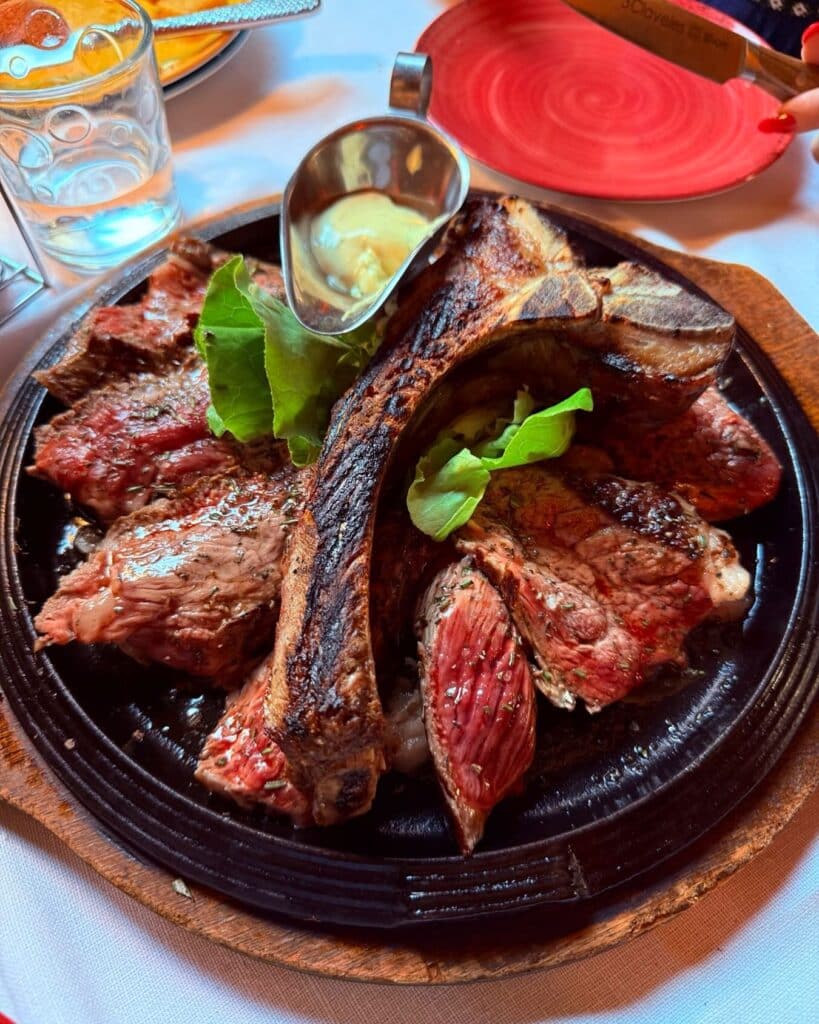
6. Slice Only When You’re Ready to Serve
A beautifully carved steak doesn’t stay hot forever. Slice it just before serving to preserve its temperature and juices.
For large gatherings, bring the whole steak to the table first.
Carving it in front of your guests adds a little theater – and let’s be honest, everyone loves watching a perfectly cooked steak being sliced.
Common Mistakes to Avoid
Even experienced home cooks occasionally sabotage a great steak. Fortunately, these mistakes are easy to avoid once you recognize them.
Buying a Thin Steak
Authentic Bistecca alla Fiorentina depends on thickness.
Thin steaks cook too quickly, leaving little opportunity to develop a rich crust while maintaining a juicy center.
Whenever possible, choose steaks at least 1½ inches thick. Thicker is even better.
Overcooking the Meat
Premium beef loses moisture rapidly once it passes medium.
The result is a steak that’s firm, dry, and lacking the buttery texture that defines Florentine steak.
Don’t cook by guesswork. Cook by temperature.
An instant-read thermometer removes uncertainty and helps deliver consistent results.
Starting With a Cold Steak
Placing an ice-cold steak directly onto the grill often causes uneven cooking. The outside browns quickly while the center struggles to catch up.
Allowing the steak to sit out briefly before cooking promotes a more consistent finish.
Skipping the Rest
This mistake is probably the most common – and the most heartbreaking.
After grilling a beautiful steak, slicing immediately releases much of the flavorful juice onto the cutting board.
Those juices belong inside the steak.
Rest first. Slice second.
Using Too Many Seasonings
One of the easiest ways to overpower premium beef is by adding too much.
Heavy spice blends, sugary rubs, sticky glazes, and bottled marinades all compete with the natural flavor of the meat.
With Bistecca alla Fiorentina, less truly is more. A quality steak doesn’t need to wear a disguise.
Forgetting About Carryover Cooking
Many cooks wait until the steak reaches the exact temperature they want before removing it from the grill.
By then, it’s already too late.
Residual heat continues cooking the meat even after it’s off the fire.
Remove the steak about 5°F below your desired final temperature.
That simple adjustment produces far more accurate results.
How to Know When Bistecca alla Fiorentina Is Done
Color alone isn’t a reliable indicator of doneness. Lighting, steak thickness, and beef quality can all affect appearance. Instead, use internal temperature as your guide.
| Doneness | Internal Temperature | Appearance |
| Rare | 120–125°F (49–52°C) | Cool, deep red center |
| Medium-Rare | 130–135°F (54–57°C) | Warm, bright red center |
| Medium | 140–145°F (60–63°C) | Warm pink center |
For the most authentic experience, rare to medium-rare is the traditional choice.
It preserves the steak’s natural tenderness while allowing its rich beef flavor to shine.
Anything beyond that is certainly a personal preference – but in Tuscany, asking for a well-done Bistecca alla Fiorentina might earn you a puzzled look and a gentle reminder that some traditions are worth keeping.
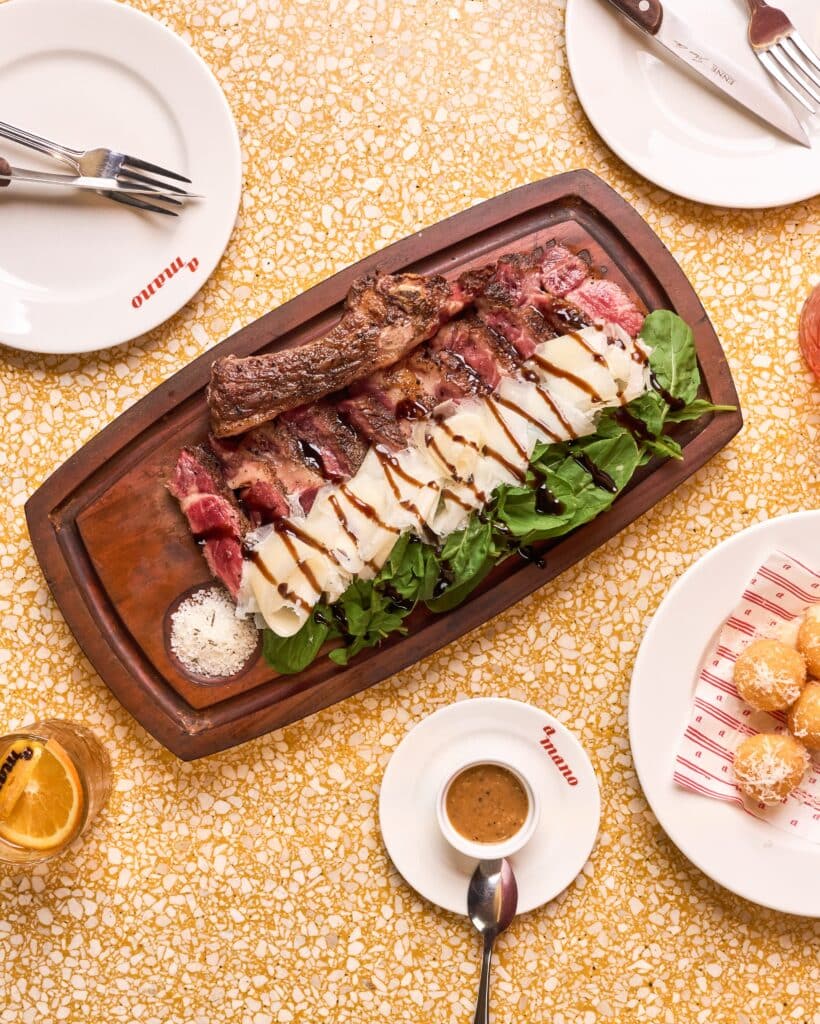
Traditional Side Dishes to Serve with Bistecca alla Fiorentina
A steak this impressive doesn’t need elaborate accompaniments. In Tuscany, the philosophy is the same as with the steak itself: keep it simple and let quality ingredients shine.
The goal is to complement the rich, beefy flavor – not compete with it.
Roasted Potatoes
Golden, crispy roasted potatoes are one of the most popular side dishes for Bistecca alla Fiorentina.
Season them with:
- Extra virgin olive oil
- Fresh rosemary
- Garlic cloves
- Sea salt
- Black pepper
The crispy exterior and fluffy interior pair beautifully with the juicy steak.
Cannellini Beans
Creamy cannellini beans are a Tuscan staple.
A drizzle of quality olive oil, a pinch of salt, cracked black pepper, and a few fresh herbs are often all that’s needed.
They’re hearty without feeling heavy, making them an ideal companion to such a rich cut of beef.
Grilled Vegetables
High heat isn’t just for steak.
Grill seasonal vegetables like:
- Zucchini
- Eggplant
- Bell peppers
- Asparagus
- Red onions
A touch of char adds sweetness and balances the savory richness of the beef.
Simple Arugula Salad
Sometimes freshness is the best side dish.
Peppery arugula tossed with:
- Fresh lemon juice
- Extra virgin olive oil
- Parmesan shavings
Adds brightness that cuts through the richness of the steak.
Rustic Tuscan Bread
Good bread has one important job here.
Soak up every delicious drop of steak juice left on the plate.
Skipping the bread is almost like leaving money on the table.
Wine Pairings
A steak with this much character deserves a wine that can keep up. Fortunately, Tuscany has already solved that problem.
Chianti Classico
Bright acidity and firm tannins make Chianti Classico one of the most traditional choices.
Its cherry notes and earthy finish complement the richness of the beef without overpowering it.
Brunello di Montalcino
Looking for something special?
Brunello offers bold fruit, refined tannins, and exceptional depth that pairs wonderfully with thick-cut steak.
It’s often reserved for celebrations – and Bistecca alla Fiorentina certainly qualifies.
Super Tuscan Wines
Super Tuscans combine traditional Italian winemaking with international grape varieties. Their bold structure and concentrated fruit stand up beautifully to richly marbled beef.
Cabernet Sauvignon
Don’t have an Italian bottle on hand? A well-balanced Cabernet Sauvignon is an excellent alternative. Its dark fruit flavors and firm tannins make it a natural partner for grilled steak.
Storing and Reheating Leftovers
Leftover Bistecca alla Fiorentina isn’t something that happens often. When it does, proper storage keeps the steak tasting its best.
Storage
Allow the steak to cool before placing it in an airtight container. Store it in the refrigerator for up to four days. For longer storage, wrap it tightly and freeze it for up to three months.
Best Reheating Method
The biggest mistake is blasting leftover steak in the microwave until it’s steaming hot. That usually turns a once-beautiful steak into something better suited for making shoe leather.
Instead:
- Allow the steak to sit at room temperature for about 20 minutes.
- Warm it gently in a low oven (around 250°F / 120°C) until heated through.
- Finish with a quick sear in a hot cast-iron skillet for 30 to 60 seconds per side to restore the crust.
This method keeps the meat far juicier than microwaving.
Creative Ways to Use Leftovers
Leftover steak is a luxury, not a problem.
Try using thin slices in:
- Steak sandwiches
- Fresh green salads
- Pasta dishes
- Breakfast with eggs
- Steak tacos or wraps
Just avoid overcooking it during reheating.
Final Thoughts
The biggest surprise about Bistecca alla Fiorentina isn’t how complicated it is.
It’s how uncomplicated it is.
No secret marinades.
No complicated spice blends.
No expensive gadgets promising miracle results.
Just outstanding beef, intense heat, proper timing, and a little patience.
That simplicity is exactly why every step matters. A thick, well-marbled steak deserves careful attention – from selecting the cut and seasoning it lightly to building a rich crust and allowing it to rest before slicing.
Respect the process, and the steak rewards you. Rush it, and it reminds you who’s in charge.
The next time someone insists the best steak needs a dozen spices or a bottle of sauce, invite them over for a properly cooked Bistecca alla Fiorentina.
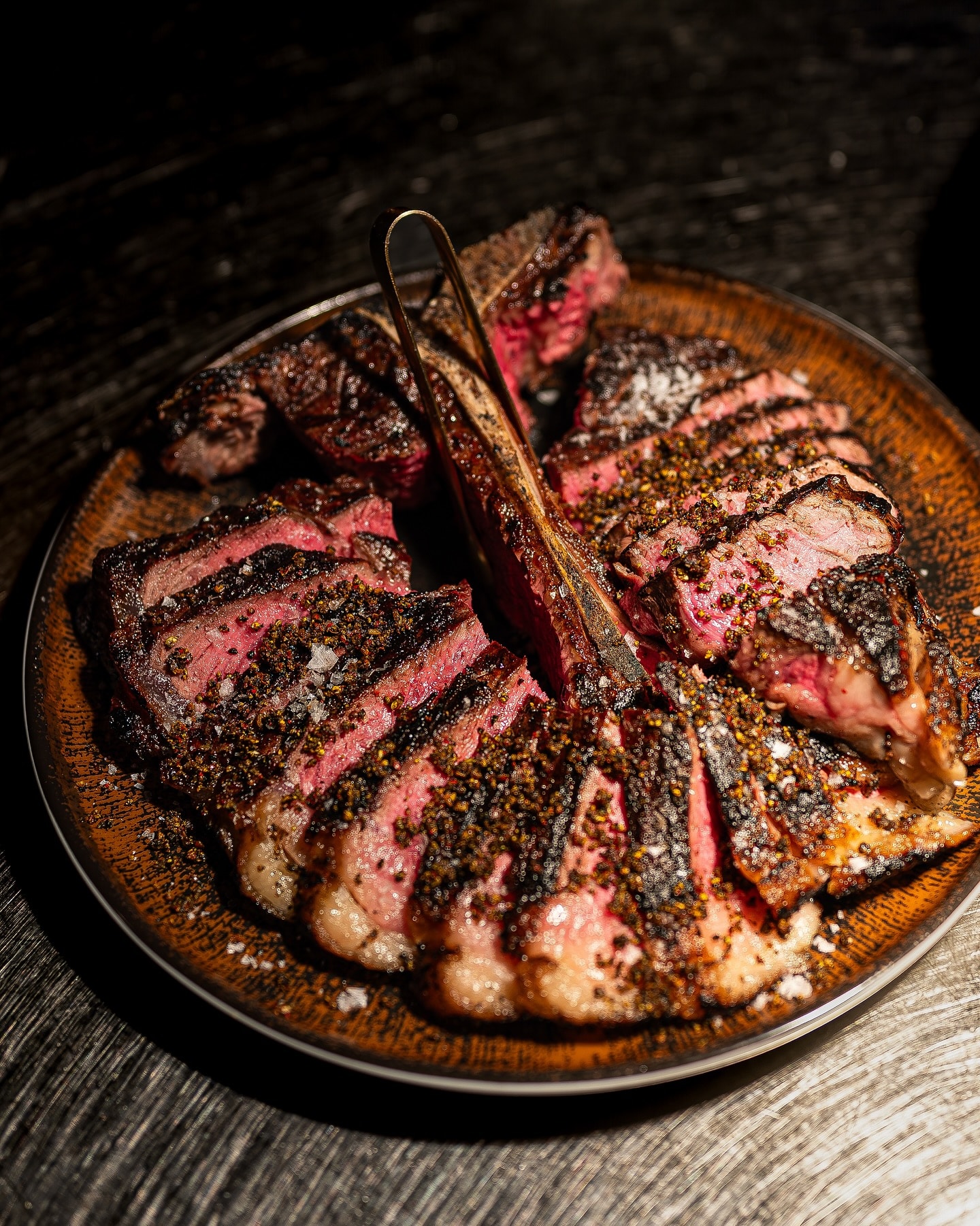
Let the knife glide through the perfectly rested meat, admire the rosy center, and watch the first bite do all the convincing.
Because when premium beef meets fire, simplicity isn’t boring.
It’s unforgettable.
Frequently Asked Questions
What cut of beef is best for Bistecca alla Fiorentina?
A thick-cut Porterhouse is the closest widely available substitute for the traditional Chianina beef used in Tuscany. A premium T-bone also produces excellent results.
Can I cook Bistecca alla Fiorentina in a cast-iron skillet?
Yes. While charcoal grilling is traditional, a heavy cast-iron skillet can produce an outstanding crust. Finish the steak in the oven if it’s especially thick.
Should I marinate the steak?
No.
Authentic Bistecca alla Fiorentina relies on the natural flavor of premium beef. Salt, pepper, and a little olive oil are usually all that’s needed.
Why is Bistecca alla Fiorentina served rare?
Because thick premium beef stays more tender, juicy, and flavorful when cooked rare to medium-rare. Higher temperatures can reduce moisture and firm up the meat.
What’s the difference between a Porterhouse and a T-bone?
Both cuts contain a strip steak and a tenderloin separated by a T-shaped bone. The Porterhouse includes a larger portion of tenderloin, making it the preferred choice for Bistecca alla Fiorentina whenever possible.
Can I cook it on a gas grill?
Absolutely.
The key is high heat, not the fuel source. Preheat the grill thoroughly and cook over the hottest part of the grates to achieve a flavorful crust.
Featured image credit: @tribute.restaurant