
Remember that legendary post-credits scene in The Avengers where six world-saving superheroes sit in total, exhausted silence, wordlessly shoving shawarma into their faces after defeating an alien invasion? Iron Man was onto something.
Sometimes, after a long day or a hard-fought battle, you don’t need a white-tablecloth meal – you need a mountain of hot, seasoned meat and carbs that makes everyone at the table drop their conversation and focus entirely on survival eating.
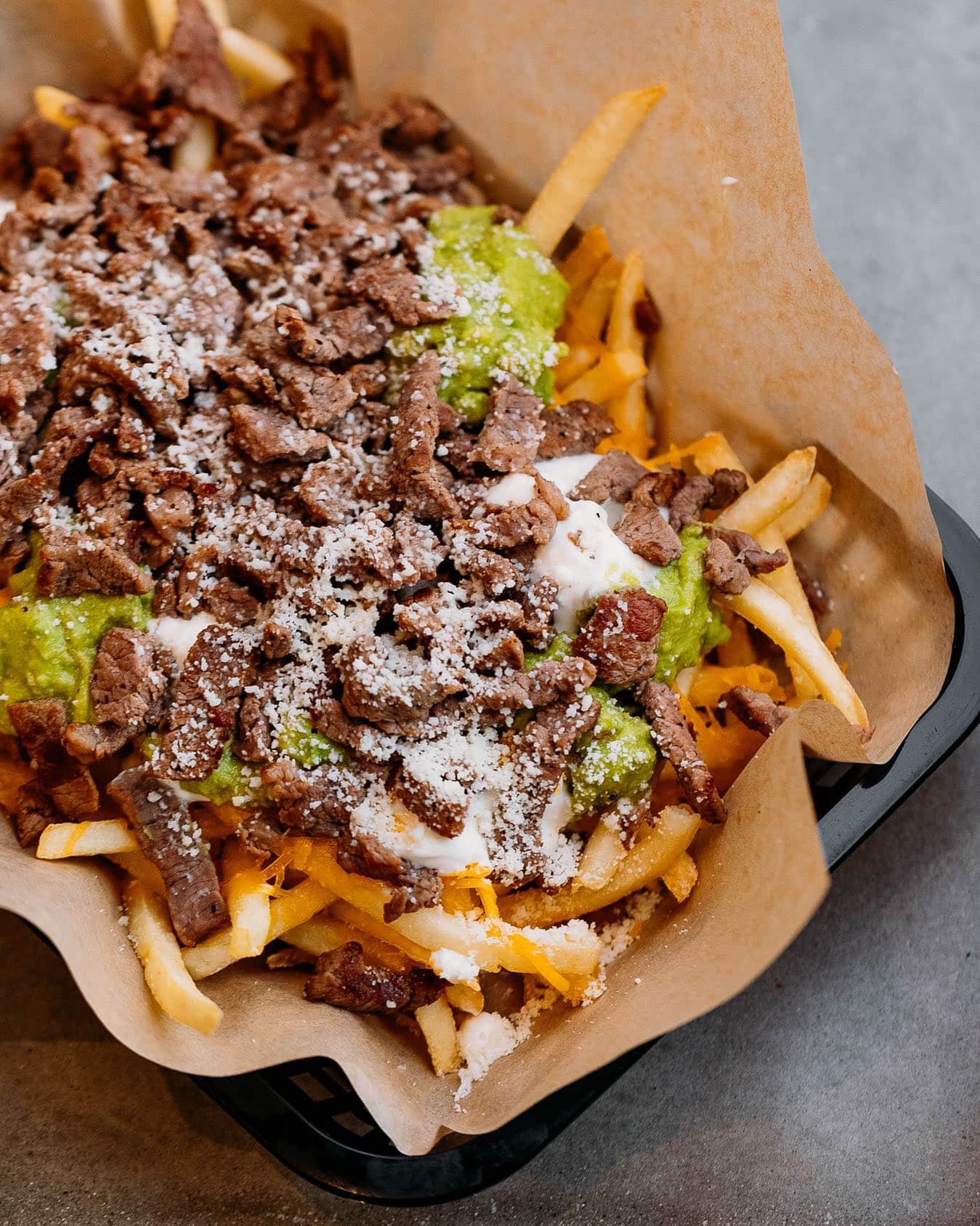
If Marvel were set in Southern California, that post-battle meal wouldn’t have been shawarma; it would have been a massive platter of carne asada fries. This chaotic, glorious mashup of San Diego street food culture is the ultimate comfort food.
Making a world-class platter at home is equal parts culinary execution and structural engineering. Most home efforts collapse into a soggy, disappointing avalanche of lukewarm potatoes buried beneath cold guacamole.
To build a version that retains its crunch and delivers explosive citrus-garlic flavor in every single bite, you need a precise strategy.
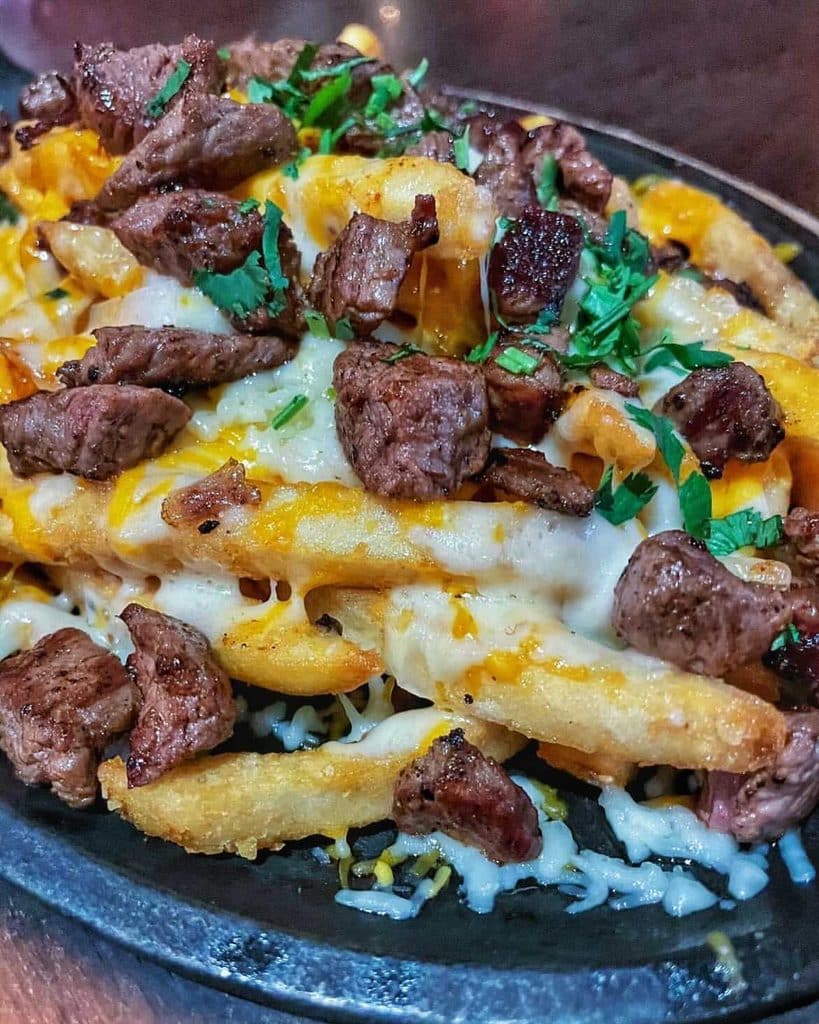
The Anatomy of the Ultimate Carne Asada Fry
A legendary platter relies on three non-negotiable structural pillars:
- The Foundation (The Crunch Factor): Thin, flimsy potato wedges will collapse within two minutes of contact with hot meat. You need a sturdy, double-baked or air-fried potato that maintains a hard outer shell.
- The Protein (Citrus-Garlic Steak): Skirt or flank steak is mandatory. Slicing the meat against the grain into small, uniform cubes ensures every bite breaks down effortlessly without pulling whole strips off the pile.
- The Layering System: Never dump all your toppings directly onto the top layer. Staggering your meat and cheese in two distinct layers creates an interconnected network of melted cheese that seals in heat while protecting the bottom fries.
The San Diego Origin Story
Long before this dish dominated college towns and late-night menus across America, it was born in the early 1990s at Lolita’s Taco Shop in San Diego.
Mexican-American taquerias were already masters of the carne asada burrito, but replacing the flour tortilla with a bed of freshly fried potatoes changed everything.
- The Cultural Shift: Bridged the gap between classic Mexican street tacos and American diner comfort food.
- The Authentic Standard: Demands bold, street-style seasoning rather than watered-down stadium cheese sauce.
Understanding this origin story reminds us that making this dish at home isn’t just making a snack – you are honoring a genuine piece of West Coast culinary history.
Choosing the Right Cooking Oil
If your fries taste greasy or flat, your cooking oil is likely the culprit. For home-frying or air-frying potatoes to absolute perfection, high-smoke-point oils are essential to handle extreme 400°F+ heat without burning or breaking down into off-flavors.
- Top Choices:
o Avocado & Peanut Oil: Deliver clean heat and a crisp potato exterior without changing the flavor profile.
o Beef Tallow: Adds an old-school steakhouse richness that makes every bite taste deeply savory.
- Oils to Avoid: Skip delicate extra-virgin olive oil or butter – they will smoke out your kitchen and leave you with soft, soggy fries.
The Science of the “Acid Wash” Marinade
Citrus isn’t just in the marinade for flavor; it’s performing chemical tenderization. The citric acid in fresh orange and lime juice actively breaks down the tough muscle proteins in flank steak.
However, timing is a double-edged sword:
- Under 2 Hours: The marinade flavor remains strictly on the surface, leaving the interior plain.
- Over 8 Hours: The acid completely denatures the proteins, resulting in a mushy, chalky texture once cooked.
- The Sweet Spot (4–6 Hours): Achieves maximum flavor penetration while keeping the steak remarkably juicy and firm.
The Great Cheese Debate: Melt vs. Flavor
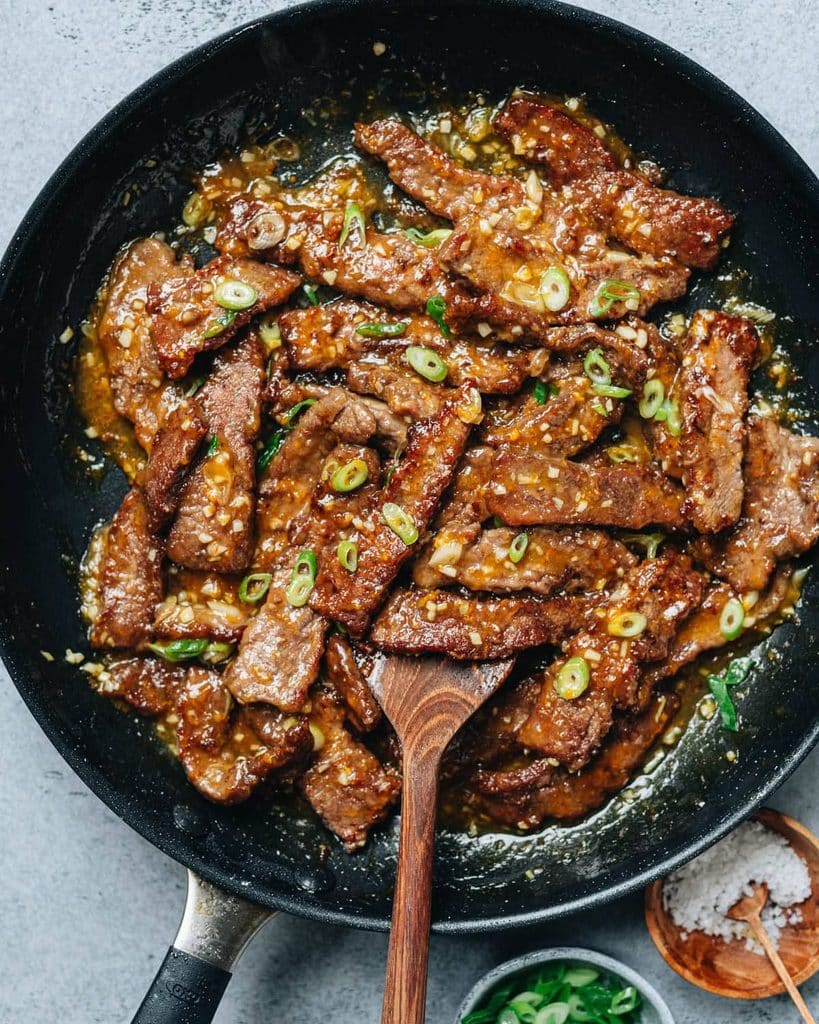
Achieving the ultimate cheese pull requires balancing two different cheese personalities:
- Monterey Jack (The Master of Melt): Offers a mild, buttery stretch that coats every fry evenly without separating into an oily film.
- Sharp Cheddar (The Flavor Heavyweight): Brings an aggressive, salty, tangy punch needed to cut through rich steak and creamy guacamole.
Using only Cheddar yields an oily, broken mess under the broiler, while using only Monterey Jack lacks flavor depth. Combining them in a 50/50 ratio gives you the ideal balance of elasticity and sharp taste.
Wine & Beer Pairing Strategies
Rich, salty, and loaded with fat, this dish needs a beverage that can clear your palate between bites:
- Mexican Lagers (Modelo Especial, Pacifico): The gold standard—their light carbonation and fresh lime wedge cut right through heavy cheese and avocado.
- West Coast IPAs: The bitter, citrus-forward hops slice through rich beef while complementing fresh cilantro and lime.
- High-Acid Wines (Albariño, Dry Rosé): Skipping heavy Cabernets for a chilled, high-acid wine lifts the entire meal and resets your palate.
The “Salsa Bar” Sidecar Approach
Dumping cold salsa over a scalding platter of meat and cheese creates an immediate temperature drop that ruins the texture. Instead, set up a taqueria-style salsa sidecar bar by serving your hot base platter fresh from the oven alongside bowls of:
- Salsa Verde (for bright, tangy acidity)
- Creamy Chipotle Sauce (for smoky heat)
- Roasted Tomato Salsa (for a deep, charred flavor)
This keeps the central fry foundation hot and crispy while allowing guests to customize their heat levels. It also prevents leftover portions from becoming an unsalvageable, soggy mess.
Next-Day Reheating Hacks
Microwaving leftover loaded fries is a guaranteed recipe for a rubbery disaster. To resurrect yesterday’s leftovers, use the air fryer or toaster oven rescue method:
- Strip Cold Toppings: Carefully scrape off any cold guacamole or sour cream with a spoon and set them aside.
- Re-Crisp under Heat: Spread the remaining fries, meat, and cheese onto foil and heat at 375°F for 5 to 7 minutes. The circulating hot air crisps the potatoes and remelts the cheese without drying out the steak.
- Re-Garnish: Dollop your saved cold toppings back on top for a second-day meal that tastes fresh off the line.
Pro Tips for Preventing Soggy Fries
- Strain Your Pico de Gallo: Wet tomatoes are the ultimate enemy of crispy potatoes. Scoop your salsa into a fine-mesh strainer for five minutes before building your platter.
- The Cold Topping Buffer: Dollop cold ingredients like sour cream and guacamole right before serving rather than spreading them end-to-end. This preserves temperature contrasts and prevents thermal steam from softening the cheese.
Variations & Adaptations
- Keto / Low-Carb Alternative: Replace frozen french fries with high-heat roasted cauliflower florets or crispy air-fried jicama sticks.
- Surf & Turf Upgrade: Toss 1/2 pound of quick-seared, garlic-butter shrimp onto the top layer alongside the steak.
Final Thoughts on Carne Asada Fries
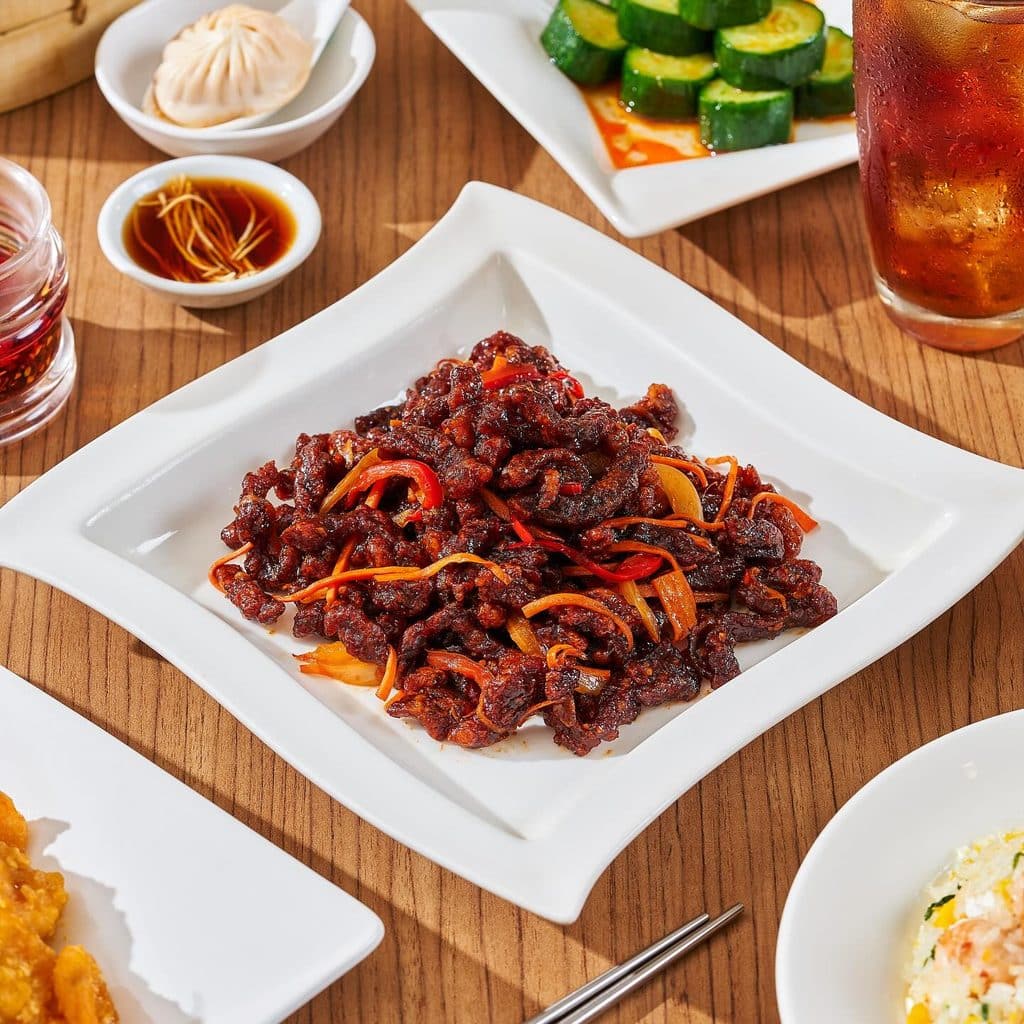
This dish proves that with proper layering and high-heat searing, casual comfort food can compete with any high-end steakhouse meal.
Assemble your ingredients, invite a few friends over, and make sure you get a forkful early – because much like that Avengers dinner, nobody is going to talk, and this platter will vanish in seconds.
Featured image credit: @lolitastacoshop
