
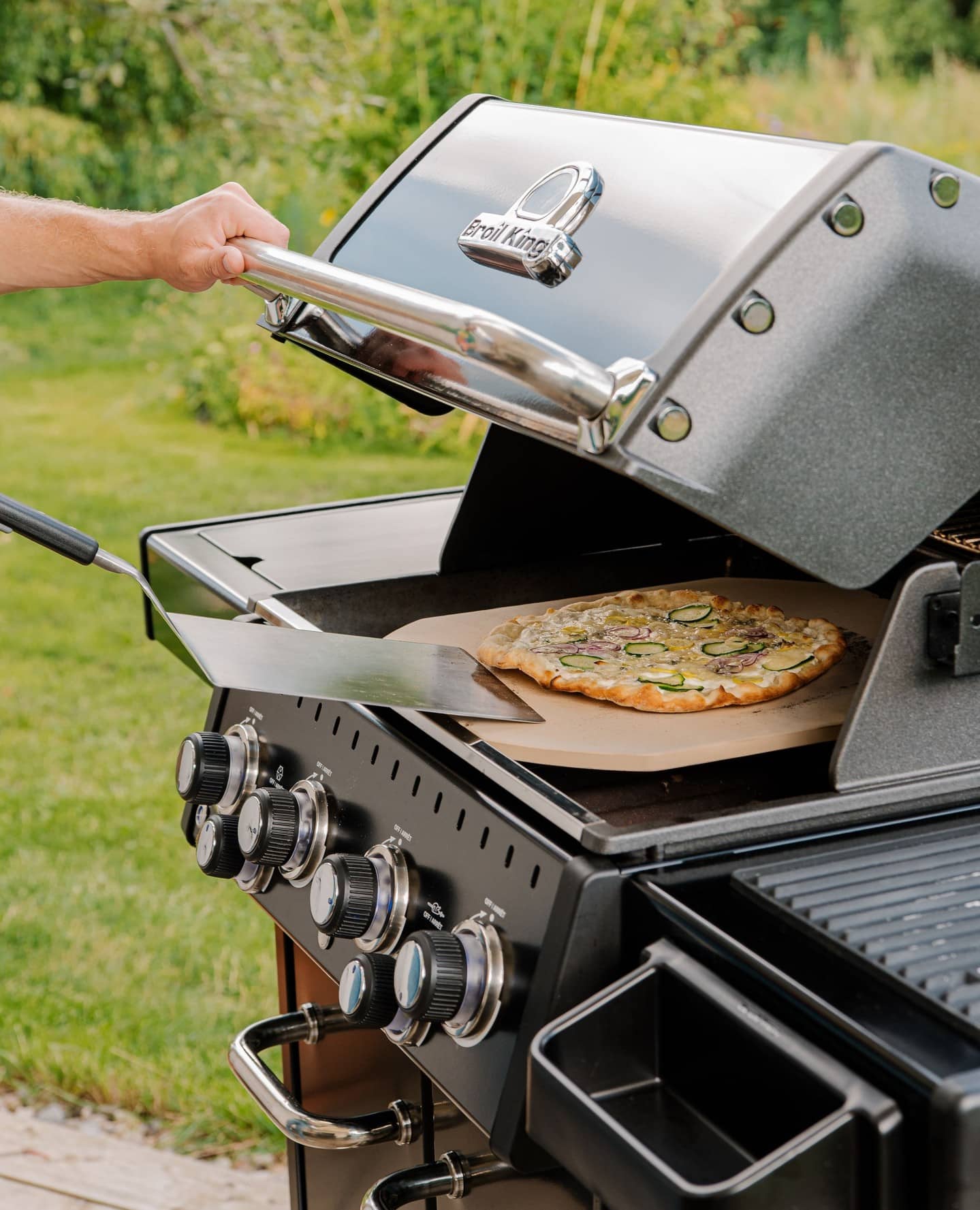
The trouble with barbecue is that it has a way of turning a perfectly reasonable afternoon into an all-day commitment.
One minute, you’re planning to smoke a rack of ribs for dinner. The next, you’re checking temperatures, watching the smoke, and wondering whether your guests will arrive before the meat – or your patience – runs out.
That’s the appeal of a pellet grill like the Broil King Regal Pellet 500.
Instead of spending the day babysitting a fire, you can let the grill’s automated pellet-feeding system and temperature controls handle much of the routine work while you concentrate on what really matters: getting great food onto the table.
Of course, convenience is easy to promise. Delicious barbecue is harder to deliver.
A proper grill review needs to look beyond attractive product photos and impressive-sounding features.
Can the Regal Pellet 500 help produce tender ribs, flavorful pulled pork, and a satisfying steak?
Is it straightforward to operate?
And does its combination of technology and wood-fired cooking justify the investment?
Let’s break it down, from design and cooking potential to maintenance, running costs, and the type of backyard cook who should consider buying one.
First Impressions: Built for Serious Backyard BBQ?
A grill can look like a million dollars and still disappoint when it’s time to cook. What matters is how well the design supports the everyday realities of outdoor cooking.
The Broil King Regal Pellet 500 belongs to the pellet-grill category, which uses compressed wood pellets as fuel and an automated system to feed them into a fire pot. A controller manages the cooking temperature, reducing the need for constant manual fire adjustments.
For anyone accustomed to tending charcoal or an offset smoker, that approach can be a welcome change.
When evaluating the Regal Pellet 500, start with its construction and layout. Inspect the cooking chamber, lid, cart, wheels, and overall fit and finish.
These details influence how practical the grill feels during regular use, although long-term durability depends on verified materials, build quality, maintenance, and exposure to the elements.
The layout matters, too. Can you reach the cooking grates comfortably? Is the pellet hopper easy to load? Are the grease-management and cleaning areas accessible?
Those questions may not sound exciting, but they’re important when you’re juggling several racks of ribs and a side dish that refuses to finish cooking.
A good first impression should come from practical design, not shiny metal alone.
Before buying, verify the grill’s dimensions, weight, construction materials, and assembly requirements.
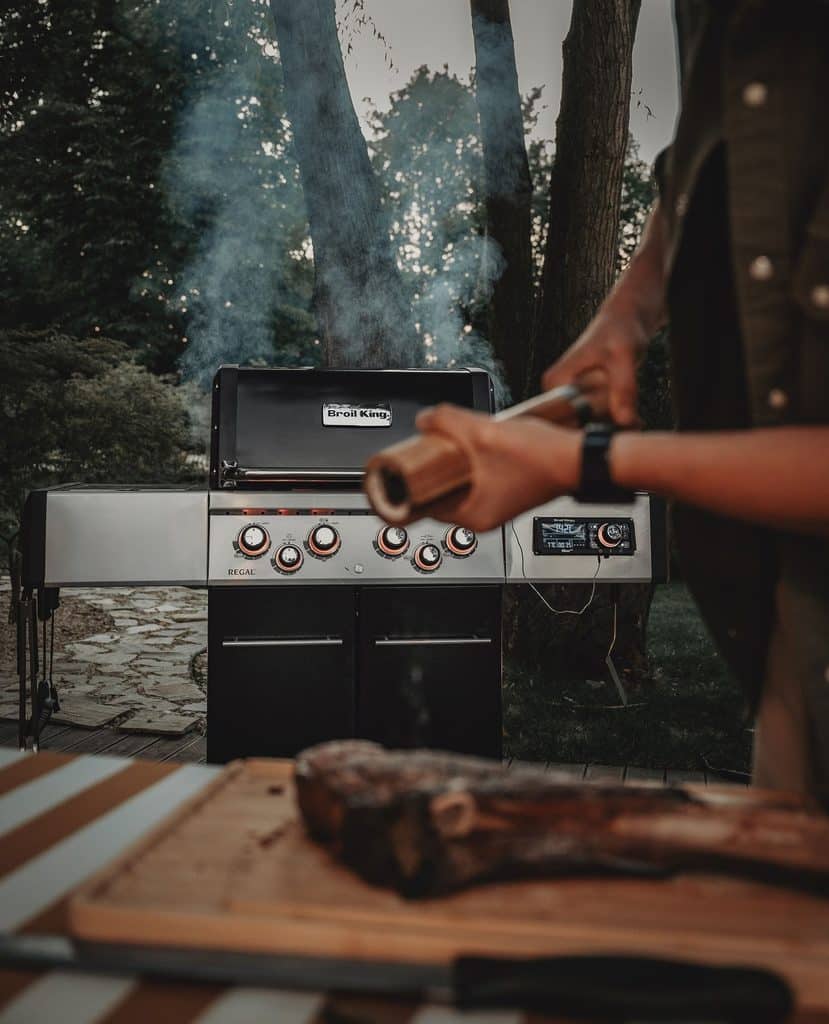
Key Features: What Makes the Regal Pellet 500 Worth Considering?
Pellet grills occupy an interesting middle ground between traditional smokers and convenient everyday grills. They offer wood-fired cooking with a level of automation that can make long sessions easier to manage.
The Regal Pellet 500 deserves consideration based on how its actual features support that experience.
Digital Temperature Control
Temperature management is one of the biggest attractions of pellet grilling. The controller regulates pellet delivery according to the selected settings and the grill’s operating conditions.
This can make a long cook less demanding.
Instead of repeatedly adjusting vents or tending a charcoal fire, you can focus on seasoning, preparing side dishes, and monitoring the meat.
However, temperature control is not the same as perfect temperature stability.
Outdoor conditions, lid openings, pellet quality, and grease buildup can all affect performance.
Look for independent tests that measure temperature consistency across the cooking chamber rather than relying solely on the display.
Pellet Hopper and Fuel Delivery
The hopper stores the pellets that supply the fire. Its capacity influences how often you need to refill it, especially during extended smoking sessions.
Before purchasing the Regal Pellet 500, confirm its hopper capacity and check how easily you can access the hopper for loading and inspection.
Pellet consumption varies with cooking temperature, weather, and operating conditions. A larger hopper may reduce interruptions, but it doesn’t eliminate the need to monitor fuel during long cooks.
Cooking Space
Advertised cooking area is useful, but it doesn’t tell the entire story.
A large brisket needs different space from a row of burgers or several chicken thighs. You also need room for airflow around the food, so cramming every available inch with meat isn’t always the smartest strategy.
Usable cooking space matters more than a specification-sheet bragging contest.
Check the actual grate layout and consider the size and quantity of food you usually prepare.
High-Heat Versatility
Here’s where buyers need to look closely.
A grill that performs well at low smoking temperatures isn’t automatically a champion at searing steaks. High-heat performance depends on the grill’s maximum operating temperature, cooking-surface design, and any dedicated direct-flame or searing features.
Verify which of these capabilities the specific Regal Pellet 500 model offers before assuming it can replace a dedicated high-heat grill.

Cooking Performance: Where the Real Review Begins
Specifications are useful, but the food tells the real story.
The key question is whether the Broil King Regal Pellet 500 can deliver consistent results across different cooking styles. Without documented hands-on test results, its actual performance should be evaluated rather than assumed.
Here are the cooking tasks that matter most.
Low-and-Slow Smoking
Low-and-slow cooking is where pellet grills make a strong case for themselves.
Long cooking sessions give connective tissue time to soften, fat time to render, and the meat’s exterior time to develop a flavorful bark. Maintaining an appropriate cooking temperature throughout that process is essential.
Pork shoulder makes an excellent test. It’s forgiving enough for beginners but still rewards patience and careful temperature management.
When testing the Regal Pellet 500, monitor how closely it maintains its selected temperature, how quickly it recovers after the lid opens, and whether different areas of the cooking grate experience noticeably different temperatures.
Don’t judge a smoker by one reading taken on a calm afternoon. A more useful assessment comes from observing its behavior throughout a complete cook.
Ribs and Pulled Pork
Ribs reveal whether a grill can help develop a flavorful exterior without drying out the meat. Pulled pork tests how well the cooking process handles a substantial cut over several hours.
A good rack of ribs should have a pleasing bark and the tenderness you prefer without becoming mushy. Pork shoulder should eventually pull apart easily, but achieving that texture requires time and patience.
Use a reliable thermometer to monitor internal temperature, and check tenderness with a probe rather than relying on the clock alone.
Automation can make barbecue easier, but it cannot replace good technique.
Seasoning, meat quality, airflow, cooking duration, and resting all contribute to the final result.
Brisket: The Ultimate Patience Test
Brisket has a talent for humbling even confident cooks. It’s a large cut with substantial connective tissue, and getting it right takes time.
A pellet grill can simplify the process by reducing the need for constant manual fire management. That can be especially useful during an overnight cook, although the grill should always be operated according to its safety instructions.
The result still depends on preparation. Trim the brisket appropriately, season it well, monitor the cook, and allow sufficient time for resting.
Wrapping the meat during cooking may help manage moisture loss and influence the final bark, depending on the technique you choose.
For the Regal Pellet 500, check whether the cooking area accommodates your preferred brisket size and examine independent evidence of temperature consistency during long sessions.
And remember: brisket does not care about your dinner reservations. It finishes when it’s ready.
Steaks, Burgers, and Chicken
Every grill review should consider more than slow smoking.
Burgers, chicken, and vegetables are useful tests of everyday versatility. Steaks are particularly revealing because they demand strong surface heat to produce a deeply browned crust.
Maximum temperature and actual searing performance are not interchangeable.
Before expecting the Regal Pellet 500 to produce steakhouse-style crusts, verify its high-heat capabilities. If it isn’t designed for intense direct-heat searing, a cast-iron skillet or separate high-heat grill may deliver better results.
Chicken and vegetables offer additional opportunities to assess heat distribution and cooking control. Use a food thermometer to confirm safe internal temperatures for poultry, and adjust cooking methods to suit the food.
The best test isn’t whether a grill can cook everything. It’s whether it can cook the foods you love well.
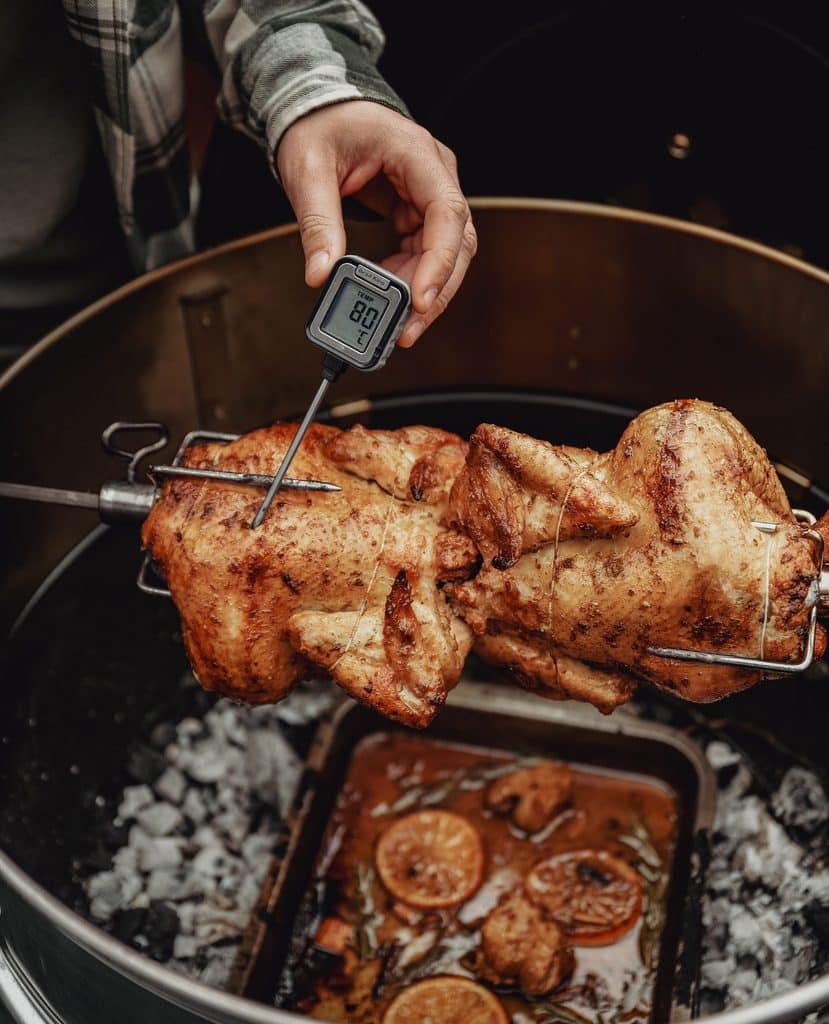
Temperature Control and Ease of Use: Less Fire-Tending, More Enjoying
There’s something satisfying about managing a traditional smoker. There’s also a point, usually several hours into a cook, when watching the fire begins to feel like an unpaid security shift.
Pellet grills appeal to cooks who want to spend less time managing fuel and more time enjoying the process.
The Regal Pellet 500 should be judged on three practical questions: Is it straightforward to operate? Does it maintain useful cooking temperatures? And can you monitor a long cook without hovering over it constantly?
Start by following the manufacturer’s startup procedure, checking the pellet supply, and ensuring the fire pot and cooking chamber are ready for use.
Because pellet grills generally depend on electricity to operate their controllers and fuel-feeding systems, you’ll also need a suitable power supply.
During cooking, remember that the controller’s reading may not match the temperature at every point on the grate. An independent grill thermometer and a separate meat probe can provide a more complete picture.
Pitmaster tip: Keep a simple cooking log. Record the selected temperature, outdoor conditions, cooking time, and results. After a few sessions, you’ll better understand how your grill behaves.
Weather matters, too. Cold conditions and wind can increase fuel consumption, while repeatedly lifting the lid releases heat and extends cooking time.
The benefit of automation is not that you can forget about the food. It’s that you can manage the cook with less constant intervention.
Fuel Efficiency, Cleaning, and Long-Term Ownership
The purchase price is only one part of owning a pellet grill. Fuel, cleaning supplies, replacement components, and maintenance also affect the total cost.
Pellet consumption depends on the selected temperature, outdoor conditions, cooking duration, and grill design. Higher-temperature cooking and cold weather can increase fuel use.
Before buying the Regal Pellet 500, compare local pellet prices and check which fuel types the manufacturer recommends.
Routine Maintenance
Regular maintenance helps protect performance and reduces avoidable problems.
- Clean accumulated ash: Follow the manual’s instructions for cleaning the fire pot and designated areas.
- Manage grease: Empty grease containers and clean grease pathways as recommended to reduce fire risks.
- Inspect the cooking chamber: Remove excess residue and check components for wear or damage.
- Store pellets properly: Keep them dry to prevent swelling, crumbling, and feeding problems.
- Protect the grill: Use an appropriate cover and follow outdoor-storage recommendations.
Always allow the grill to cool and disconnect power as directed before cleaning or servicing it. Check the warranty terms before buying, including coverage for individual components and any exclusions that may apply.
A little routine maintenance beats discovering a problem just as the guests arrive.

Pros and Cons: Where the Regal Pellet 500 May Shine
No grill is perfect for everyone. The right choice depends on your budget, preferred cooking methods, and tolerance for maintenance.
Potential Advantages
- Convenient temperature management: Automated pellet feeding can reduce constant fire adjustments.
- Wood-fired flavor: Pellets can provide a smoky character that complements ribs, brisket, pork, and poultry.
- Versatile cooking potential: Depending on its verified capabilities, the grill may handle smoking, roasting, and everyday outdoor cooking.
- Less hands-on fire management: Long smoking sessions can be easier to manage than with many traditional offset smokers.
- Repeatable cooking routines: Temperature controls and cooking logs can help you reproduce successful results.
Potential Disadvantages
- Electricity dependence: The controller and pellet-feeding system generally require power.
- Ongoing fuel expenses: Pellets are a recurring cost, and consumption can rise in cold weather.
- Cleaning requirements: Ash and grease need regular attention.
- Potential searing limitations: High-heat performance depends on the grill’s actual design.
- Purchase price: A premium pellet grill may cost more than a basic charcoal kettle or entry-level smoker.
These are general considerations for pellet grills, not confirmed test findings about every aspect of this particular model. Verify the Regal Pellet 500’s specifications before drawing firm conclusions.
How Does the Broil King Regal Pellet 500 Compare With Other Grills?
Choosing a grill is a little like choosing a vehicle. A sports car, pickup truck, and family SUV can all get you somewhere, but each is designed around different priorities.
Outdoor cookers work the same way.
Pellet Grill Versus Charcoal Grill
Charcoal grills offer direct access to a live fire and can excel at high-heat searing. They also appeal to cooks who enjoy adjusting airflow and managing fuel manually.
Pellet grills generally offer more automated temperature management, which can simplify long smoking sessions.
Choose charcoal for hands-on fire control; consider pellets for convenience and repeatability.

Pellet Grill Versus Gas Grill
Gas grills are practical for quick meals. They generally start conveniently and work well for weeknight burgers, sausages, and vegetables.
Pellet grills offer a wood-fired cooking element and are often more appealing for extended smoking sessions.
If you mainly want to cook dinner quickly after work, gas may be the simpler option. If weekends revolve around ribs and pulled pork, pellet grilling may be a better fit.
Pellet Grill Versus Offset Smoker
Traditional offset smokers reward cooks who enjoy fire management and the character of wood-smoked barbecue. They can produce outstanding results but require more attention and experience.
Pellet grills trade some hands-on fire management for automation.
The Regal Pellet 500 is worth comparing with similarly priced pellet grills before you buy. Look at cooking area, temperature range, controller features, hopper capacity, warranty, and independent performance tests rather than relying on brand reputation alone.
Is the Broil King Regal Pellet 500 Worth the Money?
A premium grill should justify its price through useful features, dependable performance, construction, and years of enjoyable cooking.
The Broil King Regal Pellet 500 may be worth considering for cooks who want automated temperature management and the appeal of wood-fired cooking. Whether it represents good value depends on its verified specifications, actual purchase price, and performance.
Before buying, consider the total cost of ownership:
- The grill’s price and any necessary accessories.
- Pellet costs based on how often you cook.
- Cleaning supplies and potential replacement parts.
- Warranty coverage and access to service.
Your cooking habits matter just as much as the price tag. Someone smoking brisket regularly may appreciate automated temperature control far more than someone who grills burgers a few times a month.
Buying advice: Pay for features you’ll use, not features that merely look impressive on a product page.
If smoking and convenient temperature management are your priorities, a pellet grill deserves serious consideration. If high-heat searing or traditional charcoal flavor is essential, compare alternatives before committing.
Top 3 Pellet Grills to Buy in Place of the Broil King Regal Pellet 500
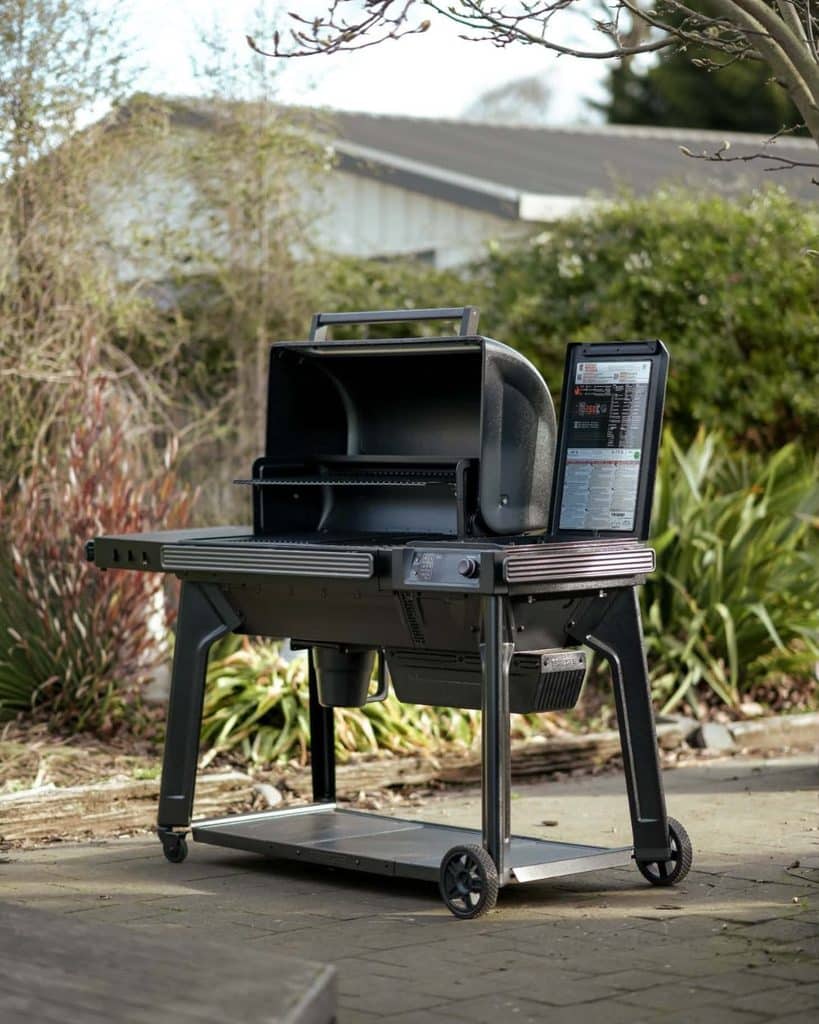
1. Traeger Ironwood Pellet Grill
Traeger’s Ironwood range is worth considering if you want a premium pellet grill centered on convenient temperature management and smoking performance.
Why choose it:
- Suited to low-and-slow barbecue and everyday outdoor cooking.
- A good option to investigate if app-connected controls and monitoring are priorities.
- An established alternative to compare for features, cooking capacity, and support.
Potential drawback: Premium versions can be expensive, and features vary between Ironwood generations. Compare the exact model before buying.
Best for: cooks who prioritize convenient smoking and modern controls.
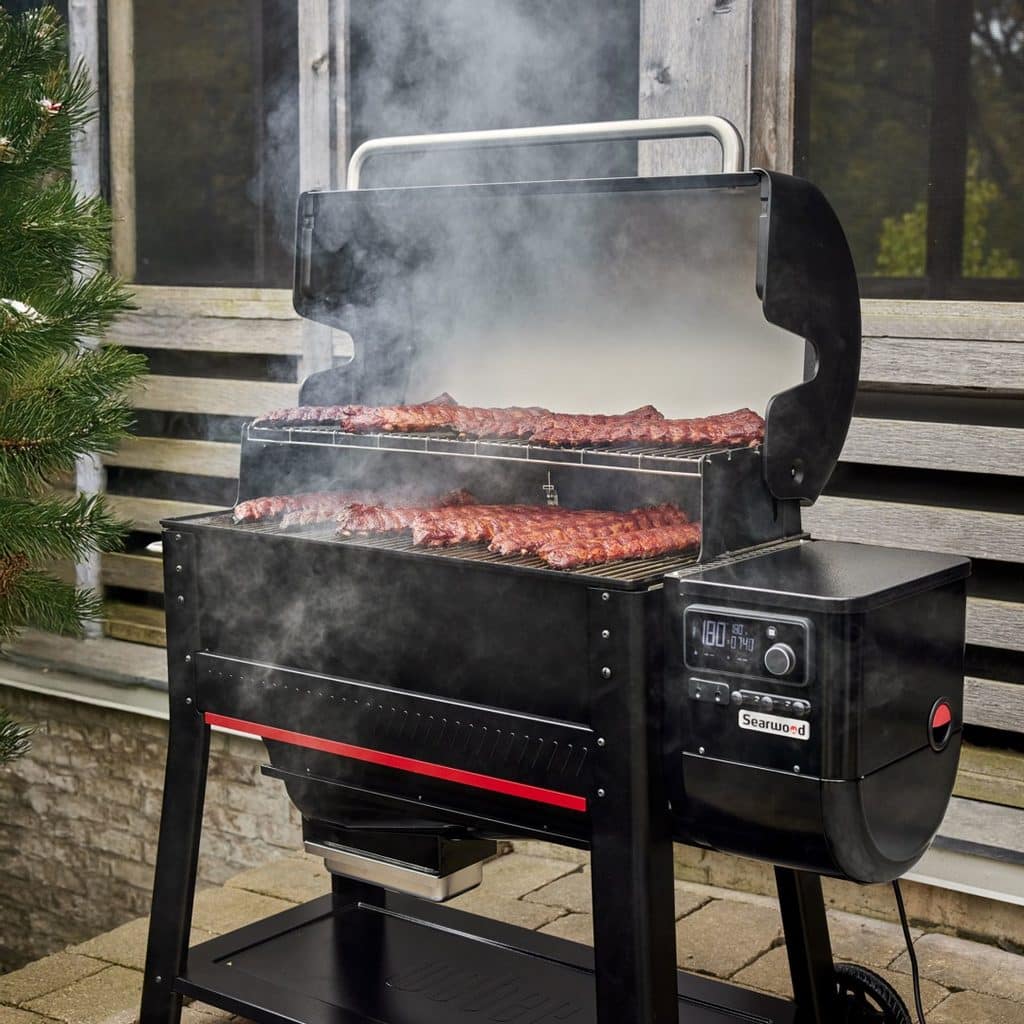
2. Weber Searwood XL 600 Pellet Grill
The Weber Searwood XL 600 is a compelling alternative if you want a pellet cooker designed for both smoking and higher-heat grilling. Weber’s Searwood lineup is worth comparing if you want more flexibility beyond traditional low-and-slow barbecue.
Why choose it:
- Designed for smoking and grilling in one cooker.
- Worth considering for cooks who regularly switch between brisket, ribs, burgers, and steaks.
- A useful comparison if high-heat capability matters as much as smoke flavor.
Potential drawback: The XL model takes up more space and may cost more than a smaller grill. Check its footprint and exact features against your needs.
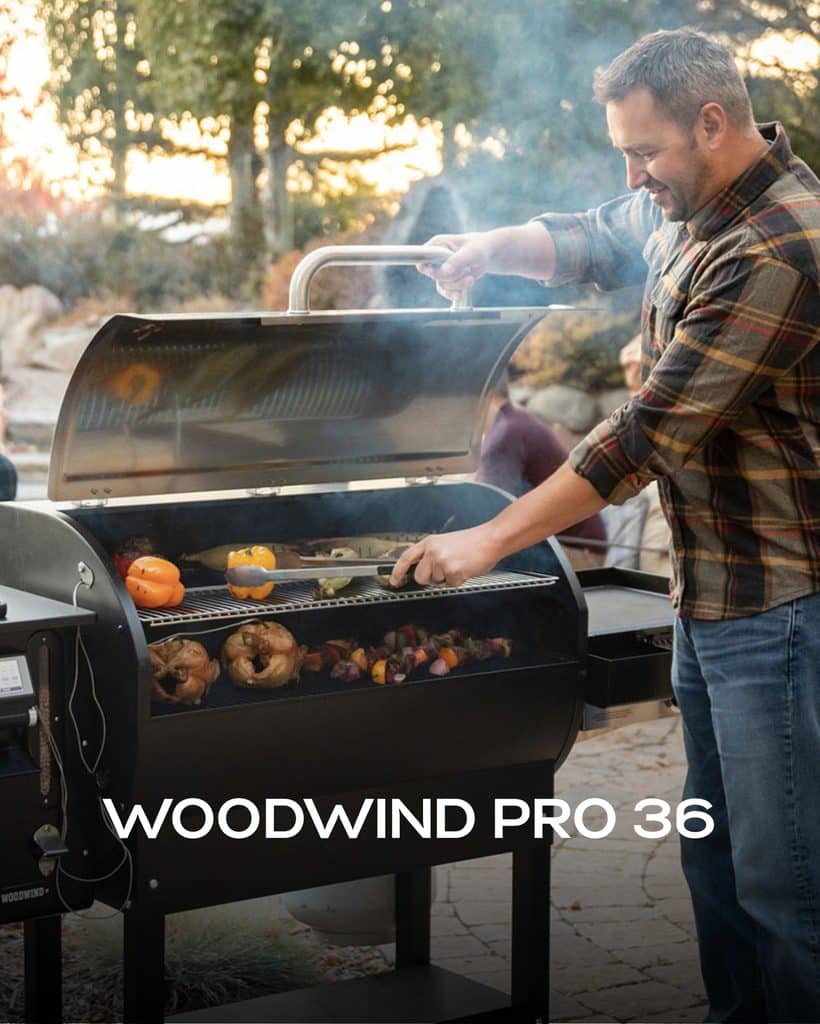
3. Camp Chef WoodWind WIFI Pro 36 Inch
The Camp Chef Woodwind WiFi Pro is worth a close look if you want to experiment with smoke intensity and take a more hands-on approach to flavor.
The Woodwind Pro series is known for its additional smoke-generating chamber, which can burn wood chunks or other approved fuel for a different smoke profile.
Confirm the features of the specific 36-inch model before purchasing.
Why choose it:
- Particularly appealing to barbecue enthusiasts who want to explore deeper smoke flavor.
- A useful candidate for ribs, pork shoulder, and brisket.
- Worth comparing for temperature control, monitoring features, and cooking capacity.
Potential drawback: More features can mean more cleaning, a larger footprint, and a higher purchase price.
Final Verdict: A Pitmaster’s Dream or Just Another Pellet Grill?
The Broil King Regal Pellet 500 represents an appealing idea: combine the convenience of automated cooking with the flavor possibilities of a wood pellet fire.
That combination can make pellet grills attractive to backyard enthusiasts who want to smoke meat without spending the entire day tending a fire. It may also appeal to experienced cooks who would rather focus on preparation, seasoning, and serving than repeatedly adjust airflow.
Still, a smart purchase requires more than enthusiasm. Construction, temperature performance, usable cooking area, high-heat capabilities, and overall value should all be verified before this grill earns a place in your backyard.
Who should consider it? Cooks who enjoy smoking meat, appreciate temperature controls, and want long cooking sessions to be more manageable.
Who should look elsewhere? Buyers focused on the lowest possible cost, cooks who prefer hands-on charcoal grilling, or anyone whose top priority is exceptional direct-heat searing.
The final word: A great grill should make better barbecue more achievable, not more complicated. The Regal Pellet 500 is worth investigating if its features match your cooking style and budget.
Just remember that even the smartest grill cannot season the ribs, judge the bark, or decide when the brisket is perfectly tender.
That’s still the pitmaster’s job. Fortunately, it comes with the best reward: the first bite.
Frequently Asked Questions
Is the Broil King Regal Pellet 500 good for beginners?
Pellet grills can make smoking more approachable through automated temperature management. Beginners should still learn safe startup, food-temperature monitoring, proper pellet storage, and routine cleaning.
Can the Broil King Regal Pellet 500 sear steaks?
That depends on the exact model’s temperature range and searing design. Verify its specifications and look for independent cooking tests before expecting charcoal-style steak crusts.
How much maintenance does a pellet grill require?
Expect regular ash removal, grease management, cooking-surface cleaning, and occasional component inspections. Cleaning frequency depends on how often you cook and the manufacturer’s recommendations.
Is a pellet grill better than a charcoal or gas grill?
Not universally. Pellet grills emphasize wood-fired cooking and temperature automation, charcoal grills offer hands-on fire control, and gas grills excel at convenient everyday cooking. The best choice depends on your priorities.
Featured image credit: @broilkingbbq
