
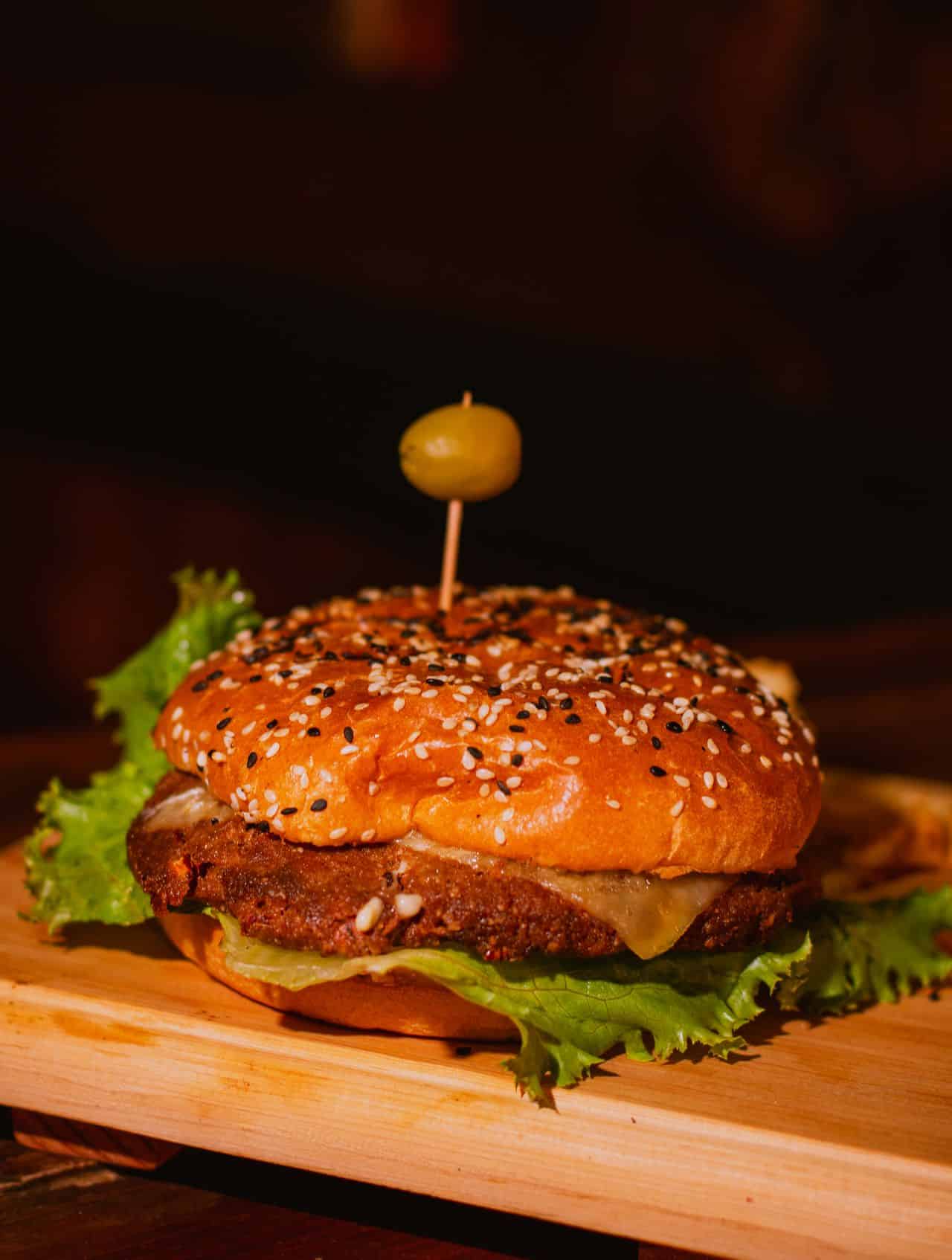
Today’s special is the Michigan Olive Burger!
If you grew up anywhere near Mid-Michigan, the mention of an Olive Burger instantly brings back memories of classic diner counters, drive-ins, and wax paper-wrapped burgers dripping with a tangy, salty sauce.
A staple across Michigan – from Flint and Lansing to Grand Rapids – the traditional Olive Burger pairs a juicy beef patty with a rich, mayo-based green olive spread.
While the original is traditionally seared on a grease-slicked flat-top stove, taking this Great Lakes icon to the outdoor grill elevates it to a whole new level.
The deep kiss of wood smoke and charcoal charred edges cut through the creamy, salty richness of the olive topping in a way a flat-top simply can’t match.
Here is everything you need to know about the history of this regional legend, how to adapt it perfectly for the grill, and the complete step-by-step recipe to make it at home.
The History & Science of the Michigan Olive Burger
A Great Lakes Culinary Legend
The origin of the Olive Burger dates back to the early-to-mid 20th century in Mid-Michigan. Establishments like Olympic Broil and Kewpee Hotel Hamburgers in Lansing are often credited with popularizing the dish.
During a time when relish and pickles were standard burger condiments, the addition of chopped green olives mixed with mayonnaise offered a distinct brine-forward profile that captured the local palate.
Why the Grill Transformation Works
The classic Olive Burger sauce relies on chopped Spanish manzanilla olives, olive brine, and full-fat mayonnaise. Because mayonnaise and olives are both rich in fat and acid, they create a heavy sauce.
On a traditional flat-top burger, the richness can sometimes overpower the meat.
By firing up the grill:
- Maillard Reaction & Smoke: High heat creates a charred crust on the beef patties, introducing a deep, savory smoky contrast.
- Fat & Acid Balance: The charred smoke cuts right through the tartness of green olives and the creaminess of mayo.
- Texture Contrast: Toasting the burger buns directly over an open flame gives the ideal crunch to support a thick spread.
Key Ingredients & Flavor Secrets
To achieve the perfect balance between classic regional comfort and outdoor barbecue flavor, pay attention to these core components:
- The Beef: Stick with 80/20 ground chuck. The fat ratio is vital for outdoor grilling over open flames to keep the patties tender and juicy.
- The Olives: Spanish Manzanilla olives stuffed with pimentos are non-negotiable. Their briny, piquant bite is the signature flavor of Michigan olive sauce.
- The Binder: Use high-quality full-fat mayonnaise. A touch of cream cheese adds stability so the sauce won’t melt off a hot patty immediately.
- The Cheese: Swiss or American cheese. Swiss offers a nutty complement to olives, while American gives that nostalgic, gooey melt.
- The Bun: Brioche or a classic sesame seed hamburger bun, lightly oiled and grilled to golden perfection.
The Lost Legend of Mr. Fables
While places like Kewpee and Halo Burger kept the flame alive in Flint and Lansing, Mr. Fables turned the sandwich into a Western Michigan obsession. Founded in Grand Rapids, this beloved former chain made the Oliveburger its crown jewel.
Recreating this classic on a smoky grill bridges the gap between cherished drive-in heritage and modern backyard barbecue culture:
- Diner Classics: Served alongside crisp onion rings and thick milkshakes.
- The Secret Spread: Local lore suggests their proprietary recipe contained subtle hints of lemon juice and egg, creating a lighter, silkier texture than basic mayo blends.
- Enduring Nostalgia: Though the last locations closed decades ago, Michigan nostalgia keeps the quest for their exact recipe alive.
Mastering Direct vs. Indirect Heat
Grilling an olive burger requires a carefully controlled two-zone fire layout to prevent culinary chaos on the grates. High direct heat is essential for searing your ground chuck patties, locking in juices while forming a deep caramelized beef crust.
However, leaving cold olive sauce over an open flame will cause the emulsion to split and trigger massive flare-ups. Follow this process for best results:
- Sear Direct: Cook patties over high heat to build a crispy, savory crust.
- Shift Indirect: Move seared patties to the cooler zone before topping with Swiss cheese and spread.
- Melt & Warm: Close the grill lid to melt the cheese smoothly and warm the creamy olive topping without breaking the mayo binder.
Elevating the Cut: Beyond Ground Chuck
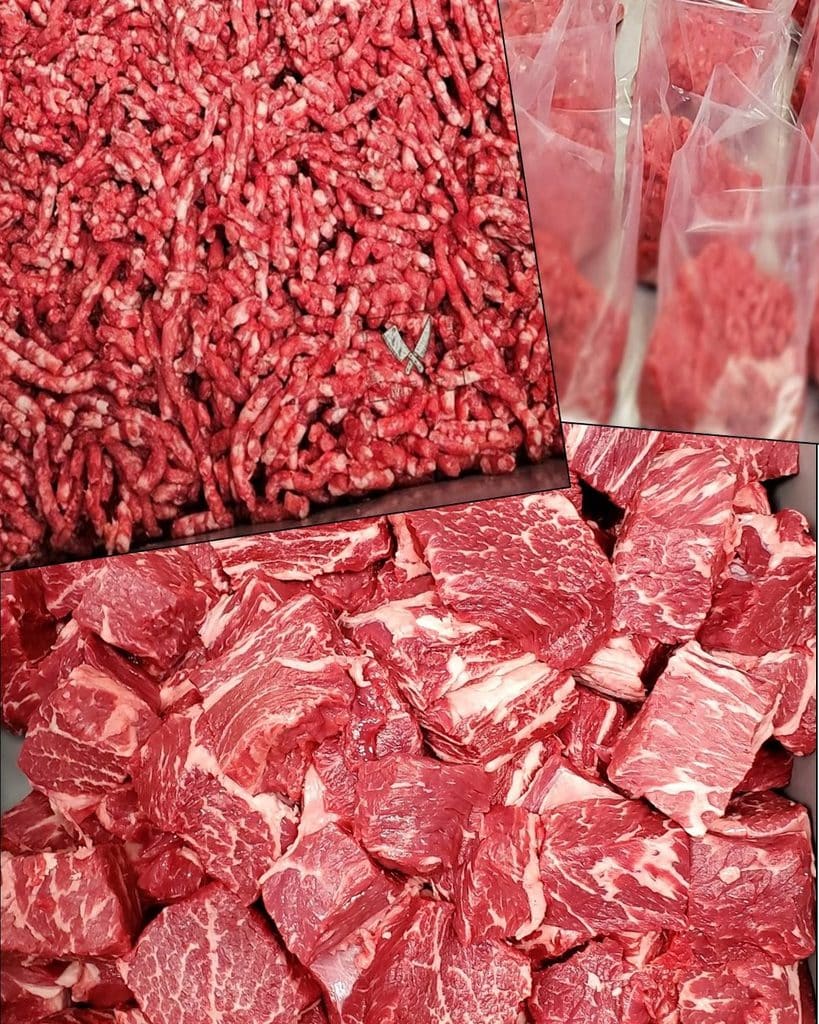
Standard ground beef makes a fantastic sandwich, but experimenting with custom artisan butcher blends takes a grilled olive burger to gourmet status.
Because premium cuts feature higher fat-to-lean ratios, they hold up exceptionally well to wood charcoal heat, creating an irresistible contrast between juicy meat and tangy olive sauce:
- Brisket & Short Rib: Introduces an elevated beefiness and rich melting fat that stands up boldly against sharp, briny toppings.
- Dry-Aged Beef Scrap: A small ratio delivers a funky, nutty background note that complements the earthy brine of green olives.
Modern Gourmet Sauce Variations
While classic pimento-stuffed olives remain the benchmark, modern pitmasters love experimenting with gourmet olive varieties and custom add-ins:
- Castelvetrano Olives: Mild, buttery green olives that create an exceptionally smooth spread to let charred beef shine through.
- Spicy Heat Profile: Fold in finely diced jalapeños or calabrian chiles for an extra kick.
- Savory Depth: Blend in roasted garlic cloves or a splash of smoky chipotle adobo sauce.
- Emulsion Stabilizers: Add a tablespoon of whipped cream cheese or tangy Greek yogurt to keep the topping from sliding off hot burgers.
Craft Beer Pairings for the Grill
Pairing the right beverage with this unique sandwich requires balancing heavy fats with sharp, refreshing acidity:
- Michigan IPA: Bright hop bitterness and citrus notes cut straight through rich full-fat mayonnaise and salty brine.
- Munich Helles or Lager: Malt-forward brews cleanse the palate between bites without overpowering the beef’s charred grill marks.
- Gose (Sour Beer): Brewed with sea salt, it echoes the savory punch of Spanish olives while providing a lively, effervescent finish.
Choosing the Ultimate Bun Upgrade
The soft white bun holds nostalgic charm, but a top-tier grilled burger demands a sturdy bun upgrade to handle heavy toppings:
- Brioche Bun: Rich and butter-loaded, offering a delicate sweetness that beautifully contrasts tangy olive brine.
- Pretzel Bun: Provides the chewy structural integrity needed to soak up burger juices without dissolving into a soggy mess.
- The Golden Toast: Brush inner faces with melted butter or garlic oil and toast directly over coals to build a crisp moisture barrier.
Perfect Sides for a Great Lakes Feast
Completing your Michigan cookout requires side dishes that complement the burger’s distinctively salty, tangy profile:
- Tangy & Refreshing: A crisp dill pickle potato salad or a light grilled corn salad tossed with fresh lime juice.
- Sweet Counterpoints: Smoky baked beans or grilled sweet potato wedges to balance the sharp olive spread.
- Nostalgic Comfort: Thick-cut crispy onion rings – a nod to mid-century diner menus.
- Local Beverages: Ice-cold tart cherry lemonade or locally made Michigan craft sodas.
A Great Lakes Classic for the Backyard Grill
The Michigan Olive Burger is far more than just a nostalgic roadside diner treat – it is a masterclass in flavor contrast, where briny acidity, rich creaminess, and deeply savory beef come together in perfect harmony.
Taking this Midwestern icon off the flat-top and onto the outdoor grill elevates every single bite, adding a smoky, charred depth that balances the signature olive spread like never before.
Whether you stick strictly to the classic drive-in recipe or experiment with butcher-blend patties, artisan buns, and local craft beer pairings, bringing this regional legend to your backyard barbecue is guaranteed to spark conversation and satisfy hungry crowds.
Fire up the charcoal, whip up a fresh batch of olive sauce, and taste for yourself why this Michigan tradition has stood the test of time.
Featured image credit: César O’neill
