
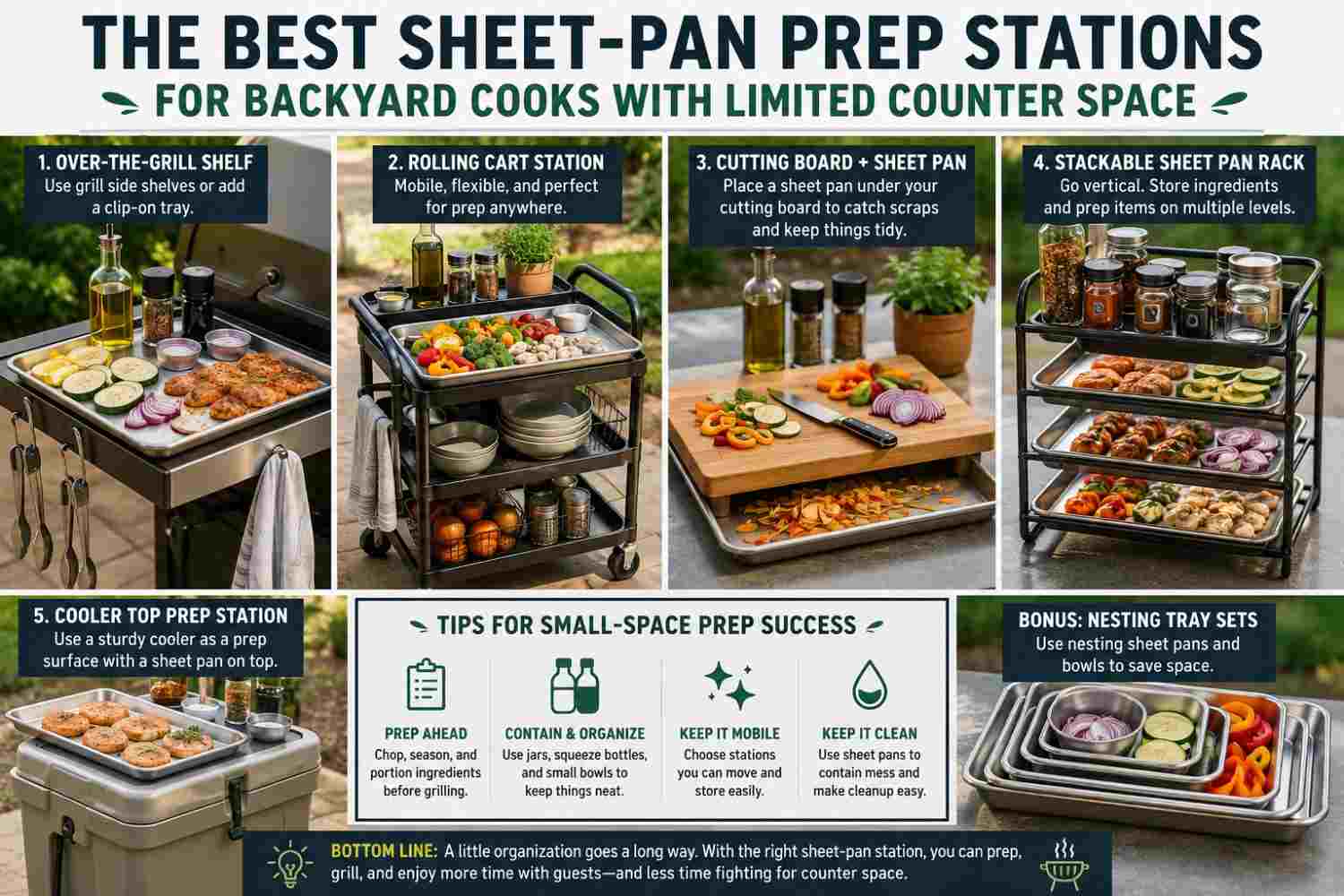
A backyard cook can have the best grill in the neighborhood and still lose the battle to one missing ingredient: counter space.
You can have a beautifully seasoned brisket resting on the cutting board, vegetables ready to roast, sauces lined up, and a cold drink within reach – then realize the only place left to put the sheet pan is on top of the cooler.
That is when a good prep station stops being a luxury and starts earning its keep.
Outdoor cooking is supposed to feel relaxed. But limited workspace can turn a simple cook into a strange game of Tetris involving tongs, cutting boards, seasoning bottles, raw meat, and the one plate nobody remembers washing.
The good news? You don’t need a sprawling outdoor kitchen to cook efficiently.
The right prep stations can give a small patio, deck, balcony, or backyard cooking area a surprisingly capable workspace.
The trick is choosing one that fits your cooking style, available space, and workflow – not simply buying the biggest table you can squeeze through the back door.
What Is a Sheet-Pan Prep Station?
A sheet-pan prep station is essentially a compact outdoor workspace designed to make food preparation, organization, and serving easier.
The sheet pan itself is the secret weapon.
Instead of treating a sheet pan as something that only belongs in the oven, backyard cooks can use it as a portable organization tray.
Load it with chopped vegetables, seasoned meat, sauces, spices, or grilling tools, then move everything together when it’s time to cook.
A dedicated prep station gives that sheet pan a proper home.
Depending on the design, you may get:
- A sturdy work surface
- Shelves for equipment and ingredients
- Slots or racks for sheet pans
- Hooks for utensils
- Wheels for mobility
- Folding legs for storage
- Space underneath for coolers or storage bins
The best prep stations essentially create a small command center next to the grill.
That matters because outdoor cooking involves a lot of movement. You are constantly going from refrigerator to cutting board, cutting board to grill, grill to serving table, and occasionally from grill to the sink because somebody dropped the barbecue sauce.
A good station reduces those unnecessary trips.
The goal isn’t to create more furniture. It’s to create a better workflow.
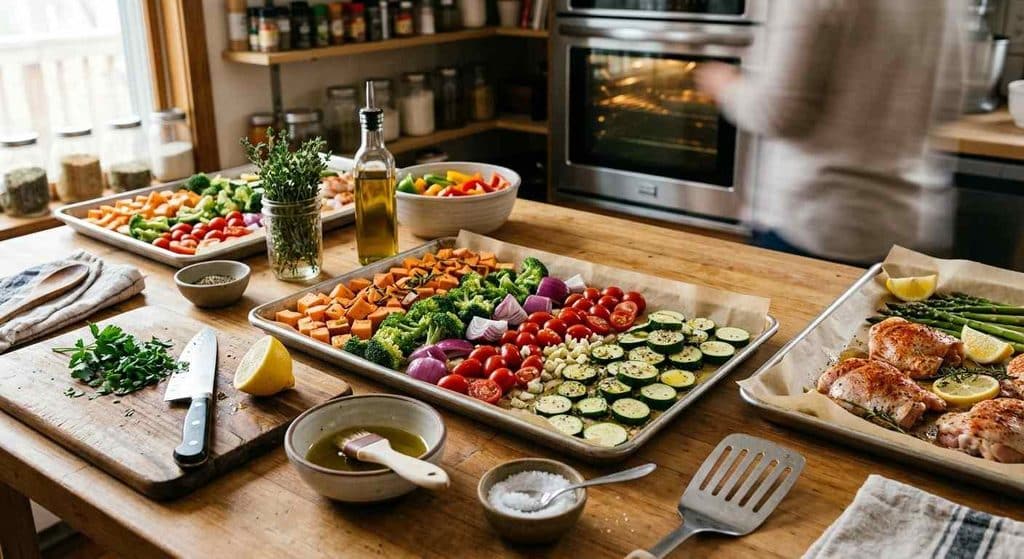
What to Look for in a Sheet-Pan Prep Station
Not every outdoor prep table deserves a spot beside your grill. Some look impressive in the product photos but become awkward once you actually start cooking.
Here are the features worth paying attention to.
Compact Footprint
Start with measurements.
Not the measurements on the box. Measure the space where the station will actually live.
A station that looks compact online can feel enormous when placed between a grill and a patio door.
For a small backyard, look for:
- Narrow designs
- Folding surfaces
- Slim rolling carts
- Vertical storage
- Wall-mounted options
Remember to leave enough room to move around it.
A prep station shouldn’t solve your counter-space problem by creating a walking-space problem.
A Stable Work Surface
Stability matters more than fancy features.
A wobbly table might survive a bowl of potato salad. It becomes much less charming when you’re trying to carve a brisket or move a full sheet pan loaded with vegetables.
Look for a solid frame and a surface that doesn’t flex excessively.
Pay particular attention to the station’s weight capacity, especially if you plan to use cast-iron cookware, large cutting boards, or heavy trays.
A few extra shelves are nice.
A table that doesn’t shake when you slice a tomato is nicer.
Sheet-Pan Compatibility
The whole point of this setup is to make sheet pans useful, so think about how they will actually fit.
Some stations have shelves where pans can sit flat. Others have rails, racks, or dedicated storage areas.
Before buying, check the dimensions of your sheet pans and compare them with the available workspace.
Standard sheet pans aren’t all identical, and a crowded shelf can quickly become annoying.
You want to be able to grab a pan with one hand without knocking three condiment bottles onto the ground.
Weather-Resistant Materials
Outdoor furniture takes punishment.
Sun. Rain. Humidity. Grease. Smoke. Sauce. The mysterious sticky substance that somehow appears on every outdoor cooking surface.
Stainless steel is popular because it is durable and relatively easy to clean. Aluminum is lightweight and resistant to corrosion. Powder-coated metal can also work well when properly maintained.
Wood can look fantastic, but it generally needs more care, particularly in exposed outdoor environments.
Choose materials based on where the station will live—not just how it looks on day one.
Mobility and Storage
Wheels can be incredibly useful.
A rolling station lets you position the workspace beside the grill during a cook and move it away afterward.
Just make sure the casters lock.
A rolling prep station that slowly wanders away while you’re slicing onions isn’t exactly the kind of mobility we’re looking for.
For very small spaces, folding stations can be even more useful.
A station that disappears when you’re finished cooking is often more valuable than one with twice the surface area.
Easy Cleaning
Outdoor cooking is messy.
Grease splatters. Marinades drip. Seasoning gets everywhere. And somehow barbecue sauce can travel approximately the same distance as a small meteor.
Choose a surface that can be wiped down easily.
Removable trays and smooth shelves are useful. Avoid overly complicated designs with lots of tight corners where grease and food particles can collect.
Easy cleanup is not a minor feature. It determines whether you’ll actually enjoy using the station.
The Best Types of Sheet-Pan Prep Stations for Small Outdoor Spaces
Different cooks need different kinds of workspace. Your ideal station depends heavily on how and where you cook.
Folding Prep Tables
For cooks who need workspace only when the grill is fired up, folding tables are hard to beat.
They are straightforward, relatively lightweight, and easy to store.
Set one up before a weekend cookout, use it as your primary prep surface, then fold it away afterward.
They are particularly useful for:
- Small patios
- Apartment balconies where permitted
- Temporary cooking areas
- Camp-style outdoor cooking
- Backyard cooks who don’t want permanent furniture
The downside is storage.
A folding table still has to go somewhere when you’re finished.
Rolling Outdoor Prep Carts
Rolling carts are excellent for cooks who move around during a cook.
You can keep vegetables and seasoning on one level, tools on another, and use the top as your primary prep surface.
Then roll the whole setup closer to the grill.
Think of it as a kitchen island that learned how to travel.
Look for locking wheels and a sturdy frame. Storage underneath is especially valuable when counter space is tight.
Grill-Side Prep Stations
These are built around one idea: keep your workspace close to the heat. That sounds obvious, but it can dramatically improve a cook.
Imagine preparing burgers on one side of the yard, then walking across the patio every time you need to grab a spatula.
Now imagine everything sitting within arm’s reach.
That’s the appeal.
Just maintain a safe distance from hot surfaces and open flames. Your prep area should be convenient without becoming part of the barbecue.
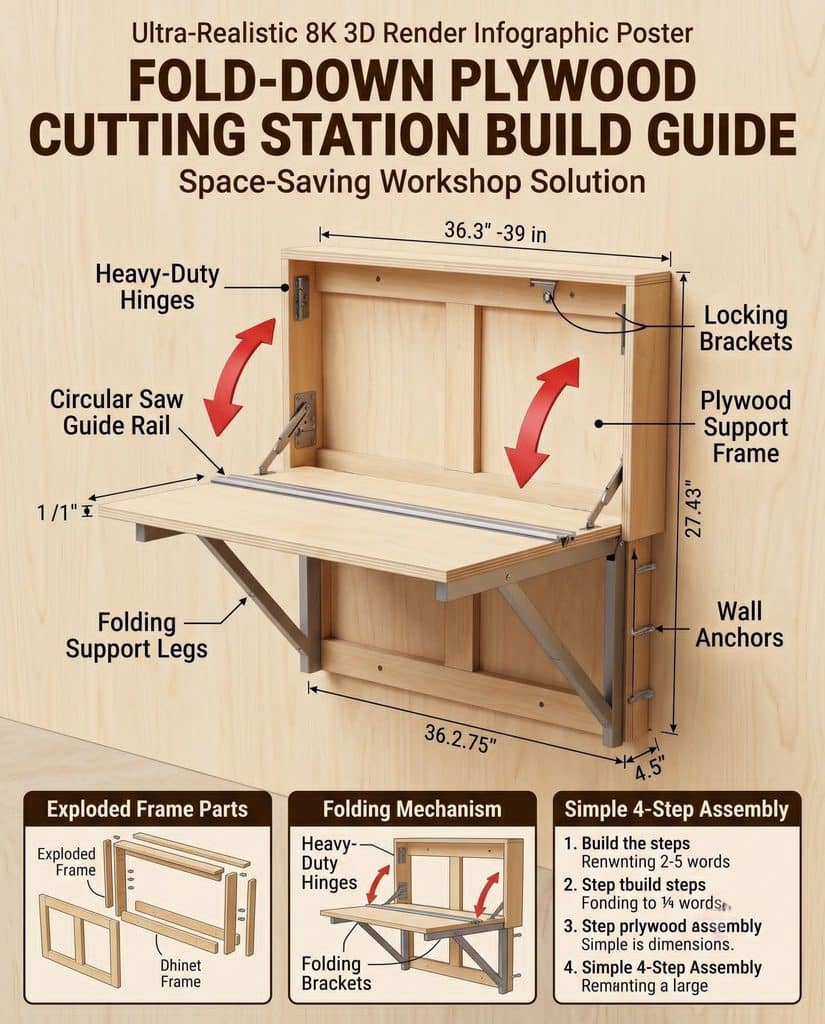
Wall-Mounted or Fold-Down Stations
For extremely tight spaces, vertical thinking can change everything.
A fold-down station attached to a suitable wall can provide a useful prep surface without permanently consuming floor space.
When you’re cooking, it becomes a workbench. When you’re finished, it folds away. This approach is particularly clever for compact patios and small outdoor kitchens.
When floor space is precious, use the walls.
Multi-Tier Prep Stations
A multi-level cart can turn one small footprint into several useful storage zones.
The top can handle active food preparation.
The middle shelf can hold ingredients.
The lower shelf can store pans, bowls, paper towels, or equipment.
The important part is organization.
Don’t turn every shelf into a junk drawer.
Vertical storage only works when you can still find what you need.
DIY Sheet-Pan Prep Stations
You don’t necessarily need a station marketed specifically for sheet pans. A compact outdoor cart or sturdy folding table can do the job with a few smart additions.
Use racks to store pans vertically. Add hooks for tongs and spatulas. Keep a small container nearby for trash or used utensils.
The result can be surprisingly effective. The DIY route also lets you build around the exact dimensions of your space.
How to Choose the Right Prep Station for Your Space
The best prep station is the one that solves your specific problem.
Start by asking four questions:
How much floor space do I have?
Measure the available area and account for clearance around the station.
How often do I cook outdoors?
A weekend griller may prefer a folding table. Someone smoking briskets every Saturday might benefit from a permanent rolling cart.
How far is the station from the grill?
Shorter trips mean less carrying, fewer spills, and less opportunity for your carefully prepared ingredients to meet the patio floor.
Where will I store it?
This question gets ignored surprisingly often.
A station may fit perfectly on the patio but have nowhere to go once winter – or a particularly enthusiastic rainstorm – arrives.
Here’s a simple way to match the station to your setup:
- Tiny patio: Fold-down or compact folding station
- Small deck: Rolling cart
- Grill-focused cooking area: Grill-side station
- Limited storage: Folding model
- Frequent outdoor cooking: Durable rolling cart
- Permanent outdoor kitchen: Built-in or wall-mounted workspace
Buy for your actual cooking habits, not your imaginary backyard kitchen.
Smart Ways to Maximize a Small Sheet-Pan Prep Station
A small workspace doesn’t have to feel cramped. The trick is to make every inch work.
Use Sheet Pans as Organization Trays
Instead of spreading ingredients across the counter, group them together.
One sheet pan can hold vegetables. Another can hold seasoned meat. A smaller tray can hold sauces and finishing ingredients.
This keeps the work surface clear and makes transporting food easier. It also gives you a visual reminder of what’s ready to go.
Go Vertical
Hooks, shelves, racks, and magnetic storage can reclaim valuable workspace. Hang frequently used tools instead of laying them across the table. Store sheet pans vertically when possible.
The less stuff sitting on the main surface, the more useful that surface becomes.
Create Dedicated Prep Zones
Think about your station in three simple zones:
Raw ingredients → Cooking tools → Finished food
Keeping these areas separate reduces clutter and makes food handling easier.
You don’t need labels or a color-coded operations manual. Just give each category a logical home.
Keep Frequently Used Tools Within Reach
Tongs, spatulas, thermometers, gloves, and brushes should be easy to grab. Less frequently used equipment can live underneath. There’s no prize for keeping your instant-read thermometer twelve feet away.
Use Removable Containers
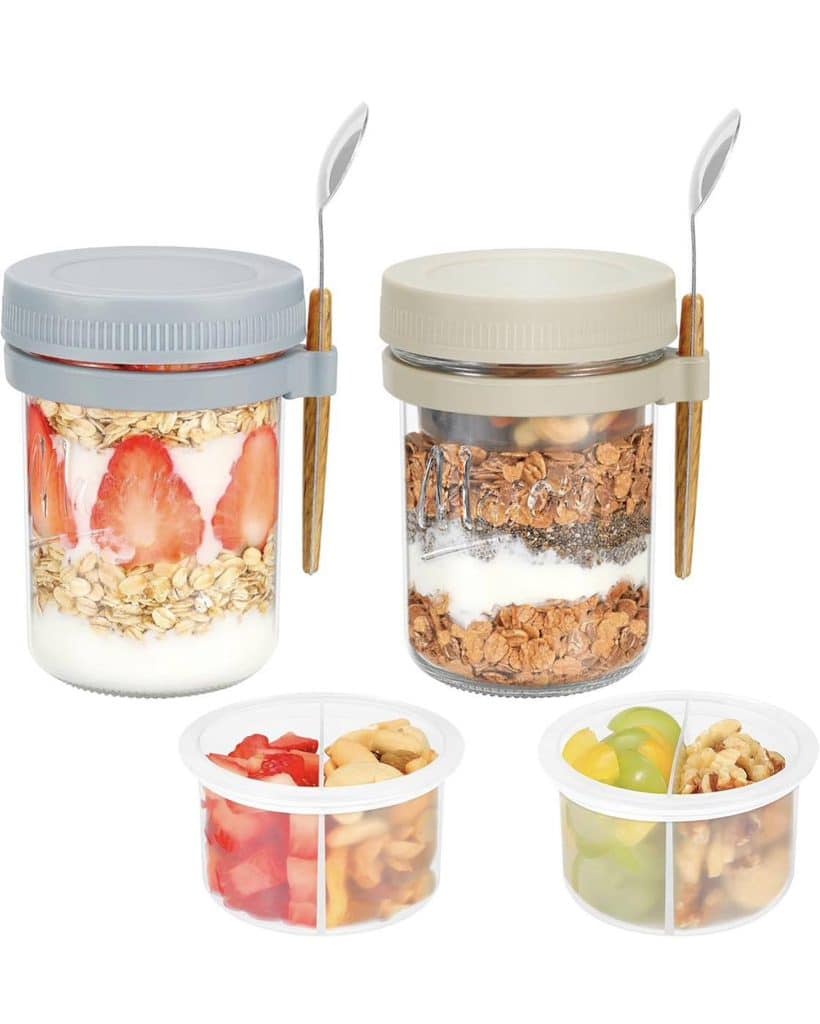
Small containers make transporting ingredients easier. Bring everything outside in one trip rather than making five journeys from the kitchen.
That saves time and keeps the indoor kitchen from becoming part of the cookout’s traffic pattern.
Don’t Overload the Station
This may be the most important rule.
More storage does not automatically mean more usable space.
Keep only what you need for the current cook on the station. Everything else can stay stored underneath or indoors.
Safety and Food-Handling Considerations
A compact prep area still needs proper food-safety practices.
Keep raw meat separate from cooked food and ready-to-eat ingredients. Use clean utensils when moving cooked food to a serving tray.
The station should also remain safely away from direct flames, excessive radiant heat, and hot grill surfaces.
Remember that metal can become surprisingly hot under direct sunlight.
Touching the prep table to check its temperature is not a legitimate grilling technique.
Wind is another consideration.
Lightweight folding tables can shift in strong conditions, particularly when they’re holding large sheet pans or lightweight containers.
Make sure the station is stable before loading it. Finally, clean the work surface after each cook.
Remove food debris, wipe away grease, and clean areas that came into contact with raw ingredients.
A great backyard cooking setup should make the next cook easier – not leave behind a science experiment.
Common Mistakes When Setting Up a Small Outdoor Prep Station
One of the biggest mistakes is buying too much table. More surface sounds better until the station takes up half the patio. Another common mistake is ignoring storage.
A station might provide excellent workspace but offer nowhere to put pans, tools, or ingredients.
Some cooks also place their station too far from the grill.
You don’t need to be close enough to accidentally season your forearm with barbecue sauce, but you should be able to move ingredients efficiently.
Other mistakes include:
- Choosing unstable construction
- Ignoring weather exposure
- Forgetting wheel locks
- Using difficult-to-clean surfaces
- Crowding the main workspace
- Failing to measure the area first
The best prep stations are designed around workflow, not decoration.
A shiny cart that looks fantastic in the backyard but makes you walk around it twelve times during dinner isn’t really helping.
Build a Better Backyard Cooking Workflow
The real advantage of a good prep station isn’t simply having another surface. It’s having a place for everything. Before the cook starts, load your sheet pans with the ingredients you’ll need.
Keep seasonings and tools within reach. Position the station where you can move easily between prep and grill. During cooking, keep raw and cooked foods separated.
After cooking, clear the workspace before bringing out the finished food. That simple sequence creates a much smoother rhythm. And that’s what good outdoor cooking should feel like.
Not frantic.
Not cluttered.
Not like you’re competing in a backyard version of Tetris while holding a pair of barbecue tongs.
A well-organized prep station lets you focus on the food instead of fighting the workspace.
Final Takeaway: Small Space, Better Setup
Limited counter space doesn’t mean limited cooking potential.
A smart sheet-pan prep station can turn a cramped patio or compact backyard into a highly functional outdoor kitchen.
The right choice depends on your available space and cooking style.
Folding tables make sense when storage is the priority. Rolling carts work well for cooks who want mobility. Wall-mounted stations are excellent when floor space is scarce. Multi-tier carts make better use of vertical space.
Whatever style you choose, prioritize the fundamentals:
Stability. Compact dimensions. Easy cleaning. Smart storage. Mobility when useful.
Then build your workflow around the station.
Use sheet pans as portable ingredient trays. Keep essential tools close. Move less. Store vertically. Keep the main work surface clear.
You don’t need a restaurant-sized outdoor kitchen to cook like you know what you’re doing.
You just need enough room to put the brisket somewhere other than the cooler.
For your next cook, think less about adding more counter space and more about making the space you already have work harder. A well-chosen prep station can do exactly that.
Frequently Asked Questions
1. What is a sheet-pan prep station?
A sheet-pan prep station is a compact outdoor workspace designed to help organize ingredients, tools, and cookware while cooking. Many prep stations include shelves, hooks, racks, or dedicated areas for storing sheet pans.
2. What is the best type of prep station for limited counter space?
For very small outdoor areas, folding or wall-mounted prep stations are usually the most practical. Rolling carts are another good option when you need mobility and additional storage.
3. What should I look for when buying an outdoor prep station?
Focus on stability, compact dimensions, weather-resistant materials, sheet-pan compatibility, storage, mobility, and easy cleaning. The best prep station should fit your available space without restricting movement around the grill.
4. Can I use a regular outdoor table as a sheet-pan prep station?
Yes. A sturdy outdoor table can work well as a prep station. Add sheet-pan racks, hooks, storage bins, or shelves to improve organization and make better use of the available space.
5. How can I maximize a small outdoor prep station?
Use sheet pans as ingredient trays, take advantage of vertical storage, keep frequently used tools within reach, and divide the workspace into raw ingredients, cooking tools, and finished food. Most importantly, avoid overcrowding the main work surface.
Featured image credit:
