
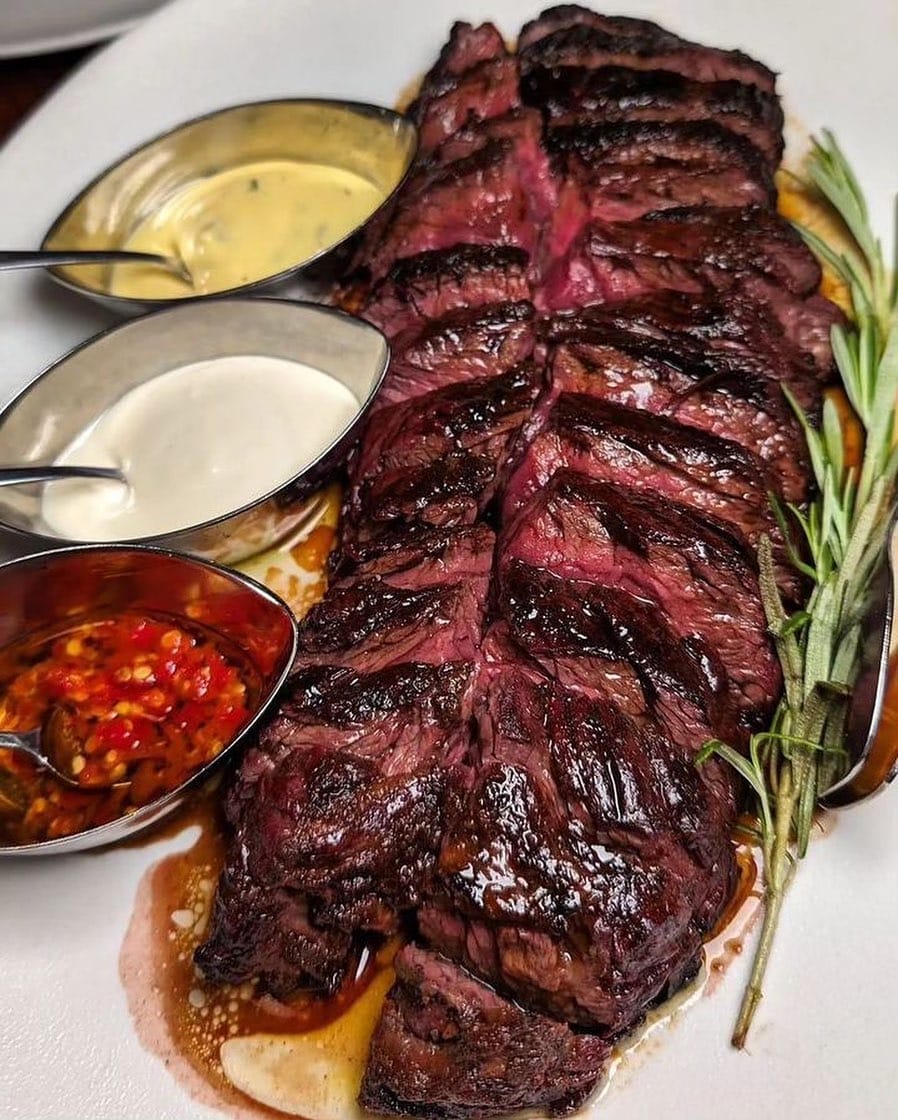
If there’s one thing I wish every backyard griller understood, it’s this: BBQ timing beats fancy rubs every single time.
You can have the best seasoning in the world – but flip too early, wrap too late, or slice too soon, and you’ll end up with meat that’s dry, tough, or just… disappointing.
I’ve seen it happen more times than I care to admit (and yeah, I’ve done it myself – once turned a beautiful brisket into something closer to beef jerky with commitment issues).
This guide is all about getting your BBQ timing right – knowing exactly when to flip, mop, wrap, and rest your meat so it comes out juicy, tender, and packed with flavor.
Think of this as pitmaster instincts – translated into plain English.
Why Timing Is Everything in BBQ
Here’s the deal: BBQ isn’t just cooking – it’s controlled patience.
When you’re working with heat, fat, and muscle fibers, timing controls everything:
- When fat renders
- When juices stay in (or run out)
- When bark forms (that beautiful crust)
Rush it, and the meat tightens up.
Nail it, and it melts like butter.
BBQ timing is really about reading the meat – not the clock.
A brisket doesn’t care that it’s been 6 hours.
It cares about temperature, moisture, and when it’s ready.
That’s why pros don’t say, “Cook it for X minutes.”
They say, “Watch for this.”
When to Flip Your Meat
The Myth of Constant Flipping
Let me clear this up right away:
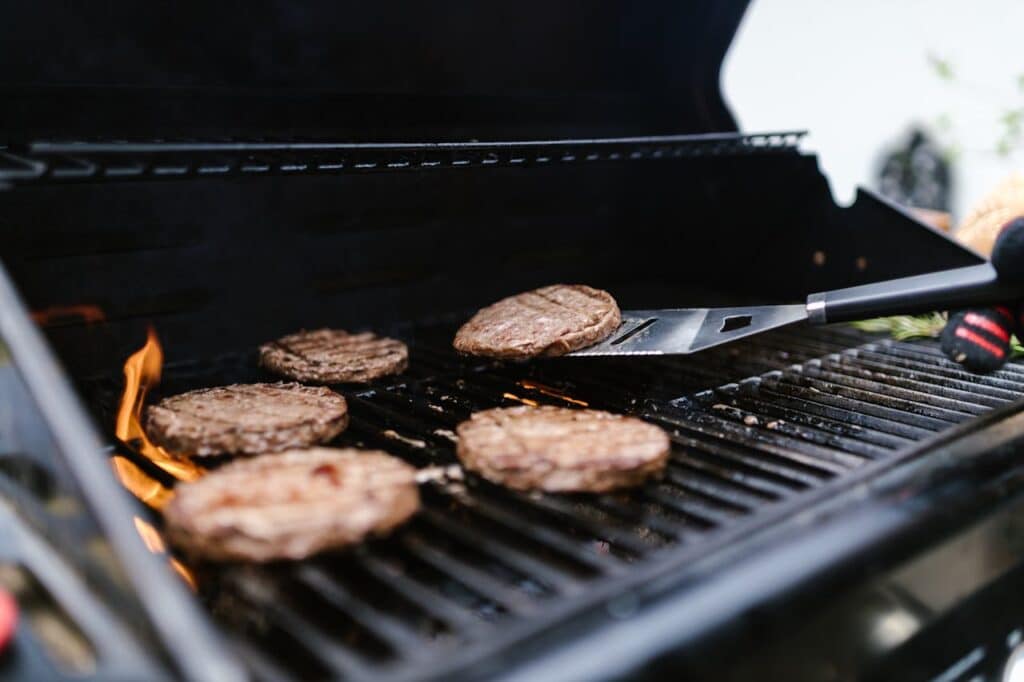
If you’re flipping your meat every 30 seconds, you’re babysitting it to death.
Flipping too often:
- Prevents crust from forming
- Slows down browning
- Messes with heat consistency
You want that deep, flavorful sear – not a nervous shuffle.
So… When Do You Flip?
Here’s the simplest rule I teach:
👉 Flip when the meat lets go – not when you feel like it.
When meat is ready, it naturally releases from the grill. If it’s sticking, it’s not ready. Don’t force it – this isn’t a breakup.
Look for:
- Rich browning or grill marks
- Edges starting to cook through
- Easy release from the grates
Timing by Meat Type
Different meats, different attitudes:
- Steak
Flip once for a strong crust. Maybe twice if you know what you’re doing. - Burgers
One flip is enough. Pressing them? That’s a crime. - Chicken
Flip occasionally for even cooking, especially bone-in pieces. - Ribs
Don’t flip much. These are slow dancers, not gymnasts.
Pitmaster Tip
Use tongs, not a fork.
Piercing meat = juices escaping = sadness on a plate.
When and How to Mop
What Is Mopping, Really?
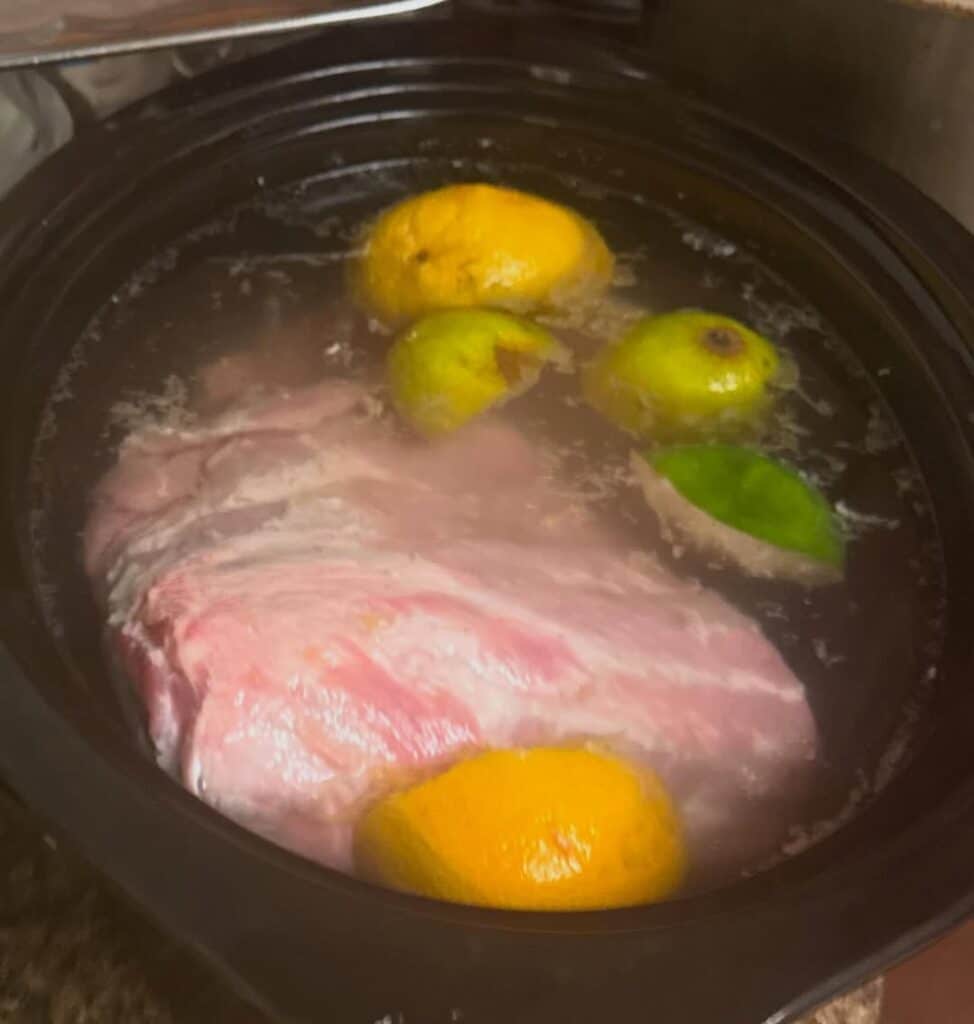
Mopping is brushing or dabbing liquid onto meat while it cooks. Think of it as layering flavor while protecting moisture. But timing matters – a lot.
When to Start Mopping
Here’s where beginners mess up:
Don’t mop too early.
If you start mopping right after putting the meat on, you’ll:
- Wash off your seasoning
- Prevent bark from forming
Instead:
Start mopping once the surface sets and bark begins forming.
That’s usually:
- After the first hour or two (low-and-slow cooks)
How Often Should You Mop?
This isn’t watering plants. Every 30–60 minutes is plenty.
Too much mopping:
- Drops grill temperature
- Softens bark too much
- Turns your meat soggy
We’re building layers – not soup.
Best Meats for Mopping
Mopping shines with:
- Ribs
- Brisket
- Pork shoulder
Basically, anything that cooks long enough to benefit from it.
Mop Sauce Wisdom
Keep it thin early on.
Sugary sauces too soon = burnt mess.
Save the sweet stuff for later stages unless you enjoy scraping blackened regret off your grill.
When to Wrap Your Meat (The Texas Crutch)
Ah, wrapping – the move that separates frustrated cooks from confident ones.
What Wrapping Actually Does
Wrapping helps you:
- Push through the “stall” (when temp stops rising)
- Lock in moisture
- Speed up cooking
It’s not cheating. It’s strategy.
When to Wrap
Here’s your golden window:
Wrap when internal temp hits around 150–170°F (65–77°C)
AND the bark looks set (not mushy)
If you wrap too early:
- You ruin the bark
Too late:
- You dry things out
Timing is everything here.
Foil vs Butcher Paper
Two options, two personalities:
- Foil
Faster cooking, softer bark, more moisture - Butcher paper
Slower, but preserves bark better
I use both – depends on what I’m cooking and my mood that day.
When NOT to Wrap
Not everything needs it.
Skip wrapping for:
- Steaks
- Quick cooks
- When you want a firm, crispy bark
Sometimes patience beats shortcuts.
When to Rest Your Meat
Now we get to the most ignored – and most important – step.
Why Resting Matters
You just spent hours cooking. Don’t ruin it in 2 minutes.
When meat cooks:
- Juices move toward the center
If you slice immediately:
All that juice ends up on your cutting board.
Resting allows:
- Juice redistribution
- Better texture
- More flavor in every bite
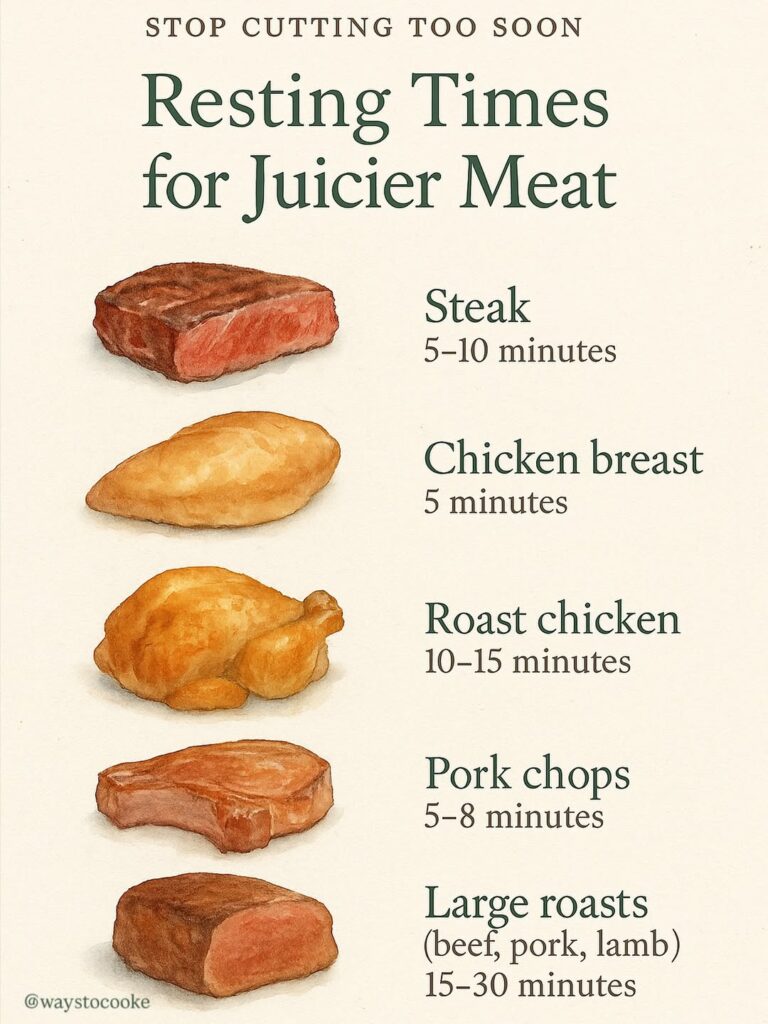
How Long Should You Rest?
Here’s a quick guide:
- Steak: 5–10 minutes
- Chicken: 10–15 minutes
- Ribs: 15–20 minutes
- Brisket: 1–2 hours
Yes, hours. Trust me – it’s worth it.
How to Rest Properly
- Loosely tent with foil
- Don’t wrap too tight (it’ll steam)
- For big cuts: use a cooler (the “faux cambro” trick)
What Happens If You Skip Resting?
You get:
- Dry meat
- Juice puddles
- Regret
And probably someone politely saying, “It’s still good,” which is never a great sign.
The Stall: Why Your Meat “Stops Cooking” (And What to Do About It)
Every pitmaster remembers the first time they hit “the stall” – that confusing moment when your meat’s internal temperature just… stops climbing.
You’re cruising along, feeling confident, and then suddenly – nothing. It sits there for what feels like forever. That’s not your smoker failing. That’s science doing its thing.
The stall happens because of evaporative cooling. As moisture rises to the surface and evaporates, it cools the meat – almost like sweat on your skin.
Here’s the key: don’t panic and crank the heat. That’s how you ruin texture.
Instead, you’ve got two solid options:
- Wait it out (best for bark development)
- Wrap the meat (to push through faster)
Understanding the stall is a turning point in mastering BBQ timing. It teaches patience – and BBQ rewards patience more than anything else.
Fire Management: The Hidden Clock Behind Great BBQ
You can’t talk about BBQ timing without talking about fire.
Your fire is your clock.
Too hot, and your timing collapses – meat cooks unevenly, dries out, and loses that slow-built flavor. Too cool, and you’re stuck in an endless cook that never quite gets there.
Great pitmasters don’t just cook meat – they manage heat like a dial, not a switch.
Key idea:
👉 Consistency beats intensity.
That means:
- Steady airflow
- Controlled fuel (charcoal or wood)
- Avoiding big temperature swings
A stable fire gives you predictable timing. And predictable timing gives you control.
I always say:
“If your fire’s all over the place, your BBQ timing doesn’t stand a chance.”
Dial in your fire, and suddenly everything – flipping, mopping, wrapping – starts to make sense.
Resting Isn’t the End – It’s Part of the Cook
Most people think cooking ends when the meat leaves the grill.
That’s not true.
👉 Resting is still cooking.
This is where carryover heat continues to gently raise internal temperature while juices redistribute.
If you understand this, you can actually time your cook to finish early – then let resting do the final work.
That’s how pros hit perfect doneness without rushing.
Here’s the trick:
- Pull meat slightly before your target temp
- Let resting bring it home
This is especially powerful for:
- Brisket
- Pork shoulder
- Thick steaks
Think of resting as your final, invisible step in BBQ timing – the one that turns “almost perfect” into “nailed it.”
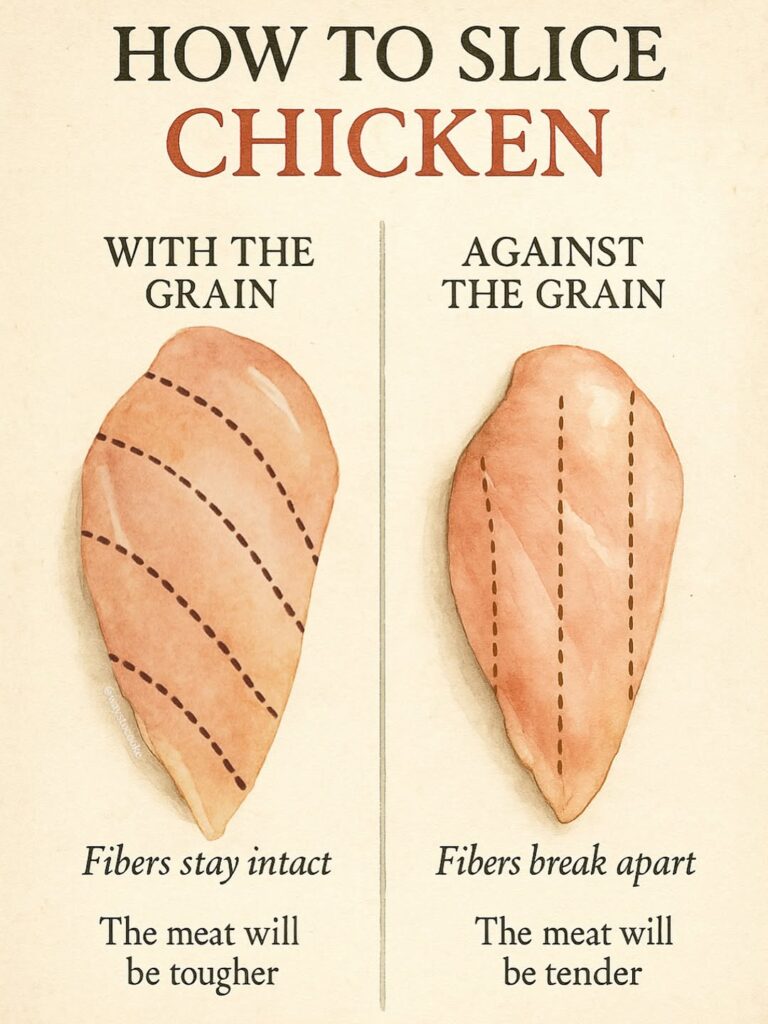
Cutting Against the Grain: Timing Your Slice Matters Too
You’ve nailed the cook. You rested properly. You’re ready to slice.
But hold on – how and when you cut matters more than you think.
First rule:
👉 Never rush the slice.
Cut too early, and juices spill out. Wait just long enough, and they stay where they belong – inside the meat.
Second rule:
👉 Always cut against the grain.
The grain is the direction muscle fibers run. Slice with it, and you get chewy meat. Slice against it, and suddenly everything feels tender.
Timing comes into play here too:
- Slice too late → meat cools too much
- Slice too early → juice loss
There’s a sweet spot. Find it, and you elevate your BBQ from good to restaurant-level.
Weather and BBQ Timing: The Factor Nobody Talks About
Here’s something most guides ignore:
👉 Weather changes your BBQ timing.
Cooking on a calm, warm day? Easy mode. Cooking in wind, rain, or cold? Completely different game. Cold air pulls heat from your smoker. Wind messes with airflow and spikes temperatures.
Humidity can even affect how bark forms.
That means:
- Longer cook times
- More fuel needed
- Less predictable timing
A seasoned pitmaster adjusts instinctively.
Key mindset:
Don’t fight the weather – adapt your BBQ timing to it.
If conditions are rough, give yourself more time and keep your fire steady. Mother Nature always gets a vote in BBQ.
The Role of Meat Thickness in Timing Decisions
Not all cuts are created equal – and thickness changes everything.
A thin steak cooks fast and demands quick timing. A thick brisket? That’s an all-day commitment.
Here’s the core idea:
👉 Thicker meat = slower heat penetration = longer timing decisions
That affects:
- When you flip
- When you wrap
- How long you rest
For example:
- Thin cuts → flip more frequently for even cooking
- Thick cuts → fewer flips, more patience
Thickness also impacts temperature gradients – how heat moves from outside to center. If you ignore thickness, your BBQ timing falls apart.
If you respect it, you cook with intention – and your results show it.
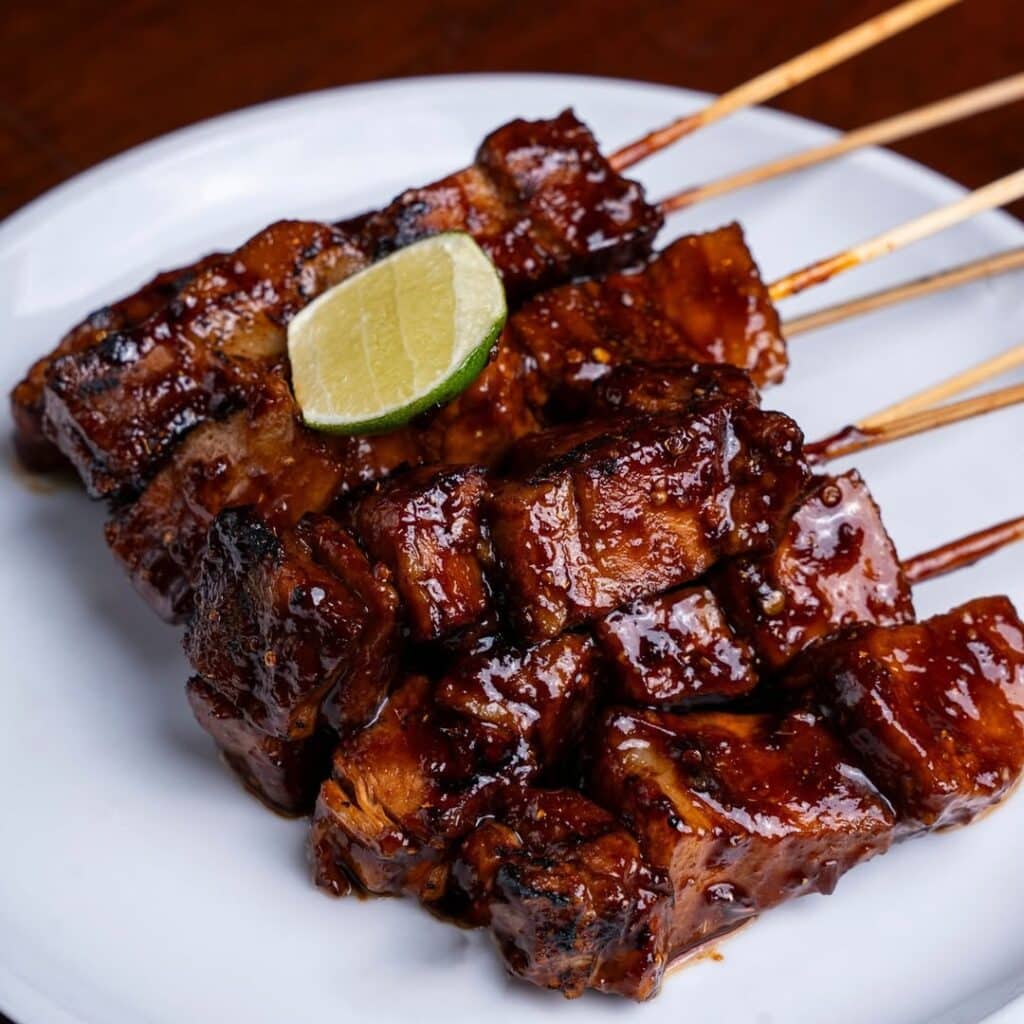
Timing Your Sauce: When to Glaze Without Burning
Sauce can make or break your BBQ – but timing it wrong is one of the fastest ways to ruin a good cook.
Here’s the problem:
👉 Most BBQ sauces contain sugar. Sugar burns fast.
If you sauce too early, you’ll end up with:
- Bitter, burnt coating
- Sticky mess instead of a glaze
The solution?
👉 Sauce late in the cook.
Think of it as a finishing move, not a base layer.
Best practice:
- Apply sauce in the last 10–20 minutes
- Let it caramelize gently
- Build thin layers instead of one heavy coat
This creates that perfect tacky, glossy finish everyone loves.
Timing your sauce correctly is one of those small details that separates backyard BBQ from pitmaster-level results.
BBQ Timing Cheat Sheet
If you remember nothing else, remember this:
- Flip: When meat releases naturally
- Mop: After bark forms, every 30–60 minutes
- Wrap: Around 150–170°F when bark is set
- Rest: Always. No exceptions.
That’s your BBQ timing backbone.
Common BBQ Timing Mistakes
I’ve made all of these. You don’t have to.
Flipping too early
You lose crust and flavor.
Mopping too soon
You wash away seasoning.
Wrapping at the wrong time
You either ruin bark or dry out meat.
Skipping the rest
You undo all your hard work.
Trusting the clock instead of the meat
Biggest mistake of all.
Final Pitmaster Tips
Here’s what separates good BBQ from unforgettable BBQ:
- Use a meat thermometer – guessing is for lottery tickets
- Watch for signs, not time
- Stay patient – BBQ punishes impatience fast
And most importantly:
Respect the process. BBQ timing is the process.
Closing Remarks
At the end of the day, great BBQ isn’t about a secret recipe or a thousand-dollar rig; it’s about the relationship between you, the heat, and the meat.
Mastering the flip, mop, wrap, and rest turns a stressful afternoon of “is it done yet?” into a confident, rhythmic ritual.
It’s the difference between serving a meal and serving an experience. So, the next time you fire up the grill, put the watch away and keep your eyes on the bark.
Be patient through the stall, respect the rest, and remember that the best ingredient you can ever add to your BBQ is an extra thirty minutes of discipline.
Your patience will be rewarded the moment that first, perfectly timed bite melts in your mouth – and trust me, your guests will taste the difference.

Frequently Asked Questions About BBQ Timing
How do I know when to flip my meat?
The simplest answer: flip when the meat releases naturally from the grill. If it’s sticking, it’s not ready. For most cuts, you’re looking for a well-formed crust and visible browning before flipping.
Timing varies depending on heat and thickness, so trust what you see and feel – not just the clock.
Can I flip meat more than once?
Yes – but do it with purpose.
Flipping once helps build a strong crust, especially for steaks and burgers.
Flipping more often can help cook meat evenly, particularly thinner cuts.
The key is avoiding constant flipping with no strategy. Intentional flipping = better BBQ timing.
When should I start mopping my meat?
Start mopping after the bark begins to form, not right away.
If you mop too early, you’ll wash off your seasoning. Typically, this means waiting at least 1–2 hours into a low-and-slow cook. From there, mop lightly every 30–60 minutes.
Do I always need to wrap my meat?
No – wrapping is a tool, not a rule.
Wrap when you want to:
- Push through the stall
- Speed up cooking
- Retain moisture
Skip wrapping if you’re aiming for a firmer, crispier bark or cooking faster cuts like steaks.
What temperature should I wrap my meat?
A good rule of thumb:
Wrap between 150–170°F (65–77°C)
But temperature isn’t everything. Look for a fully developed bark before wrapping. If the bark isn’t set, wrapping too early can ruin texture.
Why is resting meat so important?
Because resting keeps your meat juicy.
When you cook meat, juices move toward the center. If you cut too soon, those juices spill out.
Resting allows them to redistribute, giving you:
- Better texture
- More flavor
- Less juice loss
Skipping rest = dry meat and lost flavor.
How long should I rest different types of meat?
Here’s a quick guide:
- Steak: 5–10 minutes
- Chicken: 10–15 minutes
- Ribs: 15–20 minutes
- Brisket: 1–2 hours
Bigger cuts need longer rest times. Patience here pays off big.
What is “the stall” in BBQ?
The stall is when your meat’s internal temperature stops rising for a while, usually around 150–170°F.
It happens due to evaporative cooling – moisture leaving the meat cools it down.
You can:
- Wait it out (better bark)
- Wrap the meat (faster cook)
Understanding the stall is key to mastering BBQ timing.
Should I rely on time or temperature when cooking BBQ?
Always prioritize temperature and feel over time.
Time is just a rough estimate. Every cook is different depending on:
- Meat size
- Grill temperature
- Weather conditions
BBQ timing is about reading the meat – not watching the clock.
When should I apply BBQ sauce?
Apply sauce near the end of the cook.
Most sauces contain sugar, which burns easily. Add sauce during the last 10–20 minutes to let it caramelize without burning.
For best results, build thin layers instead of one thick coat.
Why does my meat turn out dry even when I follow the timing?
Dry meat usually comes down to one of these:
- Overcooking past target temp
- Skipping or shortening the resting period
- Cooking at inconsistent temperatures
Even with perfect BBQ timing, temperature control and patience still matter.
What’s the biggest BBQ timing mistake beginners make?
Rushing the process.
That includes:
- Flipping too early
- Mopping too soon
- Wrapping at the wrong time
- Cutting before resting
Great BBQ rewards patience. Slow down, trust the process, and let timing work for you – not against you.
Featured image credit: @grilling_greatfood
