
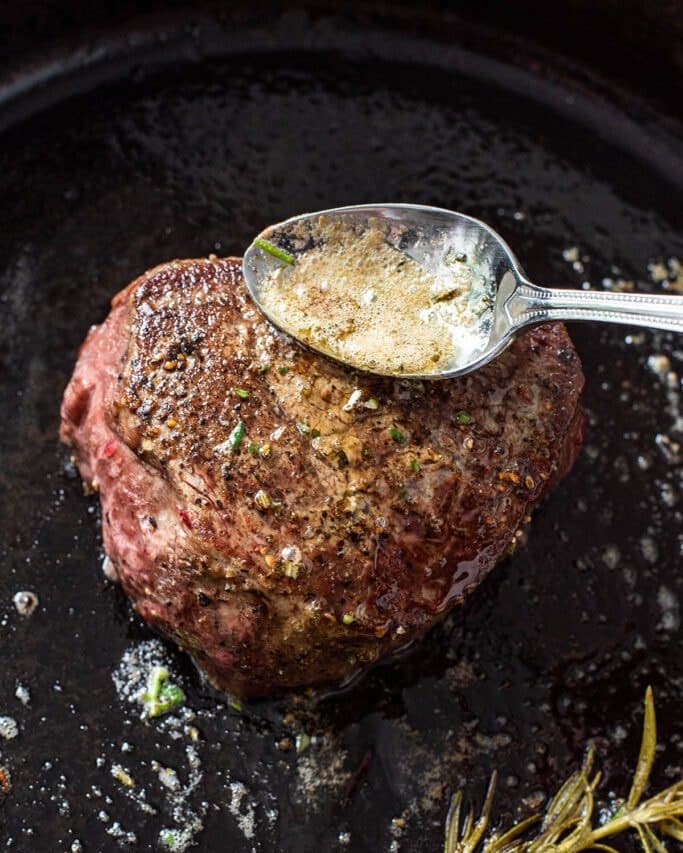
Few things in cooking are more satisfying than the sound of filet mignon searing in cast iron. That’s a whole different level of dinner. The kind where people suddenly start talking slower because they’re too busy chewing.
As a chef, I’ve cooked filet mignon over charcoal pits, wood-fired grills, and restaurant broilers hotter than a July afternoon in Texas. But honestly? One of the best ways to cook this cut at home is with a cast iron skillet. It’s simple, reliable, and delivers that steakhouse crust without needing a culinary degree or a backyard that looks like a competition barbecue trailer.
This filet mignon cast iron recipe gives you a buttery crust, a juicy center, and enough flavor to make you briefly forget your phone exists. That’s the sign of a good steak.
Why This Filet Mignon Cast Iron Recipe Works
Filet mignon is already famous for being incredibly tender. The challenge is flavor. Since it’s leaner than ribeye, you need technique to build that rich steakhouse taste.
That’s where cast iron earns its paycheck.
A heavy skillet gets brutally hot and stays hot, which creates the deep brown crust chefs call the Maillard reaction. Fancy term, simple result: incredible flavor.
And unlike grilling, where flare-ups sometimes turn dinner into a fire drill, cast iron gives you total control.
Key takeaway:
- High heat creates a crust
- Butter adds richness
- Resting keeps the steak juicy
- Cast iron makes you look way fancier than you actually are
What Is Filet Mignon?
Filet mignon comes from the tenderloin, which is the least-worked muscle on the cow. Translation? The meat is ridiculously tender.
You can practically cut it with a stern look.
Compared to ribeye, filet mignon has:
- Less fat
- A softer texture
- A milder beef flavor
- A more elegant presentation
It’s the steak equivalent of wearing a tailored suit instead of gym shorts.
How to Choose the Best Filet Mignon at the Butcher Counter
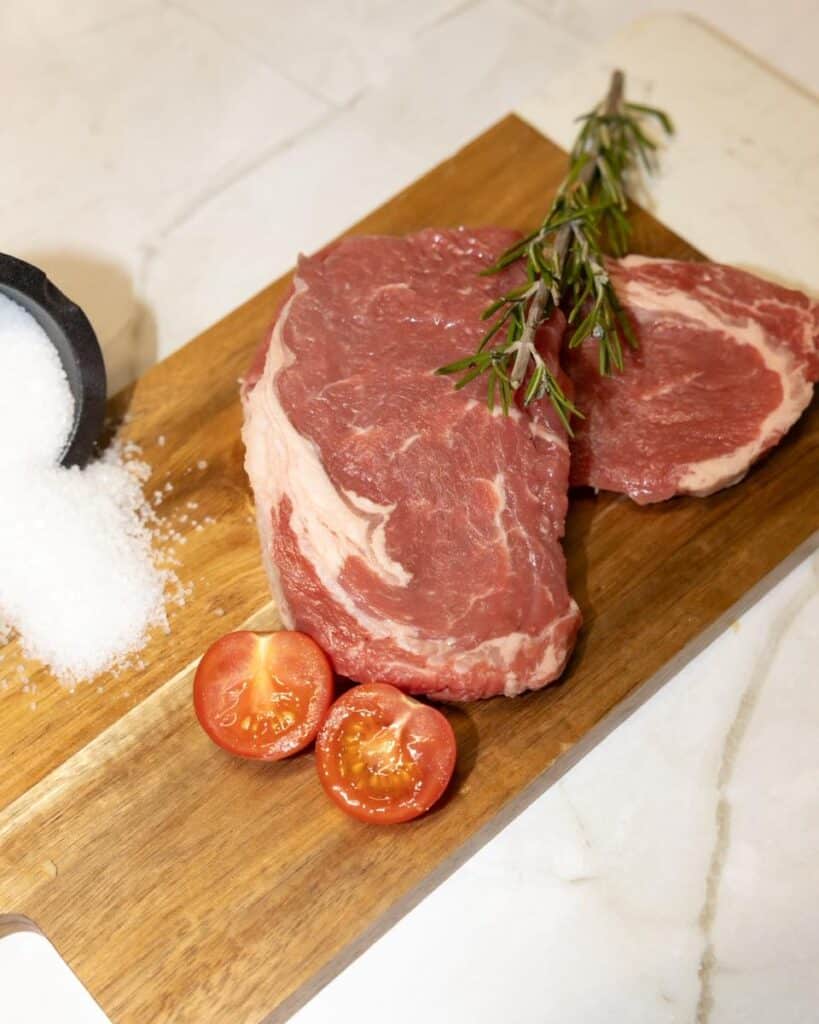
Not all filet mignon steaks are created equal, and the difference starts before the pan even heats up. When shopping, look for thick-cut filets that are at least 1½ to 2 inches thick.
Thin steaks cook too fast and rarely develop that legendary crust this filet mignon cast iron recipe is known for.
Pay attention to marbling, too. Even though filet mignon is leaner than ribeye, small streaks of fat still add flavor and tenderness. USDA Prime is fantastic if your budget allows, but a quality Choice cut can still cook beautifully in cast iron.
And here’s a butcher-shop secret: ask for center-cut filet mignon. It cooks more evenly and looks cleaner on the plate. Fancy steakhouse presentation without the steakhouse bill? That’s always a win.
Why Cast Iron Makes Better Steak Than Most Pans
A cast iron skillet doesn’t just cook steak – it creates a crust worthy of applause. The reason comes down to heat retention. Unlike lightweight pans that lose temperature the second meat hits the surface, cast iron stays ripping hot.
That steady heat is what creates the deep golden-brown crust that gives steak its bold flavor.
Stainless steel can do a decent job, but nonstick pans struggle with high heat and often prevent proper browning. Cast iron, meanwhile, thrives under pressure like a seasoned line cook on Saturday night.
Another bonus? Cast iron naturally builds flavor over time through seasoning. Every steak leaves behind a little history in the pan. Kind of poetic for cookware that weighs as much as a truck tire.
The Science Behind the Perfect Steak Crust
That dark, flavorful crust on a filet mignon isn’t magic – it’s science. Specifically, it’s the Maillard reaction, the chemical process that happens when proteins and sugars hit high heat. Sounds technical, tastes incredible.
When your steak hits a screaming-hot skillet, the surface rapidly browns and develops hundreds of complex flavor compounds. That’s why a properly seared steak tastes rich, nutty, and deeply savory compared to gray, overcooked meat.
The key is keeping the surface dry. Moisture creates steam, and steam is the enemy of crust. That’s why professional chefs always pat steaks dry before searing.
And here’s the painful truth: constantly flipping the steak interrupts browning. Give the crust time to develop. Good steak requires patience – and maybe resisting the urge to hover over the skillet like an anxious parent.
Wine and Drink Pairings That Elevate Filet Mignon
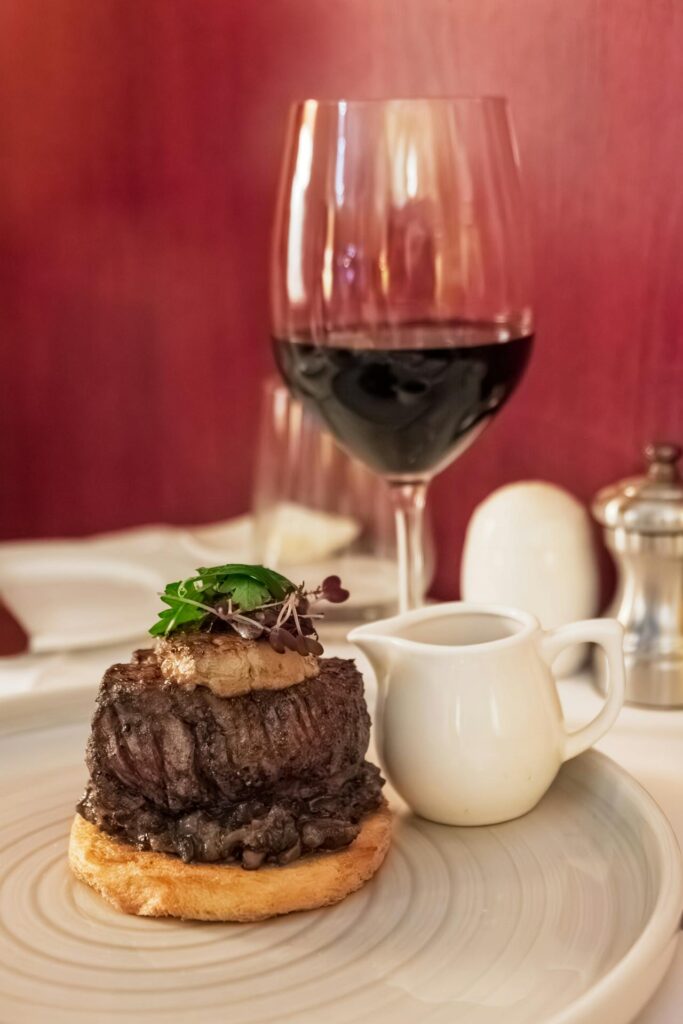
A great steak deserves a great drink beside it. Filet mignon pairs beautifully with bold red wines because the richness of the meat balances the wine’s tannins.
Cabernet Sauvignon is the classic choice, but Malbec and Merlot also work beautifully with this filet mignon cast iron recipe.
Not a wine drinker? No problem. A smoky bourbon cocktail or dark stout beer can complement the buttery crust surprisingly well. Even sparkling water with lemon helps cleanse the palate between bites.
One pairing trick chefs use is matching intensity. Since filet mignon is more delicate than ribeye, avoid drinks that completely overpower the steak. You want balance, not a flavor cage match.
And if all else fails, serve the steak with whatever makes you happy. Nobody has ever ruined filet mignon by enjoying dinner too much.
Tips for the Best Filet Mignon Cast Iron Recipe
Over the years, I’ve seen a few steak disasters. Most of them are avoidable.
1. Use a thick steak
Thin filet mignon cooks too quickly and won’t develop a proper crust.
2. Don’t overcrowd the skillet
Give each steak space. Crowding traps steam and ruins the sear.
3. Choose high-smoke-point oil
Avocado oil works beautifully because it handles high heat without burning.
4. Flip only once
Constant flipping interrupts crust formation.
5. Trust the thermometer
Even experienced chefs use thermometers. Pride has ruined more steaks than bad seasoning.
What to Serve with Filet Mignon
A rich steak deserves good company.
Some of my favorite pairings include:
- Garlic mashed potatoes
- Roasted asparagus
- Crispy smashed potatoes
- Creamed spinach
- Mushrooms sautéed in butter
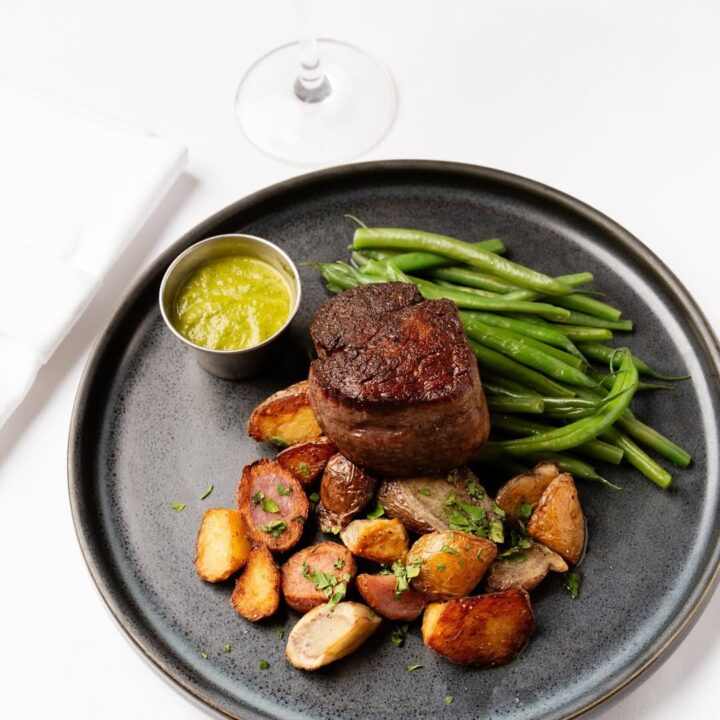
And if you really want steakhouse energy, add a red wine reduction or peppercorn sauce. Personally, I like serving filet mignon with crispy potatoes because the contrast between crunchy potatoes and tender steak is borderline unfair.
Common Mistakes to Avoid
Cooking with low heat
Filet mignon needs aggressive heat for a proper crust.
Skipping the resting period
Resting keeps the juices inside the steak.
Using a nonstick pan
You won’t get the same sear. Cast iron is king here.
Overcooking
Filet mignon is lean. Once overcooked, it loses the buttery tenderness that makes it special.

Storing and Reheating Leftovers
If you somehow have leftovers – which rarely happens in my house – store them in an airtight container in the refrigerator for up to 3 days.
To reheat:
- Warm gently in a skillet with butter
- Avoid microwaving if possible
Microwaves and filet mignon have a complicated relationship. Mostly bad.
Final Thoughts
A great filet mignon cast iron recipe isn’t about fancy ingredients or complicated techniques. It’s about heat, timing, and confidence.
With a hot skillet, quality steak, and a little butter basting magic, you can create a steakhouse-quality dinner right in your kitchen.
And once you nail this recipe, you’ll start looking at restaurant steak prices like they personally offended you.
So fire up that cast iron skillet, grab your tongs, and cook a filet mignon that makes people pause after the first bite. That silence? That’s respect.
Filet Mignon Cast Iron Recipe
Image credit: @ralphsonthepark
Ingredients
- The beauty of this filet mignon cast iron recipe is that you don’t need twenty ingredients or a spice blend named after a mountain range.
- For the steaks
- 2 filet mignon steaks (1½ to 2 inches thick)
- Kosher salt
- Fresh cracked black pepper
- 1 tablespoon avocado oil or olive oil
- For the butter baste
- 3 tablespoons butter
- 3 garlic cloves, smashed
- Fresh rosemary or thyme
- That’s it. Simple ingredients, big payoff.
- The Secret to Restaurant-Quality Steak
- Before we cook, here’s the part most home cooks skip:
- Dry the steak thoroughly
- Moisture is the enemy of crust. If your steak looks wet, it’ll steam instead of sear.
- Pat it dry with paper towels like you’re detailing a sports car before a car show.
- Let it come to room temperature
- Cold steak in a hot pan cooks unevenly. Give it about 30–40 minutes on the counter before cooking.
- Season aggressively
- A thick filet needs more salt than most people think. Don’t be shy. The seasoning creates flavor and helps form that beautiful crust.
Instructions
Now the fun begins.
Step 1: Heat the Cast Iron Skillet
Place your cast iron skillet over medium-high to high heat for several minutes. You want it hot enough that the oil shimmers immediately. If the pan starts whispering smoke signals, you’re in the right neighborhood. Add the oil.
Step 2: Sear the Filet Mignon
Carefully place the steaks into the skillet. And then – this is important – leave them alone. Don’t poke. Don’t move them. Don’t flip every 20 seconds like you’re nervous they’ll escape. Sear for about 3–4 minutes per side until a dark crust forms.
That crust is flavor. That crust is confidence. That crust is why people spend $70 at steakhouses.
Step 3: Add Butter, Garlic, and Herbs
Lower the heat slightly and add:
- Butter
- Garlic
- Rosemary or thyme
As the butter melts, tilt the pan and spoon the butter repeatedly over the steaks. This is called butter basting, and it’s basically giving your steak a luxury spa treatment. The garlic perfumes the butter while the herbs add depth and aroma.
Your kitchen will smell like a steakhouse with better music.
Step 4: Finish to Your Preferred Doneness
Use a meat thermometer. Seriously. Guessing steak doneness is how perfectly good filet mignon turns into expensive beef jerky.
Internal temperatures
- Rare: 120–125°F
- Medium-rare: 130–135°F
- Medium: 140–145°F
For most people, medium-rare is the sweet spot. If your filets are extra thick, transfer the skillet to a 400°F oven for a few minutes after searing.
Step 5: Rest the Steaks
This part matters more than people realize. Let the steaks rest for 5–10 minutes before slicing.
Cutting too early releases all the juices onto the cutting board instead of keeping them inside the meat where they belong. We want juicy steak, not beef-flavored lumber polish.
Featured image credit: @kitchenswagger
