
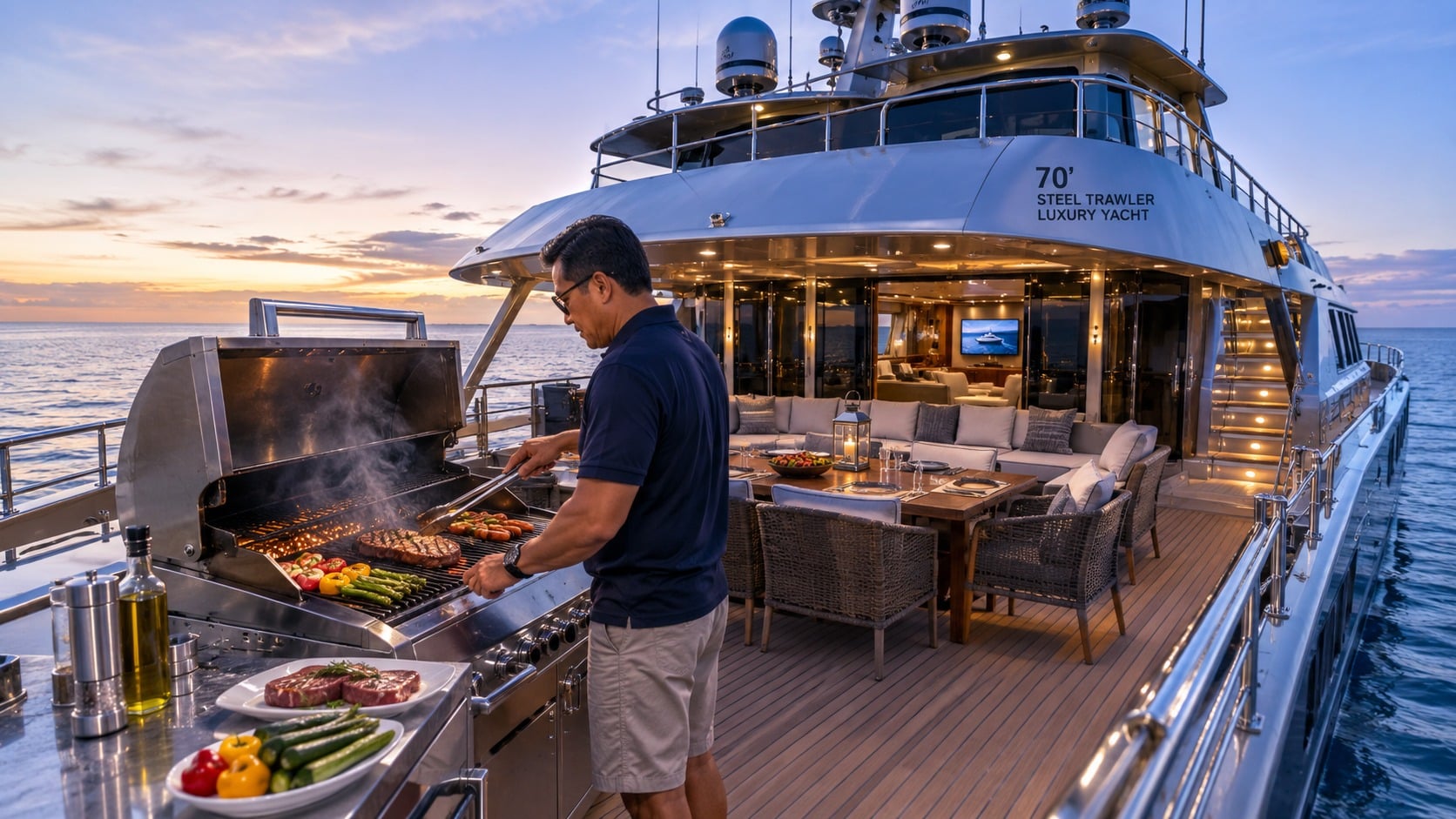
The ocean was rolling, the wind had opinions, and a rack of ribs was waiting to become legendary.
Backyard BBQ is one thing. Cooking gourmet ribs in the middle of the Atlantic Ocean is an entirely different animal. Literally, in this case, because we’re dealing with pork.
We were on a Nordhavn 76 ocean crossing yacht traveling from Florida to Spain, taking on the elements one wave at a time.
Most pitmasters have a familiar routine: fire up the grill, grab the tongs, crack open a cold drink, and settle into the comfortable rhythm of smoke and sizzling meat. Take that routine offshore, though, and the rules change.
Your cooking space gets smaller, the weather becomes an unpredictable sous-chef, and suddenly, keeping your seasoning from blowing away becomes part of the job description.
Still, great BBQ doesn’t have to stop at the shoreline.
Our adventure into BBQ on the open seas explores what it takes to prepare tender, flavorful ribs in a marine environment, from choosing the right cut and building a balanced rub to managing heat, working around limited space, and serving a memorable meal surrounded by the Atlantic.
The secret isn’t some mysterious ocean-inspired seasoning. It’s preparation, temperature control, smart equipment choices, and a healthy respect for the conditions around you.
Because when you’re cooking ribs offshore, the goal is simple: make the meat unforgettable without turning the boat into a smoke signal.
Why BBQ on the Open Seas Is a Unique Experience
There’s something special about combining slow-cooked BBQ with the wide-open ocean. The setting is dramatic, the fresh air is invigorating, and the promise of smoky ribs makes the whole experience feel like a floating backyard cookout with a considerably better view.
But the appeal goes beyond scenery.
Cooking at sea forces you to think differently. On land, you can usually move your grill away from the wind, walk inside for another ingredient, or run to the store when you realize you’ve forgotten the barbecue sauce.
Offshore, those convenient little luxuries disappear.
The ocean doesn’t care about your cooking schedule.
Wind can interfere with heat management.
Vessel movement can complicate preparation. Limited counter space means every tool and ingredient needs a purpose. Even simple jobs, such as opening a seasoning container or transferring raw ribs to the cooking area, require a little more planning.
Then there’s the atmosphere. The sound of the water, the open horizon, and the anticipation of a properly cooked rack of ribs make the experience memorable in a way that a routine backyard cookout rarely can.
The important distinction is that BBQ on the open seas isn’t simply backyard grilling with a different backdrop. It’s a cooking challenge that rewards organization and adaptability.
The best approach is to prepare as much as possible before cooking begins, keep the process straightforward, and let the food – not unnecessary complications – take center stage.
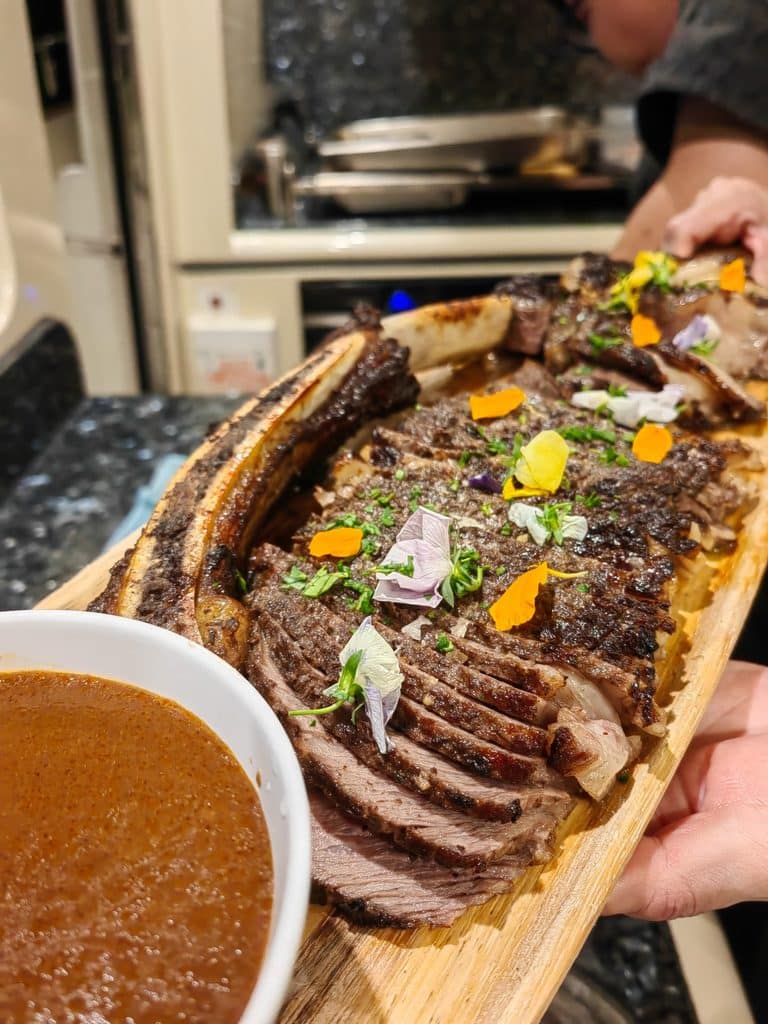
Choosing the Right Ribs and Ingredients
Every great BBQ starts with good meat. You can own an expensive grill, use a secret family sauce, and deliver a motivational speech to your ribs, but none of that can completely rescue poor-quality ingredients.
For an offshore cookout, choosing the right cut matters even more because storage space, preparation time, and cooking equipment may be limited.
Baby Back Ribs vs. St. Louis-Style Spare Ribs
Two popular choices are baby back ribs and St. Louis-style spare ribs.
Baby back ribs come from the upper portion of the rib cage near the backbone. They’re generally smaller, leaner, and quicker to cook than larger spare ribs. Their compact size makes them a practical choice when working with limited preparation space.
St. Louis-style spare ribs are cut from the belly-side rib section and trimmed into a more uniform rectangular rack. They typically contain more fat and connective tissue, which can produce a rich, satisfying result when cooked properly.
Which should you choose?
- Baby back ribs: A good option when compact portions and a relatively shorter cooking process are priorities.
- St. Louis-style ribs: Ideal when you want a meatier bite and a richer BBQ experience.
- Individual rib portions: Useful for serving a group, although cooking a whole rack first can help retain moisture.
Whatever the cut, look for meat with a fresh appearance, reasonably even thickness, and good coverage over the bones. Avoid racks that appear excessively dried out or have large areas of exposed bone.
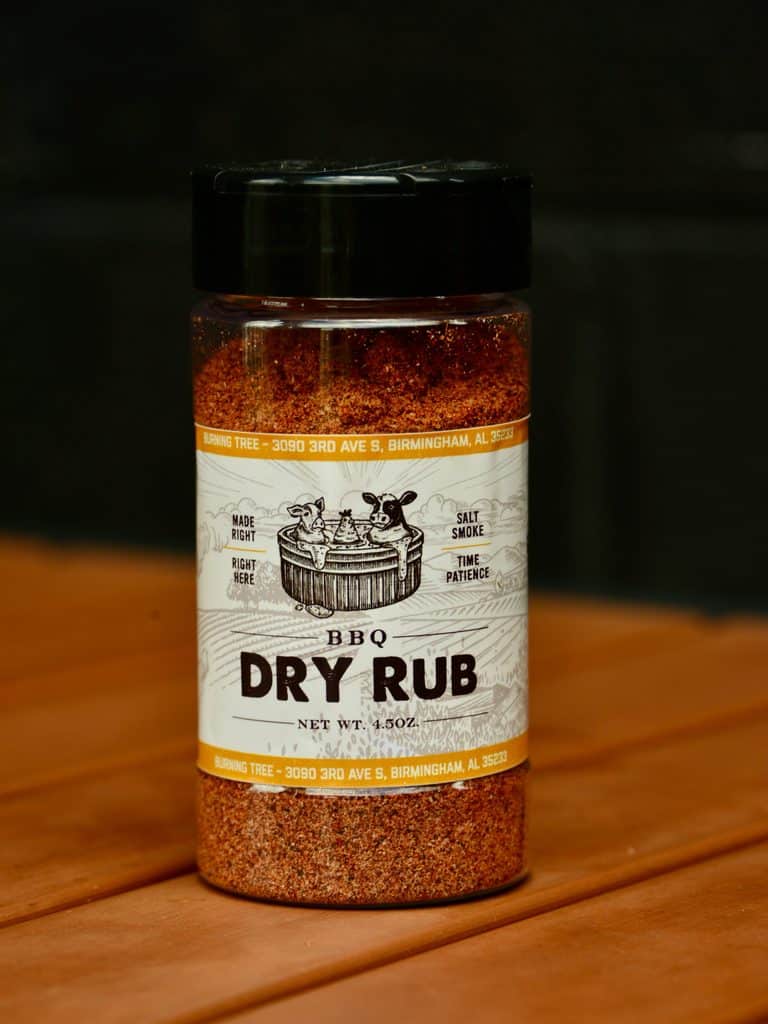
Building a Flavorful BBQ Rub
A good dry rub should enhance the pork rather than bury it under a mountain of seasoning.
A reliable starting point combines:
- Brown sugar for sweetness and caramelization.
- Paprika for color and a mild, earthy flavor.
- Garlic powder and onion powder for savory depth.
- Black pepper for a little bite.
- Salt to season the meat.
- Cayenne or chili powder for optional heat.
The trick is balance. Too much sugar can encourage burning, especially when the ribs are exposed to direct heat. Too much salt can overwhelm the meat before the sauce even enters the picture.
A good rub creates layers of flavor; it shouldn’t taste like someone emptied the entire spice cabinet onto the pork.
Choosing the Right Sauce and Sides
A tomato-based sauce with a balance of sweetness, acidity, and spice works well for traditional American BBQ. Vinegar-forward sauces offer a sharper contrast, while mustard-based sauces bring tanginess and complexity.
Keep the sauce in a sealed container until it’s needed. This reduces clutter and makes handling ingredients easier.
For sides, consider coleslaw, corn, potato salad, or grilled vegetables. Choose foods that can be prepared ahead of time, require minimal cooking space, and complement the richness of the ribs.
Finally, plan your quantities before departure. Good ingredient management begins before the boat leaves the dock.
Essential Equipment for Cooking BBQ at Sea
A successful offshore BBQ depends on more than a decent pair of tongs and confidence bordering on stubbornness.
The cooking setup must suit the vessel, the available space, and the conditions. Not every grill is appropriate for marine use, and not every boat permits onboard grilling.
Choosing a Suitable Cooking System
Start by confirming whether the vessel allows BBQ cooking at all. Use only equipment specifically approved for the vessel and its operating environment, following the manufacturer’s instructions and the captain’s safety rules.
Depending on the boat, a suitable cooking system might be a purpose-built marine grill or an approved onboard cooking appliance.
Never assume a portable charcoal grill, propane burner, or improvised cooking setup is safe simply because it fits on deck.
Fire safety comes before flavor. Every time.
Open flames, hot surfaces, fuel containers, and grease create risks that become more complicated on a vessel. A grill must never be placed where it can tip, where sparks can reach combustible materials, or where smoke and carbon monoxide can endanger passengers.
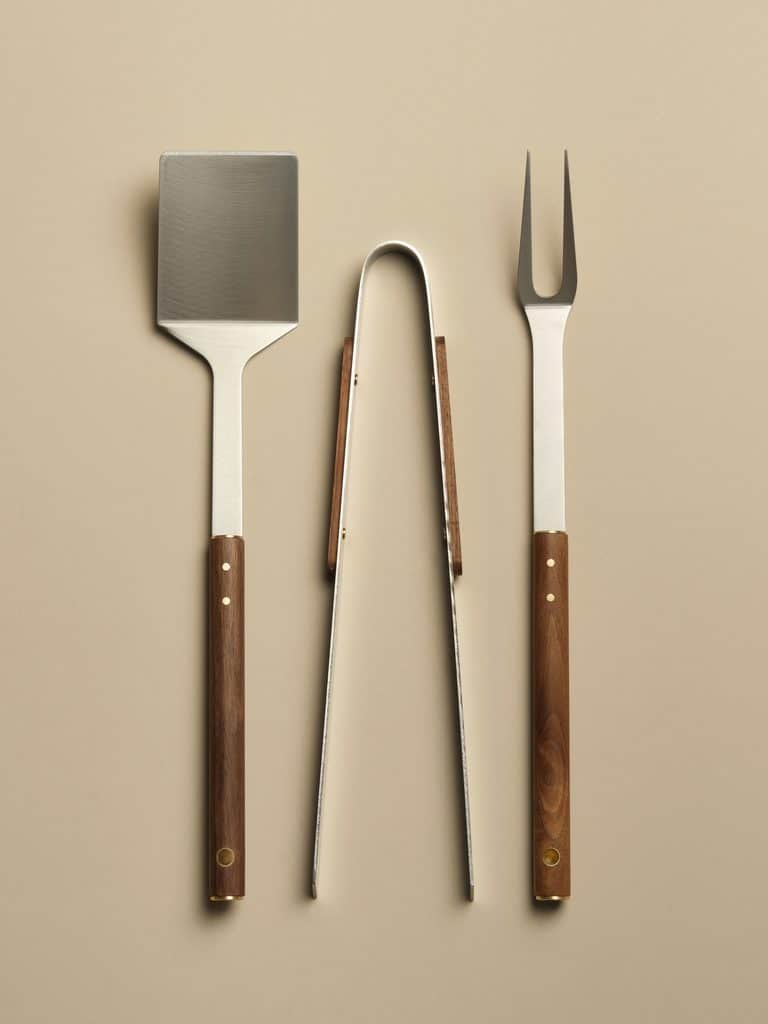
Tools That Make the Job Easier
A practical equipment checklist includes:
- A reliable meat thermometer.
- Long-handled tongs and a heat-resistant spatula.
- Heat-resistant gloves.
- Secure, food-safe containers.
- A stable cutting board and suitable knives.
- Separate utensils for raw and cooked meat.
- Paper towels and cleaning supplies.
- An appropriate fire-safety system for the vessel.
A thermometer is particularly valuable. It provides objective information about doneness rather than forcing you to guess based on color or cooking time.
Organize your tools before cooking starts. In a compact marine kitchen, a missing utensil can interrupt the entire process.
Securing the Cooking Area
Prepare a clean, stable workspace and secure loose equipment. Keep ingredients away from heat sources and store raw meat in a properly refrigerated container.
The fewer items you need to reach for during cooking, the easier it is to concentrate on the ribs.
A well-organized cooking station isn’t just convenient; offshore, it’s an important safety measure.
Preparing the Gourmet Ribs Before Grilling
The best offshore BBQ often begins long before the first flame is lit.
Preparation reduces the amount of handling required near the grill and gives you more time to focus on cooking. It also makes it easier to maintain clean food-handling practices.
Trim, Inspect, and Season
Start by inspecting the ribs. Remove excess surface fat where appropriate, and check the underside for the thin membrane covering the bones.
Removing this membrane is optional, but many pitmasters prefer to do so because it can leave the finished ribs easier to bite through. Slide a butter knife beneath the membrane, loosen it, and use a paper towel to grip and pull it away.
Trim only what needs trimming. Fat contributes flavor and moisture, so aggressive trimming isn’t necessary.
Next, apply the dry rub evenly over both sides of the rack. Press the seasoning gently into the surface instead of rubbing it off while trying to achieve perfect coverage.
You can season the ribs shortly before cooking or prepare them in advance. When seasoning ahead, keep the meat refrigerated at a safe temperature of 40°F (4°C) or below.
Raw pork should remain separate from ready-to-eat ingredients, and any utensils or surfaces that contact it must be cleaned and sanitized appropriately.
Plan for Tenderness
Ribs contain connective tissue that needs time and heat to soften. Rushing the cooking process can leave the meat tough, even when the exterior looks beautifully browned.
Before departure, consider portion sizes, expected cooking duration, storage requirements, and the capabilities of the onboard equipment.
If the vessel has a suitable galley, some preparation can happen there before the final cooking stage. Any advance cooking must follow appropriate food-safety procedures, including prompt cooling and proper refrigeration.
Preparation gives you control over the things you can control – which is especially valuable when the weather has other ideas.
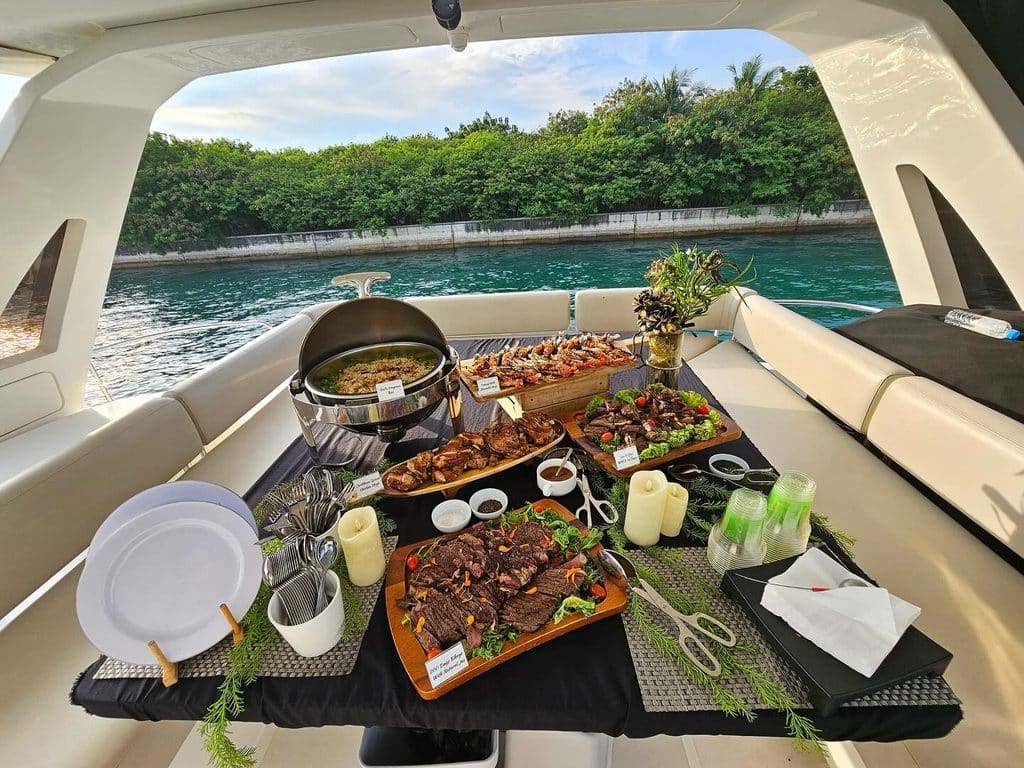
The Cooking Process: BBQ Ribs Mid-Atlantic
This is where preparation meets the fire, and where patience separates tender ribs from meat that fights back.
The exact method depends on the vessel’s approved equipment. The following process describes the general principles of BBQ cooking rather than assuming that every boat can safely accommodate an open-flame grill.
Step 1: Check Conditions Before Cooking
Before bringing out the ribs, confirm that the cooking area is approved for use and that the weather and vessel conditions permit safe operation.
Check the equipment, fuel arrangements, ventilation, fire-safety provisions, and stability of the cooking station.
Follow the captain’s instructions and stop cooking if conditions become unsafe.
Once the area is ready, organize the ribs, seasoning, sauce, utensils, and thermometer within easy reach.
The goal is to avoid unnecessary movement while handling hot equipment.
Step 2: Manage the Heat
Ribs generally benefit from a controlled cooking environment rather than constant exposure to aggressive direct heat.
Where the approved cooking system supports it, indirect heat can help the meat cook more evenly and reduce the risk of burning the exterior before the interior becomes tender.
For conventional BBQ recipes, a cooking environment around 225–275°F (107–135°C) is a common starting range. However, the appropriate setting depends on the equipment and recipe, and some marine cooking systems operate differently.
Wind and changes in vessel conditions may affect heat consistency. Monitor the equipment closely instead of relying entirely on a preset timer.
Avoid repeatedly opening the cooking chamber or making unnecessary adjustments. Every change can affect cooking temperature and extend the process.
Step 3: Build Flavor Without Drying Out the Meat
During cooking, the rub develops into a flavorful exterior while the meat gradually becomes more tender.
The objective is to balance surface browning with the time needed to soften the connective tissue.
Resist the temptation to keep moving the ribs. Frequent repositioning can interrupt cooking and increase the chance of handling accidents.
If the recipe calls for wrapping the ribs partway through cooking, use an appropriate food-safe method compatible with the equipment. Wrapping can help retain moisture and accelerate tenderizing, although it may soften the exterior bark.
Tender ribs are the result of controlled heat, adequate cooking time, and careful judgment – not a race against the clock.
Step 4: Apply the BBQ Sauce at the Right Time
Sweet BBQ sauces contain sugars that can burn when exposed to intense heat for too long.
For that reason, apply sauce during the final portion of cooking rather than coating the ribs heavily at the beginning.
Brush on a thin layer, allow it to set, and add another light coating if desired. The goal is a glossy finish that complements the meat without turning into a blackened, sticky mess.
Keep a close eye on the ribs once the sauce is applied.
Step 5: Check Doneness and Rest the Ribs
Color alone cannot tell you whether pork is safe to eat or whether ribs have reached the texture you want.
Whole cuts of pork should reach at least 145°F (63°C), followed by a three-minute rest, for minimum food-safety guidance. However, ribs typically need additional cooking to become tender because of their connective tissue.
Use a reliable thermometer where appropriate, and assess tenderness through the recipe’s recommended checks. The meat should be tender, but it doesn’t have to fall off the bone to be excellent.
Once cooked, let the ribs rest briefly before cutting them into portions.
Then serve them while the sauce is glossy, the meat is juicy, and the crew is suddenly much more interested in your cooking skills.
Challenges of Grilling on the Open Ocean
Cooking offshore introduces variables that rarely appear in a backyard BBQ recipe.
Understanding these challenges makes it easier to plan realistically and avoid preventable problems.
Wind, Movement, and Weather
Wind can affect heat retention, cooking performance, and the movement of loose objects. Vessel motion can make handling hot trays and sharp utensils more difficult.
The answer isn’t to become more aggressive with the grill. It’s to use approved equipment, secure the cooking area, and postpone or abandon cooking whenever conditions are unsuitable.
No rack of ribs is worth a preventable onboard accident.
Limited Space and Storage
Marine kitchens often have less counter space than a home kitchen. Refrigeration may also be limited, particularly on smaller vessels.
Plan ingredients in advance, use sealed containers, and separate raw pork from cooked food. Keep perishable ingredients properly refrigerated and minimize the time meat spends outside temperature-controlled storage.
Simplifying the menu also helps. A couple of well-prepared sides can be more effective than trying to operate an entire restaurant from a compact galley.
Fire and Food Safety
Never use charcoal or fuel-burning equipment in enclosed or inadequately ventilated spaces. Carbon monoxide is odorless and potentially fatal.
Use only approved cooking appliances, maintain suitable ventilation, and follow the vessel’s fire-prevention procedures. Never leave active cooking equipment unattended.
Keep raw and cooked foods separate, clean utensils properly, and avoid serving food that has been held at unsafe temperatures.
These measures may not sound glamorous, but good food safety is part of good BBQ, not an optional extra.
Serving Gourmet BBQ Ribs at Sea
Once the ribs are cooked and rested, it’s time to bring everything together.
Presentation doesn’t need to be complicated. Arrange the ribs on a stable serving platter, add a final brush of sauce if desired, and serve them with sides that balance the richness of the pork.
Creamy coleslaw provides freshness and acidity.
Corn adds sweetness, while grilled vegetables bring color and a slightly smoky contrast. A crisp salad can also lighten the meal.
For a more polished presentation, finish with freshly cracked black pepper or a modest sprinkle of chopped herbs.
Keep the serving area secure and use appropriate food-safe containers. Cooked meat should be served promptly or held at 140°F (60°C) or above to maintain safe hot-holding temperatures.
And remember that the setting is already doing much of the decorative work.
A plate of beautifully cooked ribs, the Atlantic stretching toward the horizon, and a crew ready to eat is a pretty convincing argument for keeping things simple.
The best presentation is food that tastes as good as it looks – and stays safe from kitchen to table.
Tips for Recreating the BBQ on the Open Seas Experience
Want to try your own version of offshore BBQ? A few practical decisions can make the experience considerably smoother.
- Prepare ingredients ahead of time. Trim the ribs, mix the rub, portion the sauce, and organize your sides before departure whenever appropriate.
- Keep the menu manageable. One excellent rack of ribs and two complementary sides are easier to execute than an ambitious multi-course meal.
- Choose equipment carefully. Confirm that the vessel permits the intended cooking method and that the equipment is designed for the environment.
- Monitor temperature rather than guessing. Use a reliable thermometer and allow enough time for the ribs to become tender.
- Plan for changing conditions. Have an alternative meal ready in case the weather or vessel movement makes cooking unsafe.
- Keep food safety simple and consistent. Maintain refrigeration, separate raw and cooked foods, and clean tools between tasks.
- Let the process breathe. Great ribs take time. Build that time into your plans rather than expecting the ocean to cooperate with a last-minute dinner schedule.
The real secret to BBQ on the open seas is preparation combined with flexibility. You can control your ingredients, your technique, and your equipment choices. You cannot control every gust of wind or every change in the water.
Learn to work with the first three, respect the last two, and the whole experience becomes much more enjoyable.
A Gourmet BBQ Adventure on the Atlantic
Cooking gourmet ribs in the middle of the Atlantic brings together two experiences that don’t usually share the same stage: the slow, deliberate craft of BBQ and the unpredictable adventure of life at sea.
It takes thoughtful ingredient selection, a balanced rub, reliable temperature control, suitable equipment, and a willingness to adapt. It also demands something more important than any secret sauce: respect for the environment and the people sharing it with you.
From preparing the ribs before departure to applying that final glossy layer of BBQ sauce, every step matters. The goal is to produce tender, flavorful meat without sacrificing safety or turning a memorable meal into an avoidable problem.
And that’s what makes BBQ on the open seas so appealing.
It’s not just about cooking ribs somewhere unusual. It’s about taking a familiar comfort food, approaching it with care and creativity, and enjoying the result in a setting that makes an ordinary meal feel extraordinary.
The Atlantic may not offer a convenient place to run for extra charcoal or another bottle of sauce, but it offers something a backyard can’t: an endless horizon and a reminder that great food can be part of a great adventure.
Good ribs, smart preparation, and a safe cooking setup – that’s a recipe worth taking offshore.
Frequently Asked Questions (FAQ)
1. Is it possible to cook BBQ ribs in the middle of the Atlantic Ocean?
Yes, BBQ ribs can be cooked at sea when the vessel has suitable, approved cooking equipment and safe operating conditions.
The key is to manage temperature, secure the cooking area, prepare ingredients in advance, and follow the captain’s safety rules.
2. What type of ribs is best for BBQ on the open seas?
Baby back ribs are a practical choice because they’re relatively compact and generally cook faster than larger spare ribs.
St. Louis-style spare ribs are another excellent option, offering a meatier texture and rich flavor when cooked slowly.
3. What equipment do you need to cook gourmet ribs at sea?
Essential equipment includes a vessel-approved grill or cooking appliance, a reliable meat thermometer, heat-resistant gloves, long-handled tongs, food-safe storage containers, and appropriate fire-safety equipment.
Always confirm that the cooking method is permitted on your vessel.
4. How do you keep BBQ ribs tender and juicy when cooking offshore?
Use controlled heat, season the ribs evenly, and allow enough time for the connective tissue to soften.
Apply sugary BBQ sauce near the end of cooking to prevent burning. Monitor the cooking temperature and check for tenderness rather than relying on time alone.
5. What are the biggest challenges of BBQ on the open seas?
The main challenges include changing weather, strong winds, vessel movement, limited preparation space, and food storage.
Proper planning, secure equipment, temperature control, and strict food safety practices help make offshore BBQ safer and more enjoyable. Never use open-flame equipment where it is prohibited or where smoke and carbon monoxide could endanger passengers.
Featured image credit: Google Gemini
