
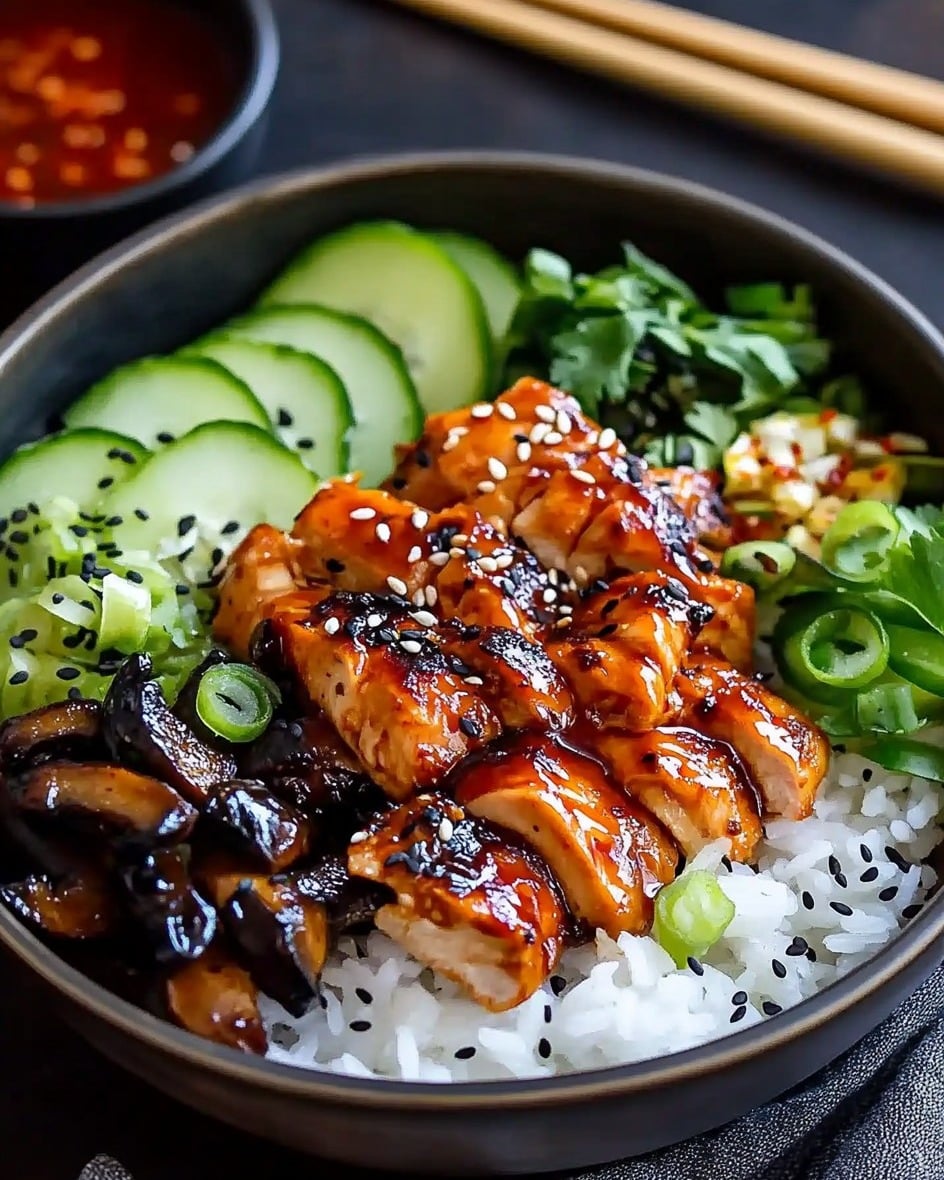
Miles Davis once famously noted, “It takes a long time to sound like yourself.” Yet, when it comes to the backyard grill, human beings are remarkably stubborn creatures who expect instant magic.
We buy expensive cuts, fuss over charcoal temperatures, and invest in custom rubs, only to commit the ultimate culinary crime: rushing the flavor.
We slap a quick coat of sauce onto a raw bird, throw it over an open flame, and wonder why the inside tastes like plain, uninspired poultry while the outside tastes like burnt sugar.
If you want truly extraordinary Asian BBQ chicken, you have to stop treating time as an enemy and start treating it as your primary instrument.
The secret to unlocking restaurant-quality depth, unbelievable moisture, and that addictive sticky-sweet char isn’t a secret spice blend imported from a hidden mountain monastery.
It is simple patience. Marinating overnight transforms a humble piece of chicken from a dry weeknight chore into an absolute masterpiece of modern backyard cooking.
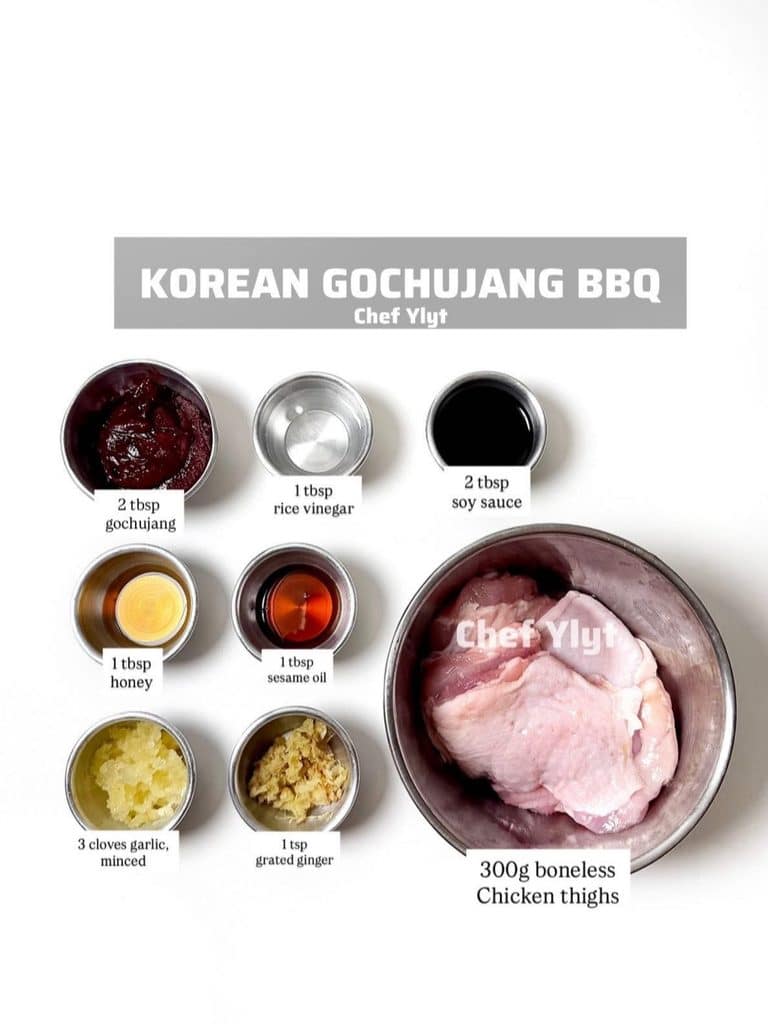
Why Overnight Marinating Changes Everything
Most home cooks treat a marinade like a quick-acting bath bomb – drop it in, let it fizz for twenty minutes while you prep the side dishes, and hope for the best. Unfortunately, chicken meat is dense stuff.
Muscle fibers don’t just open their doors and invite foreign flavors in because you asked nicely. They need persuasion, and persuasion takes hours.
The Science of Penetration
When you submerge chicken in a well-balanced, umami-packed liquid for twelve to twenty-four hours, two major things happen: osmosis and enzymatic action. Salt within the marinade dissolves some of the muscle proteins, which relaxes the tight structure of the meat.
This allows water and dissolved flavor compounds – like garlic, ginger, and soy – to migrate deep into the core of the protein.
Instead of a superficial coat of sauce that burns off the moment it touches the grill grates, the savory goodness is baked straight into every single bite of your Asian BBQ chicken.
Moisture Retention and Protection
Grilling chicken over direct flame is a high-stakes wrestling match against thermodynamics. Heat forces moisture out of meat, which is why grilled poultry so often turns into a sad, stringy shoe.
A proper overnight marinade acts as a protective hydration shield. The salt-and-sugar balance alters the protein structure so it holds onto its internal moisture much more effectively during cooking.
Even if you get distracted by a neighbor talking about their lawnmower and leave the chicken on the fire thirty seconds too long, you still end up with juicy, succulent results.
The Caramelization Factor
Let’s talk about the magic of the char. Authentic Asian BBQ chicken relies on a delicate balance of sugars – whether from brown sugar, honey, or hoisin – that react with heat through the Maillard reaction.
When the surface has dried slightly from a long overnight rest in the fridge, those sugars caramelize into a magnificent, lacquered glaze rather than sliding off into greasy flare-ups.
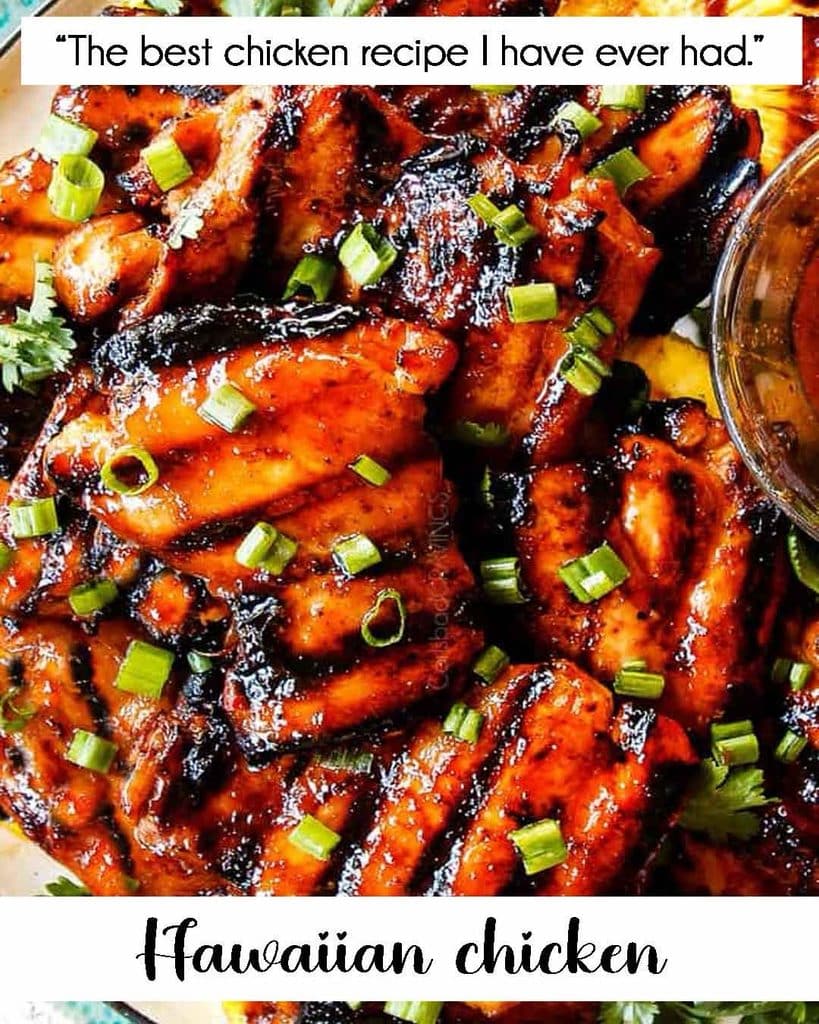
The Ultimate Asian BBQ Marinade: Anatomy of Flavor
Building a world-class marinade is like assembling a rock band. You need a rhythm section, a lead singer, and plenty of dynamic tension. If you lean too hard into one element, the whole song collapses.
- The Salty Backbone (Umami): Regular soy sauce or tamari provides the deep, savory base. A splash of fish sauce or oyster sauce elevates the background notes, giving it that authentic, craveable restaurant complexity.
- The Sweet Counterbalance: Brown sugar, honey, or coconut sugar is non-negotiable. Without sugar, you won’t get that gorgeous, sticky, caramelized crust that defines great Asian BBQ chicken.
- The Aromatics: Freshly grated garlic and ginger are mandatory. Do not reach for the dried powder jars; fresh aromatics contain active compounds that punch through heavy fats and bring the whole profile to life.
- The Acid & Fat Harmony: Rice vinegar or a squeeze of fresh lime juice adds a sharp brightness to cut through the richness, while a splash of toasted sesame oil rounds out the edges with a nutty aroma.
Mastering the Grill without Burning the Sugar
Once your chicken has soaked up all those glorious flavors overnight, the cooking process requires a tactical shift.
Because your Asian BBQ chicken is swimming in sugar-rich marinade, throwing it directly over a roaring inferno from minute one is a fast track to a charcoal-flavored disaster.
Create Two-Heat Zones
Whether you are using gas or charcoal, you need a two-zone setup. Designate one side of your grill as high heat for searing, and the other side as a cool, indirect zone.
Start your chicken on the cooler side, letting the gentle ambient heat cook the meat through safely without scorching the exterior.
The Final Lacquer
Move the chicken over to the direct heat zone during the last two to three minutes of cooking. This is where the magic happens.
Brush a light layer of reserved marinade (or a fresh glaze) over the top, watch the sugars bubble and blister, and pull the chicken off just as it achieves a gorgeous, sticky mahogany finish.
Give it a ten-minute rest on a cutting board before serving to let the internal juices settle back into place.
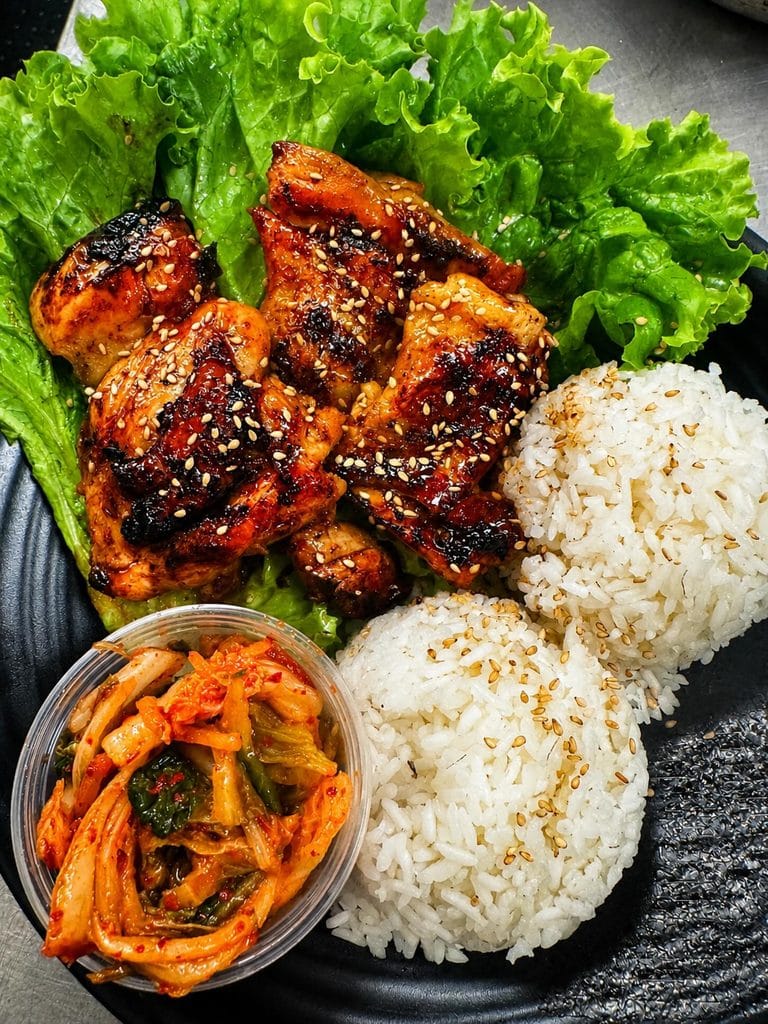
Final Thoughts
Great cooking isn’t about having the fanciest equipment or the most expensive cuts of meat.
It is about understanding how ingredients interact over time. By letting go of the rush and committing to the overnight soak, you elevate your home cooking from routine meal-prep to an art form.
The next time you fire up the coals, remember that the true secret to unforgettable Asian BBQ chicken is letting time do the heavy lifting while you sit back and enjoy the process.
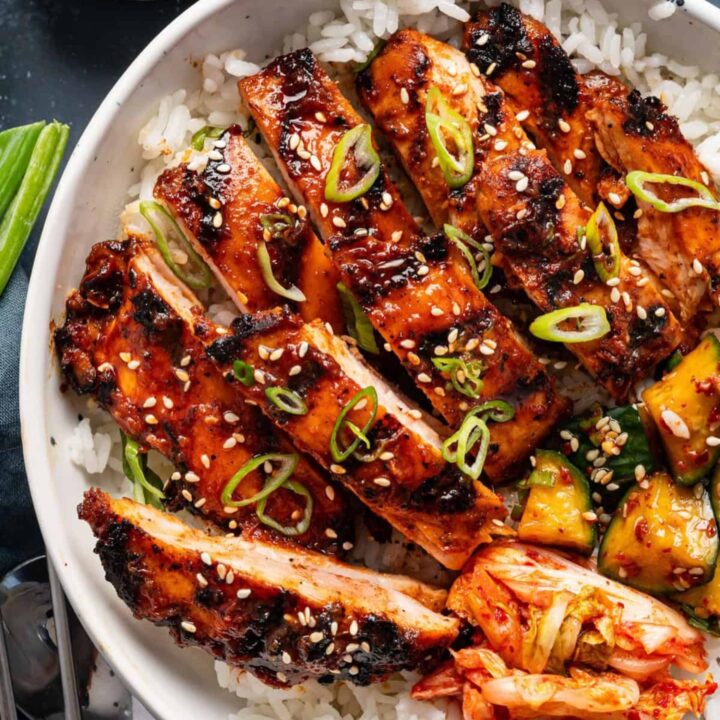
Overnight Sticky Asian BBQ Chicken
Image credit: @juliasalbumblog
Ingredients
- The Chicken: 4 lbs bone-in, skin-on chicken thighs and drumsticks (best for juiciness).
- The Marinade & Glaze:
- o ½ cup low-sodium soy sauce or tamari
- o ⅓ cup packed dark brown sugar or honey
- o ¼ cup rice vinegar
- o 3 tablespoons toasted sesame oil
- o 4 cloves garlic, finely minced
- o 1 tablespoon fresh ginger, grated
- o 2 tablespoons chili-garlic sauce or gochujang (adjust for heat preference)
- o 3 green onions, thinly sliced (for garnish)
- o 1 tablespoon toasted sesame seeds (for garnish)
Instructions
- Prep the Chicken: Pat the chicken pieces dry with paper towels and trim any excess loose skin. Score the thickest parts of the meat lightly with a knife to help the marinade penetrate deeper.
- Mix the Marinade: In a large bowl, whisk together the soy sauce, brown sugar, rice vinegar, sesame oil, minced garlic, grated ginger, and chili-garlic sauce until the sugar is fully dissolved. Safety Tip: Pour out about ¼ cup of the marinade into a separate small bowl and set it aside to use as a finishing glaze later. Never reuse raw marinade that touched the chicken.
- The Overnight Rest: Place the chicken into a large resealable bag or a shallow glass dish. Pour the remaining bulk marinade over the chicken, ensuring every piece is thoroughly coated. Seal tightly and refrigerate for 12 to 24 hours, turning the bag once or twice if possible.
- Set Up the Grill: Preheat your grill for two-zone cooking, establishing a medium-low indirect heat zone (around 325°F / 160°C) and a smaller direct heat zone.
- Cook Indirectly: Remove the chicken from the marinade, letting any excess drip off (discard the used bag and remaining marinade). Place the chicken skin-side up on the indirect heat side of the grill. Cover and cook for about 18 to 22 minutes until the internal temperature reaches 165°F (74°C) in the thickest part.
- Sear and Glaze: Move the chicken over to the direct heat zone. Brush the reserved safe-to-use glaze over the top. Grill for 2 to 3 minutes per side, watching closely to prevent flare-ups, until the skin is beautifully charred, sticky, and caramelized.
- Rest and Serve: Transfer the chicken to a clean platter. Let it rest for 10 minutes. Garnish generously with sliced green onions and toasted sesame seeds before serving.
Featured image credit: @corarecipes
