
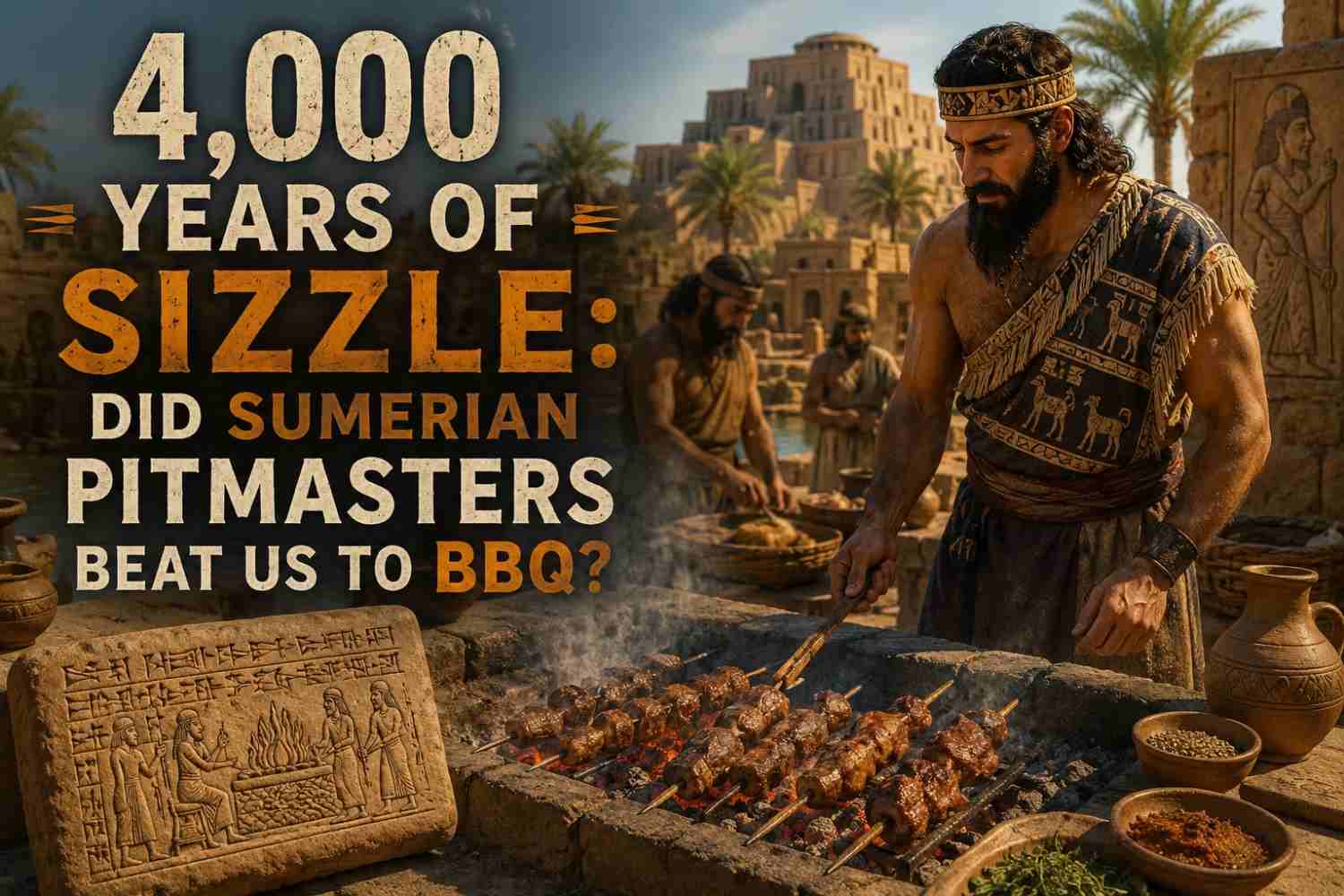
Over 4,000 years ago in the bustling city of Ur, a young temple apprentice named Nabu-ikbi was handed the most high-stakes assignment of his life: prepare the feast for the festival of Ishtar.
Sweat poured down his face as he hovered over a glowing brick tannur pit, carefully damping the air holes with clay to prevent the tamarisk wood coals from flaring up.
He slathered a tough leg of fat-tailed mutton with date syrup and crushed coriander, basting it constantly with sour barley beer so the desert heat wouldn’t turn it into leather.
Hours later, when the royal court took their first bites of tender, mahogany-glazed meat, Nabu-ikbi breathed a sigh of relief – he had pulled off the world’s first recorded low-and-slow masterpiece.
This ancient scene isn’t just a fun piece of history; it’s the direct ancestor of modern pitmaster culture. Nabu-ikbi was wrestling with the exact same variables backyard cooks face today: thermal management, air draft control, moisture retention, and caramelization.
Long before offset smokers and digital probes existed, the fundamental chemistry of live-fire barbecue was already being perfected in the pits of ancient Mesopotamia.
Has Texas been lying to us this whole time?
Every self-respecting backyard cook likes to believe that real barbecue was born right here in the good old USA, forged in the iron offsets of Central Texas or the pit-dug trenches of the Carolina lowcountry.
We fight vicious internet wars over oak versus hickory, debate the morality of sugar in a rub, and guard our brisket recipes like state secrets.
But while we are busy arguing on Reddit about whether a butcher-paper wrap ruins your bark, history is in the corner laughing at us.
Four thousand years ago, long before the first cowboy threw a brisket over hot mesquite, a group of ancient folks in Mesopotamia was already obsessing over smoke rings, fat rendering, and timber selection.
The original Sumerian pitmasters were tending live-fire pits, running complex flavor profiles, and feeding hungry crowds in the cradle of civilization. It turns out that low-and-slow isn’t an American invention – it’s an ancient human blueprint.
What Is “BBQ” Really? Defining the Craft
Before throwing wild accusations at the founders of modern agriculture, we need to get our terms straight. Throwing hot dogs onto a gas grill on the 4th of July isn’t barbecue. That’s just high-heat grilling—a perfectly fine way to cook dinner, but fundamentally different from the art of the pit.
True barbecue requires four distinct elements:
- Indirect heat: Cooking meat near, but not directly over, open flames.
- Thermal control: Holding low temperatures (typically 200°F to 275°F) for extended stretches.
- Wood smoke integration: Using hard woods to break down tough connective tissue while imparting flavor.
- Time: Letting collagen melt into gelatin over hours, turning tough cuts into soft perfection.
Grilling (Direct Heat)
- High temperature (400°F to 600°F)
- Quick cook times measured in minutes
- Direct searing and Maillard reaction
- Best for burgers, steaks, and chops
Barbecue (Indirect Heat)
- Low temperature (200°F to 275°F)
- Long cook times measured in hours
- Deep smoke rings and slow collagen breakdown
- Best for brisket, pork shoulder, and ribs
The word barbecue itself traces back to the Taíno word barbacoa, describing a raised wooden framework used for smoking meat in the Caribbean. But the mechanics of pit cooking – manipulating draft, smoke, and embers – are far older than the word itself.
The Archaeological Evidence: Clay Tablets and Cuneiform Cooks
How do we know ancient Mesopotamians were serious about their smoked meats? They wrote it down in clay.
In the late 1980s, historians translating the Yale Babylonian Cuneiform Collection – a set of clay tablets dating back to around 1750 BCE – stumbled upon what are essentially the world’s oldest known cookbooks.
These weren’t basic survival notes like “kill sheep, burn sheep, eat sheep.” They were detailed, highly technical culinary instructions.
Key Facts: The Yale Babylonian Tablets (c. 1750 BCE)
- They contain the oldest recorded culinary recipes on Earth.
- They provide detailed instructions for braising, roasting, and slow smoking.
- They offer proof that spice rubs and fat-basting techniques are at least 4,000 years old.
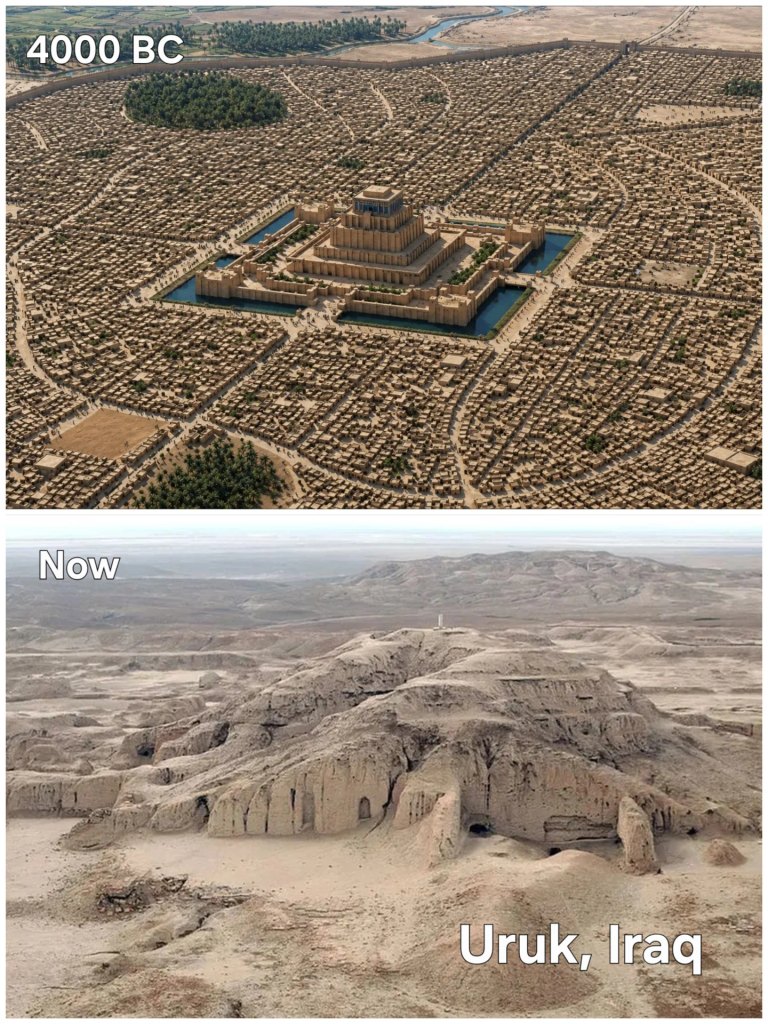
Archaeologists excavating cities like Ur, Uruk, and Mari unearthed subterranean brick pits and large clay ovens called tannurs. These were not simple campfires. They were engineered thermal chambers capable of holding steady, low temperatures for hours.
Here is what the dirt tells us about these ancient setups:
- Regulated draft control: Pits featured secondary air holes at the base to control oxygen intake, allowing the cook to damp down flames and build a coal bed.
- Targeted fuel choices: Charred wood analysis reveals that cooks didn’t just throw random brush onto the fire. They specifically harvested tamarisk wood and date palm trunks – woods known for creating long-lasting, fragrant coals without harsh, bitter resin.
- Butchery marks: Animal bones found near these hearth pits show clear evidence of systematic butchering designed to isolate fatty, collagen-rich cuts like ribs, shoulders, and shanks.
If it looks like a pit, burns like a pit, and cooks like a pit… it’s a pit.
Sumerian Pitmasters: Who Was Working the Fires?
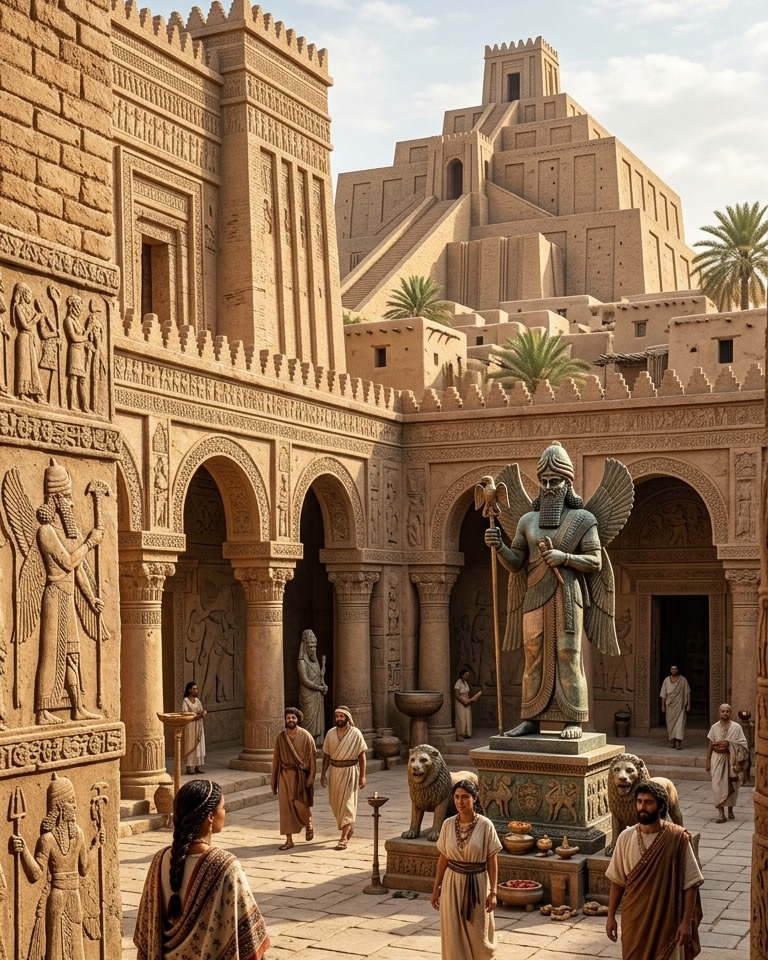
Running a pit in 2000 BCE was not a casual Sunday pastime. It was a high-stakes profession tied directly to royal palaces (E-Gal) and temple sanctuaries.
The lead meat preparer in ancient Mesopotamia was known as the nuhatimmu. Part butcher, part chef, and part fire engineer, the nuhatimmu held an enviable position in the community.
Their job was to transform tough, gamey cuts into tender offerings worthy of both elite nobility and divine gods like Enlil and Ishtar.
The Hierarchy of the Ancient Kitchen
- Palace and Temple Administration: Provided oversight and managed livestock supply.
- The Nuhatimmu (Master Pitmaster): Executed menu strategy, managed heat levels, and directed pit staff.
- Fire Tenders: Responsible for timber harvesting, draft management, and fuel feeding.
- Butchery Artisans: Handled primal cut preparation and fat trimming.
- Spice and Glaze Mixers: Prepared rubs, bastes, and marinades.
In ancient Sumer, meat was expensive, scarce, and prone to spoiling rapidly in the sweltering Mesopotamian heat.
When a bull or lamb was slaughtered for a festival, the Sumerian pitmasters faced immense pressure: cook dozens of pounds of meat simultaneously, ensure none of it burned, preserve the precious fat, and feed hundreds of people before the heat spoiled the harvest.
To pull this off, they relied on team-based smokehouses.
Fire-tenders maintained coal beds, assistants basted carcasses with rendered tallow, and master cooks monitored smell and draft – a scene that would look instantly familiar to anyone walking the grounds of a modern Texas BBQ joint.
The Ancient Menu: What Was on the Pit?
You won’t find pork shoulder on a Sumerian menu, nor will you find tomato paste or refined white sugar. But the core ingredients hit surprisingly close to home.
The Proteins
- Fat-Tailed Sheep & Mutton: This was the undisputed king of the pit. Ancient sheep breeds possessed a massive deposit of fat near the tail that could weigh up to 10 pounds on its own. Sumerian pitmasters utilized this fat rendering capabilities to constantly self-baste the meat over low embers.
- Beef: Cattle were valuable working animals, so beef was reserved for major religious celebrations and royal feasts. Tough brisket and chuck cuts were ideal candidates for long pit cooks.
- Waterfowl & Game: Ducks, geese, and wild gazelle were routinely cooked over live embers, often wrapped in damp leaves or clay to hold in moisture.
Seasonings & Dry Rubs
Sumerian cooks understood spice application. Cuneiform tablets list dry rubs combining:
- Coarse sea salt (harvested from southern tidal flats)
- Crushed coriander seeds
- Cumin
- Juniper berries
- Wild garlic and leek paste
This blend created an aromatic crust on cooked meats – what modern pitmasters proudly refer to as the bark.
Glazes & Bastes (The Original Mop Sauce)
Without tomatoes or cane sugar, how did they get sweet stickiness onto their meats? They used date syrup (known as silq). Rich in natural fructose, date syrup caramelizes when exposed to low heat, creating a mahogany glaze over fatty mutton ribs.
They also used sour barley beer as an acidic mop sauce, spritzing it over roasting carcasses to tenderize muscle fibers and keep the outer layer from scorching.

Technique Comparison: Ancient Sumer vs. Modern Pitmasters
Strip away the offset steel smokers, wireless Bluetooth thermometers, and pink butcher paper, and the fundamental physics of cooking meat remain entirely unchanged across 4,000 years.
| Feature / Method | Ancient Sumerian Technique | Modern BBQ Equivalent |
| Pit Design | Subterranean brick/clay hearths (tannur) | Pit smokers & underground pit cooking |
| Heat Control | Damping airflow with clay lids & ash | Damper intake & exhaust tuning |
| Fuel Source | Tamarisk wood, date palm trunks, charcoal | Hardwood logs (hickory, oak, mesquite) |
| Basting & Moisture | Rendered fat, beer washes, date syrup | Mop sauces, spritzing, sweet glazes |
| Low & Slow | Overnight embers for tough cuts | 12–16 hour low-temp smoking |
Fire Management
Modern cooks check their fire every 30 minutes, adjusting intake dampers to keep their chamber at 225°F. Ancient pitmasters did the exact same thing by adjusting clay tiles placed over the draft holes of their hearth pits.
They learned to read smoke density and color:
- Dirty White Smoke: Indicates incomplete combustion, low airflow, and bitter creosote buildup on the meat.
- Clean Blue Smoke: Indicates optimal airflow, complete combustion, and sweet, pleasant wood flavor.
Moisture Retention
In the dry climate of Southern Iraq, cooking meat for hours without drying it out was a major challenge. The solution? Fat wrapping and basting.
Sumerian cooks wrapped tough meats in fatty caul fat (the membrane surrounding internal organs) or sealed them in clay casings before burying them in embers.
This functioned identically to the “Texas Crutch” – wrapping a brisket in foil or paper halfway through a cook to lock in moisture and push through the dreaded stall.
The Verdict: Did Sumerians Beat Us to BBQ?
If your definition of barbecue requires sweet Kansas City tomato sauce, pulled pork sandwiches, and a cold can of domestic lager, then no – the Sumerians weren’t making modern American BBQ.
But if barbecue is defined as the skilled manipulation of live fire, smoke, time, and seasonings to transform tough cuts of meat into tender food for a community, then the answer is an overwhelming, indisputable YES.
The Beer-Basted Secret: How Ancient Brewing Fueled the Pit
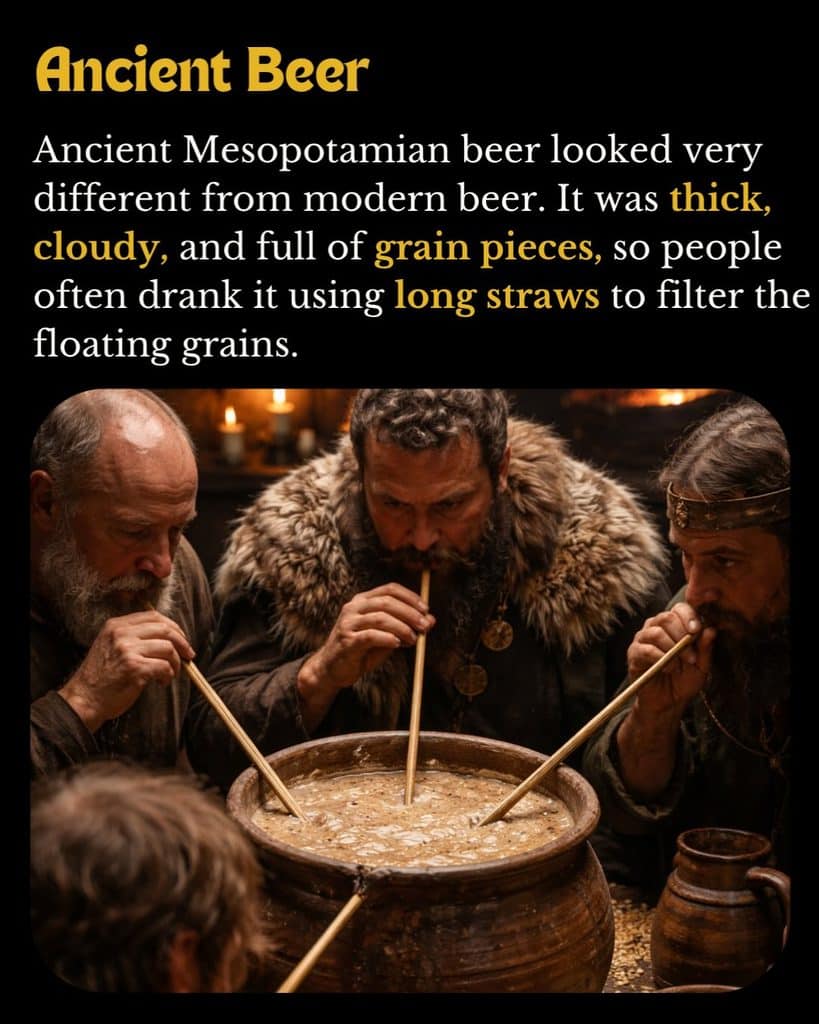
Long before modern pitmasters sprayed apple cider vinegar onto a smoking brisket, Sumerian pitmasters were utilizing a crucial secret weapon: sour barley beer.
Sumerians didn’t just drink beer; it was a daily staple, and their unfiltered, enzyme-rich brews doubled as an extraordinary acidic mop sauce.
- Tenderizing Action: Natural lactic acid in fermented beer actively broke down tough muscle fibers.
- Caramelized Crust: Residual grain sugars caramelized under low heat to form a rich, savory bark.
- Ancient Tradition: The iconic bond between barbecue and beer was chemically engineered in the cradle of civilization 4,000 years ago.
Scent as Sacrifice: The Chemistry of the “Sweet Aroma”
In ancient Mesopotamia, smoke wasn’t just a flavor vehicle – it was a direct hotline to the gods. Religious texts frequently mention the driqû, or the “sweet aroma” of burning meat and melting fat that delighted deities like Enlil and Marduk.
- Ritual Alchemy: Cooks deliberately threw aromatic hardwoods, resins, and dried herbs onto glowing coals to craft specific scent profiles.
- Sacred Smoke: The divine smell was believed to keep the cosmos in balance during public sacrifices.
- Modern Parallel: This ancient spiritual obsession directly mirrors the modern pitmaster’s pursuit of the perfect wood smoke profile.
The World’s First Food Trucks: Street-Side Pitmasters of Ur
While royal palaces enjoyed elaborate banquets, everyday citizens in crowded cities like Ur and Uruk relied on ancient street food vendors. Archaeological excavations reveal small, public-facing hearths located along narrow commercial alleyways.
- Street-Side Menus: Vendors served quick-cooked offal, skewers, and smoked fat-tail mutton to working-class laborers and traders.
- High-Volume Cooking: The nuhatimmu running these stands mastered quick-turnaround live-fire techniques for high foot traffic.
- Fast-Casual Roots: These open-air pit stands established fast-casual barbecue thousands of years before pop-up pit joints lined American highways.
Preservation Mechanics: Smoking Meat for Desert Survival
Beyond feeding hungry royalty, Sumerian pitmasters played a vital role in national security through food preservation. In scorching Mesopotamian heat, fresh meat spoiled in hours, making heavy smoking essential for military campaigns and long trade voyages.
- Cool Smokehouses: Enclosed structures used heavy, cool wood smoke to slowly dehydrate cured strips of mutton and beef.
- Natural Antimicrobials: Wood smoke deposited protective compounds like phenols and formaldehyde onto the meat’s surface.
- Ancient Charcuterie: This survival strategy created early versions of beef jerky and smoked meats, proving pit cooking was born from necessity as much as passion.
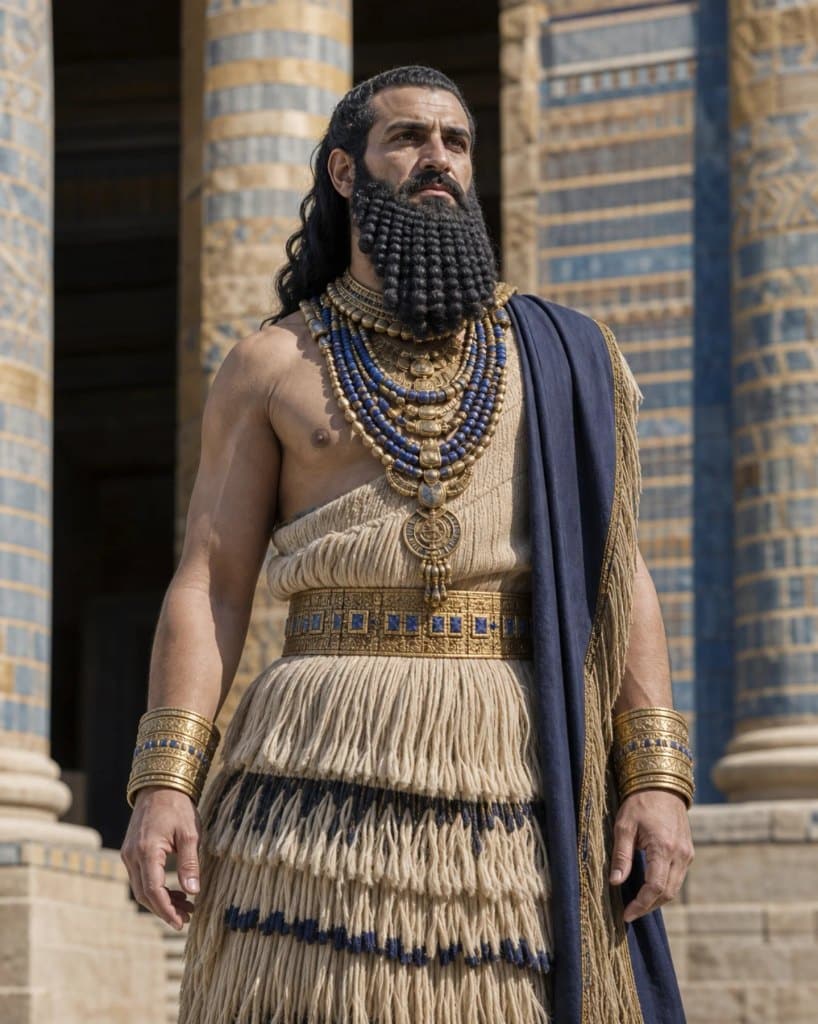
Royal Food Feuds: The Great Sumerian vs. Akkadian BBQ Debate
Culinary rivalries are nothing new, and 4,000 years ago, a massive regional food debate raged between southern Sumerians and northern Akkadians as empires expanded.
- Sumerian Style: Preferred slow-braised, heavily glazed mutton pits using date syrups and sour beer.
- Akkadian Style: Favored spiced, direct-coal roasting incorporating aggressive wild garlic rubs and mountain herbs.
- Historical Clash: Much like Kansas City sweet glazes versus Carolina vinegar mops, ancient Mesopotamia had its own fierce regional battle over who truly mastered the fire.
The Barbecue Timeline
- 2500 BCE: Sumerian pitmasters master clay hearth pits, date glazes, and slow-roasted mutton.
- 1750 BCE: The Yale Cuneiform Tablets record the world’s oldest low-and-slow recipes.
- 1500 CE: Spanish explorers record Caribbean Barbacoa techniques using raised wooden grates.
- 1890 CE: Commercial pit barbecue establishes roots in the American South.
- 2026 CE: Pitmasters attach wireless digital probes and Bluetooth monitors to offset steel smokers.
Ancient Sumerian pitmasters didn’t just stumble onto live-fire cooking by accident; they mastered it. They engineered specialized equipment, understood spice application, perfected fire draft control, and recognized the power of slow-rendered fat.
They built a culinary tradition centered around bringing people together over the irresistible smell of wood smoke and roasting meat.
Next time you load up your smoker, take a moment to look down at those glowing embers. You aren’t just making dinner. You are running a 4,000-year-old human ritual – and the ancient pitmasters of Sumer would be proud to share a plate with you.
Frequently Asked Questions
1. Did ancient Sumerians actually use barbecue sauce?
Not in the modern sense. Sumerians had no access to tomatoes or refined cane sugar, which are staples of today’s sweet barbecue sauces.
Instead, they used date syrup (silq) for a natural caramelized glaze, sour barley beer as an acidic mop sauce to tenderize muscle fibers, and rendered mutton fat to baste meat and lock in moisture during long cooks.
2. What kinds of meats were cooked in Sumerian BBQ pits?
Fat-tailed mutton and lamb were the undisputed kings of the Sumerian pit, thanks to large tail fat deposits that naturally basted the meat over open coals.
Beef was reserved for royal banquets and major temple festivals, while ducks, geese, gazelles, and wild boar were also slow-roasted over wood embers.
3. How did ancient pitmasters control temperatures without thermometers?
The lead meat preparer (nuhatimmu) managed thermal levels by reading the fire’s draft and smoke color. Subterranean clay pits (tannurs) featured adjustable air holes at the base.
By placing clay tiles over these intake holes or adding ash, fire tenders dampened flames and maintained steady beds of glowing coals for hours.
4. Where does the word “barbecue” come from if not Mesopotamia?
The word barbecue originates thousands of years later from the Caribbean Taíno word barbacoa, which described a raised wooden framework used to smoke and dry meat over fire.
While the word itself is relatively modern, the fundamental techniques of pit cooking – low indirect heat, wood smoke, and long cook times – were developed by Mesopotamians around 2000 BCE.
5. How do we know what ancient Sumerian recipes tasted like?
Historians translated the Yale Babylonian Cuneiform Collection, a series of clay tablets dating to around 1750 BCE.
These tablets contain the world’s oldest recorded culinary recipes, detailing specific meat cuts, cooking methods, and complex spice rubs made with sea salt, coriander, cumin, juniper berries, and wild garlic.
Featured image credit: ChatGPT
