
The summer I turned twenty-two, I thought I knew everything about smoke.
I was running a pit in central Texas, smelling like post oak and rendered brisket fat six days a week, convinced that real barbecue only spoke one language: heavy wood and high heat.
Then I spent a week in Chengdu, wandering down a narrow, smoke-choked alleyway behind a night market.
I followed my nose toward what I assumed was a standard charcoal grill, expecting the familiar tang of burnt hickory or oak.
Instead, the air hit me with something completely foreign – a sweet, incense-like fog that smelled of roasted dark leaves, toasted rice, toasted star anise, and sweet caramel. Sitting on a tiny plastic stool, I watched an old cook work a battered metal drum.
He wasn’t tossing logs onto his fire. He was throwing handfuls of black tea, raw grain, and dried botanicals onto a bed of glowing coals beneath a rack of glossy, mahogany-skinned duck.
That single bite ruined my barbecue snobbery forever. The skin shattered like glass, carrying a delicate, floral perfume that cut right through the rich duck fat without a trace of the heavy, bitter creosote I was used to back home.
It turns out I hadn’t discovered something new – I had just caught up to several centuries of traditional Chinese culinary arts. It is time to step away from the North American woodpile and master the ancient secret of tea smoking.
While Western barbecue relies on dense hardwood smoke to break down tough cuts over twelve grueling hours, traditional Chinese kitchens long ago perfected a technique that delivers incredible mahogany color and complex aromatics in a fraction of the time.
Known historically as Xun (熏), this method skips the heavy wood gas and relies on loose-leaf tea, raw grains, brown sugar, and whole dried herbs.
Adapting these techniques to modern outdoor live-fire grills yields phenomenal results. The floral notes of Jasmine or the resinous punch of Lapsang Souchong create flavors that standard wood chips simply cannot replicate.
The Cultural and Historical Roots of Chinese Tea Smoking (Xun)
To understand tea smoking, we have to look back to the Sichuan province of Southwestern China. Long before backyard gas grills or offset smokers existed, Chinese home cooks and royal chefs were mastering small-space live-fire cookery.
They didn’t have acres of hickory forests to fell for firewood; they had woks, clay ovens, and a deep understanding of thermal dynamics.
The crown jewel of this technique is Zhangcha Duck (樟茶鸭), or Camphor and Tea-Smoked Duck.
The Traditional Sichuan Workflow
In classic Sichuan cooking, tea smoking isn’t just a low-and-slow endurance test – it is a tightly orchestrated four-act play:
- Act I: The Cure. The meat is rubbed with Sichuan peppercorns, salt, and ginger, then left to marinate.
- Act II: The Steam. The protein is gently steamed until fully cooked, rendering excess surface fat.
- Act III: The Tea Smoke. The cooked meat sits on a bamboo rack inside a sealed wok over a smoking mixture of tea leaves, camphor wood, rice, and sugar for just 10 to 15 minutes.
- Act IV: The Crisp. The smoked meat is flash-fried in hot oil to shatter the skin into golden, crispy perfection.
On an outdoor kettle grill or smoker, we can combine the smoking and crisping phases into a seamless live-fire process. We get all the advantages of traditional outdoor live-fire cookery while infusing the deep, sweet, and floral nuances of traditional Chinese flavor profiles.
The Chemistry of the Smoke Mixture: The Four Essential Pillars
Throwing raw tea leaves directly onto burning charcoal will net you nothing more than a quick puff of burnt ash and an unpleasant, acrid stench.
The secret to traditional Chinese culinary arts lies in balancing four key components inside a controlled smoking packet or pan.
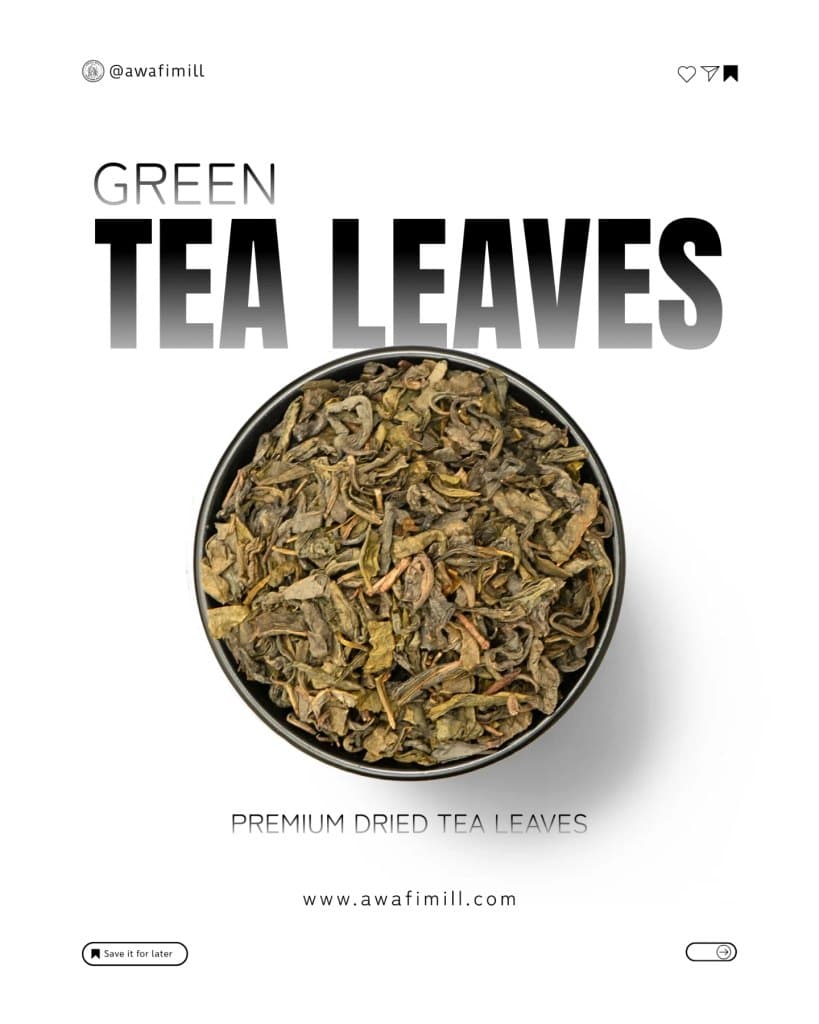
- Pillar 1: Loose-Leaf Tea (The Flavor Base) – Tea is loaded with polyphenols and volatile aromatic oils. When exposed to smoldering heat, these oils vaporize, coating the meat in delicate, savory notes. Always use loose-leaf tea, as the tiny dusty sweepings inside cheap tea bags burn up far too quickly.
- Pillar 2: Uncooked Rice or Grains (The Fuel Buffer) – Dry tea leaves combust rapidly. Mixing raw white or glutinous rice into the blend acts as a natural heat regulator. The dense starch in the rice absorbs heat slowly, smoldering steadily rather than catching fire. This guarantees a smooth, continuous stream of clean white smoke.
- Pillar 3: Brown or Rock Sugar (The Glaze Master) – Sugar is the secret weapon of tea smoking. As the smoking mixture heats up, the sugar undergoes pyrolyzation and caramelization. The vaporized sugar sticks to the cool surface of the meat, creating a striking, glossy, mahogany-colored glaze. Without sugar, your smoked food will look pale and uninviting.
- Pillar 4: Whole Chinese Herbs and Spices (The Botanical Boost) — This is where personal creativity comes alive. Coarsely cracked spices release essential oils when heated, mingling with the tea smoke to build layers of flavor.
Key Aromatics to Try
- Star Anise: Delivers licorice notes that pair brilliantly with pork.
- Sichuan Peppercorns: Adds citrusy, tingling undertones.
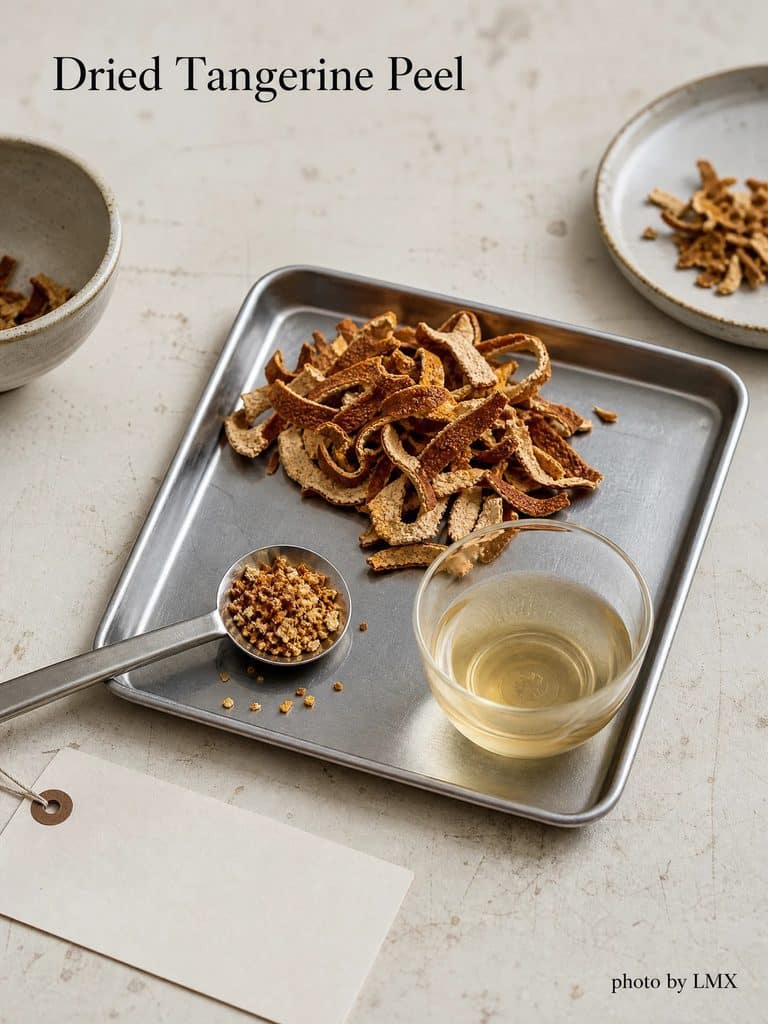
- Dried Tangerine Peel (Chenpi): Provides a tart, bitter-sweet citrus kick.
- Cinnamon or Cassia Bark: Adds warmth to red meats.
Selecting the Right Tea Leaf and Herb Profiles
Just as you wouldn’t use heavy mesquite wood on a delicate fillet of trout, matching the right tea variety to your chosen protein is critical.
| Tea Type | Primary Aroma Profile | Key Botanical Additions | Ideal Protein Pairings |
| Lapsang Souchong | Pine smoke, tar, malt, resin | Star anise, cinnamon bark | Beef brisket, pork ribs, lamb chops |
| Pu-erh / Black Tea | Earthy, woody, rich, fermented | Dried orange peel, ginger | Pork belly, duck, chicken thighs |
| Oolong (Tieguanyin) | Roasted nuts, orchid, medium body | Cardamom pods, cloves | Turkey breast, pork tenderloin, salmon |
| Jasmine Green Tea | Floral, sweet, fresh, vegetal | Lemongrass, dried ginger | Fish fillets, shrimp, tofu, vegetables |
The Power of Lapsang Souchong
If you are transitioning from wood smoking to tea smoking, Lapsang Souchong is your best gateway.
Hailing from the Wuyi Mountains of Fujian, China, this black tea is traditionally pine-smoke dried over fresh cypress or pine fires. It packs an intense, smoky punch out of the bag.
When used in a smoker packet, it acts like hardwood smoke on overdrive, minus the harsh creosote bitterness.
Adapting Tea Smoking to Outdoor Grills
Transforming your outdoor setup into a high-performance tea-smoking machine requires only minor adjustments to how you manage heat zones.
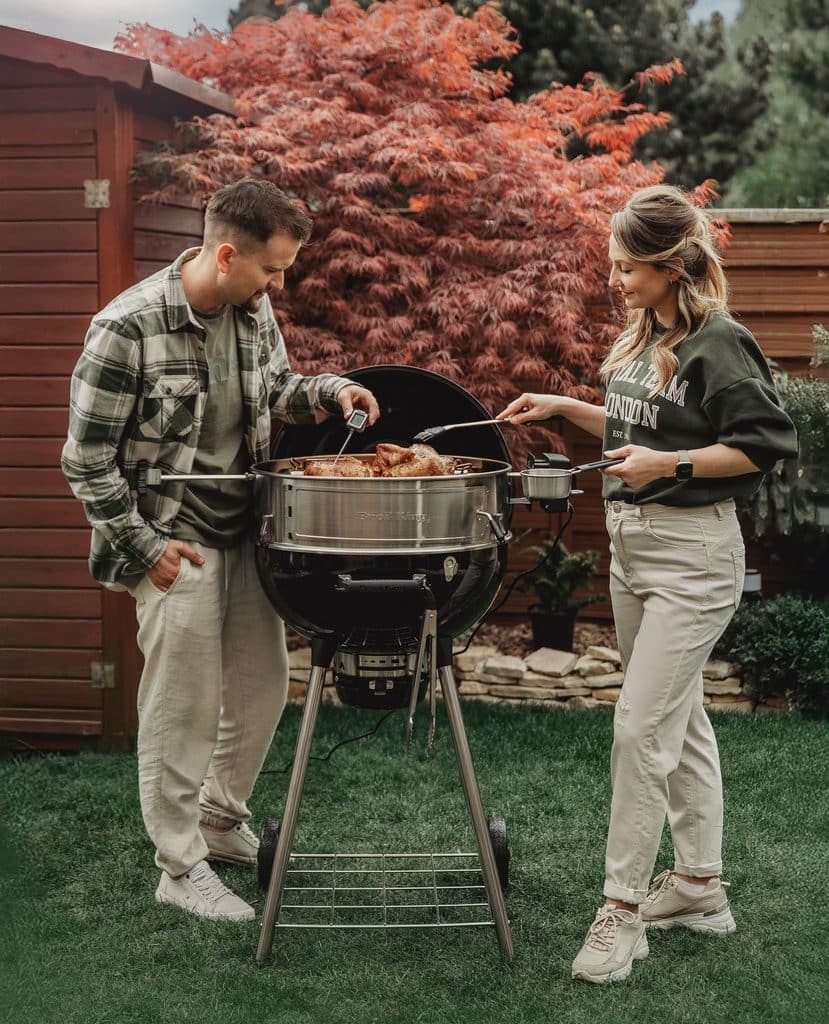
The Foil Packet Method (For Gas, Charcoal, and Pellet Grills)
The simplest way to execute this technique without ruining your equipment is the aluminum foil pouch.
- Mix the Smoke Blend: Combine 1 part loose-leaf tea, 1 part uncooked white rice, 1 part dark brown sugar, and ½ part crushed herbs/spices in a bowl.
- Wrap Securely: Lay down two layers of heavy-duty aluminum foil. Dump the mixture in the center and fold it into a sealed, flat envelope.
- Vent for Smoke: Using a toothpick or skewer, poke 5 to 8 small holes exclusively on the top side of the packet.
- Position Over Fire: Place the foil pouch directly over your hot coals or your gas grill’s primary burner.
Setting Up Two-Zone Indirect Heat
Tea smoking works best when keeping the internal grill ambient temperature between 220°F and 275°F (104°C to 135°C).
- Direct Heat Zone: Place your foil packet or cast-iron smoking pan directly over the live flame or glowing coals. Wait until thin, sweet, fragrant smoke vents from the top holes.
- Indirect Heat Zone: Place your protein on the unlit side of the grill. Close the lid tightly and let the tea smoke circulate around the food.
Master Step-by-Step Smoking Guide: Tea-Smoked Wings & Ribs
Putting theory into practice requires mastering two core applications: high-heat poultry wings and low-and-slow pork ribs.
Recipe 1: Crispy Jasmine & Citrus Tea-Smoked Chicken Wings
Chicken wings absorb smoke faster than almost any other meat, making them the ultimate canvas for green tea and citrus aromatics.
The Smoke Mixture
- ½ cup Jasmine green tea leaves
- ½ cup uncooked white rice
- ½ cup light brown sugar
- 2 tbsp dried tangerine or orange peel
- 1 tbsp crushed Sichuan peppercorns
Execution Steps
- Prep the Skin: Toss 3 lbs of chicken wings with kosher salt and baking powder. Place them on a wire rack in your refrigerator uncovered for at least 4 hours. Dry skin absorbs smoke and crisps faster.
- Fire the Grill: Set your grill to 250°F (121°C) indirect heat. Place the Jasmine tea packet over direct heat until smoke begins to billow.
- Smoke: Arrange wings on the indirect side. Close the lid and smoke for 35 to 40 minutes until internal temp reaches 165°F (74°C).
- Crisp: Move wings directly over the hot coals for 60 to 90 seconds per side to crisp up the sugar-glazed skin.
Recipe 2: Lapsang Souchong & Star Anise St. Louis Pork Ribs
Taking cues from traditional Chinese barbecued pork (Char Siu), this recipe marries dark tea smoke with a rich savory-sweet glaze.
The Smoke Mixture
- 1 cup Lapsang Souchong tea leaves
- 1 cup uncooked white rice
- 1 cup dark brown sugar
- 4 whole star anise pods (crushed)
- 2 cinnamon sticks (broken)
Execution Steps
- Seasoning: Rub a rack of trimmed St. Louis cut pork ribs with a blend of ground sea salt, five-spice powder, garlic powder, and finely ground Lapsang Souchong tea powder.
- Low & Slow Smoke: Establish a steady 225°F (107°C) fire on your kettle grill or offset smoker. Place the large tea packet over the coals. Smoke the ribs indirectly for 3 hours, replacing the tea packet halfway through if smoke production stops.
- Glaze & Set: During the final 30 minutes of cooking, brush the ribs with a mixture of hoisin sauce, honey, soy sauce, and a splash of Shaoxing rice wine. Let the glaze tack up over indirect heat until mahogany and sticky.
The Science of the Pellicle: Sticky Smoke Absorption
Smoke doesn’t stick to food by accident – it relies on a specific biological reaction. Before your protein ever meets tea smoke, it must develop a pellicle, a tacky protein skin formed as surface moisture evaporates.
- The Reaction: Air-drying uncovered meat in the fridge causes surface proteins to dissolve and cross-link, creating a microscopic sticky net.
- The Benefit: This barrier acts as a magnet for volatile tea polyphenols and caramelized sugar vapors, guaranteeing maximum flavor absorption and a mahogany finish.
- The Pitfall: Skipping this step leaves moisture on the surface, creating a steam barrier that repels smoke entirely. Dry-brine overnight for the best results.
Crafting Custom Tea-Based Dry Rubs
While smoking infuses aromatic vapors from below, applying finely ground tea directly to the meat creates a multidimensional flavor structure. Tea leaves are packed with natural tannins, which act as brilliant meat tenderizers while providing an earthy, savory crunch to your crust.
- Grind the Base: Blitz loose-leaf black or dark oolong tea in a spice grinder until fine.
- Build the Rub: Combine the ground tea with coarse sea salt, dark brown sugar, and cracked peppercorns.
- Develop the Bark: Over indirect heat, the tea leaves react with meat juices to form a deeply complex, herbaceous crust that complements the sweet smoke rising from your burner.
Pairing Tea Smoke with Craft Beers and Natural Wines
Matching tea-smoked barbecue with the right beverage elevates an outdoor feast into a curated tasting experience. The botanical quality of tea smoke demands drinks that complement its aromatics or slice through rich caramelized sugars.
- Jasmine Green Tea Smoke & Poultry: Pair with crisp, hoppy IPAs, as citrusy hops highlight delicate floral notes.
- Resinous Lapsang Souchong & Red Meats: Match with a bold, tannic Syrah to stand up to deep, pine-smoked flavors.
- Rich Pork Belly & Duck: Opt for a funky, low-sulfite natural orange wine, whose high acidity cleanly cuts through unctuous fat.
Cold Tea Smoking: Delicate Flavors for Cheeses and Salts
Tea smoking excels in cold applications where you want smoke without heat. By keeping your smoking chamber below 90°F (32°C), you can infuse fragile ingredients without melting or cooking them.
- Ideal Ingredients: Flaky sea salt, sharp cheddar, cream cheese, butter, and blocks of tofu.
- Floral Finishing Salt: Cold-smoke sea salt over Earl Grey tea, dried lavender, and sugar.
- Quick Appetizers: A brief 20-minute bath in cool Jasmine tea smoke transforms standard Gouda or tofu into aromatic showstoppers.
Repurposing Spent Tea Leaves as Charcoal Additives
Zero-waste pitmasters can extend the life of their tea ritual long after the teapot is empty. Used tea leaves retain plenty of fragrant essential oils even after brewing.
- Dry the Leaves: Squeeze out excess moisture and dry spent leaves on a baking sheet in the sun or a low oven.
- Add to Embers: Toss dried leaves directly onto glowing coals right before grilling quick-cooking items like skewers or shrimp.
- Fast Aromatics: The steam and smoke burst releases leftover oils, giving weeknight dinners quick botanical flavor without a full smoke packet.
The Art of Tea-Brining: Liquid Flavor Injection
Combine tea smoking with liquid tea-brining to drive moisture and aromatics deep into the muscle fibers of lean meats like pork loin, chicken breast, or turkey.
- Brew the Brine: Make a concentrated bath using strong black tea, crushed ginger, garlic, and kosher salt. Cool completely before adding meat.
- Tenderize: Natural tea tannins gently break down tough muscle fibers while the salt carries herbal flavors deep inside.
- The Result: Hitting the tea-fueled smoker afterwards yields an unbeatable combination of interior juiciness and an exterior aromatic bark.
Troubleshooting Common Pitfalls
Even simple techniques require a bit of finesse. Avoid these common mistakes when working with botanical smoke:
Pitfall 1: Bitter, Acrid Taste
- The Cause: You placed loose tea leaves directly onto burning coals, or you forgot to add uncooked rice to slow down combustion.
- The Fix: Always use a foil packet or smoker box, and stick to the 1:1 tea-to-rice ratio.
Pitfall 2: The Color Is Pale and Unappealing
- The Cause: Omitting sugar from your smoke packet.
- The Fix: Sugar is non-negotiable in traditional Chinese culinary arts. The vaporized sugar caramelizes on the meat’s surface, delivering that signature deep bronze finish.
Pitfall 3: Smoke Tastes like Nothing
- The Cause: The meat’s surface was wet when placed on the grill.
- The Fix: Wet meat steams instead of taking on smoke. Always pat your proteins bone-dry with paper towels before cooking to allow a natural pellicle (a tacky protein layer) to form.
Elevate Your Live-Fire Game
Integrating tea smoking into your grilling toolkit isn’t about throwing out your hickory logs – it’s about adding a refined, versatile technique to your outdoor arsenal.
By borrowing from the timeless principles of traditional Chinese culinary arts, you can turn basic weeknight chicken dinners or weekend rib racks into aromatic, restaurant-quality dishes.
Grab a bag of loose-leaf tea, clear out a corner of your spice cabinet, and set your grill to low. Your backyard BBQ will never be the same.
Frequently Asked Questions
Can I use tea bags instead of loose-leaf tea?
Loose-leaf tea is strongly recommended. Tea bags contain finely ground “fannings” or tea dust, which burn up too fast and produce harsh smoke.
If you must use tea bags, cut them open and combine the contents with double the standard amount of uncooked rice to slow down combustion.
Will tea smoking make my grill smell like jasmine or spices permanently?
No. Unlike heavy creosote from oily woods like pine or mesquite, the botanical smoke generated by tea, sugar, and rice is light and water-soluble.
A quick high-heat burnout session after your cook will burn off any lingering aromas inside your grill chamber.
Can I use this technique on an indoor stovetop smoker?
Yes!
You can line a heavy cast-iron wok or Dutch oven with aluminum foil, place the tea/rice/sugar mixture in the bottom, set a wire rack on top, cover tightly with a lid, and smoke small cuts of meat or fish directly on your stove burner over medium heat.
Always ensure your kitchen hood vent is running on high!
Can I add tea and herb mixtures directly to my pellet grill hopper?
No, never put tea leaves, rice, or spices into your pellet hopper. Grains and tea leaves will jam the auger mechanism, and sugar will melt in the burn pot, potentially ruining your grill.
Instead, use the foil packet method described above and place it directly on top of the heat deflector plate or on the hot side of the grates near the firebox.
How long does a tea smoking packet last before it needs to be replaced?
A standard foil packet containing one cup of the tea and rice mixture will produce active, flavorful smoke for about 30 to 45 minutes at 220°F to 275°F. For short-cook items like chicken wings, fish, or pork chops, a single packet is plenty.
For longer cooks like pork ribs or brisket, simply swap out the spent packet for a fresh one halfway through the cook once smoke stops venting.
Featured image credit: @visit_danang_vietnam
