

“You are what you eat” is a line that has been repeated so often it probably deserves its own apron.
But when it comes to elite athletes, the question gets a lot more interesting: Could a plate of flame-grilled meat really help explain the speed, strength, and stamina of football stars?
Walk into a backyard barbecue and you’ll hear plenty of nutrition theories flying around with the smoke. “Eat more steak, get stronger.” “Protein builds muscle.” “The grill makes everything better.”
The first two have some science behind them. The last one is mostly the pitmaster’s privilege.
Meat can certainly provide valuable nutrients for an athlete. Beef, in particular, delivers high-quality protein, iron, zinc, and vitamin B12.
Those nutrients have legitimate roles in muscle maintenance, oxygen transport, and normal energy metabolism.
But claiming that flame-grilled meat drove the physical abilities of football stars is a much bigger leap.
Elite football performance isn’t cooked up from one ingredient. It’s the result of genetics, years of training, intelligent nutrition, recovery, sleep, coaching, and an extraordinary amount of work.
So let’s fire up the grill – not to sell a myth, but to separate the sizzle from the science.
Why Meat Became Associated With Strength
For generations, meat has carried a powerful reputation as a food for strong people. Farm workers ate it. Soldiers ate it. Weightlifters ate it. And athletes have long been encouraged to load up on protein in the belief that more meat means more muscle.
It’s easy to understand why.
A juicy steak looks substantial. A rack of ribs doesn’t exactly whisper “light snack.” Put a big piece of grilled beef on a plate next to a football and, visually, the connection between meat and physical power practically writes itself.
But nutrition isn’t decided by appearances.

What Meat Actually Brings to the Table?
Meat can be a useful source of several nutrients that matter to physically active people:
- Protein, which provides amino acids needed for muscle repair and maintenance.
- Iron, which is involved in making hemoglobin and transporting oxygen around the body.
- Vitamin B12, which supports normal red blood cell formation and nervous-system function.
- Zinc, which plays roles in normal immune function and metabolism.
- Selenium, an essential mineral involved in several biological processes.
That makes meat a legitimate part of many athletes’ diets.
The important word, however, is part.
A footballer doesn’t become faster because a steak contains protein. Protein supports the body while training provides the stimulus that tells muscles to adapt.
Think of it like a barbecue.
The meat is an ingredient. It isn’t the entire cookout.
What Does Flame-Grilling Actually Add?
Now we get to the fun part.
Flame-grilling changes meat dramatically from a culinary perspective. It creates browning, smoky aromas, crisp edges, and that unmistakable grilled flavor that makes people suddenly forget they promised to eat more vegetables.
But does grilling somehow turn ordinary meat into a performance-enhancing food? Not quite.
Grilling Doesn’t Create Magical Protein
Cooking changes the texture and structure of meat, but protein remains an important nutritional component after cooking.
The major attraction of grilling is flavor, not some secret athletic upgrade.
High heat produces browning reactions that create the rich aromas and flavors people associate with grilled food. Smoke can add another layer of complexity.
That’s wonderful news for dinner.
It isn’t evidence that grilling itself makes someone stronger.
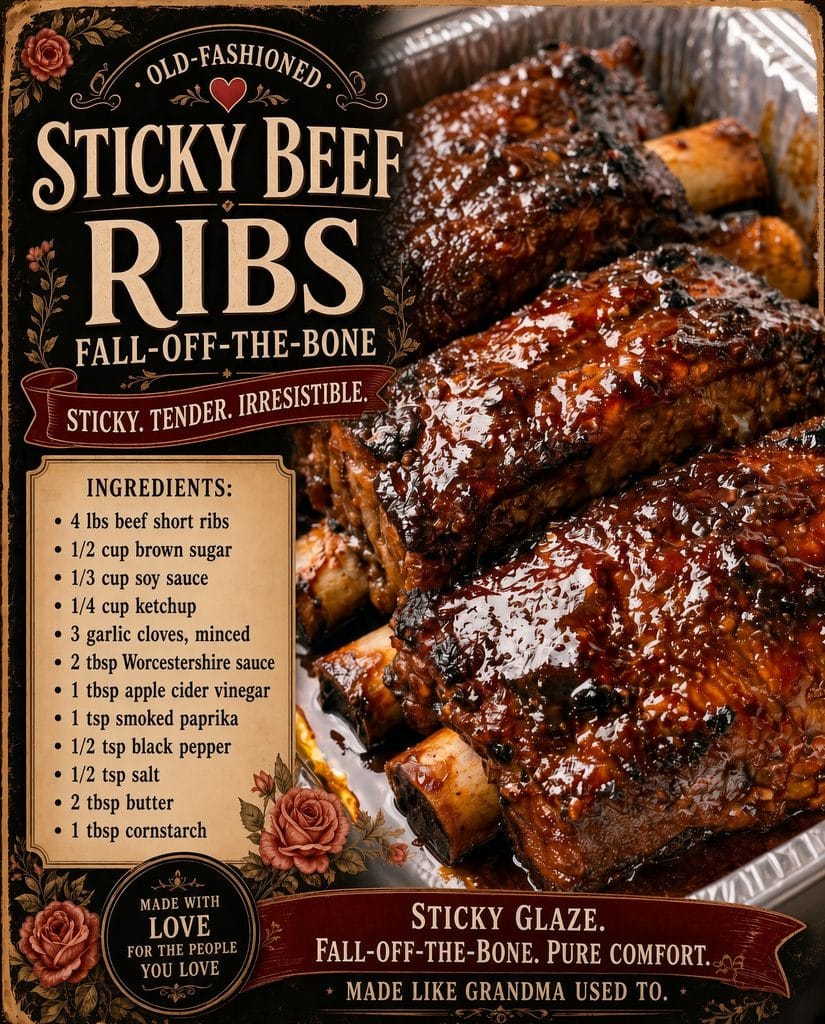
The Charred Edge Deserves a Little Attention
Here’s where a pitmaster has to put down the tongs for a second and get serious.
High-temperature cooking can produce compounds such as heterocyclic amines (HCAs) and polycyclic aromatic hydrocarbons (PAHs).
These can form when meat is exposed to very high heat, flames, smoke, or when fat drips onto the fire and creates smoke that settles back onto the food.
That doesn’t mean grilled meat should be treated like a dangerous substance.
It does mean burning food to a blackened crisp isn’t a nutritional strategy.
Keep the flames under control. Avoid excessive charring. Trim away heavily burned portions. And remember that good barbecue is about managing heat – not declaring war on the meat.
Could Meat Support the Physical Demands of Football?
Absolutely.
Could it single-handedly create elite athletic performance? That’s where the answer changes.
Football is brutally demanding. Players repeatedly sprint, accelerate, stop, jump, change direction, challenge opponents, and recover between bursts of intense activity.
Their bodies need the raw materials to repair tissue and keep physiological systems working properly.
Protein and Muscle Recovery
Protein is particularly important because training creates a need for tissue repair and adaptation.
Resistance training and intense exercise place stress on muscles. Consuming enough protein provides amino acids that help the body maintain and repair muscle tissue.
For a football player, that matters.
But more protein isn’t automatically better.
Once nutritional needs are covered, piling another steak onto the plate doesn’t transform an athlete into a faster version of themselves.
Training is the signal. Nutrition supplies the materials.
Iron and Oxygen Transport
Iron has another interesting connection to athletic performance.
Your muscles need oxygen to support energy production, and hemoglobin in red blood cells plays a central role in transporting oxygen.
Meat can provide iron, including heme iron, which is generally well absorbed.
This doesn’t mean steak is a shortcut to superior endurance. Rather, it means adequate iron status is important for normal physical function.
When someone isn’t getting enough iron, maintaining normal energy and exercise capacity can become more difficult.
That’s a nutritional issue – not proof that eating grilled meat created the athletic abilities of football stars.
Vitamin B12 and the Nervous System
Vitamin B12 is another nutrient found naturally in animal foods. It contributes to normal red blood cell formation and neurological function.
For athletes, maintaining adequate levels of essential nutrients is part of the bigger picture of staying healthy and training consistently.
And consistency is where elite performance starts to separate itself from the weekend warrior who buys new running shoes every January.
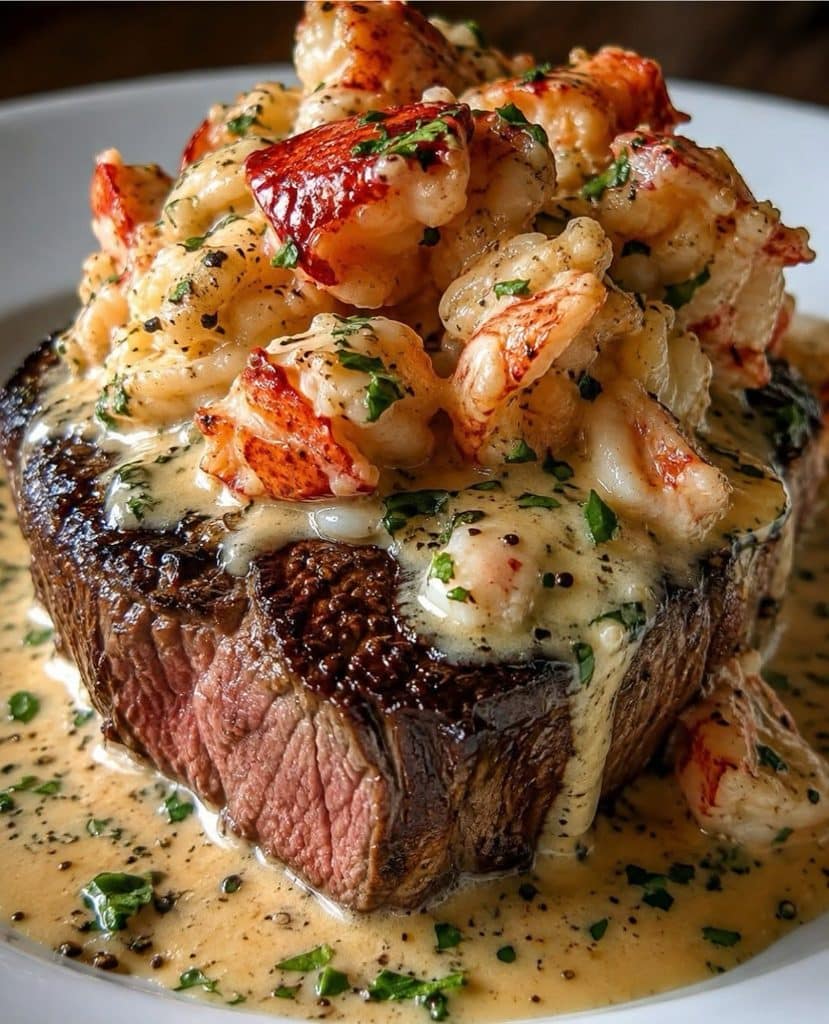
Meat Alone Can’t Explain an Elite Footballer’s Physical Ability
Here’s the biggest myth to put on the chopping block:
A particular food does not explain an elite athlete’s entire physical ability.
Football stars don’t become exceptional because they eat steak. They become exceptional through years of highly structured work.
Genetics Matter
Athletes begin with different physical characteristics.
Height, muscle-fiber characteristics, body structure, coordination, recovery capacity, and many other traits can influence athletic potential.
Nutrition can help an athlete reach that potential.
It doesn’t rewrite their genetic blueprint.
Training Matters Enormously
Elite footballers train for much more than simply becoming muscular.
Their programs can involve:
- Sprinting and acceleration
- Strength and resistance training
- Agility and change-of-direction work
- Aerobic conditioning
- Explosive power
- Technical football drills
- Tactical training
- Mobility and recovery work
A perfectly grilled steak can’t teach a player how to time a run behind a defender. It can’t improve first touch.
It can’t teach a goalkeeper to react to a penalty.
And it certainly can’t make a defender magically appear in the right place every time. That’s what training is for.
Recovery Matters, Too
Sleep, rest, hydration, injury management, and training-load control all influence athletic performance.
An athlete could eat an excellent diet and still perform poorly if they’re chronically exhausted.
Performance is a system.
Food is one part of that system.
Carbohydrates May Be Just as Important on Match Day
Here’s a plot twist for the steak lovers. Football isn’t simply a strength sport.
Players need to repeatedly produce high-intensity efforts over an extended period. That makes carbohydrates an important source of fuel.
The body stores carbohydrate primarily as glycogen in muscles and the liver. During demanding exercise, those stores help provide energy for activity.
That’s why a footballer’s plate shouldn’t look like an all-you-can-eat steakhouse menu.
A balanced meal might include:
Protein: grilled beef, chicken, fish, eggs, dairy, beans, or another protein source.
Carbohydrates: rice, potatoes, pasta, oats, bread, fruit, or other carbohydrate-rich foods.
Vegetables: sources of fiber, vitamins, minerals, and other beneficial plant compounds.
Healthy fats: nuts, seeds, olive oil, avocado, and other sources.
Fluids: enough water and, when appropriate, electrolytes to support hydration.
The exact balance depends on the athlete, training session, position, body composition, goals, and individual needs.
The larger lesson is simple:
Football nutrition isn’t about choosing meat or carbohydrates. It’s about getting the overall diet right.
Did Famous Football Stars Really Eat Lots of Grilled Meat?
This is where sports mythology gets particularly tasty.
Stories about athletes’ diets are irresistible because they give us a simple explanation for complicated success.
A legendary player eats steak.
Therefore, steak must be responsible for the legendary player. Except that’s not how evidence works.
A player’s favorite meal might tell us something about their preferences. It doesn’t prove that the food caused their performance.
A football star could eat steak every Friday and still owe their career to thousands of training sessions, excellent coaching, genetics, recovery, discipline, and countless other factors.
Anecdote Isn’t Evidence
Imagine a player says, “I always eat grilled beef before training.”
Interesting.
Now imagine another player says, “I perform better after a carbohydrate-rich meal.” Also interesting.
Neither statement establishes a universal rule.
One athlete’s routine is not a controlled nutrition study.
That’s an important distinction because sports nutrition is often filled with rituals.
Some rituals are useful. Some are harmless. Some are simply traditions that survived because nobody bothered to put them on trial.
And frankly, every barbecue has at least one person who believes the meat tastes better because they stood next to the grill while cooking it.
Science remains unconvinced.

Flame-Grilled Meat: Performance Food or One Piece of the Puzzle?
So where does that leave our beloved steak? Right where it probably belongs: on a balanced plate rather than on a pedestal.
Flame-grilled meat can provide:
- High-quality protein
- Iron
- Vitamin B12
- Zinc
- Other useful nutrients
Those benefits can make meat a practical food for active people. But it also has limitations.
Meat doesn’t provide all the carbohydrates an athlete may need for intense training. Depending on the cut and preparation, it can also contribute substantial saturated fat and calories.
And a diet built almost entirely around meat can crowd out foods that provide fiber and a wider range of plant-based nutrients.
The best approach is variety.
Good nutrition is less about finding one “superfood” and more about consistently building a strong overall diet.
That principle applies whether you’re a professional footballer or someone whose most intense athletic event is carrying three grocery bags from the car in one trip.
How to Enjoy Grilled Meat More Wisely
You don’t need to retire the barbecue.
Far from it.
A few simple habits can make grilled meat fit comfortably into a balanced diet.
1. Don’t burn it
Aim for well-cooked meat without excessive blackening or charring.
Managing the fire is one of the great secrets of good barbecue anyway. Low and slow isn’t the only way to cook, but controlling temperature is almost always better than letting the flames run the show.
2. Add more than meat
Put vegetables on the grill.
Peppers, onions, mushrooms, zucchini, corn, eggplant, and other vegetables can bring color, texture, and nutrients to the meal.
A plate shouldn’t look like a meat avalanche.
3. Pair it with carbohydrates
For active people, combine protein with carbohydrate-rich foods such as potatoes, rice, pasta, bread, or whole grains. That’s a far more useful performance strategy than simply increasing the size of the steak.
4. Vary your protein sources
Rotate grilled meat with fish, poultry, eggs, dairy, beans, lentils, and other protein-rich foods.
Variety makes a diet more nutritionally complete – and makes dinner considerably less boring.
The Verdict: Nutrition or Myth?
So, did flame-grilled meat drive the physical abilities of football stars?
Not in the way the myth suggests.
Meat can absolutely contribute useful nutrients to an athlete’s diet. Its protein can support muscle maintenance and recovery. Its iron and vitamin B12 can contribute to normal physiological function. Zinc and other nutrients add further nutritional value.
But none of that proves that flame-grilled meat created elite athletic ability.
The extraordinary physical capabilities of football stars come from a much bigger recipe: genetics, structured training, skill development, nutrition, hydration, recovery, sleep, coaching, and years of relentless practice.
The grill can provide a great meal. It cannot provide a world-class sprint. It can cook a steak.
It cannot teach a perfect first touch.
And it certainly can’t turn an ordinary player into a football legend overnight.
The grill may make the meal memorable, but it isn’t what makes a football star.

The Final Word
A sizzling steak has a powerful image.
It smells like a celebration. It looks substantial. It has become culturally linked with strength, hard work, and performance.
And yes, meat can be a nutritious component of an athlete’s diet.
But nutrition gets interesting when we stop looking for magic ingredients.
Football stars aren’t built by one meal. They’re built through years of preparation, adaptation, recovery, and discipline. Their diets support that process – but no single food gets to take all the credit.
So keep the grill hot.
Just don’t give it the trophy.
Frequently Asked Questions
Is grilled meat good for athletes?
It can be. Grilled meat can provide high-quality protein and nutrients such as iron, zinc, and vitamin B12. Its value depends on the overall diet rather than the cooking method alone.
Does eating meat make you stronger?
Meat can provide protein and other nutrients that support muscle maintenance and recovery. However, strength comes from the combination of training, adequate nutrition, recovery, and individual biology, not from meat alone.
Is red meat suitable for football players?
Red meat can fit into a balanced football nutrition plan. The important factors include portion size, overall dietary variety, individual needs, and how frequently it is consumed.
Does grilling destroy the protein in meat?
Cooking changes the structure and texture of proteins, but it doesn’t simply eliminate the protein. Grilled meat can still be a substantial source of dietary protein.
Did football stars become great because they ate meat?
There’s no sound basis for making that claim. Individual dietary habits cannot establish that meat caused a player’s athletic success. Elite performance has many interacting causes.
Featured image credit: @go.qatar.2022
