
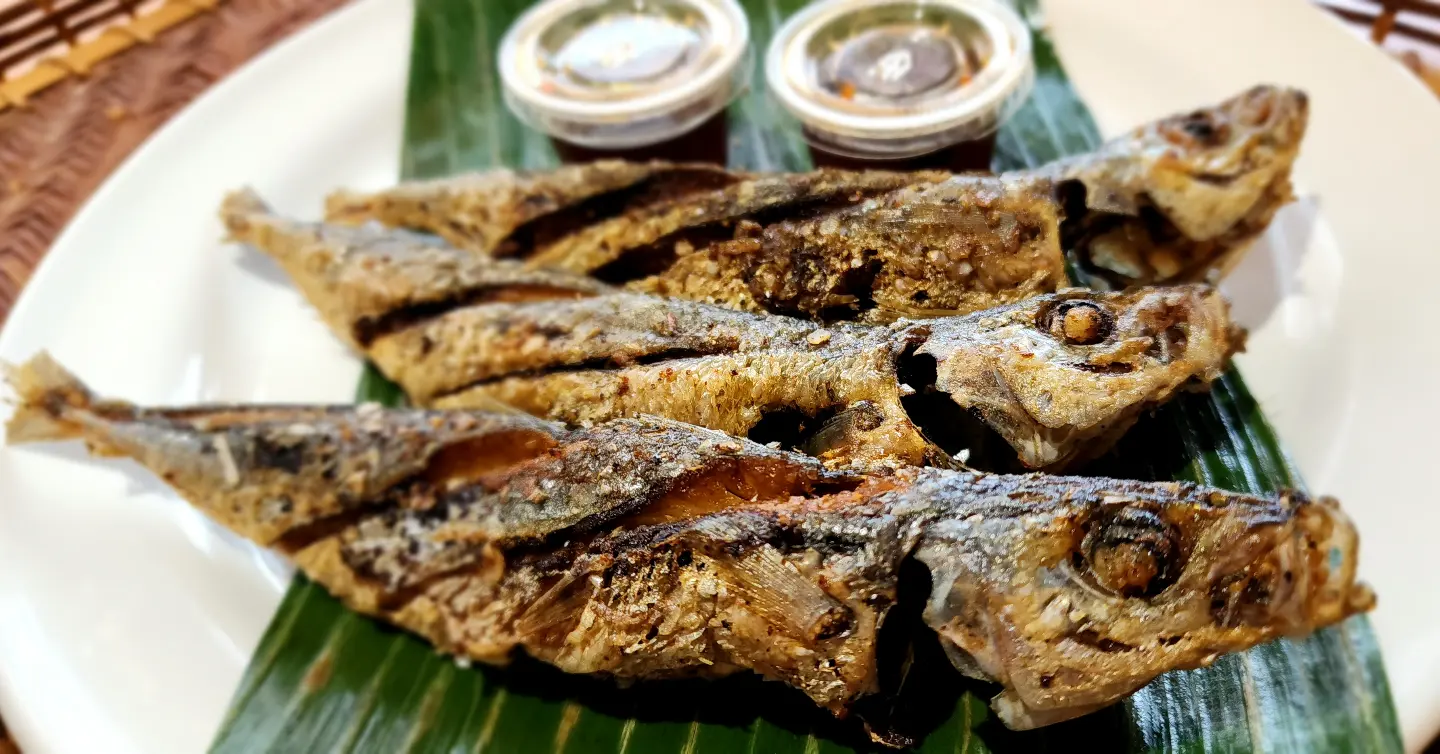
Golden, crunchy, and packed with flavor, crispy Filipino fried fish is one of those dishes that never goes out of style.
The crackle of perfectly fried skin followed by tender, flaky fish is enough to gather everyone around the table before the rice is even served.
Pair it with a bold toyomansi dipping sauce, and every bite delivers the perfect balance of savory, tangy, and citrusy goodness.
While crispy anchovies have earned their place as a Filipino favorite, a well-fried mackerel scad (galunggong) offers the same satisfying crunch with meatier bites that can easily become the star of any meal.
The beauty of this recipe lies in its simplicity.
A handful of pantry staples, fresh fish, and the right frying technique are all you need to create a restaurant-worthy dish at home.
The biggest secret isn’t hidden in the ingredients – it’s in keeping the fish dry, using hot oil, and resisting the urge to flip it too often.
Master those basics, and you’ll enjoy crispy fish that stays crunchy long after it leaves the pan.
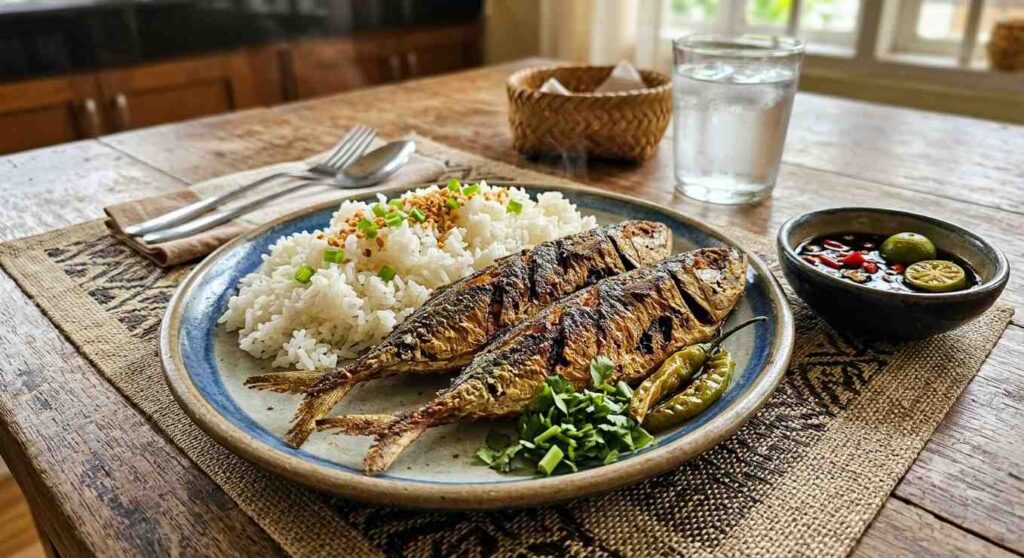
Why You’ll Love This Crispy Filipino Fried Fish
This classic recipe has remained a household favorite for generations because it delivers everything people want from a comforting seafood meal.
- Extra crispy skin with juicy, flaky meat
- Made with simple and affordable ingredients
- Ready in about 30 minutes
- Perfect for everyday family meals or weekend gatherings
- Pairs beautifully with steamed rice and classic Filipino side dishes
One thing you’ll quickly discover is that silence around the dinner table usually means everyone is too busy enjoying the crunch. That’s always a good sign.
What Makes It Better Than Anchovies?
Crispy anchovies, or dilis, are loved for their addictive crunch, but they’re usually served as a snack, appetizer, or side dish.
A perfectly cooked crispy Filipino fried fish made with mackerel scad (galunggong) delivers that same irresistible crispiness while offering several advantages.
- Meatier, more satisfying bites
- Tender and flaky fish beneath the crispy skin
- A complete main course instead of just a snack
- More surface area for soaking up delicious toyomansi dipping sauce
The combination of crispy skin and juicy fish creates a contrast that’s hard to beat. Every bite has plenty of texture without sacrificing the natural flavor of the fish.
Tips for Extra Crispy Fried Fish
Getting that irresistible crunch comes down to a few simple techniques.
Pat the Fish Dry
Moisture is the enemy of crispiness. Dry fish fries faster and develops a crispier skin.
Use Hot Oil
Oil that isn’t hot enough causes the fish to absorb excess oil instead of crisping properly.
Avoid Overcrowding the Pan
Frying too many fish at once lowers the oil temperature and reduces crispiness.
Flip Only Once
Frequent flipping can cause the skin to stick or break before it has time to become crisp.
Drain on a Wire Rack
A wire rack allows excess oil to drip away while air circulates underneath, helping the fish stay crispy longer.
Why Mackerel Scad Is Perfect for Frying
Mackerel scad (galunggong) has long been one of the most popular fish in Filipino kitchens.
Its naturally rich flavor, firm flesh, and thin skin make it ideal for frying. The skin crisps beautifully while the meat stays moist and flaky inside.
Another advantage is affordability. Galunggong is widely available and offers excellent value, making it perfect for both everyday meals and larger family gatherings.
Choosing the Right Cooking Oil for Crispy Fish
The type of oil you use plays a bigger role than many people realize when making crispy Filipino fried fish. The right oil helps create a golden, crunchy crust while keeping the fish light instead of greasy.
For the best results, choose an oil with a high smoke point, such as:
- Canola oil
- Vegetable oil
- Peanut oil
- Refined coconut oil
These oils can handle the high temperatures needed for frying without burning or producing unpleasant flavors.
On the other hand, strongly flavored oils like extra virgin olive oil can overpower the delicate taste of mackerel scad (galunggong), making them a poor choice for deep frying.
To achieve the perfect crispy finish:
- Use enough oil so the fish cooks evenly without sticking.
- Maintain a consistent oil temperature throughout cooking.
- Avoid overheating or letting the oil cool too much, as both can affect the final texture.
When the oil stays at the proper temperature, the fish develops a beautifully golden, crispy crust that’s light, crunchy, and never oily.
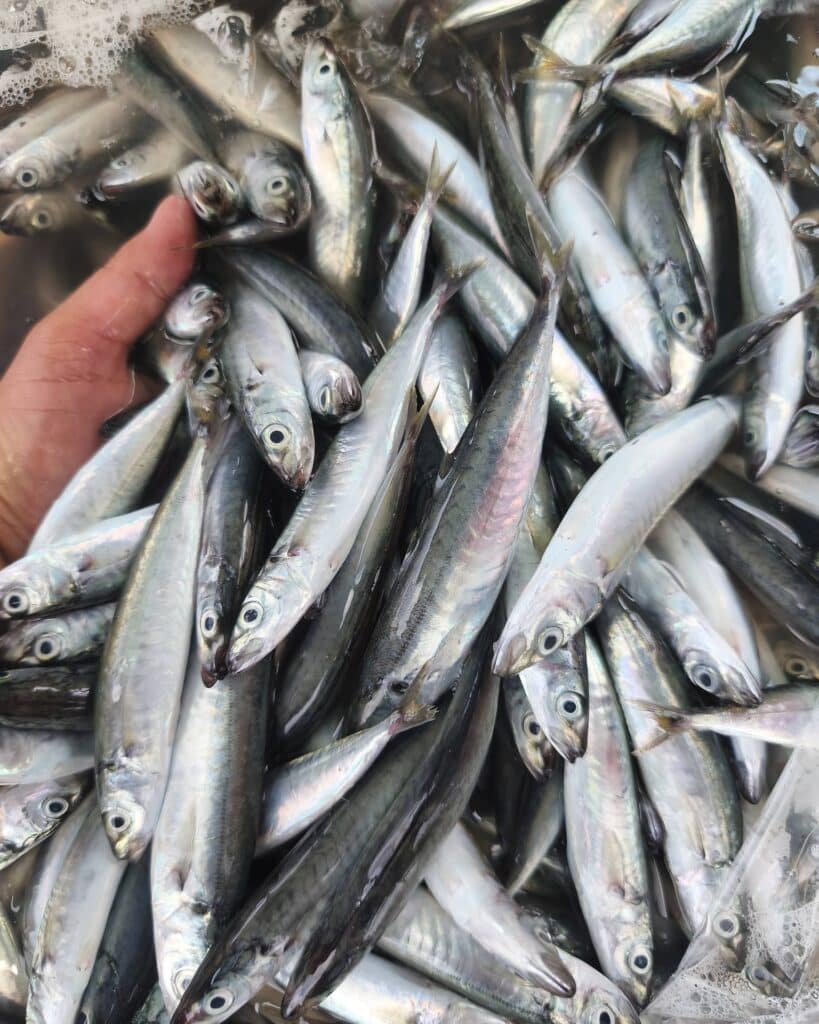
The Secret to Perfectly Seasoned Galunggong
Great crispy Filipino fried fish begins with proper seasoning before the fish ever touches the hot oil. While the ingredient list is simple, the technique makes all the difference.
Follow these simple steps:
- Season with salt and black pepper to enhance the fish’s natural flavor.
- Let the fish rest for 15 to 20 minutes so the seasoning has time to penetrate the flesh.
- Score both sides of the fish to help it cook evenly while allowing the seasoning to reach deeper into the meat.
- Add a light sprinkle of garlic powder if you want a subtle boost of flavor without overpowering the fish.
One of the biggest mistakes is over-seasoning. Galunggong has a naturally rich, savory taste that doesn’t need heavy spices or marinades.
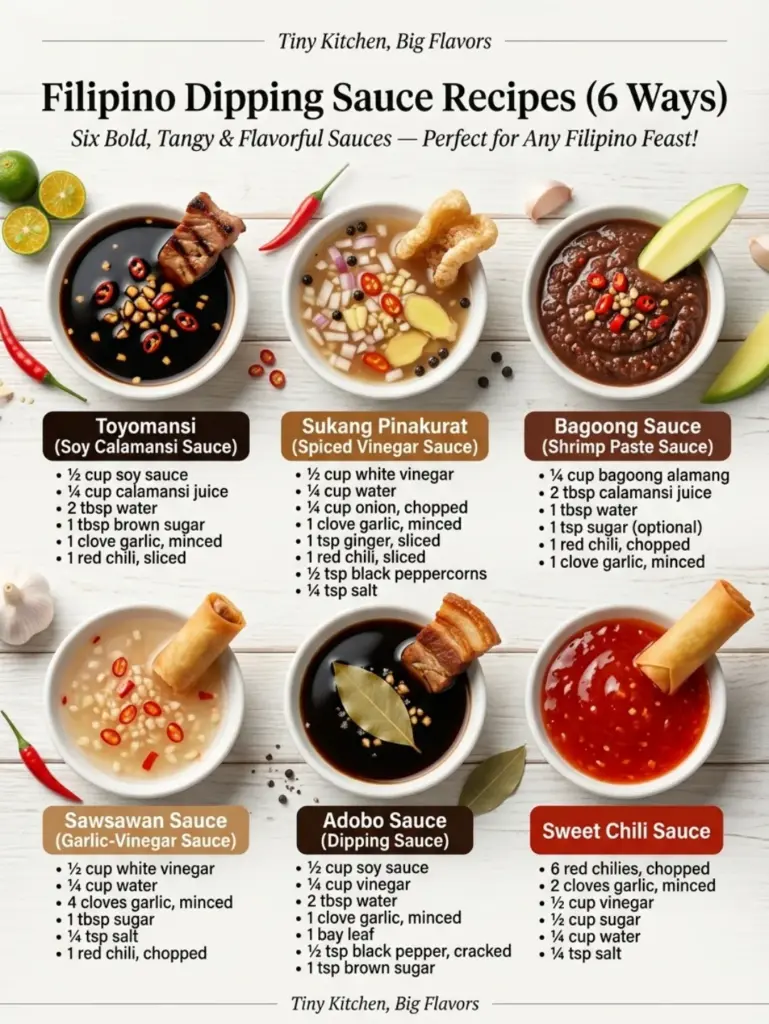
The real finishing touch comes from the toyomansi dipping sauce, which adds a bright, tangy contrast that perfectly complements the crispy fish.
Why Toyomansi Is the Perfect Match
Every great fried fish deserves an equally great dipping sauce, and toyomansi dipping sauce has been a Filipino favorite for generations. Its combination of salty, tangy, and citrusy flavors balances the richness of fried seafood without overpowering it.
Each ingredient has an important role:
- Soy sauce provides a deep, savory umami flavor.
- Fresh calamansi juice adds a bright citrus tang that cuts through the richness.
- Sliced onions contribute a mild sweetness and satisfying crunch.
- Bird’s eye chilies bring optional heat for those who enjoy a spicy kick.
Together, these simple ingredients create a dipping sauce that enhances both flavor and texture.
Every crispy bite becomes more refreshing and satisfying, making it easy to understand why toyomansi dipping sauce remains the traditional partner for crispy Filipino fried fish and many other Filipino seafood dishes.
Common Frying Mistakes That Ruin Crispy Fish
Even high-quality fish can lose its crispiness when a few common frying mistakes get in the way. Fortunately, they’re easy to avoid once you know what to watch for.
Here are the most common problems:
- Using oil that isn’t hot enough, causing the fish to absorb excess oil instead of crisping.
- Flipping the fish too early or too often, which can tear the skin before it develops a sturdy crust.
- Overcrowding the pan, lowering the oil temperature and leading to uneven cooking.
- Covering the fish after frying, trapping steam that softens the crispy exterior.
For consistently excellent results, remember these three essentials:
- Patience while frying.
- Steady heat control from start to finish.
- Gentle handling when turning and removing the fish.
Master these simple habits, and you’ll enjoy restaurant-quality crispy Filipino fried fish with a perfectly crunchy exterior every single time.
What to Serve with Crispy Filipino Fried Fish
One reason this dish remains a Filipino favorite is its versatility.
Serve it alongside:
- Steamed jasmine rice
- Garlic fried rice
- Ensaladang talong
- Salted egg with tomatoes
- Atchara
- Fresh cucumber slices
A generous spoonful of toyomansi dipping sauce ties everything together, adding a burst of savory citrus flavor that keeps every bite exciting.
Storage and Reheating
Refrigerating
Allow the fish to cool completely before storing it in an airtight container. It will keep well in the refrigerator for up to 3 days.
Reheating
For the crispiest results:
- Air fryer: 375°F for 5–7 minutes
- Oven: 400°F for about 10 minutes
- Skillet: Reheat over medium heat until the skin becomes crispy again.
Skip the microwave whenever possible. While it’s convenient, the steam softens the crispy coating and takes away much of the texture that makes this dish so satisfying.
Final Thoughts
A memorable crispy Filipino fried fish doesn’t rely on complicated ingredients or advanced cooking techniques.
Dry the fish thoroughly, season it well, coat it lightly with cornstarch, and fry it in properly heated oil. Those simple steps create an incredibly crunchy exterior while keeping the mackerel scad moist, flaky, and full of flavor.
Paired with a vibrant toyomansi dipping sauce, this humble Filipino classic becomes a meal that’s both comforting and exciting. It delivers the same addictive crunch people love about anchovies while offering heartier bites that make it a complete and satisfying main dish.
Whether you’re serving it for a quick family dinner or sharing it with friends over steaming bowls of rice, this crispy galunggong recipe is one you’ll find yourself making again and again.
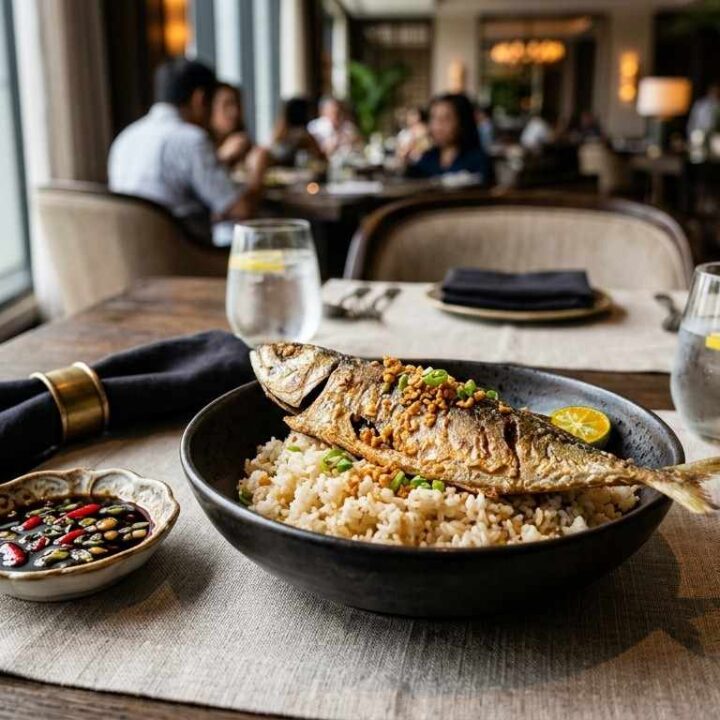
Crispy Mackerel Scad (Galunggong) and Toyomansi Dipping Sauce
Image credit: Google Gemini
Ingredients
- For the Crispy Filipino Fried Fish
- 5-8 whole mackerel scad (galunggong), cleaned and gutted
- 2-3 tablespoon salt
- ½ teaspoon ground black pepper
- 1 teaspoon garlic powder (optional)
- Cooking oil for deep frying
- For the Toyomansi Dipping Sauce
- 3 tablespoons soy sauce
- 2 tablespoons fresh calamansi juice
- 1 small onion, thinly sliced (optional)
- 1 bird's eye chili, chopped (optional)
- 1-2 whole red tomatoes chopped
- ½ tablespoon fish sauce
Instructions
1. Prepare the Fish
Rinse the mackerel scad under cold water and pat it completely dry using paper towels.
Drying the fish thoroughly is one of the most important steps. Moisture creates steam during frying, preventing the skin from becoming wonderfully crisp.
Make two shallow diagonal cuts on both sides of each fish. This allows the seasoning to penetrate while helping the fish cook evenly.
Season both the outside and cavity with salt, black pepper, and garlic powder. Let the fish rest for 15 to 20 minutes.
2. Coat the Fish
Spread the cornstarch evenly on a large plate.
Lightly coat each fish with a thin layer of cornstarch, making sure every surface is covered.
Less is more. A light coating creates a delicate, crispy crust instead of a heavy breading that hides the fish's natural flavor.
Shake off any excess starch before frying.
3. Fry Until Perfectly Crispy
Heat enough cooking oil in a deep frying pan over medium-high heat. Once the oil is hot, carefully lower the fish into the pan.
Cook each side for about 5 to 7 minutes, depending on the size of the fish, until the skin becomes deep golden brown and beautifully crisp.
Avoid flipping the fish repeatedly. One careful turn is usually all it takes to achieve an even, crunchy crust.
Transfer the cooked fish onto a wire rack or paper towels to drain excess oil while maintaining its crispiness.
4. Prepare the Toyomansi Dipping Sauce
While the fish is resting, combine the soy sauce and fresh calamansi juice in a small bowl.
Stir in the sliced onions, chopped chili, and a pinch of black pepper.
The result is a bright, savory toyomansi dipping sauce that perfectly complements the richness of the crispy fish.
5. Serve Immediately
Fresh from the pan is always the best way to enjoy crispy Filipino fried fish.
Serve it with:
- Steamed white rice
- Garlic fried rice
- Fresh tomato slices
- Cucumber
- Atchara (pickled green papaya)
Don't be surprised when everyone reaches for extra toyomansi dipping sauce – it disappears almost as quickly as the fish.
Featured image credit: @sarisari.fc
