
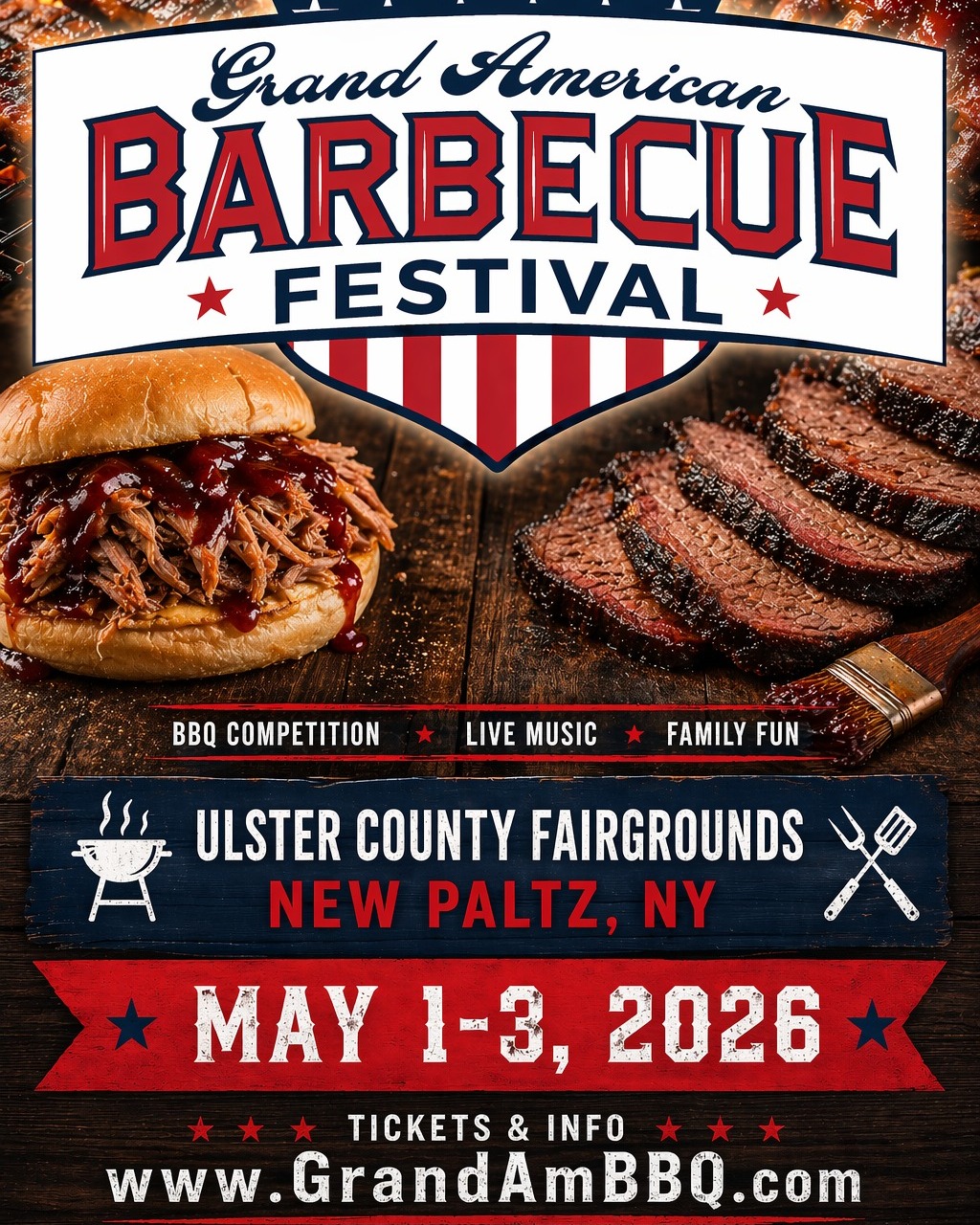
Every casual backyard barbecue follows a familiar, comforting script. A cold drink rests in one hand, a pair of tongs handles the grill, and a plume of lazy white smoke drifts across the lawn.
The meat is declared finished whenever it looks sufficiently charred, and your friends instantly crown you a culinary god because the ribs fall off the bone like wet tissue paper. It is a beautiful, chaotic, and deeply relaxing ritual.
Now, erase that image completely.
Welcome to the high-stakes world of professional BBQ competitions. Here, the relaxed backyard vibe is replaced by military precision, sleepless 48-hour weekends, and a level of obsessive-compulsive cooking that would make a Michelin-starred pastry chef sweat.
In this arena, you are not cooking to satisfy a hungry crowd. You are cooking to impress a panel of certified judges who evaluate your life’s work inside a modest 9×9 Styrofoam container.
Serving those crowd-pleasing, fall-off-the-bone ribs to a certified judge will not win you a trophy. It will simply net you a mediocre score and a harsh lesson in food texture.
Winning a Grand Championship isn’t about what tastes good after an afternoon of tailgating.
It is about understanding a highly standardized, incredibly specific set of rules. To bring home the hardware, a pitmaster must master the three sacred pillars of competitive scoring: appearance, taste, and tenderness.
Let us open the judge’s box and look at what really happens behind the scenes.
The Sanctioning Bodies: Who Sets the Rules?
Before you light a single piece of charcoal, you have to know whose house you are playing in; the rules of engagement change entirely depending on the organization running the show.
The Heavyweight: KCBS
The undisputed giant of the competitive smoking world is the Kansas City Barbeque Society (KCBS), which sanctions hundreds of contests globally. Entering a standard KCBS Masters Series event legally obligates you to a strict set of rules:
- The Big Four: You must turn in four specific proteins – chicken, pork ribs, pork shoulder, and beef brisket.
- Zero Tolerance Timing: You must hit exact, uncompromising turn-in windows. Miss it by even a single second, and your entire weekend is over.
Alternative Circuits
Other organizations, like the Barbecue Competitors Alliance (BCA) or regional whole-hog associations, come with their own distinct quirks. Their judging structures vary wildly:
- Some use a simple 1-to-10 scoring scale.
- Others skip the turn-in table entirely and judge the meat right on the pit.
The Equalizer: Blind Judging
Despite their differences, every circuit shares a common goal: removing personal bias from the equation.
- No Star Power: As a pitmaster, I can’t flash a charismatic smile or explain my culinary philosophy to the judges.
- The Double-Blind: When an entry is handed over, a representative slaps a randomized, double-blind number on the container.
- Complete Anonymity: The judges have no clue if the food came from a legendary team with a custom $20,000 rig or a local rookie using a rusted drum grill in the rain.
When that Styrofoam lid pops open, six judges sit at a table ready to dissect your cookery. The meat must speak entirely for itself – because those judges are looking for absolute perfection, and they can spot a flaw from a mile away.
Pillar #1: Appearance – The “First Bite” is with the Eyes
You have probably heard the old culinary cliché that people eat with their eyes first. In BBQ competitions, this is not just a saying; it is a scored metric.
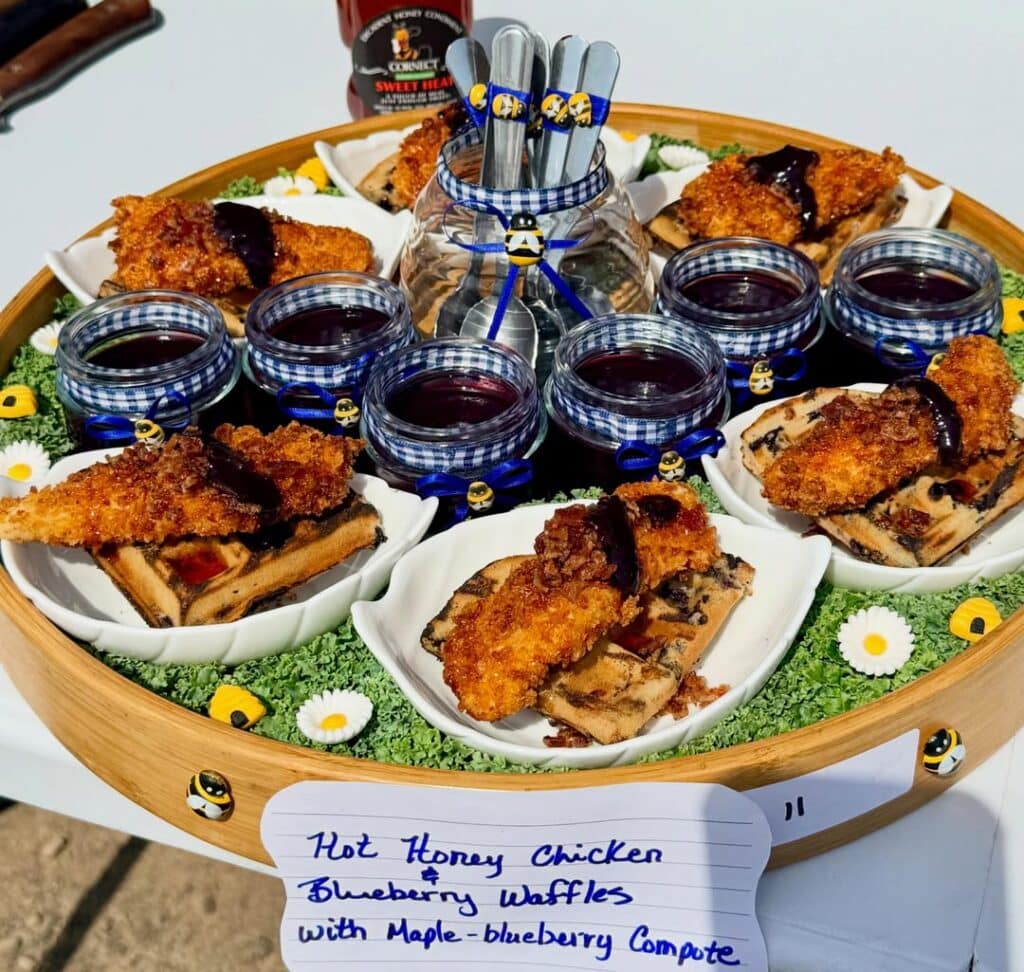
Appearance is the opening act, and it sets the baseline expectation for everything that follows. Judges look into the box for mere seconds before rendering an initial verdict. The presentation needs to look deliberate, pristine, and balanced.
First, consider the strict geometry of the box. A pitmaster must arrange at least six identical portions of meat so that every single judge at the table gets an equal experience.
Slicing brisket requires absolute precision; those portions must be uniform, perfectly straight, and cleanly cut without ragged edges. One thick slice next to a thin one signals a lack of control, and your score will suffer.
Then comes the controversial world of garnish. For a long time, the standard presentation involved building an immaculate green mattress of curly parsley or green leaf lettuce inside the box for the meat to rest upon.
- Approved Garnish: Curly parsley and crisp green leaf lettuce.
- Illegal Garnish: Red leaf lettuce, kale, unapproved greens, or stray debris.
This garnish is a technical test in its own right. It must be perfectly level and uniform. A stray piece of parsley covering a section of your rib can be viewed as an attempt to hide a mistake.
Even worse, using an unapproved green like kale or red-leaf lettuce results in an automatic rule violation. Getting disqualified because you used the wrong leafy green is a heartbreak no pitmaster ever forgets.
The sauce needs to be applied with extreme care. Judges do not want to see a sloppy pool of barbecue sauce drowning the meat like a swamp. They want to see a beautiful, translucent mirror glaze.
The glaze should catch the light, highlight the natural moisture of the protein, and look smooth.
There is also a persistent myth among casual observers regarding the pink smoke ring. While a deep, vibrant smoke ring looks spectacular on a slice of brisket, official rules state that judges cannot deduct points if it is missing.
Why? Because the smoke ring is a chemical reaction that can be easily faked using curing salts. However, judges are human. A stunning, natural smoke ring creates a powerful visual impression that subtly primes the brain for a high score.
Pillar #2: Taste – The Heavily Weighted King
While a beautiful presentation gets you in the door, taste is the undisputed king of the scorecard. In the KCBS system, the taste score is multiplied by a higher weight coefficient than appearance or tenderness.
Turning in the most beautiful box of meat in the world means nothing if it tastes like lighter fluid or cardboard.
Understanding competition taste requires abandoning how you cook at home. Making a rack of ribs for your family allows you to focus on a flavor profile that is pleasant to eat over the course of an entire meal.
In BBQ competitions, a judge takes exactly one or two bites of your meat before moving on to the next box. By the end of the day, that judge might taste up to two dozen different entries.
Because of this, competition barbecue relies on the one-bite theory. Your flavor profile cannot be subtle or slow-building. It needs to explode the second it hits the judge’s tongue.
The winning flavor profile formula follows a strategic progression:
- The Initial Hit: A heavy application of sweetness (brown sugar, honey, or fruit glazes) to hook the palate immediately.
- The Core: A transition into a deeply savory, umami richness that grounds the meat flavor.
- The Finish: A clean hit of salt backed by a subtle, lingering heat from spices like cayenne or chipotle.
Sweetness alone is cloying and lazy. It must be balanced perfectly by that savory core and spicy finish.
The smoke profile must also be incredibly clean. There is a massive difference between clean wood smoke and dirty smoke.
Backyard cooks often mistakenly think that more smoke equals more flavor. This error leads to over-smoked meat that tastes bitter, acrid, and medicinal – a clear sign of creosote buildup from an oxygen-starved fire.
Competitors use seasoned hardwoods like oak, pecan, cherry, or apple to create a faint, translucent blue smoke.
The smoke flavor should linger in the background like a supporting actor, enhancing the natural flavor of the beef, pork, or chicken rather than burying it alive.

Pillar #3: Tenderness and Texture – The Ultimate Technical Test
If taste is the heart of barbecue, tenderness is its soul. This category is where most amateur cooks falter because competition doneness is an exact science. Each of the core proteins has its own textbook definition of perfect texture.
Pork Ribs: The Clean-Bite Test
Cooking the meat until it falls completely off the bone is a cardinal sin that results in an overcooked, mushy entry. To a judge, a competition-perfect rib must be balanced:
- The Bite: When you bite into the rib, the meat should pull away effortlessly, leaving a clean, pale, crescent-shaped mark on the bone exactly where your teeth were.
- The Hold: The remaining meat on either side must stay firmly attached to the bone, retaining its structure and juiciness.
Beef Brisket: The Pencil Slice Test
Beef brisket presents an entirely different technical challenge. Pitmasters test brisket by taking a slice of the flat (exactly the thickness of a standard pencil) and draping it over a finger or knife blade:
- The Bend: The slice should bend gracefully without breaking or cracking, showcasing its elasticity.
- The Pull: Pulling gently from both ends should cause the slice to stretch slightly and then break cleanly with minimal tension.
- The Flaws: Crumbling apart under its own weight means it is overcooked; requiring a firm yank to tear means it is undercooked.
Pork Shoulder: The Texture Balance
Pork shoulder requires a delicate balance, and competitors often turn in a mix of finely pulled strands and pristine slices of the “money muscle” (a highly prized, well-marbled section).
- Moisture: The pulled pork must be incredibly moist, avoiding any dry, stringy, or straw-like textures.
- Structure: It cannot be cooked into a paste. It needs to melt in the mouth while still retaining the structural integrity of the muscle fibers.
Chicken: The Bite-Through Nightmare
Competition chicken is widely considered a pitmaster’s ultimate nightmare. The challenge isn’t the meat, but the skin, which naturally becomes rubbery and tough at low temperatures.
- The Penalty: A judge will penalize an entry if biting into it causes the skin to stretch, tear away, or pull off the entire piece in one rubbery sheet.
- The Preparation: To combat this, competitors spend hours meticulously scraping the fat off the underside of the raw chicken skin until it is as thin as parchment paper before reattaching it.
- The Goal: The end result must be “bite-through skin” – a texture where the judge’s teeth cut through the skin and meat seamlessly in one clean, effortless motion.
The Scoring Math and Penalties
Behind the scenes, the numbers are crunched with mathematical rigidity. Under the KCBS framework, judges score each of the three criteria on a scale from 9 down to 2.
- 9: Excellent (The holy grail of the circuit)
- 8: Very Good
- 7: Good
- 6: Fair
- 5: Poor
- 4: Very Poor
- 3: Someone made a serious mistake
- 2: Inedible
To ensure fairness, a computer program applies specific weights to these scores. Taste receives the highest multiplier, followed by tenderness, and then appearance.
The lowest overall score from the six judges at a table is thrown out, protecting teams from a single rogue judge who might have had a bad day.
The scariest number on the ballot is a 1. A score of 1 is an automatic penalty or disqualification for that specific category. It is the ultimate nightmare for a competitor because it instantly destroys any chance of walking across the stage at the awards ceremony.
Presentation rule violations are the most common trigger for a 1.
Finding a piece of aluminum foil, a toothpick, or a stray piece of string inside the box indicates a foreign object, resulting in an immediate penalty. Sculpting the meat is also strictly forbidden.
Shaping pulled pork into a cute little pig silhouette, or marking your meat to identify your box to a specific judge, will get you disqualified.
Barbecue competitions are a test of pure cooking skill, and any attempt to game the system is met with a swift drop to the bottom of the scoreboard.
From the Competition Trail to Your Backyard
Understanding what goes on inside a judge’s mind changes the way you look at barbecue forever. It forces you to respect the immense amount of labor, science, and time that goes into producing a single, perfect box of food.
Spending your Friday nights scraping fat off chicken skin or measuring brisket slices with a ruler might not sound appealing, but you can easily apply these professional standards to your next backyard gathering.
Stepping away from old habits during your next smoke can elevate your food instantly. Try cooking your ribs until they have a perfect, clean bite instead of letting them fall apart.
Keep your wood smoke thin and blue rather than heavy and white. Focus on balancing your rubs and sauces so they complement the meat rather than overpowering it.
When you look at your plate through the eyes of a certified judge, you stop cooking by guesswork and start cooking with intent.
Your friends might not hand you a giant trophy or an oversized check at the end of the night, but the look on their faces when they bite into a perfectly executed piece of meat is all the validation you will ever need.
Frequently Asked Questions (FAQ)
General Competition & Scoring
Professional competition BBQ is a high-stakes, disciplined environment requiring up to 48 hours of sleepless cooking.
Pitmasters must follow strict, standardized rules to impress certified judges evaluating meat inside a 9×9 Styrofoam box based on three pillars: appearance, taste, and tenderness.
Who sets the rules for these competitions?
Rules depend on the specific sanctioning body hosting the event. The largest and most prominent organization is the Kansas City Barbeque Society (KCBS).
Other regional circuits include the Barbecue Competitors Alliance (BCA) and local whole-hog associations, which may use different scoring scales or judge the meat directly on the pit.
How do judges avoid bias when scoring?
Competitions use double-blind judging to ensure complete anonymity. When a pitmaster turns in their Styrofoam container, a representative assigns it a randomized number.
Judges have no idea if the food was cooked by a legendary team on a $20,000 rig or a rookie on a rusted drum grill.
How is the final score calculated?
Under the KCBS framework, six judges score entries on a scale from 9 (Excellent) down to 2 (Inedible). A computer program applies a weight coefficient to these scores, prioritizing Taste the highest, followed by Tenderness, and then Appearance.
To prevent a single rogue judge from ruining a team’s chances, the lowest score at the table is automatically thrown out.
Pillar #1: Appearance
What are judges looking for when they open the box?
Judges look for deliberate, pristine, and balanced presentation within seconds of opening the container.
They expect a beautiful, translucent mirror glaze of sauce (not a sloppy pool) and at least six identical, uniform, and cleanly cut portions of meat so every judge gets an identical experience.
Are there rules about what greens can be used as garnish?
Yes. Pitmasters often build a uniform “green mattress” for the meat to rest on. However, only specific greens are legal:
- Approved: Curly parsley and crisp green leaf lettuce.
- Illegal: Red leaf lettuce, kale, or any unapproved greens. Using illegal greens results in an automatic rule violation.
Does a brisket need a “smoke ring” to win?
No. Official rules state that judges cannot deduct points if a pink smoke ring is missing, as it is a chemical reaction that can easily be faked using curing salts.
However, a natural, vibrant smoke ring does create a strong visual impression that can subtly influence a judge’s perception.
Pillar #2: Taste
What is the “one-bite theory” in competition BBQ?
At home, people eat a full meal, allowing subtle flavors to build. In a competition, a judge takes only one or two bites of meat and may taste up to two dozen entries a day.
Therefore, the flavor profile cannot be subtle; it must explode on the tongue immediately.
What is the formula for a winning flavor profile?
Winning competition barbecue follows a strategic, three-step flavor progression:
- The Initial Hit: Intense sweetness (brown sugar, honey, or fruit glaze) to immediately grab the palate.
- The Core: Deeply savory, umami richness to ground the natural meat flavor.
- The Finish: A clean hit of salt backed by a subtle, lingering heat (like cayenne or chipotle).
What is the difference between clean and dirty smoke?
- Dirty Smoke: Heavy, white smoke that backyard cooks often mistake for extra flavor. It starves the fire of oxygen and leaves a bitter, acrid, medicinal taste due to creosote buildup.
- Clean Smoke: A faint, translucent blue smoke produced by seasoned hardwoods (like oak, pecan, cherry, or apple). It acts as a supporting actor, enhancing the meat rather than overpowering it.
Pillar #3: Tenderness & Texture
Why are “fall-off-the-bone” ribs penalized in competitions?
To a certified judge, meat falling completely off the bone means the rib is overcooked and mushy.
A perfect competition rib must pass the “clean-bite test”: biting the rib should leave a clean, pale, crescent-shaped mark on the bone exactly where your teeth were, while the remaining meat stays firmly attached.
How do pitmasters test a beef brisket for perfect doneness?
They use the “pencil slice test.” A slice of brisket flat (exactly the thickness of a standard pencil) is draped over a finger or knife blade. It should bend gracefully without breaking.
When gently pulled from both ends, it should stretch slightly and break cleanly with minimal tension. Crumbling means it is overcooked; requiring a firm yank means it is undercooked.
Why is competition chicken considered a pitmaster’s nightmare?
Chicken skin naturally becomes rubbery and tough when cooked at low barbecue temperatures. If a judge bites into the chicken and the skin stretches, tears, or pulls off in one rubbery sheet, the entry is heavily penalized.
To achieve “bite-through skin,” competitors spend hours scraping the fat off the underside of raw chicken skin until it is paper-thin before reattaching and cooking it.
Penalties & Disqualifications
What causes an automatic score of 1?
A score of 1 represents an automatic penalty or disqualification for a category, destroying any chance of winning. This is caused by:
- Foreign Objects: Finding aluminum foil, toothpicks, or stray string inside the box.
- Sculpting or Marking: Shaping meat intentionally (like molding pulled pork into a pig silhouette) or marking the box to identify it to a specific judge.
Backyard Application
How can I apply professional BBQ standards to my next backyard cook?
You can instantly elevate your backyard cooking by applying a few key competition principles:
- Cook your ribs until they yield a clean bite rather than letting them fall apart into mush.
- Manage your fire to ensure your wood smoke stays thin and blue rather than heavy and white.
- Balance your rubs and sauces so that sweetness, savory notes, and heat complement the meat instead of drowning it out.
Featured image credit: @hvribfest
