
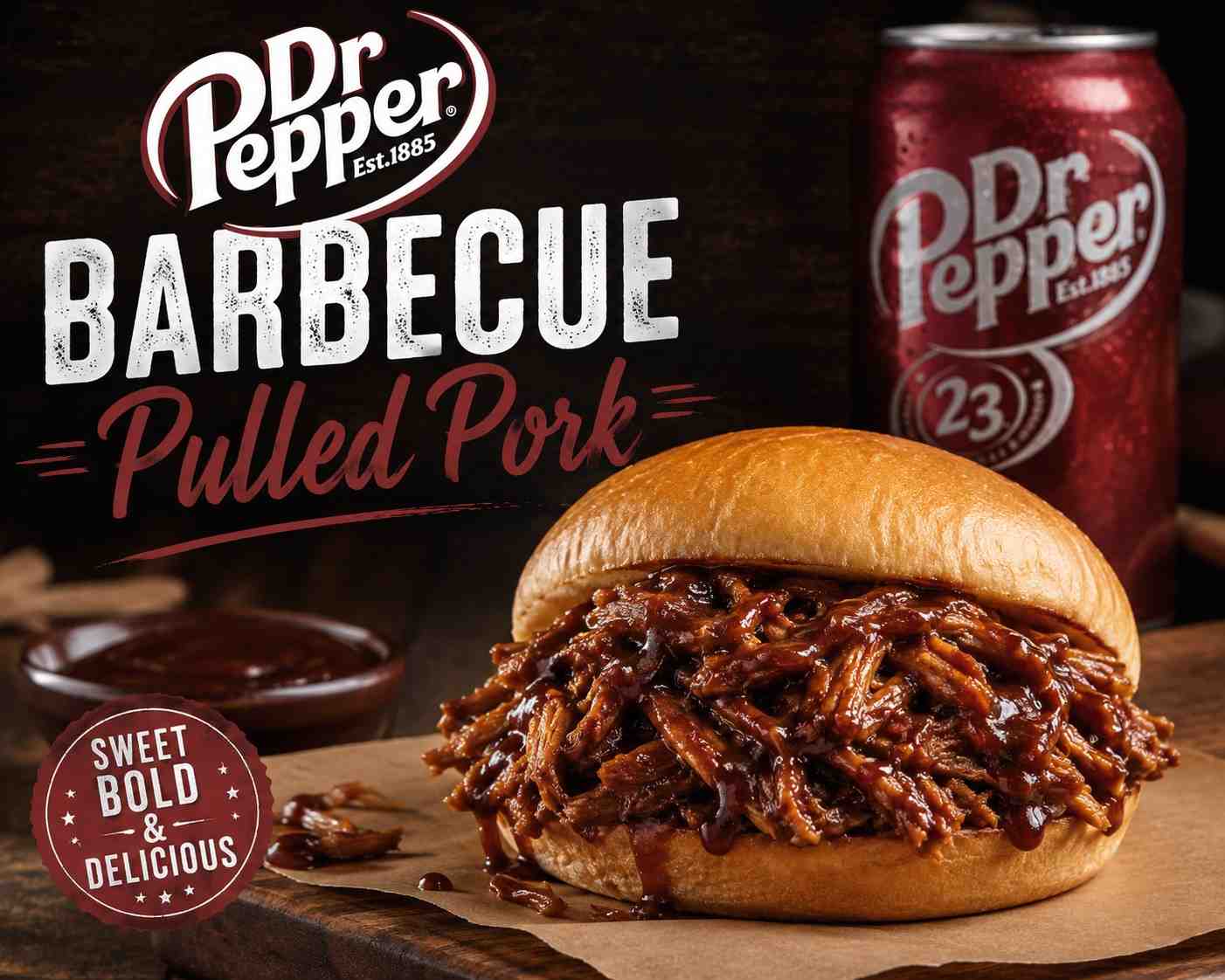
You rig up three different wireless meat probes, monitor thermal graphs on your phone like a day trader, and stress over a two-degree temperature spike for eight hours – only to end up with a pile of shredded meat that has the texture of a vintage wool sweater.
It is a heartbreak unique to the backyard cook. You douse it in store-bought sauce to save face, but deep down, you know the truth: it is dry.
Standard pork shoulder recipes often fall victim to moisture loss during the long, grueling cooking process.
While a good pork butt has plenty of intramuscular fat and collagen, the unforgiving dry heat of a smoker or the steady simmer of a slow cooker can easily push it past the point of no return.
To prevent this, you need a liquid companion that does more than just sit in the bottom of the pan looking wet.
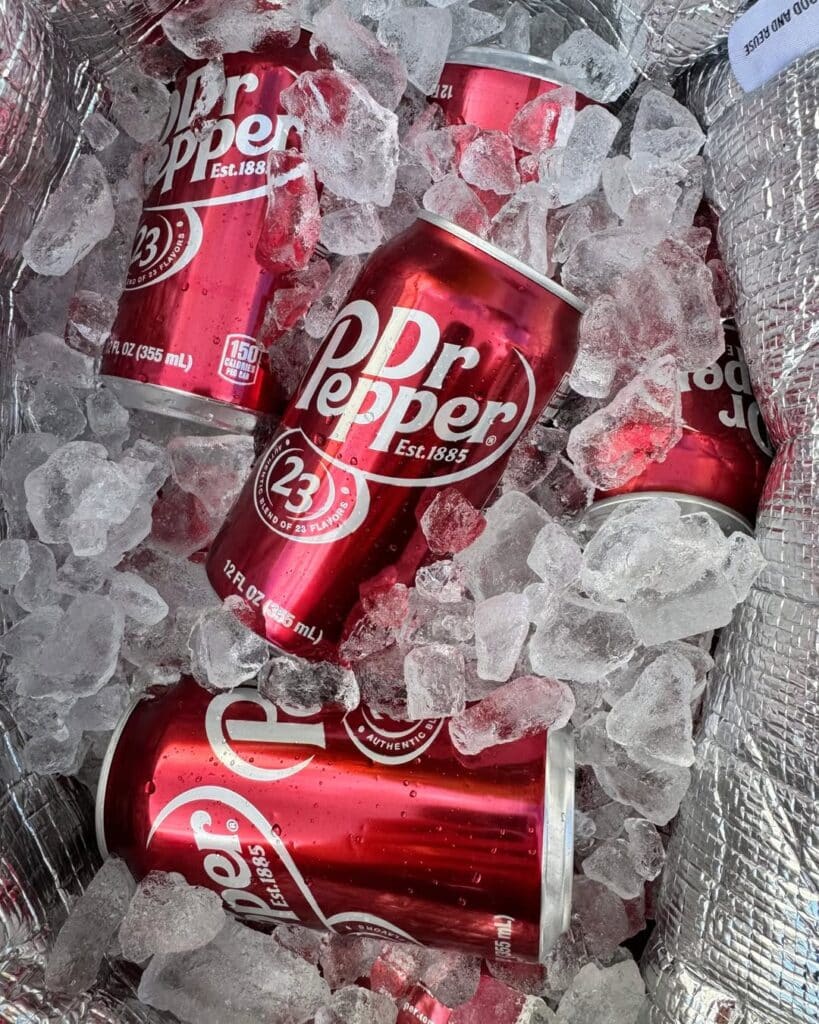
Why Add Soda into the Mix?
Pouring a can of soda over a premium cut of meat might sound like a college dorm room experiment gone wrong, but it is actually a masterclass in culinary chemistry. The authentic 23-flavor blend of Dr Pepper acts as a functional cooking agent, delivering a three-pronged attack on toughness:
- Gentle Tenderization: The natural acidity of the soda breaks down stubborn muscle fibers without turning the meat to mush.
- Caramelized Bark: The high sugar content reacts with the heat to create a beautiful, deeply caramelized outer crust.
- A Moisture Shield: The liquid acts as a pressurized barrier that keeps the interior of the pork incredibly succulent.
Why Dr Pepper is the Ultimate BBQ Shortcut
If you analyze the flavor profile of a world-class barbecue sauce, you will find a balance of sweetness, heat, sharpness, and depth. Dr Pepper works brilliantly because its complex flavor notes – including cherry, vanilla, citrus, and anise – seamlessly mimic classic barbecue spices.
Flavor and Functionality
- The Ultimate Flavor Multiplier: Instead of competing with your wood smoke or savory rub, the soda bridges the gap between the heavy salt of a dry rub and the tangy kick of a vinegar-based finish.
- A Self-Basting Ecosystem: As the liquid heats up, it infuses the meat with moisture while simultaneously reducing into a thick, sticky glaze.
- An Unparalleled Safety Net: Because the meat is protected by this reducing liquid, it won’t dry out – even if your smoker spikes in temperature or your slow cooker runs an hour too long.
- Complete Versatility: The mechanics remain identical no matter your method. The soda adapts perfectly whether you are using a high-end offset smoker, a pellet grill, or a countertop slow cooker.
Choosing Your Wood: The Ultimate Smoke Pairings
To elevate this soda-infused masterpiece, you must select the right wood profile. Standard pork recipes usually rely on hickory, but Dr Pepper requires a more strategic approach:
- Sweet Fruitwoods (Apple and Cherry): The ultimate choices here, as they seamlessly mirror the subtle stone-fruit notes hidden within the soda’s 23-flavor blend.
- Pecan Wood Chunks: Blend a handful of these in if you want to cut through the heavy sweetness. Pecan offers a rich, nutty aroma that grounds the sugar and adds a sophisticated, competition-level depth.
- Woods to Avoid (Mesquite): Avoid heavy, overpowering profiles. They will wage a bitter war against the caramelized bark, destroying the delicate balance you worked so hard to create.
Beyond the Bun: Creative Leftover Upgrades
Do not let your leftover Dr Pepper pulled pork suffer a boring fate inside a standard sandwich bun. The unique, deeply caramelized flavor profile makes this meat an incredible chameleon for fusion-style comfort food:
- Epic BBQ Nachos: Pile the juicy strands over crisp tortilla chips and top with pickled jalapeños to perfectly cut through the rich sweetness.
- Southern-Soul Street Tacos: Stuff the pork into warm flour tortillas and top with a crisp, refreshing cilantro-lime slaw.
- Pitmaster Morning Hash: Toss a handful of leftovers into a hot skillet with diced potatoes and fried eggs for a spectacular, savory breakfast.

The Diet Debate: Regular vs. Diet Dr Pepper
A common question echoing across backyard patios is whether diet soda or zero-sugar alternatives can successfully replicate this magic. From a purely scientific standpoint, the short answer is no, and here is why:
- What Diet Soda Does Well: It will still provide the essential natural acidity needed for gentle meat tenderization.
- Where Diet Soda Fails: It completely lacks the high sugar content required to build that legendary, sticky outer bark.
- The Chemical Downside: Artificial sweeteners cannot undergo the crucial Maillard reaction or caramelize under high heat. Instead, they often leave behind a slightly bitter, chemical aftertaste when reduced over eight hours.
- The Healthy Compromise: If you are strictly watching your sugar intake, use the diet version for the braising liquid, but plan to boost your crust manually with a brown sugar dry rub.
Elevating Your Sauce: The Dr Pepper Reduction
While the shredded meat is incredibly succulent on its own, you can double down on flavor by crafting a custom, soda-infused glaze rather than grabbing a generic bottle from the pantry:
- The Recipe: Take a cup of your reserved “liquid gold” pan juices, mix it with an extra half-can of fresh soda, and simmer it with tomato paste, apple cider vinegar, and a dash of Worcestershire sauce.
- The Result: As it bubbles, the mixture transforms into a glossy, deeply complex barbecue sauce that perfectly echoes the flavors cooked inside the meat.
- The Finish: This custom reduction ties the entire meal together, ensuring your final toss has a brilliant, tangy-sweet kick that puts store-bought options to shame.
Troubleshooting: Managing the “Sugar Stall”
When cooking with high-sugar liquids, you will inevitably encounter a terrifying moment known as the dreaded sugar stall. Around 160°F, evaporative cooling takes over, and your internal temperatures will stubbornly freeze. Because Dr Pepper creates a thick glaze, this stall can last even longer as the sugars trap surface moisture.
Here is how to handle it like a pro:
- Don’t Panic: Never crank up the heat, or you will burn your bark into a bitter, blackened charcoal shell. Practice patience instead.
- The Paper Wrap Trick: If you are running behind schedule, tightly wrap the pork shoulder in breathable peach butcher paper rather than aluminum foil.
- The Benefit: This intentional wrap accelerates the cook time while beautifully preserving that precious, soda-caramelized crust you spent hours building.
Pitmaster Tips for Extra Juicy Results
1. Let the Meat Rest
The absolute biggest mistake amateur cooks make happens after the heat is turned off. Never shred boiling-hot meat straight out of the cooker.
- Pulling pork immediately allows all the trapped internal steam to evaporate into the air in seconds. That steam is your juiciness escaping.
- Let the roast rest undisturbed for at least 30 to 45 minutes so the muscle fibers can relax and reabsorb the free-flowing liquids.
2. Utilize the “Liquid Gold”
Once the meat has rested and you are ready to shred, do not discard the leftover liquid sitting at the bottom of the pot.
- Skim the heavy layer of grease off the top, and save the sweet, savory nectar underneath.
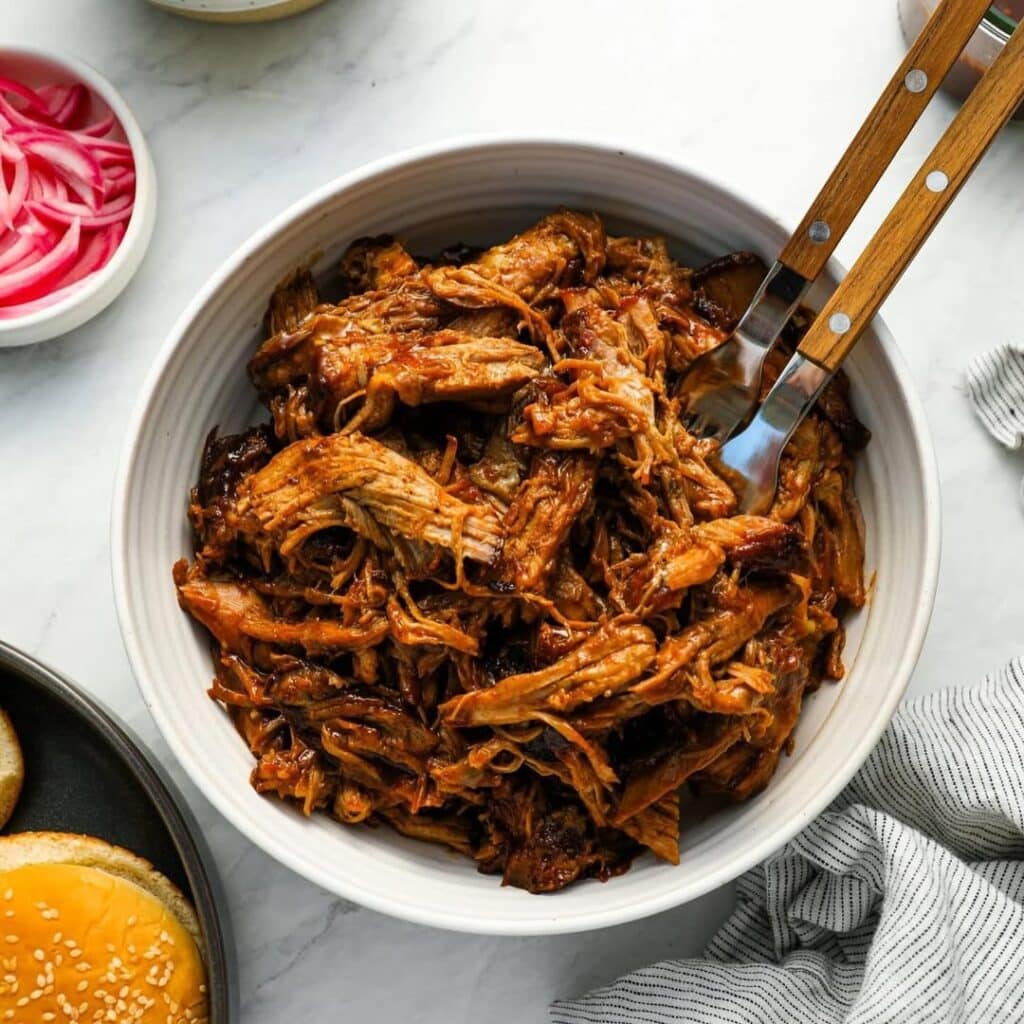
- After shredding the pork into long, clean strands, toss a generous splash of those leftover pan juices back into the meat before you even think about adding your barbecue sauce.
3. Cook by Feel, Not by Time
Ditch the kitchen clock and cook strictly by temperature and texture. A pork shoulder does not care about your dinner schedule. It is done when the tissue gives up, not when the timer goes off.
The Sweet Solution to Tough Backyard Barbecue
Making incredible barbecue does not require a culinary degree or a secret family heritage passed down through generations. It just takes a basic understanding of how heat, fat, and acidity interact.
By introducing a classic soda to a tough cut of pork, you bypass the common pitfalls of backyard cooking and guarantee a tender, crowd-pleasing meal every single time.
Grab a pork shoulder, head to the beverage aisle, and give this sweet and savory masterpiece a shot for your next backyard gathering.
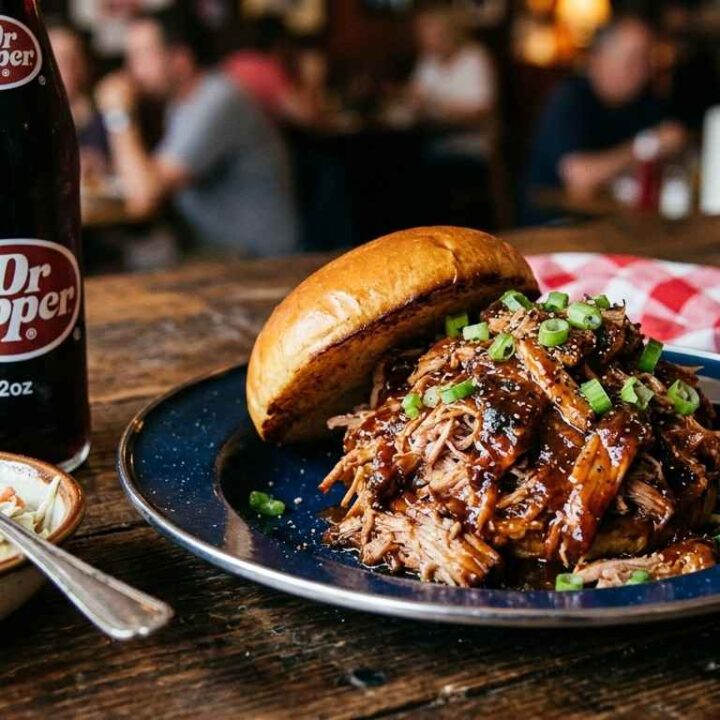
Dr Pepper Barbecue Pulled Pork
Image credit: Google Gemini
Ingredients
- 1 pork butt (5 to 7 pounds)
- 2 cans (12 ounces each) regular Dr Pepper
- 3 tablespoons yellow mustard
- 3 tablespoons dark brown sugar
- 2 tablespoons smoked paprika
- 1 tablespoon coarse kosher salt
- 1 tablespoon black pepper
- 1 tablespoon garlic powder
- 1 teaspoon cayenne pepper
- 2 cups tangy barbecue sauce
Instructions
- Combine the brown sugar, paprika, salt, pepper, garlic powder, and cayenne pepper in a small bowl to create the dry rub.
- Coat the entire pork shoulder with yellow mustard, then apply the dry rub generously to all sides, pressing it into the meat.
- Place the seasoned pork into your cooking vessel fat-cap side up, then carefully pour the Dr Pepper into the bottom around the base of the meat.
- Cover tightly and cook at 250°F (121°C) in your smoker or on the low setting of your slow cooker for 7 to 8 hours, or until the internal temperature reaches 203°F (95°C).
- Remove the pork from the liquid, cover it loosely with foil, and let it rest for 45 minutes.
- Skim the fat from the remaining pot liquids, shred the rested pork, and toss the meat with a half-cup of the pan juices and your favorite barbecue sauce.
Featured image credit: ChatGPT
