
Few things catch a shopper’s eye faster than a bright red steak sitting in the meat case. That vibrant color practically says, “Take me home.” Meanwhile, a darker-looking cut nearby often gets ignored, even though it might be just as fresh.
Here’s the twist: beef color doesn’t tell the whole story.
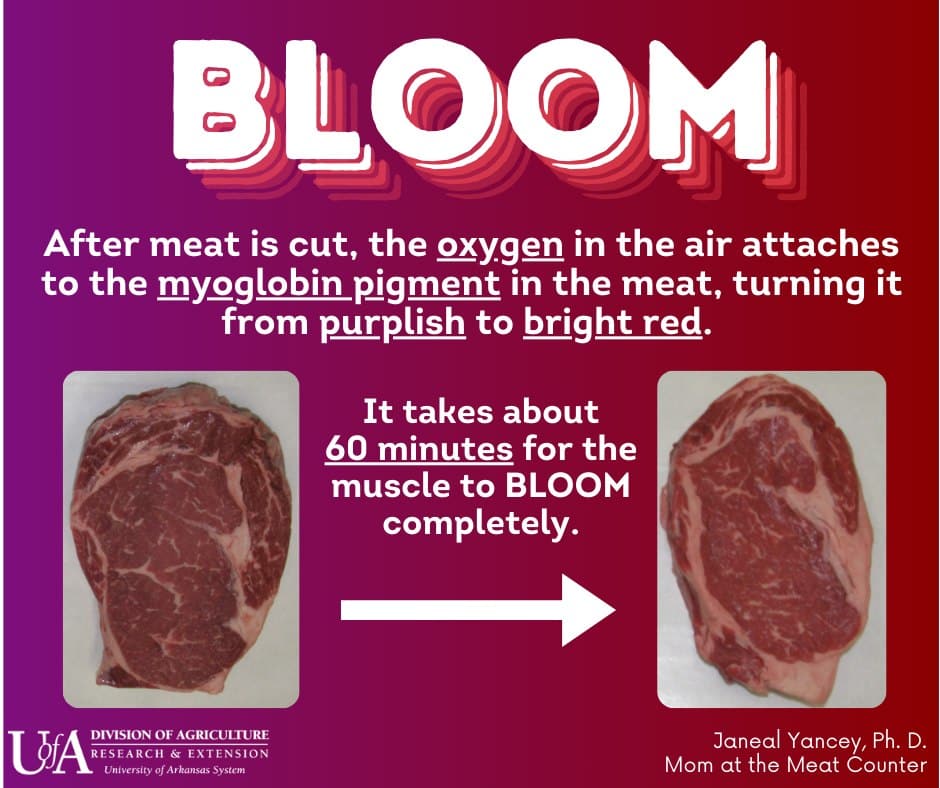
One of the biggest reasons beef changes appearance is a completely natural process called meat bloom.
It’s not a sign that the meat has been treated with dyes or chemicals, and it certainly doesn’t mean something mysterious is happening behind the butcher’s counter. It’s simply science doing what science does best.
Fire up a smoker, and another layer gets added to the story. Smoke doesn’t just create incredible flavor – it also changes the way beef looks, from the famous pink smoke ring to the dark, flavorful bark that barbecue lovers chase every weekend.
Understanding what’s happening beneath the surface makes buying, cooking, and enjoying beef a whole lot easier. Once you know why beef changes color, you’ll spend less time second-guessing your steak and more time looking forward to dinner.
Meat Bloom in a Nutshell
Walk into a butcher shop early in the morning and you might catch freshly cut beef before it has fully developed its familiar bright red color. Give it a little time, and like magic, the surface transforms.
That’s meat bloom at work.
Simply put, meat bloom is the natural color change that happens when freshly cut beef comes into contact with oxygen. Freshly cut meat often starts out with a darker, purplish-red appearance.
Once exposed to air, the surface gradually becomes the bright cherry red that most people associate with freshness.
Despite how dramatic the color change can be, nothing has been added to the meat. The transformation happens because of a protein already present inside the muscle.
Think of it like slicing an apple. At first, it looks one way. Leave it exposed to the air, and changes begin almost immediately. Beef reacts differently than fruit, of course, but oxygen is still the main player behind the scenes.
Why Meat Bloom Matters
Understanding meat bloom helps answer questions that confuse many shoppers.
For example:
- Why does vacuum-sealed beef look purple?
- Why does freshly cut beef become brighter after sitting out for a few minutes?
- Why can two steaks from the same animal have different shades of red?
The answer often comes back to oxygen exposure rather than freshness.
Retailers actually rely on meat bloom because consumers naturally associate a bright red color with high quality. Give steaks enough oxygen, and they develop an appearance that’s far more appealing in the display case.
Here’s the funny part: the prettiest steak isn’t always the freshest steak. Beef can bloom beautifully while another perfectly good cut remains darker simply because it hasn’t been exposed to as much oxygen.
Color tells part of the story – not the entire story.
Why Beef Changes Color When Exposed to Oxygen
To understand meat bloom, it helps to meet the real star of the show.
Myoglobin: The Protein Behind Beef Color
Many people believe the red liquid in a package of beef is blood.
Surprise – it isn’t.
Most of the blood is removed during processing. What you’re seeing is primarily water mixed with a protein called myoglobin.
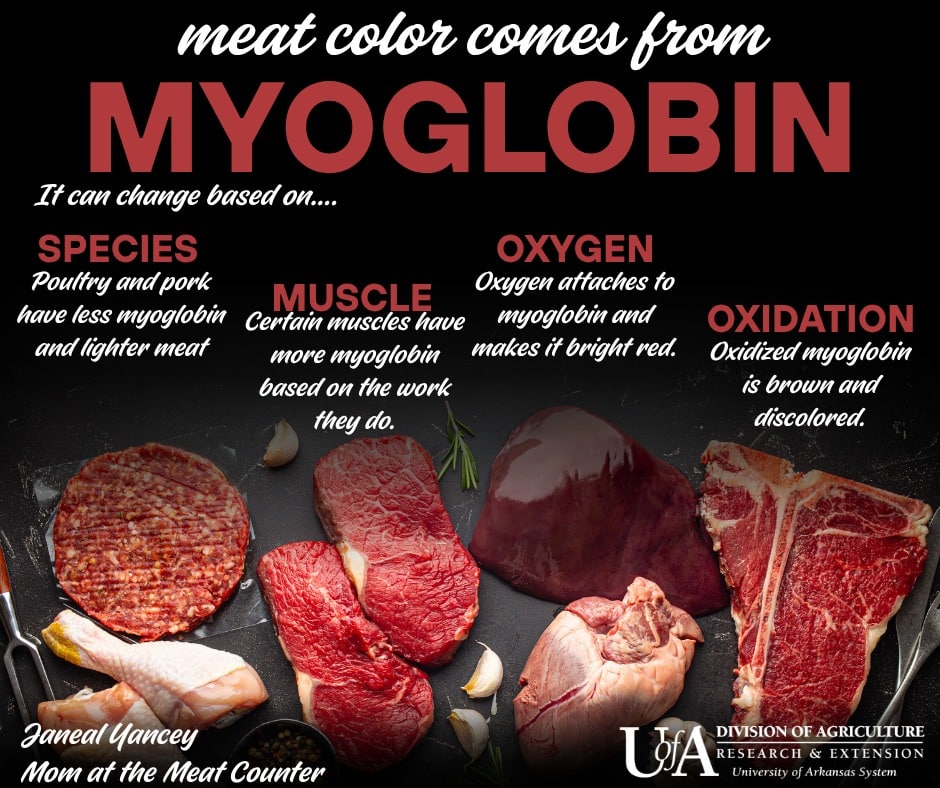
Myoglobin stores oxygen inside muscle tissue, helping muscles function when they’re working hard. Since cattle use different muscles in different ways, some cuts naturally contain more myoglobin than others.
That’s why:
- A tenderloin is usually lighter in color.
- A chuck roast appears deeper red.
- Working muscles generally look darker than muscles used less often.
So, when you admire the color of a ribeye, you’re really looking at the behavior of myoglobin.
Oxygen Flips the Color Switch
Freshly cut beef hasn’t had much contact with oxygen yet.
In this state, the myoglobin exists in a form that gives the meat a dark purplish-red color. The moment oxygen reaches the surface, something remarkable begins.
The oxygen binds to myoglobin, creating a new form that reflects light differently. Within minutes – and sometimes up to half an hour – the beef develops the bright cherry-red appearance shoppers expect.
That’s the entire process of meat bloom in action.
No artificial coloring.
No preservatives creating the effect.
Just a natural chemical reaction.
It’s one of those moments where science quietly steals the spotlight.
Why Vacuum-Sealed Beef Looks Purple
Opening a vacuum-sealed package can surprise first-time buyers. Instead of bright red beef, the meat may look almost purple.
Don’t panic.
Vacuum packaging removes most of the oxygen surrounding the meat. Without oxygen, meat bloom can’t happen yet, so the beef remains in its darker state.
Leave the meat exposed to fresh air for about 15 to 30 minutes, and you’ll often notice the color begin to brighten as oxygen reaches the surface.
This simple change has convinced countless backyard grillers that something was wrong with their steak—only to watch it transform before their eyes while they finished seasoning it.
It’s almost like the beef is waking up from a nap.
Does Bright Red Always Mean Fresh?
Here’s where things get interesting.
A vivid red steak may look perfect, but color alone isn’t a reliable indicator of freshness.
Several factors influence beef color, including:
- Oxygen exposure
- Packaging method
- Storage temperature
- Length of storage
- Light exposure in display cases
A steak can develop an attractive bloom and still be nearing the end of its shelf life. Likewise, a vacuum-packed steak can appear dark while remaining exceptionally fresh.
That’s why experienced pitmasters don’t judge beef by color alone.
Instead, they also pay attention to:
- The smell – fresh beef should have little to no unpleasant odor.
- The texture –
- it should feel firm, not slimy.
- The packaging date and proper refrigeration.
Think of beef color like the paint on a truck. A shiny exterior looks great, but it doesn’t tell you what’s happening under the hood.
The same goes for steak. Meat bloom creates a beautiful appearance, but it’s only one piece of the freshness puzzle.
By now, we’ve uncovered the mystery behind meat bloom, but the story doesn’t stop once beef turns bright red. Myoglobin continues reacting to its environment, which explains why the same steak can appear purple, red, or even brown over time.
Think of myoglobin as a tiny actor with multiple costumes. Depending on how much oxygen is around, it changes outfits – and the beef changes color.
The Three Main Forms of Myoglobin
Understanding these three forms makes it much easier to judge what you’re seeing in the meat case.
1. Deoxymyoglobin: The Purple Stage
Freshly cut beef or vacuum-sealed beef usually contains deoxymyoglobin.
This form develops when little or no oxygen is present, giving the meat a deep purplish-red color.
Many people mistake this shade for spoiled meat, but it’s actually one of the best signs that the beef hasn’t been exposed to much oxygen yet.
You’ll commonly see deoxymyoglobin in:
- Vacuum-sealed briskets
- Whole primal cuts
- Freshly sliced beef before it blooms
Key takeaway: Purple beef doesn’t automatically mean bad beef.
2. Oxymyoglobin: The Bright Red Stage
Once oxygen reaches the surface, deoxymyoglobin transforms into oxymyoglobin.
This is the stage people love seeing at the butcher shop.
The beef develops its familiar bright cherry-red appearance, making it look fresh and inviting.
Retail displays are designed to encourage this reaction because shoppers naturally associate red beef with quality.
Ironically, two identical steaks can look completely different simply because one has spent more time exposed to air.
It’s a little like getting ready for company. One steak has already combed its hair, while the other is still wearing pajamas.
3. Metmyoglobin: The Brown Stage
Eventually, oxygen keeps reacting with the meat.
Over time, myoglobin oxidizes further and becomes metmyoglobin, giving beef a brown or grayish-brown appearance.
This stage often causes unnecessary concern.
Brown beef isn’t automatically spoiled.
Many perfectly safe steaks develop brown patches during refrigerated storage, especially where oxygen can’t circulate evenly.
In fact, supermarkets regularly rotate products because discoloration affects purchasing decisions more than actual food safety.
What Each Color Really Means
Here’s an easy way to remember it:
| Beef Color | Myoglobin Form | What It Usually Indicates |
| Purple | Deoxymyoglobin | Minimal oxygen exposure |
| Bright Red | Oxymyoglobin | Active meat bloom |
| Brown | Metmyoglobin | Continued oxidation over time |
Notice something?
None of these colors alone tells you whether the beef is safe to eat.
Color is simply showing what myoglobin is doing.
Does Brown Beef Mean It’s Spoiled?
This is probably one of the biggest misconceptions surrounding beef.
The answer is not necessarily.
A brown steak may still be perfectly wholesome if it has been:
- Properly refrigerated
- Stored within its recommended shelf life
- Free from unpleasant odors
- Firm rather than slimy
Spoilage involves bacterial growth, while browning is primarily a chemical reaction involving oxygen.
That’s an important distinction.
Whenever you’re unsure, use multiple clues instead of relying on color alone.
Check:
- Smell
- Texture
- Packaging date
- Storage conditions
Your nose is usually a much better detective than your eyes.
What Happens to Beef Color When Exposed to Smoke?
Now let’s move from the butcher counter to the smoker.
Smoking beef introduces an entirely different set of reactions. While oxygen creates meat bloom, smoke produces changes that go much deeper than surface color.
Anyone who has sliced into a perfectly smoked brisket knows the excitement of spotting a beautiful pink smoke ring.
Contrary to popular belief, that smoke ring isn’t raw meat.
It’s chemistry working alongside time, temperature, and good barbecue technique.
Smoke Does More Than Add Flavor
Wood smoke contains dozens of naturally occurring compounds.
Among the most important for meat color are:
- Nitric oxide
- Carbon monoxide
These gases react with myoglobin before heat fully changes the protein.
The result is a stable pink pigment that remains visible even after the meat reaches a safe internal temperature.
In other words, the smoke ring is locked in long before the brisket finishes cooking. It’s one of barbecue’s coolest science experiments – and one you can eat.
Understanding the Smoke Ring
A smoke ring forms only near the outer edge of the meat.
Why only there?
Because that’s where smoke gases can actually reach before the surface becomes too hot.
Several factors influence how pronounced the ring becomes, including:
- Cooking temperature
- Moisture on the meat’s surface
- Type of fuel
- Airflow inside the smoker
- Cooking time
A thick smoke ring often looks impressive, but it doesn’t necessarily mean the barbecue tastes better.
Flavor comes from many factors, including seasoning, smoke quality, rendered fat, and proper cooking technique.
The smoke ring is simply a visual bonus.
Think of it as barbecue’s version of a trophy buckle. Nice to have, but it isn’t what wins the competition.
Surface Color Changes During Smoking
While the smoke ring develops underneath the surface, the exterior undergoes another dramatic transformation.
As hours pass inside the smoker, the meat begins forming bark.
Bark develops through several processes happening at once:
- Moisture evaporates
- Proteins change
- Sugars caramelize
- The Maillard reaction creates rich browning
- Smoke particles settle onto the surface
The result is that dark, flavorful crust every barbecue enthusiast hopes to see. It’s crunchy, smoky, packed with seasoning, and loaded with flavor.
The contrast is one of smoked beef’s greatest pleasures:
- A nearly black bark on the outside.
- A pink smoke ring beneath it.
- Tender, juicy beef in the center.
Three completely different colors – each created by a different reaction. That’s part of what makes barbecue endlessly fascinating. Every brisket tells a colorful science story before you even take the first bite.
Factors That Affect Meat Bloom
Not every steak blooms at the same speed or develops the same shade of red. Several factors influence the process.
Oxygen Availability
This is the biggest factor. More oxygen reaching the meat means meat bloom happens faster.
Vacuum packaging slows bloom dramatically, while open-air display cases encourage it.
Meat Temperature
Cold beef blooms more slowly than beef that’s had a few minutes to warm slightly. That’s why a steak straight from the refrigerator may need a little patience before reaching its brightest color.
Muscle Type and Animal Age
Different muscles contain different amounts of myoglobin. Working muscles generally appear darker because they need more oxygen during the animal’s life. Older animals also tend to have higher myoglobin levels, producing naturally darker meat.
Storage Time
Fresh beef won’t stay in the bright red stage forever. Eventually, continued oxidation leads to browning, even under proper refrigeration. That’s simply part of the meat’s natural life cycle – not necessarily a sign that dinner is ruined.
Common Myths About Beef Color
Few topics in the meat world create more confusion than beef color. One glance at a steak is often enough for someone to declare it fresh, spoiled, or “not right.” The truth is much less dramatic. Let’s separate fact from fiction.
Myth #1: Bright Red Beef Is Always Fresh
This is probably the most common misconception.
A bright red steak has undergone meat bloom, meaning oxygen has reacted with myoglobin to create an attractive cherry-red color. While that’s perfectly normal, it doesn’t guarantee the beef is fresher than every darker-looking cut beside it.
Retail lighting, packaging methods, and oxygen exposure all influence appearance.
Key point: A bright red color is only one indicator – not proof of freshness.
Myth #2: Brown Beef Is Unsafe to Eat
Brown discoloration sends plenty of perfectly good beef into the trash.
In many cases, browning simply means the myoglobin has continued to oxidize into metmyoglobin. The beef may still be completely safe, provided it has been stored correctly and shows no signs of spoilage.
Before tossing it, check for:
- An off or sour odor
- A sticky or slimy texture
- Damaged or swollen packaging
- Expired use-by dates
If those warning signs aren’t present, the color alone shouldn’t make the decision.
Myth #3: The Red Liquid Is Blood
Here’s one that refuses to disappear. The reddish liquid inside meat packaging isn’t blood. During processing, nearly all of the blood is removed from the animal.
What remains is mostly water mixed with myoglobin, the same protein responsible for meat bloom and many of the color changes discussed throughout this article.
That little pool in the package may not look glamorous, but it isn’t what many people think it is.
Myth #4: A Smoke Ring Means the Meat Is Undercooked
A beautiful pink smoke ring often sparks questions from guests.
“Are you sure this brisket is done?” Absolutely.
The smoke ring forms early in the cooking process when smoke gases react with myoglobin. It stays pink even after the meat reaches a safe internal temperature.
The smoke ring is a sign of chemistry – not undercooked beef.
How to Store Beef to Maintain Its Color
Although color naturally changes over time, proper storage helps keep beef looking and tasting its best.
Refrigerate Promptly
Keep fresh beef refrigerated at 40°F (4°C) or below. Avoid leaving meat on the counter for extended periods unless you’re preparing it for cooking.
Leave Vacuum Packaging Intact
Vacuum-sealed packaging slows oxidation, preserving quality during storage. Don’t be surprised if the beef looks darker inside the package. Once opened, meat bloom usually develops within 15 to 30 minutes.
Freeze for Longer Storage
Freezing won’t stop color changes forever, but it significantly slows them. Wrap beef tightly to prevent freezer burn and thaw it safely in the refrigerator rather than on the kitchen counter.
Handle Beef Carefully
Simple habits go a long way:
- Wash your hands before and after handling raw beef.
- Use separate cutting boards for raw meat and ready-to-eat foods.
- Refrigerate leftovers promptly.
- Cook beef to the appropriate internal temperature for your preferred level of doneness and food safety.
Good handling practices protect both flavor and peace of mind.
Frequently Asked Questions
How long does meat bloom take?
In most cases, meat bloom occurs within 15 to 30 minutes after freshly cut or vacuum-sealed beef is exposed to oxygen. Larger cuts may take a little longer to develop a uniform color.
Is meat bloom safe?
Yes. Meat bloom is a completely natural chemical reaction between oxygen and myoglobin. It doesn’t affect the safety or nutritional value of the beef.
Why does vacuum-packed beef look purple?
Vacuum packaging removes oxygen, leaving myoglobin in its deoxymyoglobin form. Once the package is opened and oxygen reaches the surface, the beef usually turns bright red.
Does frozen beef bloom after thawing?
Yes. After thawing and being exposed to air, many cuts of beef experience meat bloom just like fresh beef, provided the surface is in good condition.
Can smoked beef still bloom?
Not exactly.
Once beef has been fully cooked, the traditional meat bloom process no longer occurs because heat permanently changes the structure of myoglobin. Instead, smoked beef develops color through the smoke ring, browning, bark formation, and other cooking reactions.
Why does beef turn brown in the refrigerator?
Over time, oxygen continues reacting with myoglobin, creating metmyoglobin, which gives beef a brown appearance. This is often a normal part of storage and doesn’t automatically mean the meat has spoiled.
Featured image credit: @meatcountermom
