
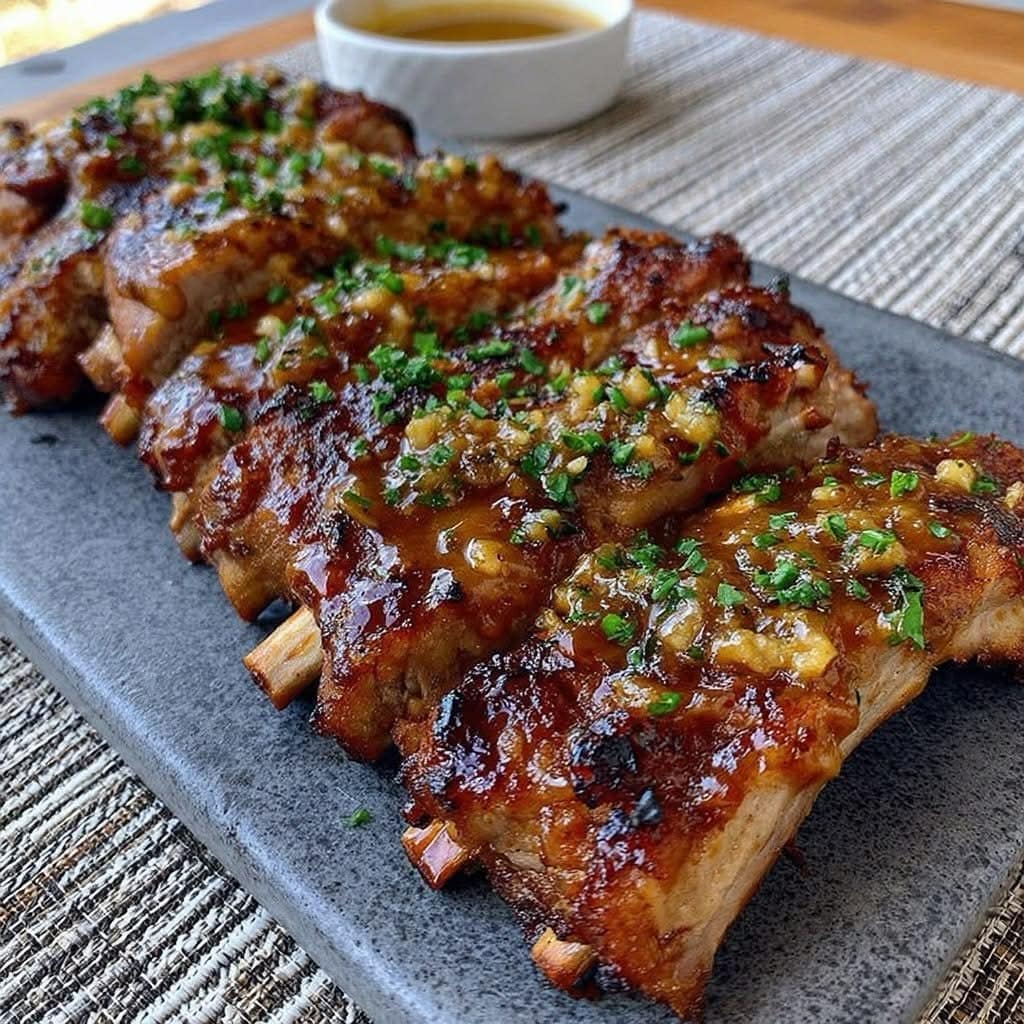
Nothing beats the roar of a fired-up grill, a cold drink in hand, and the smoky aroma of slow-cooking pork wafting through the backyard. But let’s be honest: the standard bottle of grocery store BBQ sauce can get a little repetitive.
It is time to retire that tired blend of high-fructose corn syrup and liquid smoke for something truly extraordinary.
This Star-Spangled Rum-and-Guava-Glazed Spareribs recipe brings a vibrant, festive energy to your cookout, seamlessly blending time-tested American low-and-slow barbecue technique with a striking, tropical twist.
The secret here lies in a stunning contrast of flavors. You get the deep, caramelized sweetness of pink guava, the warm, complex undertone of dark rum, and a solid backbone of savory pork smoke.
It is sweet, sticky, and deeply satisfying – the kind of meal that commands total silence at the dinner table, save for the sound of fingers being enthusiastically licked clean.
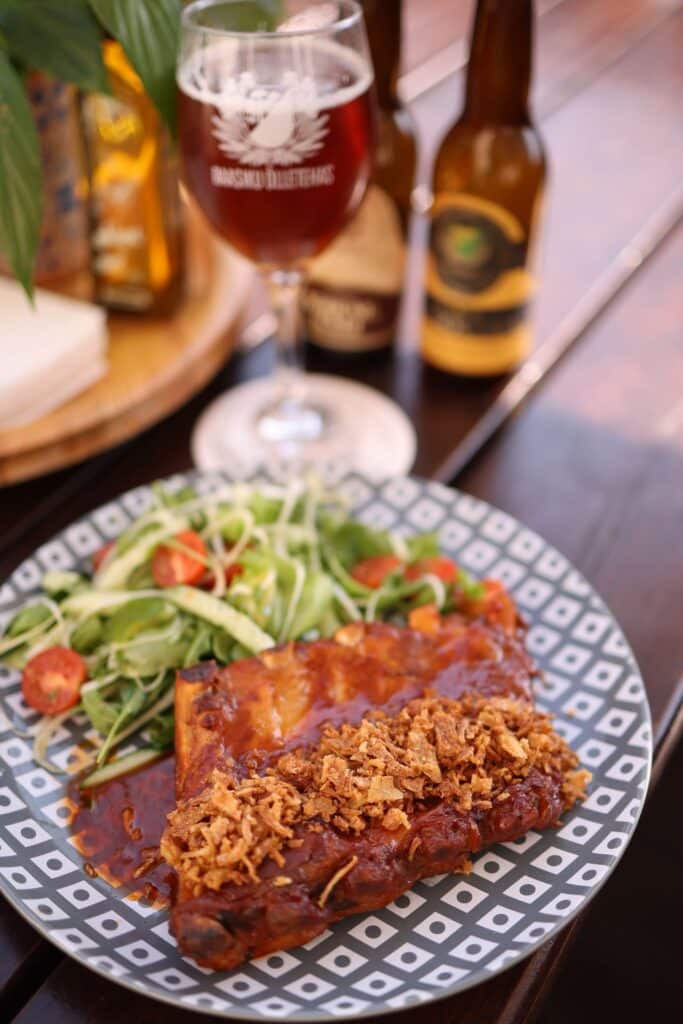
Why Star-Spangled Rum-and-Guava-Glazed Spareribs is a Perfect Fit
Barbecue is essentially a delicious balancing act between fat, acid, salt, and sugar. Pork spareribs naturally pack a lot of rich, marbled fat, which means they need a glaze that can cut through that richness without being overwhelmingly sweet.
- The Science of the Glaze: Guava paste or nectar functions beautifully here because it has a high natural pectin and sugar content. When brushed over hot meat, it transforms into a glossy, lacquer-like coating that sticks to the ribs rather than running off into the coals.
- The Role of Rum: Dark rum is the ultimate wingman for guava. As the alcohol cooks off, it leaves behind deep molasses, oak, and vanilla undertones. This acts as a bridge between the fruity sweetness of the guava and the earthy wood smoke.
- The Pork Cut: Selecting full spareribs or St. Louis-cut ribs over baby backs is highly recommended. Spareribs possess a higher fat content and more connective tissue. This extra marbling means they stay incredibly juicy during the long cooking process, providing the perfect savory canvas for a bold, sticky glaze.
The Anatomy of the Perfect Wood Selection
Most people grab whatever wood chips are on sale, but matching your smoke profile to this tropical glaze is a game-changer. For rum-and-guava-glazed spareribs, steer clear of heavy mesquite, which tastes like a campfire and completely overpowers the delicate fruit notes.
Instead, pecan and wild cherry wood are your best friends here. Pecan offers a smooth, sweet, and nutty smoke profile that perfectly complements the dark molasses in the rum.
Cherry wood provides a milder flavor and acts as a natural cosmetic booster, reacting with the pork to give your ribs a deep, vibrant mahogany hue that looks absolutely stunning under a glossy glaze.
Leftover Magic: The Next-Day Pork Taco
If you actually manage to have leftovers, do not just microwave them.
Leftover ribs are a goldmine for creative cooking. Strip the tender meat away from the bone, shred it finely, and crisp it up quickly in a hot cast-iron skillet to create guava-infused pork carnitas.
Toss the meat into charred corn tortillas and top them with a bright, quick-pickled red onion and fresh cilantro.
The residual sugars from the rum and guava glaze will caramelize beautifully against the hot iron, giving you crispy, deeply savory burnt ends that taste completely different from – and arguably just as good as – the original dinner.
Troubleshooting a Flared-Up Sugar Crisis
Cooking with fruit paste means you are playing with fire – literally.
Because guava has a remarkably high natural sugar content, it can cross the line from a beautiful caramelization to a bitter, black char in a matter of seconds if a grease fire breaks out.
If your grill flares up, don’t panic and throw water on it. Instead, slide the ribs immediately to the indirect zone of your grill and shut the lid completely to starve the fire of oxygen.
Keep a small spray bottle of apple cider vinegar handy; a quick mist helps suppress rogue flames while adding a layer of moisture that keeps the glaze from scorching.
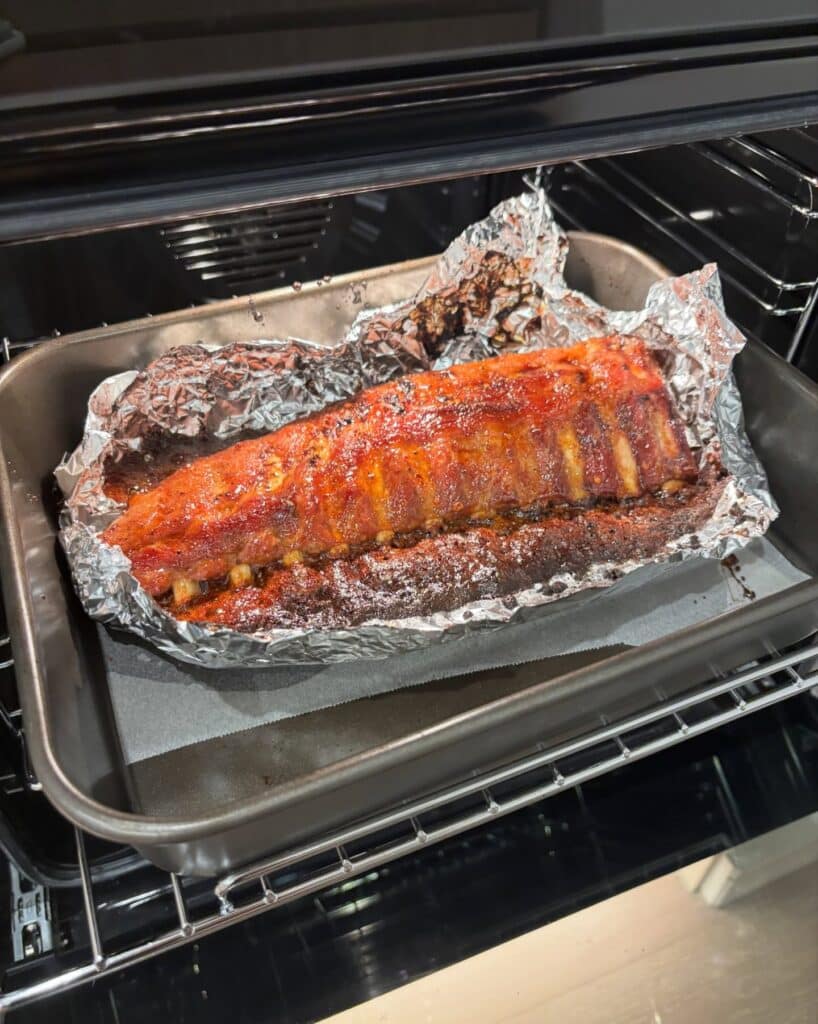
The Pitmaster’s Guide to the 3-2-1 Foil Wrapper Method
While cooking ribs uncovered yields an incredible bark, wrapping them mid-cook is the ultimate secret to achieving unparalleled tenderness. If you want maximum moisture, implement the modified 3-2-1 method.
Smoke the ribs unwrapped for 3 hours, then wrap them tightly in a double layer of heavy-duty aluminum foil for 2 hours.
Inside that foil pouch, create a micro-braising environment by adding a few tablespoons of butter, a splash more dark rum, and a little extra guava nectar.
This traps the steam, breaks down tough collagen fibers, and guarantees that the meat will effortlessly pull clean away from the bone with every single bite.
Elevating the Presentation with Textural Garnishes
We eat with our eyes first, and a massive slab of sticky meat can occasionally look a bit monochromatic on a serving platter. To turn this dish into a genuine centerpiece, add some texture and color right before serving.
Once the final layer of glaze has set, remove the ribs from the heat and scatter toasted macadamia nuts and finely sliced scallions across the top.
The macadamia nuts bring a buttery, tropical crunch that mirrors the Hawaiian and Caribbean vibes of the guava, while the sharp, peppery bite of the green onions cuts through the rich fat of the pork.
Pro-Tips for Pitmaster-Level Ribs
- Don’t Rush the Glaze: Putting a sugar-heavy glaze on your ribs too early is a foolproof recipe for black, bitter, burnt meat. Keep the sauce in the pan until the final leg of the cook.
- The “Bend Test”: Forget relying solely on a meat thermometer, as hitting a bone can give you a false reading. Pick up the rack of ribs from the center using a pair of tongs. If the rack bends into a gentle U-shape and the meat gently cracks open on the surface, your ribs are perfectly cooked and tender.
- The Rest Period: Pulling ribs off the heat and cutting into them immediately causes all those delicious juices to pool out onto your cutting board. Tent them loosely with foil and let them rest for 10 minutes. This allows the muscle fibers to relax and redistribute the moisture.
Pairings and Serving Suggestions
Because these rum-and-guava-glazed spareribs lean sweet and savory, your side dishes should provide a bright, clean contrast.
Avoid heavy, sweet baked beans. Instead, opt for a crisp, vinegar-based coleslaw or an heirloom tomato salad with a sharp vinaigrette to refresh your palate between bites.
Grilled corn on the cob brushed with lime juice and cotija cheese also pairs magnificently. To wash it all down, hand your guests a crisp, cold blonde ale or a classic dark and stormy cocktail to echo the rum notes in the glaze.
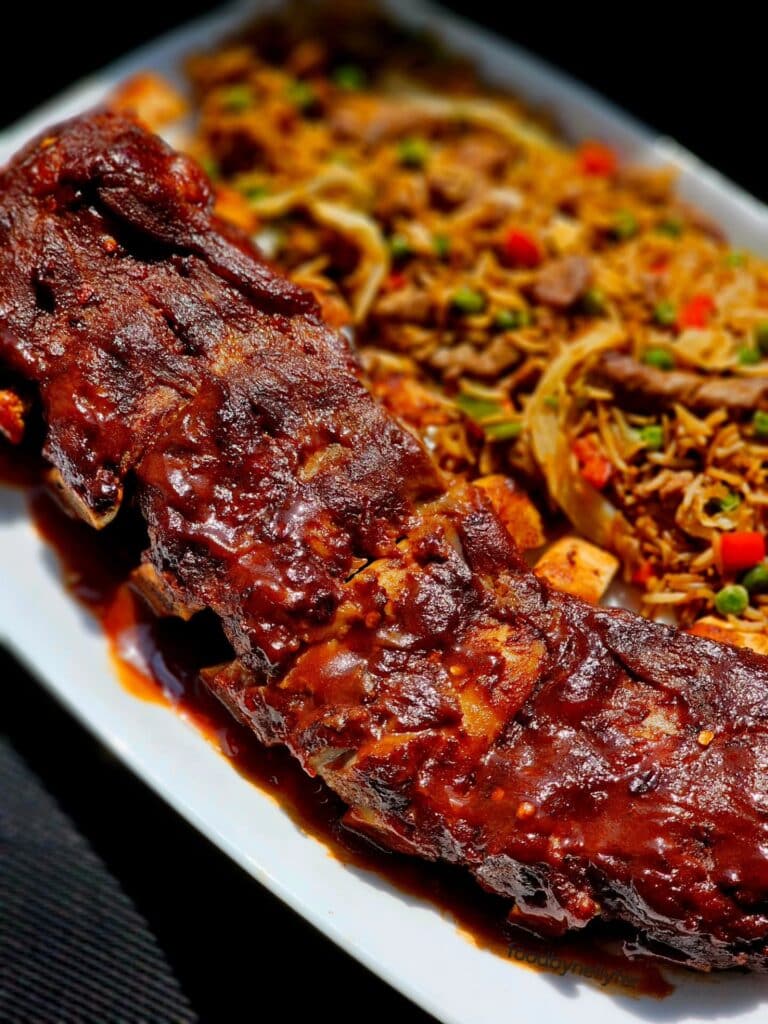
Final Thoughts
Making incredible barbecue is about so much more than just mastering heat and smoke; it is about creating an experience and sharing great food with the people you care about most.
These Star-Spangled Rum-and-Guava-Glazed Spareribs take a classic backyard staple and turn it into an absolute showstopper that will have your friends and family talking long after the summer ends.
By stepping outside the box of traditional, store-bought sauces and embracing the vibrant, sticky-sweet harmony of tropical fruit and dark rum, you elevate a simple cookout into a memorable culinary event.
Fire up your grill, give this unique tropical glaze a shot, and enjoy the well-deserved praise from your incredibly satisfied guests as they line up for seconds!
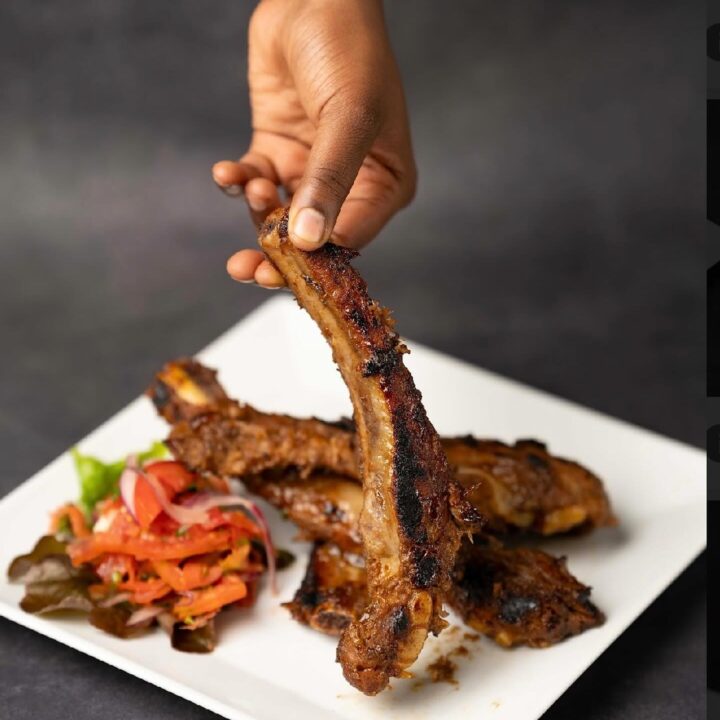
Star-Spangled Rum-and-Guava-Glazed Spareribs
Image credit: @carnivorekenya
Ingredients
- Great barbecue starts with simple, high-quality ingredients. Do not let the tropical glaze intimidate you; everything you need can be found at your local supermarket.
- The Ribs and the Rub
- 1 to 2 Racks of Pork Spareribs: St. Louis-cut is preferred for its clean, uniform shape, which ensures even cooking.
- Kosher Salt and Coarse Black Pepper: The foundational elements of any great bark.
- Smoked Paprika: Adds a gorgeous crimson color and a hint of earthy smoke before the meat even hits the grill.
- Garlic and Onion Powder: For that essential, savory base layer.
- The Star-Spangled Glaze
- Guava Paste or Nectar: Paste gives a thicker, more intense flavor, while nectar cooks down faster.
- Dark or Spiced Rum: Go for something you would actually drink. If it tastes like paint thinner in a glass, it will taste like paint thinner on your ribs.
- Apple Cider Vinegar: Crucial for balancing the sweetness with a sharp, tangy bite.
- Soy Sauce: Adds a necessary layer of umami depth to ground the tropical fruits.
- A Dash of Hot Sauce or Cayenne: Just enough to wake up the palate without burning your tongue off.
- Ingredient Substitutions and Variations
- If you want to keep things strictly non-alcoholic, you can easily substitute the dark rum with a mix of apple juice and a tablespoon of dark molasses.
- If guava paste is tricky to find in your local aisle, apricot preserves or mango puree make fantastic substitutes that still deliver that tropical, high-sugar caramelization.
Instructions
Cooking ribs is not a race; it is a marathon where the prize is tender meat. Patience is your greatest asset here.
Step 1: Prep and Dry Rub
Start by flipping your ribs bone-side up. Use a butter knife to pry up the corner of the tough, papery membrane (the silverskin) on the back of the bones, grab it with a paper towel, and pull it completely off.
Leaving this on means your rub won't penetrate the meat, and chewing it is like eating a rubber band. Once removed, pat the meat completely dry.
Mix your salt, pepper, paprika, garlic, and onion powder, and apply the dry rub generously on all sides.
Let the ribs sit at room temperature for about 30 minutes to brine.
Step 2: Low and Slow Cooking
Fire up your smoker or grill to a steady 225°F to 250°F. If you are using a gas or charcoal grill, set it up for indirect cooking (coals on one side, meat on the other) and toss in a few chunks of hickory or applewood.
Place your ribs bone-side down on the grates.
Let them smoke undisturbed for about 3 hours. Around this mark, the meat will begin to pull back slightly from the bone tips, and the rub should be firmly set as a beautiful, dark red crust.
Step 3: Simmering the Glaze
While the pork is absorbing all that smoky goodness, grab a saucepan. Combine your guava paste, dark rum, apple cider vinegar, soy sauce, and a pinch of cayenne over medium heat.
Whisk continuously as the guava paste melts down. Bring it to a gentle simmer, then drop the heat to low. Let it reduce for about 10 to 15 minutes until it reaches a thick, pourable consistency that beautifully coats the back of a spoon.
Resist the urge to drink it directly from the pan.
Step 4: The Glaze and Sear
During the final 45 minutes of your cook, it is time to paint. Generously brush your rum-and-guava-glazed spareribs with the warm sauce.
Close the lid and let it bake on for 15 minutes. Repeat this process two more times to build a thick, sticky, caramelized layer.
For an optional pro move: crank your grill heat up slightly for the last 5 minutes to get a quick, bubbling char on the edges – just watch it closely so the sugars don't scorch.
Featured image credit: @steak.world
