
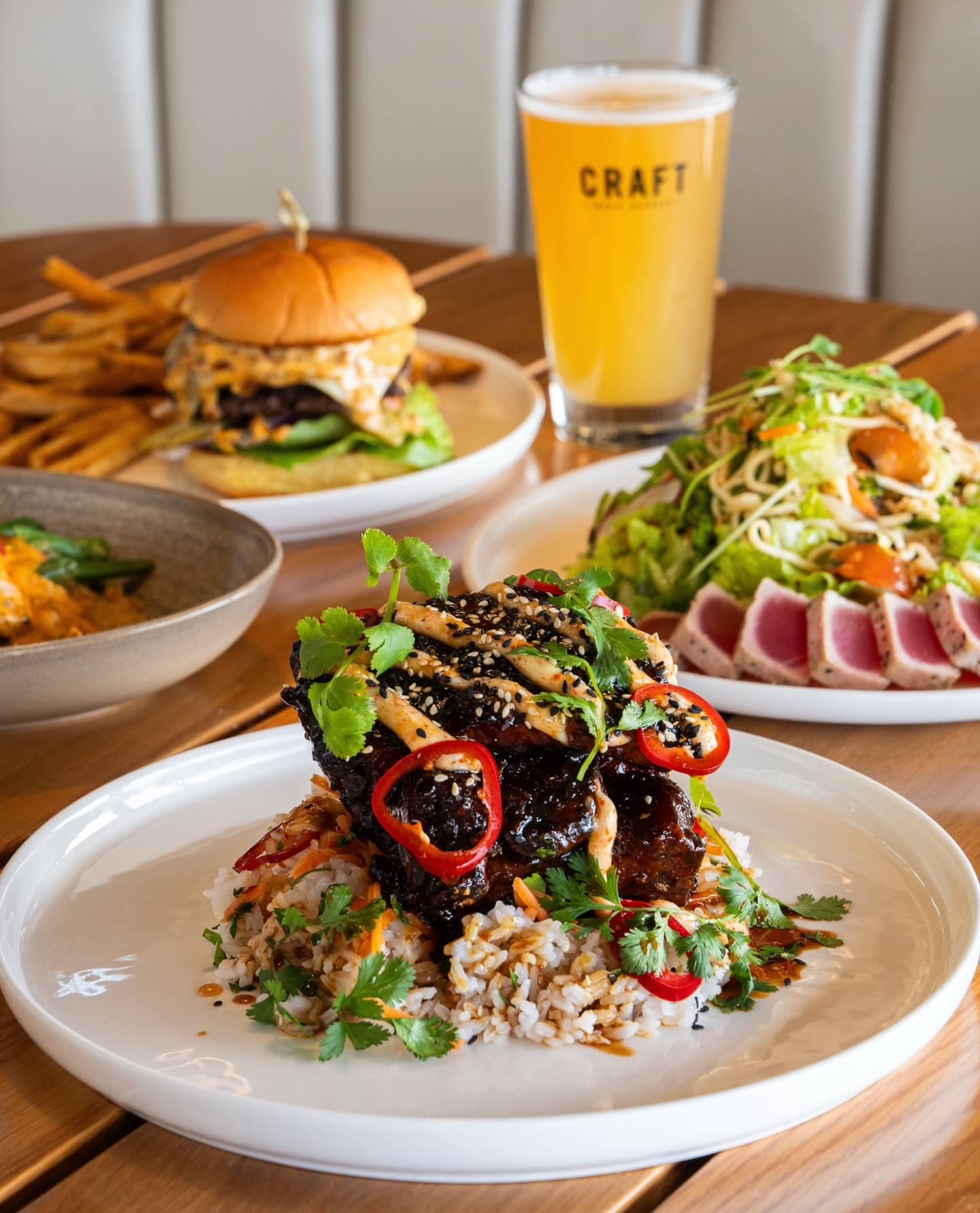
American barbecue has ridden the same holy trinity of brown sugar, paprika, and tomato paste for decades. It’s a classic formula, no doubt, but after smoking your hundredth rack of standard ribs, even the most dedicated pitmaster starts looking over the fence.
That’s where sweet & spicy Korean spareribs enter the chat, completely rewriting the rules of backyard pitmanship with an intoxicating mix of sticky heat, deep fermentation, and rich, savory punch.
If your current grilling routine feels like it’s running on autopilot, this recipe is the exact jolt of flavor your pit needs. We are taking the time-tested American low-and-slow smoking technique and fusing it with bold Korean ingredients.
The result? A rack of ribs so insanely delicious, sticky, and vibrant that your standard hickory-flavored sauce will officially be forced into early retirement.
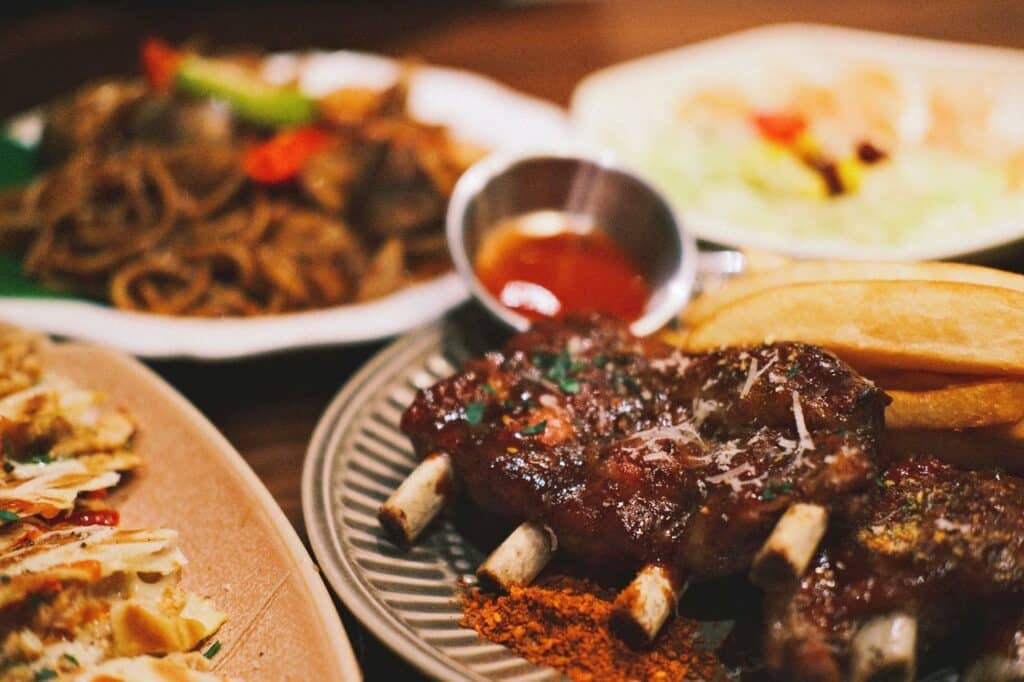
Why Gochujang and Ribs Are a Match Made in Barbecue Heaven
To understand why sweet & spicy Korean spareribs work so ridiculously well, you have to look at how flavor components interact on the palate. Traditional Western barbecue relies heavily on refined sugar and vinegar to balance out rich pork fat.
Korean flavor profiles, however, build complexity using fermentation and natural fruit enzymes.
The star player here is Gochujang – a thick, crimson Korean chili paste made from red chili powder, glutinous rice, fermented soybeans, and salt. Unlike raw hot sauces that hit you with an immediate, sharp vinegar bite, Gochujang delivers a deep, lingering, savory warmth.
When paired with sweet elements like honey, mirin, and brown sugar, it creates a high-tack glaze that clings to meat like a shiny lacquer coat.
More importantly, traditional Korean marinades utilize grated Asian pear.
Asian pear contains natural proteolytic enzymes that break down tough muscle fibers far more efficiently than standard liquid mops. It acts as an invisible tenderizer, ensuring every bite yields clean off the bone while adding a subtle, crisp sweetness to the glaze.
Spareribs vs. St. Louis Cut: Choosing the Right Slab
Before laying down smoke, you need the right canvas. While baby back ribs have their fans, they are simply too lean and delicate to stand up to the bold, heavy profile of a Gochujang glaze.
- Why St. Louis-Cut Spareribs Win: A trimmed St. Louis-cut sparerib features flat, uniform bones with a higher fat content than baby backs. Fat equals flavor, but fat also equals moisture retention. The extra rendered fat in spareribs cuts through the sticky, spicy glaze, creating a perfectly balanced mouthfeel.
- Prep Essentials: Always peel the tough membrane (silver skin) off the bone side using a paper towel for a firm grip. Removing the membrane allows your dry rub and smoke to penetrate both sides of the rack evenly. Trim away any thin, dangling pieces of meat that would otherwise burn during a four-hour cook.
The Maillard Magic: How Fermented Sugars Caramelize Differently
Standard BBQ glazes rely heavily on cane sugar or high-fructose corn syrup, which melt quickly and turn bitter if left over heat. Gochujang-based glazes operate under completely different chemical rules:
- Accelerated Maillard Reaction: Fermented amino acids from glutinous rice and soybeans interact with heat to build a deep, savory crust without scorching the exterior.
- Superior Protein Binding: Because the natural sugars are already broken down by fermentation, they bond directly to the pork proteins.
- Lacquered Finish: Forms an ultra-sticky, lacquered shell that stays glossy and shiny even as the ribs cool down.
Watching this transformation take place on the smoker grate is pure culinary alchemy – giving your slab an irresistible, high-contrast mahogany sheen.
The Ssam Tradition: Turning Ribs into Interactive Lettuce Wraps
In Korean culinary culture, barbecue isn’t just served on a plate – it’s meant to be assembled at the table.
Ssam, which literally translates to “wrap,” transforms a heavy meat dish into a fresh, bite-sized experience. Slice the tender rib meat off the bone and build your wrap:
- The Base: Wrap the pork inside crisp red-leaf lettuce or aromatic perilla leaves.
- The Layering: Add a drop of ssamjang (seasoned soybean paste), a thin slice of fresh garlic, and a pinch of scallion salad.
- The Flavor Contrast: The ice-cold, crunchy leaf cuts right through the rich, fatty pork, while perilla adds a bright anise note.
It turns a standard sit-down rib feast into an interactive, communal experience nobody forgets.
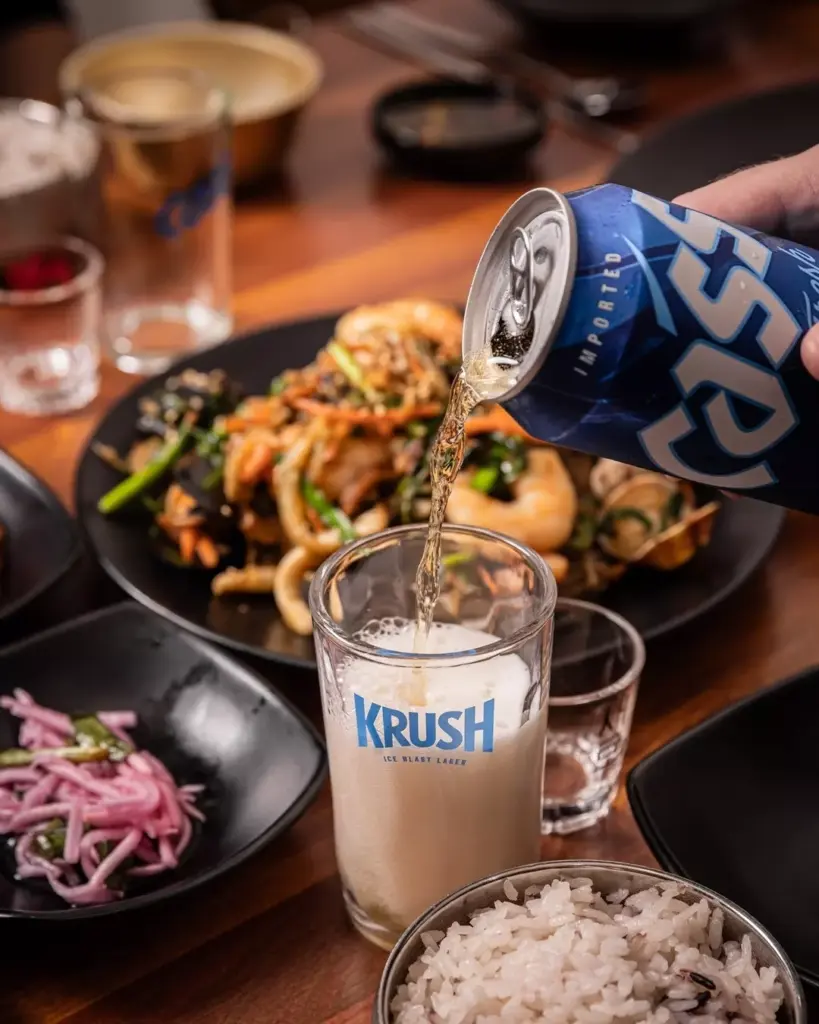
Craft Beer & Spirit Pairings That Stand Up to Gochujang
A delicate pilsner or heavy stout will completely collapse under the weight of sweet & spicy Korean spareribs. To complement the bold fermented heat, pair your platter with beverages that feature high acidity, bright carbonation, or clean botanical notes:
- West Coast IPA: Citrusy hop bitterness cuts straight through the sticky pork fat.
- Fruit-Infused Soju Cocktail: Ice-cold plum or grapefruit Soju resets the palate between bites.
- Spicy Rye Bourbon: Bridges the gap between American oak smoke and Korean chili warmth.
Repurposing Leftovers: The Ultimate Next-Day Fusion Hacks
If you end up with leftover sweet & spicy Korean spareribs, consider it a blessing. Shredding the cold rib meat opens the door to incredible next-day fusion dishes:
- Smoky Gochujang Fried Rice: Toss glazed pork chunks into a screaming-hot wok with day-old rice.
- Korean-Mexican Street Tacos: Pile meat into griddled flour tortillas with pickled red onions and cilantro.
- Gourmet Kimchi & Pork Melt: Press shredded ribs into a high-end grilled cheese sandwich with sharp white cheddar.
Because the leftover glaze continues to tenderize the meat overnight, day-two dishes are arguably even more flavorful than the initial smoke.
The Technique: Low-and-Slow Smoke Meets High-Tack Glaze
Smoking these ribs requires a strategic balance between wood selection and glaze application. Because Gochujang contains fermented rice and sugars, applying it too early will cause it to char into a bitter, blackened crust.
- Pick the Right Wood: Skip heavy woods like mesquite or hickory, which can clash with the aromatics of ginger, garlic, and sesame. Opt for sweet, mild fruitwoods like Apple, Cherry, or Pecan. Cherry wood especially gives the pork a striking, deep mahogany hue that complements the red Gochujang paste beautifully.
- The 3-Step Process:
o The Smoke Phase: Lay down a dry rub base of salt, pepper, garlic, and ginger. Smoke at 250°F to build a solid, set-in bark.
o The Steam/Wrap Phase: Wrap the rack tightly with butter and a touch of mirin. This tenderizes the meat without stripping away the rub.
o The Lacquer Phase: Unwrap the ribs, brush heavily with the Korean glaze, and let the heat set the sauce into a tacky, glossy shell during the last 20 to 30 minutes of cooking.
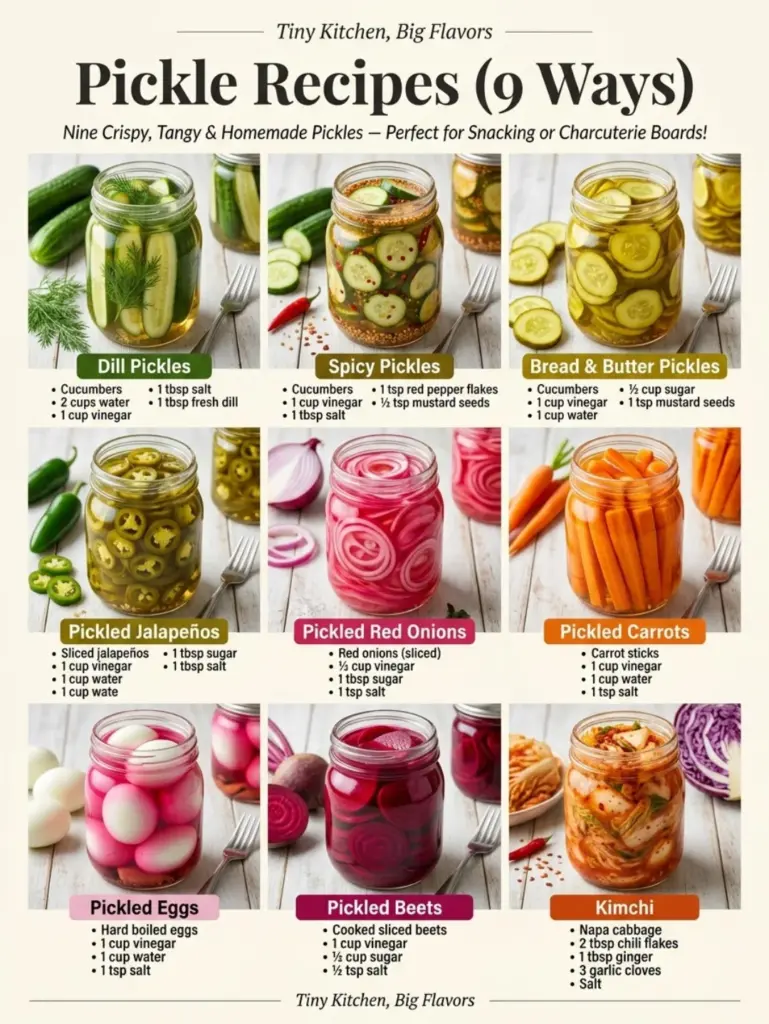
What to Serve Alongside Korean Spareribs
Rich, sticky ribs need sharp, refreshing sides to reset your palate between bites. Skip the heavy mayonnaise potato salad and lean into light, acidic pairings:
- Pickled Daikon Radish (Chicken Mu): Crisp, sweet-and-sour cubed radish cuts through the intense pork fat instantly.
- Sesame Cucumber Salad: Thinly sliced cucumbers tossed in rice vinegar, soy sauce, and sesame oil provide a cold, crunchy contrast.
- Kimchi Fried Rice: Wok-tossed rice with aged kimchi adds a tangy, spicy punch that rounds out the whole meal.
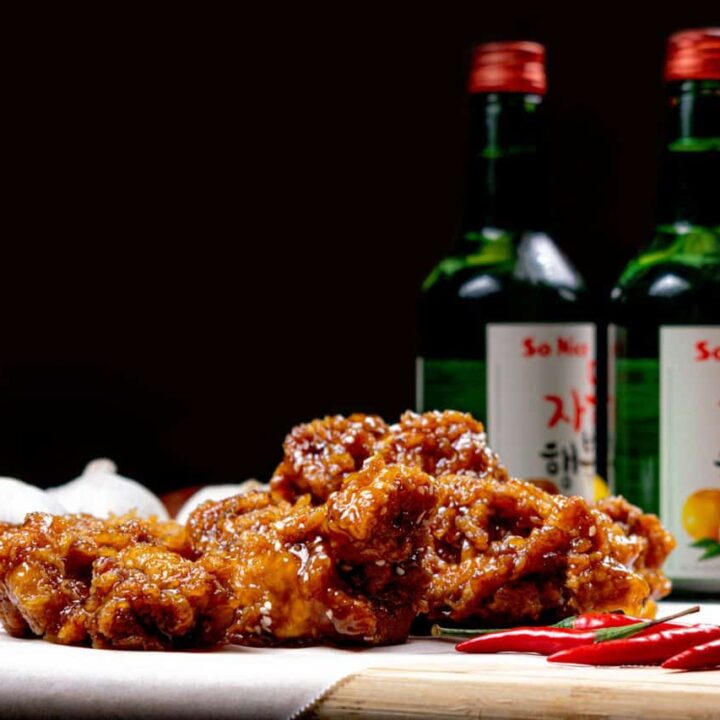
Ultimate Sweet & Spicy Korean Spareribs
Image credit: John Benedict Malong
Ingredients
- The Pork & Dry Base
- 1 rack St. Louis-cut pork spareribs (~3.5 to 4 lbs)
- 1 tablespoon kosher salt
- 1 tablespoon coarsely ground black pepper
- 1 teaspoon garlic powder
- 1 teaspoon ground ginger
- The Sweet & Spicy Korean Glaze
- 1/3 cup Gochujang (Korean chili paste)
- 3 tablespoons honey
- 2 tablespoons dark brown sugar
- 3 tablespoons low-sodium soy sauce
- 2 tablespoons mirin (Japanese rice wine)
- 1 tablespoon toasted sesame oil
- 3 cloves garlic, finely grated
- 1 tablespoon fresh ginger, finely grated
- 1/4 cup grated Asian pear (peeled)
- Garnish & Finishing
- 3 green onions, thinly sliced
- 1 tablespoon toasted white sesame seeds
- 1 fresh red chili, thinly sliced
Instructions
- Prep the Rack: Remove the silver skin membrane from the back of the ribs. Pat the meat thoroughly dry with paper towels. Mix the kosher salt, black pepper, garlic powder, and ground ginger, then season both sides of the slab evenly.
- Fire Up the Smoker: Preheat your grill or smoker to 250°F (120°C) using indirect heat. Add 2 to 3 chunks of cherry or apple wood to the coals.
- Initial Smoke (2.5 Hours): Place the spareribs bone-side down on the grate. Close the lid and let them smoke undisturbed for roughly 2.5 hours until a firm, fragrant bark forms on the exterior.
- Prepare the Glaze: While the ribs smoke, whisk together the Gochujang, honey, brown sugar, soy sauce, mirin, sesame oil, grated garlic, grated ginger, and grated Asian pear in a small bowl until completely smooth.
- The Tenderizing Wrap (1.5 Hours): Lay down two sheets of heavy-duty aluminum foil. Place 2 tablespoons of butter and a splash of mirin on the foil, then lay the ribs meat-side down on top. Wrap the foil tightly to lock in steam. Return to the smoker for 1.5 hours, or until the meat pulls back roughly half an inch from the bone tips.
- Glaze and Set (20–30 Minutes): Carefully unwrap the ribs and return them bone-side down to the smoker grates. Generously brush the top and sides with the Korean glaze. Close the lid and cook for another 20 to 30 minutes until the glaze is bubbling, tacky to the touch, and caramelized at the edges.
- Slice & Serve: Transfer the slab to a cutting board and let it rest for 10 minutes. Slice between the bones, then top with chopped green onions, toasted sesame seeds, and red chili slices.
Featured image credit: @craftbeermarket
