
You will find few experiences as breathtaking as watching the sun dip below the horizon, painting the sky in stunning shades of amber and purple.
A cold drink is sweating in your hand, music is playing softly in the background, and the air is thick with the intoxicating, rich aroma of rendered fat hitting white-hot coals. This is the holy grail of the season.
But let’s be honest for a second. We have all been to that backyard party.
The one where the well-meaning host is sweating bullets over a rusted, unevenly heated metal box, desperately trying to salvage charred-yet-raw chicken thighs while a hungry crowd watches like wolves.
I have been that cook earlier in my culinary journey, and trust me, it is a special kind of cooking trauma.
Finding a grill perfect for summer isn’t about throwing money at the largest stainless-steel monument at the home improvement store. It is about matching engineering to your actual lifestyle.
The right setup acts like a reliable sous chef, giving you the freedom to host, mingle, and relax without constantly fighting flare-ups.
Whether you are a seasoned pitmaster or someone who just wants to sear a decent burger without burning down the deck, understanding the mechanics of outdoor cooking changes everything.
Let’s break down the science of summer grilling and look at the absolute best tools for the job.
The Anatomy of a Perfect Summer Grill
Before we talk about specific models, we need to understand what separates a premium outdoor cooker from a glorified metal bucket. As a chef, I look at grills through a lens of heat dynamics, material science, and pure ergonomics.
When you are shopping for your backyard setup, keep these core pillars in mind.
Heat Retention & Temperature Control
Summer cooking looks easy, but nature loves to interfere. A passing July breeze or a sudden drop in ambient evening temperature can wreak havoc on a cheap, thin-walled cooker.
When a grill suffers from poor heat retention, you end up burning through double the fuel just to keep your grates hot.
Look for heavy-gauge steel, cast aluminum, or thick ceramic walls.
These materials act like a thermal battery, soaking up BTUs and radiating them back evenly into your food. Consistent heat distribution prevents cold spots, meaning every burger on your grate cooks at the exact same rate.
If you have to constantly play musical chairs with your steaks to find the hot spot, your grill is failing you.
Cooking Surface Area vs. Footprint
Size matters, but bigger isn’t always better. You need to calculate your usable cooking surface based on your typical guest list. A good rule of thumb for summer entertaining is about 100 square inches of cooking space per person.
- A 400 to 500 square inch surface is the goldilocks zone for an average family of four and a few weekend guests.
- Going too large means you waste fuel heating up empty space.
- Going too small forces you to cook in batches, meaning the host is trapped at the grill while everyone else is eating inside.
Ease of Cleaning & Maintenance
Let’s be completely candid: nobody buys a grill because they love cleaning it. Summer is fleeting, and you should spend your time swimming or relaxing, not scraping carbonized grease for an hour after dinner.
The ideal summer cooker features smart engineering choices like porcelain-enameled grates, which naturally resist food sticking, and advanced ash or grease management systems.
Look for removable catch pans and one-touch cleaning levers. If cleaning the unit requires a full hazmat suit and an afternoon of manual labor, it will end up sitting under a tarp gathering dust.
Versatility & Accessories
The best summer nights start in the afternoon and stretch long into the dark.
Your cooking equipment should be versatile enough to handle a diverse menu.
A great unit allows you to easily establish two-zone cooking – a high-heat direct zone for searing proteins and a lower-heat indirect zone for gently roasting delicate vegetables or melting cheese.
If your machinery can seamlessly transition from high-heat searing to low-and-slow smoking, you have found a winner.
The Top Picks: Best Summer Grills Explained
Now that you know what to look for, let’s look at the elite options available today. I have put these style categories through the ringer, evaluating them on durability, performance, and how much fun they actually are to use on a hot July afternoon.
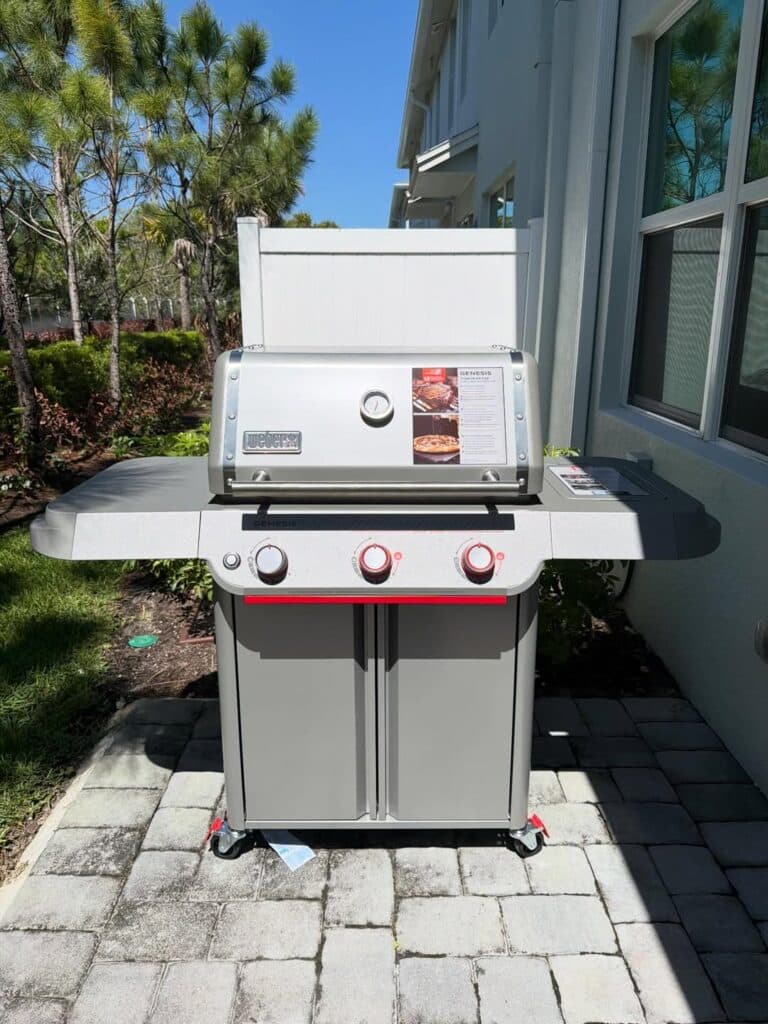
1. The Best Overall Gas Grill: Weber Genesis E-325s
For the host who values precision, speed, and effortless execution, gas remains the undefeated king. The Weber Genesis E-325s represents the pinnacle of modern liquid propane engineering.
If your idea of a perfect summer evening involves deciding to grill at 6:00 PM and eating perfectly cooked food by 6:30 PM, this is your machine.
- Fuel Type: Liquid Propane / Natural Gas
- Cooking Area: 513 square inches (Primary)
- Key Advantage: Massive expandable top grate & extra sear burner
- Best Used For: High-speed, high-volume summer hosting
The magic of this unit lies in its pure power and temperature stability. It features proprietary high-performance burners that distribute an incredibly even flame pattern across the porcelain-enameled cast-iron grates.
The standout feature for summer cooking is the extra-large Sear Zone burner. This allows you to create intense, steakhouse-quality crusts on your proteins while keeping the rest of the cooking surface at a moderate temperature for delicate sides.
Weber’s legendary Flavorizer bars sit directly above the burners, catching food drippings and vaporizing them instantly.
This infuses your food with that classic, smoky backyard flavor without causing dangerous, uncontrolled flare-ups that turn dinner into charcoal. It is an incredibly forgiving machine that makes intermediate cooks look like seasoned professionals.
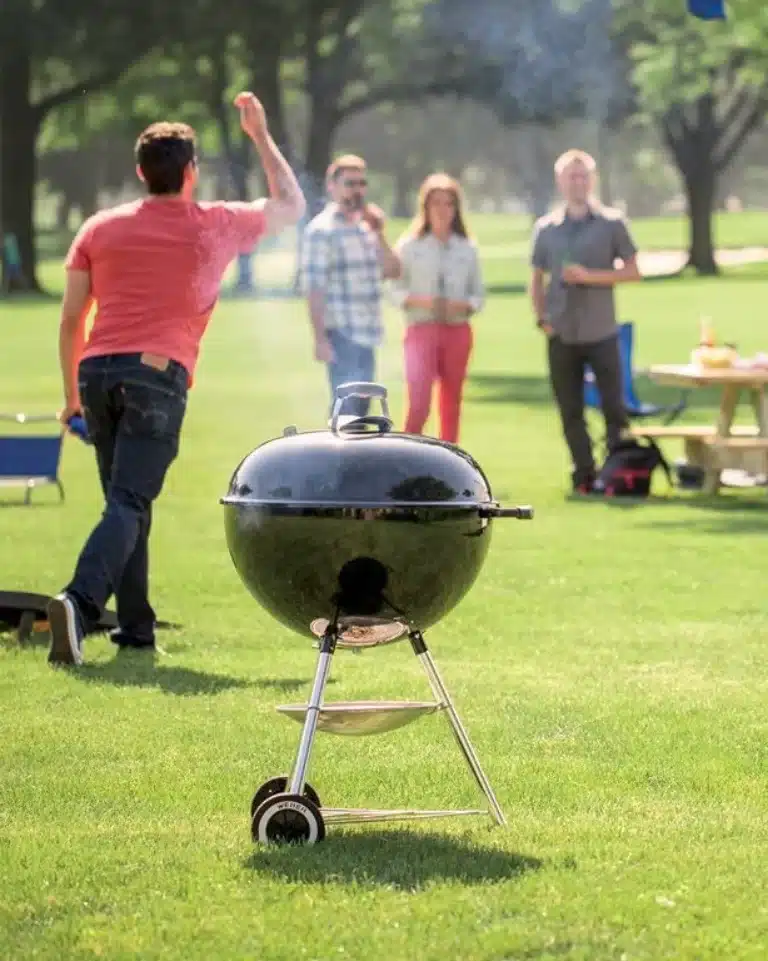
2. The Ultimate Charcoal Classic: Weber Original Kettle Premium
There is an undeniable poetry to charcoal cooking. If you believe that half the fun of summer is the tactile ritual of stacking briquettes, lighting a chimney starter, and taming an open flame, the Weber Original Kettle Premium is your spiritual home.
It is a design that has remained largely unchanged for decades for one simple reason: it works perfectly.
- Fuel Type: Charcoal Briquettes / Lump Charcoal
- Cooking Area: 363 square inches
- Key Advantage: Bulletproof simplicity & nostalgic flavor
- Best Used For: Purists who love the ritual of fire
The heavy-gauge steel bowl is coated with a porcelain enamel that is fused to the metal at incredibly high temperatures. This creates a finish that will not rust, fade, or peel, even when subjected to intense heat and winter storage.
The key to mastering this kettle is its precision air damper system. By adjusting the aluminum vents on the lid and the bottom of the bowl, you can alter the oxygen flow, easily adjusting your temperature from a screaming hot sear to a gentle roasting zone.
The Premium designation is worth every penny for one specific reason: the enclosed ash catcher. Older kettle designs left hot ash at the mercy of the wind, creating a messy hazard on your patio.
This system captures everything cleanly in a removable aluminum cup. It is lightweight, virtually indestructible, and delivers that deep, unmistakable charcoal flavor that gas simply cannot replicate.
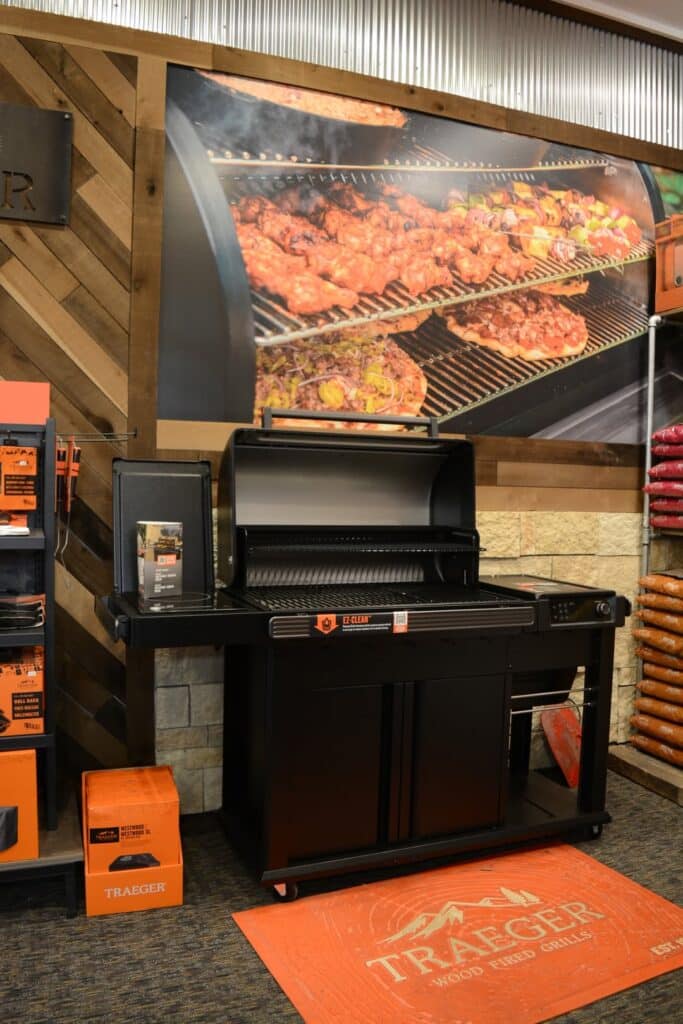
3. The Best for Effortless Low-and-Slow: Traeger Pro 575 Pellet Grill
If you want the incredible depth of real wood smoke but don’t want to spend your entire Saturday hovering over a hot fire box monitoring airflow, welcome to the world of pellet grilling.
The Traeger Pro 575 is essentially a convection oven powered by compressed hardwood sawdust, and it completely redefines what a grill perfect for summer can do.
- Fuel Type: Hardwood Pellets
- Cooking Area: 575 square inches
- Key Advantage: Precise digital temperature control
- Best Used For: Hands-off cooking and rich wood flavor
Operation is dead simple. You fill the side hopper with food-grade wood pellets, set your desired temperature on the digital controller, and press start.
An internal auger feeds the pellets into a small fire pot, where an electric igniter lights them, while a variable-speed fan circulates the smoke and heat evenly throughout the chamber.
The D2 drivetrain maintains a remarkably consistent temperature, even during hot summer afternoons when solar heat hits the lid.
The real game-changer here is the WiFIRE technology.
You can sync the grill to your smartphone, allowing you to monitor internal meat probes, adjust the chamber temperature, or shut down the machine while you are lounging in the pool or hanging out with your guests inside.
It is the ultimate tool for stress-free summer hosting, turning out competition-grade pulled pork and smoked ribs while you focus entirely on your company.
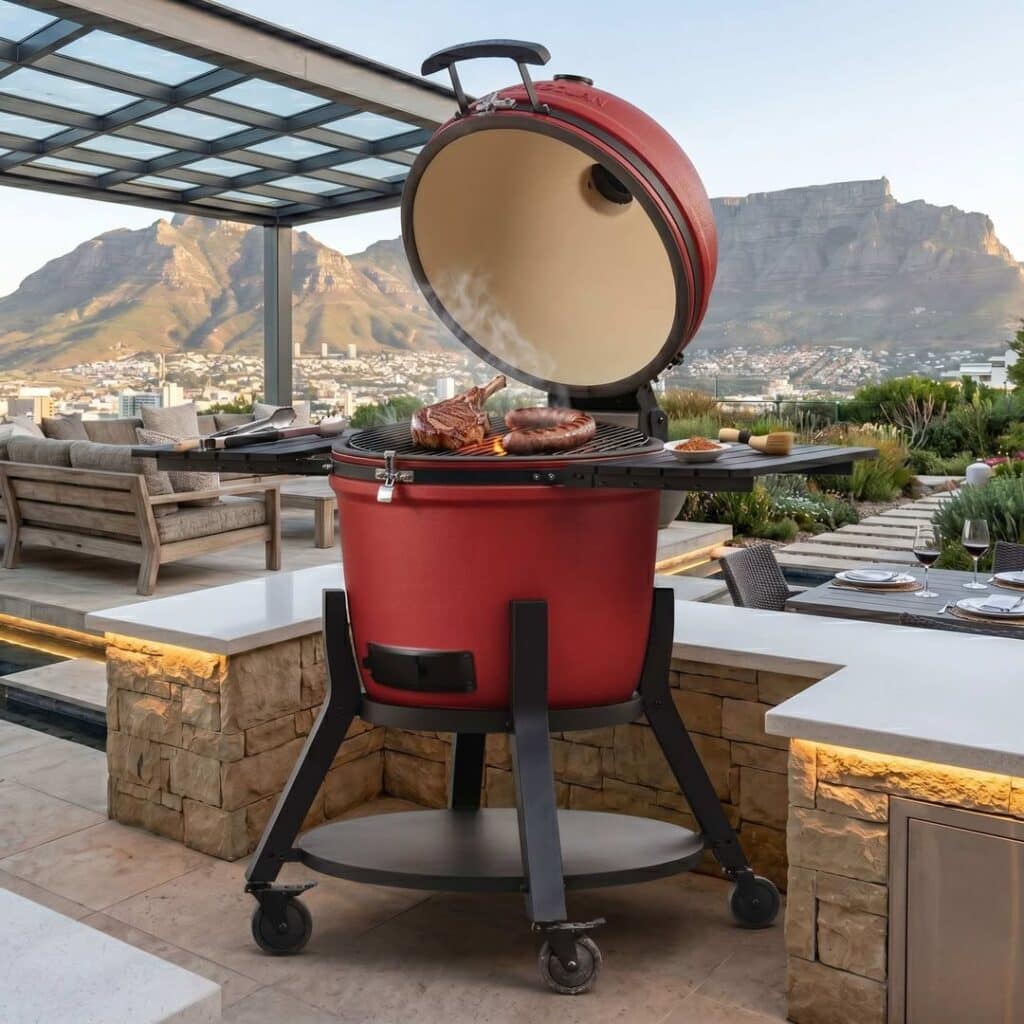
4. The Best Heavy-Duty Kamado: Kamado Joe Classic III
The Kamado Joe Classic III is a heavy-duty, thick-walled ceramic beast built on ancient cooking principles updated with aerospace-grade engineering. If you view outdoor cooking as a lifestyle and want a machine that will easily last for decades, this premium cooker is a masterpiece.
- Fuel Type: Lump Charcoal
- Cooking Area: 250 square inches (Expandable to 500)
- Key Advantage: Unmatched thermal mass and fuel efficiency
- Best Used For: Year-round versatility and baking
The immense thermal mass of the heavy ceramic walls means this unit locks in moisture like nothing else on the market. In standard steel cookers, dry air is constantly moving through the chamber, pulling moisture out of your food.
The Kamado Joe retains ambient humidity, resulting in incredibly juicy meats. It is also remarkably fuel-efficient; a single load of quality lump charcoal can burn for up to 18 hours at low temperatures.
The Classic III features the innovative SloRoller hyperbolic smoke chamber insert, which uses thermodynamic pressure to distribute smoke and heat in rolling, concentric waves. This eliminates hot spots and blankets your food in pure wood flavor.
Additionally, the multi-tier Divide & Conquer cooking system allows you to position different grates at varying heights, letting you sear a ribeye inches from the coals while gently roasting asparagus way up high.
It can even hit temperatures north of 700 degrees, transforming into a world-class outdoor pizza oven.
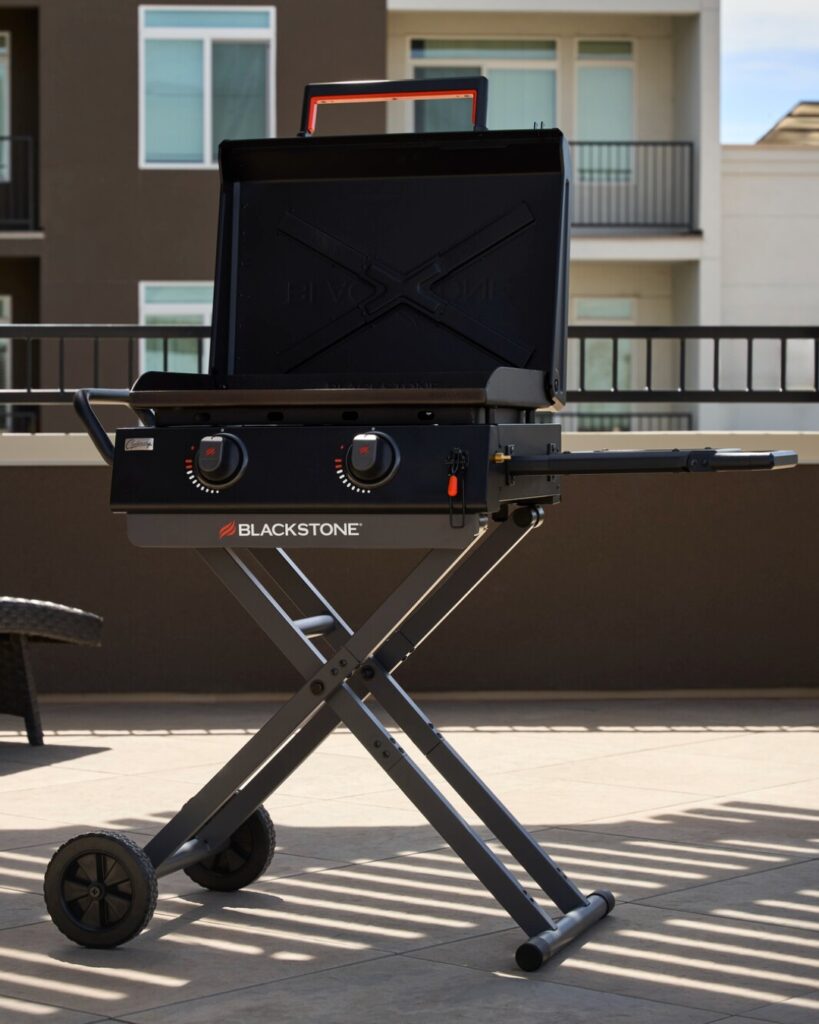
5. The Best Portable Option: Blackstone 22″ Griddle
Sometimes, the perfect summer day takes you away from your backyard. Whether you are heading to a campsite, tailgating at a stadium, or packing up for a beach day, you shouldn’t have to leave great food behind.
The Blackstone 22″ Griddle brings the immense versatility of a restaurant-style flat-top directly into a portable package.
- Fuel Type: Liquid Propane
- Cooking Area: 361 square inches
- Key Advantage: Solid steel flat-top cooking versatility
- Best Used For: Camping, tailgating, and smash burgers
Because it utilizes a solid, heavy cold-rolled steel plate instead of traditional grates, open flames never make direct contact with your food. This completely eliminates flare-ups, making it the perfect tool for cooking high-fat foods.
The flat-top design lets you cook foods that would normally fall through traditional grates, such as loaded breakfast hashbrowns, delicate fish fillets, or paper-thin Philly cheesesteaks.
Powered by two independently controlled H-style burners, you can easily set up distinct heating zones – screaming hot on the left for searing smash burgers, and low heat on the right for warming buns or sautéing onions.
The rolled steel develops a beautiful, non-stick dark patina over time, much like a classic cast-iron skillet. It is an absolute powerhouse for anyone who loves high-energy cooking and diverse summer menus.
Summary Comparison Table
To help you quickly visualize which setup aligns with your hosting style, let’s look at how these top contenders stack up side-by-side.
| Grill Model | Fuel Type | Primary Strength | Maintenance Level | Best Group Size |
| Weber Genesis E-325s | Gas | Speed & Heat Control | Low (Easy Grease Tray) | 6 to 10 People |
| Weber Kettle Premium | Charcoal | Authentic Flavor | Medium (Ash Canister) | 4 to 6 People |
| Traeger Pro 575 | Wood Pellet | Set-it-and-Forget-it | Medium (Vacuum Ash) | 6 to 8 People |
| Kamado Joe Classic III | Lump Charcoal | Moisture Retention | High (Heavy Clean out) | 4 to 8 People |
| Blackstone 22″ Griddle | Propane | Flat-Top Versatility | Medium (Scrape & Oil) | 2 to 6 People |
Pro-Tips for Peak Summer Grilling Performance
Owning a world-class cooker is only half the battle. To truly elevate your game this season, you need to implement a few fundamental kitchen habits into your outdoor workflow.
- Embrace Two-Zone Cooking: Never crowd your entire cooking surface with high heat. Create a hot zone for developing color and a cool zone for letting thick cuts finish cooking through gently. This prevents the classic mistake of serving meat that is burnt on the outside and raw in the middle.
- Preheating is a Non-Negotiable Step: Always let your grates get up to temperature for at least 15 minutes before dropping food down. When cold protein hits cold metal, it bonds on a molecular level, causing tearing when you attempt to flip it. High heat creates an instant sear that releases naturally.
- Clean When Hot, Not When Cold: The absolute best time to clean your cooking surface is right after you take your food off, or immediately during the preheating phase. High heat carbonizes grease, making it incredibly easy to scrape away with a quality brush. Trying to scrape cold, congealed grease the next morning is a recipe for frustration.
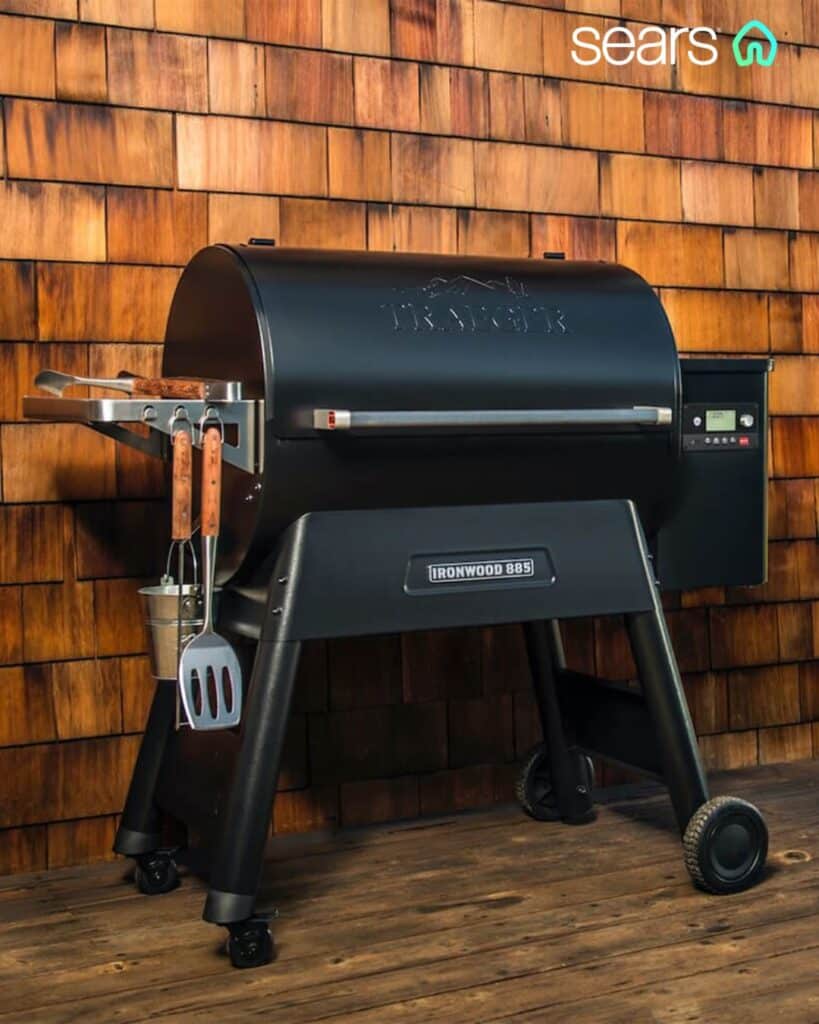
The Final Verdict
When the dust settles, the best summer setup is the one that brings you joy and fits into your routine. If you are a busy parent who needs to get dinner on the table quickly on a Tuesday night, a high-quality gas setup like the Weber Genesis will be your best friend.
If you view outdoor cooking as an art form and a weekend escape, investing in the rich wood flavor of a Traeger or the intense thermal performance of a Kamado Joe will completely transform your culinary world.
Take a close look at how you like to spend your time outdoors, choose the fuel source that excites you, and get ready to host some unforgettable backyard gatherings. Summer is short – make sure your food is excellent.
Frequently Asked Questions
What is the best type of grill for a beginner?
For absolute beginners, a gas grill or a flat-top propane griddle is usually the best starting point. They ignite with the push of a button, heat up within 10 to 15 minutes, and offer precise dial controls to adjust the temperature.
This allows you to focus entirely on learning how to cook the food without the stress of managing an open coal fire.
How many BTUs do I actually need in a gas grill?
Don’t get tricked by massive BTU numbers on packaging. BTU (British Thermal Unit) measures fuel consumption, not efficiency. Instead, look for a grill that delivers roughly 80 to 100 BTUs per square inch of primary cooking surface.
A high BTU rating on a cheaply insulated, thin-walled grill just means you are burning through propane faster because the heat is escaping.
Can you use a pellet grill like a regular charcoal grill to sear steaks?
Traditional pellet grills excel at indirect convection cooking and low-and-slow smoking (usually maxing out around 450°F to 500°F). While you can cook a steak on them, you won’t get the same intense, crusty sear that you would over direct flame or cast iron.
If you want a pellet grill but love searing steaks, look for models featuring a “direct flame access” slider, or simply finish your steak in a hot cast-iron skillet inside.
What is the difference between lump charcoal and charcoal briquettes?
- Charcoal Briquettes are uniform, manufactured blocks that burn incredibly evenly and hold a steady temperature for a long time, making them highly predictable.
- Lump Charcoal is 100% natural charred wood pieces. It lights faster, burns much hotter than briquettes, and leaves behind significantly less ash, making it the preferred choice for high-heat searing and ceramic Kamado cooking.
How often should I deep clean my backyard grill?
While you should quickly scrape your cooking grates before or after every single cook, a heavy-duty deep clean should happen about twice a summer (or every 10 to 15 uses).
This involves turning off the fuel, removing the grates and heat deflectors, scraping out built-up carbon and grease from the bottom of the firebox, and emptying the grease management systems to prevent dangerous grease fires.
Featured image credit: @grill_pros_and_outdoor_living
