
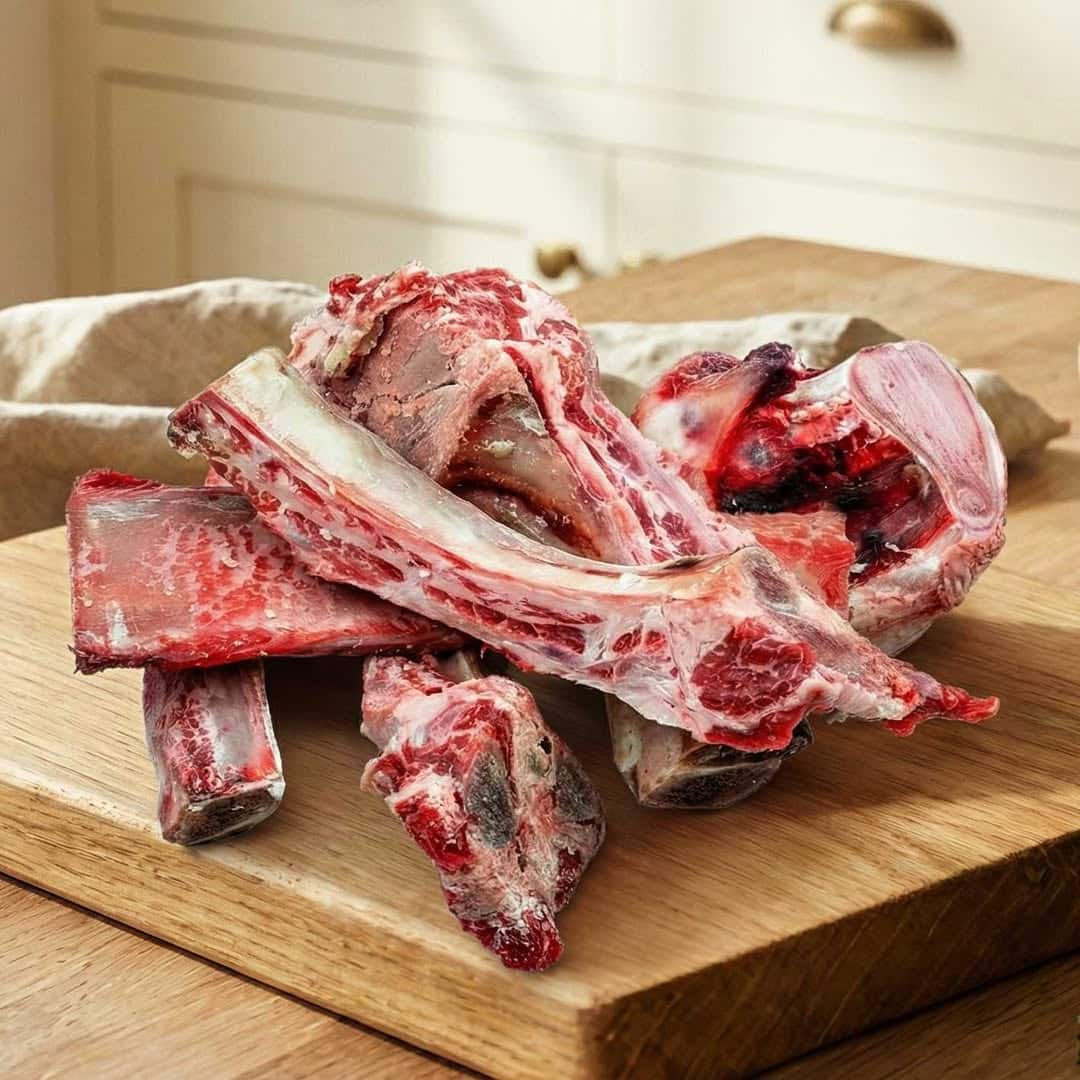
Whether you’re talking to a local butcher, a backyard grill master, or a high-end steakhouse chef, the debate is always the same: bone-in or boneless?
Having spent countless weekends tending smokers, grilling steaks, and slow-cooking ribs until they practically surrender from the bone, I’ve heard every argument imaginable.
Some folks swear that bone-in meat tastes dramatically better. Others say it’s all in your head. The truth sits somewhere in the middle.
Bone-in meat often does taste better, but not necessarily for the reason most people think.
The bone itself isn’t magically pumping flavor into the meat like a flavor IV. Instead, the bone influences how the meat cooks, how moisture is retained, and how connective tissues break down.
And here’s the funny thing: sometimes the difference isn’t just about flavor. It’s about the entire eating experience.
There’s something primal about carving into a thick ribeye with the bone attached or pulling apart a perfectly smoked rack of ribs. Nobody hangs a boneless pork chop on a restaurant wall and calls it art.
Let’s dig into the science, the myths, and the practical reasons why bone-in meat often earns its reputation for superior flavor.
What is Bone-in Meat?
Simply put, bone-in meat is any cut that still contains part of the animal’s natural bone structure.
Common examples include:
- Ribeye steaks
- T-bone steaks
- Porterhouse steaks
- Pork chops
- Chicken thighs
- Drumsticks
- Lamb chops
- Beef short ribs
Boneless cuts, on the other hand, have had the bones removed during processing.
The rise of boneless cuts makes sense. They’re convenient. They’re easier to portion. They cook faster. Nobody has to wrestle a chicken wing skeleton while eating lunch at their desk.
But convenience and flavor aren’t always best friends.
Many traditional cooking methods evolved around cooking meat on the bone because that’s simply how meat was historically prepared. As chefs and pitmasters gained experience, they noticed something interesting:
The bone-in versions frequently produced juicier, richer, and more satisfying results.
That’s where the debate began.
The Science of Flavor in Meat
Before we talk about bones, we need to understand where meat flavor actually comes from.
Many people assume flavor is hiding inside the bone itself.
Not exactly.
The majority of meat flavor comes from several key components:
Fat
Fat is flavor’s best delivery system. As meat cooks, fat melts and distributes flavor compounds throughout the cut. This creates richness and depth that our taste buds love.
Proteins and Amino Acids
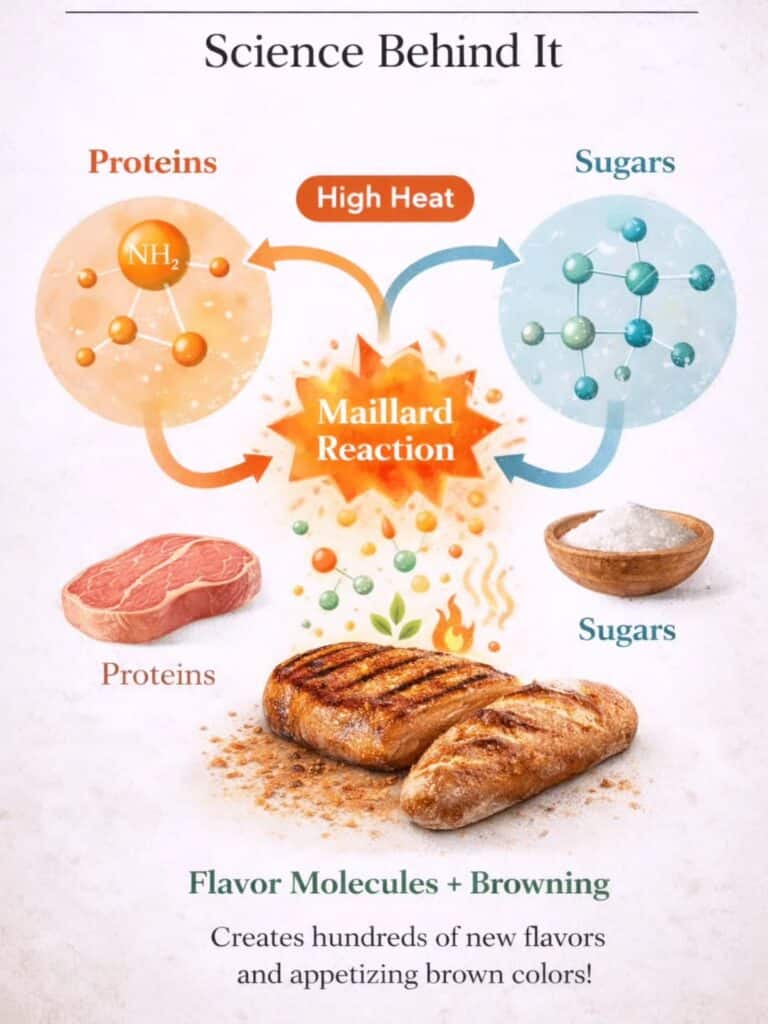
When proteins break down during cooking, they create hundreds of flavorful compounds. These compounds contribute savory, umami-rich characteristics that make meat taste meaty.
The Maillard Reaction
This is the culinary magic trick everyone loves. When meat reaches high temperatures, amino acids and sugars react to create the deep brown crust found on a perfectly seared steak.
That crust is a flavor powerhouse.
Connective Tissue
Connective tissue often gets a bad reputation because it can make meat tough. But when cooked properly, connective tissue transforms into gelatin, creating richness, tenderness, and a luxurious mouthfeel. And this is where bones start entering the picture.
Does the Bone Actually Add Flavor?
Let’s address the biggest myth first.
Many people believe the bone directly transfers massive amounts of flavor into the surrounding meat.
The reality is more complicated.
In most grilling and roasting situations, the bone itself contributes very little direct flavor.
If you’ve ever bitten into a steak and thought, “Wow, this tastes incredibly bone-like,” congratulations – you probably need a new steak.
What actually happens is far more interesting.
The Marrow Effect
Bones contain marrow, which is rich in fats and nutrients. During longer cooking methods, especially braising and smoking, some of these compounds can influence the surrounding meat and cooking juices. The effect is subtle but real.
The Surrounding Tissues Matter
The areas around bones contain:
- Connective tissue
- Collagen
- Fat deposits
- Muscle groups that often work harder during the animal’s life
These components contribute significantly to flavor development.
So while the bone isn’t necessarily injecting flavor directly into the meat, everything attached to that bone plays a major role in creating a richer eating experience.
The flavor advantage of bone-in meat is often indirect rather than direct.
That’s an important distinction.
Bones Help Meat Stay Juicy
Now we’re getting to one of the biggest reasons many pitmasters prefer bone-in meat. Bones act as natural heat barriers.
Think of the bone as an internal shield.
While the outside of the meat faces direct heat, the area near the bone cooks more slowly. This slower cooking process creates several benefits.
Reduced Moisture Loss
Meat loses moisture as it cooks.
The faster it cooks, the greater the chance it dries out.
Since the bone slows heat transfer, portions of the meat remain protected from aggressive cooking.
This often results in:
- Better moisture retention
- Less shrinkage
- Improved texture
More Forgiving Cooking
Anyone can accidentally overcook a boneless pork chop. In fact, many of us have committed that crime repeatedly. A bone-in chop tends to offer a slightly larger margin of error.
The bone helps moderate temperature changes and can reduce the risk of turning dinner into edible cardboard.
Why Juiciness Equals Flavor
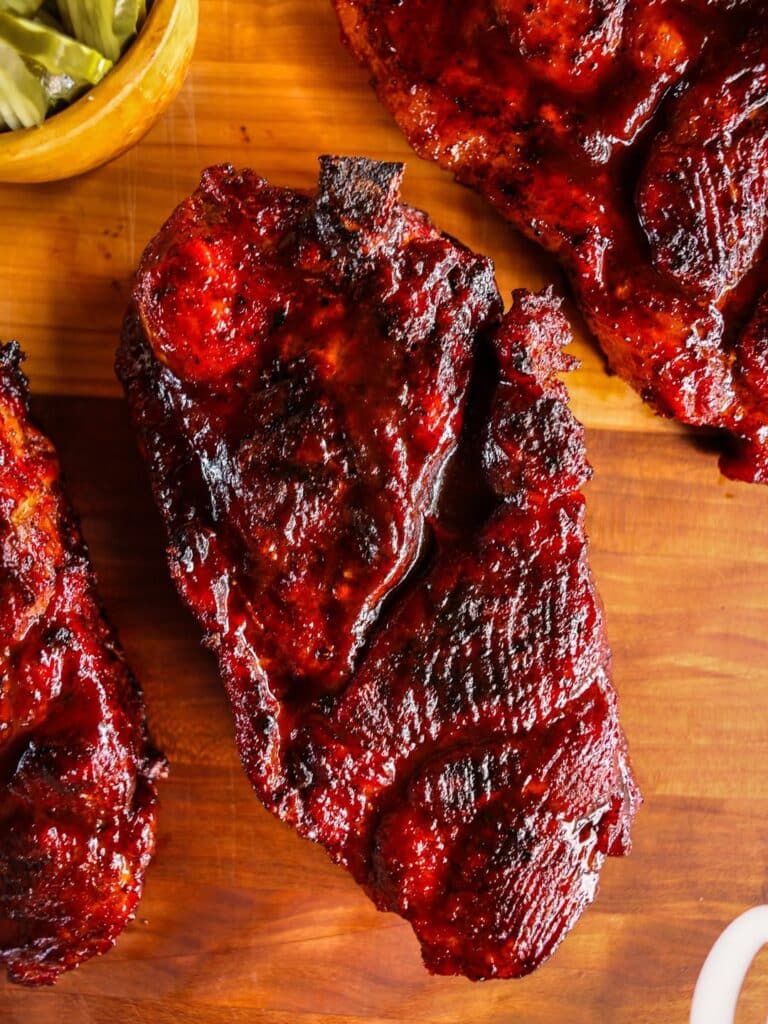
Here’s a little secret. People often confuse juiciness with flavor. The two aren’t identical, but they’re closely connected.
When meat stays moist, flavor compounds remain concentrated and more noticeable on the palate.
Juicier meat simply tastes better to most people.
The Collagen Advantage
If you’ve ever smoked beef short ribs for eight hours and experienced what can only be described as meat butter, you’ve witnessed collagen at work.
Collagen is a structural protein found throughout animals.
It’s especially abundant around bones, joints, tendons, and connective tissues. When cooked low and slow, collagen transforms into gelatin.
And gelatin is one of nature’s greatest flavor enhancers.
What Gelatin Does
Gelatin contributes:
- Richness
- Silkiness
- Mouthfeel
- Perceived juiciness
It doesn’t necessarily add a strong flavor itself. Instead, it amplifies how flavorful the meat feels. Imagine the difference between drinking water and sipping a rich stock.
The stock coats your mouth and lingers. That’s gelatin doing its thing.
Why Bone-in Cuts Benefit
Because many bone-in meat cuts retain more connective tissue around the bone, they often develop greater gelatin content during cooking.
The result?
A richer and more satisfying bite.
Why Bone-in Meat Often has Better Texture
Flavor gets all the headlines, but texture is equally important. In fact, texture may be one of the hidden reasons people prefer bone-in cuts. When meat cooks more evenly and retains moisture, texture improves dramatically.
Protection from High Heat
The bone protects nearby muscle fibers from intense temperature exposure. This means portions of the meat remain more tender during cooking.
More Varied Eating Experience
One thing I love about a bone-in ribeye is that different sections offer slightly different textures.
Some areas are firmer.
Others are incredibly tender.
The meat nearest the bone often develops a unique character that many steak lovers actively seek out. You don’t get quite the same complexity from uniformly trimmed boneless cuts.
Why Bone-in Meat Excels in Slow Cooking
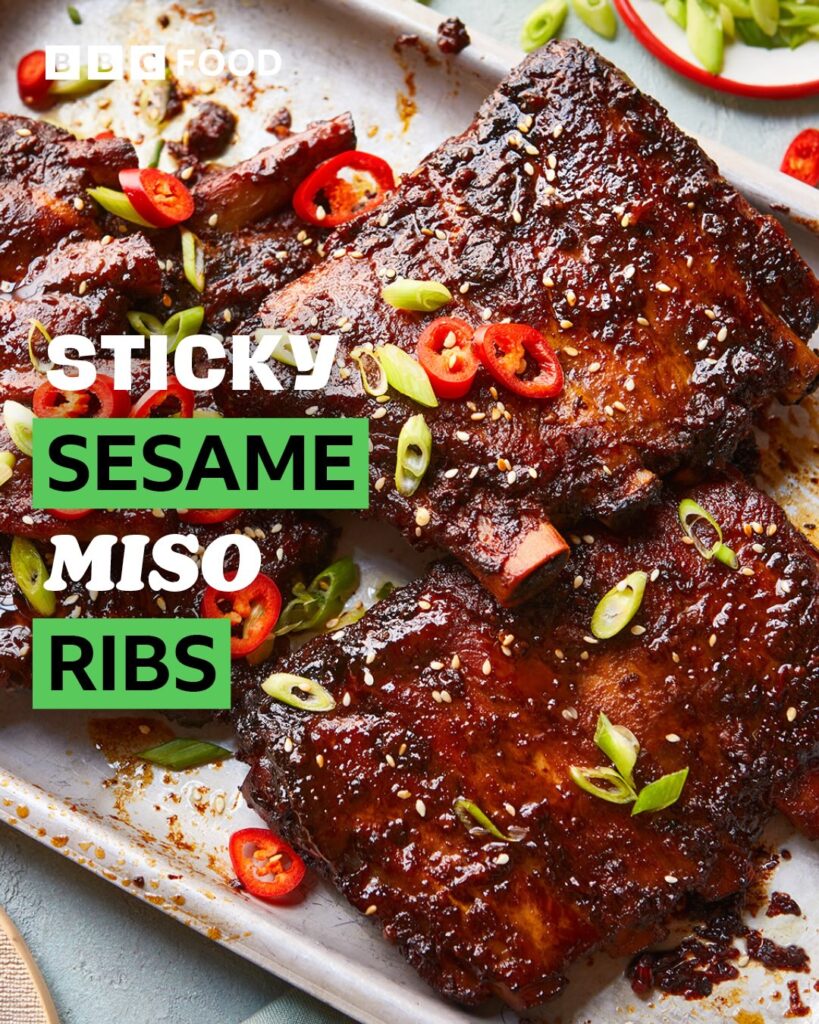
If there’s one place where bone-in meat truly shines, it’s slow cooking. This is where the advantages start stacking up.
Smoking
Smoked ribs, pork shoulder, and beef ribs benefit from hours of gentle heat. The bone helps regulate cooking while connective tissues slowly break down.
Braising
Dishes like short ribs and osso buco become legendary because of the combination of bone, collagen, marrow, and extended cooking time.
Roasting
Bone-in roasts often stay juicier than their boneless counterparts. This is especially noticeable during holiday meals when the roast sits on the table longer before serving.
Stews and Stocks
Bones contribute structure and richness to cooking liquids. That’s why professional kitchens treasure bones when making stocks and broths. A stock made from bones simply has greater depth than one made solely from lean meat.
Bone-in vs. Boneless Meat
Let’s settle the score fairly.
Flavor
Advantage: Bone-In
The combination of moisture retention, collagen, connective tissue, and cooking dynamics usually creates a richer flavor experience.
Juiciness
Advantage: Bone-In
The bone helps reduce moisture loss during cooking.
Texture
Advantage: Bone-In
Many cuts develop superior tenderness and mouthfeel.
Convenience
Advantage: Boneless No contest here. Boneless cuts are easier to prepare, portion, and serve.
Cooking Speed
Advantage: Boneless They cook faster and more evenly.
Presentation
Advantage: Bone-In
Let’s be honest.
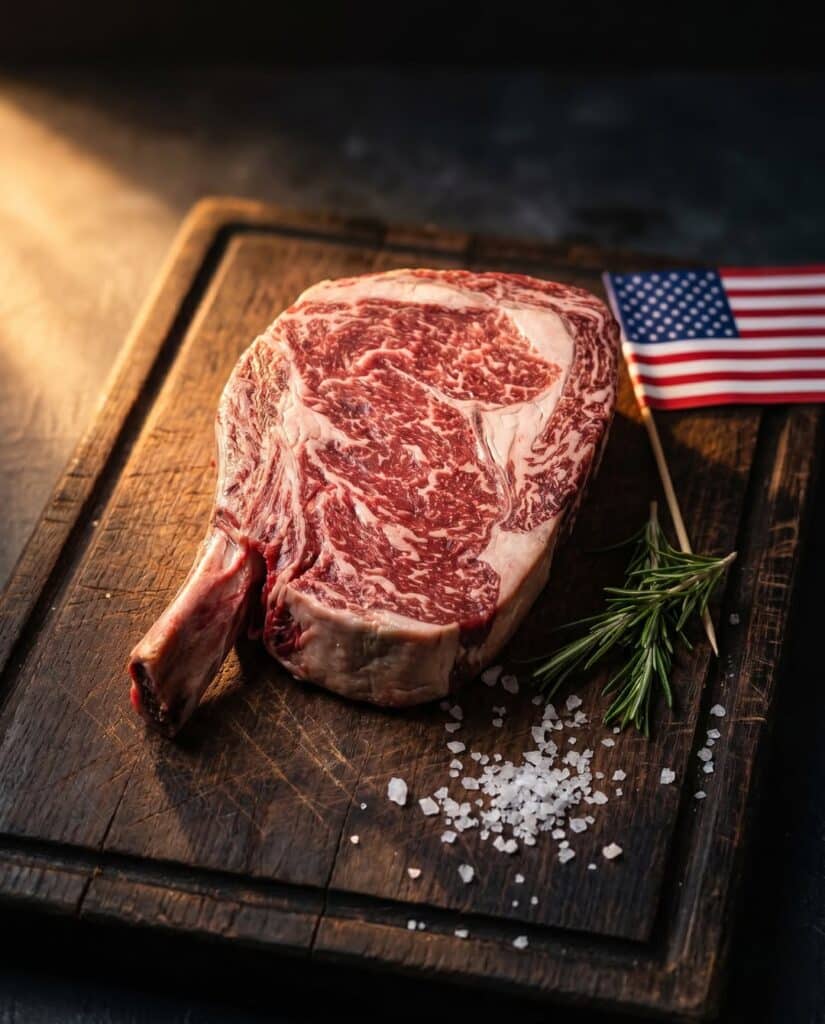
A giant tomahawk steak has the visual impact of a medieval weapon. A boneless steak looks like lunch.
Why Bone-in Meat Creates a Better Aroma During Cooking
Before you even take your first bite, your brain has already started judging the meal.
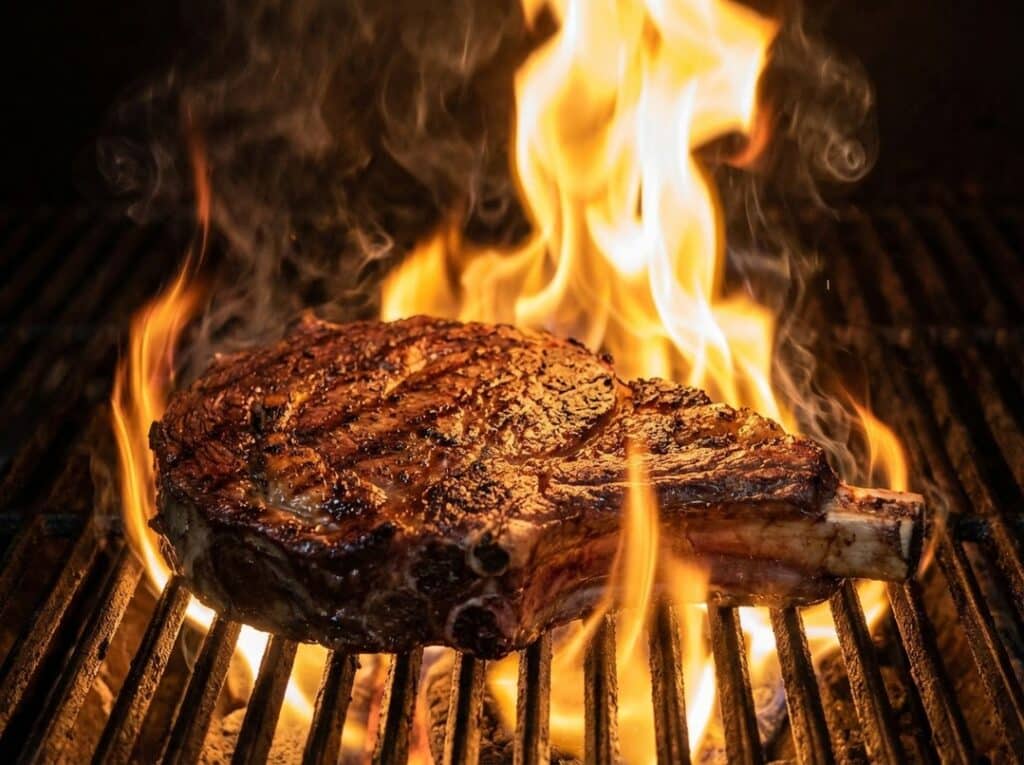
That’s because aroma is one of the biggest contributors to flavor perception. One of the most overlooked benefits of bone-in meat is the incredible smell it produces while cooking.
As the meat slowly cooks, several flavor-building components begin to break down and release aromatic compounds, including:
- Rendered fat
- Collagen
- Connective tissues surrounding the bone
- Natural meat juices
Together, these elements create the mouthwatering aromas that fill your kitchen, backyard, or smoker area.
As a pitmaster, I’ve lost count of how many neighbors have suddenly appeared near my smoker when a rack of beef ribs is cooking. Coincidence? Not a chance.
The richer aroma generated by many bone-in cuts does more than smell good – it helps build anticipation before the meal even begins. By the time the meat reaches your plate, your senses are already primed for flavor.
Sometimes the eating experience starts long before the first bite.
The Psychology of Eating Meat on the Bone
Here’s something many people overlook: the way food looks and feels can influence how it tastes.
Research has shown that presentation shapes our expectations, and those expectations can affect our overall enjoyment of a meal. This is one reason why bone-in meat often creates a stronger impression than boneless alternatives.
Think about the visual impact of:
- A thick bone-in ribeye steak
- A towering tomahawk steak
- A platter of smoked barbecue ribs
- Perfectly grilled lamb chops
The bone naturally communicates qualities that many diners associate with premium food, such as:
- Authenticity
- Craftsmanship
- Tradition
- Expert preparation
As a pitmaster, I’ve seen guests become excited the moment a bone-in cut arrives at the table. That excitement matters. When people expect a meal to be exceptional, they’re often more likely to perceive it that way.
While the flavor benefits of bone-in cuts are real, the psychological impact adds another layer that makes the entire dining experience feel more memorable.
Why Bone-in Meat Remains a Favorite in Traditional Cuisines
Across the globe, some of the world’s most celebrated meat dishes rely on bone-in meat. Long before modern processing techniques made boneless cuts widely available, cooks learned through experience that leaving the bone attached often produced better results.
You’ll find bone-in preparations at the heart of many culinary traditions, including:
- Slow-braised lamb dishes throughout the Mediterranean
- Smoked barbecue ribs in the American South
- Hearty beef stews in Europe
- Traditional roasted meats across Asia and the Middle East
What’s fascinating is that these cooking traditions developed independently in different parts of the world, yet they arrived at a similar conclusion.
The benefits repeatedly observed by generations of cooks include:
- Better moisture retention
- Richer texture
- More satisfying flavor
- Greater depth in cooking liquids and sauces
While cooking styles vary from region to region, the goal remains the same: maximize flavor and create a memorable meal. Sometimes the best cooking lessons aren’t discovered in a laboratory – they’re passed down through centuries of experience and family recipes.
The Value Advantage of Buying Bone-In Meat
Many shoppers automatically choose boneless cuts because they’re convenient. However, bone-in meat can often provide better overall value, especially for cooks who know how to use every part of the cut.
In many cases, bone-in options offer advantages such as:
- Lower cost per pound compared to premium boneless cuts
- Access to larger, higher-quality cuts of meat
- Better flavor potential during cooking
- More versatility after the meal is finished
One of the biggest hidden benefits is that the bones continue to provide value even after the meat is gone.
Leftover bones can be transformed into:
- Rich homemade stock
- Flavorful broths
- Soups and stews
- Sauces and gravies
As a pitmaster, I hate seeing useful ingredients go to waste. When a single purchase delivers an incredible meal today and helps create another delicious dish tomorrow, that’s money well spent.
Bone-in meat isn’t just about flavor – it’s about getting the most value from every cut you buy.
Common Myths About Bone-In Meat
Myth #1: Bones Directly Inject Flavor into Meat
Not really. The flavor differences come mostly from cooking dynamics and surrounding tissues.
Myth #2: Bone-In Is Always Better
Nope. A poorly cooked bone-in steak can still be disappointing. Cooking technique matters more than the presence of a bone.
Myth #3: Boneless Meat Has No Flavor
Absolutely false. Many boneless cuts are incredibly flavorful when properly cooked and seasoned.
Myth #4: Bone-In Meat Is Always More Expensive
Not necessarily. You’re paying for bone weight as well as meat, so value calculations can vary.
When Boneless Meat Makes More Sense
As much as I love bone-in meat, I’m not bringing a tomahawk steak to every situation. Sometimes boneless is simply the smarter option.
Boneless cuts work particularly well for:
- Stir-fries
- Kebabs
- Sandwiches
- Meal prep
- Quick weeknight dinners
If you’re cooking chicken for tacos, nobody is going to award bonus points for spending twenty extra minutes removing bones afterward.
Choose the right tool for the job.
That’s good cooking.
Tips for Cooking Bone-In Meat
If you want maximum flavor from bone-in meat, follow these simple principles.
Give It Time
Bone-in cuts often cook slightly slower. Be patient.
Use a Thermometer
Guessing internal temperature is a great way to ruin expensive meat. Use a reliable thermometer.
Rest Before Serving
Allow the juices to redistribute throughout the meat. A few minutes of resting can make a huge difference.
Season Generously
Salt enhances natural flavor and helps retain moisture.
Don’t Fear Low and Slow
Many bone-in cuts reward patience with extraordinary tenderness. Good barbecue isn’t rushed.
Neither is great flavor.
Final Thoughts
After years of tending smokers and cooking everything from beef ribs to pork chops, I’ve learned that the debate isn’t really about whether bones magically create flavor.
It’s about what the bone allows the meat to become.
Bone-in meat often tastes better because it stays juicier, develops richer texture, retains more moisture, and benefits from collagen-rich tissues surrounding the bone.
The bone itself may not be performing culinary wizardry, but it plays an important supporting role.
And sometimes that supporting role makes all the difference.
So the next time you’re standing at the butcher counter deciding between bone-in and boneless, remember this:
The bone isn’t the star of the show.
But it might just be the reason the star performs a little better.
Frequently Asked Questions
Does bone-in meat really taste better?
In many cases, yes. The improved moisture retention, collagen breakdown, and cooking characteristics often create a richer flavor experience.
Why do chefs prefer bone-in steaks?
Many chefs appreciate the enhanced texture, presentation, and moisture retention that bone-in steaks provide.
Is bone-in chicken more flavorful?
Often yes. Bone-in chicken tends to stay juicier during cooking, which improves flavor perception.
Does bone marrow affect flavor?
It can, especially during long cooking methods such as braising and smoking.
Is bone-in meat healthier?
Nutritionally, the differences are usually minor. Preparation methods have a larger impact than whether the meat contains a bone.
Does bone-in meat take longer to cook?
Generally, yes. The bone slows heat transfer, which can extend cooking times slightly.
Featured image credit: @gridironmeat
