
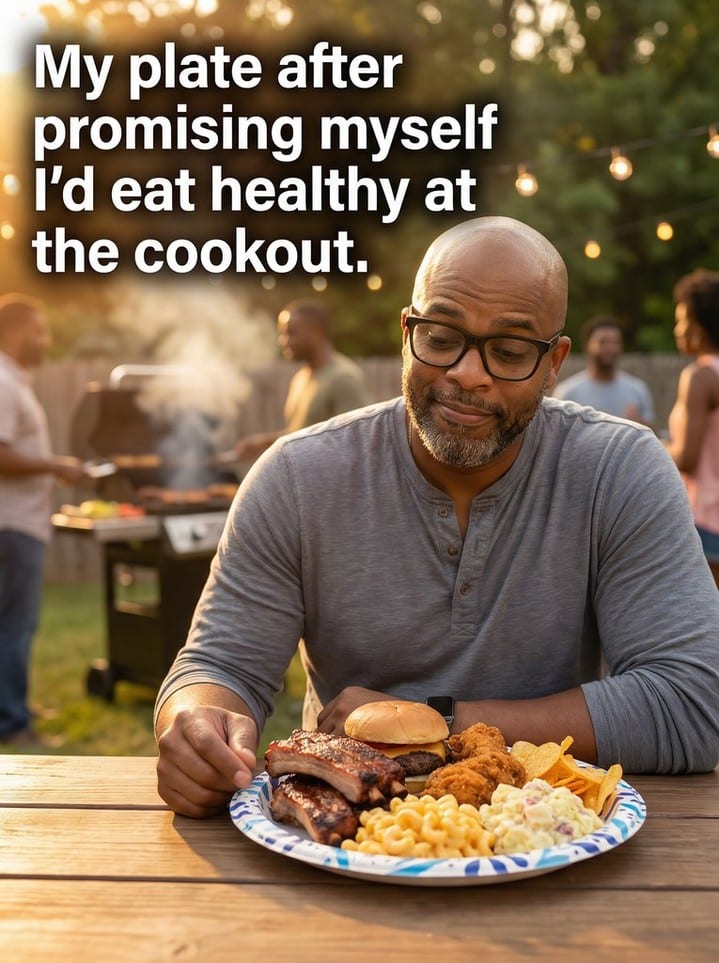
True intimacy is found in the uncurated corners of our own backyards.
It’s the ritualistic click of a tongs-wielder testing their equipment, the sudden hiss of cold fat hitting a hot grate, and that first aromatic cloud of hardwood smoke that signals to the entire neighborhood that something legendary is about to happen.
We’ve all been to “just another barbecue” where the burgers are hockey pucks and the hot dogs look like they’ve been through a structural integrity test. But you? You aren’t here for mediocre.
To elevate your outdoor hosting from a simple meal to a full-blown culinary event, you need a roadmap.
Think of this as the backyard bucket list – a collection of twelve essential items that bridge the gap between “guy with a grill” and “master of the flame.”
We’re going deep into the science of the sear, the soul of the side dish, and the small details that make guests text you for the recipe three days later.
The Heavy Hitters: The Mains
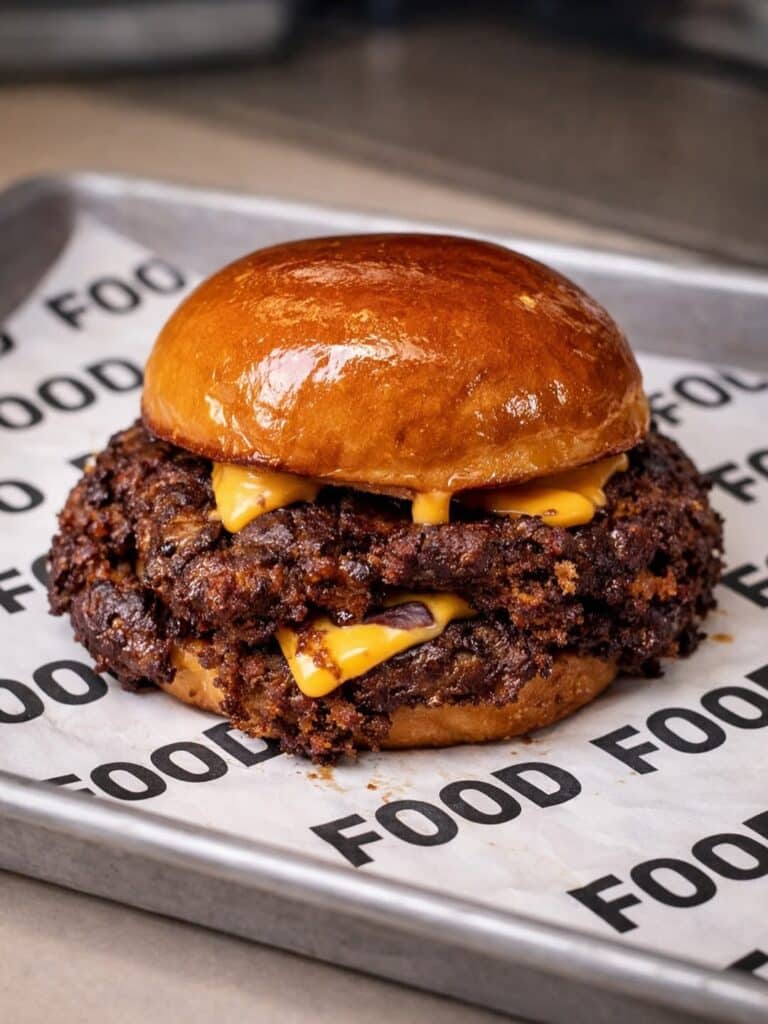
1. The Brined and Seared Smash Burger
Forget those monster, two-pound patties that are raw in the middle and charred on the outside.
The ultimate cookout burger is about surface area and the Maillard reaction. We’re talking about an 80/20 ground chuck blend – the 20% fat is non-negotiable because fat is flavor, and moisture is its byproduct.
The “pro move” here is the cold-brine.
Season your meat just before it hits the heat to keep the proteins from toughening up. When you smash that patty onto a screaming hot cast-iron griddle or grill plate, you are creating a jagged, crispy crust that traps the juices.
Top it with a slice of high-melt American cheese (yes, the “plastic” kind – science hasn’t found a better melter yet) and put it on a toasted brioche bun.
If your bun isn’t toasted, you’re essentially serving a sandwich on a wet sponge, and we’re better than that.
How to make
- Ingredients: 80/20 ground chuck, American cheese, brioche buns, salt.
- The Move: Form loose 3oz balls of meat. Lightly sprinkle with salt. Place on a screaming hot cast-iron surface. Smash flat with a heavy spatula until thin with jagged edges.
- Finish: Cook for 2 minutes until a deep crust forms. Flip, add cheese immediately, and place on a toasted bun once melted.
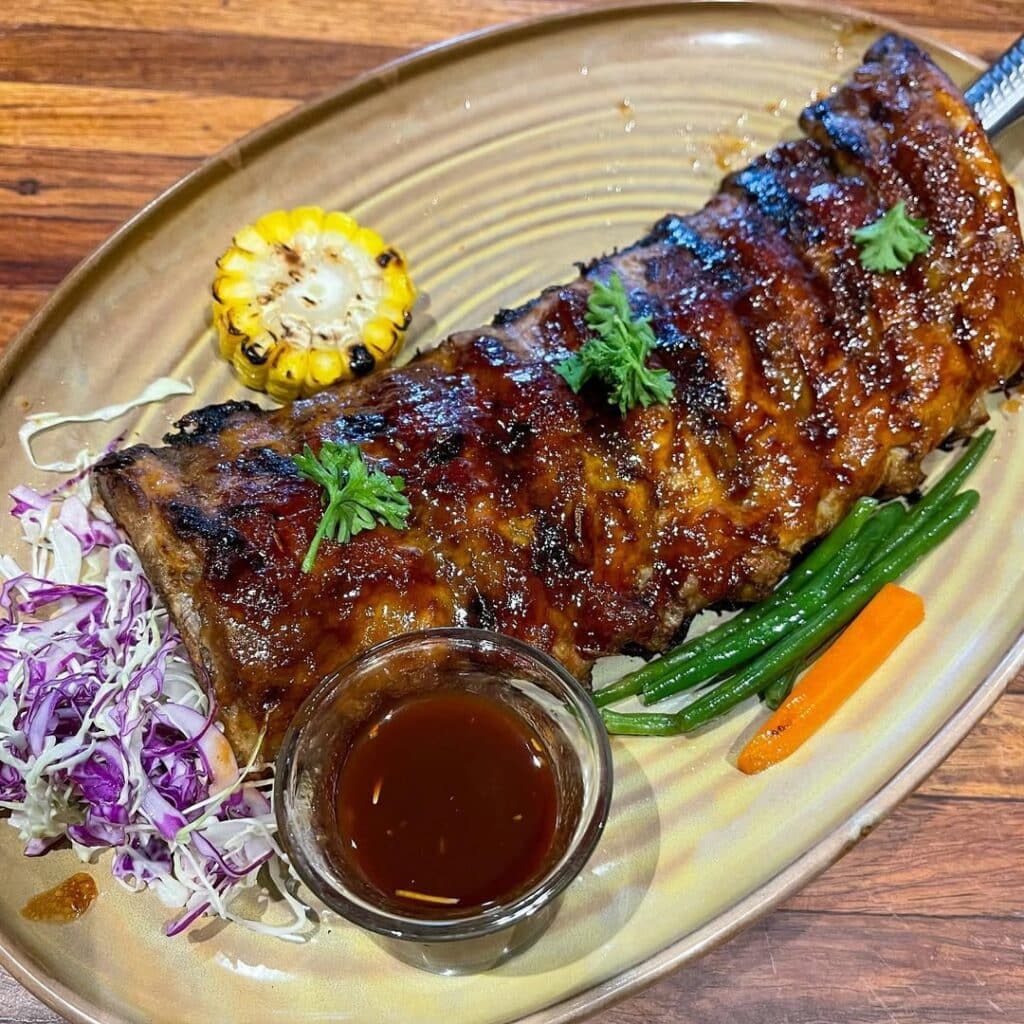
2. Low-and-Slow Baby Back Ribs
Ribs are the crown jewel of the backyard bucket list.
If you serve ribs that fall off the bone the moment you touch them, you’ve actually overcooked them. A true pitmaster looks for “the bite” – where the meat pulls cleanly away from the bone but retains its structural integrity.
Start by removing the silverskin membrane from the back; it’s like trying to eat a delicious rib through a layer of packing tape. Use a dry rub with a heavy hit of brown sugar, smoked paprika, and mustard powder.
The secret is the “3-2-1 method” (three hours smoked, two hours wrapped in foil with a splash of apple juice, and one hour glazed). It’s foolproof, it’s tender, and it produces a smoke ring so pink it’ll make your neighbors weep with envy.
How to make
- Ingredients: Baby back ribs, dry rub (brown sugar, smoked paprika, mustard powder), apple juice, BBQ sauce.
- The Move: Remove the silverskin. Apply rub. Smoke at 225°F (107°C).
- The 3-2-1 Method: Smoke for 3 hours. Wrap in foil with a splash of apple juice for 2 hours. Unwrap, brush with sauce, and grill for 1 final hour to set the glaze.
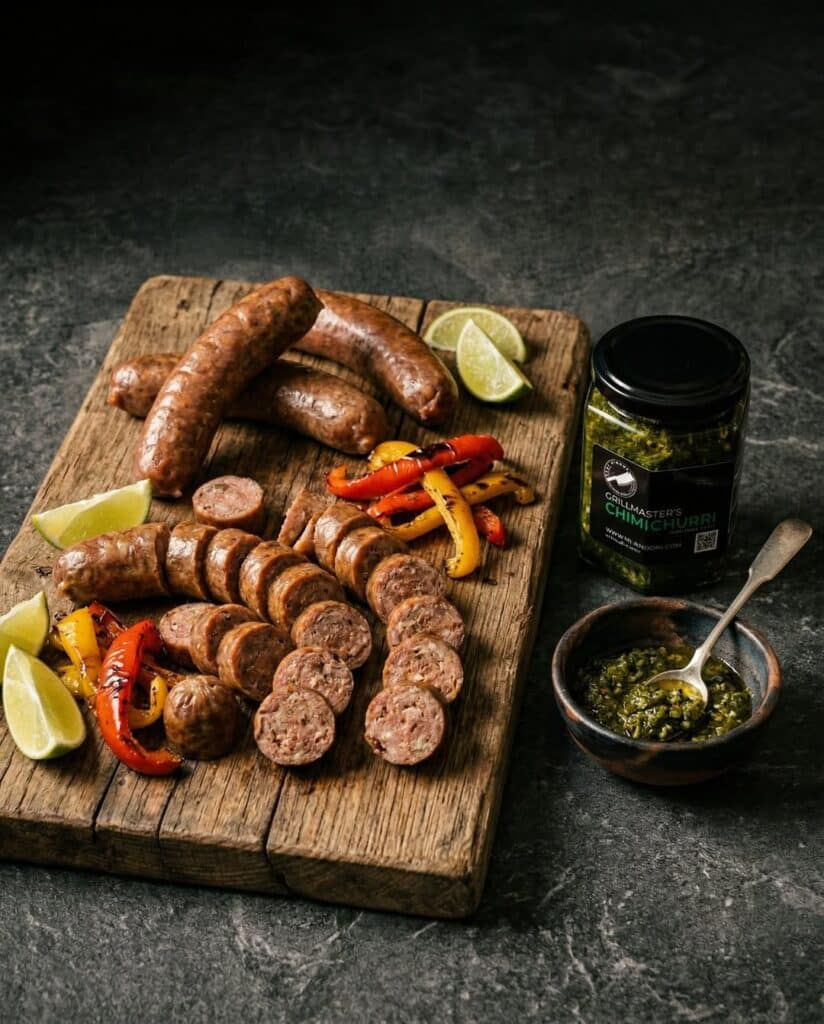
3. Gourmet Snap-Casing Sausages
The era of the “mystery meat” hot dog is over. If you’re putting it on your bucket list, it needs a natural casing. Why? Because that audible “snap” when you bite into it is the hallmark of a quality sausage.
Look for bratwursts or spicy Italians from a local butcher.
Instead of boiling them in water – which is essentially a flavor vacuum – simmer them in a pan of cheap lager and sliced onions right on the grill before giving them a final sear over the flames.
This infuses the casing with maltiness and ensures the inside is fully cooked while the outside gets those beautiful, charred grill marks.
How to make
- Ingredients: Natural casing bratwursts, 1 can lager, 1 sliced onion.
- The Move: Place a foil pan on the grill. Add beer and onions. Simmer sausages in the liquid for 10–15 minutes until cooked through.
- Finish: Move sausages directly onto the grates over high heat for 2 minutes to crisp the casing and get those char marks.
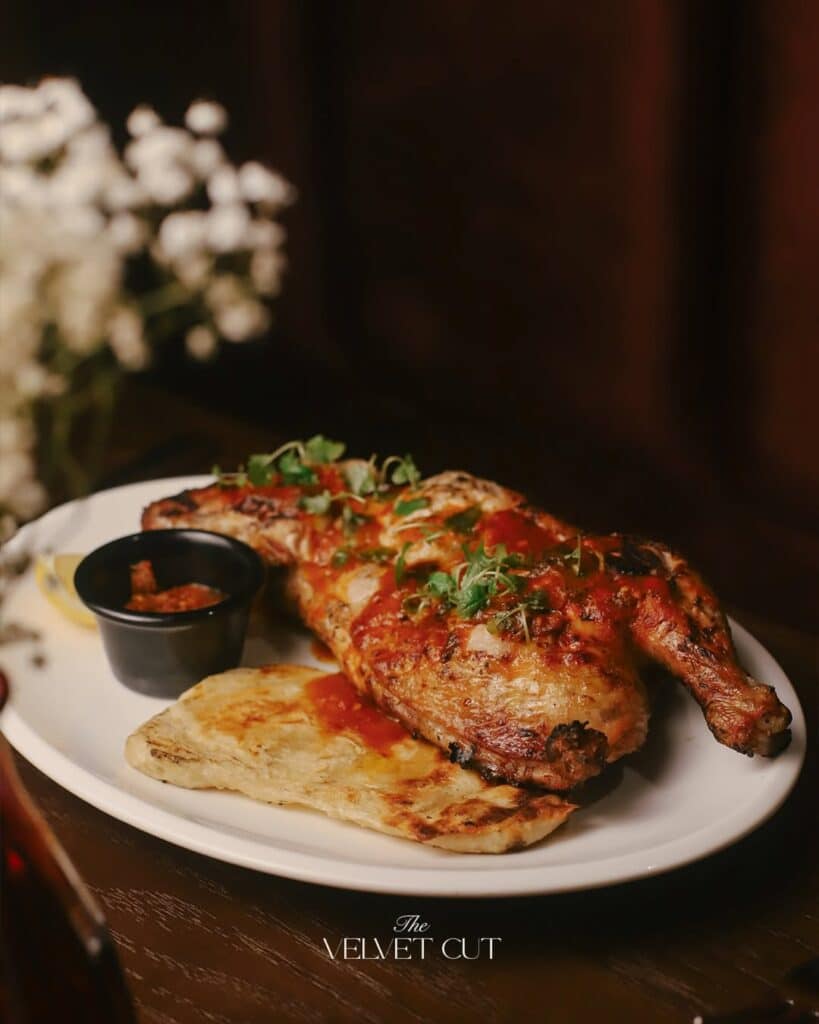
4. Flame-Kissed Chicken Thighs
Chicken breasts are the marathon runners of the poultry world: lean, tough, and prone to drying out the moment they get nervous. Chicken thighs, however, are the heroes of the cookout.
They are marbled with enough fat to survive the high heat of a grill without turning into wood chips.
The key here is skin-side down. Start them on the indirect side of the grill to render the fat, then move them over the coals to crisp the skin until it sounds like a potato chip when you poke it.
A simple lemon, garlic, and rosemary marinade is all you need. It’s bright, it’s acidic, and it cuts right through the richness of the dark meat.
How to make
- Ingredients: Bone-in, skin-on thighs, lemon juice, garlic, rosemary, olive oil.
- The Move: Marinate for at least 1 hour. Start skin-side down on the indirect (cool) side of the grill to render fat.
- Finish: Once the internal temp hits 155°F (68°C), move to the direct heat side. Press down to sear the skin until it’s potato-chip crispy (approx. 175°F (79°C) internal).
The Signature Sides: Starches and Veggies
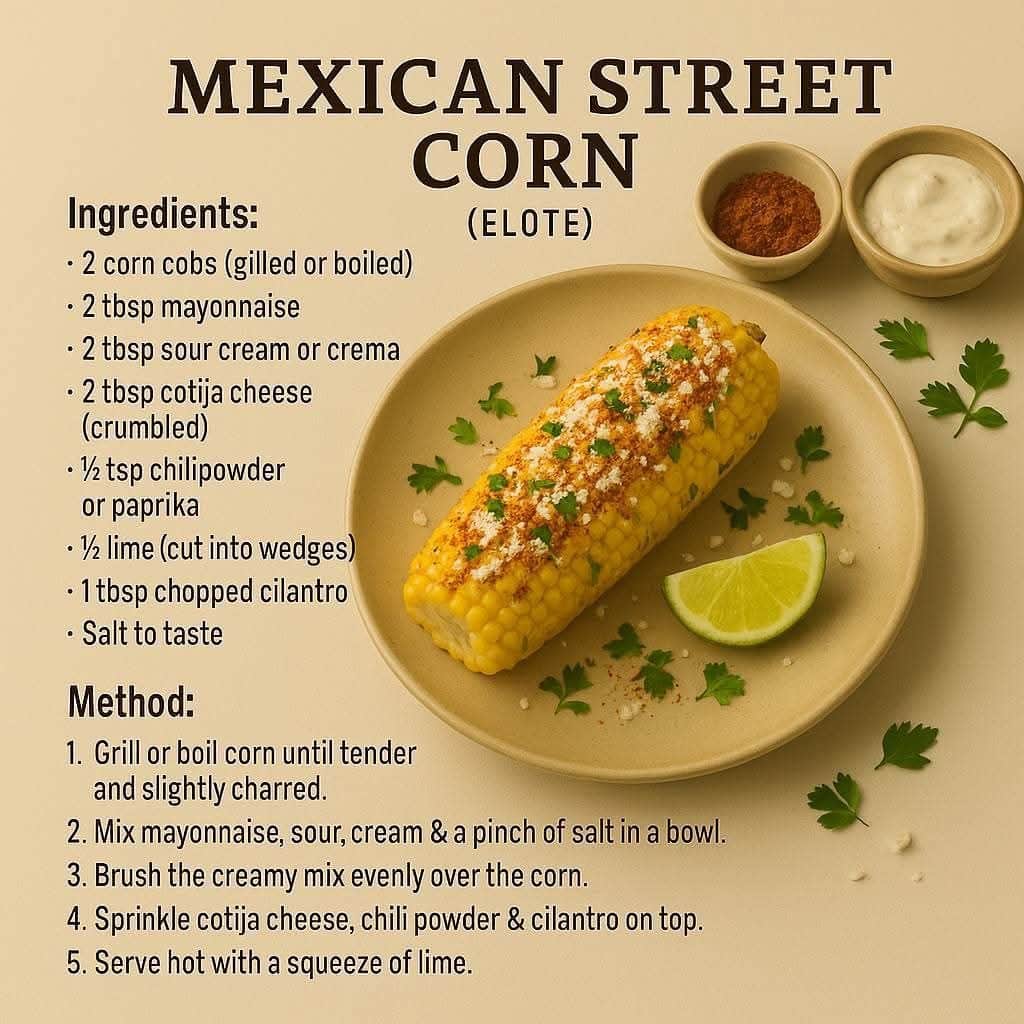
5. Street Corn (Elote)
If you are still serving plain corn on the cob with a little salt, you are leaving joy on the table.
Elote is the ultimate handheld vegetable. You want to grill the corn in the husk first to steam it, then peel back the layers and char the kernels directly over the fire.
Once blackened in spots, slather them in a mixture of crema (or mayo), lime juice, chili powder, and a literal mountain of cotija cheese. It’s messy, it’s vibrant, and it’s a flavor profile that hits every single taste bud at once.
It’s essentially a party on a stick.
How to make
- Ingredients: Corn on the cob, Mexican crema, lime, chili powder, Cotija cheese.
- The Move: Grill corn in husks for 10 mins. Peel back husks and char kernels over open flame.
- Finish: Slather with crema, squeeze lime, and roll in a thick layer of Cotija and chili powder.
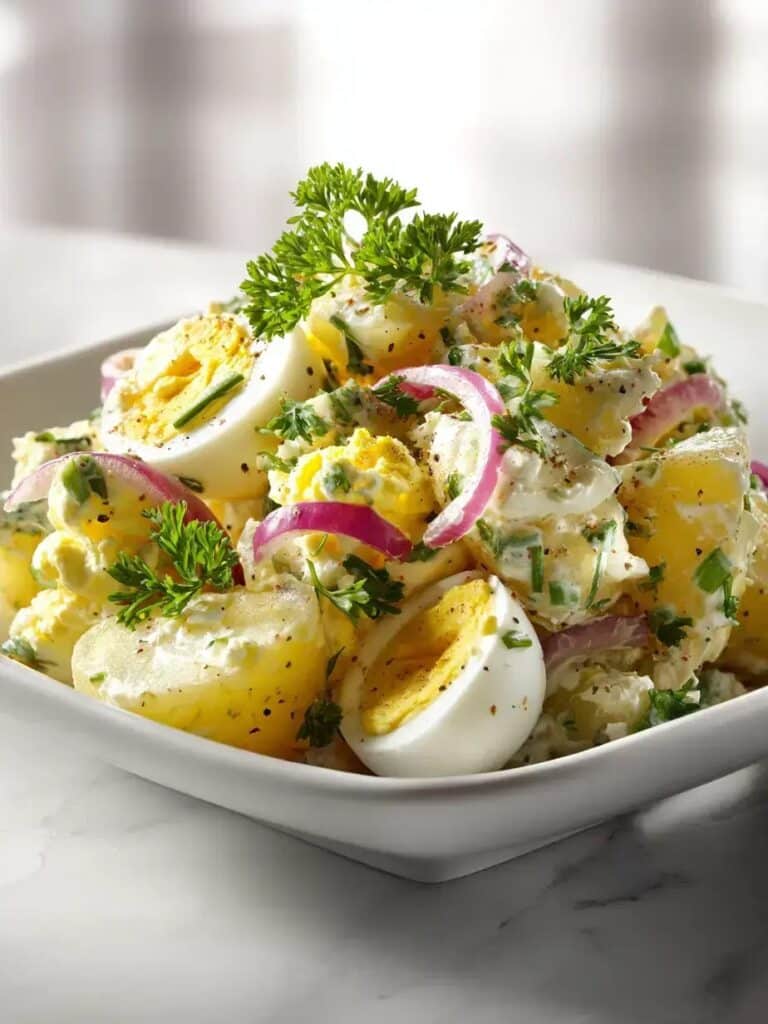
6. The “Secret Ingredient” Potato Salad
Most store-bought potato salads are just mayonnaise with a side of regret. To make it bucket-list worthy, use red-skinned potatoes and boil them in heavily salted water until they are just tender – not mushy.
The secret? While the potatoes are still warm, splash them with a tablespoon of apple cider vinegar. The warm starches soak up the acidity, giving the salad a depth that mayo alone can’t provide.
Mix in fresh dill, celery for crunch, and a hard-boiled egg if you’re feeling traditional. It stays bright, tangy, and actually tastes like a vegetable.
How to make
- Ingredients: Red-skinned potatoes, apple cider vinegar, mayo, fresh dill, celery.
- The Move: Boil potatoes in heavily salted water. While hot, drain and splash with 1–2 tbsp of vinegar.
- Finish: Once cooled, fold in mayo, dill, and celery. The vinegar soak is the game-changer.
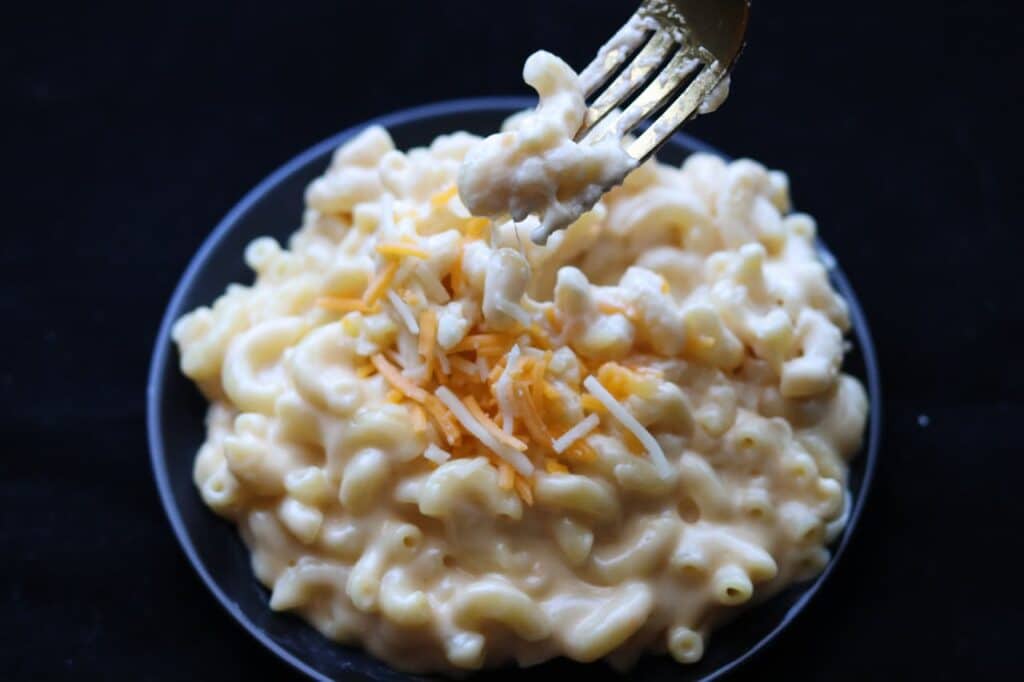
7. Smoked Macaroni and Cheese
You’ve already got the grill going, so why bake your mac in the oven? Using a cast-iron skillet, prepare a classic stovetop mac with a sharp cheddar and Gruyère base.
Then, place the whole skillet on the grill, away from the direct heat.
The cheese sauce acts as a magnet for the wood smoke. Throw a handful of panko breadcrumbs mixed with melted butter on top, close the lid, and let it develop a smoky, golden crust.
It’s the comfort food you know, but with a sophisticated, campfire edge that changes the game entirely.
How to make
- Ingredients: Cooked macaroni, sharp cheddar, Gruyère, milk/butter roux, panko crumbs.
- The Move: Make your cheese sauce on the stove and fold in pasta. Pour into a cast-iron skillet.
- Finish: Top with buttered panko. Place on the indirect side of the grill at 300°F (149°C) for 30 minutes to absorb the wood smoke.
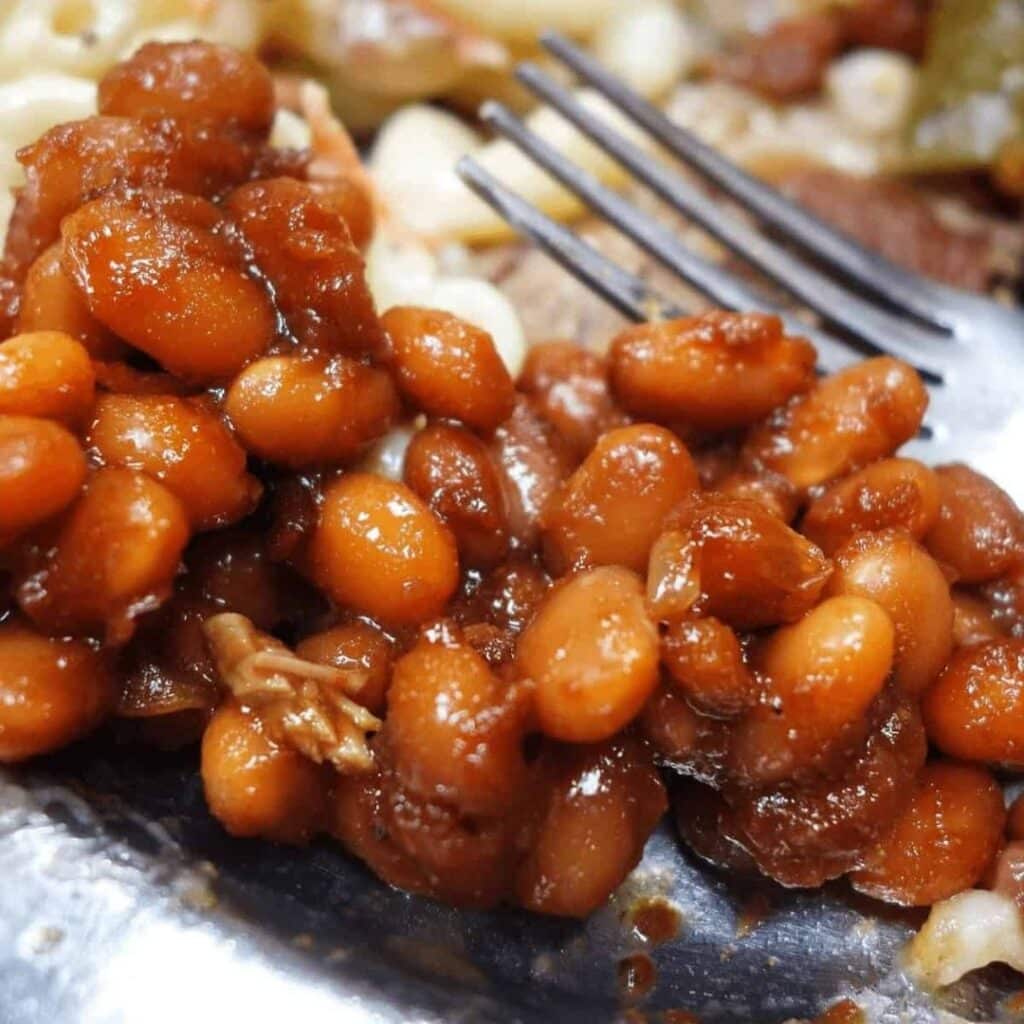
8. Cast-Iron Baked Beans
A proper side of beans should be thick enough to stand a spoon in.
Start with bacon – lots of it. Render the fat in a skillet, sauté some onions and bell peppers, and then add your beans with molasses, brown sugar, and a hit of Dijon mustard.
Let this simmer on the cool side of the grill for an hour. As the liquid reduces, the sugars caramelize, creating a sticky, savory sauce that is lightyears ahead of anything that comes out of a can.
If you really want to flex, stir in some of the burnt ends from your ribs.
How to make
- Ingredients: Canned navy beans, bacon, onion, bell pepper, molasses, Dijon mustard.
- The Move: Fry bacon in a skillet; sauté onions and peppers in the fat. Stir in beans, molasses, and mustard.
- Finish: Simmer on the cool side of the grill for 1 hour until thick and sticky.
Fresh and Bright: The Refreshers
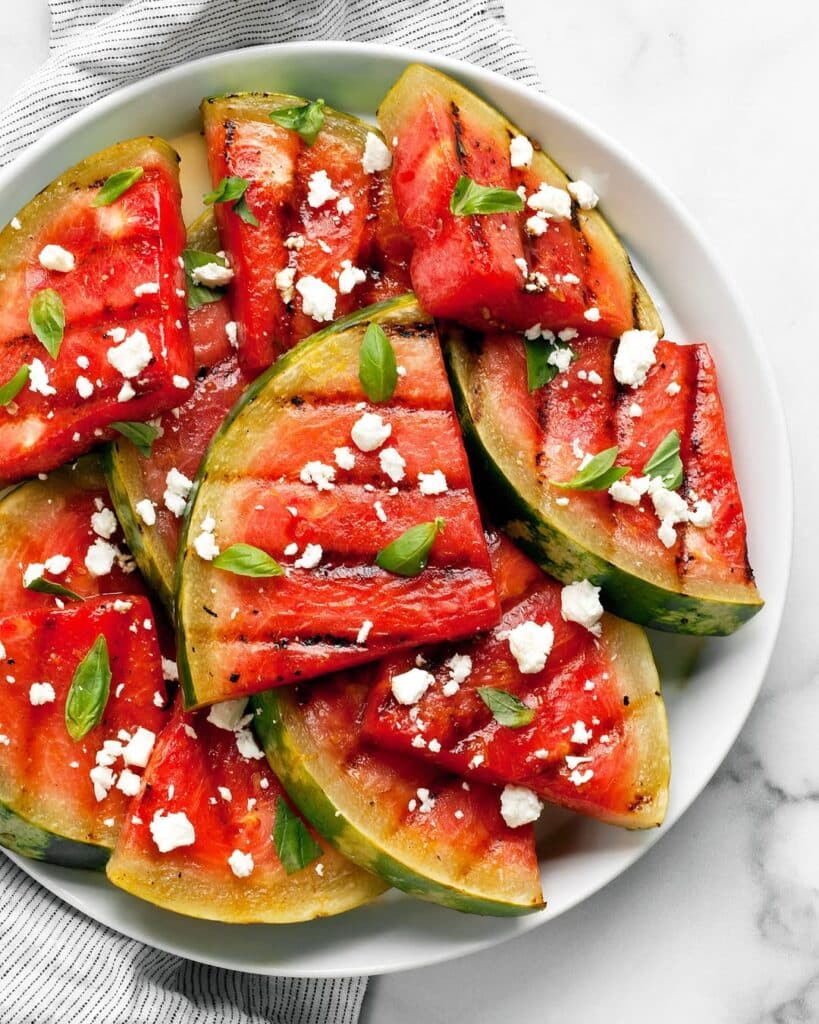
9. Grilled Watermelon and Feta Salad
This sounds like a “foodie” experiment gone wrong until you actually try it. When you put a thick slice of watermelon on a hot grill, the water evaporates and the sugars concentrate.
You end up with a texture that is almost like a tuna steak – dense and incredibly sweet.
Pair that warm, charred fruit with cold, salty feta cheese and fresh mint. It is the most refreshing thing you will eat all summer. It’s the perfect palate cleanser between the heavy ribs and the rich mac and cheese.
How to make
- Ingredients: Thick watermelon wedges, feta blocks, fresh mint, lime.
- The Move: Brush watermelon with a tiny bit of oil. Grill over high heat for 2 minutes per side until grill marks appear.
- Finish: Cube the warm melon, toss with cold crumbled feta and torn mint leaves.
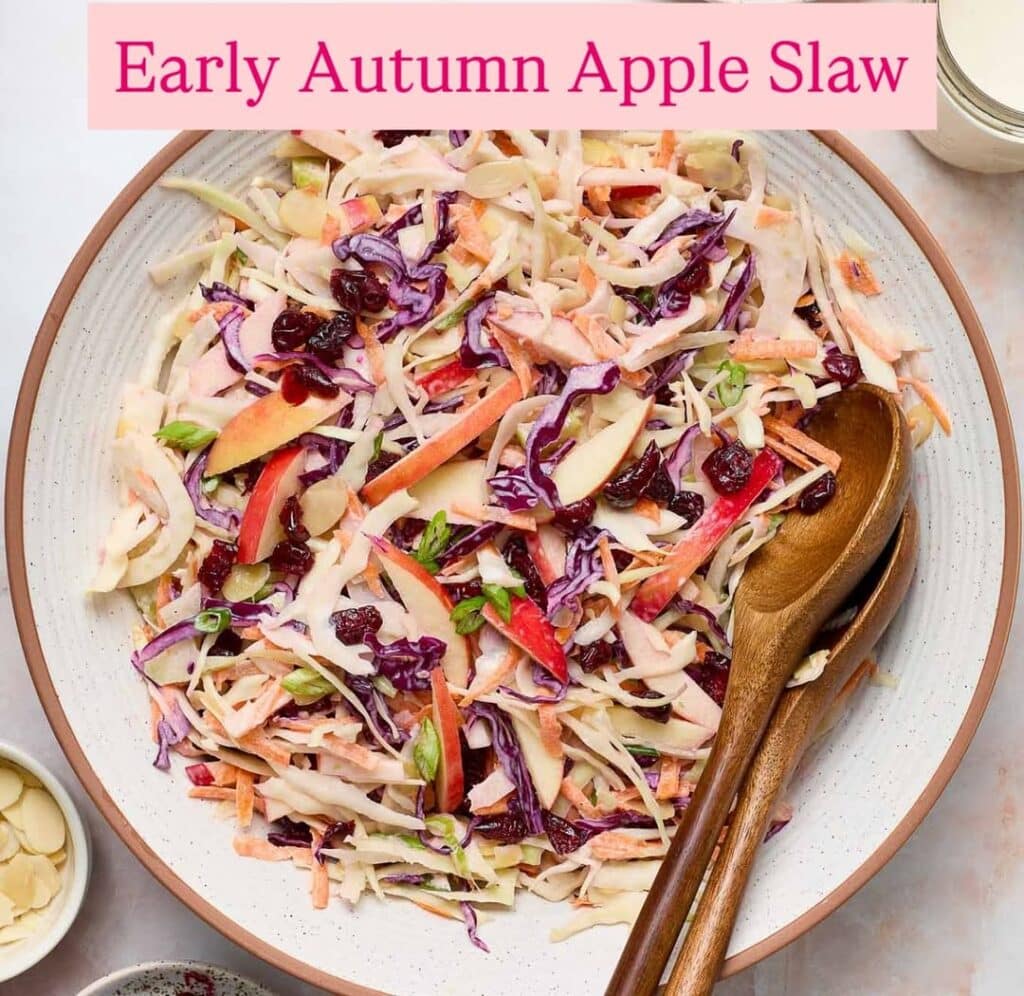
10. Vinegar-Based Apple Slaw
Mayonnaise has its place, but on a hot July afternoon, a mayo-heavy slaw can become… let’s say, “adventurous.” A vinegar-based slaw is safer and, frankly, tastier.
Shaved green cabbage, Granny Smith apples for tartness, and a dressing made of cider vinegar, honey, and celery seed.
It provides the crucial crunch and acidity needed to cut through the fat of the pork and beef. It’s the bright spark on the plate that keeps your palate from getting “flavor fatigue.”
How to make
- Ingredients: Shaved cabbage, julienned Granny Smith apples, apple cider vinegar, honey, celery seed.
- The Move: Whisk vinegar, honey, and seeds. Toss with cabbage and apples right before serving to maintain maximum crunch.
The Grand Finale: Sweets and Sips
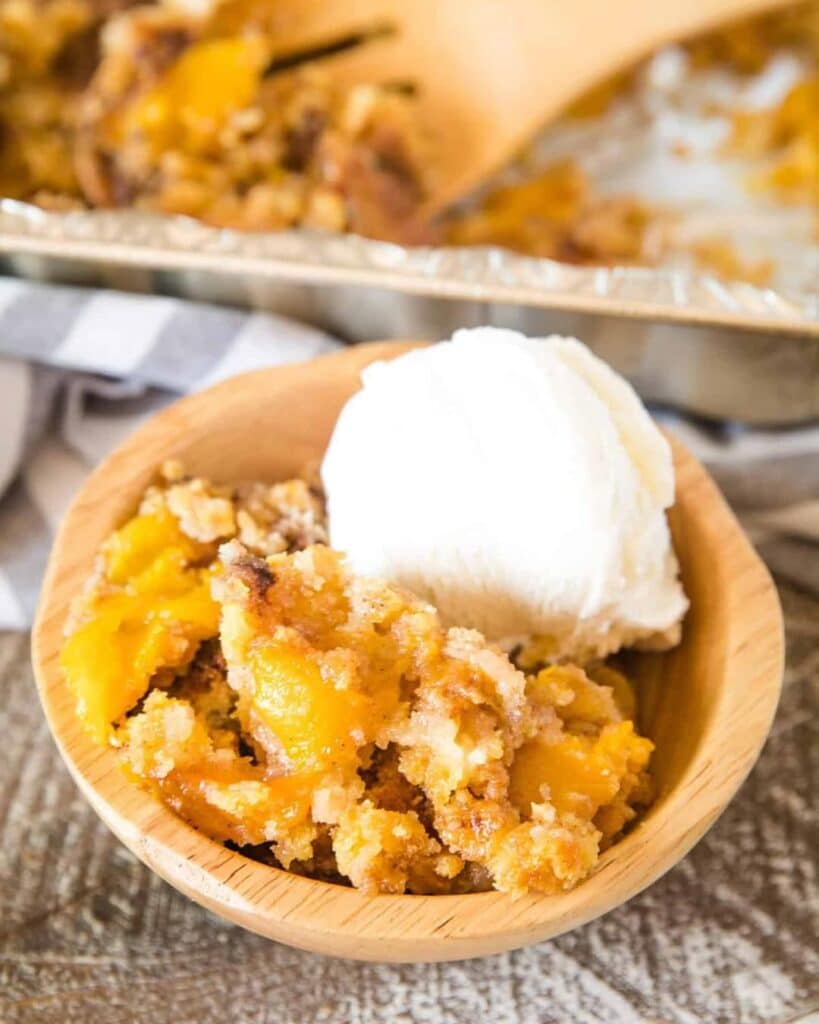
11. Smoked Peach Crumble
As the fire dies down and the guests start looking for something sweet, don’t head inside to the oven. Halve some fresh peaches, brush them with honey, and grill them face-down until they have beautiful char marks.
Top them with a simple oat and cinnamon crumble and a massive scoop of vanilla bean ice cream. The heat of the peach melts the ice cream into a sort of “instant sauce” that mingles with the smoke.
It’s simple, rustic, and the perfect way to use the last of the grill’s energy.
How to make
- Ingredients: Fresh peaches, honey, oat/cinnamon crumble, vanilla ice cream.
- The Move: Halve and pit peaches. Brush with honey. Grill face-down until caramelized.
- Finish: Flip, fill the center with crumble, and grill for 5 more mins. Serve hot with a scoop of ice cream.

12. The Signature Smoked Pineapple Paloma
A bucket-list host doesn’t spend the whole night shaking individual cocktails. You batch it. A Paloma (tequila, grapefruit juice, lime, and soda) is already the perfect summer drink.
But if you grill the pineapple rings first and use them as a garnish – or even muddle a bit into the pitcher – you add a layer of complexity that people can’t quite pin down. It’s smoky, tart, and dangerously drinkable.
How to make
- Ingredients: Tequila, grapefruit juice, lime, club soda, pineapple rings.
- The Move: Grill pineapple rings until charred. Muddle one ring in your pitcher.
- Finish: Mix tequila, juices, and soda. Garnish each glass with a wedge of the grilled pineapple.
Expert Tips for Execution
To pull off the backyard bucket list, you have to master Two-Zone Grilling. This is the most important concept in outdoor cooking. Keep all your coals or burners on one side (the “hot zone”) and leave the other side empty (the “cool zone”).
This gives you an escape hatch.
If your chicken starts to flare up or your burgers are browning too fast, move them to the cool side and close the lid. You’re now “roasting” instead of “grilling,” giving you total control over the internal temperature.
Secondly, respect the rest. When meat comes off the heat, the fibers are tightened up like a fist. If you cut it immediately, all the juice runs out onto the board. Give your steaks and ribs ten minutes under a loose tent of foil.
The fibers will relax, reabsorbing those juices, ensuring that every bite is as moist as the last.
The Final Word
A cookout isn’t just a meal; it’s an act of service. It’s about creating an environment where the food is so good that the conversation flows effortlessly and the outside world disappears for a few hours.
By focusing on these twelve essentials – and the small techniques that make them shine – you aren’t just feeding people. You’re building a tradition.
So, fire up the pit, get your tongs ready, and start checking off the backyard bucket list. Your guests – and your stomach – will thank you.
Frequently Asked Questions
What is the “3-2-1 method” for ribs, and is it really foolproof?
The 3-2-1 method is a timing technique used to ensure ribs are tender and flavorful every time.
You smoke the ribs for 3 hours uncovered, wrap them in foil with a liquid (like apple juice or beer) for 2 hours to steam them into tenderness, and finally glaze them for 1 hour uncovered to set the sauce.
It is widely considered the safest way for beginners to achieve professional-grade results without the meat drying out.
Why do you recommend a vinegar-based slaw over a traditional mayo version?
While mayo-based slaw is a classic, vinegar-based slaws (often called “Carolina style”) offer two major advantages at a cookout. First, the acidity provides a necessary “cut” through the rich, fatty flavors of brisket, burgers, and ribs.
Second, it’s much safer for outdoor dining; vinegar doesn’t spoil in the sun as quickly as egg-based mayonnaise, making it the smarter choice for a long afternoon in the heat.
Is “resting” meat really that important, or can I eat right away?
If you want a juicy meal, resting is non-negotiable. When meat is over a flame, the muscle fibers contract and push moisture toward the center. If you cut it immediately, that moisture escapes onto your plate.
By letting it rest for 5–10 minutes, the fibers relax and redistribute the juices throughout the meat, ensuring every bite is tender.
What is the best way to prevent food from sticking to the grill?
The secret isn’t just oil; it’s heat and cleanliness. Always preheat your grill for at least 15 minutes and use a wire brush to scrape off leftover carbon.
Once the grates are hot, lightly oil them using a folded paper towel dipped in vegetable oil. Putting cold food on a cold, dirty grill is a guaranteed recipe for sticking.
How do I know when my burgers are done without cutting into them?
Invest in a digital instant-read thermometer. Cutting into a burger to check the color lets the juices escape, leaving you with a dry patty.
For a standard beef burger, aim for an internal temperature of 160°F (71°C) for a safe, well-done finish, or slightly lower if you trust your meat source and prefer a bit of pink.
Can I use these techniques on a gas grill, or do I need charcoal?
You can absolutely use a gas grill! While charcoal provides a traditional smoky flavor, a gas grill offers better temperature control.
To mimic the smoky taste on gas, you can use a smoker box filled with wood chips or simply wrap wood chips in a foil pouch with holes poked in it and place it over the burner.
Featured image credit: @billgrowsfood
