
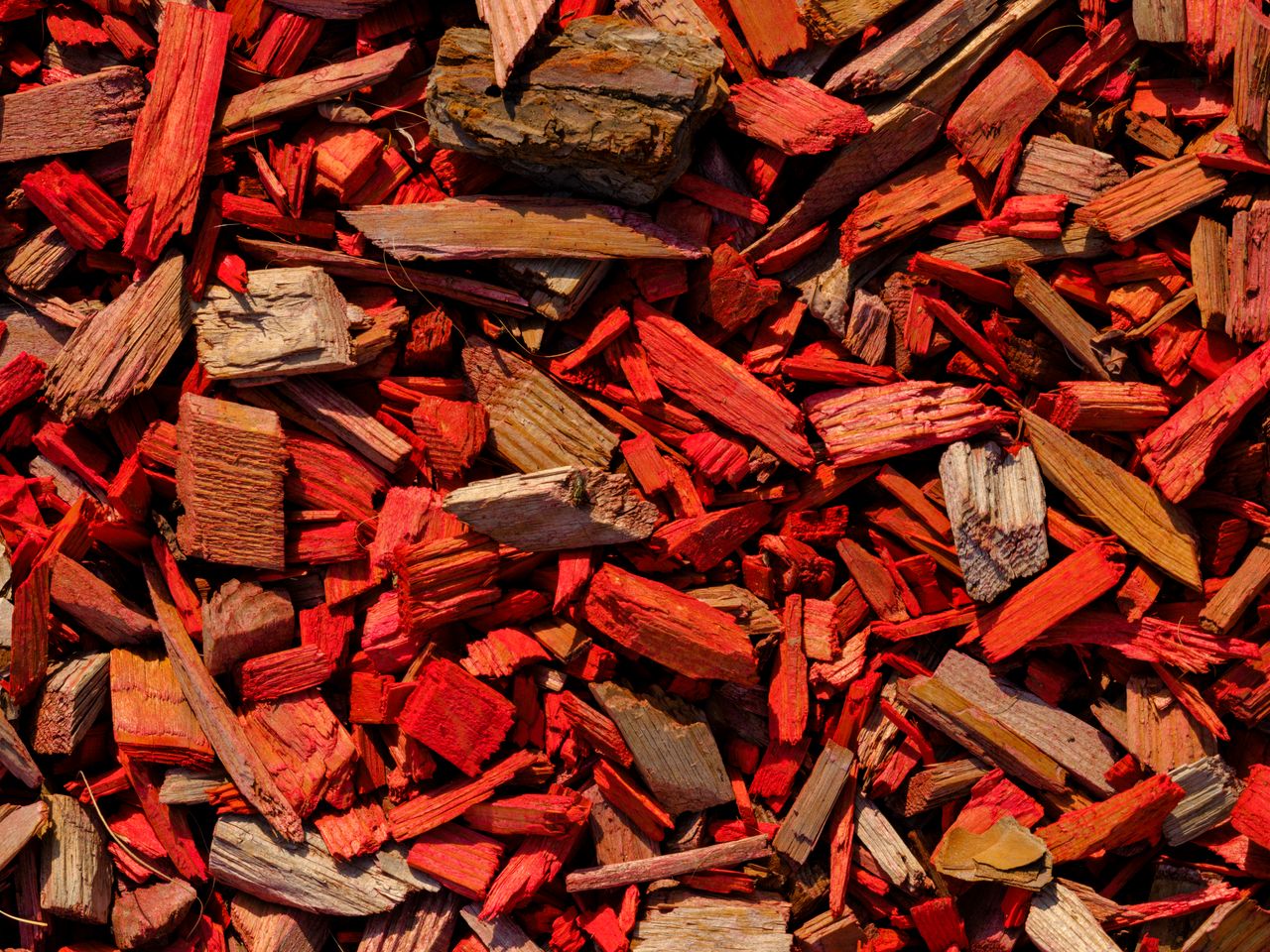
Standing over a raging pile of charcoal with a bucket of wet wood chips has become a foundational ritual for millions of backyard grillers.
For decades, the standard playbook for weekend cooks has dictated a mandatory thirty-minute bath for any wood bound for the flames.
It feels right, it feels intentional, and it looks like it works the absolute second those sodden chips hit the hot embers.
A massive, billowing cloud of white vapor instantly erupts from the cookbox, signaling to everyone in a three-block radius that serious barbecue is officially underway.
But this sensory explosion hides an uncomfortable truth that flies directly in the face of old-school barbecue gospel: soaking wood chips does not create more smoke.
The core conflict here pits longstanding backyard tradition against basic, unyielding laws of physics and thermodynamics. The conventional wisdom promises that wet wood burns slower, lasts longer, and delivers a deeper, richer flavor profile to your brisket, pork shoulder, or ribs.
The actual science, however, tells a completely different story. When you toss wet wood onto fire, you aren’t initiating an advanced chemical smoke cycle; you are merely forcing your grill to act as an expensive water boiler before it can ever start smoking.
Soaking wood chips creates steam, drastically delays the actual smoking process, and actively degrades the quality of your meat’s bark and final flavor profile.
Unraveling this myth requires looking past the surface level of backyard showmanship and diving deep into the cellular architecture of timber and the chemical reality of wood combustion.
This comprehensive analysis breaks down the thermodynamic numbers, investigates how wood handles water on a cellular level, and reveals exactly why the wet wood ritual is holding your backyard cooking back.
More importantly, it provides actionable, proven alternatives to achieve maximum, clean smoke flavor without the messy water bucket.
The Crux of the Issue
True smoking requires high-temperature chemical breakdown, while soaking merely traps your cooker in a low-temperature boiling phase. You cannot burn wood until you boil away every single drop of surface water first.
The Root of the Myth: Why Do People Do It?
Human beings trust their eyes, and the visual illusion generated by wet wood chips is incredibly compelling. When cold, saturated wood hits a bed of roaring coals, the immediate reaction is violent and theatrical.
A thick, white column shoots up into the sky. To the casual observer, this looks like an instantaneous explosion of intense wood flavor.
It is easy to see how early outdoor cooks equated this massive visual response with high-performance smoking. If smoke equals flavor, then a giant white cloud must mean a giant blast of delicious backyard goodness.
This visual cue naturally fed into the “slow burn” fallacy. The logic seemed perfectly sound on the surface: dry wood chips are small, fragile things that catch fire quickly and vanish into ash within minutes.
By soaking them in water, you theoretically create a shield of armor around the wood.
The theory states that waterlogged wood will stubbornly resist catching fire, causing the wood chips to smolder at a slower, more controlled rate over the course of an extended cooking session.
It sounds like an elegant way to extend the lifespan of your smoking fuel without constantly opening the grill lid to add more wood.
This well-intentioned theory was rapidly codified into law by corporate manufacturing and early barbecue literature.
For years, almost every commercial bag of wood chips sold in supermarkets featured explicit, bolded instructions on the back advising consumers to soak the contents for at least thirty minutes before use.
Early grilling cookbooks copied and pasted this advice without ever testing it in a controlled environment.
Once a practice becomes printed on the back of a corporate product bag, it ceases to be a mere suggestion and becomes an unquestioned commandment passed down through generations of backyard cooks.
The Science of Wood and Water
To understand why this ritual fails, you have to look closely at the tight, defensive design of hardwood.
Trees are not open sponges waiting to soak up liquid at the first opportunity; they are highly evolved structures designed to manage moisture via precise internal plumbing.
Hardwoods commonly used for smoking – such as hickory, mesquite, oak, and pecan – are incredibly dense and inherently hydrophobic once they have been properly seasoned and dried. The natural cellular walls and internal vessels of these woods are tightly packed.
Dropping a handful of wood chips into a bowl of water for an hour or two does not cause the liquid to penetrate the deep heartwood of the timber. Water simply cannot navigate that dense cellular maze in such a short window of time.
If you take a thick hickory chip that has been soaking for two full hours, pull it out of the water, and snap it clean in half, the reality becomes glaringly obvious. The interior core of the wood is completely, undeniably bone-dry.
The water has managed to cling only to the microscopic ridges on the absolute outer surface of the wood. You have not infused the timber with deep, lasting moisture; you have merely given it a temporary, superficial wet coat.
The vast majority of the chip remains completely unchanged by its bath, waiting to burn exactly like a dry piece of wood once that thin outer layer of water is eliminated.
This brings us to the critical phase change difference between steam and real smoke, a boundary governed by rigid thermodynamic laws. Water changes its physical state from liquid to vapor – turning into steam – at exactly 212ºF (100ºC).
Wood, on the other hand, refuses to even begin the process of thermal decomposition, known as pyrolysis, until it reaches temperatures between 450ºF and 500ºF (232ºC to 260ºC).
It is physically and chemically impossible for wood to combust and generate authentic, flavor-giving smoke while it is covered in liquid water.
The energy from your charcoal cannot raise the temperature of the wood past the boiling point of water until that water is completely gone.
Therefore, that impressive, towering white cloud billowing out of your grill is not delicious wood smoke at all; it is 100% pure water vapor mixed with ash.
The Thermal Gap
Water boils at 212ºF (100º). Wood smokes at 450ºF (232ºC+). As long as surface water is present, the temperature of the wood cannot rise to the smoking zone. You are cooking with a steam engine, not a smoker.
Reasons Soaking Wood Chips Actually Hurts Your BBQ
Reason 1: The Dramatic Ambient Temperature Drop
Maintaining a rock-solid, stable ambient temperature is the absolute golden rule of great low-and-slow barbecue.
When you dump a handful of cold, water-soaked wood chips directly onto a carefully managed bed of red-hot charcoal, you are essentially throwing a wet blanket over your primary heat source.
The energy from the coals is immediately diverted away from cooking your meat and forced into an aggressive battle to heat and evaporate the cold water coating the wood.
This creates a severe drop in the internal temperature of your cooker, forcing your charcoal setup to work twice as hard to recover.
For backyard cooks using smaller charcoal grills or bullet smokers, this temperature instability can trigger a frustrating rollercoaster ride of constantly adjusting air vents to stabilize the fire.
Reason 2: Prolonged Delays to Clean Smoke Production
Every minute your grill spends boiling off surface water is a minute wasted. Because wood cannot reach its smoking threshold until all surface water has completely evaporated, soaking creates a significant time lag before any actual smoke flavor is delivered to the food.
While those wet wood chips are sitting on the coals, sizzling and sputtering away, they are doing absolutely nothing to flavor your meat. You are burning through your primary charcoal fuel just to run an inefficient evaporation cycle.
By the time the surface water finally clears and the wood chunks actually heat up enough to smoke, you have missed a prime window of clean flavor absorption, stretching out your overall cooking time unnecessarily.
Reason 3: The Threat of Creosote and Acrid “Dirty Smoke”
The absolute worst consequence of wet wood is the production of dirty, destructive smoke. Great barbecue relies on “thin blue smoke” – a nearly invisible, sweet-smelling vapor that gently seasons the meat.
When wet wood smolders at low, choked-out temperatures because of surrounding moisture, it undergoes incomplete combustion. This produces a thick, stagnant, opaque white smoke that is loaded with heavy carbon compounds, soot, and creosote.
Creosote leaves a bitter, black, asphalt-like glaze over your food that smells like lighter fluid and creates an unpleasant, numbing sensation on the tongue.
Instead of a clean, appetizing mahogany bark, your meat winds up looking and tasting like it was pulled from a house fire.
What About Flavor Infusions? (Juice, Wine, Beer)
Another popular variation of the soaking myth involves swapping out plain water for flavorful liquids like apple juice, dark beer, red wine, or apple cider vinegar.
The theory sounds incredibly sophisticated at a backyard gathering: as the liquid heats up, it will supposedly carry the sweet sugars of the juice or the rich malt of the beer deep into the wood fibers, transferring those gourmet notes directly into the smoke profile.
It makes for fantastic theater, but from a scientific perspective, it is a complete waste of perfectly good beverages.
Because the internal cellular structure of hardwoods is hydrophobic and completely locked down, these alternative liquids are subject to the exact same limitations as plain water.
They stay strictly on the surface. When those sugar-laden liquids hit hot coals, the water content flashes off into steam instantly, leaving behind a concentrated residue of sugars and proteins directly on the hot outer face of the wood chip.
Instead of gently vaporizing into a pleasant fruit aroma, these sugars immediately burn, char, and turn acrid. Burning sugars produce a harsh, bitter, scorched aroma that actively battles against the natural, clean flavor of the wood.
For those determined to introduce secondary flavor profiles like apple, cherry, or beer into a cook, there are far more effective methods available.
Placing a dedicated water pan inside the smoker filled with your choice of beer, apple juice, and aromatics allows the liquid to evaporate gently, maintaining humidity inside the cookbox without choking your coals.
Alternatively, applying a targeted spritz or mop sauce directly onto the meat every forty-five minutes adds genuine flavor, moisture, and tackiness to the developing bark without ever compromising the combustion of your wood chips.
Pitmaster Pro Tip
Drink the beer, spritz the juice, and keep the wood bone-dry. Your palate, your wallet, and your guests will all thank you for it.
How to Use Wood Chips Correctly (For Maximum Smoke)
Achieving the perfect, slow, continuous release of clean smoke from dry wood chips requires smart oxygen management rather than moisture manipulation. Because chips have a high surface-area-to-mass ratio, they will catch fire quickly if exposed to wide-open air.
The goal is to restrict the amount of oxygen reaching the wood, forcing the dry timber to smolder slowly over a long period without ever erupting into an open, roaring flame. Several highly reliable methods accomplish this balance perfectly on any style of grill.
- The Aluminum Foil Pouch Method: Tear off a generous square of heavy-duty aluminum foil and place two large handfuls of completely dry wood chips right in the center. Fold the foil over tightly from all sides to create a neat, sealed pouch. Using a toothpick or the tip of a sharp knife, poke three or four small holes in the top of the packet. Place this pouch directly onto your hot charcoal or right over the flavorizer bars of your gas grill. The foil completely shields the wood from open flames while restricting oxygen entry. The dry chips inside will slowly roast and release a steady, beautiful stream of thin blue smoke for up to forty-five minutes, completely eliminating the need for soaking.
- The Dedicated Smoker Box Technique: Investing in a heavy-gauge stainless steel or solid cast iron smoker box is a major upgrade for gas and charcoal grillers alike. These rugged boxes are designed with solid, unvented bottoms and sides, featuring a series of precision-drilled holes along the top lid. You simply fill the box to the brim with dry wood chips, close the lid, and set it directly over your main heat source. The heavy metal walls absorb and distribute heat evenly, roasting the dry wood internally. Because oxygen can only enter through the top holes, the wood chips smolder cleanly and consistently without catching fire.
- The Controlled Staggered Approach: For those who prefer tossing wood chips directly onto charcoal without any extra accessories, the key is pacing and moderation. Dumping a massive pile of dry chips all at once will choke the fire or cause a brief, massive flare-up. Instead, add small, controlled handfuls of dry chips – roughly half a cup at a time – directly to the flanks of your hot coals every twenty to thirty minutes. This creates a steady, rolling cycle of clean smoke production without causing wild temperature swings or overwhelming the cooking chamber with dirty air.
- Upgrading to Wood Chunks: When moving away from quick, hot grilling sessions and transitioning into long, multi-hour cooks like briskets or pork shoulders, it is often best to step away from wood chips entirely. Wood chunks – fist-sized blocks of seasoned hardwood – are perfectly suited for long-haul cooking. A solid, dry wood chunk has the mass required to sit directly on hot charcoal and smolder cleanly for hours at a time without needing foil pouches or smoker boxes. Mixing two or three dry chunks into your charcoal setup provides a rock-solid, hands-off smoke source that lasts for hours.
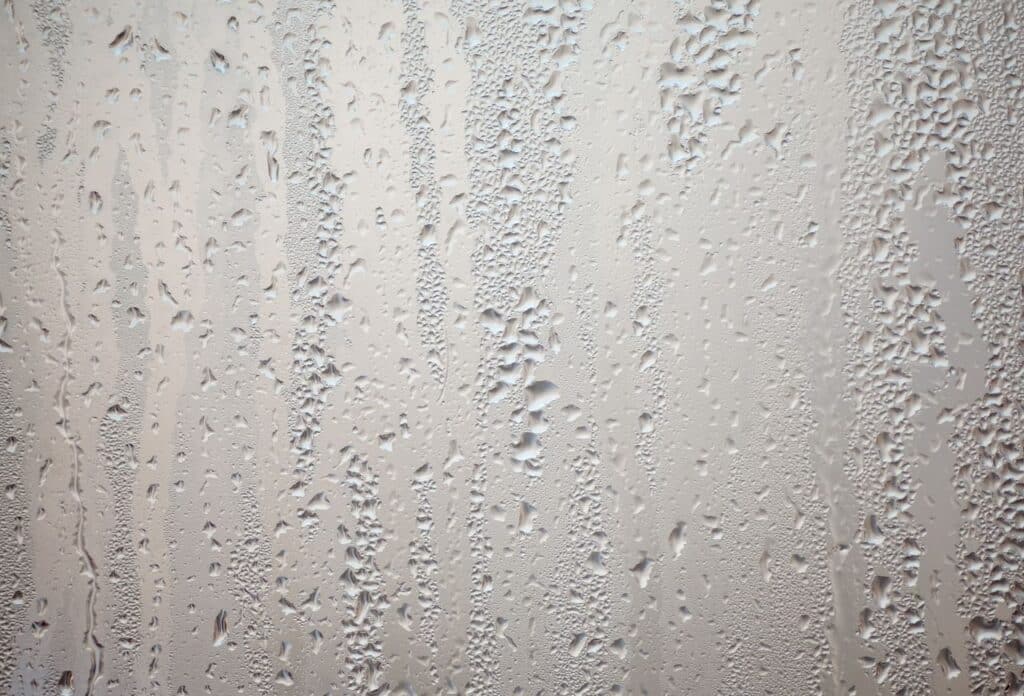
Why Water Vapor is Ruining Your BBQ Science
When the scientific data and thermodynamic realities are laid out plainly, the final verdict is absolute and undeniable: the myth of soaking wood chips is officially busted.
Tossing wet wood into a fire produces nothing more than a temporary burst of water vapor, erratic temperature spikes inside your cooking chamber, and a dangerous window for bitter creosote to ruin your food.
It is an outdated backyard habit that actively works against the chemistry of great, authentic wood combustion.
The path forward to superior barbecue is built on embracing dry wood, controlling your oxygen flow, and letting proper thermodynamics do the heavy lifting. Leave the water bucket in the shed during your next cook.
Keep your wood chips bone-dry, wrap them in a smart foil pouch, or drop them cleanly into a heavy smoker box.
You will be rewarded with a steady, beautiful stream of thin blue smoke, rock-solid temperature stability, and a clean, delicious, competition-worthy flavor profile that proves science always beats superstition at the grill.
Frequently Asked Questions
Q: Doesn’t soaking wood chips make them last longer and produce more smoke?
A: No. What looks like a lot of smoke at first is actually just water vapor (steam). Until that water completely evaporates, the wood cannot reach the high temperature required for true combustion.
Soaking doesn’t make the wood last longer; it just delays the actual smoking process and lowers your grill’s temperature.
Q: Why is white steam from wet wood bad for my barbecue?
A: When wet wood drops your cooking temperature, it creates an inefficient, smoldering fire. This poor combustion produces creosote – a thick, bitter, black substance that settles on your meat.
True barbecue flavor comes from “thin blue smoke,” which only happens when bone-dry wood burns cleanly at a high, stable temperature.
Q: If I don’t soak them, won’t dry wood chips just catch fire and burn up immediately?
A: They can if they get too much oxygen, but the solution isn’t water – it’s airflow control. Instead of dumping loose chips directly onto hot coals, wrap your dry chips in a foil pouch with a few small holes poked in it, or place them inside a heavy metal smoker box.
This restricts the oxygen, allowing the dry wood to smolder beautifully without bursting into flames.
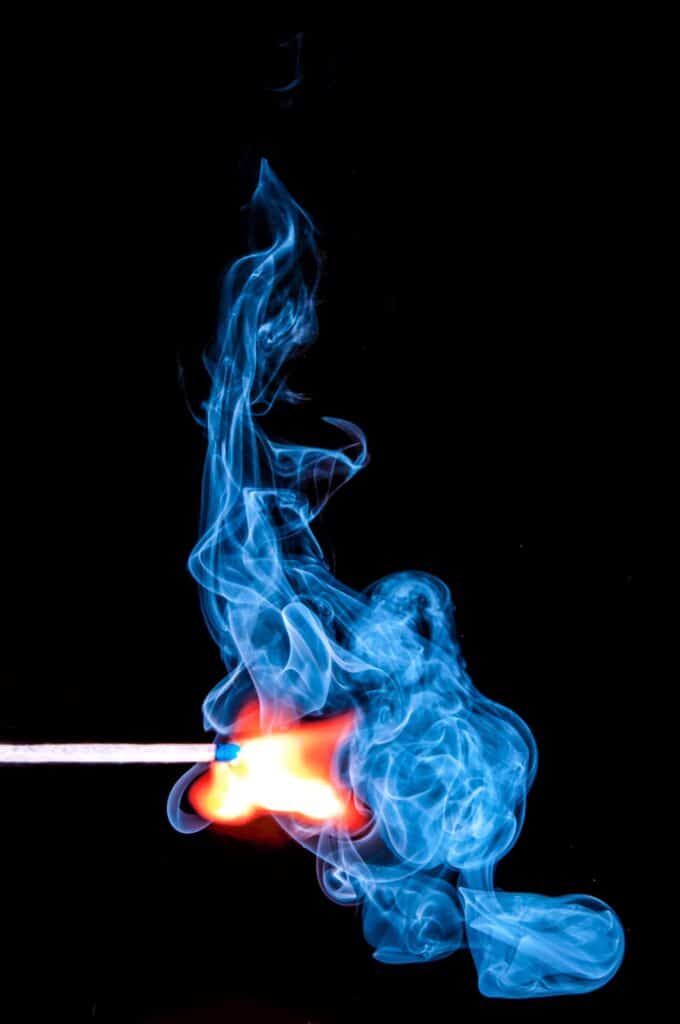
Q: What is “thin blue smoke” and why is it the goal?
A: Thin blue smoke is the holy grail of outdoor cooking. It is nearly invisible with a faint bluish tint, and it indicates perfect, clean wood combustion.
This type of smoke deposits sweet, subtle, and complex flavor compounds onto your food, unlike the heavy, bitter white smoke produced by wet wood.
Q: Is there ever a time when I should use water while smoking?
A: Yes, but keep it in a water pan, never on the wood. A water pan placed inside your cooking chamber helps regulate ambient temperature and adds humidity to the air, which keeps your meat from drying out.
Keep your wood chips bone-dry, and let the water pan do the moisture work.
Featured image credit: Engin Akyurt
