
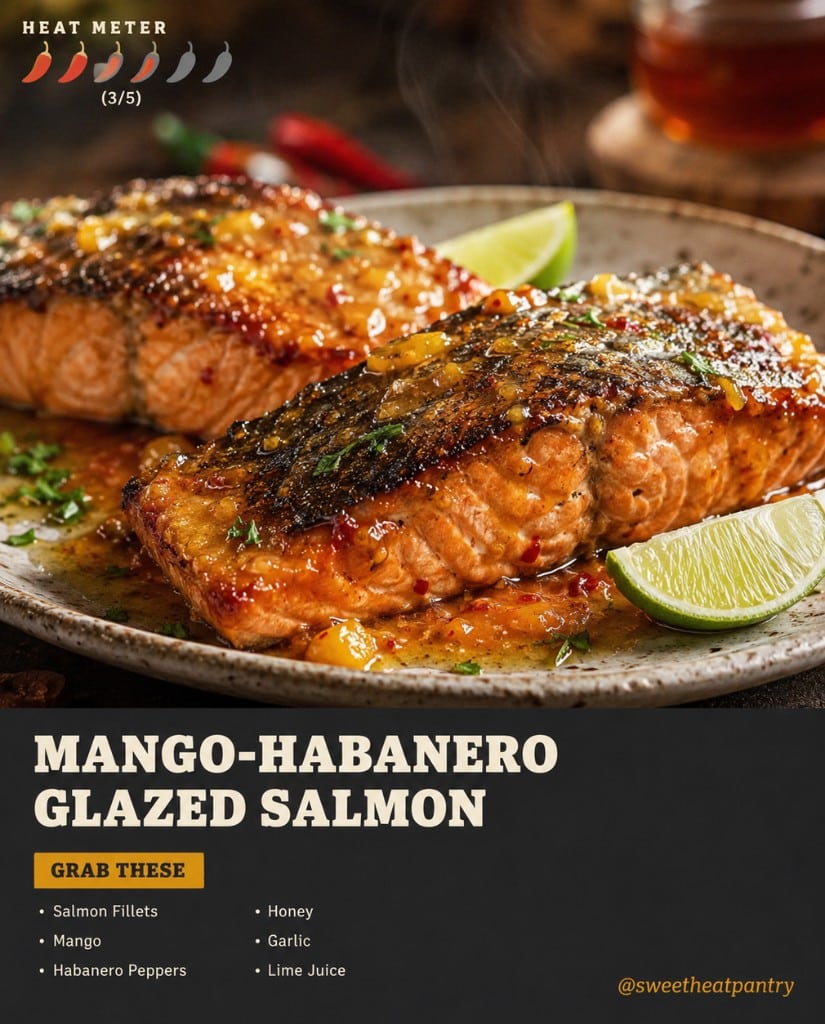
Who decided salmon had to wear a tuxedo every time it showed up for dinner?
A little mango, jalapeño, lime, and garlic can turn this familiar fish into something far more exciting.
This mango jalapeño glazed salmon brings together juicy tropical sweetness and a clean hit of heat, then finishes with a glossy glaze that practically begs to be chased around the plate with a fork.
The trick is balance. Mango brings the sweetness, lime keeps things bright, jalapeño adds a lively kick, and savory soy sauce keeps the glaze from wandering into dessert territory.
The result is sweet, spicy, tangy, and savory salmon that tastes restaurant-worthy without requiring restaurant-level gymnastics in the kitchen.
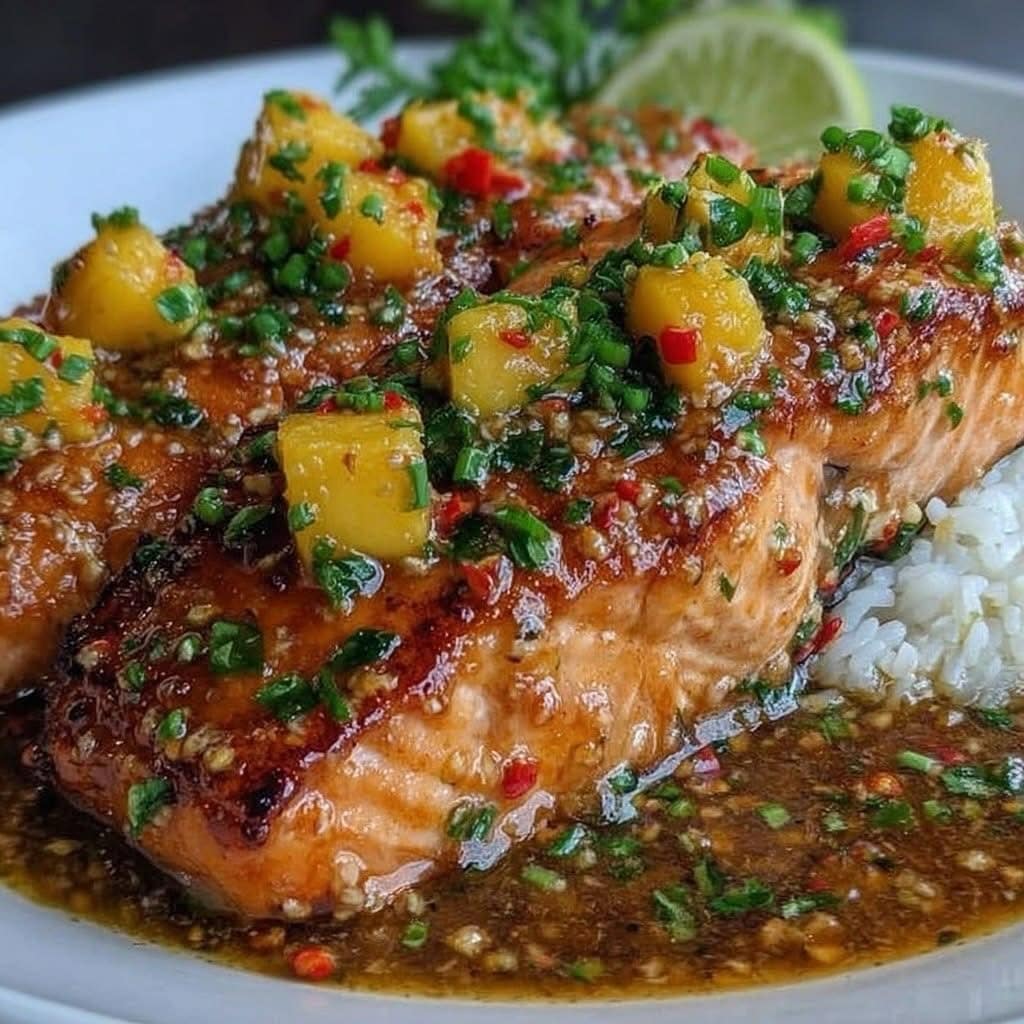
Why You’ll Love This Mango Jalapeño Glazed Salmon
Good salmon doesn’t need a complicated supporting cast. What it needs is a glaze with enough personality to complement the fish without burying its natural flavor.
This recipe works because every major ingredient has a job.
- Mango provides natural sweetness and a smooth, fruity base.
- Jalapeño brings fresh heat rather than a one-note burn.
- Lime juice cuts through the richness of the salmon.
- Garlic and soy sauce add savory depth.
- Honey or maple syrup helps the glaze become beautifully glossy as it cooks.
The combination creates a flavor profile that feels fresh and modern. Better yet, the recipe comes together quickly enough for a weeknight dinner.
And here’s an important cooking lesson: sweet glazes need respect.
Sugar can go from beautifully caramelized to suspiciously black in a hurry. Keep the heat controlled, and you’ll get that sticky, lacquered finish instead of a glaze that looks like it lost an argument with the broiler.
Choosing the Right Cut: Salmon Fillet vs. Whole Side
Not all salmon pieces behave the same under a high-sugar glaze. Choosing the right cut depends on your cooking style and occasion:
- Center-Cut Fillets: Best for quick weeknight meals because they cook evenly and allow the glaze to caramelize around all four edges.
- Whole Side of Salmon: Makes a stunning centerpiece for a crowd, though thin tail ends cook faster than the thick center section. Simply tuck the thin edge under itself to prevent it from drying out.
- Wild-Caught (King or Sockeye): Offers a robust, deeply rich flavor profile.
- Farmed Atlantic Salmon: Brings a higher fat content for an extra-forgiving, meltingly tender texture.
Mastering the Sear-and-Baste Cooking Technique
To achieve a lacquered, restaurant-quality crust without scorching the sugars, abandon the broiler and master the stovetop pan sear:
- Sear the Skin: Place un-glazed, seasoned salmon skin-side down in a hot cast-iron skillet to render the fat and achieve ultra-crispy skin.
- Glaze at the End: Flip the fillets gently and brush the mango jalapeño glaze over the top during the final two minutes of cooking.
- Baste Continuously: Use a spoon to repeatedly baste the fish with rendered pan juices and glaze as it bubbles.
This technique coats the flesh in a glossy, caramelized shell while keeping the interior moist and tender rather than aggressively blasted with direct flame.
Repurposing Leftovers for Cold Salmon Tacos
Never reheat leftover glazed fish in the microwave – high heat breaks down the fats and turns the fish rubbery. Instead, flake the salmon into bite-sized chunks and serve it chilled or at room temperature:
- Crispy Cold Salmon Tacos: Pile the flaked salmon into warmed corn tortillas, then top with crunchy cabbage and radish slaw, fresh cilantro, and a drizzle of creamy chipotle lime crema.
- Protein-Packed Lunch Bowl: Toss the cold salmon over a bed of crisp romaine and quinoa to complement the lingering mango sweetness and breathe whole new life into yesterday’s dinner.
Tips for the Best Sweet Heat
The difference between good glazed salmon and great glazed salmon often comes down to a handful of small details.
1. Pat the salmon dry.
Moisture on the surface can interfere with browning. A quick pat with paper towels helps the fish sear or roast more effectively.
2. Taste the glaze before cooking.
This is your chance to adjust the balance. Want more brightness? Add lime. Too spicy? Add a little more mango or honey. Need more savory depth? A small splash of soy sauce can help.
3. Don’t drown the salmon in glaze.
Apply enough to coat the surface generously, but save some for finishing. This gives you a fresher layer of mango-jalapeño flavor at the table.
4. Watch the heat.
Because the glaze contains natural and added sugars, it can burn faster than the salmon cooks. Moderate heat is your friend.
5. Don’t overcook the fish.
Salmon should be tender and moist, not dry and flaky enough to qualify as construction material. Cook it just until it reaches your preferred doneness.
What to Serve With Mango Jalapeño Salmon
Because the glaze is bold, the best side dishes are simple and fresh.
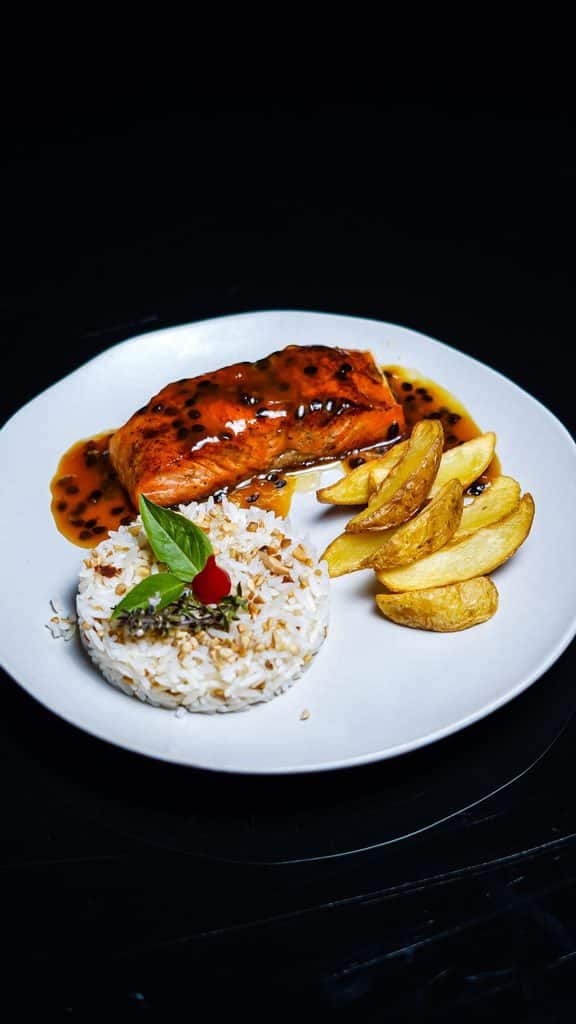
Coconut rice is an excellent match because its mild richness softens the jalapeño heat. Steamed jasmine rice works beautifully, too, especially when you want something that can soak up every drop of glaze.
For vegetables, try roasted asparagus, green beans, broccoli, or a crisp avocado salad. A simple salad with cucumber and lime can also bring a refreshing contrast to the warm, sticky salmon.
For a complete dinner, think tender salmon + fluffy rice + crisp vegetables + extra lime. That’s a plate with plenty of flavor without making the meal feel heavy.
Recipe Variations
The basic recipe is easy to customize without losing its character.
For extra heat, add another jalapeño or a pinch of red pepper flakes. For a milder version, remove the seeds and use less jalapeño.
Want a stronger citrus note? Add a little fresh lime zest to the glaze. For more herbal freshness, finish the salmon with chopped cilantro or fresh mint.
You can also swap honey for maple syrup. The flavor changes slightly, but both provide the sweetness needed to balance the jalapeño and help the glaze develop its signature shine.
Final Thoughts
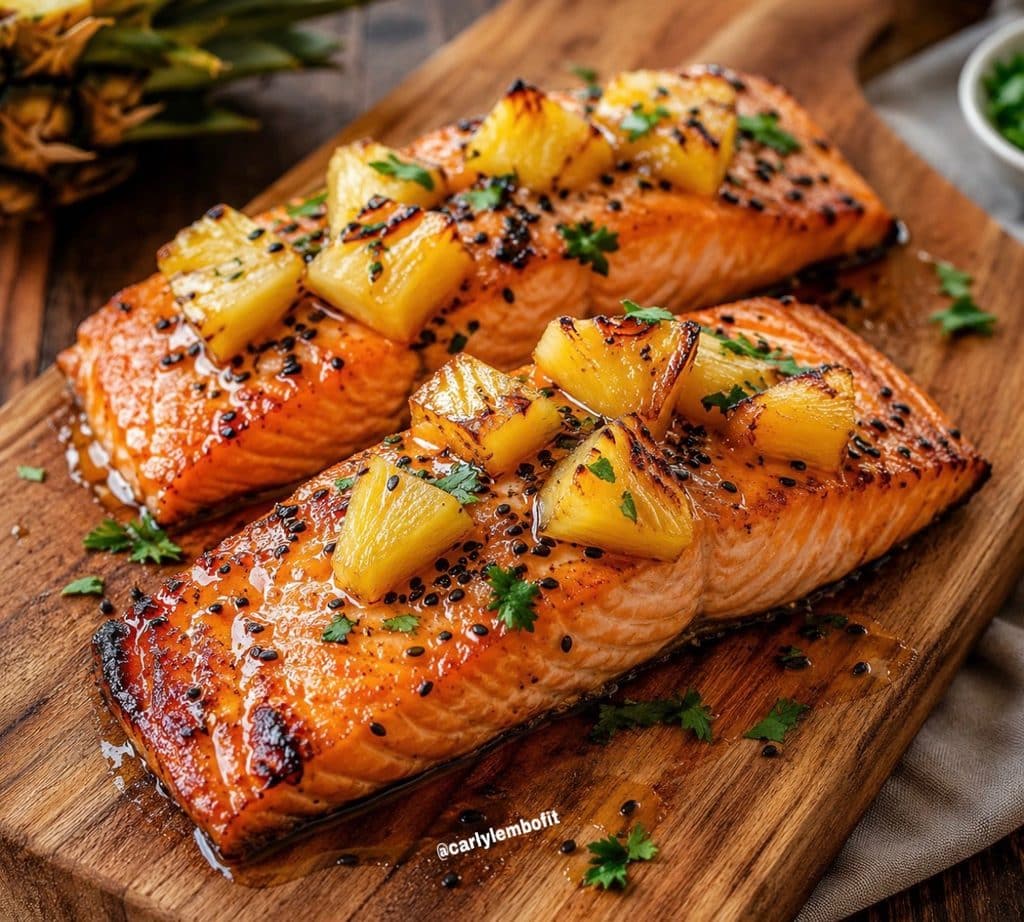
This mango jalapeño glazed salmon proves that dinner doesn’t need to be complicated to be memorable. The combination of sweet mango, fresh jalapeño, bright lime, savory soy, and tender salmon hits several flavor notes at once while keeping the preparation refreshingly simple.
The real secret is restraint: build a balanced glaze, control the heat, and let the salmon remain the star. Do that, and you’ll have a dinner that delivers sweet heat in every bite without turning the kitchen into a five-alarm situation.
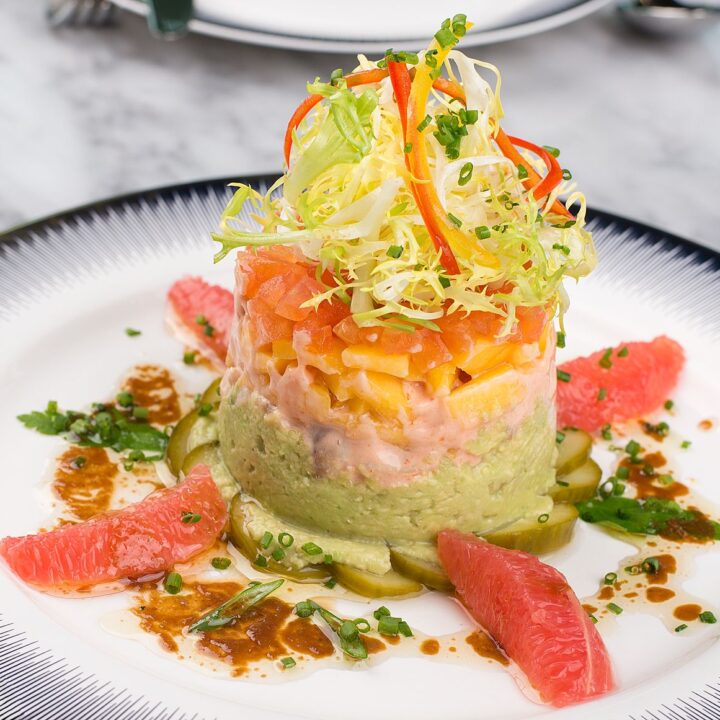
Mango Jalapeño Glazed Salmon Recipe
Image credit: Shameel mukkath
Ingredients
- For the salmon:
- 4 salmon fillets, about 6 ounces each
- 1 tablespoon olive oil
- ½ teaspoon salt
- ¼ teaspoon black pepper
- For the mango jalapeño glaze:
- 1 cup ripe mango, chopped, or mango purée
- 1 jalapeño, seeded for less heat and finely chopped
- 2 tablespoons honey or maple syrup
- 1 tablespoon soy sauce
- 1 tablespoon fresh lime juice
- 1 garlic clove, minced
- 1 teaspoon grated fresh ginger, optional
- ¼ teaspoon red pepper flakes, optional
- For finishing:
- Fresh lime wedges
- Thinly sliced jalapeño
- Chopped cilantro, optional
Instructions
1. Make the glaze.Add the mango, jalapeño, honey, soy sauce, lime juice, garlic, and ginger to a blender or food processor. Blend until mostly smooth. For a chunkier glaze, pulse briefly instead. Stir in the red pepper flakes if you're looking for additional heat.
Taste the glaze and adjust as needed. It should have a clear balance of sweet, tangy, savory, and spicy.
2. Prepare the salmon.Heat the oven to 400°F. Pat the salmon fillets dry with paper towels, then brush them lightly with olive oil. Season both sides with salt and black pepper. Place the salmon skin-side down on a lightly greased or parchment-lined baking sheet.
3. Add the first layer of glaze.Brush each fillet generously with some of the mango jalapeño glaze. Keep a portion of the glaze aside for the final finish.
4. Bake the salmon.Bake for approximately 10–12 minutes, depending on the thickness of the fillets. The salmon should be nearly cooked through and should flake easily when gently tested with a fork.
5. Finish under the heat.Brush the salmon with another layer of glaze. Increase the oven to broil and cook for about 1–2 minutes, watching closely. The goal is a glossy, lightly caramelized glaze, not a charcoal experiment.
Remove the salmon as soon as the glaze has developed some color.
6. Garnish and serve.Finish with fresh lime juice, sliced jalapeño, and chopped cilantro if desired. Serve immediately with coconut rice, jasmine rice, roasted vegetables, or a crisp salad.
A Final Cooking Tip
Save a little glaze for serving rather than putting every drop on the salmon before cooking. The cooked glaze develops deeper caramelized flavors, while the fresh glaze brings back the bright mango and lime notes.
That combination gives the finished dish more dimension – and makes every bite taste just a little more exciting.
Featured image credit: @sweetheat.pantry
