
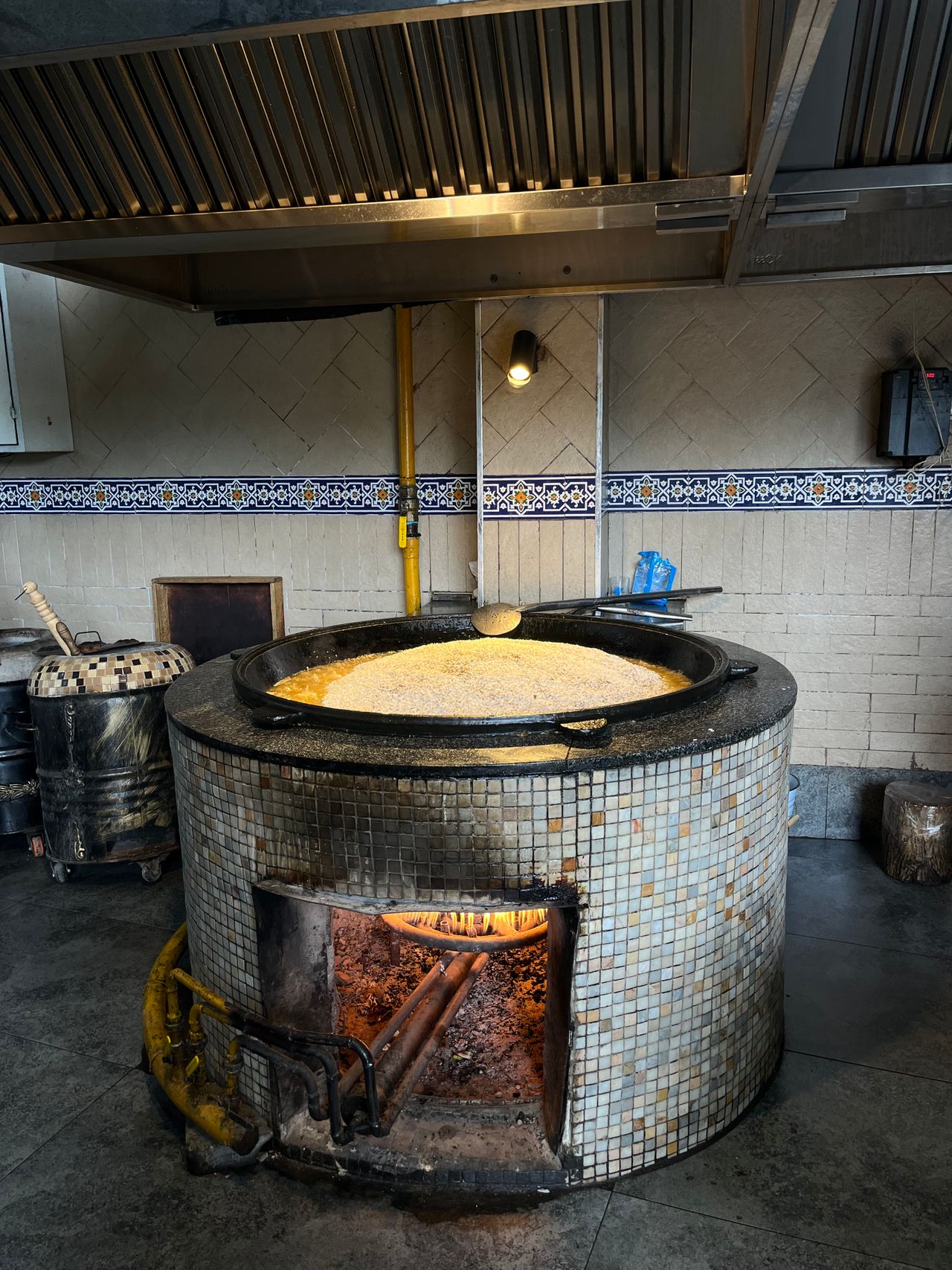
“The fire that burns unseen inside the soul,” wrote the 15th-century Portuguese poet Luís de Camões – a line meant for secret lovers, but one that any backline cook staring into a white-hot pit understands on a purely spiritual level.
Whoever first decided that baking flatbread required sticking one’s entire forearm into an 800-degree earthen vessel was either a total genius or severely lacked a sense of self-preservation.
Yet, that daring act gave birth to one of the most sublime culinary traditions on the planet:
tandoori cooking.
For centuries, achieving that mythical combination of blistering naan, charred chicken tikka, and juicy meat meant owning a heavy, immobile clay tandoor. For modern backyards, however, dropping a thousand-pound cylinder of unglazed clay onto a wooden deck isn’t just impractical – it’s a quick way to lose a security deposit.
Enter the Kamado grill.
While marketed as high-end ceramic cookers for weekend pitmasters, these heavy-walled red and black domes share an evolutionary tree with the classic tandoor. With a few adjustments, your Kamado can easily transform into a high-heat clay baking furnace.
The Roots of Clay Oven Cooking
Long before backyards had gas valves or digital temperature probes, cooks in the Indus Valley (~3000 BCE) were busy perfecting the art of live-fire baking.
The traditional tandoor is brilliantly simple: a vertical clay cylinder, thick at the walls and open at the top, fueled by hardwood or live charcoal coals.
The secret to its magic comes down to three simultaneous heat mechanics:
- Radiant Heat: The thick, porous clay absorbs thermal energy from the coals, radiating blistering temperatures (700ºF to 900ºF) from all sides.
- Direct Thermal Conduction: Dough slapped directly against the unglazed interior wall bakes in seconds through raw contact heat.
- Convective Vapor Smoke: Juices and fat drip directly onto white-hot coals at the bottom, vaporizing instantly into an aromatic, smoky perfume that coats the food.
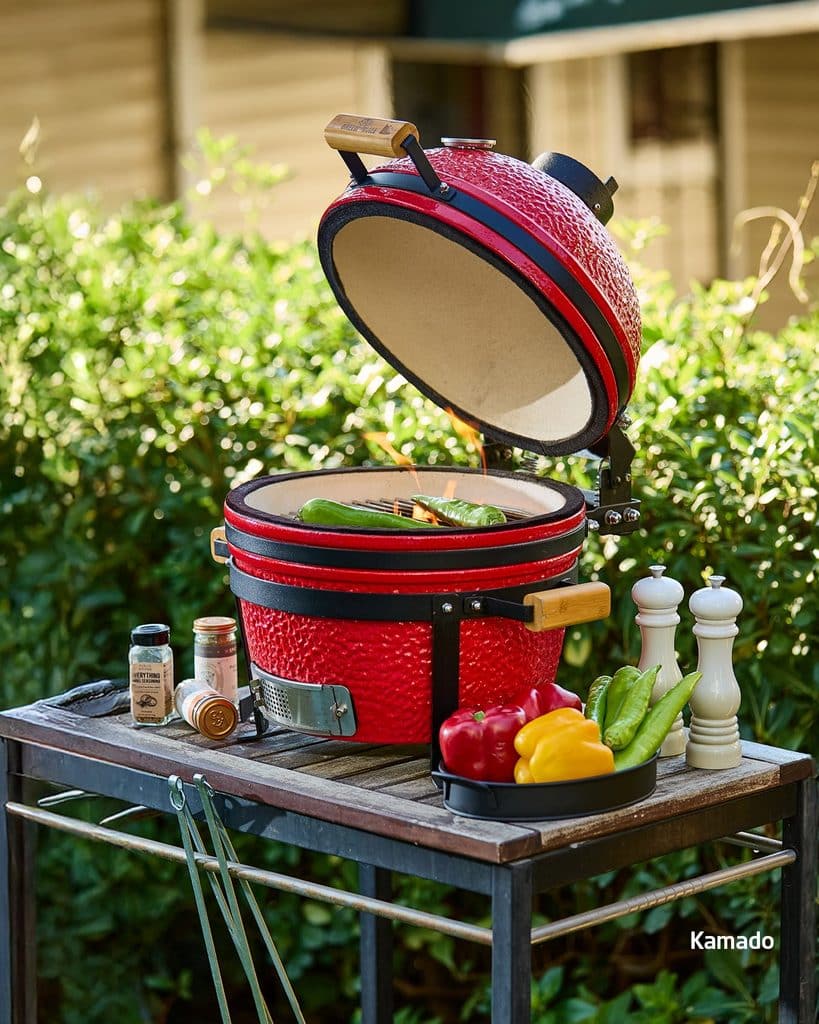
The Parallel Evolution: Ancient Tandoor Meets Modern Kamado
While the tandoor was evolving across Central and South Asia, ancient cooks in East Asia were developing the mushi-kamado – a domed clay pot designed for steaming rice and baking meats.
Post-WWII military personnel spotted these heavy pots in Japan, brought them home, replaced the fragile clay with high-tech structural ceramics, and created the modern Kamado.
Both cookers are designed around thermal mass.
Thick insulation locks in moisture while radiating uniform, extreme heat.
| Feature | Traditional Tandoor | Modern Kamado |
| Wall Material | Terracotta / Raw Clay | Structural High-Temp Ceramic |
| Max Heat Range | 700ºF – 900ºF+ | 200ºF – 800ºF+ |
| Primary Access | Top-loading vertical opening | Front-hinged dome lid |
| Primary Fuel | Hardwood Charcoal / Wood | Hardwood Lump Charcoal |
| Conduction Surface | Curved interior vertical walls | Flat grates / Pizza stones |
The primary difference lies in orientation. A tandoor is top-loading, allowing long skewers to hang vertically over coals while bread sticks to the sidewalls. The Kamado uses a hinged lid.
To turn your Kamado into a high-performance tandoor, you simply need to tilt the thermal geometry back in your favor.
Equipment & Setup: Converting Your Kamado into a Tandoor
Replicating a tandoor on a Kamado doesn’t require permanent modifications – just the right setup and accessories.
The Essential Gear
- Uncoated Heavy-Duty Pizza Stone: Acts as your conductive clay wall for flatbreads.
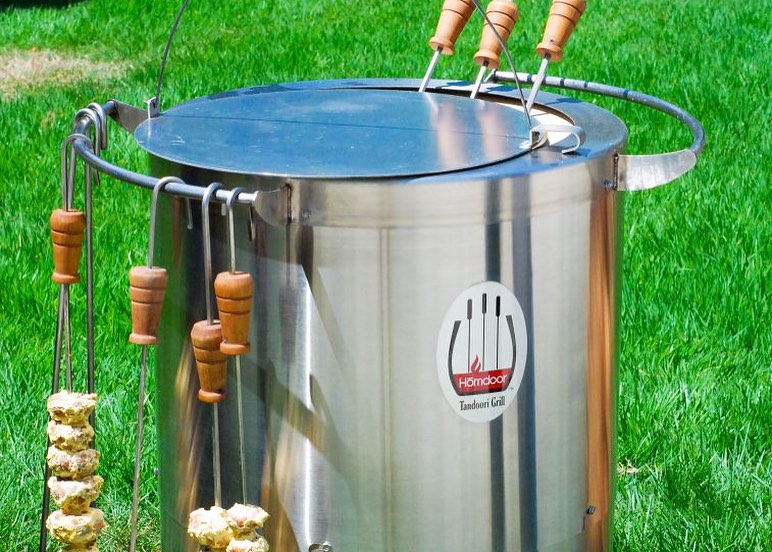
- Square-Profile Stainless Steel Skewers: Square skewers prevent heavy chunks of meat from spinning when rotated.
- A Gaddi (Bread Cushion): A heat-resistant cloth pad used to safely press wet dough onto scorching surfaces without burning your fingers.
- High-Temp Heat Gloves: Rated for at least 900ºF.
Airflow and Charcoal Management
To reach tandoor temperatures, skip cheap briquettes filled with fillers and cornstarch. Use dense, high-quality hardwood lump charcoal like oak, hickory, or quebracho.
- Maximize Airflow: Fully open both top and bottom air vents to draw maximum air through the burn zone.
- Target Temperature: Aim for a steady dome reading of 650ºF to 750ºF.
- Heat-Soak the Dome: Build a generous bed of charcoal and let the grill heat-soak for 30 to 45 minutes until the ceramic walls thoroughly saturate with energy.
Mastering High-Heat Techniques
With your Kamado humming at 700ºF, it’s time to put those high-heat physics to work.
A. Blistering Naan and Flatbreads
Real tandoori naan relies on rapid thermal expansion: moisture inside the dough flash-boils into steam, inflating the bread into airy pockets while raw contact with hot clay creates dark, charred blisters.
- The Stone Placement: Position your pizza stone near the top of the dome using a grate riser. Radiated heat bouncing off the inside lid cooks the top of the naan while the stone crisps the bottom.
- The Moisture Trick: Brush the underside of your shaped dough with salted water right before placing it down. The steam anchors the dough to the hot stone, mimicking the wall-slap of a traditional tandoor.
- Timing: Keep the lid closed. At 700ºF, a great naan bakes in 60 to 90 seconds.
B. Vertical Skewer Cooking (Tikka & Kebabs)
Meat cooked in a tandoor relies on fast searing. The extreme heat seals the surface immediately, locking juices inside before the interior dries out.
- The Suspension Hack: Set two stainless steel firebricks or a split grate along the edges of the fire ring. Rest long steel skewers across them so the meat hangs suspended over live coals without touching a metal grate.
- The Flavor Vapor: As yogurt-based marinades drop directly onto white-hot lump coals, they instantly flash-vaporize into fragrant smoke, giving your meat that distinct, authentic restaurant flavor.
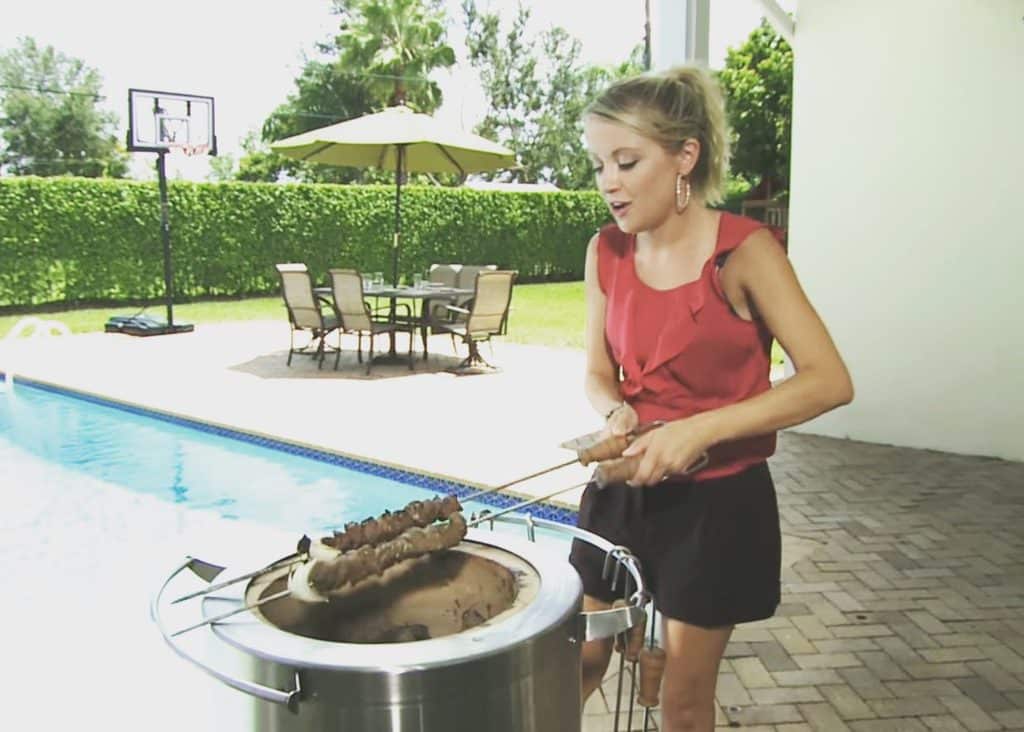
Safety Protocols for High-Heat Baking
Cooking at 700ºF+ turns your Kamado into a force of nature. Respecting that level of heat keeps both you and your equipment safe.
- Burp the Grill Every Time: Opening a Kamado suddenly at high temperatures causes a rush of oxygen that can trigger a dangerous flashover fire. Crack the lid two inches, pause for three seconds to let air flow gently, then open fully.
- Guard Against Thermal Shock: Never place a cold pizza stone onto a hot grill. Put your accessories inside during the preheat phase so they expand gradually alongside the ceramic cooker.
- Protect Your Hands and Forearms: Standard kitchen oven mitts will scorch instantly. Use heavy-duty aramid-fiber welding gloves that cover your wrists and forearms.
The Chemistry of the Yogurt Marination Shield
Meat prepared in a traditional tandoor relies heavily on an acidic yogurt marinade, which serves a critical chemical function beyond mere flavor. When subjected to the blazing 700ºF environment of a heat-soaked Kamado, this mixture performs three vital roles:
- Tenderization: Lactic acid and active enzymes gently break down tough muscle fibers without turning the protein to mush.
- Thermal Shielding: The rich dairy coating forms a sacrificial moisture barrier that browns instantly via the Maillard reaction.
- Flavor Retention: Rapid surface caramelization locks in internal juices, giving chicken tikka and lamb kebabs their iconic charred exterior and tender, juicy bite before the fire can dry them out.
Crafting the Perfect Tandoori Dough Mechanics
Baking authentic flatbreads at ultra-high temperatures requires mastering dough hydration dynamics. Standard pizza dough quickly dries out or scorches at 750ºF. True tandoori dough overcomes this through specific structural choices:
- High Hydration Formulation: Combining milk, yogurt, and oil pushes moisture levels to 80% or higher.
- Rapid Steam Expansion: Searing contact with the pizza stone instantly converts internal moisture into steam, forming massive carbon dioxide pockets for airy, blistered naan.
- Tender Crumb Texture: Using low-protein, fine-milled flour keeps the interior soft rather than chewy, preventing the crust from hardening into a cracker under intense heat.
Harnessing Aromatic Wood Smoke Profiles
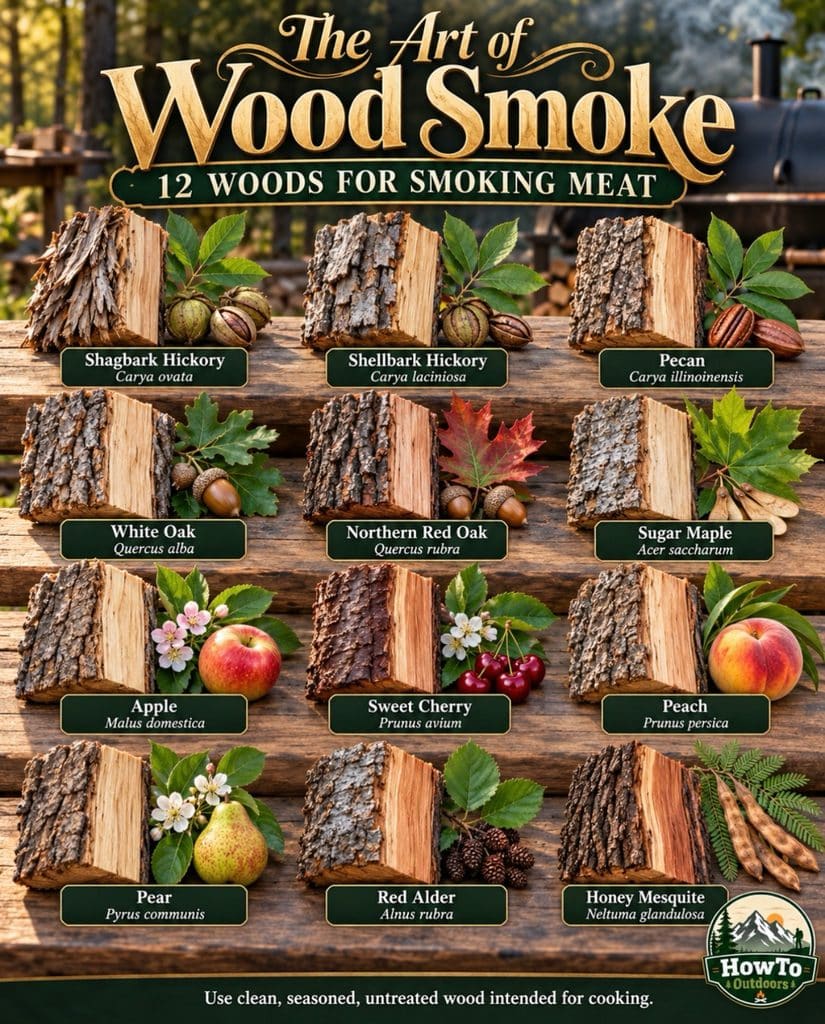
While high heat does the cooking, the signature flavor nuances of tandoori dishes stem directly from hardwood combustion.
- Fruitwood Selection: Mix subtle fruitwood chunks – such as apple, cherry, or peach – into your lump charcoal bed to mirror the traditional use of mango or acacia wood.
- Woods to Avoid: Steer clear of heavy, resinous hardwoods like mesquite or hickory, which easily overpower delicate breads and chicken.
- Clean Smoke Goal: Target a thin, barely visible blue smoke that complements spices like cardamom and cumin without leaving a bitter, ashy coating on your food.
High-heat baking transforms raw spices through volatile oil blooming. Spices like coriander, cumin, turmeric, and dried fenugreek leaves (kasoori methi) contain essential aromatic oils that require careful handling under extreme heat:
- The Scorch Risk: Applying raw, dry ground spices directly onto meat exposed to radiant heat creates a bitter, burnt crust.
- The Ghee Shield: Blooming spices in warm ghee prior to mixing them into your marinade coats the spice particles in insulating lipids.
- Aroma Release: Lipid insulation prevents scorching while allowing deep, complex essential oils to fully infuse the dish.
Mastering Meat Spacing and Airflow Thermal Dynamics
Impaling meat onto skewers seems simple, but skewer geometry and density dictate cooking uniformity inside your Kamado:
- The Airflow Gap: Leaving a precise quarter-inch gap between pieces allows super-heated convective air to circulate completely around each bite, preventing cold spots and steamed meat.
- Dual-Directional Heat: Using heavy-gauge square skewers conducts thermal energy down the center of the metal rod, cooking the interior while the ceramic dome chars the outside.
- Efficiency: This balanced internal and external heat transfer cuts overall cooking time in half.
Adapting Vegetarian Delicacies to the Flame
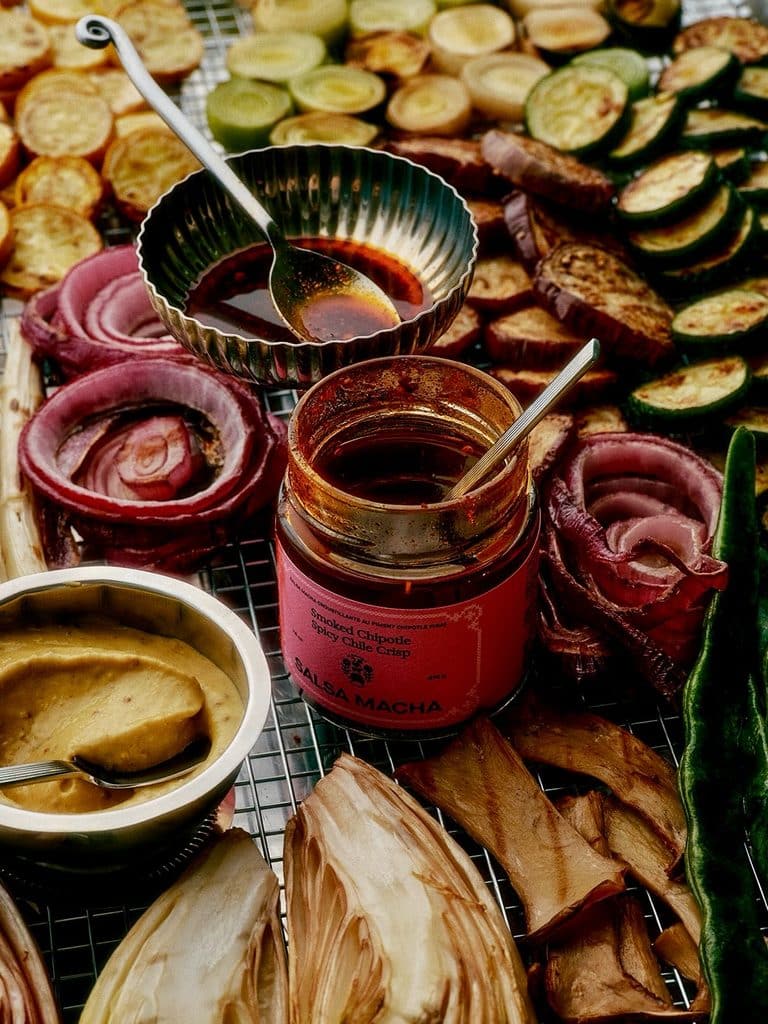
Tandoori cooking excels with non-meat options like firm cottage cheese (paneer), bell peppers, onions, and cauliflower florets (gobi):
- Fat Application: Brush vegetables with melted ghee or mustard oil to supply the fats needed to prevent scorching under radiant heat.
- Flavor Enhancement: Pungent mustard oil mellows into a rich, buttery, and nutty flavor profile when exposed to open flame.
- Texture Contrast: Blazing ceramic temperatures caramelize natural plant sugars within minutes, yielding crisp, smoky edges around a tender interior.
Upgrading Your Backyard Setups with Custom Accessories
Custom accessories transform a standard Kamado setup into an efficient baking assembly line:
- Cast-Iron Tandoori Plates: Retain high thermal mass, enabling continuous flatbread baking without noticeable temperature drops between loaves.
- Specialized Inserts: Stainless steel skewer racks and drop-in ceramic inserts optimize internal airflow and heat distribution.
- Long-Handled Hook & Spatula Sets: Allow safe, immediate retrieval of flatbreads from deep within the dome, protecting hands from high-heat flashovers.
Post-Cook Maintenance and Ceramic Wall Care
Operating at 700ºF+ burns off most fat drippings automatically, but proper care preserves porous ceramic components over time:
- Chemical Prevention: Never use soap, water, or chemical cleaners on pizza stones or deflectors, as absorbed moisture leads to cracking during subsequent high-heat cooks.
- Mechanical Cleaning: Allow the grill to cool completely, then scrub away carbonized food residue using a soft brass wire brush.
- Flavor Protection: Keeping ceramic interiors free of buildup preserves clean smoke profiles for future bakes.
By tapping into the shared ceramic heritage of the traditional tandoor and the modern Kamado, you unlock a level of live-fire cooking that goes far beyond standard weekend grilling.
Replicating an 800-degree clay oven in your backyard isn’t just about impressive heat – it’s about mastering the perfect synergy of radiant energy, conduction, and rapid moisture expansion.
Whether you are slapping blistering naan onto a scorching pizza stone or suspending spiced chicken tikka over white-hot hardwood coals, your Kamado is fully equipped to deliver these ancient culinary flavors.
Build your fire, let the ceramic walls heat-soak, and enjoy the unmistakable crunch, smoke, and sizzle of authentic tandoori baking right on your patio.
Frequently Asked Questions (FAQ)
1. Can I use a standard pizza stone on my Kamado at 700ºF+ without cracking it?
Yes, provided it is made of high-grade cordierite or heavy ceramic and you manage the temperature gradually.
The key to preventing thermal shock is preheating: place the cold pizza stone inside your Kamado before lighting the fire or during the initial warm-up phase so the stone expands at the same rate as the grill.
Never place a cold stone onto an already scorching-hot grill surface.
2. Why is my naan falling off the pizza stone or sticking too hard?
If your naan won’t stick at all, the stone may not be hot enough or the underside of the dough was too dry.
Brushing the bottom side lightly with salted water creates a instant steam-seal against the stone, mimicking how flatbread sticks to the raw wall of a traditional clay oven.
If it sticks permanently and burns, the dough may have had too much sugar or the stone was dirty with burnt food residue.
3. Do I need to keep the Kamado lid open or closed when cooking tandoori skewer meats?
Keep the lid closed as much as possible. A traditional tandoor is open at the top, but a Kamado relies on its hinged dome lid to trap and radiate intense thermal energy down onto the food from above.
Closing the lid ensures the meat cooks rapidly via combined radiant and convective heat while preventing sudden grease flares.
4. Is hardwood lump charcoal really necessary, or can I use charcoal briquettes?
Hardwood lump charcoal is essential for this technique.
Briquettes contain chemical binders and fillers that burn cooler, produce excessive ash, and restrict the high airflow required to reach 700ºF–800ºF.
Clean hardwood lump charcoal burns significantly hotter, generates minimal ash, and provides the authentic wood-fired flavor profile crucial for tandoori dishes.
5. How do I safely prevent a flashover fire when opening the Kamado at ultra-high temperatures?
At temperatures above 600ºF, opening the lid suddenly draws in a rapid rush of oxygen, which can cause trapped combustible gases to ignite instantly into a dangerous fireball (flashover).
Always “burp” your Kamado: crack the lid open just 1 to 2 inches, hold it there for 3 to 5 seconds to let oxygen feed in gradually, and then open the lid fully.
Always wear high-temp aramid-fiber heat gloves.
Featured image credit: Merve Arlı
