
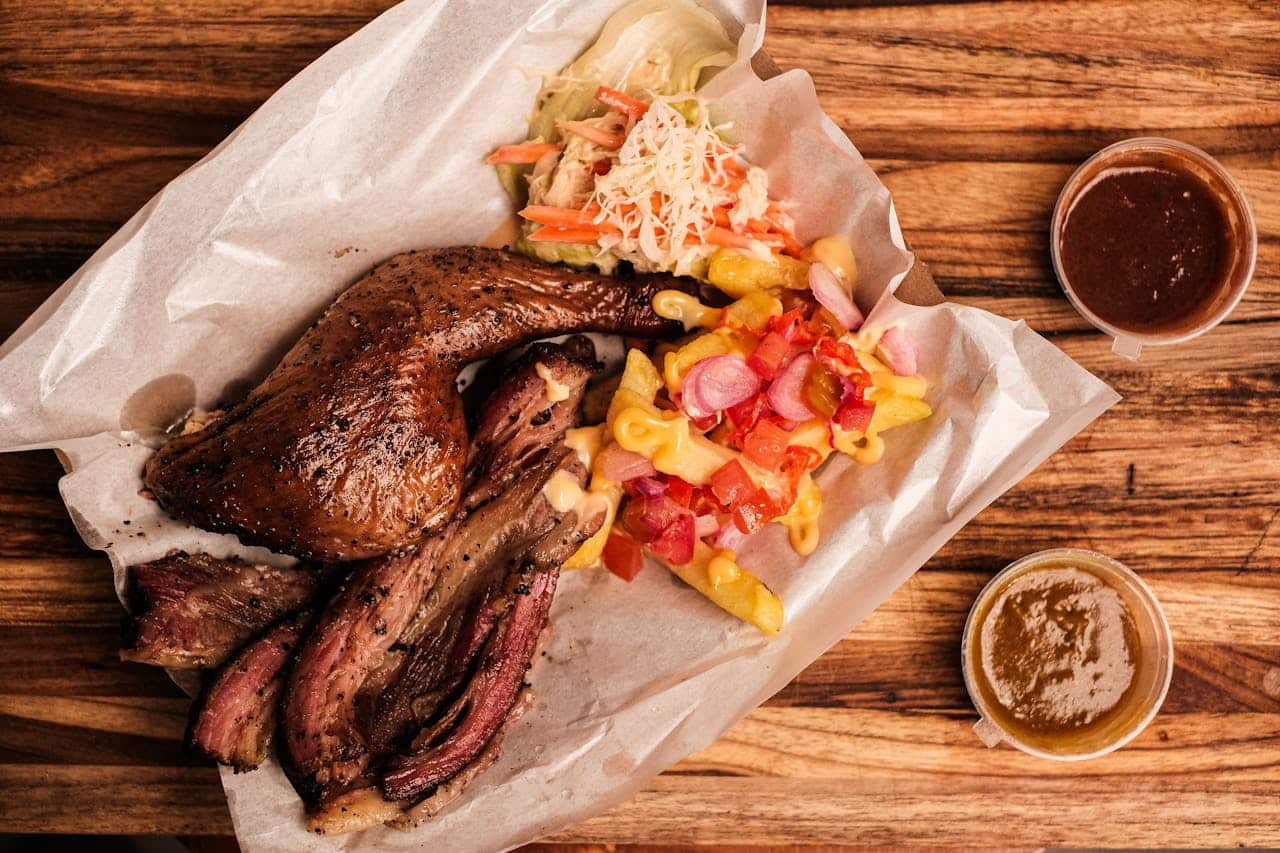
Pulling a beautiful slab of meat off the grill only to bite into something that feels like chewing an old leather belt is a familiar BBQ heartbreak – and you’re definitely not alone.
Every pitmaster – yes, even the “I’ve-been-smoking-brisket-since-before-it-was-cool” type – has made dry BBQ at least once. The good news? It’s fixable. Better yet, it’s preventable.
This guide on how to prevent dry BBQ breaks it down in plain English, with real pitmaster logic, not food-science jargon that sounds like it belongs in a NASA manual.
Let’s save your next cookout.
Why BBQ Meat Turns Dry (The Honest Truth)
Here’s the simple reality: BBQ doesn’t get dry because the meat “hates you.” It gets dry because moisture is leaving faster than you’re protecting it.
Think of meat like a sponge full of juices. Heat squeezes that sponge. Your job is to control how fast it gets squeezed.
The main culprit? Heat and time.
When you overcook meat or cook it too hot:
- Fat renders out too fast
- Muscle fibers tighten up
- Juices escape and don’t come back
That’s it. No BBQ conspiracy.
Lean vs fatty cuts
A juicy brisket has built-in insurance: fat and collagen. Chicken breast? Not so lucky. It’s basically the “budget airline seat” of meat cuts – tight, lean, and unforgiving.
Choosing the Right Cut of Meat
Before we even talk fire and smoke, let’s talk selection.
Because here’s a pitmaster secret:
You can’t “technique” your way out of a bad cut.
If you want to master how to prevent dry BBQ, start with meat that forgives mistakes.
Best cuts for juicy BBQ:
- Brisket (the king of patience)
- Pork shoulder (pulled pork paradise)
- Chicken thighs (juicier than breasts by default)
- Ribs (fat + bone = flavor insurance)
Cuts that betray beginners:
- Chicken breast (dry if you blink wrong)
- Pork loin (lean and sensitive)
- Lean steaks cooked low and slow (confusing but risky)
A simple rule: fat = flavor + moisture protection.
Common Causes of Dry BBQ
Let’s call out the usual suspects.
1. Cooking too hot
High heat is like rushing a relationship – it ends badly and usually too dry.
2. Overcooking
Every meat has a “sweet spot.” Go past it, and moisture exits the chat.
3. No thermometer
If you’re guessing internal temperature, you’re not BBQing – you’re gambling.
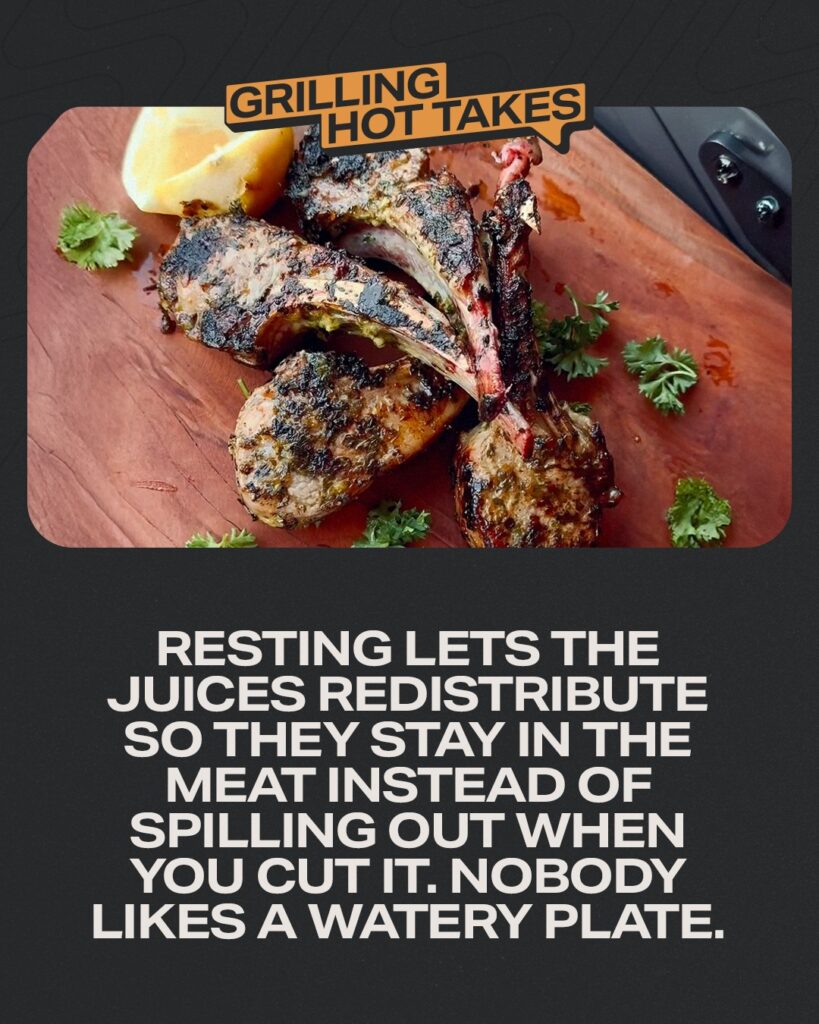
4. Skipping the rest period
Cut meat too early and you’ll watch juices run out like a sad documentary scene.
5. Opening the smoker too often
Every peek is a heat and moisture leak. Your smoker is not a reality TV show.
6. No moisture management
No water pan, no spritzing, no wrapping? That’s BBQ on hard mode.
How to Prevent Dry BBQ Before Cooking Even Starts
Good BBQ begins before fire meets meat.
Brining (your moisture insurance policy)
Brining sounds fancy, but it’s just salty water doing its magic.
- Wet brine: soak meat in saltwater
- Dry brine: salt the meat and let it rest overnight
This is one of the most underrated steps in how to prevent dry BBQ.
It helps meat hold onto moisture like it’s emotionally attached.
Marinades and rubs
Marinades don’t just add flavor – they help protect moisture during cooking.
But don’t drown your meat in sugar-heavy sauces early. Sugar burns faster than your patience on a windy cookout day.
Bring meat to room temperature
Cold meat + hot grill = uneven cooking.
Let it sit out a bit so heat moves evenly through it.

Cooking Techniques That Keep BBQ Juicy
Now we get to the fun part: fire management.
Low and slow (the golden rule)
If BBQ had a religion, this would be it.
Low heat allows:
- Fat to render slowly
- Collagen to break down properly
- Moisture to stay inside longer
Rushing is the enemy of juicy BBQ.
Temperature control is everything
Aim for steady heat, not “volcano mode.”
A pitmaster once said:
“Hot and fast makes dinner. Low and slow makes memories.”
He also burned his ribs that day. Still true though.
Water pans and spritzing
Add moisture into the cooking environment:
- Water pan = humidity inside smoker
- Spritzing = surface moisture protection
Think of it like air-conditioning for your meat.
Wrapping (foil or butcher paper)
This is where BBQ gets strategic.
- Foil = faster cook, more moisture retention
- Butcher paper = balanced bark + moisture
Wrapping is one of the strongest tools in how to prevent dry BBQ.
Reverse searing (for thick cuts)
Cook low first, then finish hot.
This keeps moisture inside while still giving you that crispy, flavorful crust.
Internal Temperature: The Truth Nobody Can Argue With
Here’s the hard truth: BBQ doesn’t care about your feelings – it cares about temperature. If you don’t measure it, you’re guessing. And guessing leads to dry meat.
General internal temperature guide:
- Chicken: 165°F (74°C)
- Pork: 195–205°F (90–96°C for pulled texture)
- Brisket: 195–205°F (90–96°C, but feel matters too)
- Beef steaks: 130–145°F depending on doneness
But here’s the pitmaster secret:
Temperature tells you when you’re close. Feel tells you when you’re done.
Carryover cooking
Meat keeps cooking after it’s removed from heat.
So don’t push it too far or it’ll overcook while resting.
Resting BBQ: The Step Everyone Wants to Skip
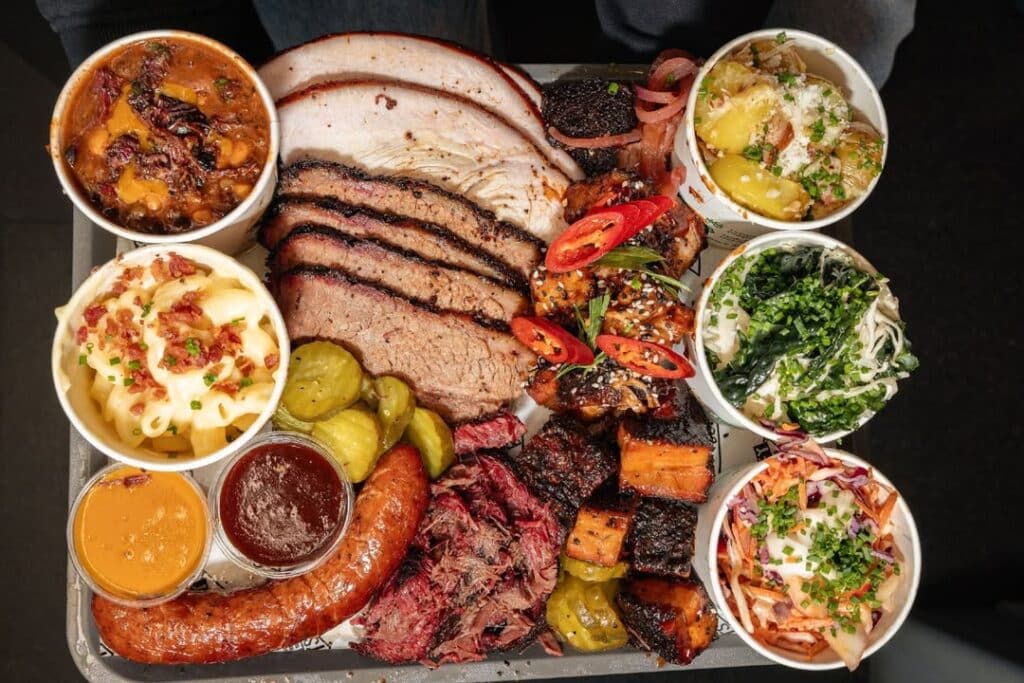
This is where patience pays rent. When meat cooks, juices move toward the surface. Resting allows them to redistribute. If you cut too early, those juices leave like guests at a boring party.
Resting times:
- Small cuts: 10–15 minutes
- Large brisket: 1–2 hours
Wrap loosely and let it chill. Literally. Skipping this step is a major reason people struggle with how to prevent dry BBQ.
Easy Fixes for Dry BBQ (Yes, You Can Save It)
So you messed up. It happens. Even pitmasters have “why is this shoe leather?” moments.
Here’s how to recover.
Add moisture back
- Slice and pour warm broth over meat
- Mix with BBQ sauce and juices
- Steam lightly before serving
Turn it into something else
Dry brisket? Now it’s:
- BBQ sandwiches
- Tacos
- Loaded fries topping
Transformation is the BBQ redemption arc.
Gentle reheating
Avoid microwave punishment.
Use:
- Covered pan
- Low oven heat
- A splash of liquid for steam
Think “revival,” not “reheating.”
Meat-Specific Tips from the Pit
Different meats behave differently. Treat them accordingly.
Brisket
- Needs patience
- Wrap during stall
- Rest longer than you think
Pulled pork
- Hard to mess up, but easy to dry if rushed
- Cook until it shreds easily
Chicken
- Most sensitive
- Use thighs instead of breast when possible
- Don’t overcook “just to be safe”
Ribs
- Moisture comes from fat and wrapping
- Don’t chase falling-off-the-bone too early
The Role of Meat Thickness in Moisture Retention
One overlooked factor in how to prevent dry BBQ is meat thickness consistency. Thin edges cook faster than thick centers, which means you end up with uneven doneness – juicy in the middle, dry on the edges.
A good pitmaster always checks for uniform shape before cooking. If a cut is uneven, consider trimming or folding thinner sections to balance heat exposure.
Thicker cuts actually retain moisture better because they heat more gradually, allowing fat to render properly without forcing juices out too quickly. Thin cuts, on the other hand, are like sprinting through BBQ – they don’t last long enough to stay juicy.
A simple fix? Even trimming + strategic positioning on the grill. Place thinner sections farther from direct heat. Think of it as heat zoning – your meat should cook like a well-planned orchestra, not a chaotic mosh pit.
Understanding Meat Fiber Direction (The Hidden Texture Secret)
If you’ve ever bitten into BBQ that felt chewy despite being “cooked right,” the issue might be meat grain direction. Knowing the fiber structure is a secret weapon in how to prevent dry BBQ from feeling dry even when moisture is present.
Meat fibers run in specific directions, and slicing against the grain shortens those fibers, making the meat feel softer and juicier. Slice with the grain, and you’ll get long, stringy bites that feel dry – even if they aren’t.
This matters most for brisket, flank, and chuck. A pitmaster trick? Before cooking, identify the grain direction and mark it mentally or physically.
It’s a small detail, but it transforms texture dramatically. Sometimes dryness isn’t about moisture loss – it’s about how the meat is cut and experienced.
The Science of Fat Rendering (Why Juiciness Is Built, Not Added)
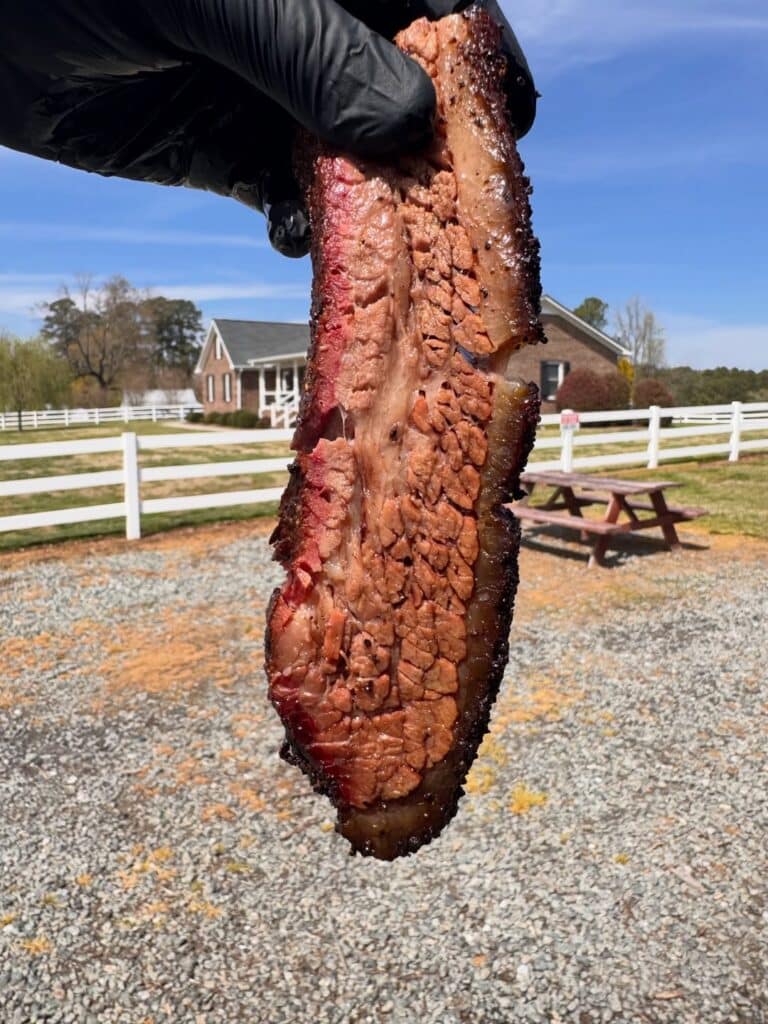
Fat is not just flavor – it is moisture insurance. In how to prevent dry BBQ, understanding fat rendering is a game-changer.
As meat cooks slowly, fat melts and spreads through muscle fibers, naturally basting the meat from within. If heat is too high, fat renders too quickly and escapes before it can protect the meat.
If heat is too low, it doesn’t render enough, leaving the meat dry and chewy.
The goal is balance: slow, steady rendering over time.
A pitmaster analogy? Fat is like a savings account – you don’t want to withdraw it all at once. You want controlled spending over time to keep the meat “rich” until the final bite.
That’s why well-marbled cuts are forgiving. They self-baste while cooking, giving you a built-in defense against dryness.
Humidity Control Inside Your Smoker Chamber
Most beginners focus on temperature, but pros obsess over humidity levels. Controlling moisture in the cooking environment is critical in how to prevent dry BBQ.
A dry smoker chamber pulls moisture out of meat faster. A humid chamber slows evaporation and keeps surfaces from drying too quickly.
Simple ways to manage humidity:
- Use a water pan
- Add soaked wood chunks (not soaked to extreme)
- Avoid over-venting airflow
Think of your smoker as a weather system. Too dry, and your BBQ becomes jerky. Too wet, and bark won’t form properly.
The goal is a balanced atmosphere where moisture circulates gently, not aggressively. This invisible factor is often what separates “good BBQ” from “why is this so juicy?”
The Stall: Why BBQ Suddenly Stops Cooking (and How Not to Panic)
Every pitmaster has faced it: the dreaded BBQ stall. Your meat hits a certain temperature and refuses to rise for hours. Beginners panic, rush heat, and end up drying everything out.
Understanding the stall is essential in how to prevent dry BBQ.
The stall happens when moisture evaporates from the meat surface, cooling it like sweat on skin. It can pause cooking progress for a long time – especially in brisket and pork shoulder.
The solution is patience or wrapping. This phase is where foil or butcher paper becomes your best friend, trapping moisture and pushing the cook forward.
The key mindset? The stall is not failure. It’s physics doing its job. The worst thing you can do is “force” it. BBQ punishes impatience every time.
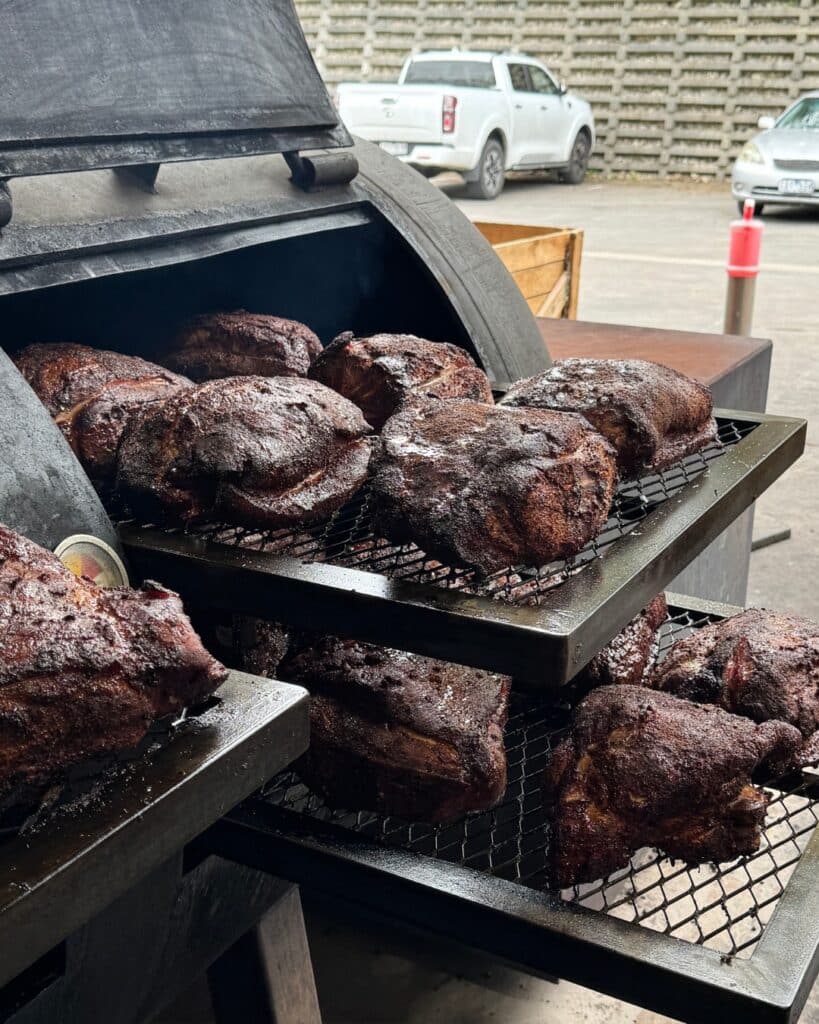
Wood Selection and Smoke Intensity Balance
Smoke is flavor – but too much smoke is a moisture thief. Choosing the right wood is part of mastering how to prevent dry BBQ.
Strong woods like hickory or mesquite can overpower meat and create a bitter, dry surface if overused. Milder woods like apple, cherry, or pecan give balanced smoke without stressing the meat surface.
Too much smoke exposure also tightens the outer layer, which can block internal moisture movement.
A pitmaster rule:
“Clean smoke is invisible smoke.”
If your smoke is thick and white for long periods, you’re not flavoring – you’re dehydrating.
Balance is everything. Smoke should enhance moisture, not compete with it.
Carrying Over Heat Management After Cooking
Most people stop thinking about BBQ once it leaves the grill – but heat doesn’t stop working.
Understanding carryover heat is key in how to prevent dry BBQ after cooking is finished.
Even after removal, internal temperature continues to rise due to stored heat energy. This can push meat past its ideal doneness, squeezing out remaining moisture.
A pitmaster trick is to pull meat slightly before target temperature, especially for large cuts like brisket.
Then comes resting control:
- Wrap loosely
- Store in a cooler (faux Cambro method)
- Avoid direct airflow cooling too fast
This stage is where juicy BBQ is either preserved – or lost in the final 10 minutes.
Sauce Timing Strategy (When to Add Without Killing Moisture)
BBQ sauce is not just a topping – it’s a timing game. Poor sauce timing is a silent cause of dryness in how to prevent dry BBQ.
Adding sauce too early causes sugar to burn, creating a bitter crust that dries out meat edges. Adding it too late can mask dryness instead of fixing it.
The best approach:
- Apply sauce near the final stage of cooking
- Or serve it on the side for control
A pitmaster truth:
“Sauce should enhance BBQ, not rescue it.”
When used correctly, sauce locks in surface moisture and adds shine without compromising texture.
Timing turns sauce from a crutch into a finishing weapon.
Beginner Mistakes That Ruin BBQ
Let’s be honest – most dry BBQ comes from enthusiasm, not lack of skill.
The usual suspects:
- Rushing cook time
- Constantly opening lid
- Ignoring thermometer readings
- Cutting meat too soon
- Over-saucing early (burn risk)
BBQ rewards patience more than effort.
Final Thoughts
Here’s the truth every pitmaster eventually learns:
BBQ is not about speed. It’s about control.
If you remember just a few things from this guide on how to prevent dry BBQ, make it these:
- Choose the right cut
- Control heat, don’t fight it
- Use a thermometer
- Don’t skip resting
- Wrap when needed
Dry BBQ isn’t a failure – it’s feedback. The meat is basically saying, “Hey, slow down next time.”
And once you learn that language?
You stop guessing… and start cooking like a pitmaster.
FAQs
Why does my BBQ always turn out dry?
Usually a mix of overcooking, high heat, and skipping resting time.
Should I spray meat while smoking?
Yes – but lightly. Think mist, not shower.
Is wrapping necessary?
Not always, but it’s one of the best tools in how to prevent dry BBQ.
What temperature is best for smoking?
Generally 225–275°F for low and slow cooking.
Can you fix dry brisket?
Yes – slice thin, add juices or broth, and serve with sauce.
Featured image credit: Bezalens JGP
