
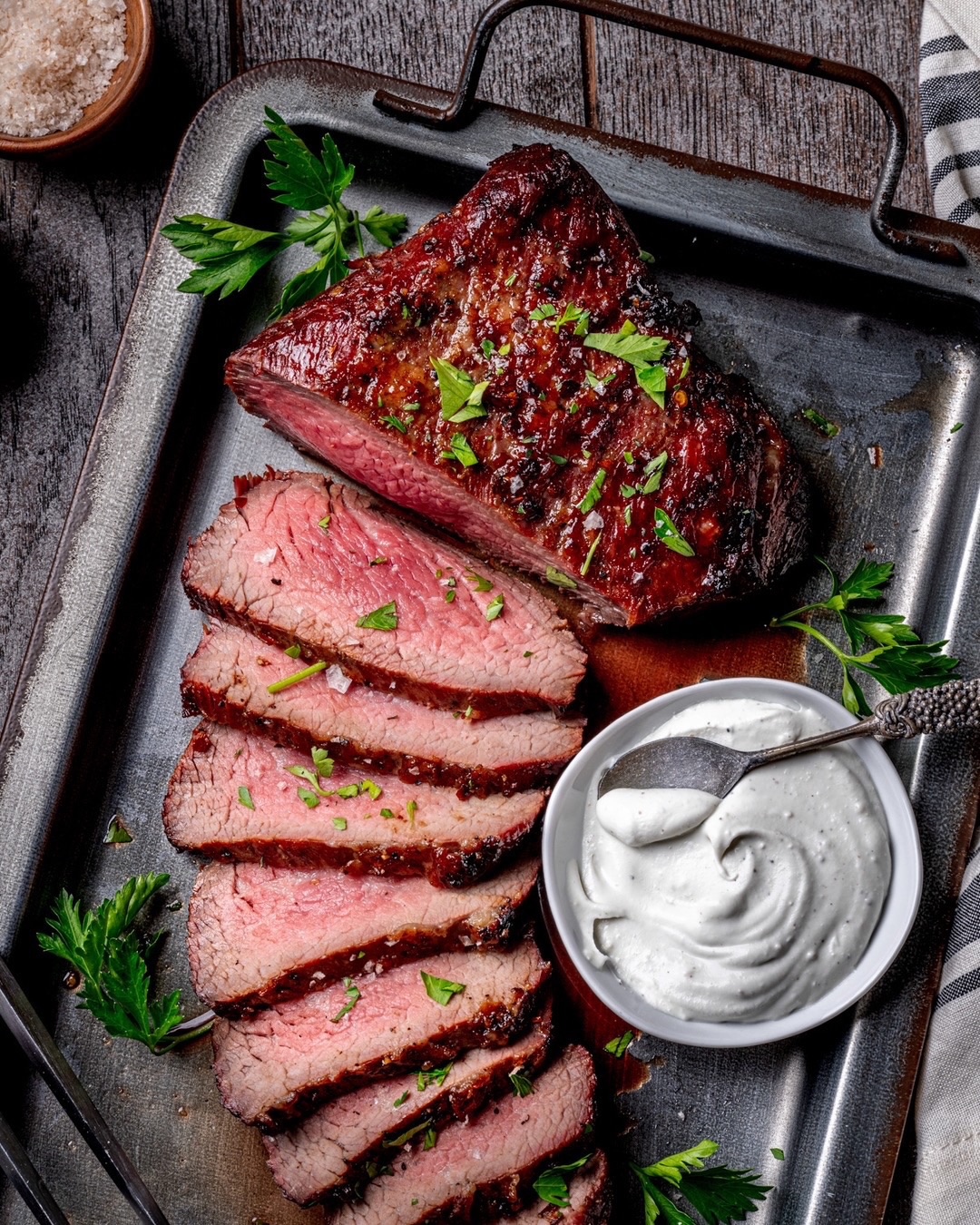
Good intentions often lead to absolute heartbreak for backyard cooks when they face the ultimate grilling tragedy each weekend.
You walk up to the butcher counter, bypass the overpriced ribeyes, and spot a beautiful, crescent-shaped tri-tip. It’s affordable, it’s beefy, and it boasts a gorgeous fat cap.
You take it home, throw it on the fire with high hopes, and end up carving something that has the texture of a discarded work boot.
Tri-tip is a spectacular cut of meat, but it is notoriously stubborn. Cut from the bottom sirloin, it packs an incredibly rich beef flavor, but it lacks the heavy intramuscular marbling of a ribeye.
Treat it carelessly, and it dries out faster than a resolution in mid-January.
The secret weapon? A powerhouse, easy tri tip marinade that does the heavy lifting for you.
This isn’t just a splash of bottled dressing; it’s a carefully calibrated liquid tool kit that tenderizes the meat, locks in moisture, and builds an unforgettable savory crust. Let’s look at how to turn this budget-friendly cut into a steakhouse-quality masterpiece.
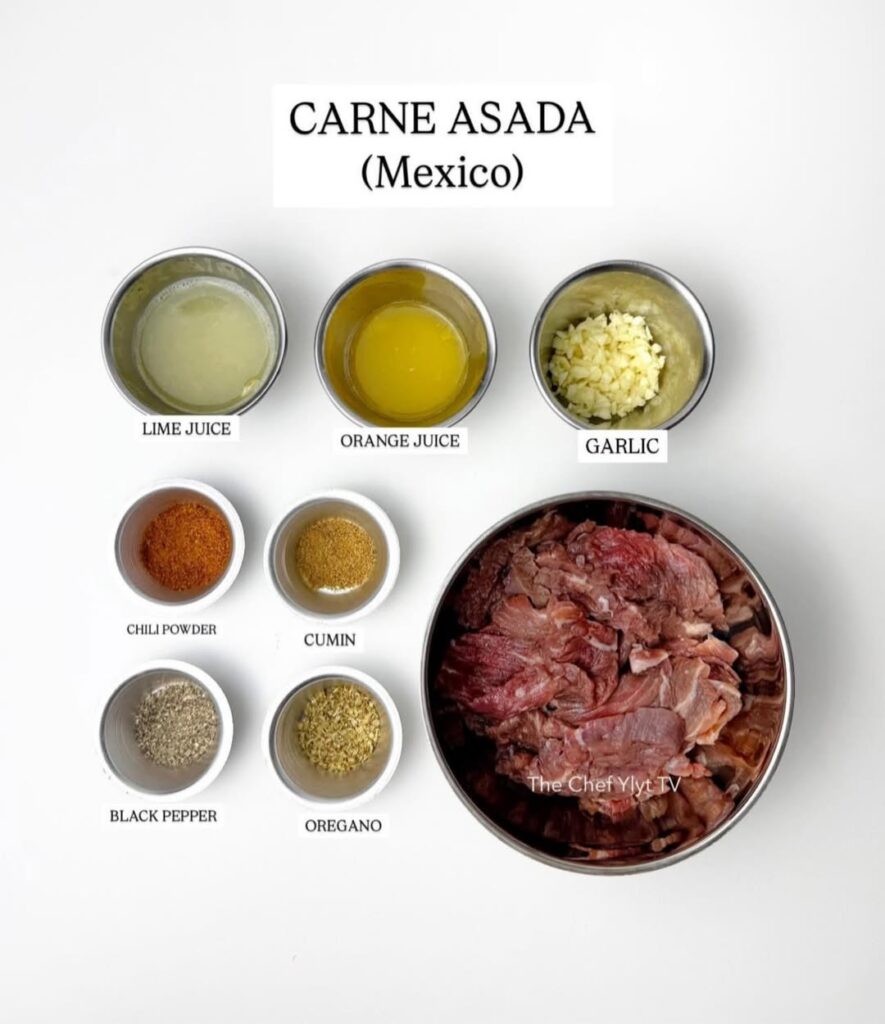
Why This Marinade Works: The Science of Flavor
Many cooks treat marinades like magic spells – just throw random ingredients in a bag, say a prayer, and hope for the best. In reality, a great marinade relies on a precise culinary trifecta: acid, fat, and umami.
When these three elements collaborate, they alter the chemical structure of the meat to guarantee success.
The Acid
Muscles are tough. Acid – in our case, vinegar and citrus – gently breaks down the tightly wound surface proteins of the tri-tip.
This loosening of the fibers allows the meat to hold onto its natural juices instead of squeezing them out when it hits the hot grates.
The Fat
Flavor compounds in spices and garlic are fat-soluble, meaning they need oil to dissolve and travel. Oil acts as the delivery vehicle, carrying those bold aromatics directly onto the beef while simultaneously preventing the meat from sticking to your grill.
The Umami Bomb
Tri-tip tastes remarkably beefy, but we can amplify that natural flavor. By combining soy sauce and Worcestershire sauce, we introduce high concentrations of glutamate. This creates an umami bomb that fools your brain into thinking you’re eating a dry-aged prime steak.
The Inverse Marinade: Saving the Leftover Liquid
Most people throw away their used marinade, which is a massive waste of potential. Instead, you can create a spectacular companion pan sauce through a process called an inverse marinade.
While your tri-tip is resting under its foil tent, follow these steps to turn that liquid gold into a gourmet topping:
- Sanitize the Sauce: Pour the leftover liquid from the bag into a small saucepan and bring it to a rolling, violent boil for at least five full minutes to kill off any raw meat bacteria.
- Enrich the Base: As it boils, drop in a tablespoon of cold, unsalted butter and whisk vigorously.
- The Finish: The starch and sugars will reduce into a glossy, velvety glaze that mimics a high-end steakhouse demi-glace.
Drizzle this intensely savory reduction directly over the sliced beef right before serving to punch up the umami profile and ensure no ingredients go to waste.
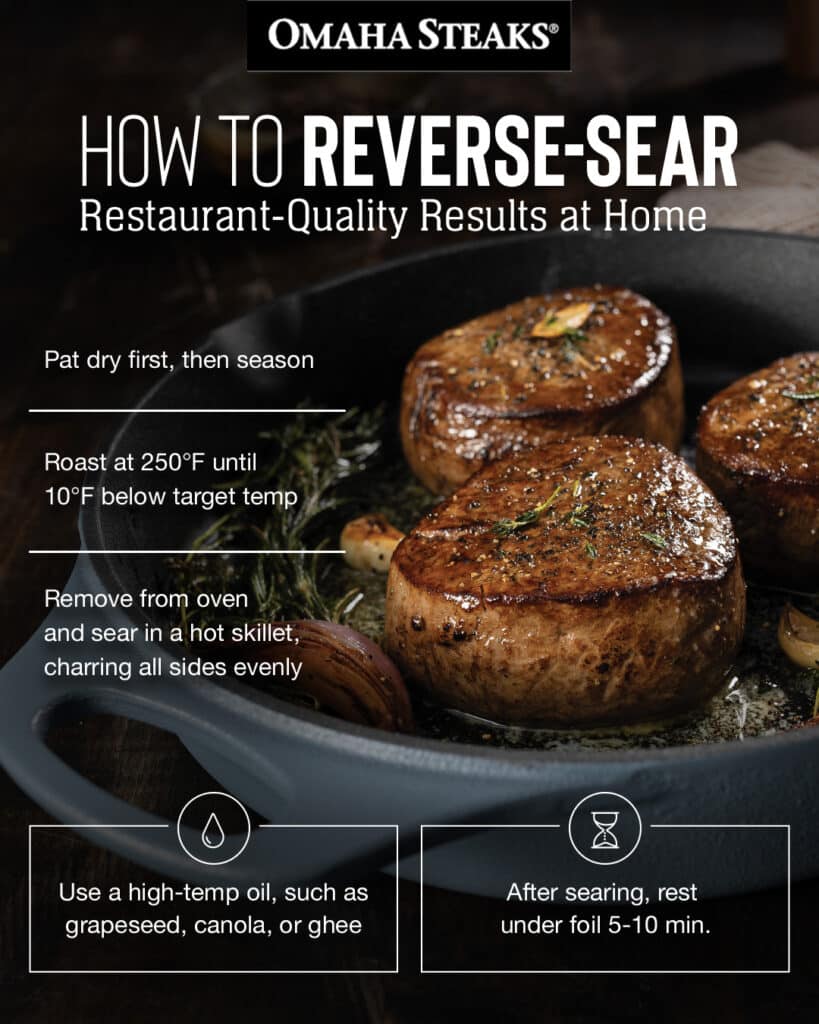
Reverse Searing: The Modern Pitmaster Secret
While the traditional sear-then-bake method works fine, the reverse sear technique is a total game-changer for tri-tip. Instead of starting with high heat, you do the exact opposite by splitting the process into two distinct phases:
- The Low & Slow Bake: Place the marinating masterpiece into a low-temperature oven or smoker at 225ºF (107ºC). This allows the heat to gently cook the meat evenly from edge to edge, eliminating that ugly, overcooked “gray band.”
- The Sizzling Finish: Once the internal temperature creeps up to 115º (46ºC), pull it out. Drop it into a screaming-hot cast-iron skillet filled with sizzling butter to create an instant, deep-mahogany crust.
Because the low oven gently dried out the surface moisture of the meat, you will get a crispy, caramelized bark in a fraction of the time, keeping the inside perfectly pink.
The Salt Conundrum: Dry Brine vs. Wet Marinade
A common debate in the barbecue community is whether to wet-marinate or dry-brine a tri-tip. To understand why both matter, look at how they affect the beef:
- The Dry Brine Method: Involves coating the raw beef generously in coarse kosher salt and letting it sit uncovered in the fridge for 24 hours. The salt draws out moisture, dissolves, and is reabsorbed deep into the muscle fibers for an incredibly juicy and seasoned interior.
- The Hybrid Approach: Because our easy tri tip marinade already features a heavy soy sauce base, it actually pulls double duty as a wet brine. The sodium in the soy sauce penetrates deep into the meat, while the oil and aromatics coat the exterior.
This gives you the best of both worlds: deep internal seasoning and an unmatched flavor profile on the crust.
Wine Pairing: Cutting Through the Richness
You’ve spent hours marinating and grilling the perfect cut of meat; don’t ruin the experience by washing it down with an uninspired beverage. Tri-tip is rich, fatty, and savory.
To balance those heavy flavors, you need a drink with enough tannins and acidity to cleanse your palate between every single bite:
- The Bold Reds: A robust, oak-aged California Cabernet Sauvignon or a smoky Syrah are the undisputed champions. The dark fruit notes and natural wood tannins mirror the charred, smoky bark created by the brown sugar and paprika in the marinade.
- The Brew Option: If wine isn’t your preference, reach for a heavy, malt-forward Amber Ale that can stand up to the rich profile of the beef.
- The Cocktail Choice: A classic Bourbon Old Fashioned works beautifully. The subtle sweetness of the corn mash in the whiskey complements the caramelized exterior of the meat.
Pro Tips for This Easy Tri Tip Marinade
The cooking process isn’t finished just because the timer went off. The final stages require patience and a basic understanding of meat anatomy.
The Rest Period
When meat cooks, the muscle fibers tighten and push all the juices toward the center. If you cut into the tri-tip immediately, those juices will run all over your cutting board, leaving you with dry meat.
Tent the roast loosely with aluminum foil and let it rest for 15 minutes. This allows the muscle fibers to relax and reabsorb all that delicious, savory moisture.
The Golden Rule: Slice Against the Grain
Tri-tip is unique and slightly tricky because the grain changes direction. The muscle fibers run one way on the long, thin end of the triangle, and pivot roughly 45ºC at the thicker corner.
Inspect the meat before you slice. Find the direction the lines are running, and always cut perpendicular to those lines. Cutting against the grain shortens the muscle fibers, meaning your teeth don’t have to do any heavy lifting.
If you slice with the grain, even the best marinade won’t save you from a chewy dinner.
The Ultimate Backyard Centerpiece
The beauty of a solid easy tri tip marinade is that it turns a casual weeknight dinner into an event. It gives you the bold, sophisticated flavors of an expensive steakhouse with the relaxed energy of a backyard barbecue.
Pair your sliced tri-tip with some crispy garlic roasted potatoes, a bright chimichurri sauce, or a simple grilled asparagus side.
Leftovers make some of the greatest steak sandwiches on earth the next day – though, if you follow this guide correctly, leftovers are highly unlikely.
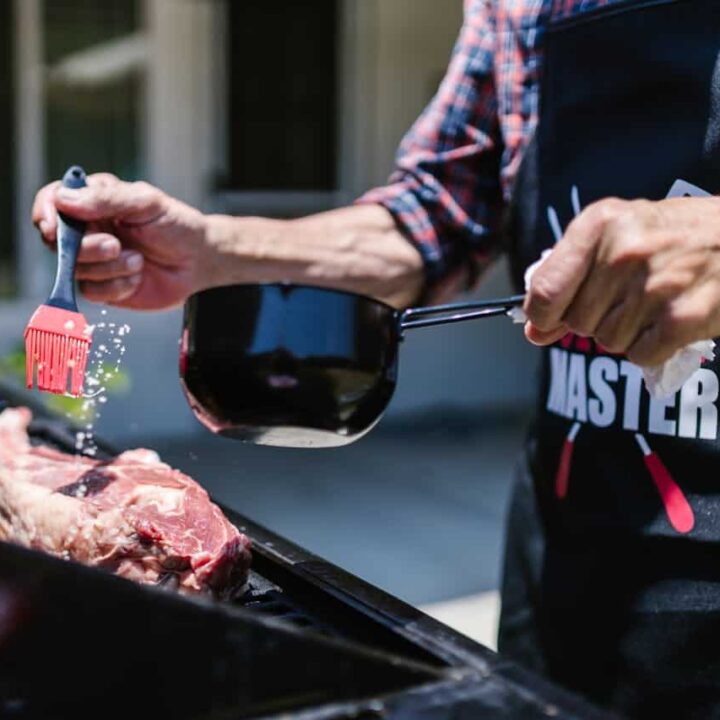
Easy Tri Tip Marinade Recipe
Image credit: RDNE Stock project
Ingredients
- You don't need a trip to a specialty grocery store for this recipe. Everything required for this easy tri tip marinade is likely sitting in your kitchen right now.
- 1/3 cup Olive Oil (or vegetable oil)
- 1/3 cup Soy Sauce
- 3 tablespoons Worcestershire Sauce
- 4 cloves Fresh Garlic, minced
- 1 tablespoon Brown Sugar
- 1 teaspoon Coarse Black Pepper
- 1 teaspoon Smoked Paprika
- Pitmaster Tip: Resist the urge to use pre-peeled, jarred garlic here. Jarred garlic loses its punch and develops a bitter aftertaste. Smash fresh cloves with the flat side of your knife—the flavor payoff is massive.
Instructions
Executing this recipe is incredibly straightforward. However, the timing and technique make all the difference between a good roast and a legendary one.
1. Prep the Meat
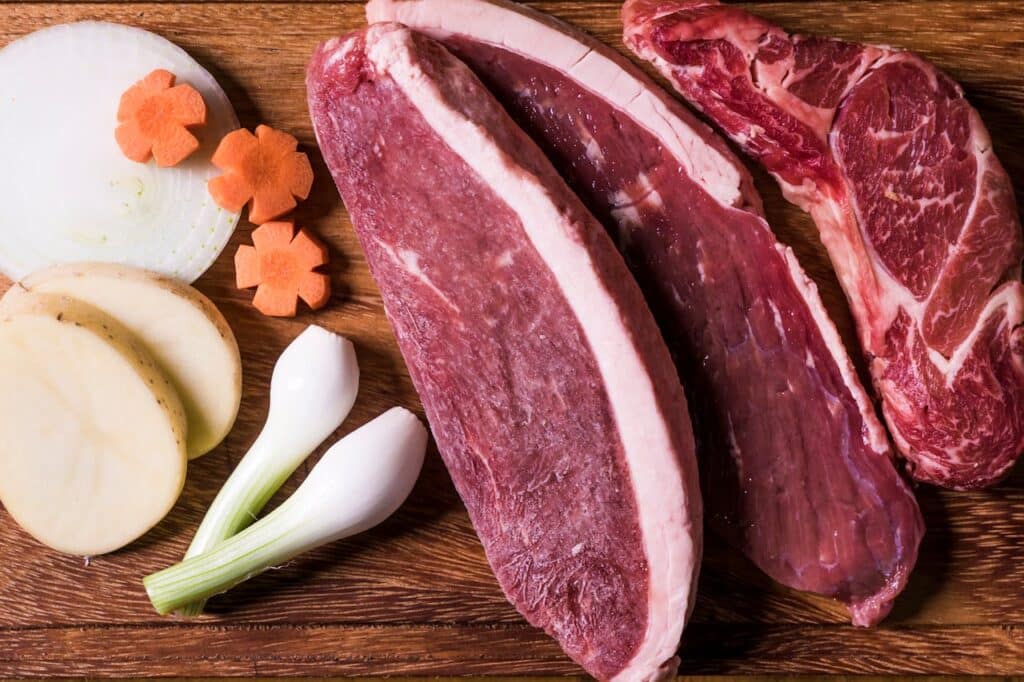
Look at your tri-tip. If your butcher left a thin layer of fat on one side, leave it alone – that is free flavor and moisture. However, look for any silver skin – the shiny, silvery membrane on the surface of the meat.
Silver skin will never melt, no matter how long you cook it. Take a sharp knife, slip it under the membrane, and slice it away.
2. Mix the Magic
Do not just dump the ingredients over the meat in a bowl. Take thirty seconds to whisk the oil, soy sauce, Worcestershire, minced garlic, brown sugar, and spices together in a separate bowl until the sugar fully dissolves.
This ensures every square inch of the beef gets the exact same flavor profile.
3. The Marinating Sweet Spot
Place your tri-tip in a heavy-duty gallon zip-top bag and pour the marinade over it. Squeeze out as much air as possible so the liquid stays in constant contact with the meat.
- The Minimum: 2 hours. Anything less, and you’re just washing the outside of the meat.
- The Optimal: 6 to 12 hours (overnight is perfect).
- The Danger Zone: Do not let it sit past 24 hours. Over-marinating turns the exterior mushy because the acid begins to digest the meat.
4. The Crucial Warm-Up
This is where many home cooks fail. Never take a cold piece of meat straight from the refrigerator and drop it onto a hot grill. The thermal shock causes the muscles to seize up and toughen.
Let the tri-tip sit on the counter for 30 to 45 minutes before cooking to bring it up to room temperature. This guarantees a fast, even cook from edge to center.
Cooking Instructions: Two Ways to Perfection
No matter how you apply the heat, remember that our target internal temperature is 130ºF for a perfect medium-rare, or 140ºF for medium. Anything past medium, and we need to have a serious talk about your life choices.
Method A: The Backyard Grill (Two-Zone Cooking)
This is the traditional pitmaster route. Fire up your grill so you have a hot zone (direct heat) and a cool zone (indirect heat).
Remove the tri-tip from the marinade, letting the excess drip off.
Place the meat directly over the hot coals or burners for 3 to 4 minutes per side. We want to sear the exterior to build a dark, caramelized crust using the sugars and soy sauce in the marinade.
Once charred, move the tri-tip to the cool, indirect side of the grill. Close the lid and let it roast gently until an instant-read thermometer reads 130ºF in the thickest part of the meat.
Method B: The Oven Roast & Cast-Iron Sear
If the weather is miserable, you can easily replicate steakhouse results indoors. Preheat your oven to 350ºF (175ºC).
Heat a heavy cast-iron skillet over high heat until it is smoking hot. Add a tablespoon of high-smoke-point oil, then sear the tri-tip for 3 minutes on each side until deeply browned.
Transfer the entire skillet (or move the meat to a baking sheet) in
Featured image credit: @cooking_with_wine
