
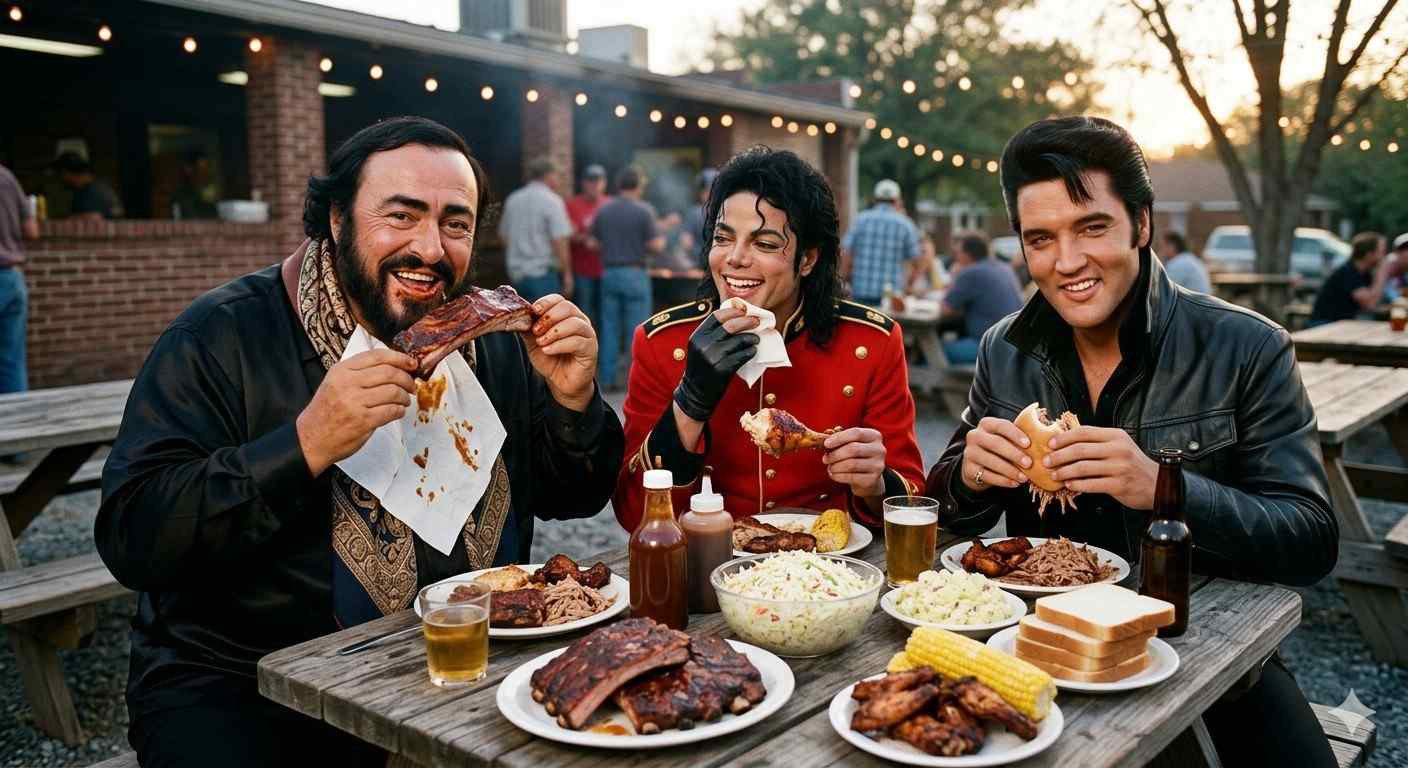
Find a cozy spot, get a cold drink ready, and let’s do a deep dive into BBQ and music. If you are anything like me, your backyard is a sacred space. It is a theater where wood, fire, and meat come together to create something close to magic.
Deep within the glowing embers of an offset smoker – where I’ve spent half my life gazing and learning – lies the secret to taking outdoor cooking to the next level. We have all mastered the basics of heat control and spice rubs.
But how do we capture pure soul in a meal?
To answer that, we have to look outside the pantry. Think about the closing chords of Jailhouse Rock, the driving bassline of Billie Jean, or the soaring, effortless crescendo of Nessun Dorma. Food and music are essentially the exact same craft.
They both rely on rhythm, timing, and an incredible amount of passion. They take basic raw materials – a simple chord progression or a tough cut of beef – and transform them into something that makes people stand up and cheer.
What happens when you bring the greatest musical icons of the twentieth century to the ultimate backyard grill? You get a high-note cookout. This is an exploration of showmanship, precision, and operatic grandeur.
We are looking at how the styles of Elvis Presley, Michael Jackson, and Luciano Pavarotti perfectly mirror the dedication, history, and craft of ultimate barbecue legends. Fire up your fireboxes, because we are putting some serious rhythm in our rub.
The King’s Pit: Memphis BBQ Meets Elvis Presley
If we are talking about rock and roll royalty, we have to start in Memphis, Tennessee. This city is a dual powerhouse. It gave us the unforgettable, hip-shaking charisma of Elvis Presley, and it perfected the art of the pork rib.
If Elvis were hanging out by your pit, he would not be looking for subtle, minimalist cooking. He would want something bold, soulful, and unapologetically vibrant. Memphis barbecue is the ultimate culinary match for the King.
It is a style built on deep southern tradition, but it is delivered with a massive dose of flair.
In the barbecue world, Memphis is famous for its fierce debate between dry rubs and wet sauces. Memphis dry ribs rely on a complex spice blend dominated by paprika, garlic, onion, and black pepper.
The magic happens when the sweat of the cooking pork mixes with the spices, creating a gorgeous, flavorful crust right on the meat. It is pure, unadulterated soul, much like Elvis’s early Sun Records recordings.
On the other side, wet ribs are continuously basted with a tangy, sweet tomato-based sauce throughout the smoking process. This delivers a glossy, show-stopping appearance that commands attention, just like a rhinestone-studded jumpsuit under the Las Vegas stage lights.
To truly honor the King at our high-note cookout, we have to inject a little bit of his personal culinary eccentricities into the menu. We all know Elvis loved the rich, decadent combination of peanut butter and bananas.
While throwing a whole banana onto a rack of spare ribs might sound like a disaster, a smart pitmaster knows how to adapt.
- The Secret Elvis Glaze: Try creating a bourbon-and-brown-sugar glaze, and whisk in a single tablespoon of smooth peanut butter right at the end. The peanut butter acts as a natural emulsifier, giving the sauce a rich texture and a subtle, savory undertone that pairs beautifully with pork fat.
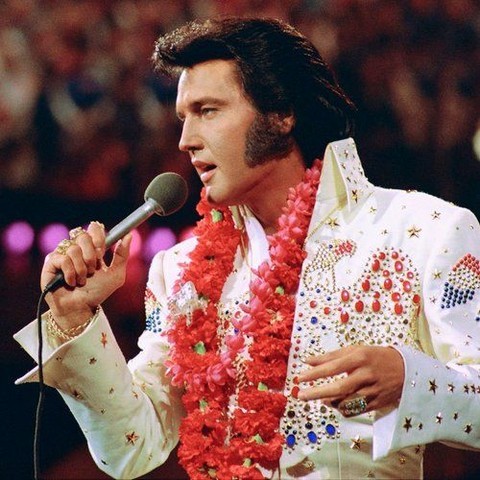
When you are cooking like Elvis, showmanship is everything. Managing a Memphis pit requires you to be an entertainer. You are not just monitoring a thermometer; you are managing a live fire and interacting with your guests.
When it comes time to slice those ribs, do it with some attitude. Look for that perfect bend in the rack. If you pick it up from the middle and it curves gracefully without breaking, you have hit the sweet spot.
Serve them hot, keep the napkins close by, and let the flavors do the talking.
The Thriller on the Grill: Modern Innovation Meets Michael Jackson
Now, let’s shift our tempo. Imagine moving away from the steady, driving beat of early rock and roll and stepping into the sharp, electric world of pop perfection.
Michael Jackson changed the landscape of music by blending R&B, rock, and pop into a global phenomenon. His music was defined by absolute precision, incredible choreography, and visual spectacles that left audiences breathless.
Translating that energy to the backyard smoker means leaving traditional boundaries behind and embracing modern barbecue innovation.
For this pairing, we are tackling the undisputed heavyweight champion of the barbecue world: the Texas-style beef brisket. But we are not doing a standard salt-and-pepper cook.
To match the boundary-pushing nature of the King of Pop, we are leaning into modern fusion barbecue.
The ultimate goal here is total control over the cooking process, utilizing advanced techniques to achieve flawless results. We are aiming for a brisket that executes a perfect metaphorical moonwalk across the palate.
Core Pillars of Modern BBQ Innovation
- Precision Temperature: Maintaining a tight 225°F to 250°F window to perfectly break down tough connective tissues.
- Visual Showmanship: Crafting a stark, high-contrast mahogany bark that grabs attention before the first bite.
- Flavor Boundary-Pushing: Infusing traditional wood smoke with deep umami components.
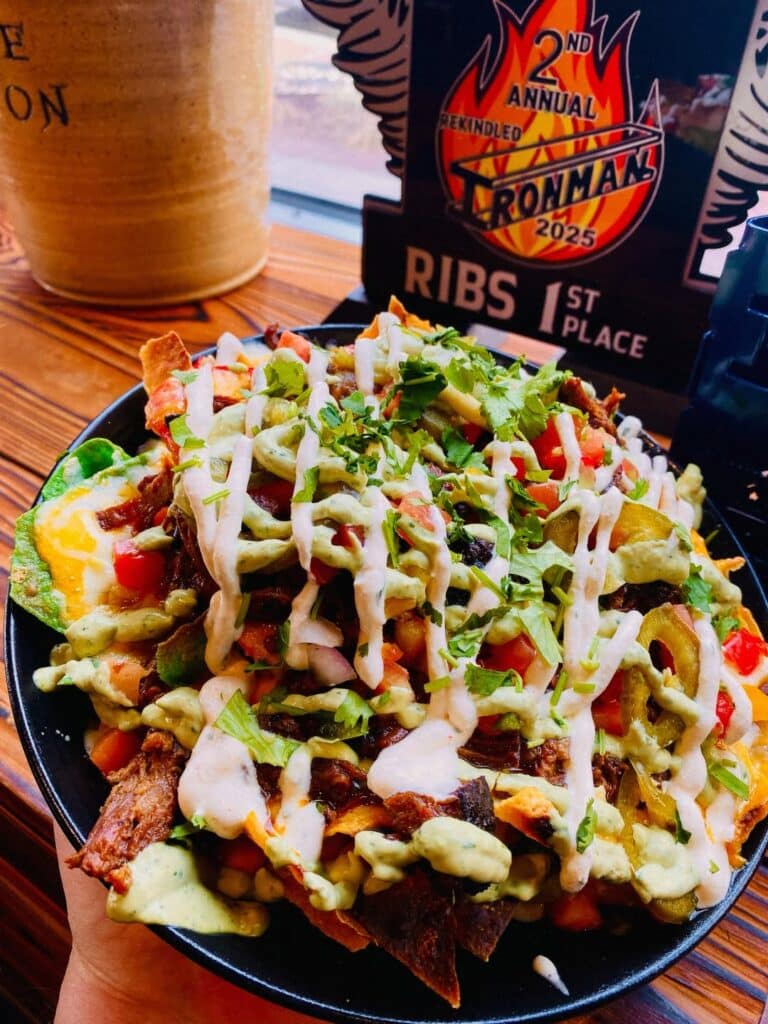
The secret to a show-stopping brisket lies in the choreography of the stall. This is the agonizing period during a cook where the internal temperature of the meat hits around 150°F and flatlines for hours.
It happens because moisture evaporates from the surface of the meat, cooling it down just like sweat cools an athlete. A traditional pitmaster might just wait it out, but a modern innovator uses the Texas Crutch.
Wrapping the brisket in pink butcher paper at this exact moment locks in just enough moisture to power through the stall while preserving the integrity of that beautiful, dark bark.
To give this brisket a true pop star edge, we can innovate with our flavor profile. Try boosting the traditional rub by mixing in a bit of dried shiitake mushroom powder or a splash of Worcestershire sauce in your binder.
This adds an intense layer of umami that elevates the natural beef flavor.
When you slice into the finished product, the visual contrast should be stunning. You want a bright pink smoke ring contrasting against a dark, shimmering mahogany bark. It needs to look as sharp and intentional as a single white sequined glove.
Every slice must be uniform, precisely pencil-thick, and so tender that it holds its shape until it gently pulls apart under its own weight. This is barbecue executed at the highest technical level.
The Grand Operatic Feast: Live-Fire Grilling Meets Pavarotti
We have covered rock, and we have mastered pop. Now, it is time to throw open the doors, clear out the clutter, and embrace a style of cooking that matches the scale of grand Italian opera.
Luciano Pavarotti possessed a voice that could fill an outdoor stadium without a microphone. He was a man who celebrated life, loved abundance, and viewed every meal as a joyous, communal festival.
You cannot welcome the spirit of Pavarotti to a high-note cookout with a handful of tiny sliders. You need live fire, massive cuts of meat, and an open-air spectacle.
This chapter of our cookout belongs to the ancient art of open-fire grilling, specifically inspired by the classic Tuscan Bistecca alla Fiorentina.

This is not your average weeknight steak. A proper Fiorentina is a massive, thick-cut T-bone or porterhouse, often measuring three to four fingers thick and weighing several pounds.
Cooking a piece of meat this large over an open flame requires a deep understanding of radiant heat. It is a grand performance that demands your full attention.
Instead of hiding the meat away inside a closed steel smoking chamber, this method puts the fire on full display. You cook over glowing hardwood coals, using woods like oak or olive wood to create an intense, clean heat source.
The philosophy here is a beautiful contrast to low-and-slow barbecue. It is fast, loud, and incredibly primal.
- The Searing Phase: You drop that massive steak directly over scorching hot coals to build an incredible, caramelized crust.
- The Roasting Phase: You stand the steak upright on its bone, letting the heat travel upward to warm the interior without overcooking the delicate meat.
The beauty of this operatic style lies in its radical simplicity. Pavarotti did not need auto-tune, and this steak does not need a complicated, twenty-ingredient marinade.
All you need is coarse sea salt, cracked black pepper, fresh rosemary, and a generous drizzle of high-quality, cold-pressed olive oil right before serving. The seasoning enhances the natural beef flavor rather than hiding it.
When the steak hits the cutting board, it should be carved family-style in front of your guests. Slice the meat away from the bone, cut it into thick strips, and arrange it beautifully on a massive platter.
This is the culinary equivalent of a massive opera finale. It is loud, it is deeply satisfying, and it is meant to be shared with a large table filled with family, friends, and plenty of robust red wine.
The Ultimate Playlist & Pairing Guide
A truly successful high-note cookout is an experience that engages all of your senses. You cannot just focus on the food and leave the backyard completely silent.
To pull off an unforgettable event, you need to sequence your music and your refreshments to match the natural rhythm of the cooking process. A long cook has distinct phases, and each phase has its own unique energy.
Phase 1: Morning Fire Prep
- Musical Match: Soaring Pavarotti Arias
- Beverage Companion: Strong Black Coffee
- The Vibe: When you first head outside in the early hours of the morning, the backyard is quiet. The air is cool, and your main task is splitting wood and building a clean, sustainable coal bed. This is the time for patience and focus. The elegant, rolling melodies will keep your pace steady while you manage the initial smoke.
Phase 2: Mid-Day Smoke & Baste
- Musical Match: Classic Elvis Presley
- Beverage Companion: Tennessee Whiskey or Southern Sweet Tea
- The Vibe: By mid-afternoon, the smoker is humming along beautifully at 250°F. The aroma of rendering fat and wood smoke is filling the neighborhood, and your guests are starting to arrive. Swap the opera for the upbeat, infectious rhythm of classic Elvis to keep the mood light and encourage people to mingle near the pit.
Phase 3: Final Plating & Feast
- Musical Match: Michael Jackson’s Greatest Hits
- Beverage Companion: Robust Tuscan Chianti Wine or Cold American Lager
- The Vibe: The meat is rested, the knives are sharpened, and it is time to serve the feast. This is the peak of the evening, and the energy needs to match the food. High-energy hits get everyone moving and excited. A robust Chianti cuts through the rich fat of the open-fire steak, while a cold beer keeps things refreshing alongside the smoky brisket.

The Final Encore
When the fire finally dies down to a bed of soft grey ash, and your guests are leaning back in their chairs completely satisfied, you realize what makes outdoor cooking so special. Barbecue is never just about fuel and nutrients.
It is a celebratory art form. It is a way to tell stories, bring people together, and create lasting memories out of simple, everyday ingredients.
By looking at our cookout through the lens of creative legends, we can find new inspiration for our cooking routines.
Whether you are channeling the soulful showmanship of Elvis with a rack of Memphis ribs, chasing technical perfection like Michael Jackson with a flawless brisket, or embracing the grand generosity of Pavarotti over an open wood fire, you are doing something wonderful.
You are elevating the backyard cookout into an experience that hits every single high note.
The next time you head outside to light your smoker, don’t just cook by the numbers.
Think like an artist. Step outside your comfort zone, try a bold new flavor profile, and bring plenty of passion to the table. After all, life is far too short for boring food.
Go ahead and put on a great record, open up the air intakes, and make your next backyard gathering a true masterpiece.
Frequently Asked Questions
Can I actually use peanut butter on pork ribs without ruining them?
You absolutely can, but the secret is moderation and timing. Do not slather chunky peanut butter straight onto raw meat. Instead, whisk a single tablespoon of smooth peanut butter into a warm, bourbon-and-brown-sugar glaze right at the very end of your cook.
The peanut butter acts as a natural emulsifier, giving your sauce a rich, velvety texture and a subtle, savory depth that pairs beautifully with the smoky pork fat. It is a subtle nod to the King that leaves guests guessing your secret ingredient.

What exactly is the “stall” when cooking a brisket, and how do I beat it?
The stall is the agonizing phase during a long cook – usually around 150ºF to 170ºF 65ºC to 77ºC – where the internal temperature of your brisket completely flatlines for hours.
This happens because moisture evaporates from the surface of the meat, cooling it down just like sweat cools an athlete.
To beat it with pop-star precision, use the Texas Crutch. Wrap your brisket tightly in pink butcher paper the moment the stall hits.
This traps just enough moisture to stop the evaporative cooling and push the temperature through the plateau, all while preserving that gorgeous, crunchy dark bark.
How do I stop a thick steak like a Bistecca alla Fiorentina from burning on the outside while staying raw in the middle?
Cooking a steak that is three to four fingers thick requires a two-step choreography of direct and indirect radiant heat.
- First, get your sear: Drop the steak directly over scorching hot hardwood coals for a few minutes per side to build a heavily caramelized crust.
- Second, use the bone: Stand the steak upright, resting vertically directly on its flat T-bone. Move it slightly away from the absolute hottest part of the fire. The bone acts as a natural heat shield, conducting warmth slowly upward into the center of the meat without overcooking the delicate edges.
Why use pink butcher paper instead of aluminum foil for wrapping meat?
Think of aluminum foil as a complete lockdown. It is entirely non-porous, meaning it traps 100% of the moisture. While this speeds up cooking, it also braises the meat and can turn your beautiful, crunchy bark into mush.
Pink butcher paper is porous. It breathes just enough to let excess steam escape – preventing your bark from getting soggy – while still trapping enough heat and moisture to speed you through the stall and keep the meat incredibly juicy.
What is the best type of wood to use for an open-fire Italian-style cookout?
For a grand, operatic open-fire feast, you want a wood that burns hot, clean, and imparts a sophisticated flavor profile.
Oak is the gold standard for reliable, steady heat. If you can get your hands on olive wood or fruitwoods like cherry or apple, blend them in.
They provide a beautifully fragrant, sweet smoke aroma that elevates simple ingredients like sea salt and rosemary without overpowering the natural beef flavor. Avoid heavy, resinous woods like mesquite for this style of grilling.
Featured image credit: Google Gemini
