
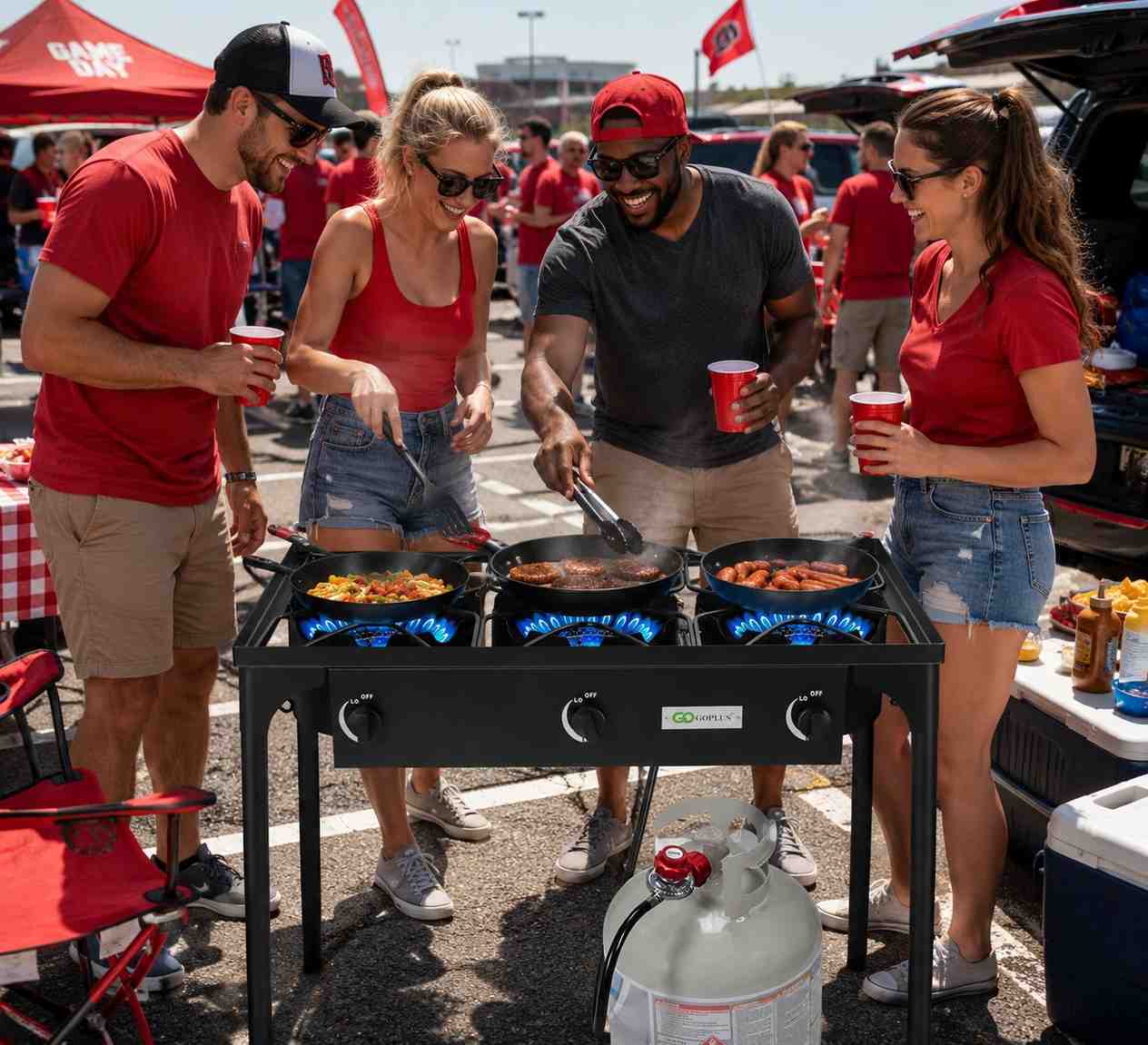
Outdoor cooking is usually romanticized as a peaceful dance with fire, but anyone who has actually tried to feed a hungry crowd at a campsite or a backyard gathering knows the truth. It is often pure, unadulterated chaos.
You are standing over a standard two-burner camp stove, trying to coordinate a meal for eight people.
The bacon finishes first, but by the time the eggs are halfway done, the bacon has turned into an icy strip of cold fat. The coffee pot is glaring at you from the sidelines, waiting for its turn on the flame.
You are not a chef in that moment; you are a logistics manager desperately working a high-stakes puzzle, and everyone is getting hangry.
Standard portable cookers force you to cook in shifts. It is an inefficient way to live, and it completely ruins the joy of cooking outside. As a pitmaster, I am used to massive cooking surfaces where everything finishes at the exact same time.
I want my brisket hot, my sides bubbling, and my appetizers fresh. When you move that mindset to a portable weekend setup, a tiny two-burner stove feels like trying to paint a billboard with a toothbrush.
This is exactly why the Goplus 3-burner stove caught my eye. It promises to bring industrial-strength multitasking to the great outdoors. It is a heavy-duty powerhouse designed to stop the meal-shifting madness by introducing a critical third cooking zone.
We are putting this budget-friendly giant through a rigorous, hands-on review to see if it can truly deliver a seamless, multi-course outdoor feast, or if it is just a lot of hot air.
First Impressions & Unboxing
When the delivery driver dropped the box on my porch, the first thing I noticed was the sheer weight. This is not a featherweight backpacking stove you slide into a nylon sack. This unit has some serious heft to it, letting you know it means business.
Unboxing it feels less like opening a piece of camping gear and more like unboxing a commercial kitchen appliance.
The heavy-duty construction stands out immediately:
- Welded Steel Frame: The chassis feels incredibly rigid with zero flex to the metal body.
- Cast Iron Burners: The heart of the unit features three massive, dense burners designed to absorb and throw massive amounts of heat.
- Professional Finish: The matte black finish looks sharp, though like any painted steel item meant for high heat, it will show its battle scars after a few greasy cookouts.
Setting it up is a refreshingly simple affair. The stove uses a detachable leg mechanism where you slide the four steel legs into the corner brackets of the main burner housing and tighten down the heavy thumb screws.
There are no overly engineered locking pins to jam or plastic clips to snap off in the cold. It takes less than five minutes to go from a flat steel box in your trunk to a fully upright, rock-solid cooking station.
The legs give the stove an excellent working height, saving your lower back from hunching over like a gargoyle while flipping your food. Everything about the package feels heavily utilitarian, stripped of unnecessary plastic trim, and built like a tank.
Inside the box, you get:
- The main burner chassis
- Four detachable steel leg
- A high-pressure propane regulator
- A braided steel gas hose
Technical Specifications Breakdown
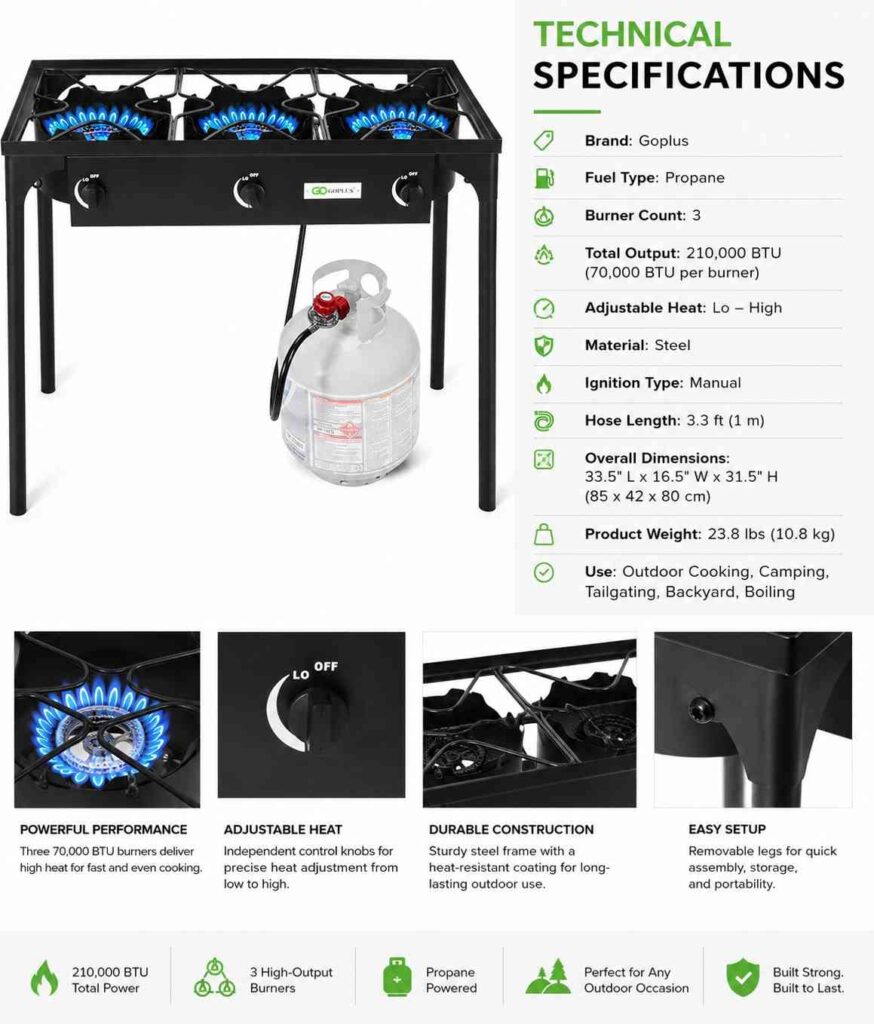
To truly understand what this stove is capable of, we need to dive into the technical details. The most important metric on any gas cooker is heat output, measured in British Thermal Units (BTUs). This stove is an absolute flamethrower.
- Total Heat Output: A staggering 225,000 BTUs.
- Per-Burner Output: A massive 75,000 BTUs per burner.
To put that into perspective, the average burner on an expensive home kitchen stove tops out around 12,000 to 15,000 BTUs. This extreme output is possible because it utilizes a high-pressure system.
While a standard tabletop camping stove gently coaxes propane out to create a soft, blue flame, a high-pressure system forces the gas out under much higher force. This creates a roaring, jet-like flame that is highly resistant to being blown out by the wind.
This immense power translates directly to real-world performance advantages and trade-offs:
- Drastic Boiling Times: You can bring a massive fifteen-gallon stockpot of water to a rolling boil for a backyard crawfish boil or corn roast in a fraction of the time.
- Massive Surface Area: The frame is wide enough to place three large cooking vessels side-by-side without bumping. You can easily run a 12-inch cast-iron skillet, a 14-inch carbon steel wok, and a large stockpot simultaneously.
- High Fuel Consumption: If you open up all three needle valves at full blast, it will drink propane like a thirsty traveler in the desert.
Fortunately, you will rarely need to run all three burners at maximum output. A standard 20-pound propane cylinder will easily get you through an entire weekend of heavy, multi-course feast cooking, provided you manage your flame levels intelligently.
The Feast Test: Putting the 3 Burners to Work
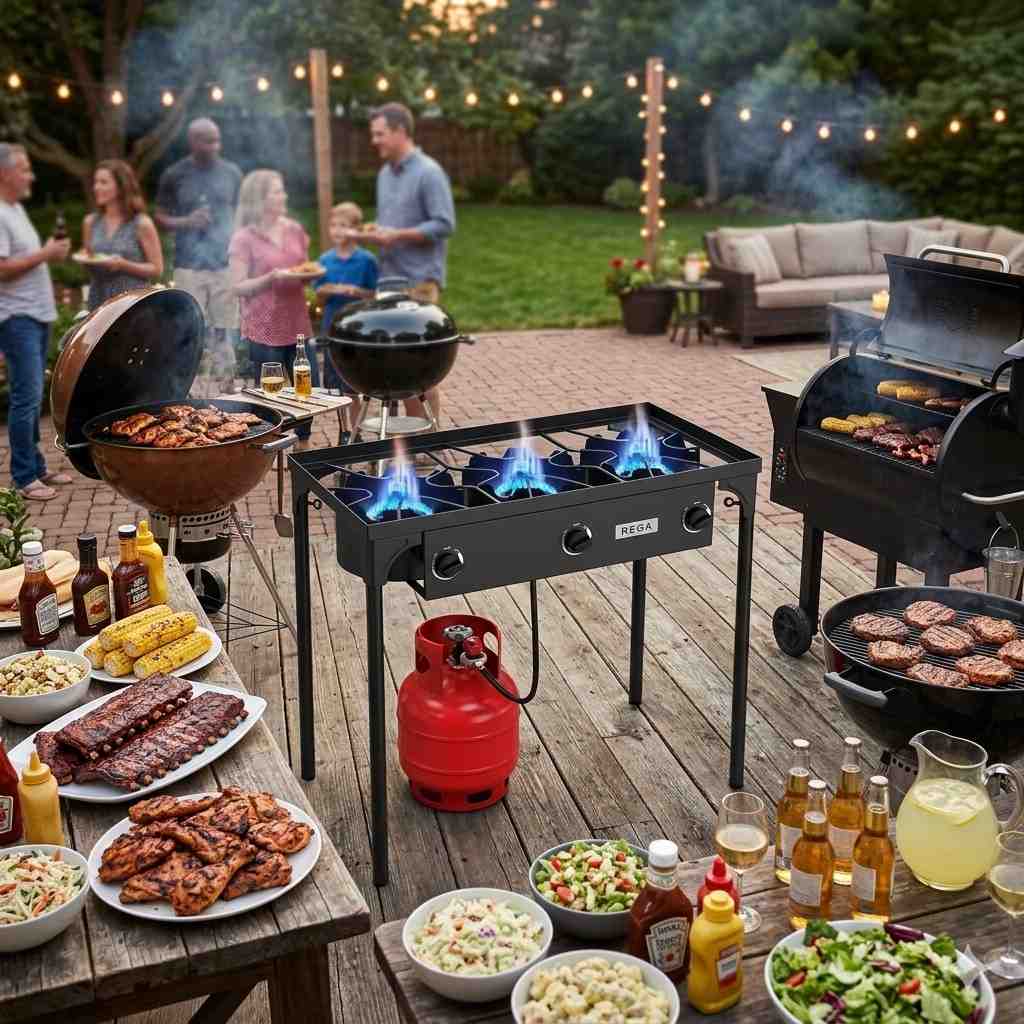
A true pitmaster doesn’t care about laboratory specs; we care about performance when the patio is full of hungry guests. To test the stove, I planned a chaotic, simultaneous three-zone menu that would cause a standard two-burner stove to instantly crash and burn:
- Zone 1 (High Heat): A heavy 12-inch cast-iron skillet dedicated to reverse-searing thick, bone-in ribeye steaks.
- Zone 2 (Maximum Output): A massive, deep stockpot filled with water to boil fresh corn on the cob and red potatoes.
- Zone 3 (Delicate Heat): A lighter carbon steel pan reserved for sautéing sweet onions, bell peppers, and a delicate garlic-butter reduction.
I hooked up the high-pressure regulator to a fresh 20-pound propane tank and opened the main cylinder valve. This stove features a manual ignition system, meaning there is no clicking piezo igniter button to fail you.
You simply turn on the gas valve slightly and bring a long stick lighter or a match to the burner. With a satisfying, deep whoosh, the cast iron burner roars to life with a clean, crisp, beautifully blue flame.
Managing these three zones simultaneously highlighted the true strengths and the minor quirks of this stove. On the boiling zone, the 75,000 BTU burner turned the massive pot of cold water into a violent, rolling boil in less than ten minutes.
Over on the searing zone, the cast-iron skillet absorbed the intense heat beautifully, delivering an instantaneous, uniform sear that locked in a deep, mahogany crust.
The “Simmer Struggle”: High-pressure stoves are built to run incredibly hot. Because the individual needle valves are managing high-pressure gas, turning the flame down to a gentle simmer requires a very steady, microscopic touch. If you turn the knob too quickly, the flame will simply snap off.
It took me a minute of fine-tuning to find that sweet spot where the butter bubbled gently without scorching the garlic. It is entirely possible to simmer on this stove, but it requires patience and a delicate hand; it is not a set-it-and-forget-it dial.
Additionally, the open-frame design means it lacks an integrated wind guard. During my backyard test, a sudden afternoon breeze kicked up.
While the high-pressure flames on the high and medium zones easily chopped right through the wind without flickering, the low-simmer burner struggled against the draft.
If you are cooking in high-wind conditions, you will definitely want to position this stove behind a barrier or invest in an aftermarket wind screen to protect your low-heat dishes.
Pros & Cons
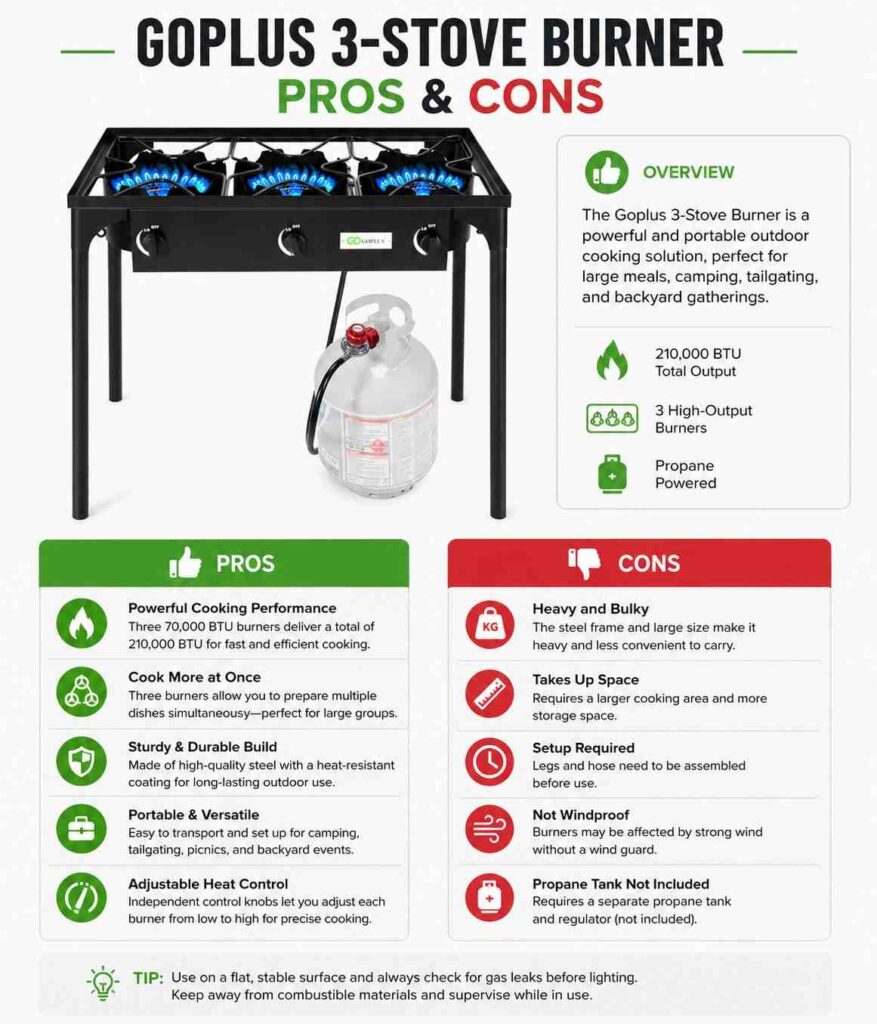
Every piece of outdoor cooking gear has its sweet spots and its compromises. After putting this heavy-duty unit through a series of demanding real-world tests, here is the unfiltered breakdown of where it shines and where it falls short.
The Good (Pros)
- Immense Power: The 225,000 total BTUs offer massive heating capability. It turns boiling, searing, and deep-frying into quick, effortless tasks.
- Unmatched Space: The massive cooking surface completely eliminates the bottleneck of outdoor cooking. You can easily manage three large cooking vessels simultaneously.
- Rock-Solid Stability: The heavy-duty welded steel frame and wide footprint mean the stove will not wobble, shake, or tip, even when supporting massive, heavy cast iron skillets or full stockpots.
- Incredible Value: Compared to premium, specialized overland or outdoor cooking brands, this stove offers an exceptional amount of cooking power and capability per dollar spent.
The Bad (Cons)
- Significant Weight: The heavy steel and cast iron construction make it quite bulky and heavy. This is strictly a tool for car camping, tailgating, or backyard use – you will not want to carry this far from your vehicle.
- Manual Ignition Only: The lack of a built-in electronic igniter means you must always remember to pack a stick lighter or a box of matches, or you will be left hungry.
- Steep Learning Curve on Low Heat: The high-pressure design means finding and maintaining a very low simmer requires an incredibly precise, delicate hand adjustment on the needle valves.
Maintenance, Cleaning & Longevity
Taking care of a heavy-duty outdoor stove like this is very similar to maintaining a high-quality cast-iron skillet. Because it lacks a fully enclosed, smooth grease tray like a high-end gas grill, post-feast cleanup requires a more hands-on approach.
Grease splatters from your searing steaks or frying bacon will inevitably land directly on the steel frame and the burners themselves.
Once the stove has completely cooled down, I like to take a warm, damp microfiber cloth with a bit of grease-cutting dish soap and wipe down the frame. Avoiding harsh chemical cleaners helps preserve the black finish for as long as possible.
Pitmaster Note: The burners themselves are raw cast iron. If you leave them exposed to damp, humid air or rainy weather, they will develop surface rust faster than a rusty old pickup truck.
To prevent corrosion, never store this stove outdoors unprotected.
Keep it in a dry garage, a shed, or inside a heavy-duty storage bag.
If the burners do happen to get wet, light them up for a few minutes after cleaning to let the intense heat completely evaporate any trapped moisture.
Periodically hitting the cast iron burners with a very light mist of high-smoke-point cooking oil will keep them seasoned, protected, and looking brand new for years.
Additionally, always pay close attention to your gas connections. Before every major cooking season, take a small brush and apply a mixture of soapy water to the brass connections on the braided steel hose and the regulator.
Turn the propane tank on without lighting the stove. If you see growing soap bubbles, you have a gas leak. Tighten down the connections until the bubbles stop. It is a simple, two-minute safety check that keeps your outdoor cooking completely safe.
Top 3 Alternatives for the Goplus 3-Burner Stove
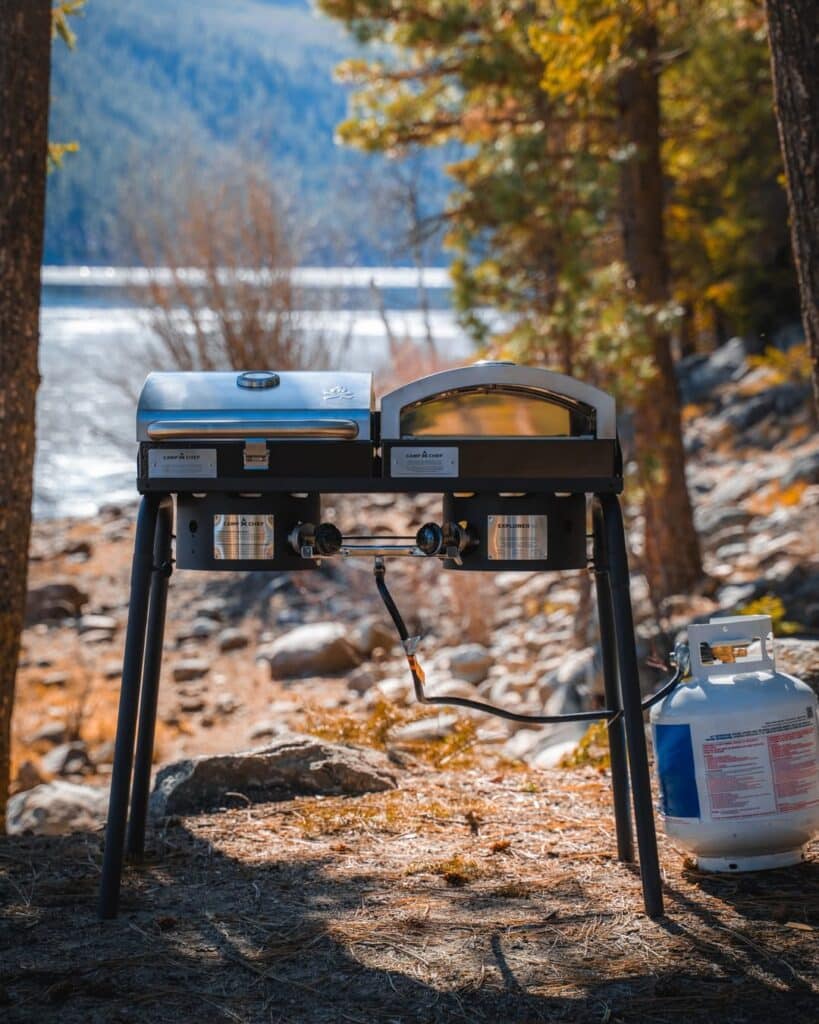
1. The Premium Upgrade: Camp Chef Explorer 3X (EX90LW)
If you love the three-burner layout but want better build quality, a massive ecosystem of accessories, and actual wind protection, this is the gold standard.
- Why it’s a great alternative: Camp Chef is the king of modular outdoor cooking. Unlike the completely bare-bones Goplus, the Explorer 3X includes a built-in 3-sided windscreen to protect your flames from choking in the breeze.
- The Power Difference: It uses a low-pressure system pushing 90,000 total BTUs (30,000 BTUs per burner). While that sounds like a massive downgrade from Goplus’s 225,000 BTUs, 30,000 BTUs is still a roaring flamethrower compared to a home stove. The massive benefit here is simmer control. You can actually drop this down to a gentle whisper for your garlic butter or sauces without the flame constantly snapping off.
- The Killer Feature: It is compatible with Camp Chef’s 14-inch modular accessories. You can drop a professional steel griddle plate over two burners or add an artisan outdoor pizza oven right onto the frame.
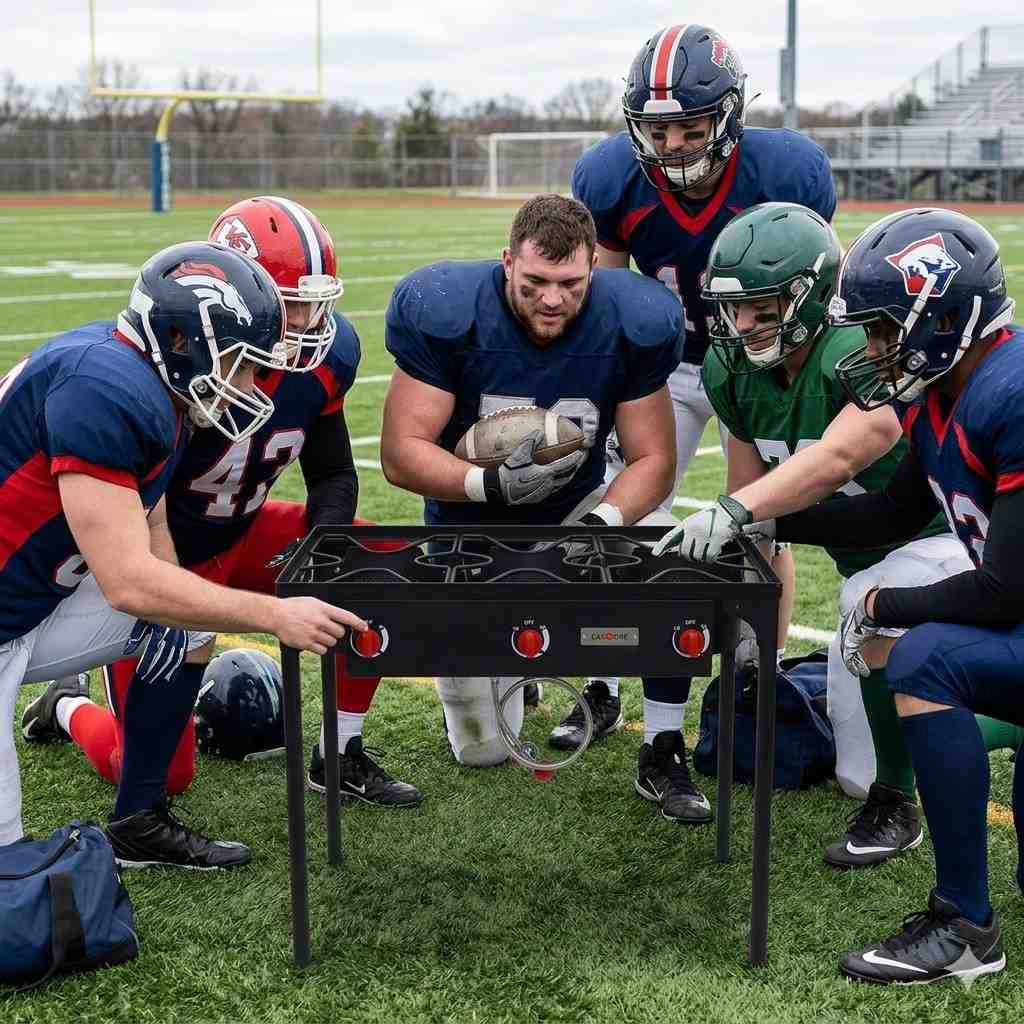
2. The Direct Budget Rival: GasOne Triple High-Pressure Burner (B-6565)
If you want the exact same “brute force” high-pressure setup as the Goplus but want an option from a brand entirely dedicated to gas burners and safety regulators, look at GasOne.
- Why it’s a great alternative: Price-wise and power-wise, this is a near-identical twin to the Goplus. It features a heavy-duty welded frame, removable legs, and a high-output multi-burner setup.
- The Key Edge: GasOne specializes heavily in gas delivery systems. Their included 0–5 PSI adjustable regulator with a steel-braided hose is highly regarded for having slightly smoother needle valve adjustments than generic budget stoves, making that “simmer struggle” just a tiny bit easier to manage.
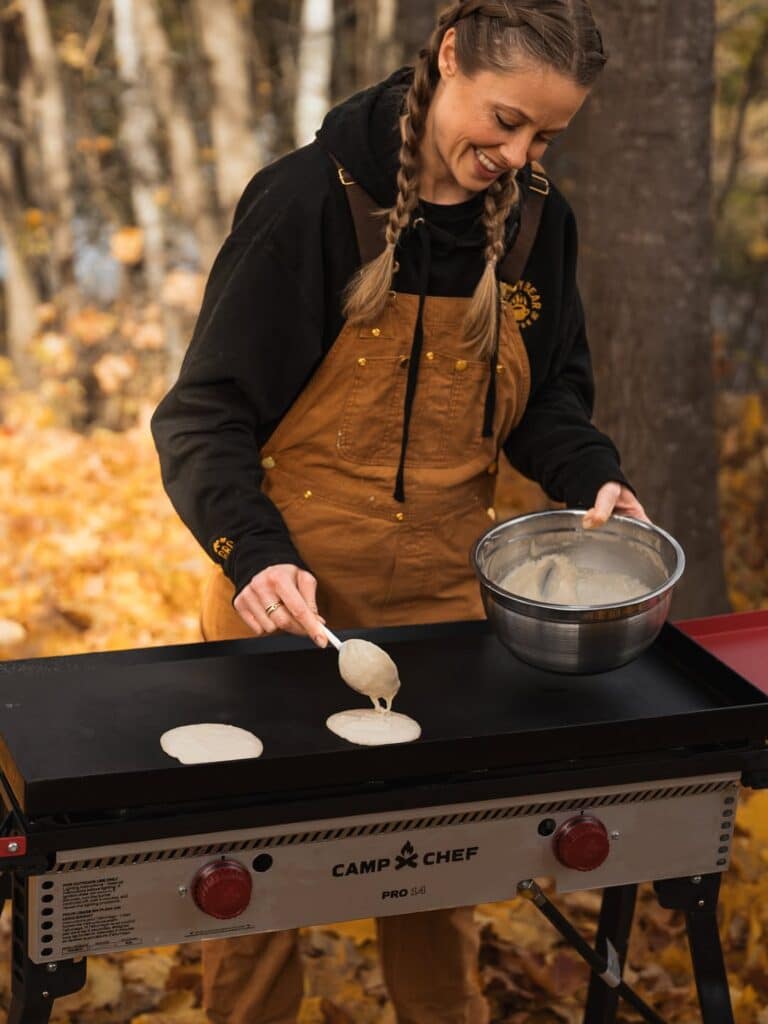
3. The Controlled Power Option: Camp Chef Tundra Pro 3-Burner Combo
If you want the absolute ultimate backyard and tailgating package that completely solves the “bare-bones” nature of the Goplus, the Tundra Pro is a beast.
- Why it’s a great alternative: It gives you the same 3-burner, 90,000 total BTU chassis as the Explorer, but it usually comes bundled as a complete system—often including a massive, pre-seasoned reversible cast iron grill/griddle that covers two of the zones right out of the box.
- The Premium Touches: It features patented Wind Baffle burner tech, appliance-style control knobs that offer actual granularity for heat management, and built-in leg levelers so your cooking oil doesn’t pool on one side of the pan when you’re set up on uneven campsite dirt.
The Verdict: Who is the Goplus 3-Burner For?
The Goplus 3-burner stove is a specialized tool that does exactly what it was engineered to do. It trades lightweight portability and high-tech features for raw, brutal heating power and massive cooking real estate.
It completely solves the problem of cooking for a crowd outside, making it an absolute game-changer for specific types of outdoor chefs.
If you are a solo backpacker looking to boil a cup of water for a dehydrated meal on a mountain ridge, this stove is obviously an absurd choice. Similarly, if your outdoor cooking style rarely goes beyond grilling a few hot dogs, this heavy-duty unit is likely overkill for your needs.
However, if you are a backyard entertainer who loves hosting large family cookouts, a tailgater feeding an entire row of football fans, a car camper who refuses to compromise on meal quality, or a home brewer needing massive heat for big batches, this stove is an absolute home run.
It offers an incredible amount of raw cooking capability at a price point that is very accessible.
The Goplus 3-burner stove successfully takes the logistical headache out of large outdoor meals. It gives you the space, power, and freedom to cook a genuine, multi-course feast all at once.
For anyone who believes that food tastes better when shared outside with a crowd, this heavy-duty powerhouse is an incredibly worthy centerpiece for your outdoor kitchen.
Goplus 3-Burner Stove FAQ
Performance & Operation
How powerful is the Goplus 3-Burner Stove?
This stove is an absolute powerhouse, delivering a total heat output of 225,000 BTUs (75,000 BTUs per burner). Because it uses a high-pressure system, it creates a roaring, jet-like flame that boils water incredibly fast and easily resists being blown out by the wind.
Can it handle a low simmer?
Yes, but it takes patience. Because it is a high-pressure system, the gas valves require a microscopic, delicate touch to find a low flame. Turning the knob too quickly will snap the flame right off.
Does it have an automatic igniter?
No. It features a manual ignition system. There is no electronic piezo button, so you will always need to bring a stick lighter or matches to light the burners.
Setup & Portability
Is this stove easy to transport?
It depends on how far you are carrying it. It is built from heavy-duty welded steel and cast iron, meaning it has significant weight and heft. It is perfect for backyard hosting, tailgating, and car camping, but it is much too heavy for backpacking.
How long does it take to assemble?
Less than five minutes. It features a simple, tool-free setup: you just slide the four steel legs into the main chassis brackets and tighten them down using heavy thumb screws.
Does it come with a wind guard?
No. It features an open-frame design with no built-in wind screen. While its high-pressure flames cut through drafts on medium and high heat, you may want to set it up behind a barrier or buy an aftermarket windscreen to protect delicate, low-simmer dishes.
Fuel & Maintenance
What kind of fuel tank does it use?
It hooks up to a standard 20-pound propane cylinder using the included high-pressure regulator and braided steel gas hose.
Will it burn through propane quickly?
If you run all three burners at maximum blast, it consumes fuel rapidly. However, under normal use where you manage your flame levels intelligently, a single 20-pound tank will easily last through a full weekend of heavy cooking.
How do I prevent the burners from rusting?
The burners are made of raw cast iron and will rust quickly if exposed to moisture. To protect them:
- Store the stove in a dry place like a garage, shed, or storage bag (never outside unprotected).
- If the burners get wet, light them for a few minutes to evaporate trapped moisture.
- Periodically mist the burners with a light coat of high-smoke-point cooking oil to keep them seasoned.
Featured image credit: ChatGPT
