
The backyard barbecue market has officially spun out of control. Walk into any big-box hardware store today and you will find gleaming stainless-steel rigs that cost more than a decent used car.
They come with Wi-Fi connectivity, touchscreens, and ambient lighting, transforming the ancient art of cooking over fire into a Silicon Valley tech seminar. But fire does not care about your Bluetooth connection. Fire cares about oxygen, fuel, and metal.
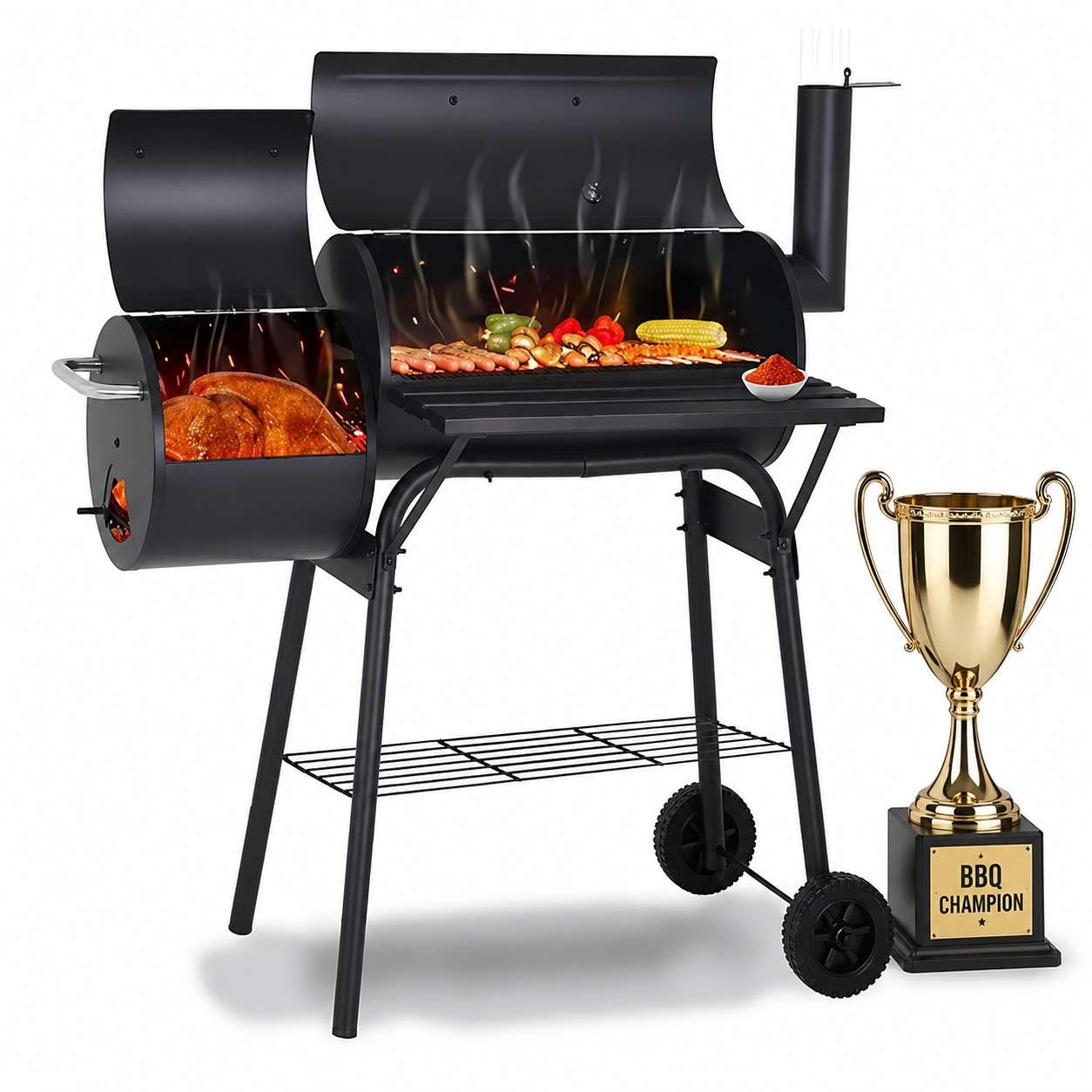
That is exactly why the FDW 43-Inch Charcoal Grill caught our attention. It promises massive cooking real estate and classic barrel-style smoking for a price tag that looks like a typo in your favor.
We bought one, dragged it to the patio, and fired it up to see if it delivers genuine wood-fired flavor or just a heap of buyers’ remorse.
Trading a stack of hundred-dollar bills for a premium smoker is easy. Finding a dirt-cheap diamond in the rough is where the real fun begins.
The core mission of this test was simple: find out if budget engineering can hold a steady temperature and drop a proper smoke ring on a rack of ribs. On paper, this oversized charcoal burner boasts features that usually require a financing plan.
In reality, it arrives in a surprisingly compact box that tests your patience long before you ever light a match.
Here is the unvarnished truth about what happens when you pit economic design against the brutal physics of live-fire cooking.
First Impressions and Technical Breakdown
Unboxing this beast is an exercise in managing expectations. The package arrives heavy, but a quick inventory reveals that the weight comes from the sheer volume of parts rather than thick-gauge steel.
The sheet metal feels thin to the touch, ringing with a distinct metallic clang rather than the dull, reassuring thud of heavy cast iron. Yet, once you lay everything out, the sheer scale of the FDW 43-Inch Charcoal Grill becomes undeniable.
It offers a massive primary cooking footprint that can easily handle a neighborhood block party without forcing you to cook in tedious, back-to-back shifts.
| Feature / Spec | Specification Details | Real-World Impact |
| Primary Cooking Surface | Approx. 400+ sq. inches | Fits 20 burgers or 4 full racks of ribs |
| Material Construction | Alloy Steel & Porcelain-Coated Grates | Lightweight mobility but fast heat loss |
| Mobility | Two-Wheel Cart Design | Easy to roll around; watch out for uneven grass |
| Temperature Management | Built-in Lid Thermometer & Dual Vents | Gives a general ballpark; needs close monitoring |
| Extra Amenities | Front and Bottom Storage Shelves | Great for tools and wood chunks; slightly flimsy |
Looking past the raw numbers, the design mimics the classic offset smoker silhouette that backyard cooks love. The porcelain-enameled cooking grates are a welcome touch at this price tier, offering decent rust resistance and relatively easy cleanup.
However, the structural metal itself relies on a high-temperature powder coat to fend off the elements. The overall build prioritizes maximizing square footage over material thickness. It is a calculated compromise.
You get the space of a commercial pit, but you lose the heavy-duty thermal mass that premium brands use to trap heat effortlessly.

The Assembly Journey: Bring Your Patience
Putting this grill together is the ultimate test of your backyard sanity. The instruction manual relies heavily on minimalist diagrams that look like abstract art, leaving you to guess which way the leg brackets face.
If you rush through the process using the flimsy, stamped-metal wrench included in the box, you will end up with a wobbly structure and a handful of leftover screws that will haunt your dreams.
The secret to surviving this build is to put away the included toy tools and grab a real socket wrench and a magnetic screwdriver.
Expect to spend at least ninety minutes spinning bolts and aligning panels.
A few of the pre-drilled holes on the legs did not line up perfectly on our test unit, requiring a little bit of physical persuasion and a rubber mallet to get the chassis squared away.
Tighten every bolt to about eighty percent capacity first, wiggle the frame until it sits level on the ground, and then lock everything down.
Once fully assembled, the grill feels surprisingly stable, but the journey to get there will make you earn every single sear mark.
Evaluating Build Quality and Thermal Dynamics
Let us talk about the metal. Thin steel acts like a sieve for thermal energy. When you light a fire inside the FDW 43-Inch Charcoal Grill, the heat transfers through the walls and escapes into the surrounding air almost immediately.
This means your fuel consumption will be higher than it would be on a heavy, double-walled cooker.
On a breezy spring afternoon, a gust of wind can instantly drop your internal pit temperature by twenty degrees, forcing you to become an active, hands-on manager of the firebox.
The lid seal is another area where budget constraints show their teeth. Without any modifications, the lid sits loosely on the lower barrel, leaving small gaps where smoke escapes and unwanted oxygen sneaks in.
In the world of charcoal cooking, oxygen control is everything. When air leaks into the belly of the beast, dampening down the exhaust vents will not kill the fire as quickly as you want.
The wheels and cart structure do their job well enough on flat concrete, but dragging this rig across a muddy lawn feels like a risky gamble. It is a machine designed to find a comfortable spot on your patio and stay there.
The Cooking Tests: Fire, Smoke, and Steel
Test 1: The High-Heat Burger Sizzler
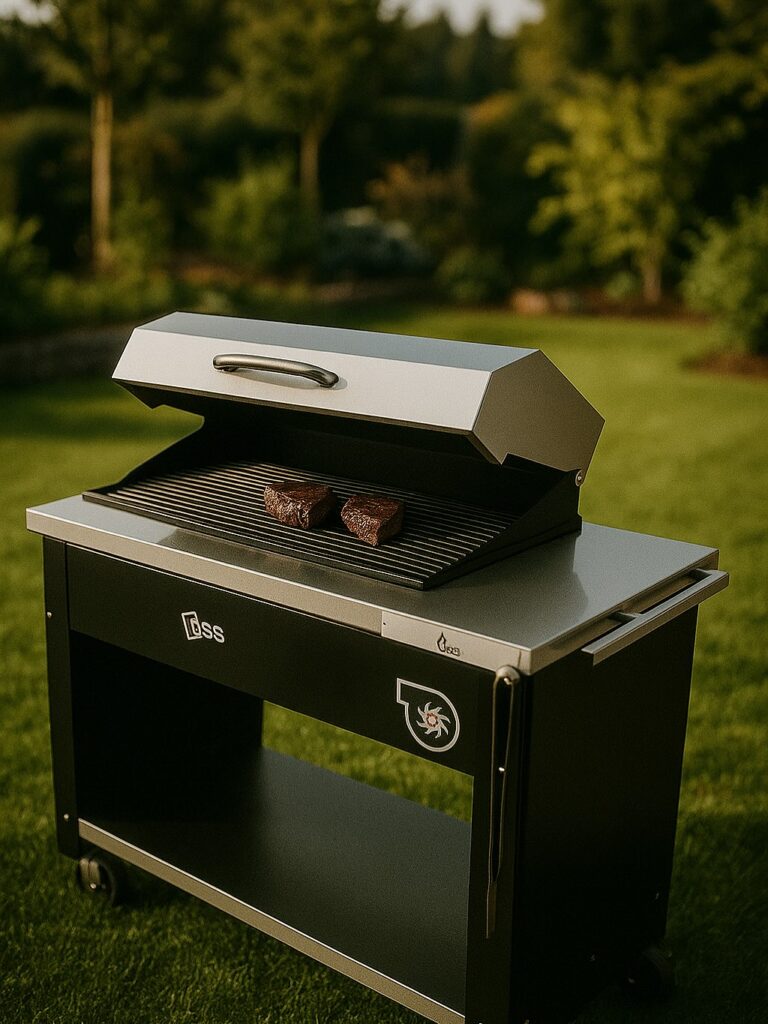
To kick off our testing, we loaded the coal pan with a massive chimney of glowing hardwood briquettes to evaluate raw, searing power. The goal here was to test for hot spots and see how the metal handled intense, direct radiation.
Within fifteen minutes of dumping the coals, the grill surface was screaming hot.
We mapped the heat by covering the grates with rows of generic white bread, revealing a distinct hot zone directly above the center of the coal bed, while the far edges stayed noticeably cooler.
When the burgers hit the grates, the sizzle was immediate and satisfying. The porcelain coating on the grates performed beautifully, releasing the meat cleanly without any stubborn sticking.
Because the cooking area is so vast, creating a two-zone setup was incredibly easy. We pushed all the hot coals to the left side for an aggressive sear, leaving the right side completely empty as a safe zone.
This allowed us to crisp up the exterior of thick, half-pound patties and then slide them over to the cool side to finish cooking through without burning the edges. For classic, fast-paced backyard grilling, this machine is an absolute workhorse.
| COOL ZONE | HOT ZONE |
| Indirect Heat | Direct Sear |
| Cheese Melting | Burgers/Sears |
CHARCOAL BED
Test 2: The Low and Slow Rib Challenge
Cooking a burger is easy; maintaining a steady 225 degrees Fahrenheit for six hours to tenderize a tough rack of St. Louis-style ribs is where a grill proves its worth.
We set up an indirect fire using the snake method, arranging unlit briquettes in a horseshoe shape and lighting just one end to create a slow, burning fuse.
We threw in a few chunks of hickory wood and shut the lid, waiting for the smoke to settle into that beautiful, thin blue hue that every backyard cook chases.
This is where the thin metal and leaky lid made us work for our meal. The built-in lid thermometer registered nearly fifty degrees lower than our digital ambient probe placed right next to the meat.
If you rely solely on the stock dial, you will accidentally run your pit way too hot. Managing the temperature required tiny, frequent adjustments to the intake vents. Every time the wind picked up, the fire spiked.
Despite the babysitting, the massive interior volume kept the ribs far away from the direct heat source.
After six hours of active management, the ribs emerged with a deep mahogany color, a distinct pink smoke ring, and an incredibly tender texture. The flavor was undeniable, even if the process required constant vigilance.
Test 3: The Full Capacity Party Protocol
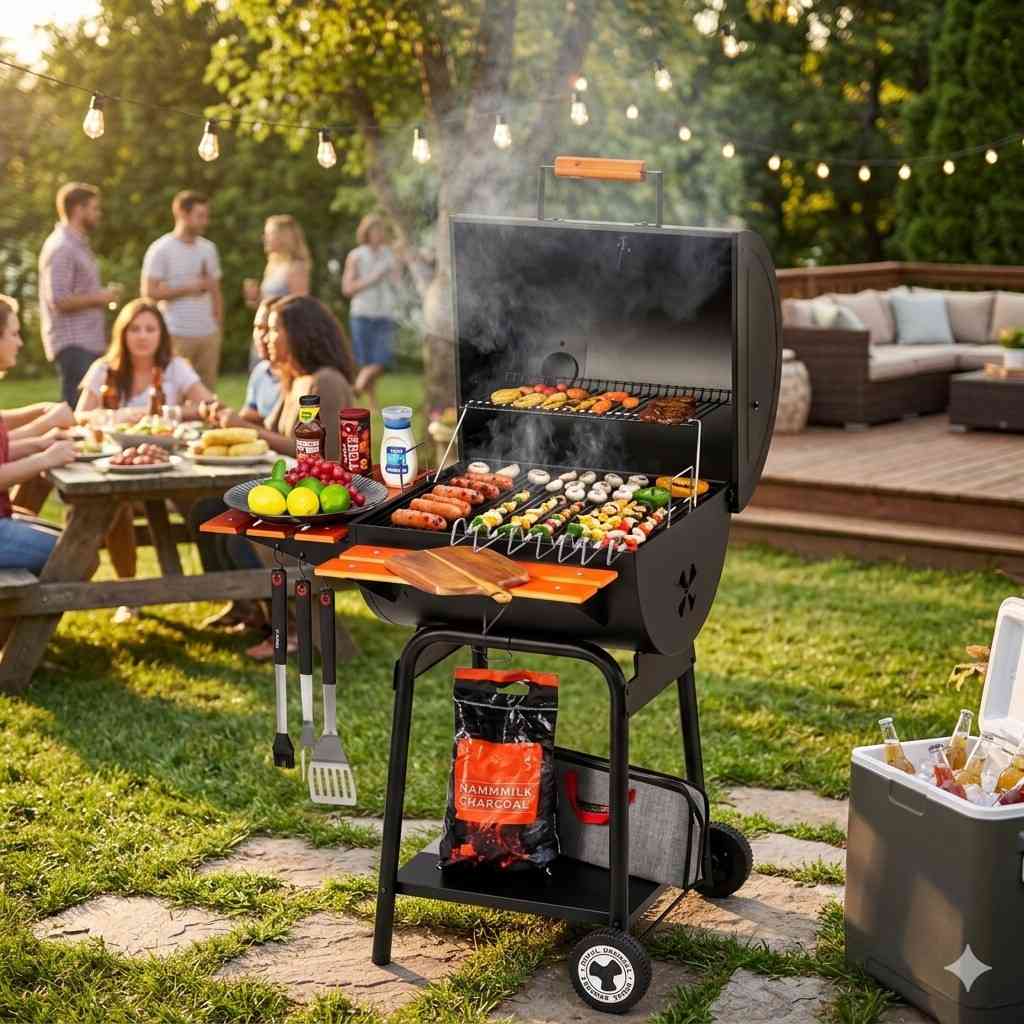
For our final test, we wanted to see how the grill handled a chaotic, high-density load. We packed the grates with a dozen chicken thighs, six ears of corn, and a pile of smoked sausages all at once.
When a grill is completely loaded with cold meat, the internal temperature usually takes a massive dive.
The FDW 43-Inch Charcoal Grill struggled a bit to recover its heat initialy, requiring us to crack the main lid open and feed more pre-lit coals into the belly.
The front shelf proved to be a lifesaver during this chaotic cook, holding our sauce mops, tongs, and platters right where we needed them.
Grease management during a massive cook can be a nightmare, but the angled bottom of the barrel directed most of the drippings down toward the cleanout zone rather than letting them pool and catch fire.
While you have to stay on your toes to move pieces around and avoid flare-ups from rendering chicken fat, the sheer volume of food you can produce simultaneously is impressive.
It turns a solo cooking chore into a theatrical, engaging backyard experience.
Pros, Cons, and the Reality of Budget Grilling
Investing in a budget pit means accepting a specific set of trade-offs. You are trading material premium and automation for raw space and economic freedom.
To help you decide if this compromise fits your backyard style, we have distilled our entire testing experience into a scannable breakdown of the good and the bad.
- The Big Highlights:
o Incredible Space-to-Price Ratio: You get the cooking footprint of a high-end pit for a fraction of the investment.
o Excellent Two-Zone Versatility: The wide barrel shape makes it simple to separate your searing heat from your gentle roasting zones.
o Porcelain Grates: Clean easily and resist the rusting issues common with cheap chrome alternatives.
o Functional Storage: The integrated shelving keeps your prep tools and extra fuel off the ground.
- The Hidden Flaws:
o Thin Gauge Steel: Loses heat rapidly on cold or windy days, consuming more charcoal over long cooks.
o Leaky Construction: Smoke escapes through the lid seams, making fine air control a challenge.
o Unreliable Stock Gauge: The factory-installed lid thermometer is highly inaccurate and should not be trusted for low-and-slow smoking.
o Frustrating Out-of-Box Assembly: Requires better tools and a patient mindset to build correctly.
Top 3 Best Grills to Buy if the FDW is Not Available
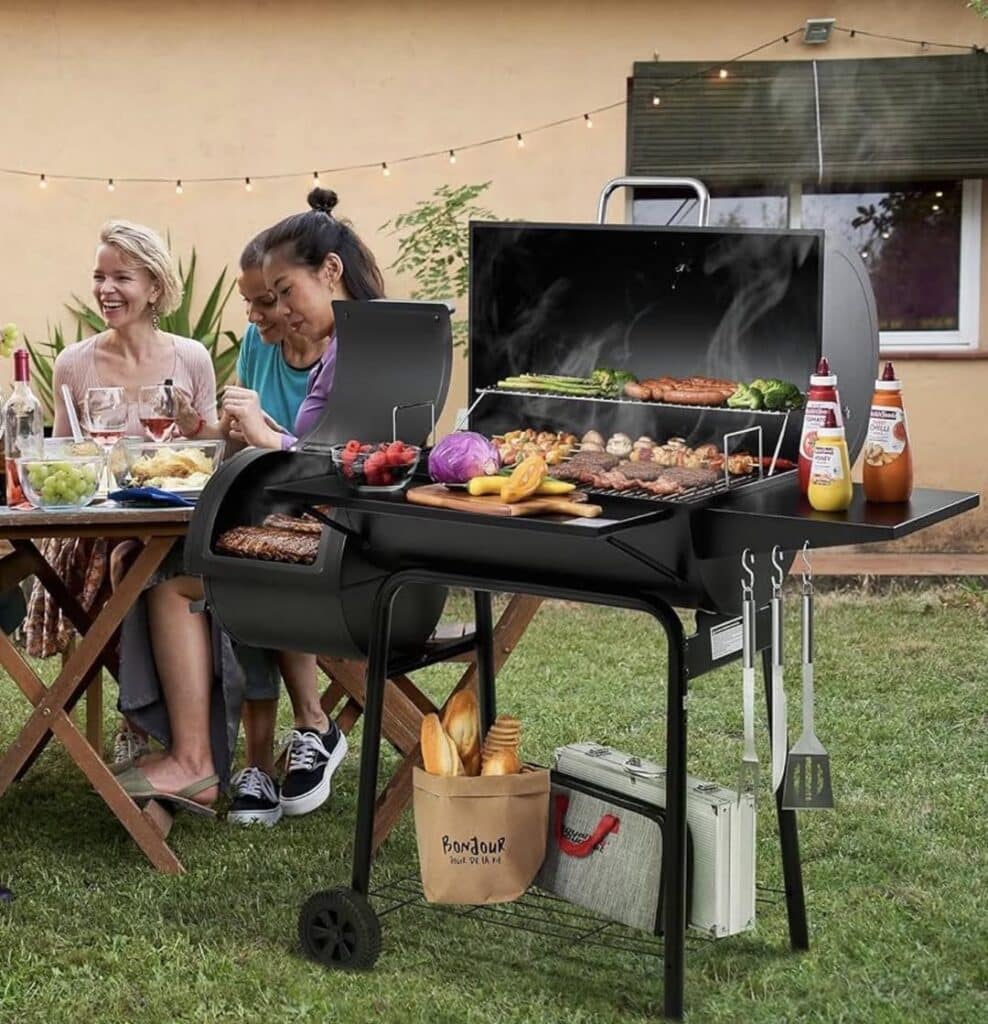
1. The Direct Upgrade: Royal Gourmet CC1830S Barrel Grill & Offset Smoker
If you love the exact barrel shape and vast cooking landscape of the FDW but wish it had a better seal and a dedicated smoking firebox, the Royal Gourmet CC1830S is the most logical step sideways.
- The Vibe: It offers a whopping massive footprint of total cooking space, but it attaches a small offset firebox to the side of the main barrel. This means you do not have to mess around with clever coal arrangements inside the main chamber – you just light your logs or briquettes in the side box and let the heat draft naturally across your meat.
- Why it beats the FDW: The construction feels slightly more stable, the porcelain-enameled steel wire grates are highly durable, and it features a height-adjustable charcoal pan inside the main chamber to give you instant temperature control by physically lifting or lowering the coal bed.
- The Catch: Like the FDW, it is still a budget-focused grill made of lighter steel, so you will still want to pick up some aftermarket gasket tape to perfectly lock down the lid seams.
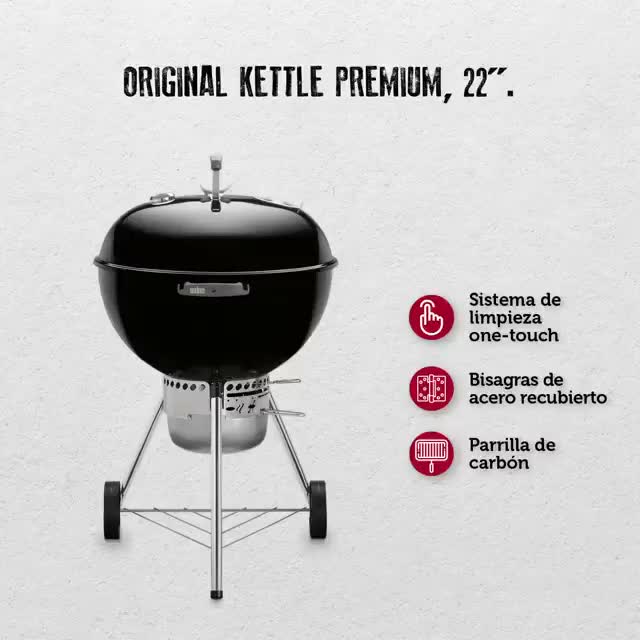
2. The Heavy-Duty Icon: Weber Original Kettle Premium 22-Inch
If you are tired of worrying about thin metal warping, wind ruining your temperature zone, or the grill rusting away out on the deck, you drop the barrel shape entirely and buy the undisputed king of backyard longevity.
- The Vibe: It is the classic porcelain-enameled steel bowl that your parents and grandparents probably cooked on. It trades away the massive rectangular real estate of a 43-inch barrel for supreme, bulletproof efficiency.
- Why it beats the FDW: Thermal dynamics. The heavy porcelain coating bonds to thick-gauge steel, trapping heat and deflecting the wind effortlessly. Because the round shape naturally channels air upwards, you get infinitely better temperature control using the top and bottom dampers. Plus, the Premium version includes a enclosed one-touch ash catcher bucket underneath, turning cleanout into a simple, five-second click rather than a messy shovel job. It is a grill built to live outside uncovered for fifteen years without batting an eye.
- The Catch: You lose total cooking space. While a 22-inch round grate can easily handle a couple of full chicken halves or up to 18 burgers at once, it will feel tight if you are trying to feed a massive block party all in one single wave.
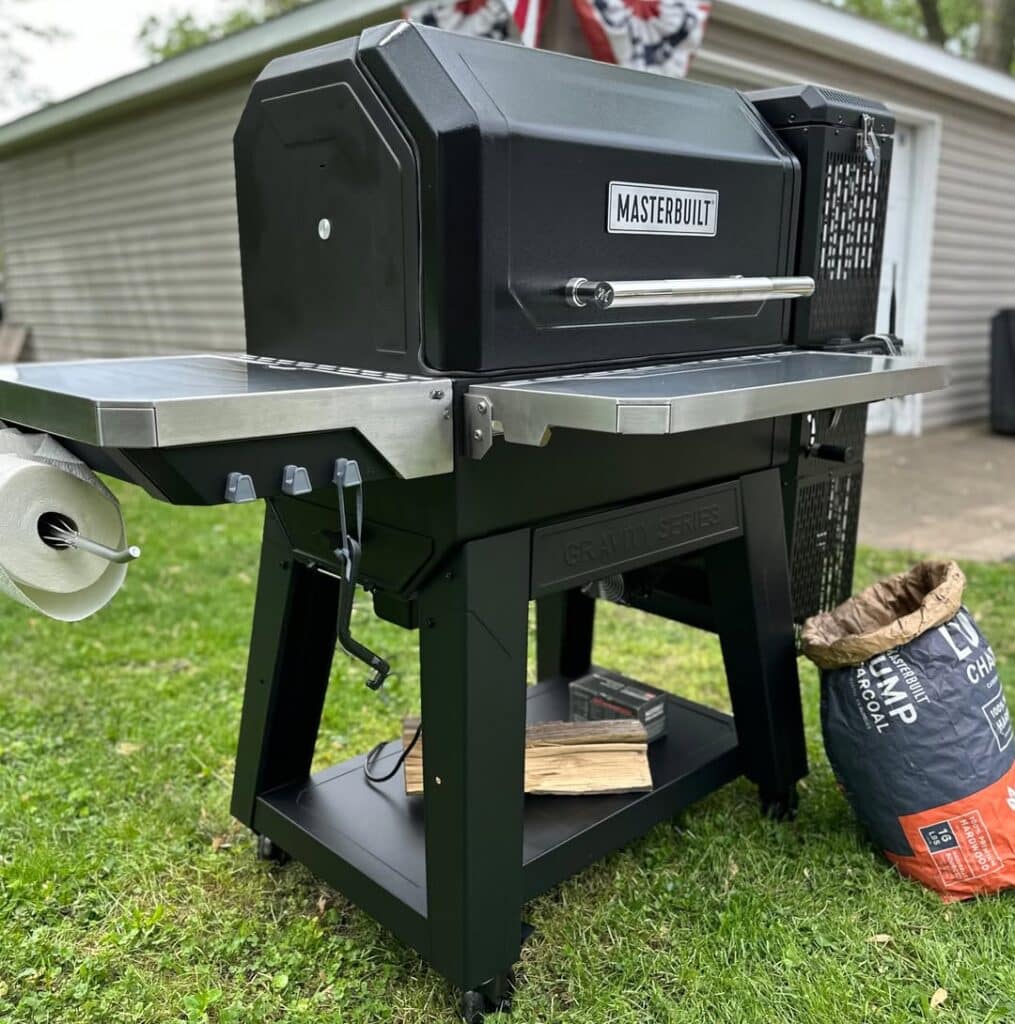
3. The Tech-Savvy Competitor: Masterbuilt Gravity Series 560
If you actually want the huge cooking real estate of a barrel grill but the thought of standing by the dampers all afternoon adjusting vents makes you want to cook indoors, this is your modern escape hatch.
- The Vibe: It looks like a heavy-duty grill, but it runs on a gravity-fed charcoal chute controlled by a digital fan. You fill the vertical hopper with charcoal, light a fire starter at the bottom, set your exact target temperature on the digital screen (or your smartphone), and walk away.
- Why it beats the FDW: It completely removes the guesswork of live-fire cooking. The onboard computer reads the internal temperature and uses a fan to stoke or starve the coals to maintain a perfect, laser-precise temperature anywhere from 225°F for low-and-slow briskets up to 700°F for an intense steak sear. You get the authentic flavor of real charcoal chunks with the absolute luxury and ease of a digital pellet grill.
- The Catch: It is a more significant financial investment than a bare-bones manual steel box, and because it relies on digital components and electrical fans, you absolutely cannot leave it exposed to a heavy rainstorm without a serious cover.
Maintenance, Survival, and Easy Performance Hacks
Left unprotected on a rainy weekend, thin steel will start to rust faster than a vintage pickup truck. If you buy the FDW 43-Inch Charcoal Grill, you must budget for a high-quality, waterproof grill cover immediately.
Water loves to pool in the bottom of barrel grills, mixing with leftover wood ash to create a highly corrosive paste that will eat through thin metal in a single season.
Clean out the ash bed after every single cook once the coals are completely dead, and keep the interior surfaces lightly coated with a thin layer of high-smoke-point cooking oil to create a protective barrier against moisture.
Fortunately, because this grill is so simple, it is a prime candidate for a few cheap, DIY performance upgrades that can elevate its performance to a completely different level.
Spending an extra fifteen dollars on aftermarket upgrades can completely transform how this machine behaves under fire.
- Seal the Leaks with Lava Lock: Buy a small roll of self-adhesive, high-temperature BBQ gasket tape. Run it along the inner rim of the lid where it meets the lower barrel. This instantly seals the gaps, traps your smoke, and gives you pinpoint control over your airflow vents.
- Upgrade Your Thermometer: Twist out the cheap factory dial and replace it with a high-accuracy, adjustable aftermarket grill thermometer. Alternatively, ignore the lid gauge entirely and invest in a dual-probe digital thermometer that clips directly to the cooking grate where your meat actually sits.
- Add a Firebrick Base: Place two or three cheap unglazed ceramic firebricks in the bottom of the coal pan. The bricks will absorb the intense heat from your charcoal and slowly radiate it back into the cooking chamber, acting as a thermal flywheel that stabilizes your temperatures during windy days.
Final Verdict: Who Should Buy This Grill?
The FDW 43-Inch Charcoal Grill is not a precision instrument designed for competitive pitmasters who demand flawless temperature stability to the single degree.
It is a raw, mechanical, old-school firebox that demands your attention, your patience, and a little bit of backyard intuition.
It forces you to learn the relationship between fuel and wind, turning the cooking process into a genuine craft rather than a set-it-and-forget-it chore.
If you are a casual weekend griller who wants to cook for large family gatherings without spending a month’s rent, this machine is an absolute steal.
It delivers that authentic, unmistakable wood-fired flavor that no gas grill can ever match, wrapped in a massive package that punches way above its price class.
Just buy a cover, seal up the lid leaks, trust your external temperature probes, and enjoy the savings while your patio fills with smoke.
Frequently Asked Questions (FAQ)
Is the FDW 43-Inch Charcoal Grill big enough to smoke a full brisket?
Yes, easily. The main cooking chamber has plenty of horizontal clearance to fit a trimmed 12-to-15-pound packer brisket without it crowding the edges or touching the walls.
However, because the metal is thin, you will need to map out your charcoal carefully using an indirect setup (like the snake method) and keep a close eye on your fuel reserves over a 12-hour cook.
How do I fix the smoke leaks around the lid?
The easiest and cheapest fix is to buy a roll of self-adhesive, high-temperature barbecue gasket tape (often sold under brands like Lava Lock).
Wipe down the inner lip of the lid with rubbing alcohol to remove any factory grease, then apply the felt tape right along the rim where the lid meets the lower barrel. This creates a tight, cushioned seal that forces smoke out of the vents instead of the seams.
Does the FDW 43-Inch Charcoal Grill rust easily?
Like most budget-tier steel grills, it is highly prone to rusting if left unprotected. Rainwater can mix with leftover charcoal ash to create a corrosive paste that eats through thin sheet metal in a matter of months.
To prevent this, buy a waterproof cover immediately, clean out the ash pan after every cook once the embers are dead, and occasionally spray the inside of the barrel with a thin coat of cooking oil to protect the steel.
Can I use real wood logs in this grill, or just charcoal?
Stick to charcoal briquettes or lump charcoal as your main fuel source. You can absolutely toss in small wood chunks or split mini-logs to get that rich, wood-fired smoke flavor, but do not fill the entire pan with large hardwood logs.
Hardwood burns incredibly hot, and a massive log fire can easily warp the thin-gauge steel or melt the high-temperature outer paint right off the barrel.
Is the built-in lid thermometer accurate?
Not particularly.
Like most stock gauges on budget grills, the included thermometer reads the air temperature at the very top of the lid, which can be 30 to 50 degrees Fahrenheit different from the actual temperature down where your food sits on the grates.
For quick high-heat grilling, it is fine; for low-and-slow smoking, ignore it entirely and use a digital probe thermometer clipped directly to the cooking surface.
Featured image credit: ChatGPT
