
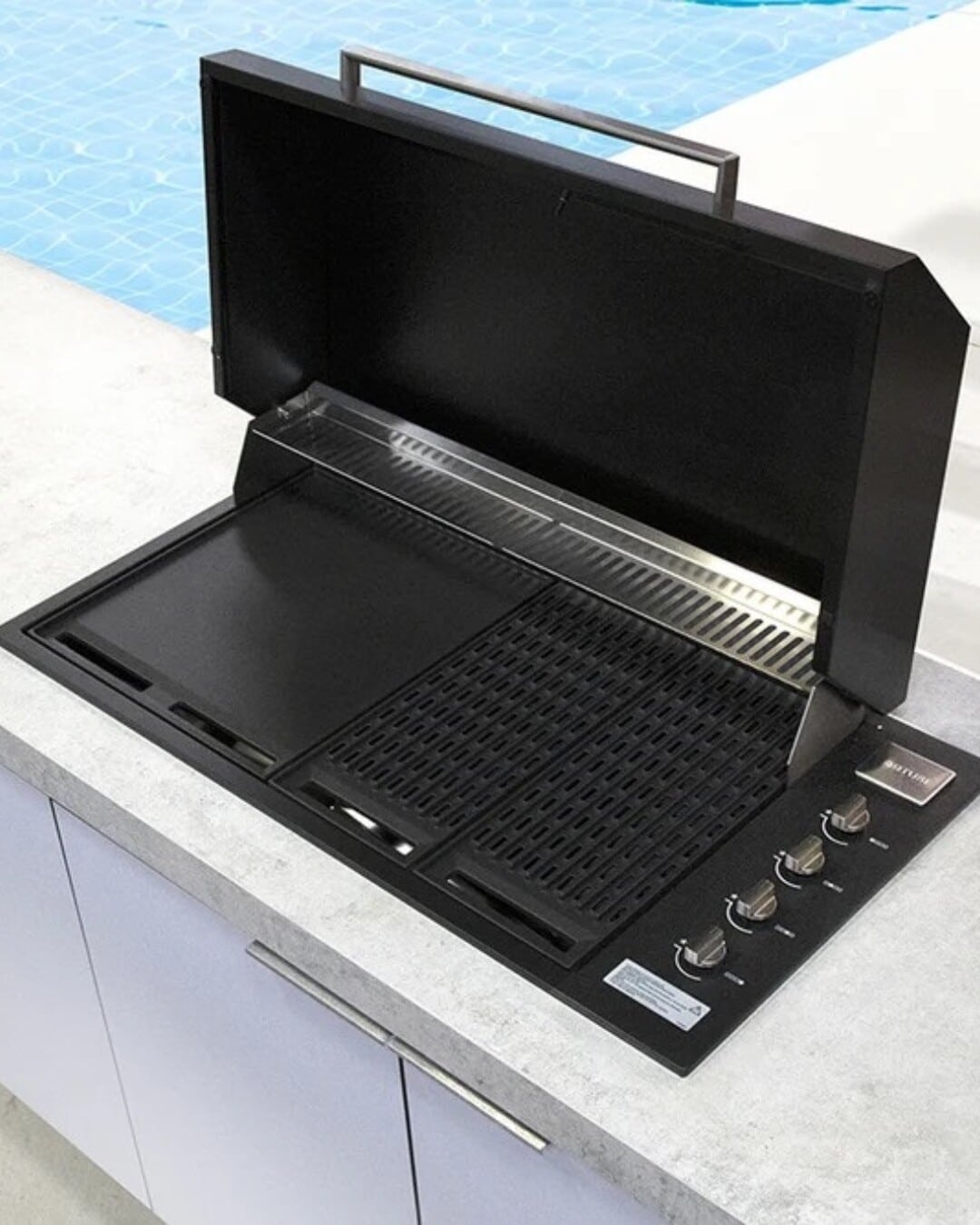
A dirty grill grate can turn your next barbecue into a sticky, smoky mess – but you don’t need a cabinet full of specialty cleaners to get it back in shape.
A few everyday household ingredients, a little patience, and the right scrubbing technique can tackle grease, burnt food, and stubborn residue surprisingly fast.
And before you reach for the industrial-strength cleaner hiding under the sink, take a breath. Your kitchen probably already has most of what you need.
A grill grate doesn’t need to look like it just rolled off the showroom floor. It does, however, need to be clean enough that old grease and charred food aren’t becoming tomorrow’s seasoning by accident.
That black crust may look like barbecue battle scars, but much of it is simply accumulated residue.
The trick is not to scrub harder.
The trick is to soften the grime first.
Why Grill Grates Get So Dirty
Grilling is wonderfully simple: put food over heat and wait for deliciousness. Cleaning is where the plot thickens.
Every burger, chicken thigh, steak, sausage, and sticky barbecue rib leaves something behind.
Fat drips onto the grate. Marinades caramelize. Sauces burn. Tiny pieces of food become carbonized. Eventually, those layers bond together into the kind of crust that seems personally offended by your existence.
A dirty grill grate usually contains a combination of:
- Grease and cooking oil
- Burnt food particles
- Carbonized sauces and marinades
- Smoke residue
- Salt and seasoning deposits
Fresh residue is relatively easy to remove. Old residue is another story.
The longer grease and food remain on the grate, the more they harden and carbonize. That’s why a five-minute cleanup after grilling can save you from a 45-minute wrestling match later.
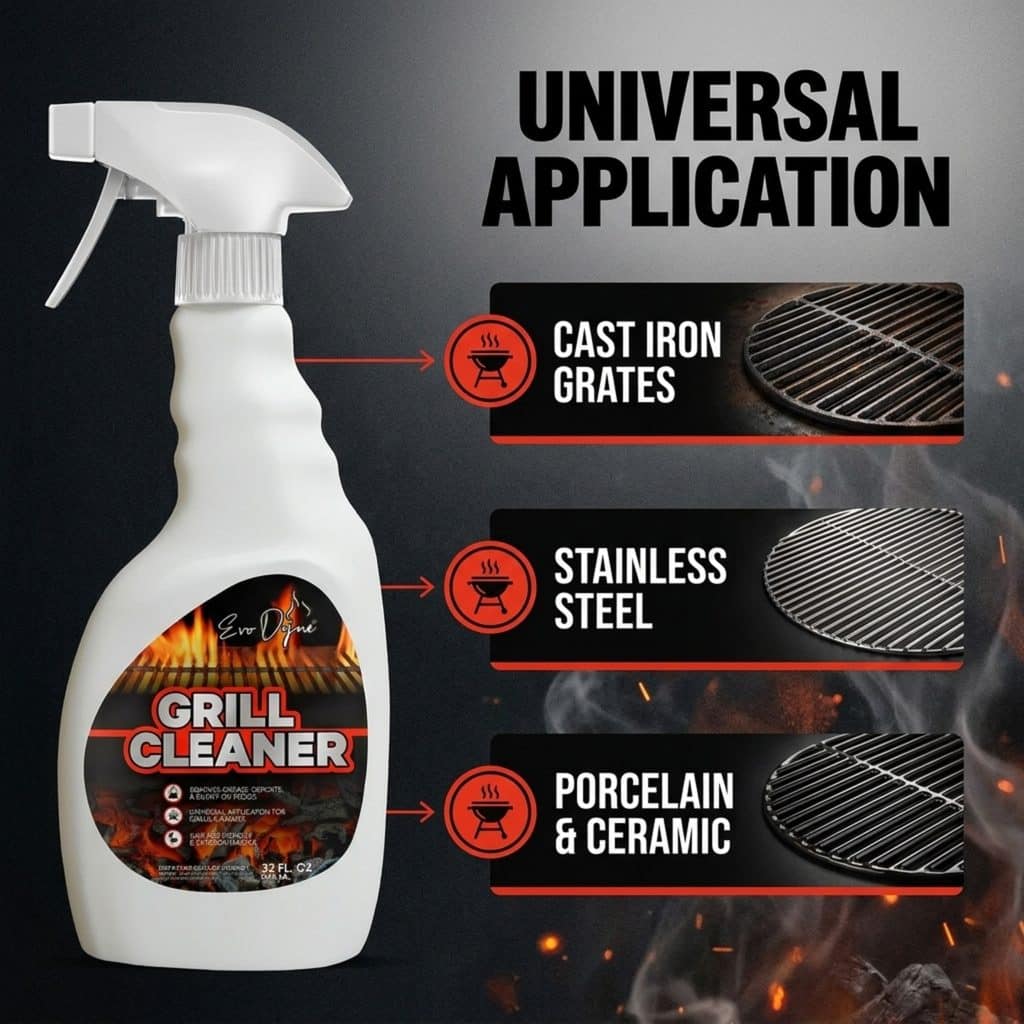
Before cleaning, check what your grate is made from. Cast iron, stainless steel, and porcelain-coated grates don’t all appreciate the same treatment.
And remember the golden rule of grill cleaning: hot enough to cook food, not hot enough to cook your fingers.

What You Need to Clean a Dirty Grill Grate
The good news is that you probably don’t need a specialty product.
For a basic cleaning job, gather:
- Dish soap
- Baking soda
- White vinegar
- Warm or hot water
- Table or coarse salt
- Lemon, if available
- A scrub brush or non-scratch sponge
- A bucket, basin, or tray
- A clean towel or microfiber cloth
You don’t necessarily need every ingredient listed above.
Think of them as different tools in the toolbox. Dish soap and hot water are your everyday workhorses. Baking soda is useful when grease gets stubborn. Vinegar and lemon can help loosen certain residues.
Your cleaning tools matter, too.
A sturdy grill brush can handle appropriate grate surfaces, while a non-scratch sponge is useful for more delicate coatings. An old toothbrush can reach corners where larger brushes simply give up.
Before you start, turn the grill off and disconnect the fuel or power source where appropriate. Let the grate cool enough to handle safely.
Then remove loose crumbs, ash, and food particles.
Don’t start with the hardest grime first. Knock off the easy stuff and let your cleaning solution do some of the heavy lifting.
The Fastest General Method: Dish Soap and Hot Water
For an ordinary greasy grate, start simple.
You don’t need a chemistry degree to clean barbecue equipment. You need hot water, dish soap, and a little mechanical action.
First, place the removable grate in a basin or suitable container. Add hot water and enough dish soap to create a good cleaning solution.
Let the grate soak for around 10 to 20 minutes, provided soaking is appropriate for that particular grate material.
The heat and moisture help soften dried food and grease. Dish soap helps break down oily residue, making it easier to scrub away.
After soaking, work across the grate in sections.
Scrub the dirtiest areas first, but don’t attack them with all the force you have. A softened layer usually comes away much more easily than a dry, baked-on one.
Once the residue is gone, rinse the grate thoroughly. Then dry it completely. That’s especially important for cast iron, which can develop rust when left wet.
Why This Method Works
The secret isn’t really the soap.
It’s time plus heat plus moisture.
A few minutes of soaking can turn stubborn grease into something your scrub brush can actually handle. That’s much more efficient than standing over the sink aggressively scrubbing a completely dry grate.
In barbecue, patience is often a better tool than muscle.
How to Clean a Grill Grate With Baking Soda
Now we’re getting into the heavier stuff.
Baking soda is useful when your grate has moved beyond “a little greasy” and entered “what happened here?” territory.
Make a thick paste by combining baking soda with a small amount of water. You want something spreadable but not runny.
Apply the paste to greasy or heavily stained areas.
Let it sit for approximately 15 to 30 minutes.
This gives the paste time to work on the residue before you start scrubbing. Then use an appropriate brush or non-scratch scrubber to work the surface.
Baking soda has a mild abrasive quality, so it can help physically loosen stubborn residue without requiring the same level of aggressive scraping.
For extra-greasy areas, you can incorporate a little dish soap into the paste.
The goal is controlled cleaning, not industrial excavation.
Work gradually. Rinse the grate thoroughly when you’re finished, and inspect the surface under good light.
Still seeing some residue? Repeat the process. That’s often better than reaching for a harsher method and risking damage to the grate.
A useful Trick for Stubborn Spots
Don’t coat the entire grate with a mountain of baking soda just because one corner looks terrible.
Treat problem areas directly.
Targeted cleaning uses less product and lets you spend your time where it’s actually needed.
How to Use White Vinegar to Loosen Grill Grime
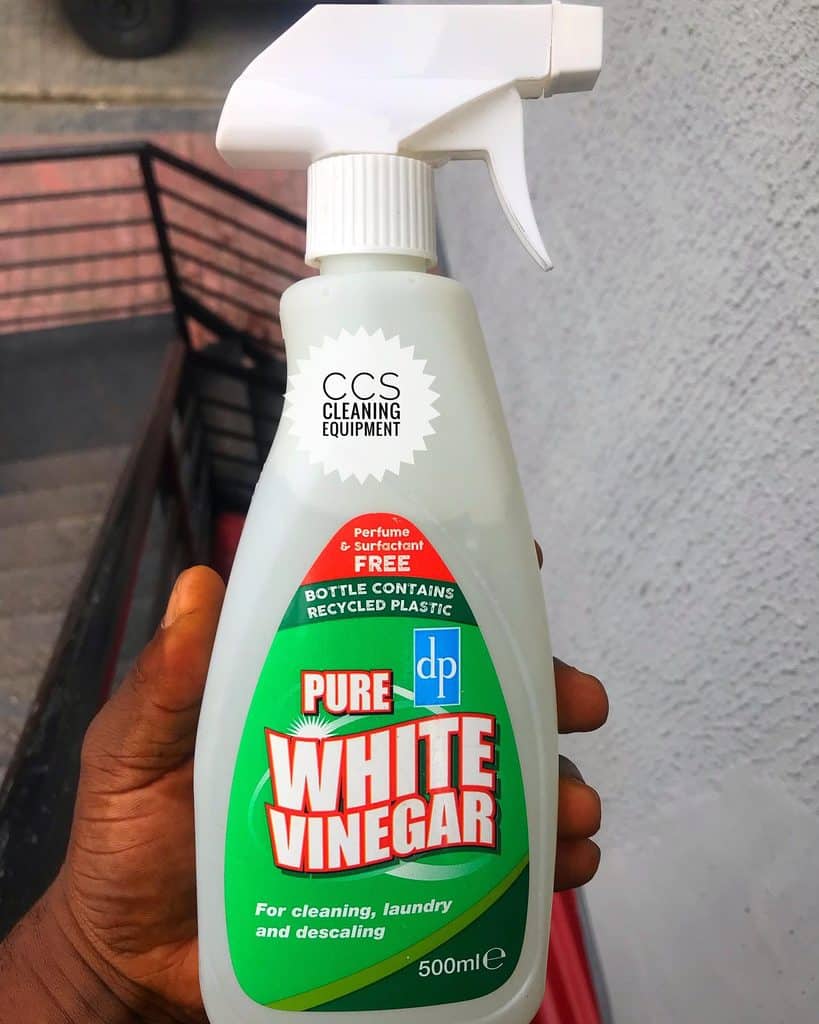
White vinegar is another common household ingredient that can be useful for loosening certain food and grease residues.
Create a solution using white vinegar and warm water.
Apply it to the dirty areas using a spray bottle, cloth, or another suitable method. Let it sit briefly, then scrub the grate.
For removable grates with significant buildup, a longer soak may be practical, provided the grate material and manufacturer’s instructions allow it.
Vinegar is acidic, which makes it useful for breaking down some types of residue. But don’t treat it like a magic potion.
Vinegar isn’t the answer to every grill-cleaning problem.
Thick carbonized deposits may require soaking, repeated treatment, and mechanical scrubbing. And some grate finishes may not respond well to prolonged exposure to acidic solutions.
That’s why the material matters.
When in doubt, follow the manufacturer’s cleaning recommendations. And after using vinegar, rinse the grate thoroughly with clean water.
Nobody wants their dinner tasting like yesterday’s cleaning experiment.
Salt and Lemon: The Old-School Option
Don’t have baking soda? Look toward the fruit bowl. A combination of salt and lemon can provide a simple alternative for surface residue.
Sprinkle salt over the affected area. Cut a lemon in half and use the cut side to scrub the grate.
The lemon provides acidity, while the salt offers mild abrasive action. It’s particularly handy for lighter grime and small problem areas.
You can also use salt with warm water when you’re dealing with relatively minor residue.
Just remember that these methods aren’t designed to perform miracles on a grate that’s been neglected for six months.
A light layer of grime is one thing. A geological formation of burnt barbecue sauce is another.
For serious buildup, soaking and baking soda may be more practical.
How to Remove Burnt-On Food and Carbonized Residue
This is where many grill owners make the same mistake: they see a black crust and immediately start scraping like they’re trying to remove graffiti from a bridge.
Don’t.
Start by loosening the residue.
Remove the grate and place it in hot soapy water if the grate material permits soaking. Allow the moisture to soften the buildup.
For particularly stubborn areas, apply a baking soda paste and let it sit. Then scrub. Work in small sections rather than trying to clean the entire grate simultaneously.
Repeated gentle treatment is usually safer than one brutal attack.
Avoid using tools that can scratch or chip coated surfaces. Be particularly careful with porcelain-coated grates, where aggressive scraping can damage the finish.
Also avoid mixing household cleaning chemicals indiscriminately. You don’t need to turn your kitchen sink into a science experiment.
Once the residue has been removed, rinse thoroughly and dry the grate completely.
If you’re dealing with extremely thick carbon buildup that refuses to budge, consult the grill manufacturer’s cleaning instructions rather than escalating to increasingly harsh chemicals.
Cleaning Different Types of Grill Grates
Not all grates should be cleaned the same way.
Cast Iron
Cast iron loves heat and develops a useful cooking surface when properly maintained, but it doesn’t appreciate being left wet.
Dry cast iron immediately after cleaning.
Once completely dry, follow the manufacturer’s recommendations for maintaining or re-seasoning the surface. Avoid unnecessarily long soaking periods.
Stainless Steel
Stainless steel is generally more forgiving and can tolerate appropriate scrubbing. Even so, don’t assume that harder scrubbing is always better. Use a suitable brush and work with the grate’s surface rather than against it.
Porcelain-Coated Grates
Porcelain-coated grates require more care. The coating can chip or become damaged by aggressive tools.
Favor soaking and gentle scrubbing over forceful scraping.
If the coating is damaged, consult the manufacturer’s recommendations for whether the grate should be replaced.
How to Clean a Grill Grate in 10–15 Minutes
Need the grill ready for dinner and don’t have time for a spa treatment?
Try this quick routine.
- Minutes 1–2: Remove loose food and debris.
- Minutes 2–5: Apply hot soapy water or an appropriate cleaning solution.
- Minutes 5–10: Let the solution loosen the residue.
- Minutes 10–13: Scrub the grate, concentrating on the dirtiest areas.
- Minutes 13–15: Rinse thoroughly and dry.
That’s the realistic quick-clean routine for a moderately dirty grill grate. A grate covered in thick, carbonized buildup may need more time.
And that’s okay.
Fast cleaning doesn’t mean skipping the important steps. It means making the cleaning process more efficient.
Common Grill-Cleaning Mistakes to Avoid
A few habits can make grill cleaning much harder than it needs to be.
Scrubbing Everything While it’s Dry
Dry, baked-on grease is difficult to remove.
Soften first. Scrub second.
Using the Most Abrasive Tool Available
A stronger brush isn’t automatically a better brush. Coated grates can be damaged by aggressive cleaning tools.
Leaving Cast Iron Wet
Water and cast iron are not exactly best friends. Dry it thoroughly after cleaning and maintain it according to the manufacturer’s instructions.
Using too Much Cleaning Product
More isn’t necessarily better. You want enough cleaning solution to loosen grime, not enough to create a bubble bath for your barbecue equipment.
Forgetting to Rinse
Household ingredients may be useful cleaning aids, but you don’t want leftover residue on the cooking surface.
Rinse thoroughly with clean water after cleaning.
Waiting Until the Grate Becomes Unbearable
This is perhaps the biggest mistake. Regular cleaning prevents small amounts of grease and food from becoming large, stubborn layers.

How to Keep Your Grill Grate Cleaner for Longer
The easiest dirty grill grate to clean is the one you don’t allow to become extremely dirty in the first place.
After cooking, remove food residue when it is safe to do so. Follow your grill’s instructions for post-cooking cleaning and brushing.
Pay particular attention to foods containing sugary sauces and marinades. These can leave sticky residue that becomes significantly harder to remove after repeated heating.
A quick cleanup after each grilling session is far easier than waiting until your next barbecue and discovering that last month’s burger is still technically part of the equipment.
For cast iron, maintain the surface according to the manufacturer’s guidance. And every so often, give the grate a deeper clean.
Think of routine cleaning as maintenance, not punishment.
You’re not trying to make the grill perfect after every meal. You’re preventing buildup from getting ahead of you.
Final Thoughts
A dirty grill grate doesn’t require an expensive collection of specialty cleaners to get back into decent shape.
Start with the simplest method: hot water and dish soap. Give the grime time to soften. Use baking soda for tougher greasy spots, or try vinegar or lemon-based approaches when appropriate for the grate material.
Most importantly, don’t confuse brute force with good cleaning.
Soften the grime. Scrub strategically. Rinse thoroughly. Dry properly.
That’s the pitmaster’s approach.
And the next time you’re standing over a grill wondering how a perfectly innocent steak somehow produced enough grease to coat the entire grate, remember: the barbecue isn’t judging you.
It’s just asking for five minutes of maintenance before it becomes tomorrow’s problem.
Frequently Asked Questions
Can I use baking soda to clean a grill grate?
Yes, baking soda can help loosen grease and stuck-on residue. Make a paste with a small amount of water, apply it to the dirty areas, let it sit, and scrub with an appropriate tool. Use extra care with coated grates.
Does vinegar remove burnt-on grease?
Vinegar can help loosen certain types of grease and food residue, but it isn’t guaranteed to remove thick carbonized buildup by itself. Heavily soiled grates may need soaking, scrubbing, and repeated treatment.
How long should I soak a dirty grill grate?
For many removable grates, 10 to 20 minutes is a useful starting point. Tougher residue may require more time. However, soaking isn’t appropriate for every material, particularly cast iron, so check the manufacturer’s recommendations.
Can I use dish soap on cast iron?
Cleaning recommendations vary by manufacturer. If dish soap is appropriate for your cast-iron grate, avoid prolonged soaking, rinse thoroughly, dry immediately, and maintain the surface according to the manufacturer’s instructions.
How can I clean a grill grate without a wire brush?
Try hot soapy water, a suitable non-scratch scrubber, baking soda paste, or another method appropriate for the grate material. The important thing is to loosen the residue before scrubbing rather than relying entirely on force.
How often should I clean my grill grate?
Give the grate a light cleaning regularly, particularly after cooking foods that leave significant grease or sauce behind. Perform a deeper cleaning whenever noticeable buildup develops.
Featured image credit: @outdoorsdomain
