
“Life is too short to eat boring potatoes.”
Julia Child never actually said those exact words – though she practically built an empire proving them right – and frankly, she would have loved what we are doing to the humble spud today.
For decades, home cooks have been trapped in an unfair culinary tug-of-war: do you make roasted potatoes for those shatteringly crisp, golden edges, or do you surrender to a classic potato gratin for that velvety, cheese-drenched decadence?
Choosing between crunch and creaminess feels like picking a favorite child, and usually, the traditional flat-layered gratin leaves you with a soggy middle and maybe three lucky corner pieces with actual texture.
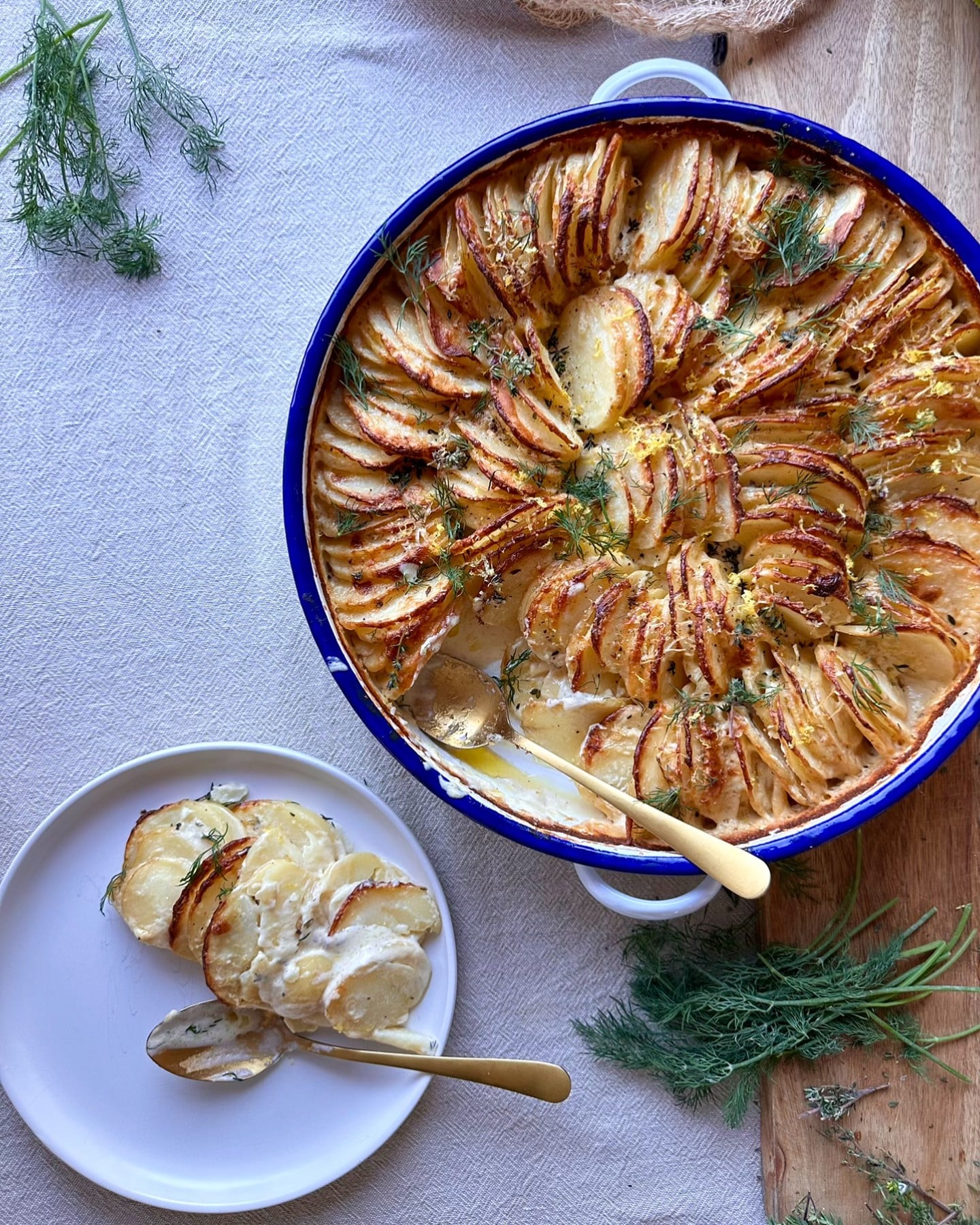
Enter the accordion-sliced potato gratin. Instead of stacking thin potato coins like poker chips in a dish, we are standing whole, deeply scored potatoes upright so they fan out like an accordion. The result is pure kitchen magic.
Every single potato transforms into a miniature radiator of flavor, soaking up garlicky herb cream at the base while the exposed top ridges blister, brown, and turn gloriously crunchy under a blanket of melted cheese.
It looks like you spent three hours plating for a Michelin-starred tasting menu, yet it requires nothing more than a sharp knife, a baking dish, and a little bit of patience.
Why Accordion-Slicing Changes the Gratin Game
Traditional gratins have a notorious structural flaw: gravity.
When you layer flat slices horizontally, the heavy cream and melted cheese tend to slide straight to the bottom of the pan, leaving the middle layers slightly under-seasoned and the top layer either rubbery or scorched.
Standing the potatoes vertically completely flips the physics of the dish.
When you cut deep slits into a potato without slicing all the way through, you create dozens of individual fins.
As the dish bakes, heat circulates around every exposed edge, driving off surface moisture and triggering the Maillard reaction – that glorious chemical process responsible for deep, nutty browning.
Meanwhile, the bottom halves of the potatoes stay submerged in a bath of seasoned cream, steaming into fork-tender, buttery submission.
Better yet, those accordion crevices act like built-in flavor pockets. Instead of sauce pooling uselessly at the bottom of your casserole dish, the infused cream and shredded cheese nestle directly between the slices.
Every single forkful delivers a triple threat: crunchy caramelized tips, tender creamy centers, and rich, gooey cheese in every layer.
Plus, pulling a bubbling skillet of fanned-out, golden-brown potatoes out of the oven guarantees an audible gasp at the dinner table – even from the relative who claims they are “watching their carbs.”
Key Ingredients & Smart Substitutions
Great cooking is rarely about complicated techniques; it is about choosing the right building blocks and letting them do the heavy lifting. Here is what makes this potato gratin sing – and how to adapt it to whatever is hanging out in your pantry.
- The Potatoes: Reach for medium-sized Yukon Gold potatoes. They sit squarely in the sweet spot between waxy and starchy, meaning they hold their accordion shape without turning to mush, while still offering a naturally buttery, creamy interior. Russets will work in a pinch for a fluffier texture, though their skin is tougher, while red potatoes hold their shape fiercely but lack that rich, velvety starchiness.
- The Cheese Blend: Never rely on a single cheese to carry a gratin. Pair Gruyère or Fontina – both champions of smooth, velvety melting – with aged Parmesan or sharp white cheddar. The Gruyère brings nutty sweetness and that coveted cheese-pull, while the aged Parmesan delivers a salty, savory punch that cuts right through the heavy cream.
- The Infused Cream Base: Heavy whipping cream is non-negotiable for richness, though cutting it with a splash of whole milk keeps the sauce from feeling overly heavy. Simmering the cream with smashed garlic cloves, fresh thyme sprigs, and a whisper of freshly grated nutmeg infuses the dairy with warm, aromatic depth before it even touches the potatoes.
- Smart Pantry Swaps: Out of thyme? Fresh rosemary or finely chopped sage leaves are phenomenal fall-and-winter substitutes. Want to skip garlic? Thinly sliced shallots sautéed gently in butter add a sweet, mellow onion backbone. Bonus points: this recipe is naturally gluten-free – no flour roux required, because the natural potato starches thicken the cream all on their own.
How to Accordion-Slice Potatoes without Cutting all the way Through
If you have ever tried to freehand Hasselback potatoes, you already know how quickly an ambitious dinner prep turns into a pile of accidental potato chips.
You get into a rhythm, slice a millimeter too deep, and whack – half your potato slides across the cutting board.
Save your sanity and use the chopstick trick. Lay two wooden chopsticks (or the handles of two wooden spoons) flat on your cutting board, parallel to each other. Nestle a peeled or scrubbed potato snugly between them.
As you slice straight down with a sharp chef’s knife, the blade hits the wood about a quarter-inch from the bottom, acting as a foolproof physical guardrail. You get clean, uniform cuts every single time without ever severing the base.
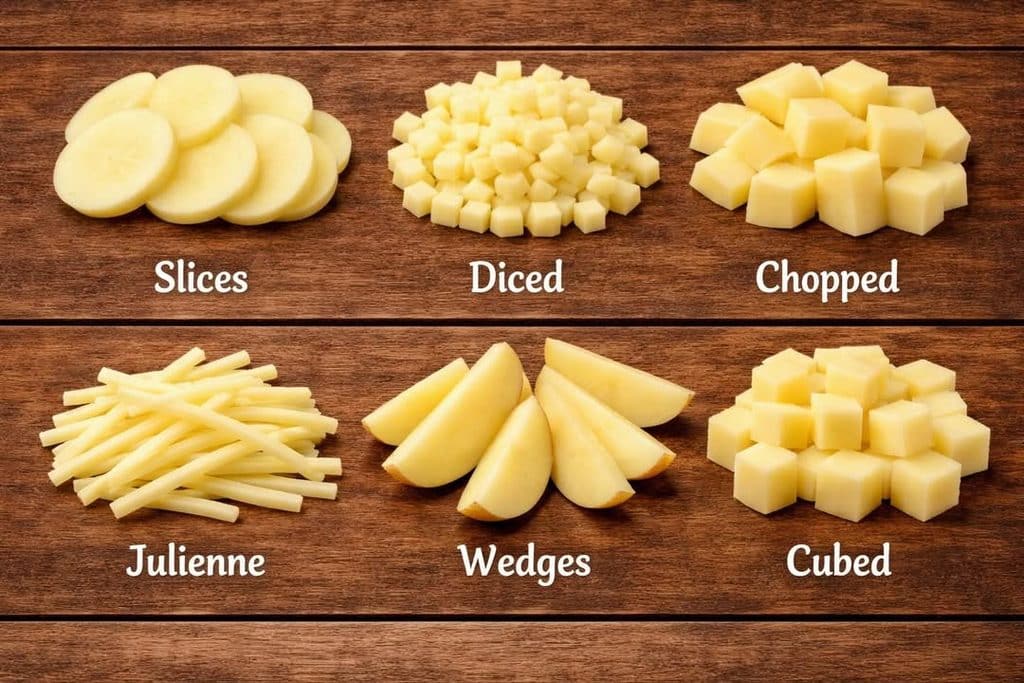
Aim for 1/8-inch (3mm) slices. If you cut them too thick, the potatoes won’t fan out or absorb the cream properly; cut them paper-thin, and the individual fins might tear when you transfer them to the pan.
Once sliced, gently fan the layers open with your thumbs before packing them into your baking dish.
Step-by-Step Assembly & Baking Overview
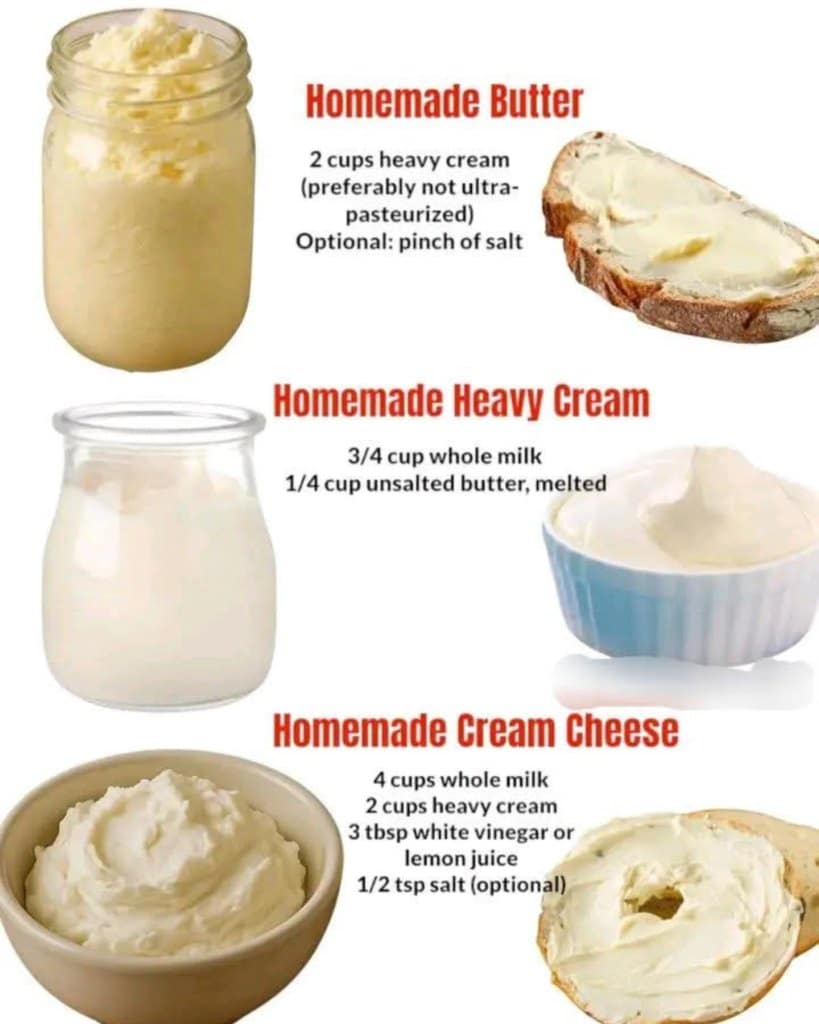
Putting this dish together follows a simple, rhythmic flow. Start by gently warming your heavy cream, milk, garlic, thyme, salt, pepper, and nutmeg in a small saucepan just until tiny bubbles form around the edges.
Turn off the heat and let it steep while you prep your spuds – this 15-minute infusion ensures every drop of liquid tastes like Sunday dinner at a French bistro.
Next, generously butter a 10-inch cast-iron skillet or a medium oval baking dish. Pack your accordion-sliced potatoes upright and snugly side-by-side.
Crowding the pan is actually a good thing here – the potatoes prop each other up so they don’t flop over while baking.
Pour the warm, strained cream evenly over the potatoes, letting it cascade down into the slits.
Now comes the fun part: take half of your shredded cheese blend and tuck pinches of it directly into the fanned-out crevices. Cover the dish tightly with foil and bake at 400°F (200°C) for 45 minutes so the steam softens the interiors.
Finally, pull off the foil, scatter the remaining cheese across the tops, and bake uncovered for another 20 to 25 minutes until the ridges are deeply golden, crisp, and bubbling furiously.
Tips for the Crispiest, Most Flavorful Results
Even a straightforward recipe has a few insider secrets that separate a good side dish from the one people talk about until next Thanksgiving.
- Buy potatoes of uniform size: Dig through the bin at the grocery store and pick potatoes that are roughly the same width and height. Even sizing guarantees every potato finishes cooking at the exact same minute and creates a gorgeous, level crust across the top of your pan.
- Shred your own cheese off the block: Bagged pre-shredded cheese is coated in cellulose and potato starch to keep the shreds from clumping in the package. Unfortunately, those anti-caking agents also prevent the cheese from melting smoothly, leaving you with a grainy sauce. Spend three minutes with a box grater – your taste buds will thank you.
- Respect the rest time: Pulling a bubbling potato gratin straight from the oven and immediately digging in with a serving spoon will result in a runny puddle on the plate. Let the dish rest on the counter for 15 minutes before serving. During that brief pause, the cream thickens into a luscious, velvety sauce that clings to every ridge.
What to Serve with Accordion Potato Gratin
Because this potato gratin is unabashedly rich, creamy, and savory, it shines brightest alongside simply seasoned, bold proteins. Serve it next to a reverse-seared ribeye steak, herb-roasted whole chicken, glazed holiday ham, or a crusty rack of lamb.
To keep your dinner plate from feeling like a heavy brick, balance all that dairy and starch with something bright, crisp, and acidic.
A simple arugula salad tossed in a sharp lemon-Dijon vinaigrette, blistered green beans with a squeeze of fresh lemon juice, or tangy roasted Brussels sprouts with balsamic glaze will cut right through the richness and reset your palate between bites.
Storage, Make-Ahead, and Reheating Instructions
Holiday hosts and busy weeknight cooks rejoice: this dish loves a head start. You can slice the potatoes, pack them into your buttered baking dish, pour over the cooled infused cream, and refrigerate the covered pan up to 24 hours in advance.
When you are ready to cook, pull it from the fridge while the oven preheats, tuck in the cheese, and add 10 extra minutes to the covered baking time.
Leftovers keep well in an airtight container in the refrigerator for up to 4 days. Whatever you do, resist the urge to reheat a slice in the microwave unless you enjoy rubbery cheese and limp potatoes.
Instead, pop leftovers into a 375°F oven or an air fryer for 8 to 10 minutes – the dry heat wakes the dairy right back up and restores those crispy, golden edges to their former glory.
Final Thoughts
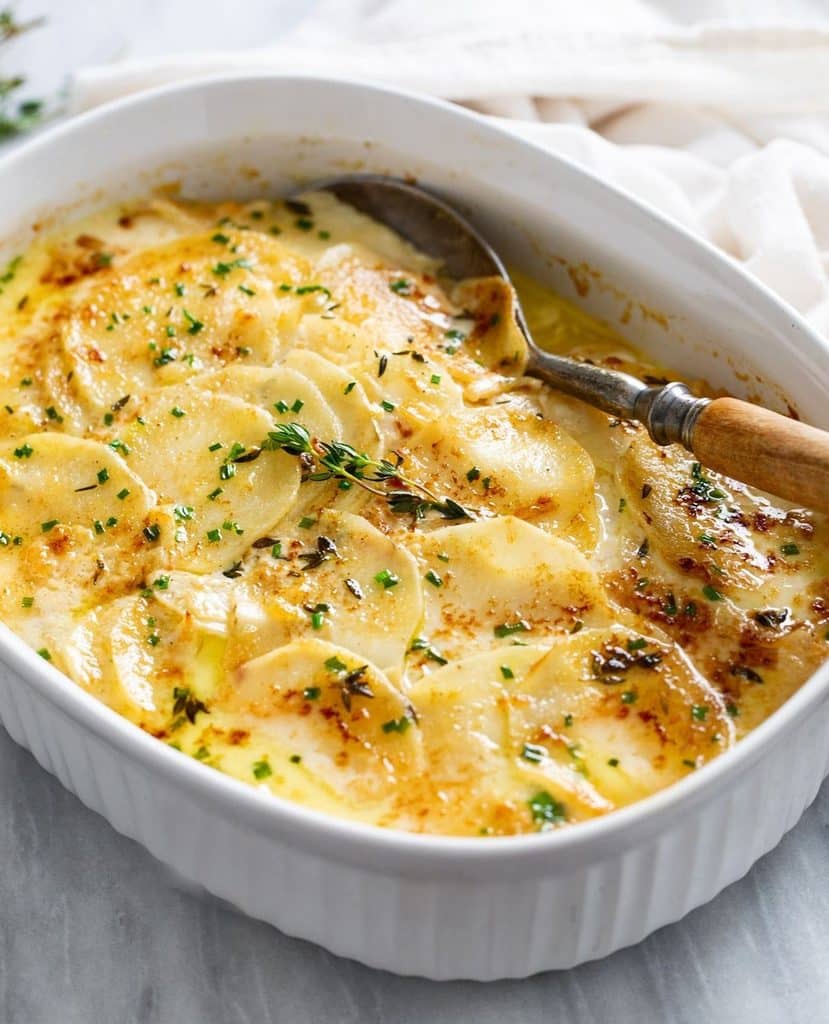
Mastering an accordion-sliced potato gratin is one of those rare kitchen upgrades that requires almost zero extra effort while delivering ten times the payoff.
Standing the potatoes upright lets the heat kiss every fanned-out edge, so you finally get to have your crispy potato and eat your creamy gratin, too.
Grab a pair of chopsticks, grate a mountain of good Gruyère, and get ready to claim permanent ownership of side-dish duty at every family gathering from here on out.
Featured image credit: @courtneyroulston
