
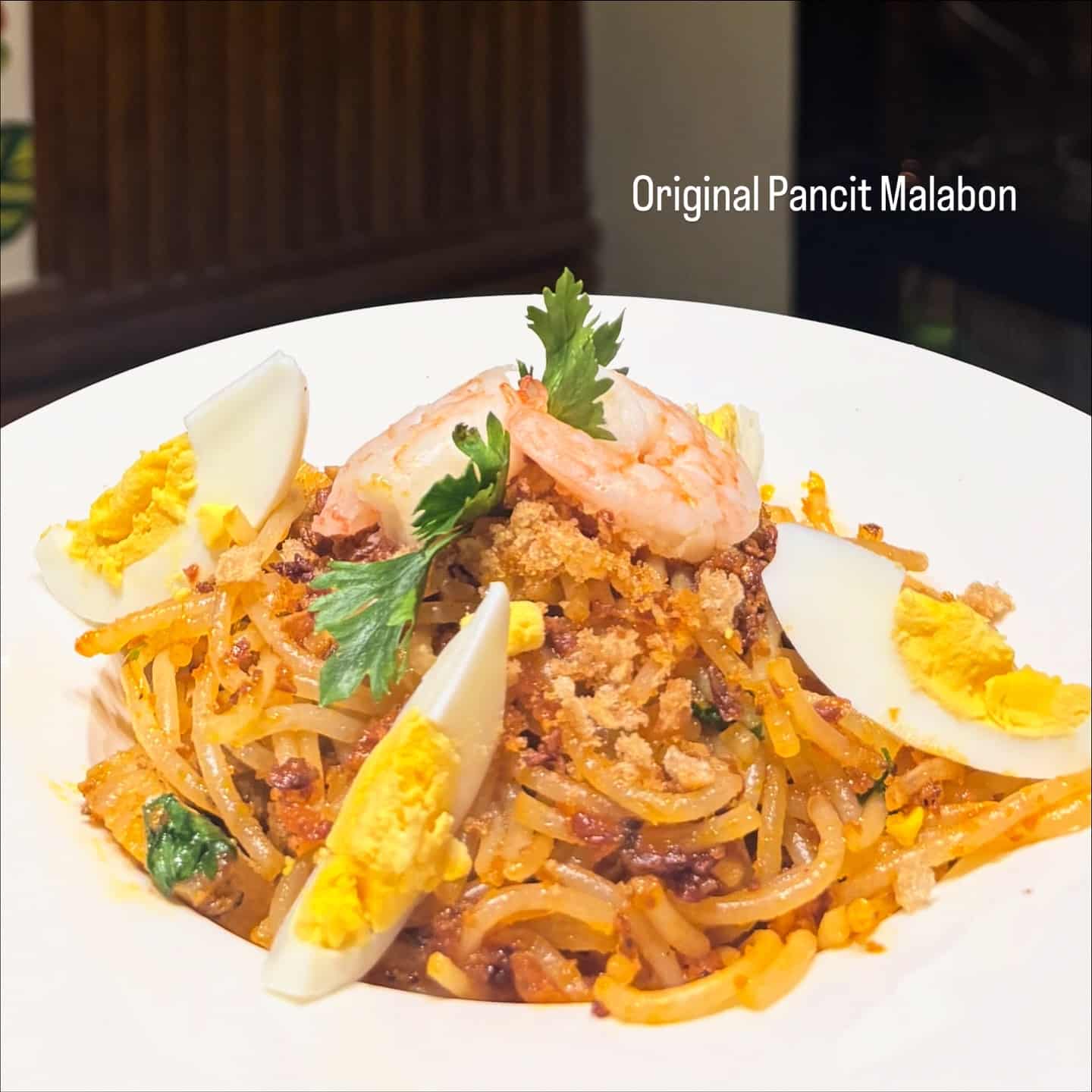
Some noodle dishes show up at the table quietly. Pancit Malabon arrives like it owns the party.
Thick, chewy rice noodles, a rich orange seafood sauce, juicy shrimp, tender squid, smoky fish flakes, crunchy pork chicharrón, and sliced eggs all come together in one glorious platter.
And let’s be honest: nobody ever complained about having too many toppings on their noodles.
Hailing from Malabon, Metro Manila, this Filipino classic has earned its place at birthday celebrations, fiestas, family reunions, and Sunday gatherings.
It’s more than a satisfying noodle dish; it’s a celebration of Filipino cooking, where bold flavors, contrasting textures, and generous portions make every serving memorable.
The secret isn’t simply piling ingredients onto noodles. It’s getting the sauce right, cooking the seafood carefully, and giving every topping its moment to shine. Ready to bring this slurp-worthy tradition into your kitchen?
Let’s get cooking!
What Makes Pancit Malabon Special?
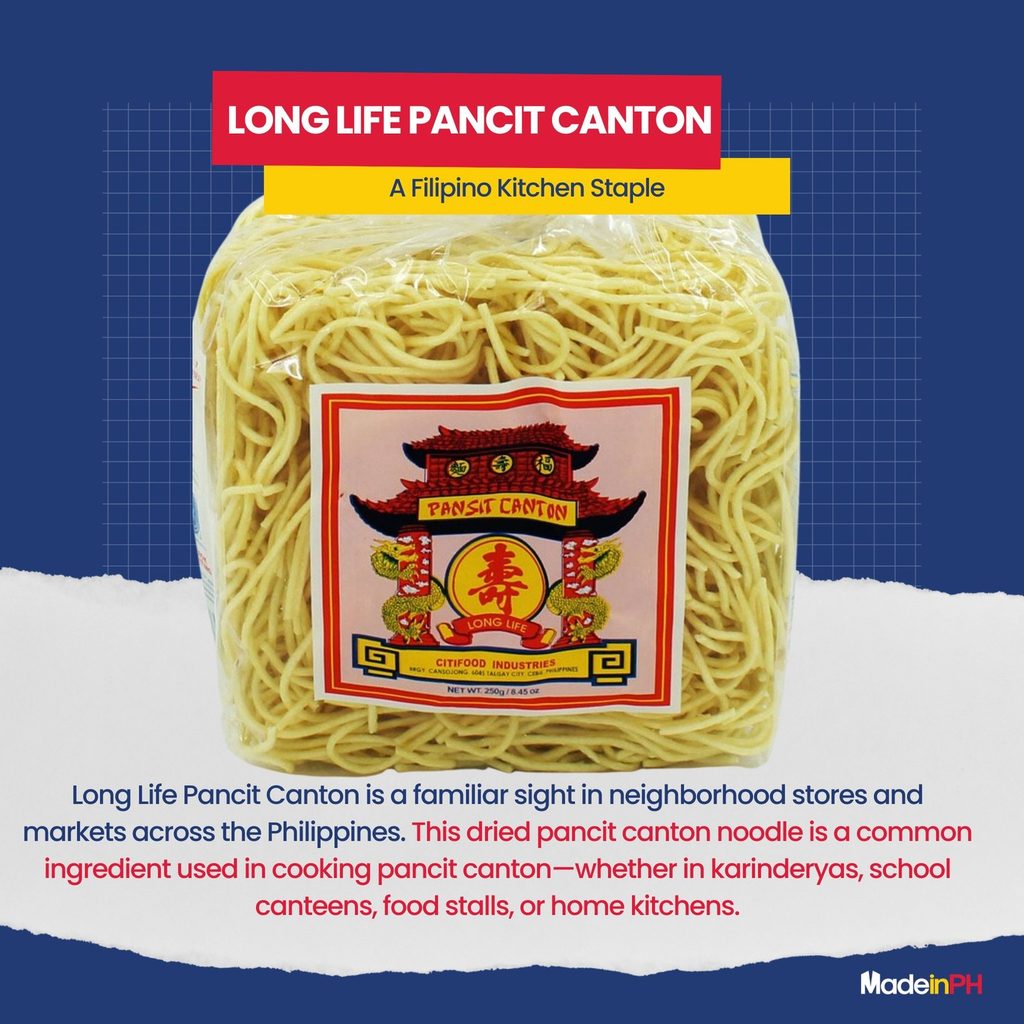
At first glance, Pancit Malabon might remind you of Pancit Palabok. Both feature seafood-inspired sauces and an impressive collection of toppings. However, there’s one detail that immediately sets Malabon-style pancit apart: its thick rice noodles.
Unlike the thinner noodles commonly used in other Filipino pancit dishes, Pancit Malabon uses substantial rice noodles that hold their shape and soak up its savory sauce beautifully. Every bite delivers a satisfying chew, balanced by the sauce’s deep seafood flavor.
Its signature orange color comes from annatto (atsuete), which gives the sauce its distinctive appearance. Shrimp stock, garlic, onion, and fish sauce build its savory foundation, while seafood and traditional garnishes bring everything together.
The classic toppings often include:
- Shrimp and squid: Fresh seafood that adds sweetness and texture.
- Tinapa flakes: Smoky fish that gives the dish extra depth.
- Pork chicharrón: Crunchy, salty goodness.
- Hard-boiled eggs: A familiar Filipino pancit finishing touch.
- Toasted garlic and scallions: Aromatic ingredients that brighten every bite.
- Calamansi: A citrusy squeeze that balances the rich sauce.
The result is a noodle dish that’s savory, slightly smoky, satisfyingly chewy, and wonderfully layered.
Authentic Pancit Malabon Recipe at a Glance
Before getting those pots and pans moving, here’s what to expect:
- Prep Time: 25 minutes
- Cook Time: 35 minutes
- Total Time: 1 hour
- Servings: 6–8 people
- Difficulty: Moderate
- Cuisine: Filipino
- Course: Main Course
This recipe makes one generous platter of traditional-style Pancit Malabon, complete with seafood, smoky toppings, and its signature thick orange sauce.
The Story Behind Malabon’s Famous Noodle Dish
Every famous Filipino dish has a story, and Pancit Malabon carries the identity of its hometown in every serving. Originating in Malabon City, this beloved noodle specialty reflects the area’s long-standing connection to fishing, seafood, and local food traditions.
With access to fresh catches and a thriving food culture, local cooks developed a dish that celebrated the ingredients available in their community.
Over time, Pancit Malabon became a familiar favorite at family celebrations, neighborhood gatherings, and festive occasions throughout the Philippines.
Its history is reflected in several distinctive qualities:
- Local seafood influence: Fresh shrimp and squid contribute to its signature flavor.
- Generous toppings: Reflect the Filipino tradition of sharing abundant food.
- Regional identity: Its thick noodles and rich orange sauce distinguish it from other pancit varieties.
Today, this regional specialty brings a delicious piece of Malabon’s culinary heritage to dining tables everywhere.
Why Pancit Malabon Is a Celebration Dish in Filipino Culture
In Filipino households, noodles are more than something delicious to eat. They’re often associated with long life, prosperity, and good fortune, making them a popular choice for birthdays and milestone celebrations.
Pancit Malabon takes that tradition to another level with its impressive presentation and generous seafood toppings. Its large serving platter makes it ideal for sharing, especially when relatives and friends gather around the table.
Part of the fun is watching everyone reach for their favorite toppings. Some go straight for the shrimp, others hunt for crunchy chicharrón, and there’s always someone making sure they get an extra slice of egg!
Here are a few reasons this noodle dish fits perfectly into Filipino celebrations:
- Symbol of long life: Noodles are traditionally associated with longevity and good fortune.
- Made for sharing: Large platters encourage family-style dining and togetherness.
- A festive centerpiece: Its colorful toppings make an impressive addition to any celebration.
- A taste of tradition: Serving pancit helps preserve familiar Filipino food customs.
It’s not just a meal; it’s a delicious expression of Filipino togetherness, served one generous forkful at a time.
The Art of Building Layers of Flavor in Filipino Noodle Dishes
What separates an ordinary noodle dish from an unforgettable one? Often, it’s the way different flavors work together. Pancit Malabon is a masterclass in balancing savory, smoky, sweet, and tangy elements.
Every ingredient contributes something different, creating a combination that keeps each bite interesting.
Here’s how its signature ingredients build layers of flavor:
- Shrimp and seafood stock: Deliver natural sweetness and deep umami.
- Fish sauce: Adds saltiness and savory depth to the sauce.
- Tinapa flakes: Introduce a distinctive smoky character.
- Toasted garlic: Brings aromatic richness and a satisfying crunch.
- Pork chicharrón: Adds salty flavor and contrasting texture.
- Calamansi: Provides bright acidity that cuts through the richness.
The beauty of this combination is that no single ingredient needs to dominate. The seafood provides the foundation, the smoky toppings add complexity, and the citrus brings everything into balance.
The secret is harmony, not excess. Every topping should complement the others rather than compete for attention. That’s what makes Pancit Malabon so satisfying from the first bite to the last.
Choosing the Right Seafood for a More Flavorful Pancit Malabon
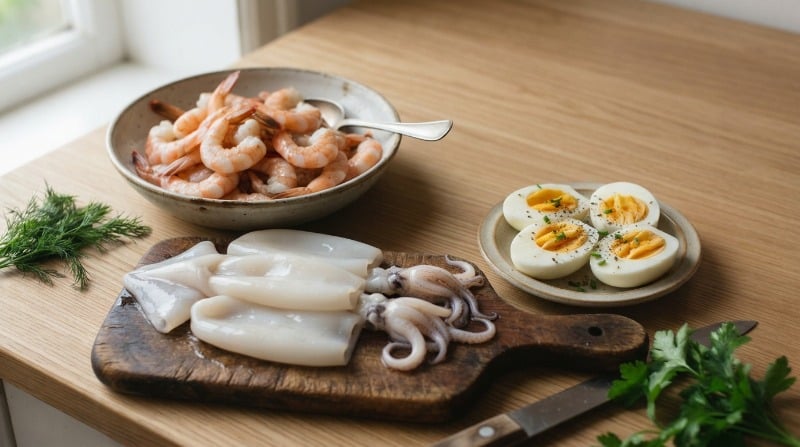
Seafood quality can make or break a good Pancit Malabon. Since shrimp and squid contribute much of the dish’s natural sweetness and savory character, choosing fresh ingredients is worth the extra attention.
When shopping for seafood, keep these details in mind:
For shrimp:
- Look for firm flesh with a slightly glossy appearance.
- Choose shrimp with a mild, fresh ocean scent.
- Avoid shrimp with mushy textures or an unpleasant ammonia-like smell.
- Whenever possible, buy shrimp with their heads and shells intact for making flavorful stock.
For squid:
- Choose firm bodies with a clean, mild seafood aroma.
- Look for flesh that feels fresh rather than slimy.
- Avoid squid with an overpowering fishy smell or signs of spoilage.
Don’t have access to fresh seafood? Frozen shrimp and squid can work beautifully, too. Just thaw them safely in the refrigerator and drain away excess liquid before cooking.
Remember, good ingredients make better pancit. Fresh seafood doesn’t just improve the toppings; it also helps create the rich, satisfying flavor that makes this Filipino noodle specialty memorable.
Pancit Malabon Around the World: Bringing Filipino Flavors to New Tables
Filipino food has found fans far beyond the country’s borders, and Pancit Malabon has plenty of personality to win over curious eaters.
Its combination of thick noodles, seafood, smoky toppings, and rich sauce offers something different from the familiar noodle dishes found in many international cuisines.
For Filipinos living overseas, preparing this dish can bring a comforting taste of home to family dinners, holidays, and community gatherings. Even thousands of miles away, one generous platter can make a dining table feel a little closer to home.
Some ingredients may require substitutions depending on local availability:
- Fresh calamansi: Lemon or lime can provide a similar citrusy finish.
- Tinapa: Other smoked fish varieties can offer a comparable smoky flavor.
- Pork chicharrón: Locally available pork cracklings can provide the familiar crunch.
- Thick rice noodles: Asian grocery stores often carry suitable rice noodle varieties.
The essential character of the dish remains in its generous presentation, savory seafood sauce, and contrasting textures.
Whether served at a Filipino community celebration or a casual dinner abroad, Pancit Malabon carries a little Filipino hospitality wherever it goes. And that’s the beauty of traditional food: its flavors can travel across borders while keeping the memories and traditions of home alive.
Tips for the Best Homemade Pancit Malabon
A few small details can make the difference between decent pancit and a platter everyone remembers.
- Use thick rice noodles: They’re essential to the traditional texture and help distinguish Pancit Malabon from other Filipino noodle dishes.
- Make homemade shrimp stock: Shrimp heads and shells provide a richer seafood foundation.
- Watch your squid: Cook it briefly to keep it tender.
- Get the sauce consistency right: It should coat the noodles without becoming overly thick.
- Add chicharrón last: This keeps the crunchy pieces from becoming soggy.
- Serve with calamansi: Its bright acidity cuts through the richness and balances the seafood flavors.
One more thing: prepare your toppings before assembling the dish. Nobody wants to discover halfway through cooking that the eggs still need boiling and the garlic hasn’t been toasted.
Serving, Storage, and Reheating
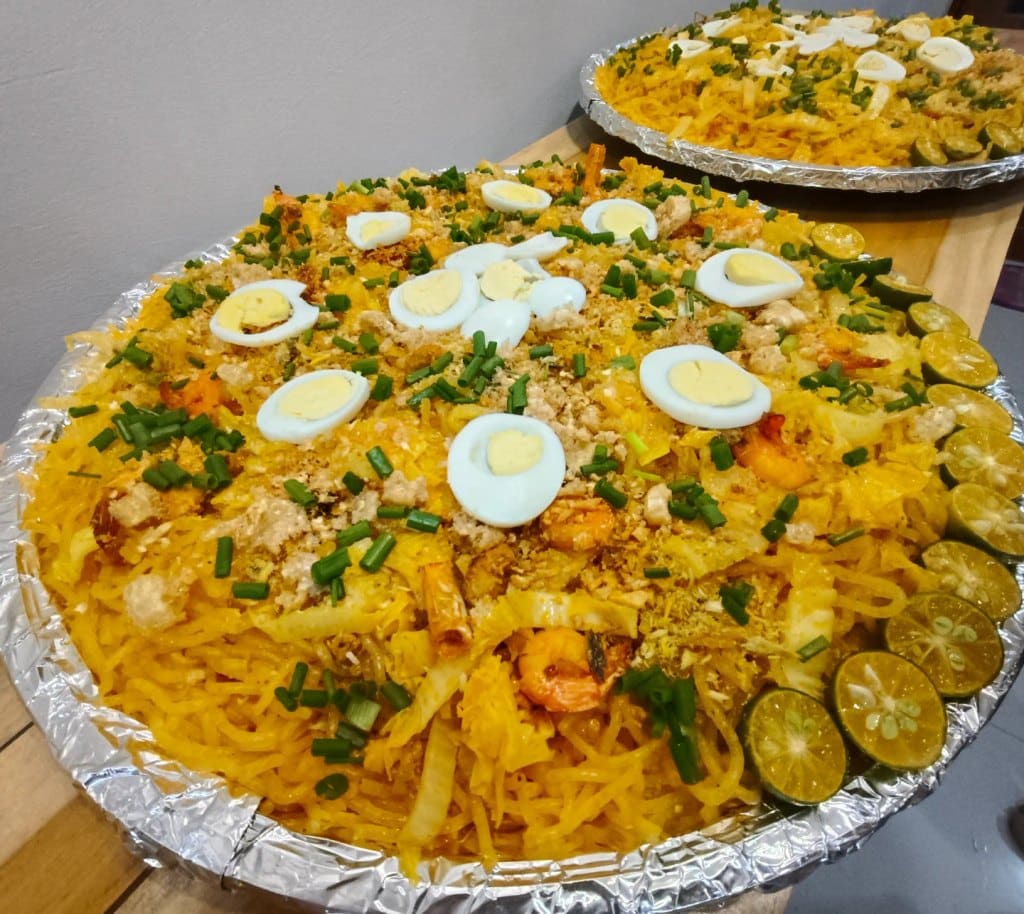
Pancit Malabon is best served warm on a large platter, preferably placed right in the middle of the dining table. Let everyone dig in and customize their portions with extra calamansi, garlic, or chicharrón.
It’s an excellent centerpiece for birthdays, fiestas, holidays, and family gatherings. Pair it with lumpiang Shanghai or grilled Filipino favorites for a more festive spread.
Have leftovers? Store the noodles in an airtight container in the refrigerator for up to 3 days. Keep crispy toppings separate whenever possible.
To reheat, transfer the noodles to a pan with a splash of water or shrimp stock. Warm gently over medium-low heat, stirring occasionally until heated through. Add fresh toppings afterward to restore some of that original texture.
For food safety, refrigerate leftovers promptly and reheat until steaming hot.
Final Thoughts: A Filipino Tradition Worth Sharing
Pancit Malabon proves that great Filipino food is about more than filling a plate. It’s about bringing people together over generous servings, bold flavors, and recipes worth passing down.
From its chewy rice noodles and rich shrimp sauce to its smoky tinapa, tender seafood, crunchy chicharrón, and refreshing calamansi, every component has a purpose. Nothing feels like an afterthought.
Whether you’re preparing it for a birthday celebration or simply craving a satisfying homemade Filipino meal, this classic deserves a place in your kitchen.
So grab your favorite serving platter, prepare those toppings, and get ready to make a batch worth sharing.
Because when it comes to Pancit Malabon, more flavor, more toppings, and more happy faces are always a good idea.
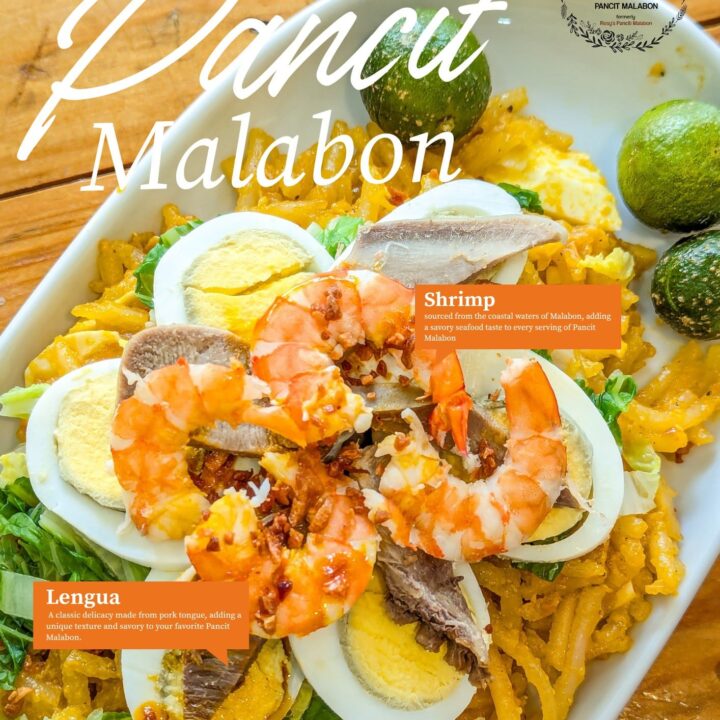
Authentic Pancit Malabon Recipe
Image credit: @mamabelenskitchenette
Ingredients
- The beauty of Pancit Malabon lies in combining simple ingredients with a few flavor-packed additions. Fresh seafood and homemade shrimp stock make a noticeable difference, so give those ingredients some attention.
- For the noodles:
- 500 grams thick rice noodles
- Water for soaking and cooking
- For the shrimp-based sauce:
- 250 grams shrimp, peeled and deveined
- Shrimp heads and shells reserved for stock
- 3 tablespoons cooking oil
- 4 cloves garlic, minced
- 1 small onion, chopped
- 2 tablespoons annatto powder or annatto-infused oil
- 2 tablespoons fish sauce
- 3 cups shrimp stock
- 2 tablespoons cornstarch mixed with water
- Salt and ground black pepper to taste
- For the seafood and toppings:
- 200 grams squid, cleaned and sliced
- 100 grams smoked fish flakes (tinapa)
- 150 grams pork chicharrón, crushed
- 3 hard-boiled eggs, sliced
- 2 tablespoons toasted garlic
- Chopped scallions
- For serving:
- Fresh calamansi halves
- Additional crushed chicharrón
- Extra shrimp and squid for garnish, if desired
Instructions
The trick to making excellent Pancit Malabon is preparing each component properly before bringing everything together. Don't rush the sauce, and don't overcook the seafood. Great noodles deserve great company.
Step 1: Prepare the Homemade Shrimp Stock
Start by extracting as much flavor as possible from those shrimp heads and shells. They're packed with seafood goodness, so don't toss them out just yet.
- Place the shrimp heads and shells in a saucepan with water.
- Bring to a gentle boil, then simmer for approximately 15–20 minutes.
- Lightly press the shells with a spoon to release their flavor.
- Strain the liquid and discard the solids.
Set aside approximately 3 cups of shrimp stock.
Cooking tip: Homemade shrimp stock gives Pancit Malabon a deeper, more natural seafood flavor than plain water. It's a small extra step that pays off in a big way.
Step 2: Prepare the Seafood and Toppings
Next, get your seafood ready. Heat a little oil in a pan and cook the shrimp until pink and opaque. Remove them immediately to avoid overcooking.
For the squid, briefly blanch or sauté the slices until just cooked and tender. Squid doesn't need much time. Leave it cooking too long, and you'll end up with something closer to a rubber band than a seafood topping.
Prepare the remaining garnishes:
- Flake the smoked fish.
- Crush the pork chicharrón.
- Slice the hard-boiled eggs.
- Prepare the toasted garlic and chopped scallions.
Keep everything separate until assembly.
Step 3: Make the Signature Pancit Malabon Sauce
Here's where the magic happens. The sauce is the heart of Pancit Malabon, delivering its rich color and savory seafood character.
- Heat cooking oil in a saucepan over medium heat.
- Add minced garlic and chopped onion. Sauté until fragrant and softened.
- Stir in the annatto powder or annatto-infused oil.
- Pour in the homemade shrimp stock.
- Add fish sauce, salt, and black pepper.
- Bring the mixture to a gentle simmer.
- Slowly pour in the cornstarch slurry while stirring continuously.
- Cook until the sauce becomes smooth and slightly thickened.
The finished sauce should be thick enough to coat the noodles without turning into a paste. Add a little shrimp stock if it becomes too thick.
The goal is a silky, savory sauce with a beautiful orange hue. Don't let it get too heavy; the noodles should still have room to absorb all that flavor.
Step 4: Cook the Thick Rice Noodles
Prepare the noodles according to the package instructions. Depending on the brand, they may need soaking before boiling or blanching.
Cook until tender but still slightly chewy. Drain thoroughly to remove excess water.
Avoid overcooking the noodles. They should hold their shape and texture when mixed with the sauce, not collapse into a sticky heap.
Step 5: Combine the Noodles and Sauce
Transfer the cooked noodles into a large serving bowl or platter.
Pour the warm orange shrimp sauce over the noodles, tossing gently until they're evenly coated. Make sure the sauce reaches the noodles underneath, not just the ones sitting on top.
Give everything a gentle mix, keeping the noodles intact.
Step 6: Load Up All the Traditional Toppings
Now comes everyone's favorite part: the grand finishing touch.
Arrange the cooked shrimp and squid over the noodles. Sprinkle generously with tinapa flakes, crushed pork chicharrón, and toasted garlic.
Add sliced hard-boiled eggs and chopped scallions for color and freshness.
Finish with extra crushed chicharrón and fresh calamansi on the side.
Don't be shy with the toppings. Pancit Malabon is known for its generous presentation, and this is certainly not the time to practice minimalist cooking.
Featured image credit: @eightcafe.08
