
Ever spent twelve hours babysitting a brisket, only to slice into it and find it looks like a boiled pot roast on the inside?
Texas barbecue legend Aaron Franklin famously said, “Barbecue is a lot of trial and error, and mostly error.”
Nothing stings a backyard cook’s pride quite like pulling a bark-covered masterpiece out of an electric smoker, gathering the neighbors around the cutting board, and revealing a wall-to-wall slab of gray meat without a hint of that glorious, competition-style pink halo.
Before you kick your electric smoker to the curb, take a breath. A smoke ring is strictly eye candy – it adds zero flavor to your food. Even the Kansas City Barbeque Society instructs its judges to completely ignore the smoke ring when scoring meat.
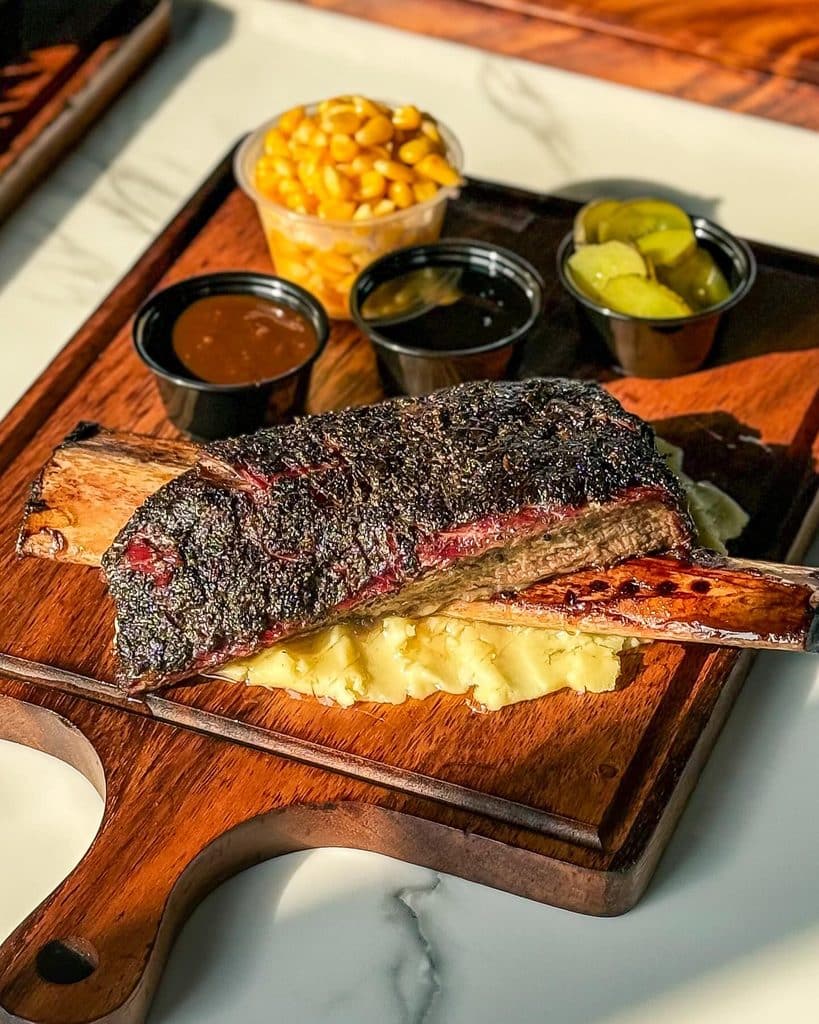
Still, we eat with our eyes first, and nobody wants their brisket mistaken for Sunday crockpot roast. That prized pink border is actually a chemical reaction between a meat protein called myoglobin and two gases produced by burning wood: nitric oxide and carbon monoxide.
Because an electric smoker operates very differently from an offset stick-burner, a few subtle habits – and a bit of physics – might be standing between you and barbecue bragging rights.
1. Electric Heating Elements Don’t Produce Combustion Gases
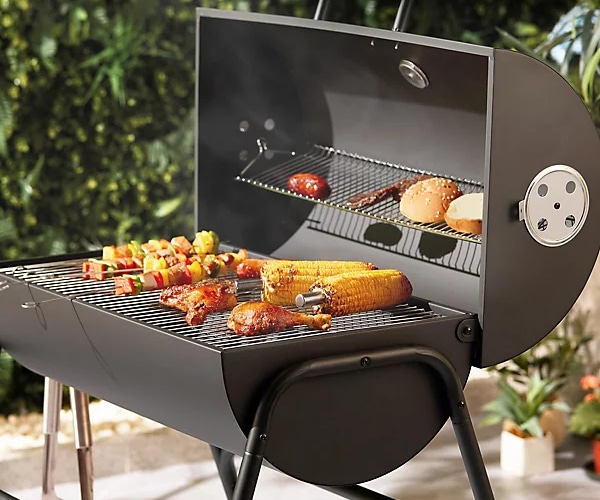
Traditional offset smokers and charcoal pits rely on roaring wood fires and glowing coals. When wood and charcoal burn at high temperatures, they undergo a chemical breakdown that releases a steady stream of nitric oxide and carbon monoxide.
Those gases drift over your meat, bind to the myoglobin, and lock in that bright pink pigment before the heat turns the meat gray.
An electric smoker, on the other hand, doesn’t burn wood – it bakes it. The metal heating coil at the bottom of the cabinet simply gets hot enough to make wood chips smolder in a small tray.
Without an open flame or high-heat combustion, your cooking chamber lacks the heavy concentration of nitrogen gases needed to stain the meat.
Your meat still absorbs plenty of delicious smoke flavor from the smoldering wood, so your taste buds won’t miss a thing, even if your Instagram photos look a little pale.
2. Your Meat Starts Out Too Warm (or Too Dry)
Old-school backyard wisdom often tells cooks to let meat sit on the kitchen counter for an hour to “take the chill off” before cooking. When you are trying to build a smoke ring, that advice is pure sabotage.
Myoglobin stops absorbing smoke gases the exact moment the surface of your meat hits roughly 140°F (60°C). Once the exterior warms past that threshold, the proteins denature, the chemical door slams shut, and the smoke ring stops growing forever.
Moisture plays an equally critical role. Nitric oxide is water-soluble, meaning it needs a damp surface to dissolve and penetrate the muscle fibers.
When you throw a room-temperature, towel-dried pork butt into an electric smoker, you give the gases almost no time – and no liquid – to work with.
- Keep it cold: Take your meat straight from the refrigerator to the smoker grate to maximize that sub-140°F window.
- Keep it damp: Always use a filled water pan inside your electric smoker, or give the meat a light spritz of apple juice or water during the first hour.
3. You’re Over-Soaking Your Wood Chips
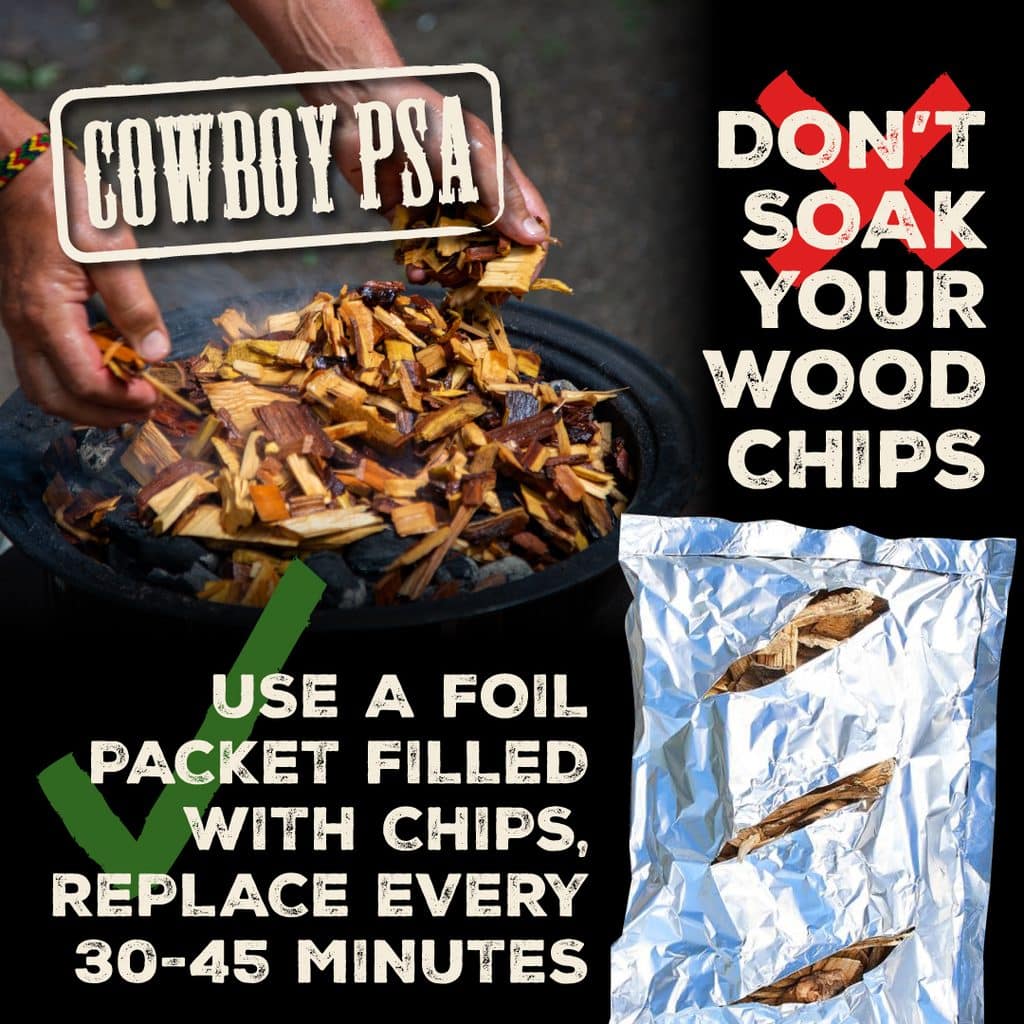
Soaking wood chips in water for hours before a cook is one of the most stubborn myths in backyard barbecue. Somewhere along the line, folks got convinced that wet chips last longer and produce better smoke.
In reality, you are basically forcing your electric smoker to run a sauna instead of a smokehouse.
Wet wood does not smoke – it steams. Until every drop of water evaporates from those soaked chips, the wood temperature stays stuck at 212°F (100°C), which is way too cool to produce the combustion gases required for a smoke ring.
By the time the chips finally dry out and start smoldering, your meat has already warmed past 140°F, and your window for forming a ring has vanished.
Toss your chips in completely dry; your electric smoker is already sealed tight enough to keep them from bursting into flames.
4. Insufficient Airflow and Oxygen Starvation
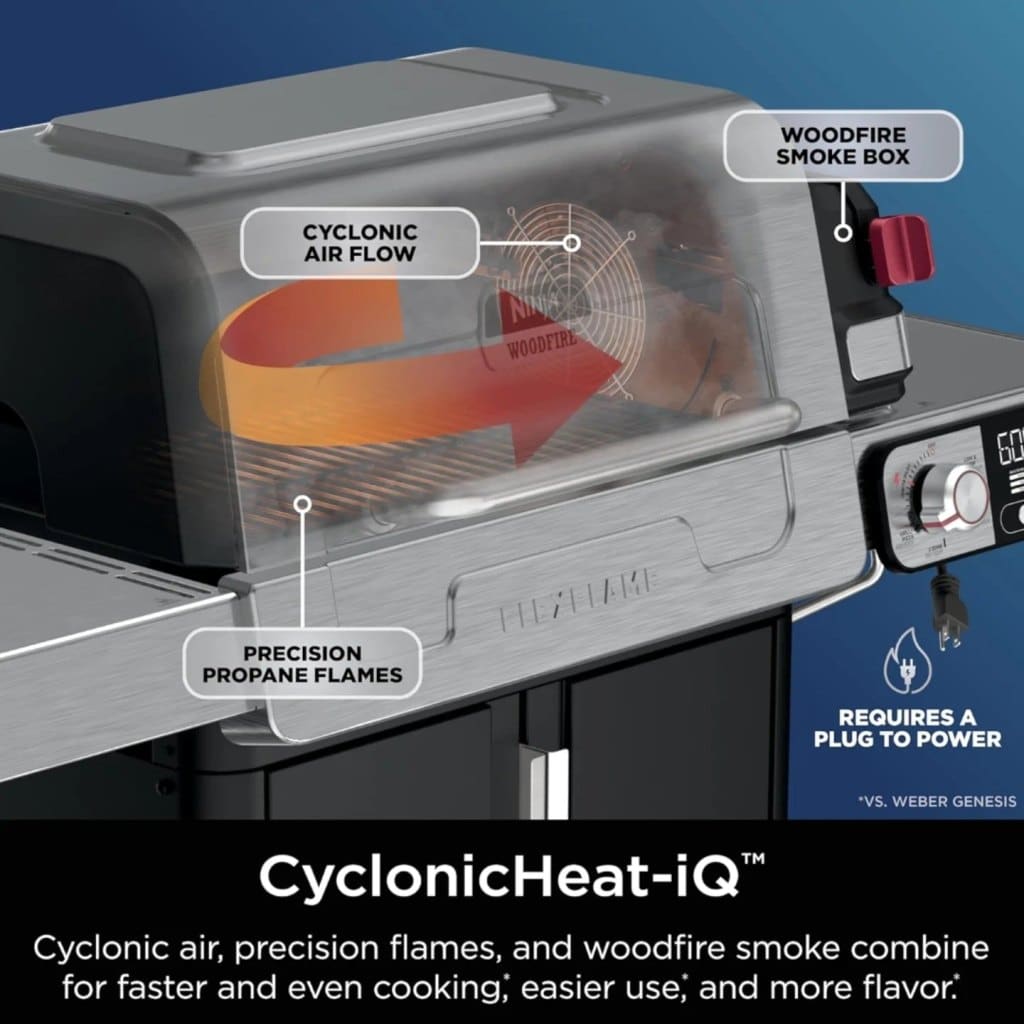
To generate the cleanest smoke packed with nitric oxide, smoldering wood needs a steady supply of fresh oxygen.
When fire or smoldering wood gets starved of air, it produces thick, billowing white smoke loaded with bitter creosote instead of thin blue smoke rich in nitrogen dioxide.
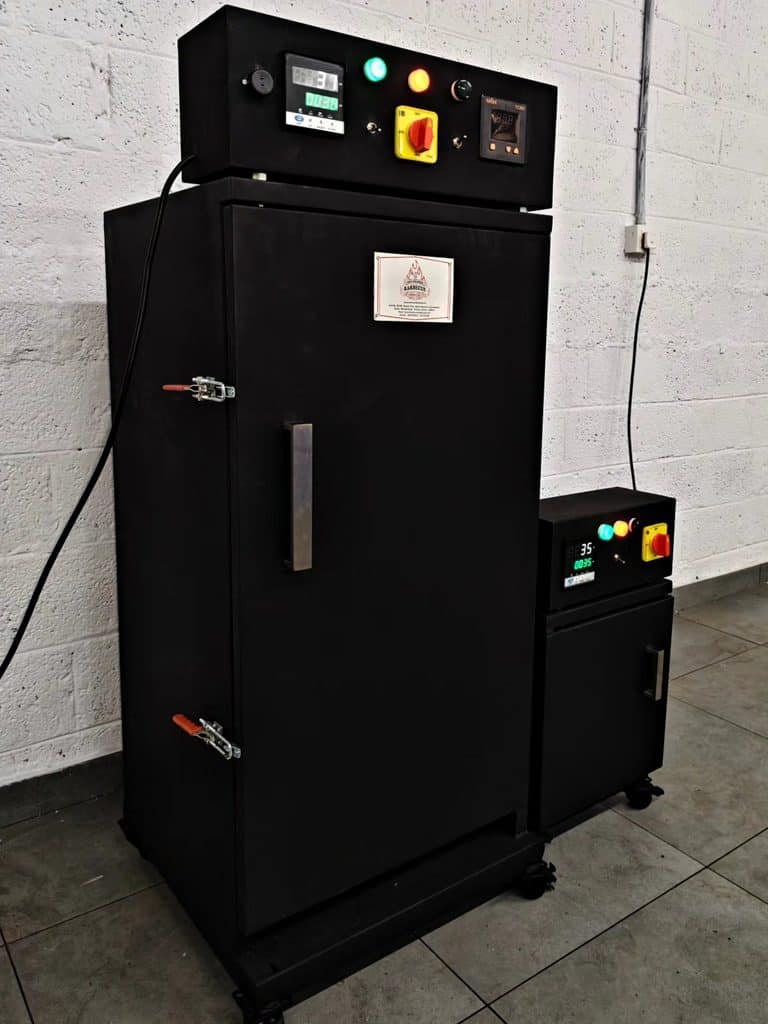
Because an electric smoker is built like an insulated refrigerator to hold steady temperatures with minimal effort, airflow is naturally restricted.
Many beginners make the problem worse by closing the top exhaust vent halfway, thinking they are trapping the smoke inside so it will soak into the meat faster.
All that actually does is choke out the chip tray and suffocate the chemical reaction. Leave your top exhaust vent wide open from start to finish so fresh air can pull through the cabinet and keep the wood smoldering cleanly.
5. You’re Using Heavy Smoke Too Late in the Cook
Watching a twelve-hour brisket cook makes it tempting to keep feeding wood chips into the loader every forty-five minutes until the meat is done. After all, more smoke equals a bigger smoke ring, right? Not even close.
Roughly 90% of your smoke ring forms during the first two hours of the cook.
Once a crusty bark begins to set and the outer layer of the meat cooks through, pouring more wood chips into your electric smoker will not add a single millimeter of pink to your slices.
Front-load your wood chips right at the beginning of the cook when the meat is cold and wet, then let the electric heating element do the heavy lifting for the remaining hours.
Bonus: Can You “Hack” a Smoke Ring in an Electric Smoker?
You can absolutely bend the rules of physics if you refuse to serve brisket without that signature pink border. Pitmasters looking for a visual boost in an electric smoker generally rely on two proven tricks:
- The Charcoal Briquette Trick: Place one or two lit charcoal briquettes directly into your wood chip tray alongside your dry wood chips. Charcoal burns hotter than an electric coil and releases pure carbon monoxide and nitric oxide, giving you a genuine, natural smoke ring.
- The Curing Salt Shortcut: Mix a tiny pinch of sodium nitrite – sold as Prague Powder #1 or Morton Tender Quick – into your dry rub, or brine the meat briefly before rinsing it off. Curing salt reacts directly with myoglobin to create a vibrant pink ring, though you have to use a very light hand unless you want your brisket tasting like Thanksgiving ham.
An electric smoker is built for set-it-and-forget-it convenience, rock-solid temperature control, and stress-free weekend cooking. Even if your slices come out without a dramatic pink stripe, juicy meat with a peppery, flavorful bark will always beat a dry brisket with a pretty ring.
Let the neighborhood judge your barbecue with their forks, not a ruler.
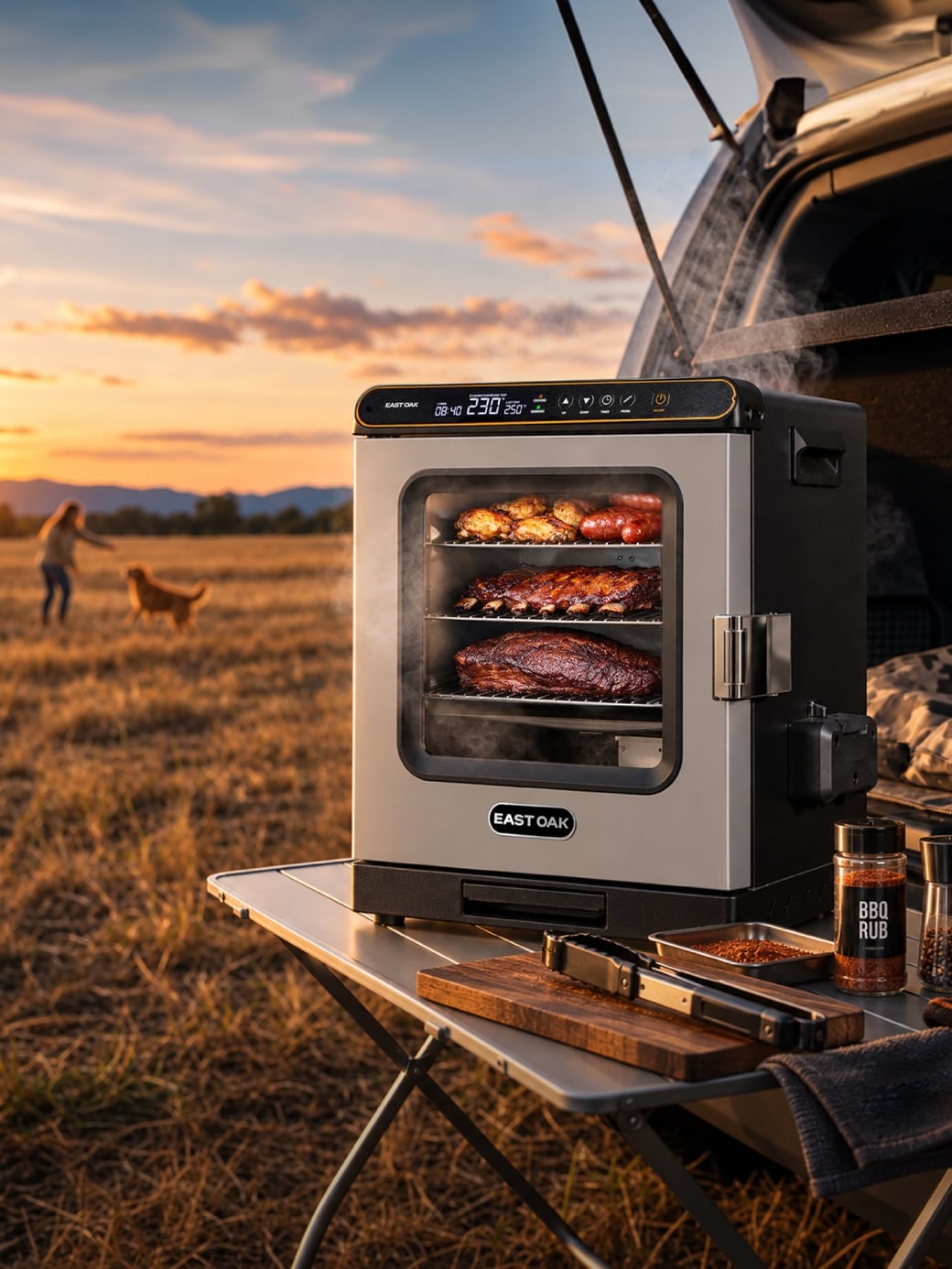
Featured image credit: @eastoak_official
